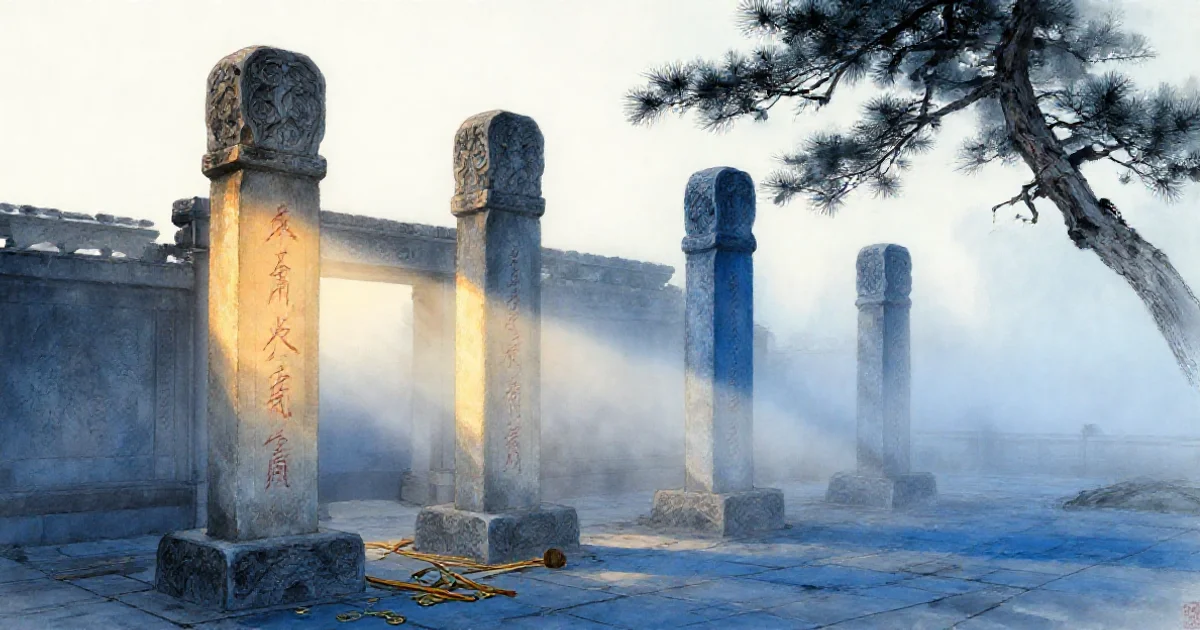
Part 1
What Bazi Actually Is
Four pillars, eight characters, one birth moment. Bazi uses the same stems and branches as the I-Ching but reads them as a natal chart, not a situational oracle.
6-Part Series
Bazi fate calculation from the three canonical texts — the Yuanhai Ziping, Sanming Tonghui, and Ditiansu.
Part 1
Four pillars, eight characters, one birth moment. Bazi uses the same stems and branches as the I-Ching but reads them as a natal chart, not a situational oracle.
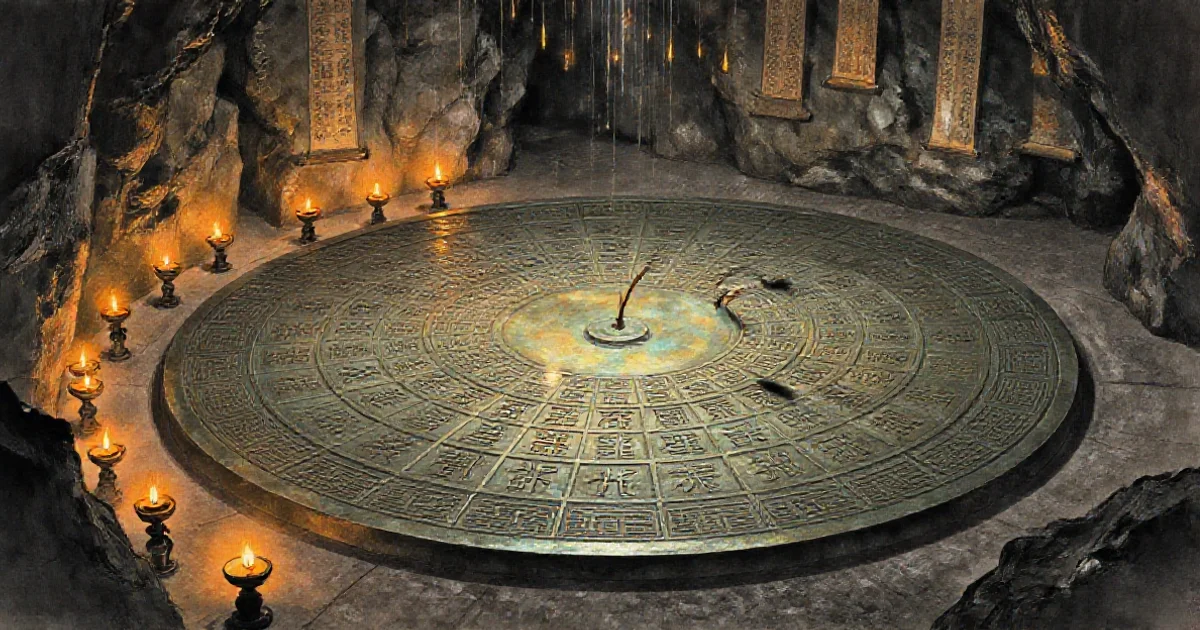
Part 2
Sixty stem-branch pairs cycle through time. Each carries an elemental signature — the Nayin — that the Sanming Tonghui treats as the first layer of any reading.
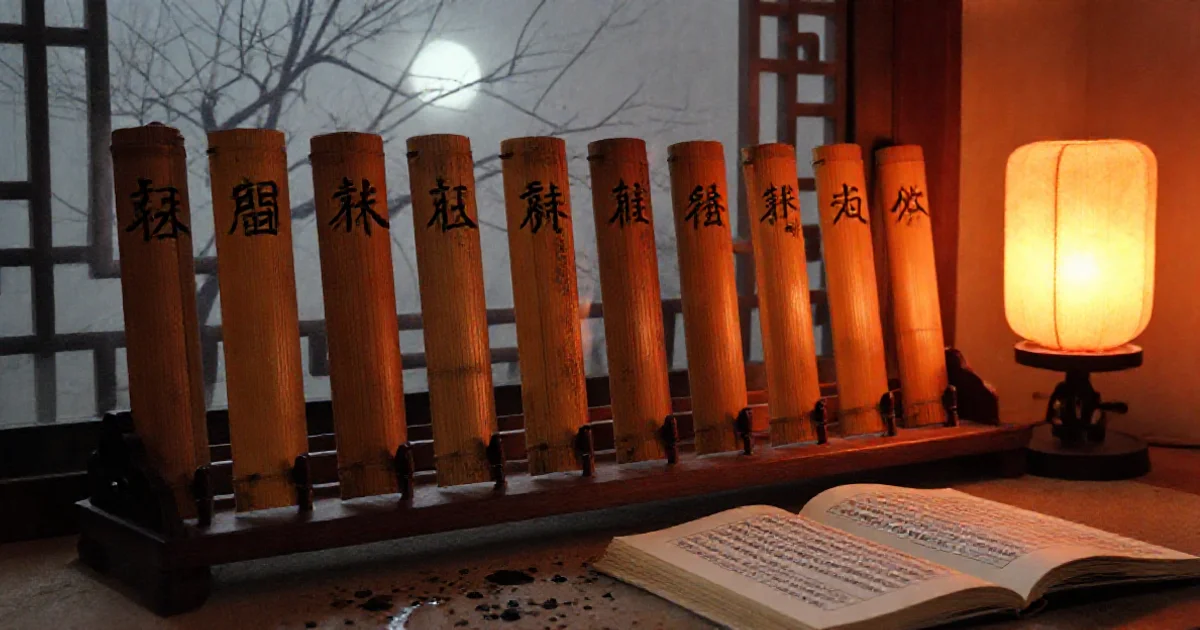
Part 3
Every element in a Bazi chart has a relationship to the Day Master. The Ten Gods name those relationships — the Yuanhai Ziping's complete framework.

Part 4
The same Day Master born in summer and winter produces entirely different charts. How month, hour, and hidden stems determine whether an element thrives or dies.
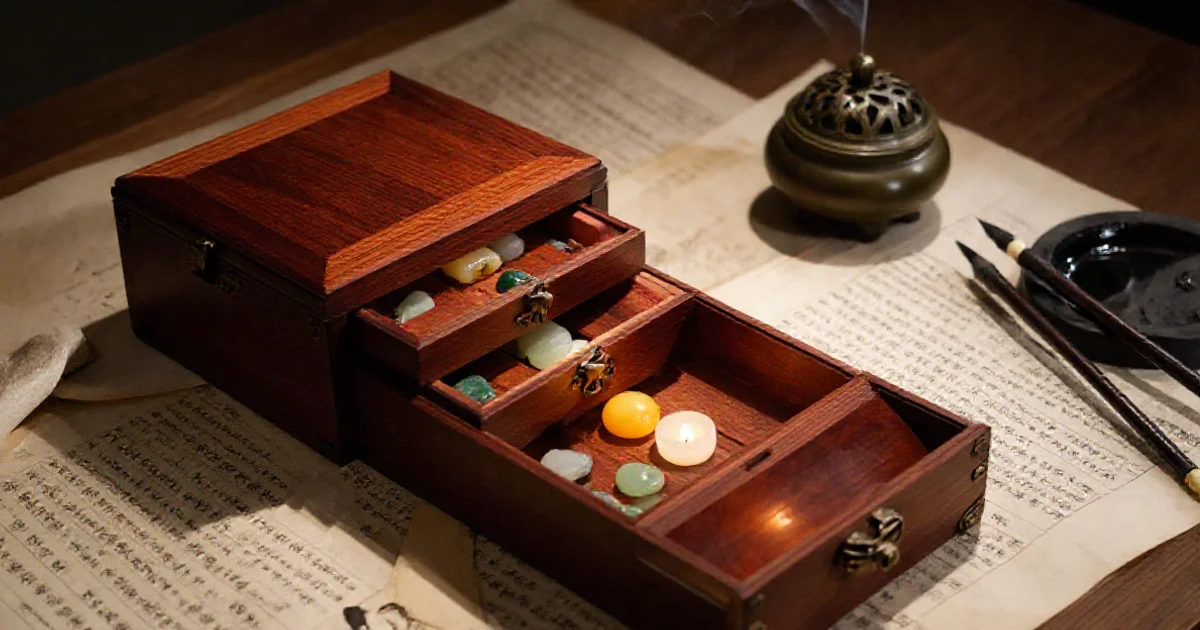
Part 5
Eighteen named patterns in the Yuanhai Ziping, seventy-three in the Sanming Tonghui. When specific elements align in specific positions, the pattern has a name.
Part 6
Before Xu Ziping, fate calculation used the year pillar. After him, the day pillar became the anchor. The historical evolution and the Siku scholars' verdict.