Part 1
What is the I-Ching?
A 3,000-year-old binary system for structured reflection. Not fortune-telling — pattern recognition. What it is, where it comes from, and why it still matters.
6-Part Series
What the hexagrams are and how to read them.
Part 1
A 3,000-year-old binary system for structured reflection. Not fortune-telling — pattern recognition. What it is, where it comes from, and why it still matters.
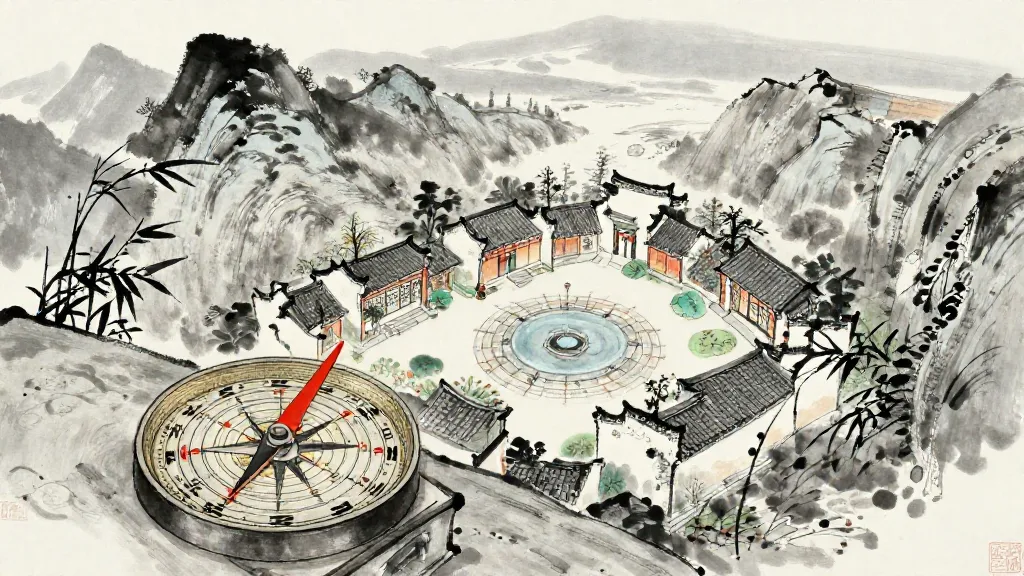
Part 2
If you know feng shui, you already know the I-Ching's building blocks. The eight trigrams, Five Elements, and yin-yang balance connect both systems to the same cosmological root.
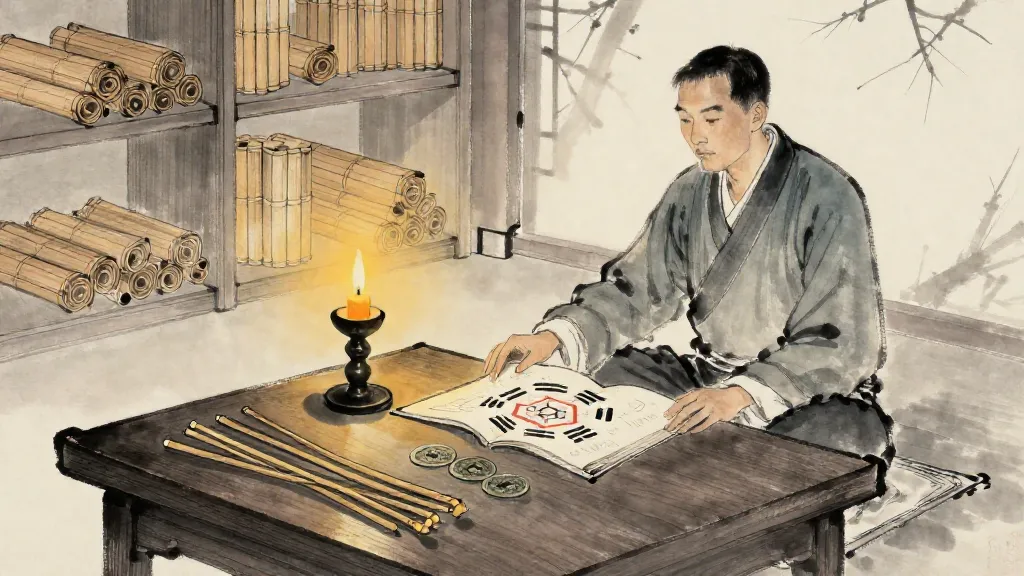
Part 3
A grounded introduction to reading hexagrams. What the six lines mean, how the two trigrams interact, and how to approach a reading with sincerity.
Part 4
Neither “ee-ching” nor “yee-jing” sounds like what the people who wrote the text actually said. The ancient pronunciation survives in Cantonese, Korean, and Japanese—and the reason Mandarin lost it involves steppe barbarians and a fistfight.
Part 5
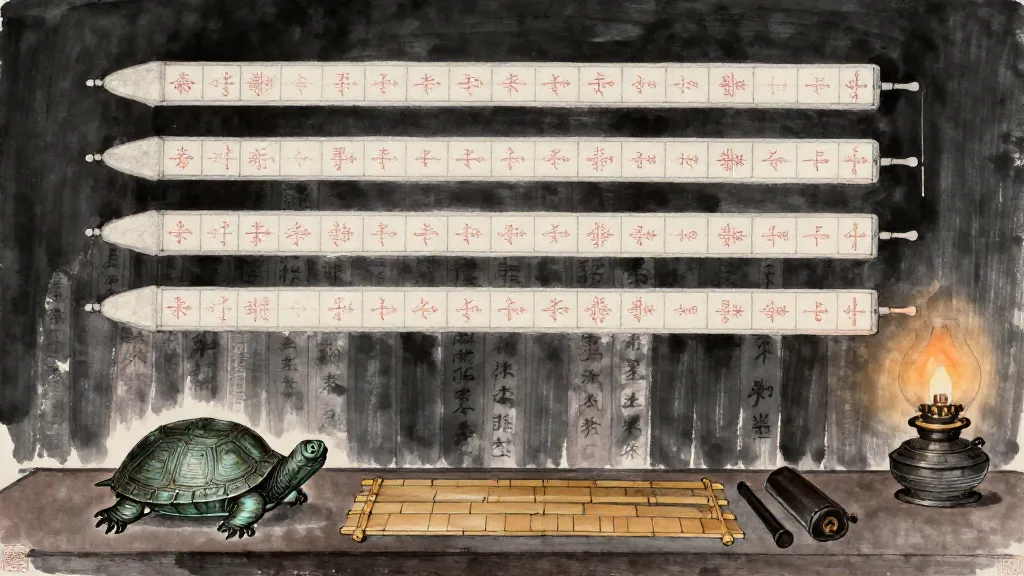
Liu Yao is the formalized system Chinese diviners actually use. Heavenly Stems, Earthly Branches, Six Relatives, and Five Element dynamics mapped onto each line.
Part 6
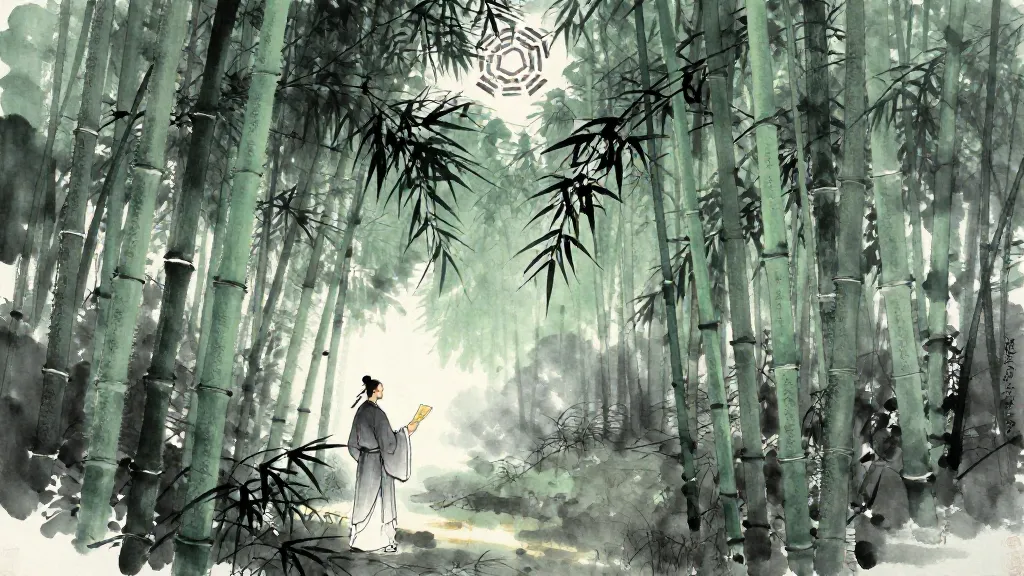
Jiao Yanshou's Forest of Changes contains one four-line poem for every possible hexagram transformation. A guide to the tradition behind the verses.