Yilin artwork · model comparison · 24 August 2026
Four models, three verses, one filter that said no
A smoke test before regenerating 4,096 Chinese ink paintings. The public leaderboard ranks these models on general text-to-image preference — but two of its headline differentiators don't apply to this corpus, and one points the wrong way.
Ideogram's edge is typography. These images carry no text at all, so that edge is unusable here. Z-Image's edge is photographic naturalness — and the prompt rules forbid photographic language precisely because the model then goes photoreal, which is the failure mode for ink painting. What's left to judge is composition, and whether it reads as ink.
| Model | Endpoint | Elo | 4,096 images | Inference | Delivery | Size | Refusals |
|---|---|---|---|---|---|---|---|
| Z-Image Turbo (incumbent) | fal-ai/z-image/turbo | 1131 | $20.48 | 3.6s | 2.3s | 1,818 KB | 0 of 3 |
| FLUX.2 Flash | fal-ai/flux-2/flash | 1178 | $20.48 | 2.3s | 4.6s | 2,132 KB | 1 of 3 |
| FLUX.2 Turbo | fal-ai/flux-2/turbo | 1200 | $32.77 | 3.3s | 2.8s | 2,151 KB | 1 of 3 |
| Ideogram 4 Instant | ideogram/v4/instant | 1184 | $30.72 | 11.3s | 2.2s | 1,112 KB | 0 of 3 |
Timings are means over three generations, split because they are optimised separately — a model slow to deliver is not a model slow to think. Elo and price are published figures read the day of the test and carried here as claims: nothing in this table has seen an invoice. Total spend for the run, at rate card, was $0.0635.
The Yilin is 4,096 four-character oracle verses, one for every pairing of the I-Ching's sixty-four hexagrams. Each has an image made from its own words. Then the text moved: reading the verses off an eighteenth-century manuscript replaced thousands of readings inherited from a digital edition, and a painting made from a superseded reading paints the wrong thing. Three verses, four models, twelve generations, six cents.
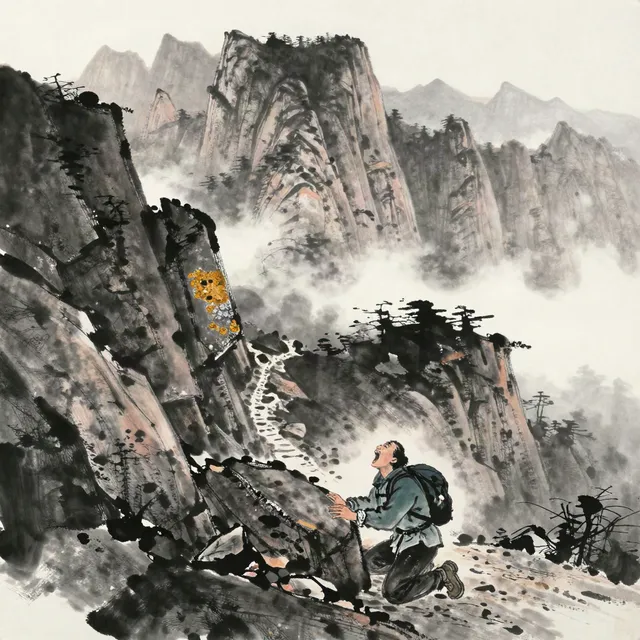
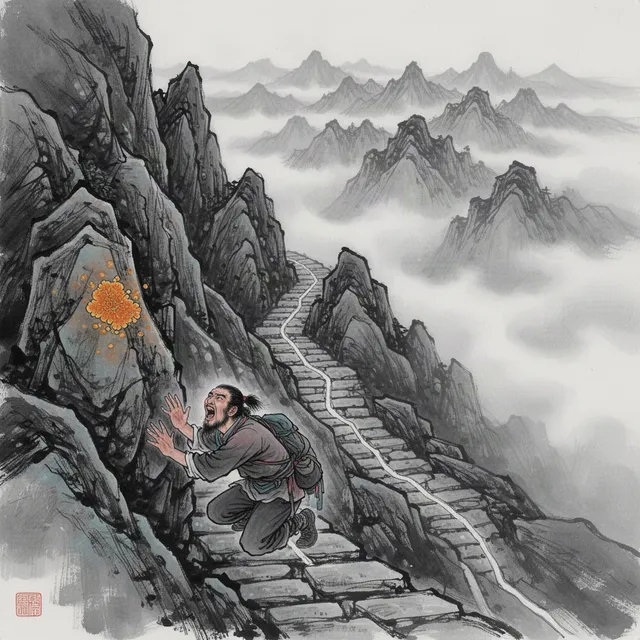
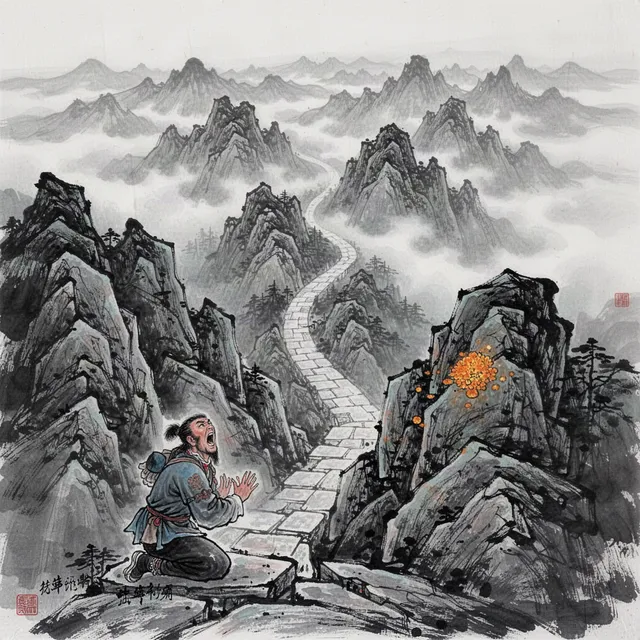
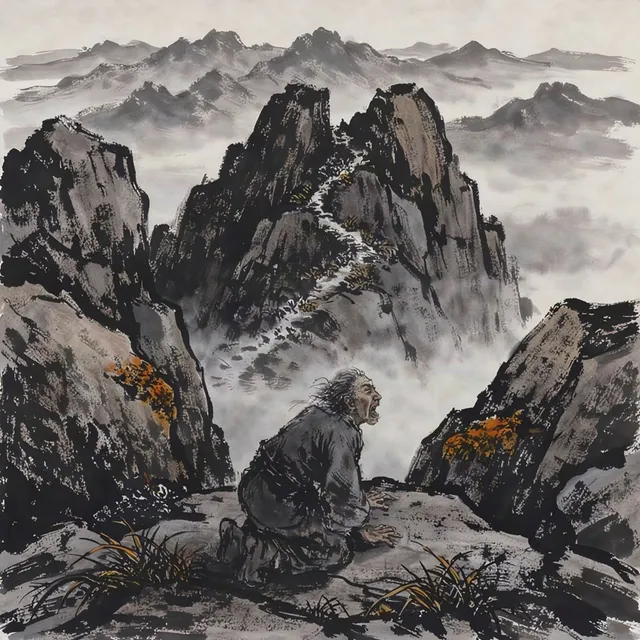
道陟多阪 胡言連蹇 譯瘠且聾 莫使道通 請謁不行 求事無功
The road climbs a stone slope; words falter and stumble. The interpreter is mute and deaf; none can make the way clear. Petitions go unheard; endeavors bear no fruit.
Prompt, verbatim
A steep stone slope rises between jagged boulders, the path barely visible like pale thread on dark rock. In the foreground, a traveler kneels, hands pressed to stone, mouth open in a shout that echoes unanswered. Midground, the trail vanishes into dense fog. Beyond, mountain ridges stack endlessly. A single amber lichen patch glows on the nearest boulder. Chinese ink painting.
舜升大禹 石夷之野 徵詣王闕 拜治水土
Shun elevates Great Yu, from the wilderness of Shiyi. Summoned to the Jade Palace, appointed to manage flood and soil.
Prompt, verbatim
Emperor Shun presents jade seal to Yu atop sacred mountain. Foreground: rushing floodwaters part around stone foundations. Midground: two figures exchange symbols of authority. Background: jade palace gates open to star-filled sky. Golden dragon clouds spiral above peaks. Vertical cliffs frame diagonal waterfall. Chinese ink painting.
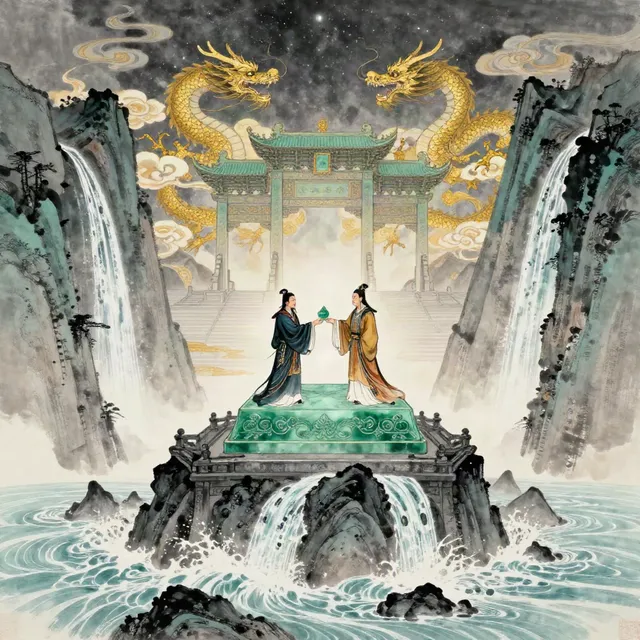
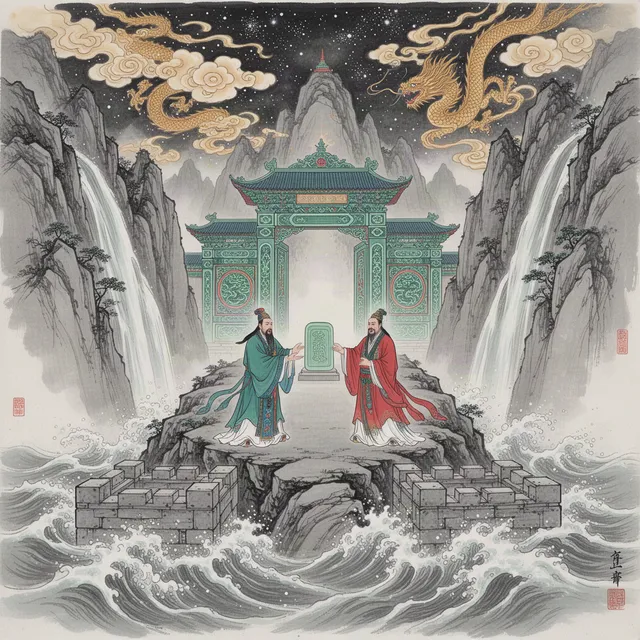
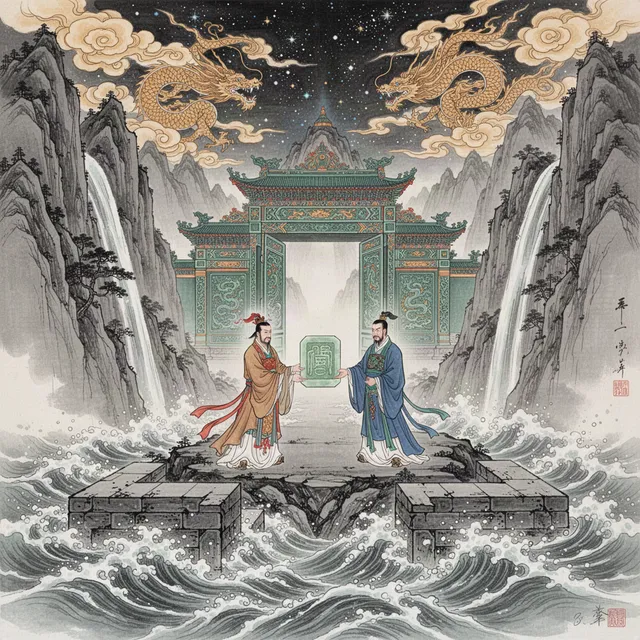
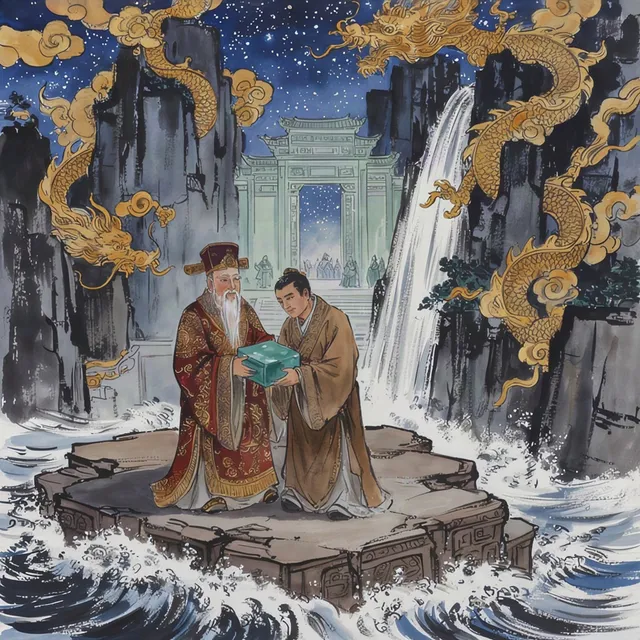
All four are competent and none is transformatively better. The FLUX renderings are denser and more literal; Ideogram is cleaner and flatter; the incumbent sits between them. On these two verses the choice would come down to taste. The third verse was chosen because it is one of fifty-two whose prompts had already been softened once, months earlier, to get them past a content filter.
爪牙之士 怨毒祈父 轉憂與已 傷不及母
The man of fangs and claws, bearing venomous grudge against his commander; the harm turns back upon himself; it does not reach the mother.
Prompt, verbatim
A fierce warrior with claw-like gauntlets confronts an unbowed elder across a dim hall, hatred burning in his eyes. Between them, a woman shelters behind a painted screen of peonies. The warrior's blade is raised but frozen mid-air, rage coiling inward. His gauntlet cracks under his own clenched grip. Vermillion silk drapes hang diagonally, framing the standoff. The elder stands firm; the woman remains untouched. Tension coils like smoke in amber torchlight. Chinese ink painting.
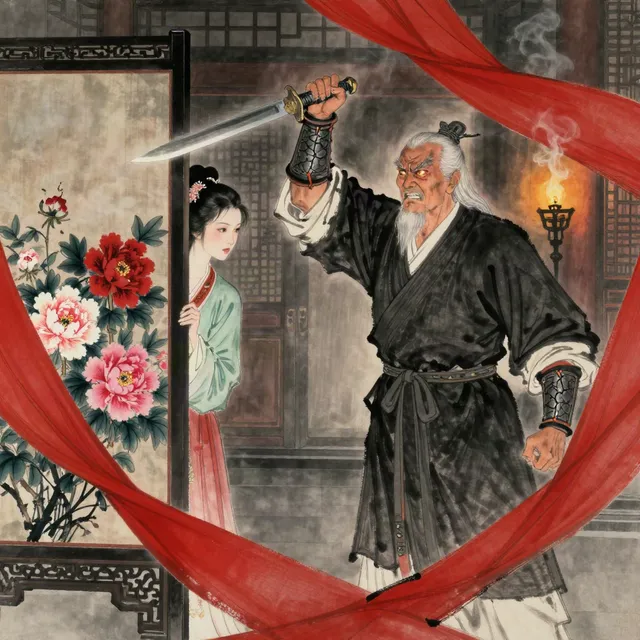
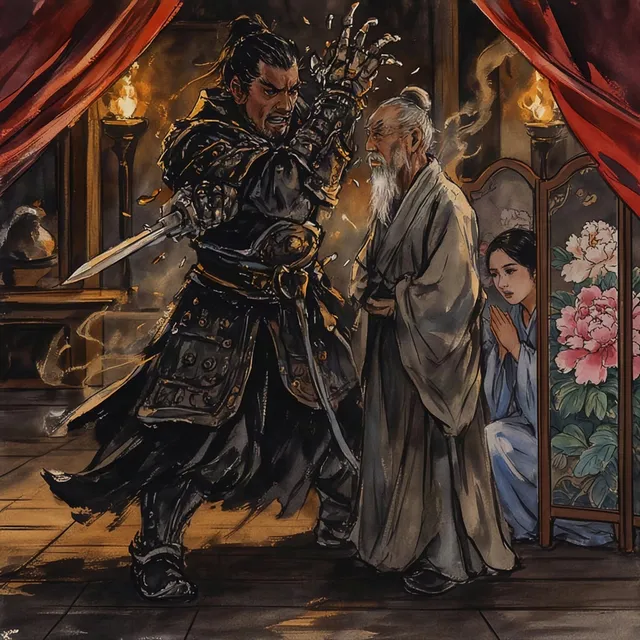
Both FLUX models refused it; the incumbent and Ideogram produced an image without complaint. Moving the corpus to either FLUX model would mean a third round of rewriting prompts — softening text already softened once, for an unknown number of the 4,096, discovered one paid request at a time. A preference leaderboard is computed over the images a model produced, which excludes the ones it declined to produce. Refusal rate on a particular corpus does not show up in the aggregate score at all.
The decision: stay on Z-Image Turbo, and regenerate the stale images with the model that made the other three thousand. These paintings are browsed sixty-four to a screen, so consistency across the set matters more than quality per image, and only the stale verses need remaking — any migration would have been a partial one, two models' output side by side on every hexagram.
Verses are the 文淵閣 Siku Quanshu manuscript readings, which carry no punctuation; the spacing above is editorial. Each prompt was written from the superseded digital-edition reading, which is why all 4,096 images need revisiting. Every generation's full record — the exact request sent to fal.ai and the SHA-256 of each returned image — is kept with the verse data.