
第 1篇
「无咎」不是「没事」
易经最常见的判语从「位置不错」漂移到「品德没错」——中间隔着〈系辞〉的一次改写。现代读者读的是第二层。《易经》的密码语言,第一篇。
8篇系列
易經語彙如何在翻譯與原典中壓縮結構義理。
第 1篇
易经最常见的判语从「位置不错」漂移到「品德没错」——中间隔着〈系辞〉的一次改写。现代读者读的是第二层。《易经》的密码语言,第一篇。

第 2篇
从殷商卜辞的吉/凶二值判断,到现代年节的吉祥话——《易经》的「吉」不是预测,也不是运气,而是一个条件判断。《易经》的密码语言,第二篇。

第 3篇
从殷墟甲骨到宋明理学,「贞」这个字在汉语内部经历了三千年的语义漂移。现代读者继承的,是最后一层。《易经》的密码语言,第三篇。

第 4篇
悟 is not the aftermath of error—it is the system noticing it can still save itself. The corrective signal that makes 无咎 possible. Part 4 of the Coded Language series.

第 5篇
利 names the move the situation can carry, not what happens after. The second most common verdict in the I-Ching is an affordance operator, not a forecast. Part 5 of the Coded Language series.

第 6篇
凶 does not condemn the situation—it warns the move. The world can go badly without you being wrong, and the Changes says so explicitly. Part 6 of the Coded Language series.

第 7篇
吝 is embarrassment in the pattern; 厲 is pressure in the path. Neither is 凶. The Changes distinguishes four kinds of difficulty—English collapses them all into “bad.” Part 7 of the Coded Language series.
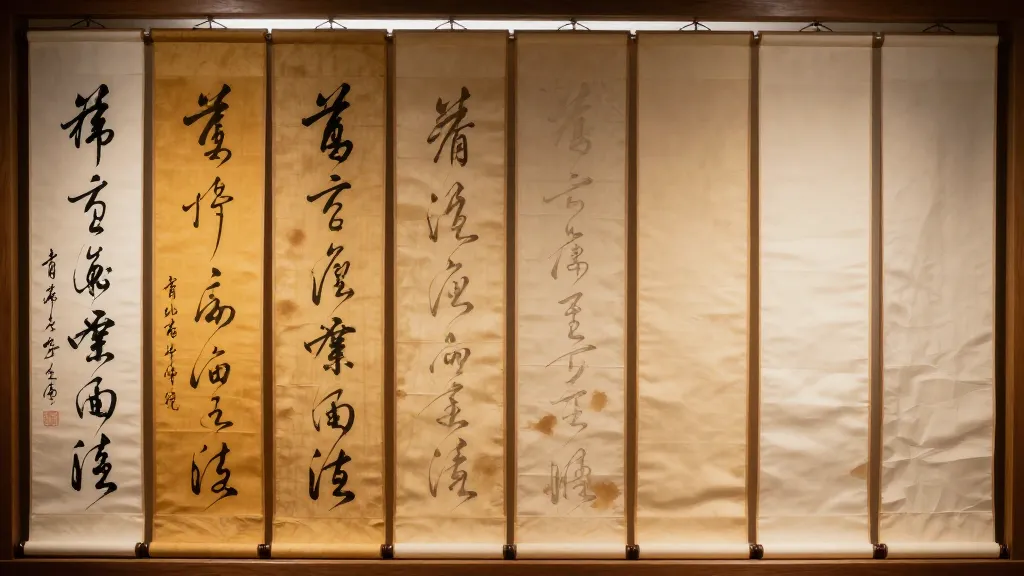
第 8篇
Eight terms. A closed system. Not good and bad—layers. The meta-essay closing the Coded Language series, revealing what becomes visible only at the system level. Part 8 of the Coded Language series.