Part 1
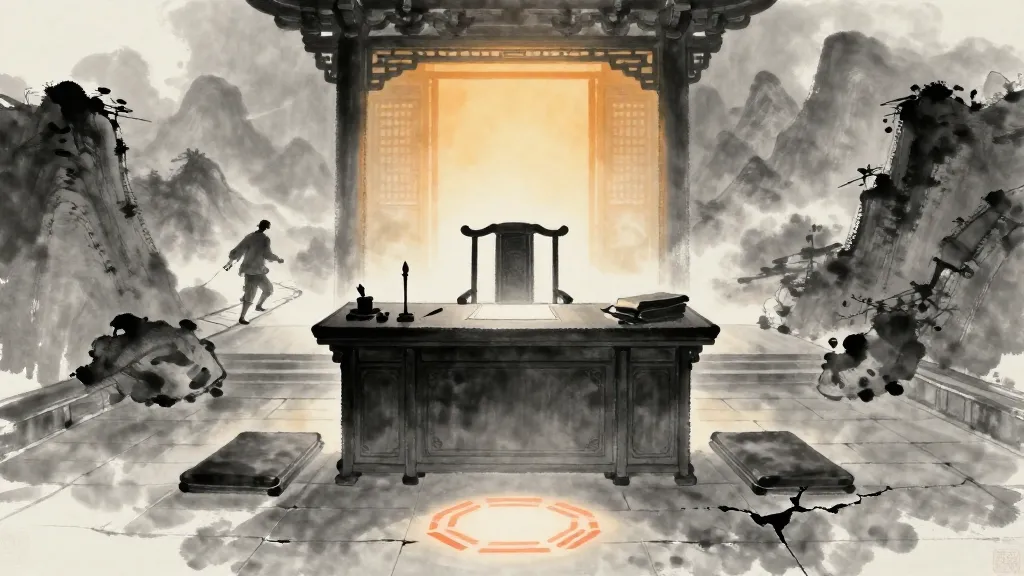
No Blame Doesn’t Mean Innocence
The I-Ching’s most common neutral verdict, 无咎, is not a moral acquittal. It is a structural claim that the move fits the moment. Part 1 of a series on the coded language of the Changes.
8-Part Series
How inherited verdict terms in the I-Ching function as compressed philosophical language.
Part 1
The I-Ching’s most common neutral verdict, 无咎, is not a moral acquittal. It is a structural claim that the move fits the moment. Part 1 of a series on the coded language of the Changes.

Part 2
Even the careful English word “auspicious” lets the meaning of 吉 slide into lottery-ticket luck. Almost half the verdicts in the book are conditional; none are predictions. Part 2 of the Coded Language series.
Part 3
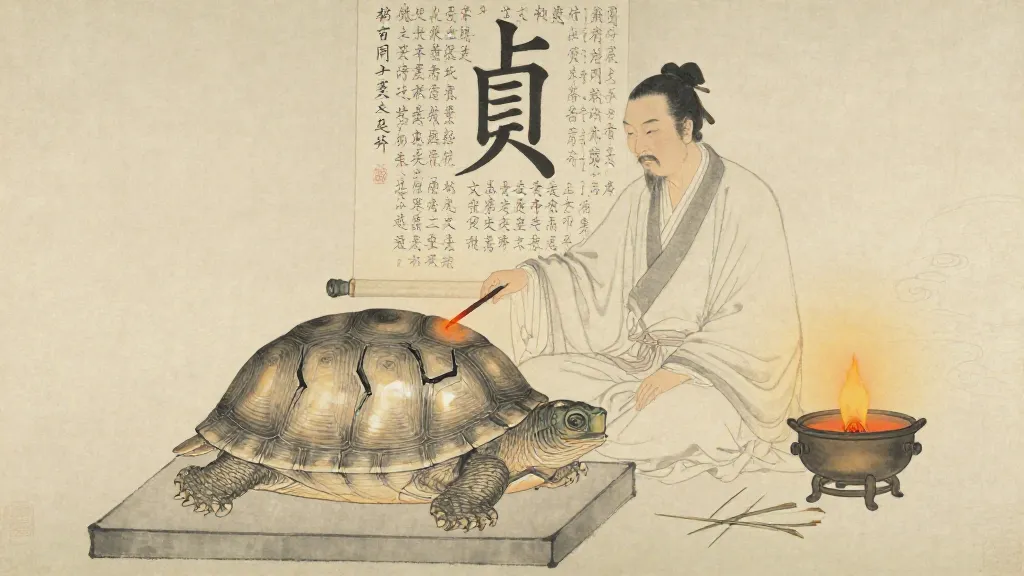
貞 was a verb before it was a virtue—the Shang act of asking the oracle, later moralized by the Wenyan into “the stem of affairs,” then flattened into English “perseverance.” Part 3 of the Coded Language series.

Part 4
悟 is not the aftermath of error—it is the system noticing it can still save itself. The corrective signal that makes 无咎 possible. Part 4 of the Coded Language series.

Part 5
利 names the move the situation can carry, not what happens after. The second most common verdict in the I-Ching is an affordance operator, not a forecast. Part 5 of the Coded Language series.

Part 6
凶 does not condemn the situation—it warns the move. The world can go badly without you being wrong, and the Changes says so explicitly. Part 6 of the Coded Language series.

Part 7
吝 is embarrassment in the pattern; 厲 is pressure in the path. Neither is 凶. The Changes distinguishes four kinds of difficulty—English collapses them all into “bad.” Part 7 of the Coded Language series.
Part 8
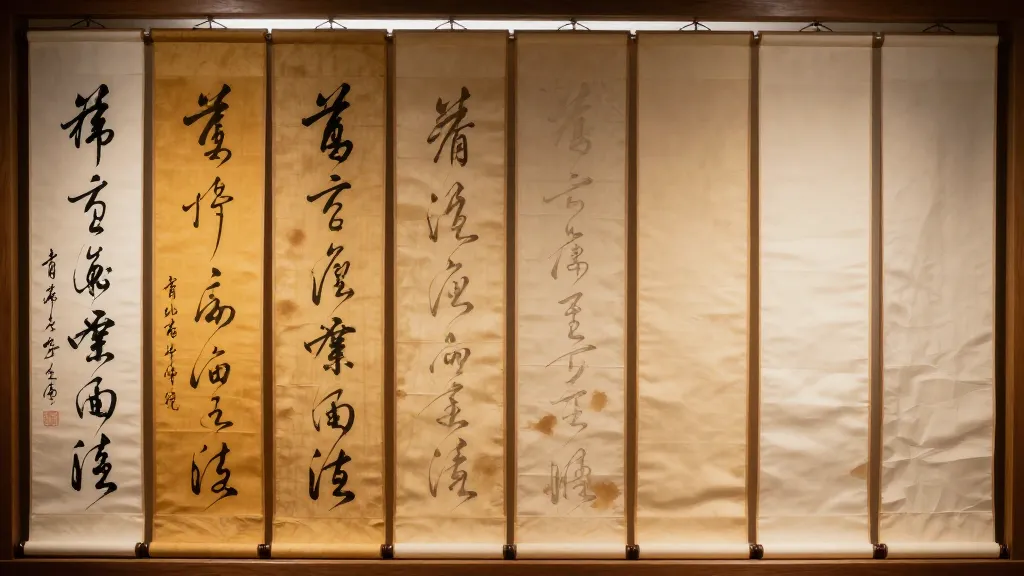
Eight terms. A closed system. Not good and bad—layers. The meta-essay closing the Coded Language series, revealing what becomes visible only at the system level. Part 8 of the Coded Language series.