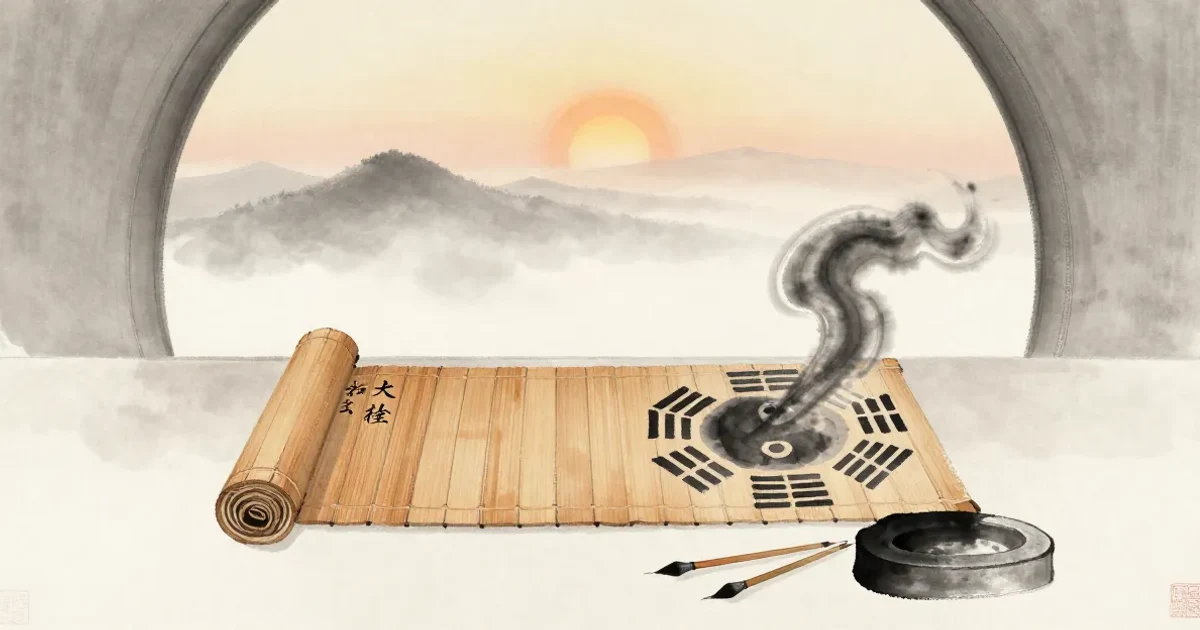
Part 1
Daoism and the I-Ching
You already know the Dao. The I-Ching is the Dao made consultable. The Xici says 一陰一陽之謂道 — one yin, one yang, that is the Dao — and a hexagram is that Dao caught in one of its sixty-four configurations.
6-Part Series
Reading the I-Ching through the Daoism you already know.
Part 1
You already know the Dao. The I-Ching is the Dao made consultable. The Xici says 一陰一陽之謂道 — one yin, one yang, that is the Dao — and a hexagram is that Dao caught in one of its sixty-four configurations.
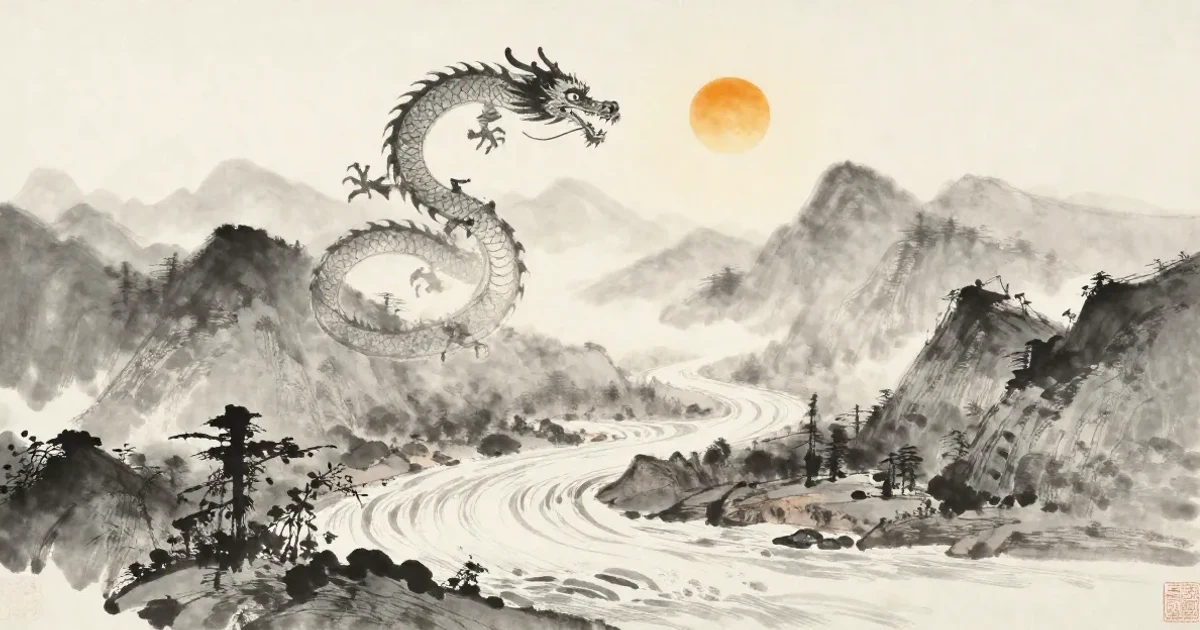
Part 2
Laozi’s law of return — 反者道之動 — written line by line into the I-Ching’s changing lines, the arrogant dragon of Hexagram 1, and the book’s refusal to end on completion.
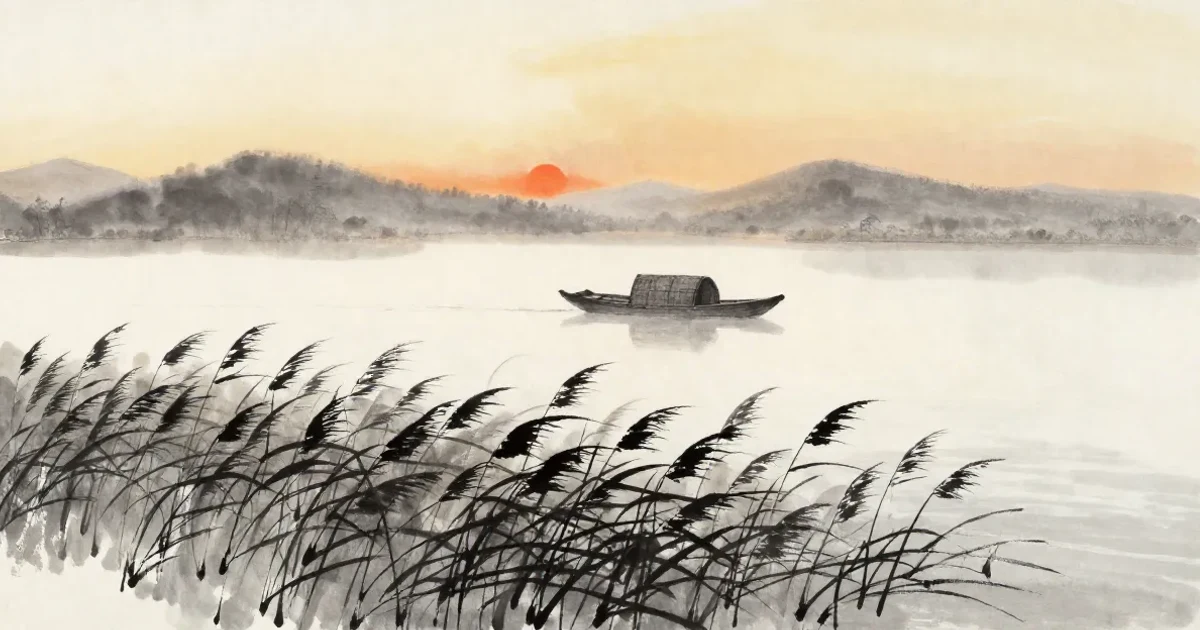
Part 3
Wu wei is non-forcing, not non-action — and the I-Ching tells you when it applies: the Receptive (Kun, Hexagram 2) and Waiting (Hexagram 5), where yielding is the move.
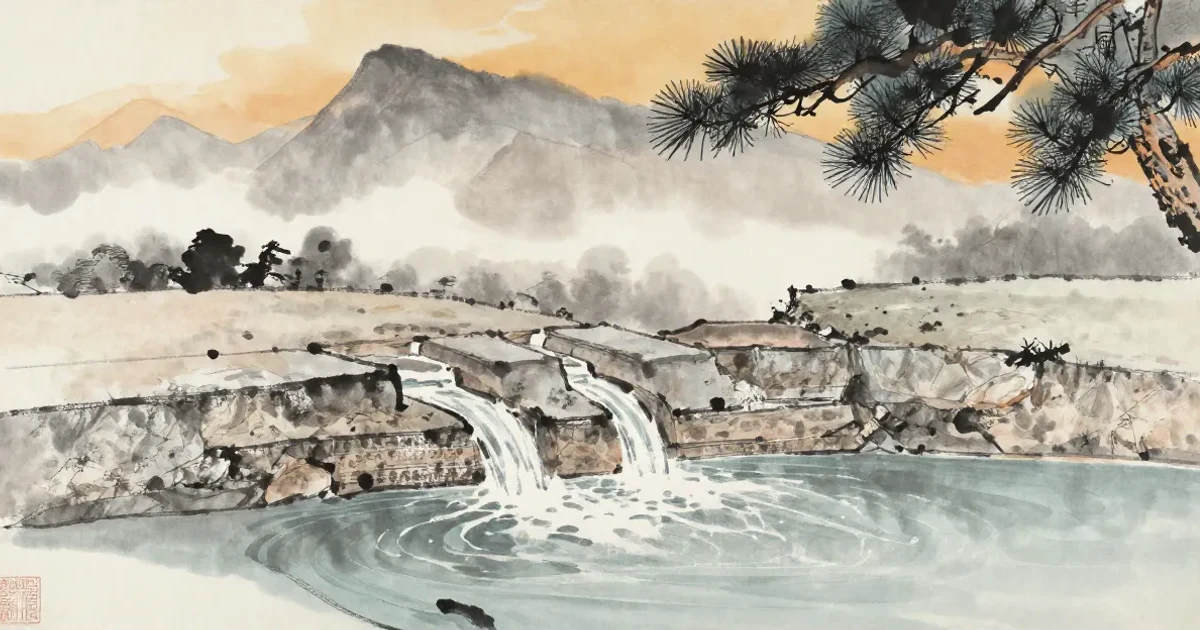
Part 4
上善若水 — water takes the low place and is rewarded for it. The I-Ching agrees by the numbers: the Kan trigram, and Modesty (Hexagram 15), the one hexagram where every line is favorable.
Part 5
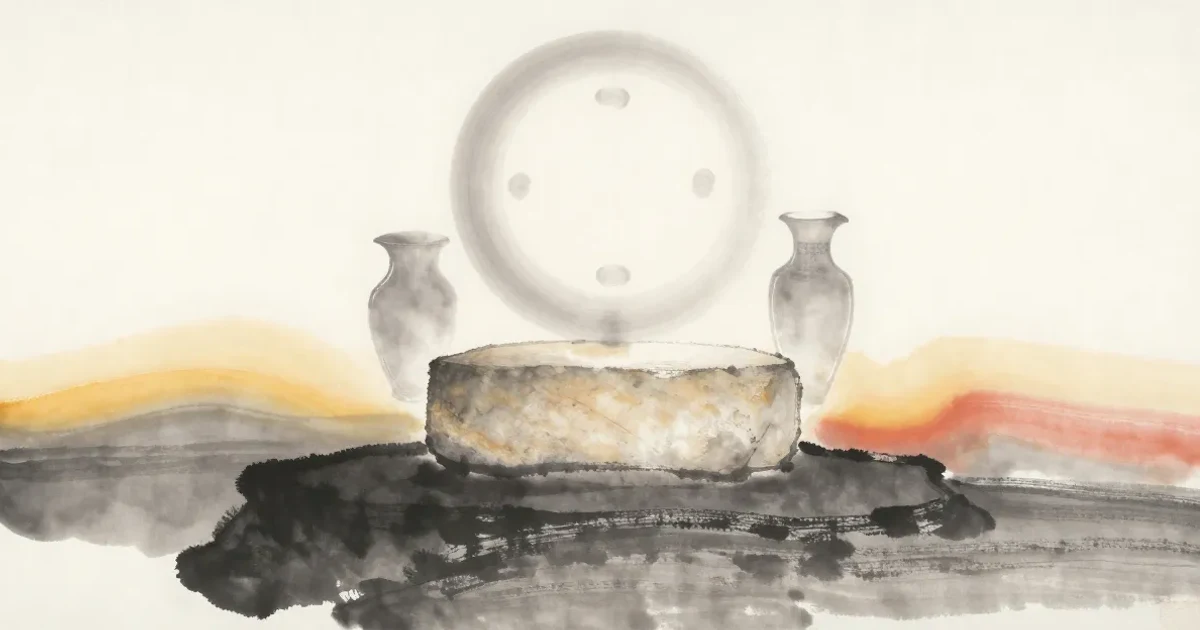
樸散則為器 — when the uncarved block is split it becomes vessels. The Xici tells the same story: taiji to two modes to four images to eight trigrams. Reading the I-Ching is the Daoist return in miniature.
Part 6
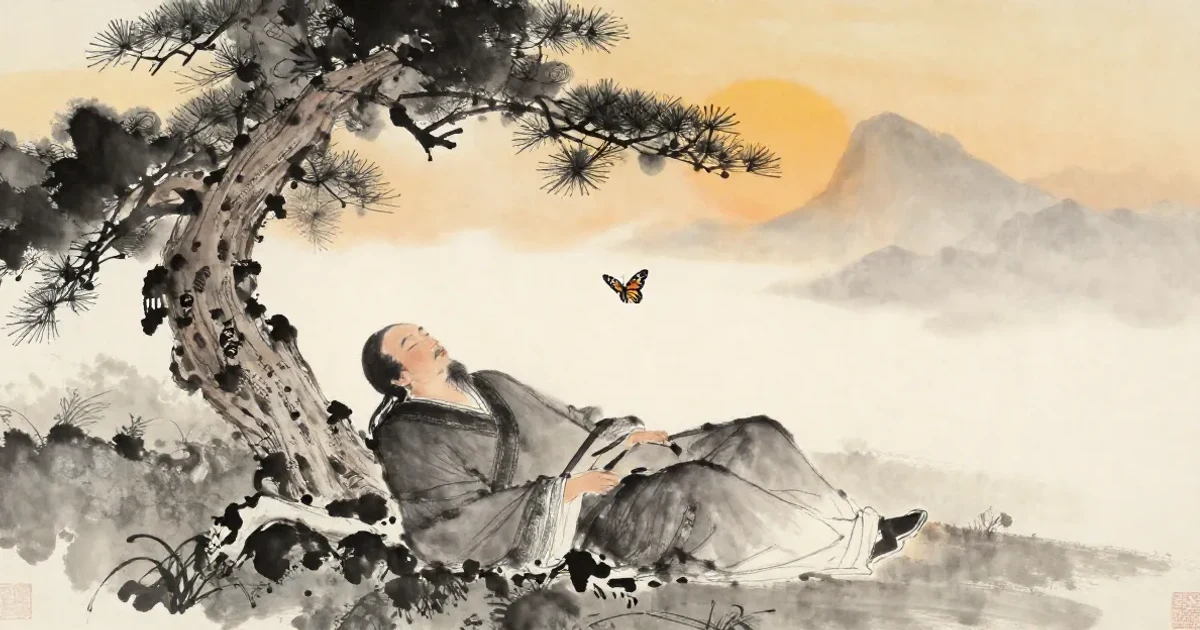
Zhuangzi’s 物化, the transformation of things — Zhou dreaming the butterfly — and the I-Ching’s changing line, the boundary caught mid-dream as one hexagram becomes another.