8-Part Series

Imperial Archives

Qianlong’s scholars and Sima Qian’s histories.

Part 1

What the Emperor’s Scholars Said About the Book of Changes

In the 1770s, a team of Qing scholars reviewed every I Ching commentary in the empire. Their verdicts — preserved in the Siku Quanshu Zongmu Tiyao — reveal two thousand years of intellectual war over what the hexagrams actually mean.
Part 2

The Emperor’s Guide to Divination: What Survived Imperial Review

The Siku Quanshu catalogers reviewed every divination text in China and sorted them into “legitimate” and “rubbish.” Their surprisingly rationalist framework tells us what the tradition’s own gatekeepers considered real.

Part 3

The Imperial Review of Sun Tzu and the Military Canon

Qianlong’s scholars reviewed every military text in the empire — authenticating Sun Tzu, demolishing the Liu Tao, and finding one Ming general worth reading. Their verdicts shaped which strategy texts survived.

Part 4

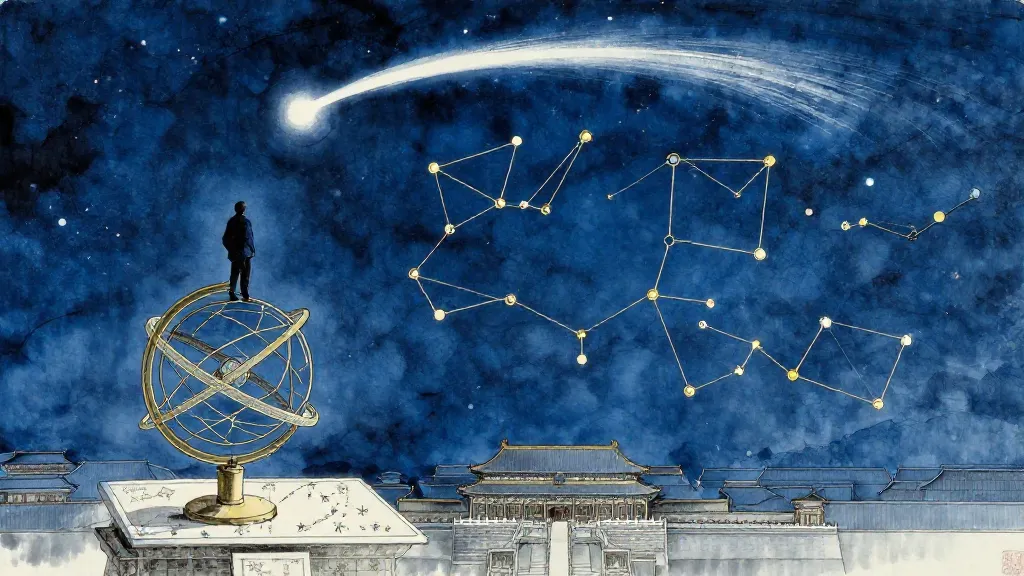
The Astronomer’s Chapter on the Heavens

Sima Qian’s star catalog organized the sky into bureaucratic departments. Every constellation was a government office, every planet an element, every comet a political crisis. This is how the Grand Historian read the heavens.

Part 5

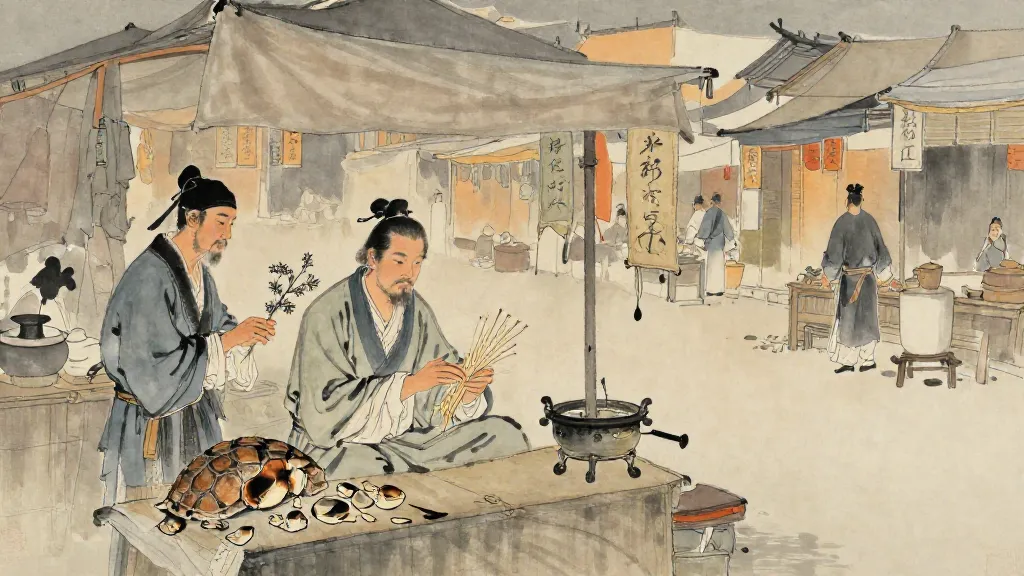
How Sima Qian Described Fortune-Telling

Two chapters of the Shiji profile the diviners of Han China—market-stall fortune-tellers, turtle-shell readers, and milfoil-stalk casters. The debate they record about whether divination is superstition or pattern recognition was already two thousand years old.

Part 6

The Four Lords of the Warring States

Four aristocrats maintained thousands of retainers and shaped the fate of nations. The cock-crow escape, Mao Sui’s self-recommendation, the stolen tiger tally — their stories are the original playbook for political patronage.

Part 7

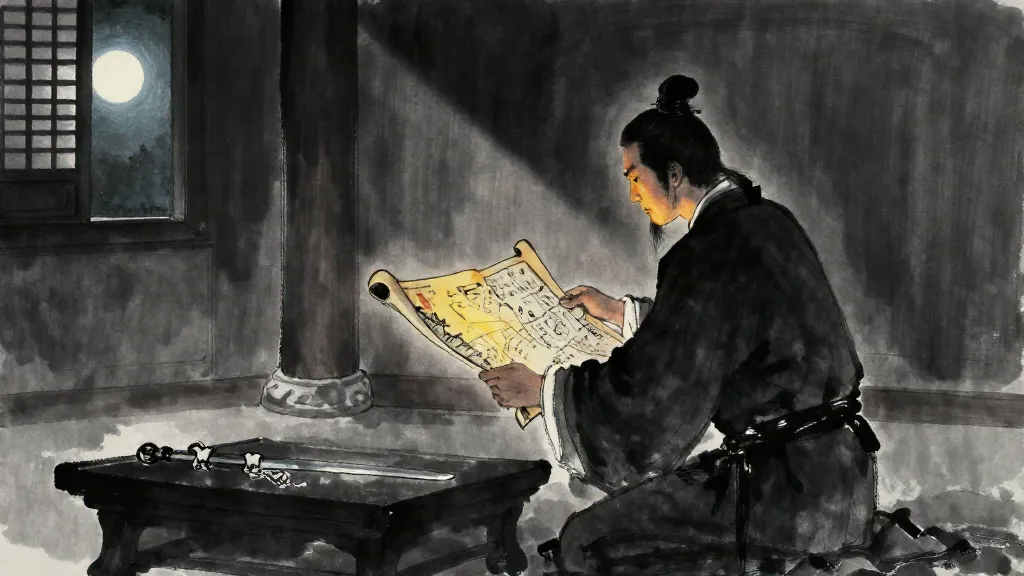
Assassins and Covert Operations in Ancient China

Sima Qian’s portraits of five assassins — driven by personal loyalty, not ideology. The fish-belly sword, the lacquered body, the dagger in the map case. Each story a study in what men will do for someone who recognized their worth.

Part 8

The Economics of Empire: Sima Qian on Merchants and Wealth

Chapter 129 of the Shiji profiles the great merchants of ancient China — Fan Li’s retirement from politics to become the richest man alive, Bai Gui’s contrarian trading system, and Sima Qian’s radical argument that wealth creation is as legitimate as governing.