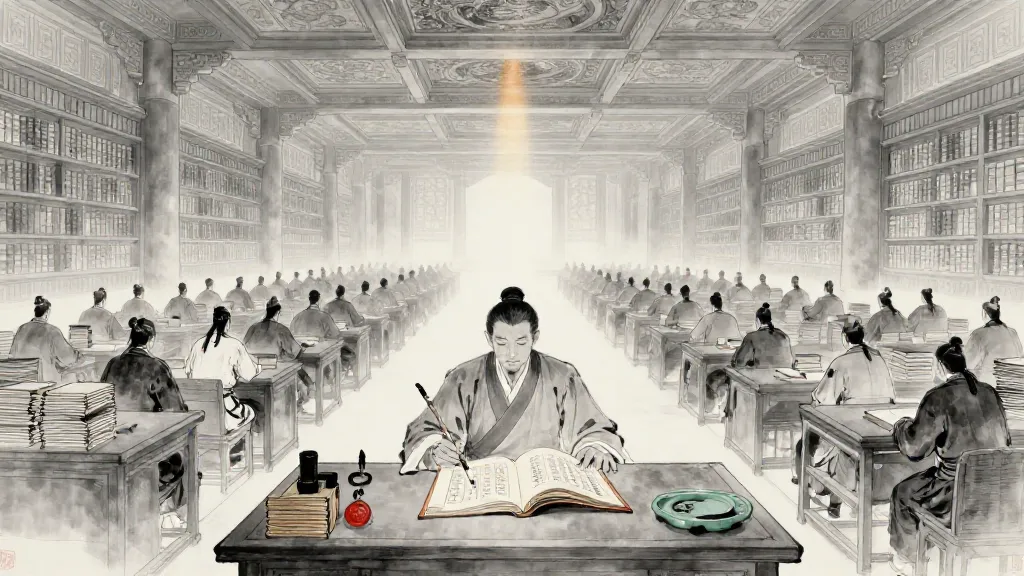
Part 1
The Biggest Book Review in History
In 1772, the Qianlong Emperor ordered 360 scholars to catalog every book in China. The result — the Siku Quanshu — was the largest editorial project in human history. It was also a weapon.
23-Part Series
How China reviewed all knowledge — and destroyed what it didn’t like.
Part 1
In 1772, the Qianlong Emperor ordered 360 scholars to catalog every book in China. The result — the Siku Quanshu — was the largest editorial project in human history. It was also a weapon.
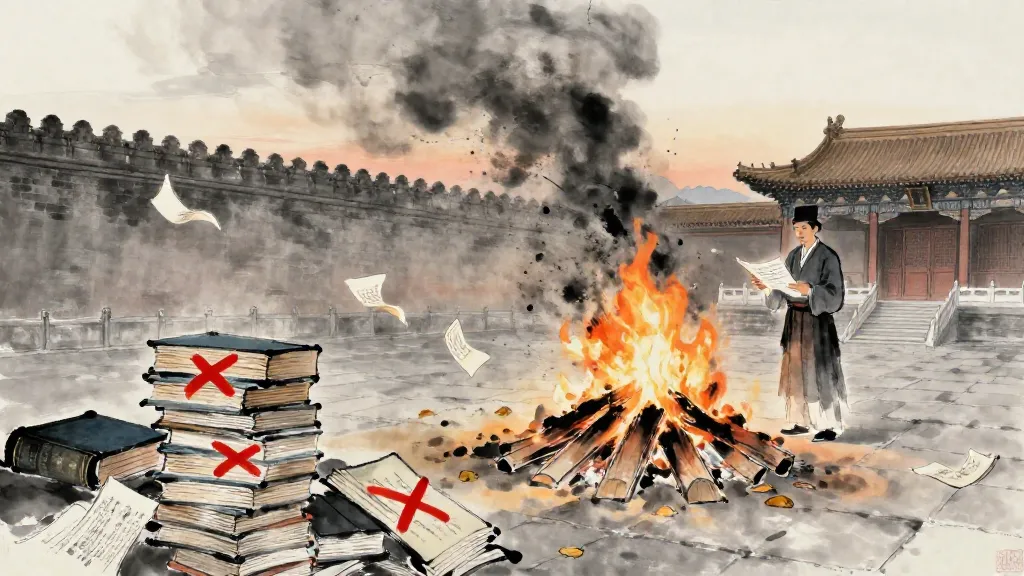
Part 2
The same project that cataloged Chinese knowledge also destroyed it. Over 2,600 titles were burned, their authors posthumously punished. The Siku Quanshu was a library and a purge conducted simultaneously.
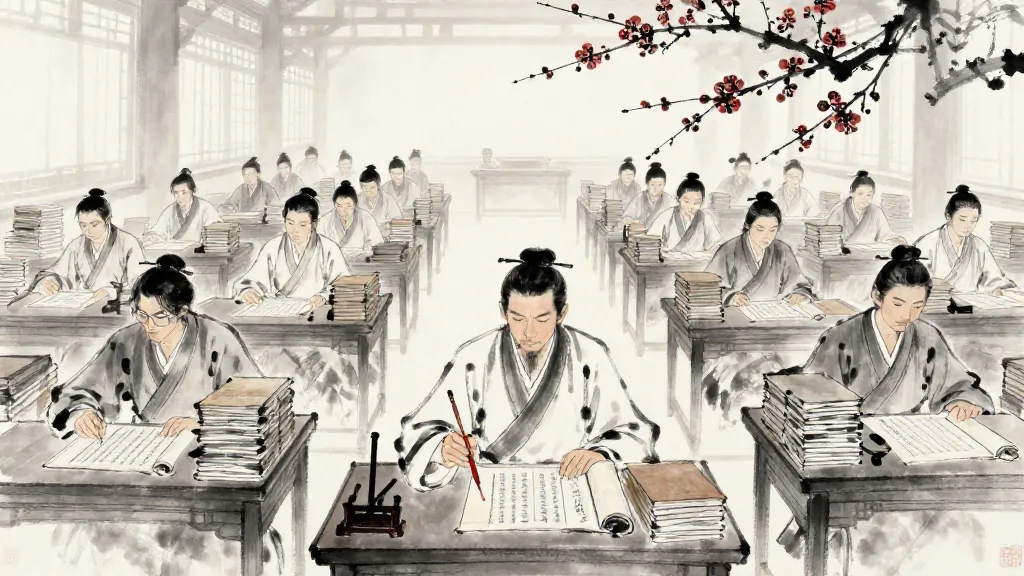
Part 3
In the 1770s, a team of Qing scholars reviewed every I Ching commentary in the empire. Their verdicts — preserved in the Siku Quanshu Zongmu Tiyao — reveal two thousand years of intellectual war over what the hexagrams actually mean.
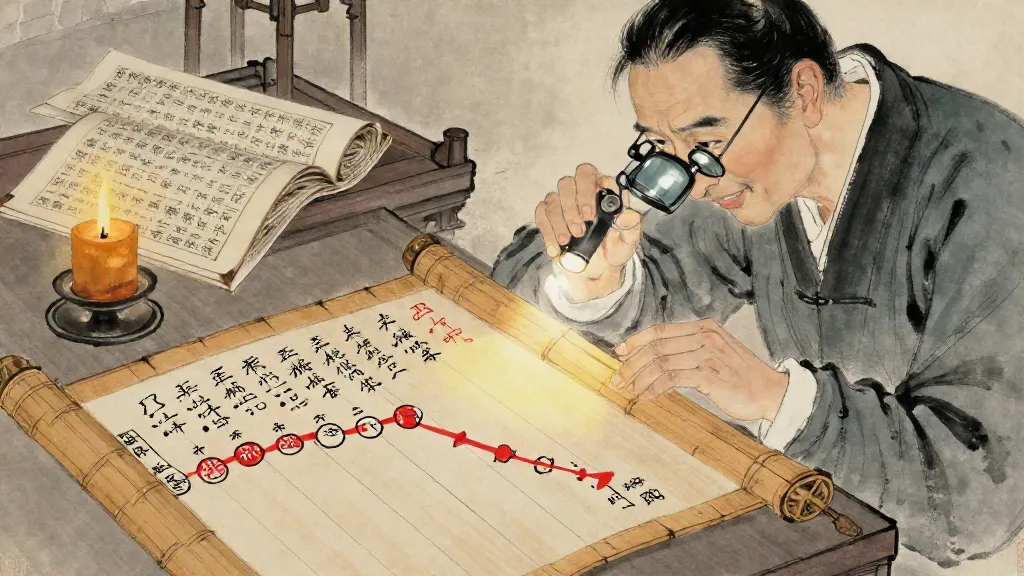
Part 4
The Siku compilers were brilliant textual critics. They caught anachronisms, traced transmission gaps, and proved that ancient attributions were fake — sometimes with a single sentence of devastating logic.
Part 5
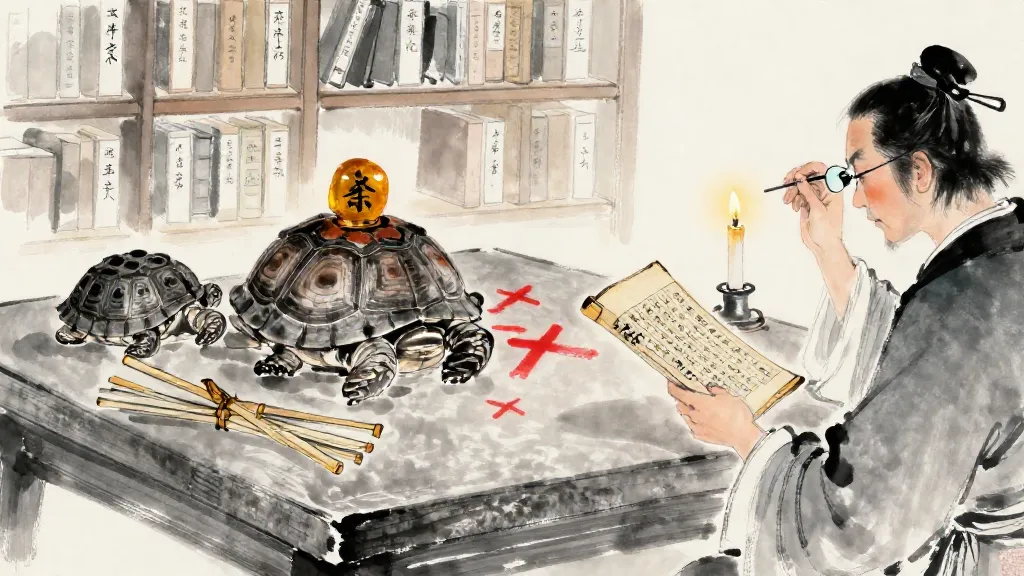
The Siku Quanshu catalogers reviewed every divination text in China and sorted them into “legitimate” and “rubbish.” Their surprisingly rationalist framework tells us what the tradition’s own gatekeepers considered real.
Part 6
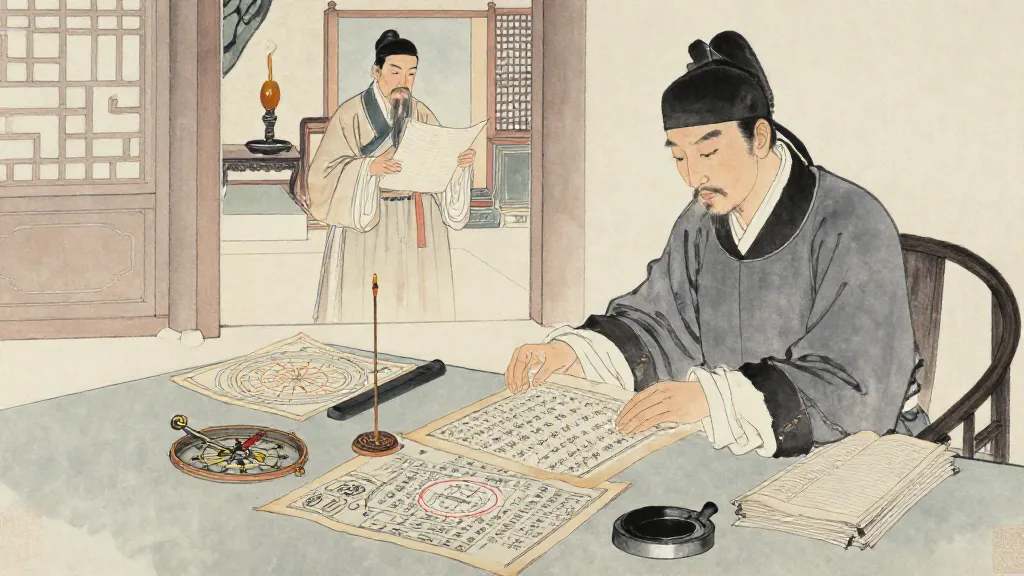
Confucian textual critics applied rigorous scholarship to geomancy, astrology, and fate calculation. The cognitive dissonance is palpable — they can’t dismiss the systems entirely, because the Emperor uses them.
Part 7
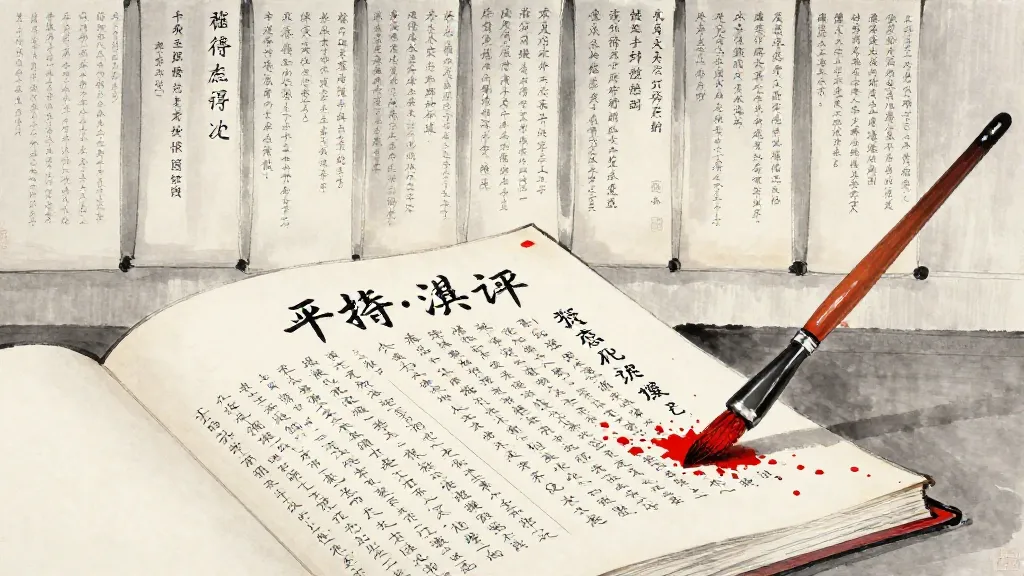
The most savage, witty, and devastating short reviews in the Siku Quanshu Zongmu Tiyao. Centuries of scholarship dismissed in a sentence. Pure entertainment from 18th-century literary critics.
Part 8
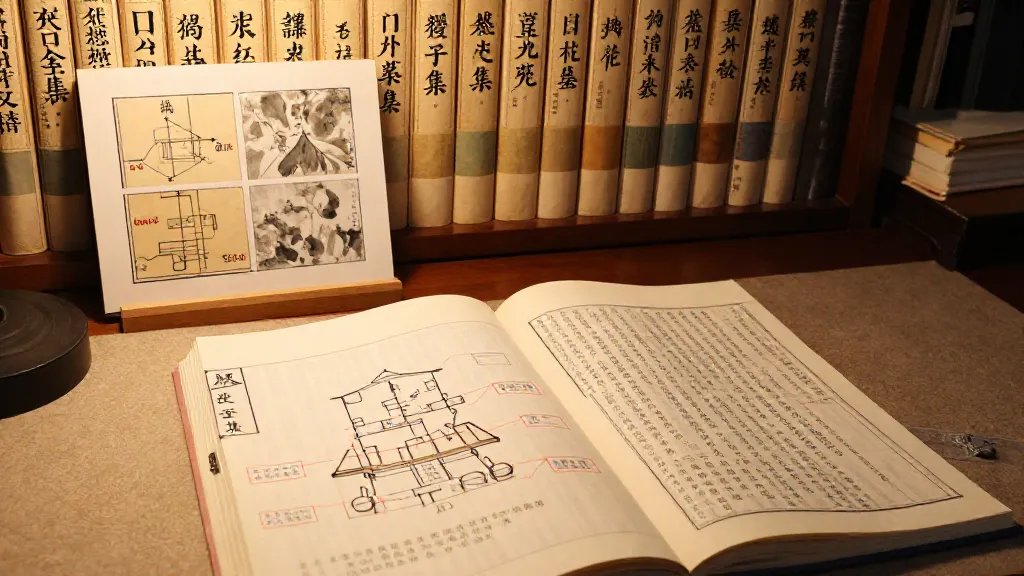
How the Siku Quanshu Zongmu Tiyao works — how entries are structured, what the compilers’ vocabulary means, and how to read the catalog as a tool. The practical reference piece for navigating the biggest book review in history.
Part 9
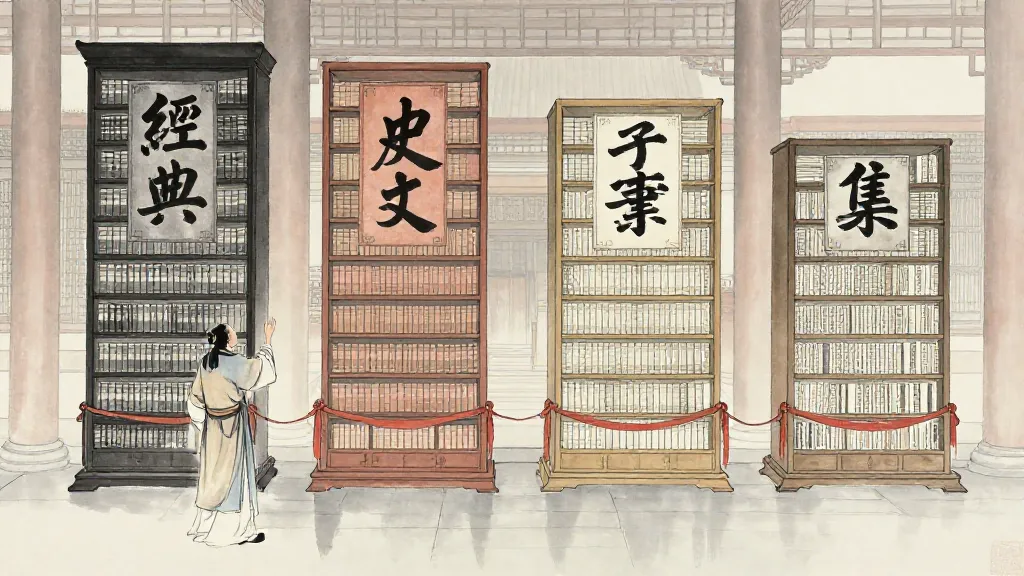
The Four Treasuries classification — Classics, History, Masters, Collections — reveals what 18th-century China considered the natural order of knowledge. The structure itself is an argument about what matters.
Part 10
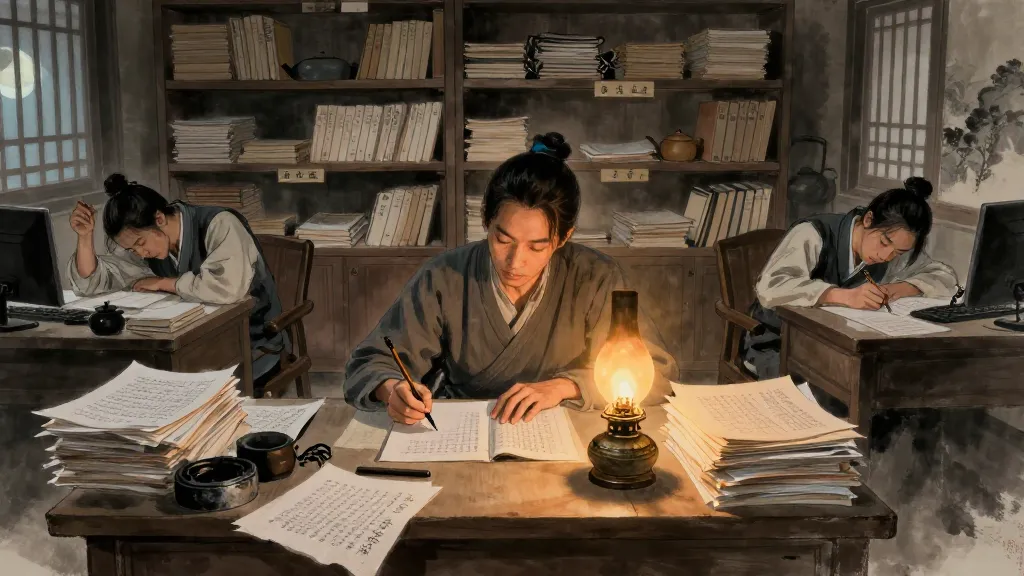
Ji Yun and his 360-person team spent two decades writing the most consequential literary criticism in Chinese history. Their feuds, biases, and working conditions shaped which texts survived.
Part 11
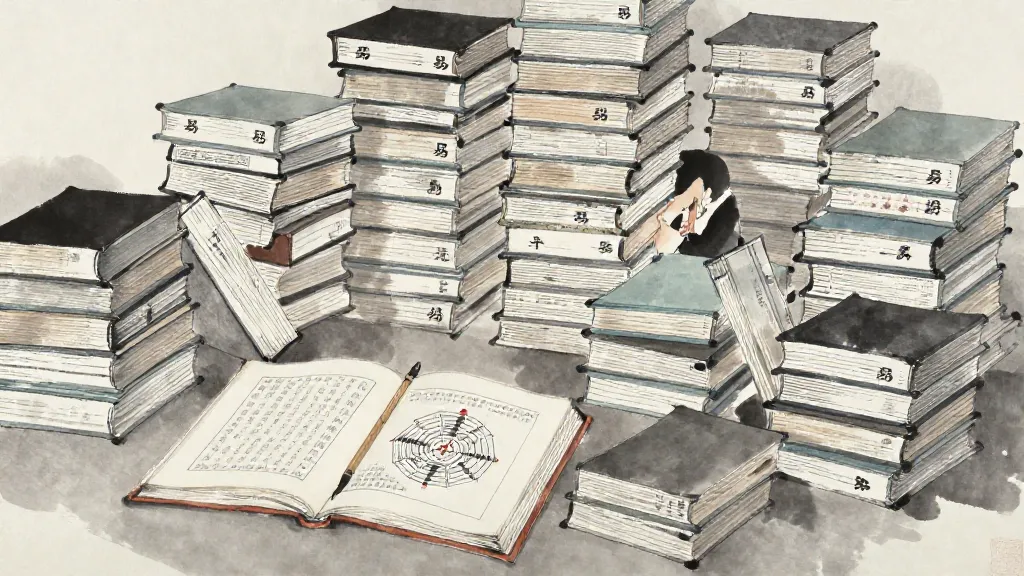
The Siku scholars reviewed 485 commentaries on the Yijing — more than any other single text. The sheer volume reveals the Book of Changes as the most contested intellectual territory in Chinese history.
Part 12
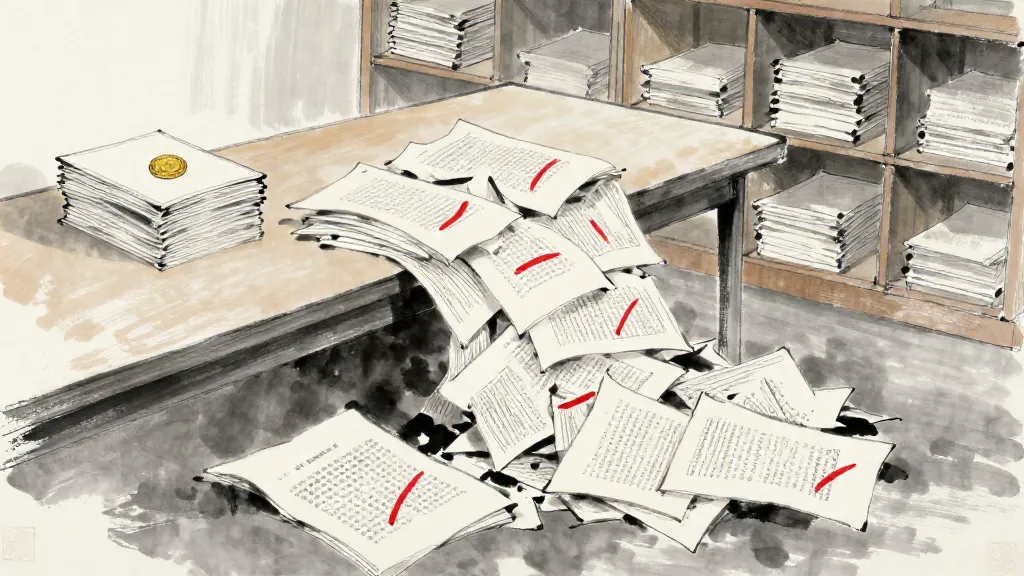
The 存目 section contains the Siku scholars’ takedowns of rejected Yijing commentaries. Some are polite. Most are devastating one-paragraph demolitions of centuries of scholarship.
Part 13
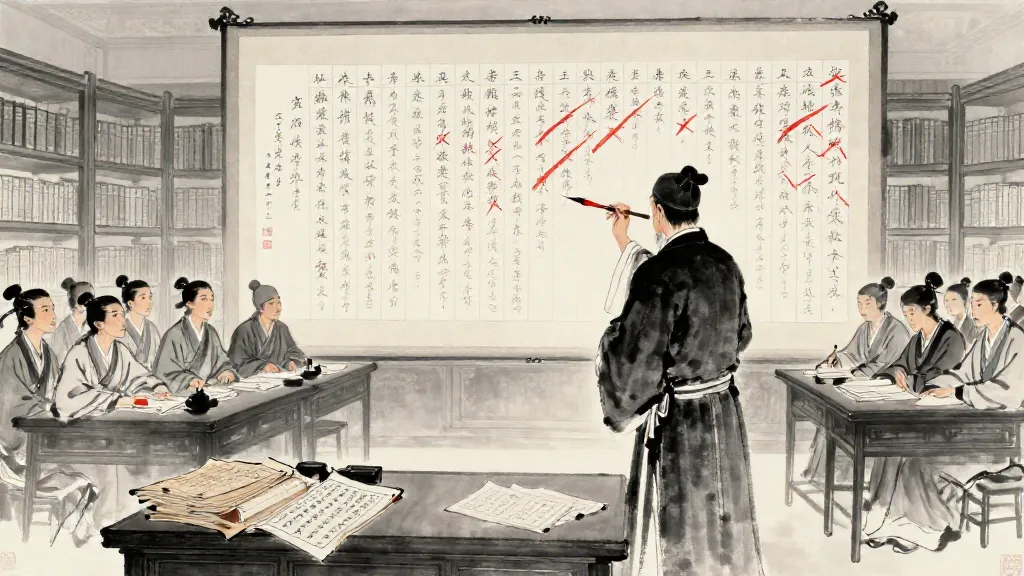
Volume 36 of the Xieji Bianfang Shu is the final chapter of Qianlong’s imperial almanac project. It contains 27 entries where the court’s own scholars systematically dismantle folk date-selection practices—naming names, showing the math, and declaring the results “deeply detestable.”
Part 14
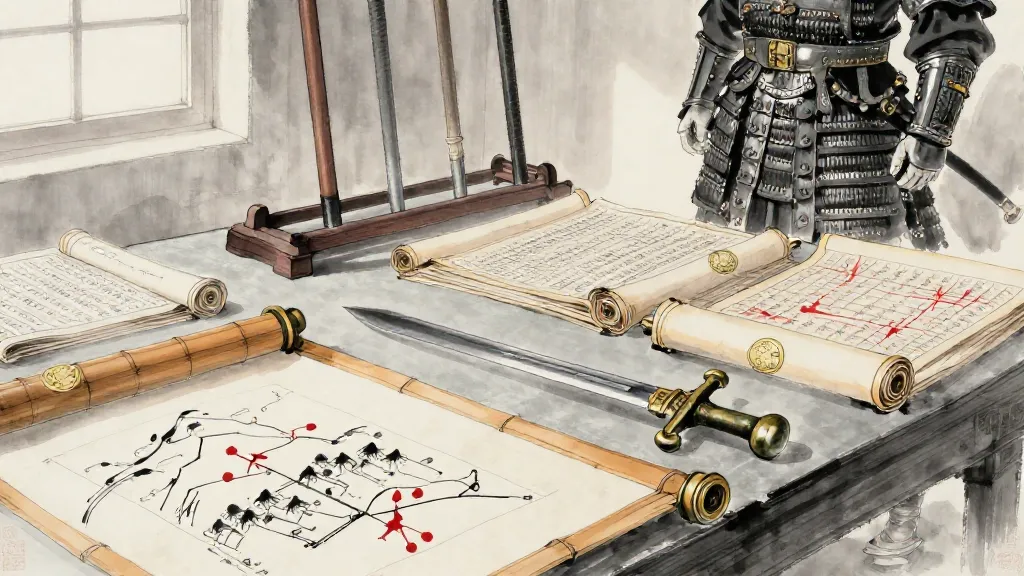
Qianlong’s scholars reviewed every military text in the empire — authenticating Sun Tzu, demolishing the Liu Tao, and finding one Ming general worth reading. Their verdicts shaped which strategy texts survived.
Part 15
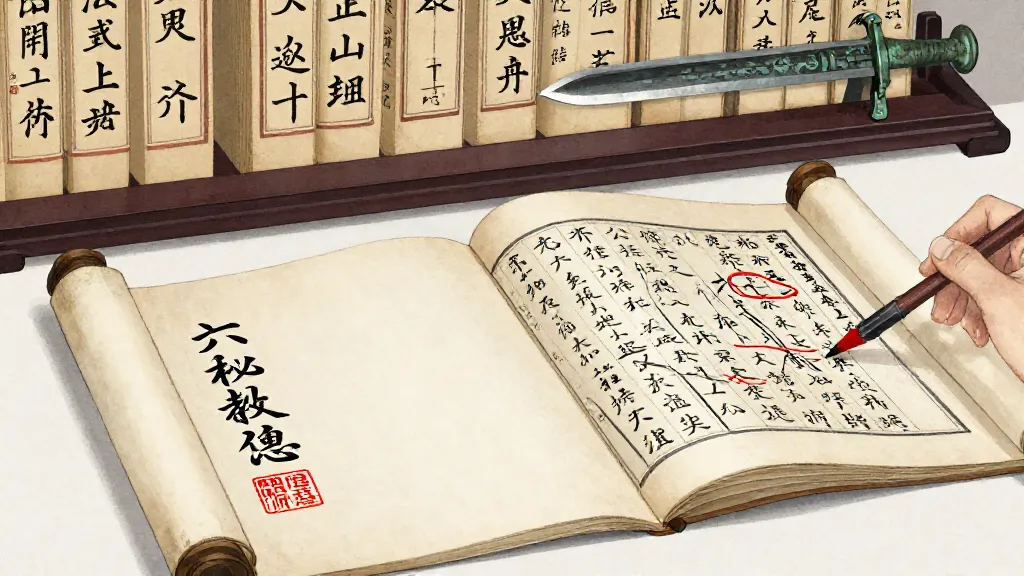
The Siku scholars systematically dismantled the Liutao, the Huangshi Gong Sanlue, and other pseudo-ancient military texts. Their methods — checking anachronistic vocabulary, tracing citation chains — were centuries ahead of Western textual criticism.
Part 16
Some texts the Siku compilers reviewed no longer exist. The catalog’s summaries are the only surviving record of books that once circulated widely. Lost knowledge visible only through the ghost outlines of imperial review.
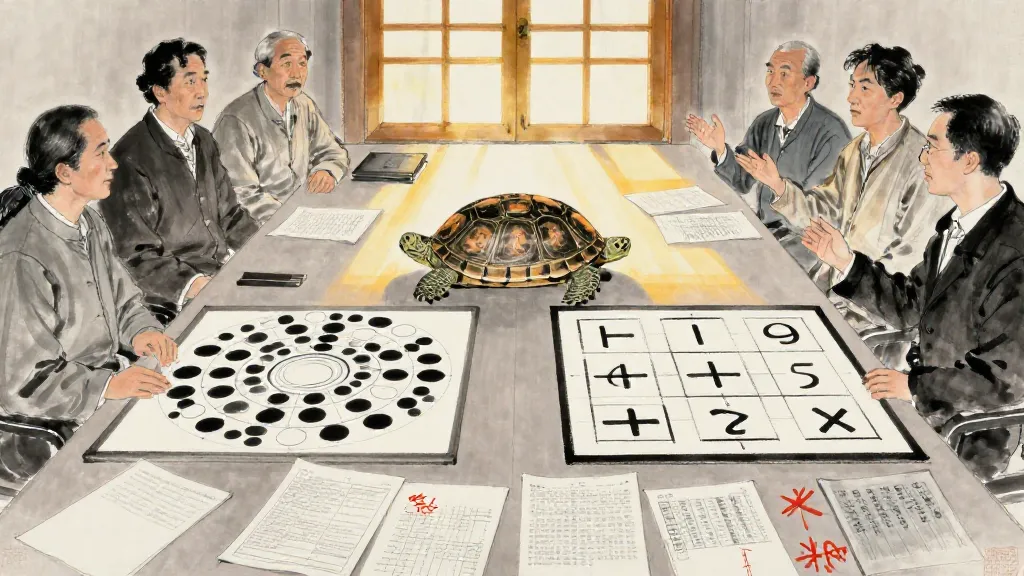
Part 17
For centuries, scholars fought over two diagrams — the Hetu and the Luoshu — and whether they were the original cosmic blueprints or later inventions. The Siku compilers weighed in with a verdict that satisfied nobody.
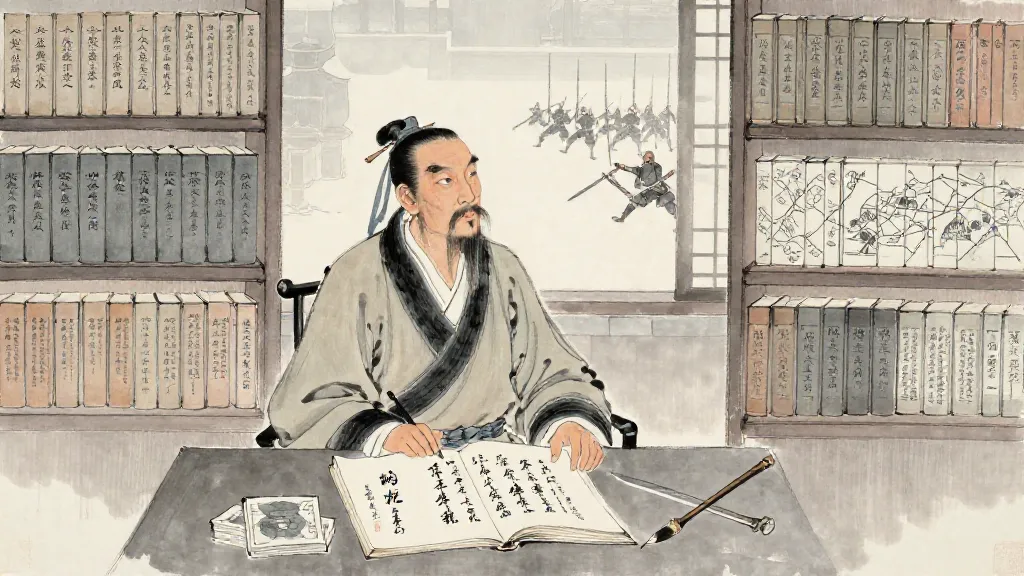
Part 18
The 兵家類 preface reveals Confucian scholars wrestling with military pragmatism. They needed war to defend the empire, but their moral framework condemned it. The tension produced some of the catalog’s most revealing commentary.
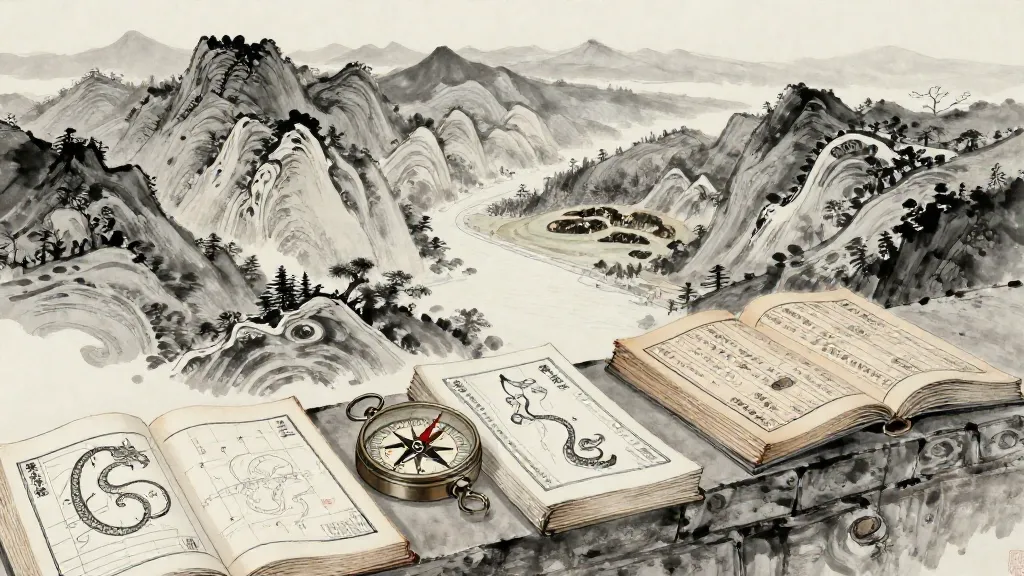
Part 19
Guo Pu’s Zangshu, Yang Yunsong’s Hanlong Jing, and the feng shui texts that survived imperial review. The compilers drew a sharp line between “classical geomancy” and popular nonsense — then had to explain why the Emperor practiced both.
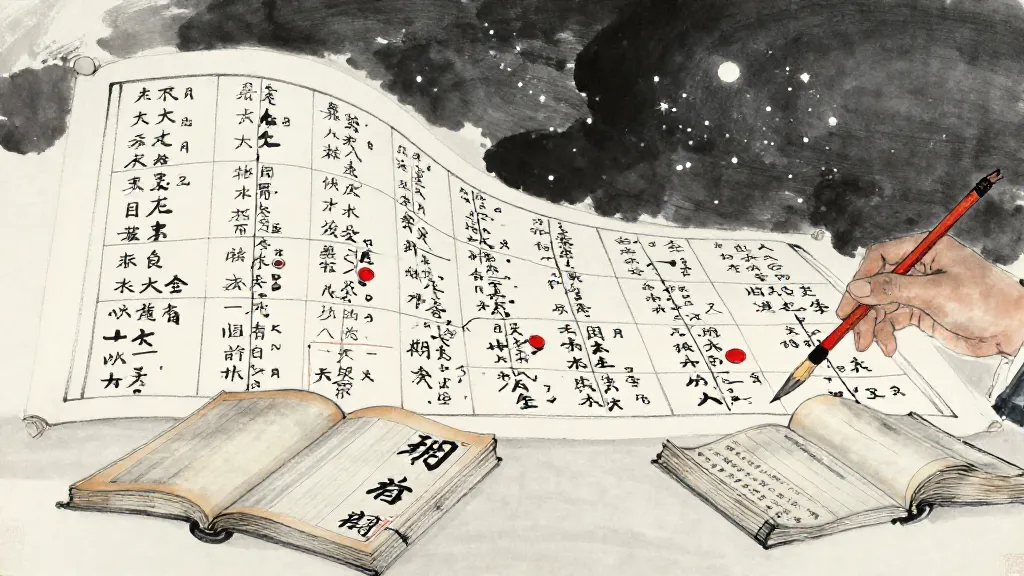
Part 20
Ziping, Sanming Tonghui, and the bazi texts reviewed by imperial scholars. How the compilers evaluated systems that claimed to predict your destiny from your birth hour — and what they grudgingly conceded.
Part 21
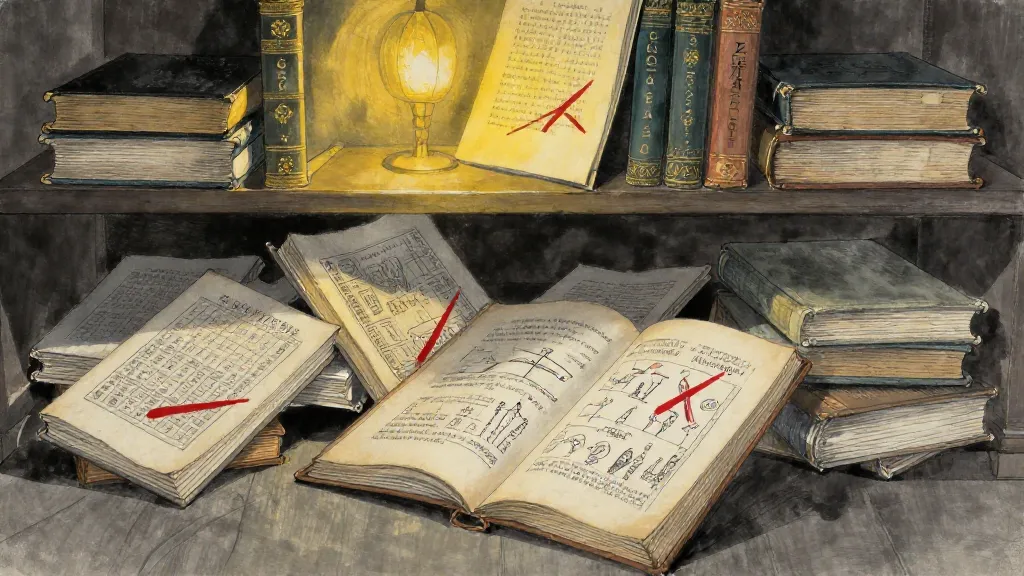
The 術數 存目 contains 80 texts too dubious even for the divination section. Fortune-telling manuals, dream interpretation guides, and physiognomy primers — each dismissed with surgical precision.
Part 22
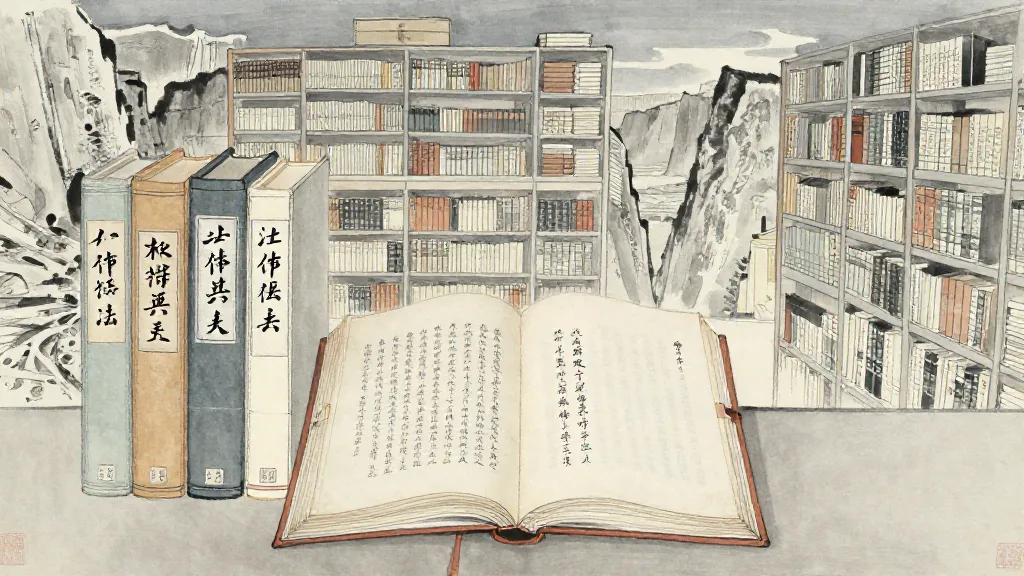
Han Feizi, Shangjunshu, Guanzi — how Confucian scholars reviewed their ideological adversaries. They condemned the philosophy and grudgingly admired the prose. The reviews reveal what the tradition truly feared.
Part 23
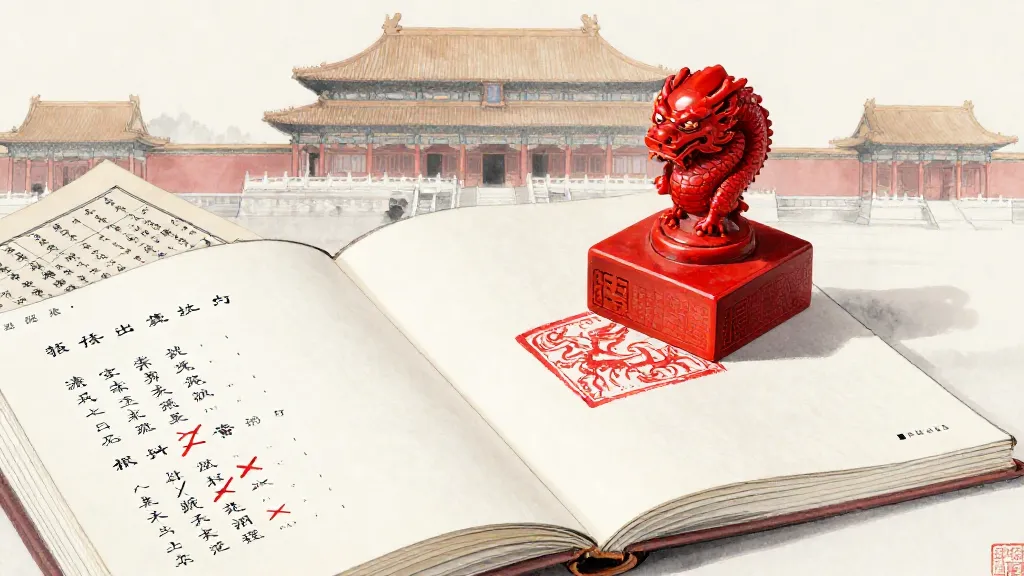
Patterns of inclusion and exclusion across 10,000 reviews. What Qianlong’s library tells us about Manchu imperial self-image, the anxiety of foreign rule, and the weaponization of scholarship.