Series

Chinese Divination Systems

Bazi, Plum Blossom, Qimen, Ziwei, and face reading — the other arts of the Chinese divination tradition.

Part 1

The Coordinate System: How Stems and Branches Made Chinese Cosmology Computable

Ten stems, twelve branches, sixty states. Two interlocking wheels generate the address scheme that every Chinese divinatory art runs on — Bazi, Ziwei, Qimen, the almanac. Why the cycle is sixty and not a hundred and twenty, what the two wheels actually measure, and why ganzhi is the coordinate system of the tradition, not its root.
Part 2

What Bazi Actually Is

Four pillars, eight characters, one birth moment. Bazi uses the same stems and branches as the I-Ching but reads them as a natal chart, not a situational oracle.

Part 3

The Sixty Jiazi and the Nayin

Sixty stem-branch pairs cycle through time. Each carries an elemental signature — the Nayin — that the Sanming Tonghui treats as the first layer of any reading.

Part 4

The Ten Gods

Every element in a Bazi chart has a relationship to the Day Master. The Ten Gods name those relationships — the Yuanhai Ziping's complete framework.

Part 5

Reading Seasonal Strength

The same Day Master born in summer and winter produces entirely different charts. How month, hour, and hidden stems determine whether an element thrives or dies.

Part 6

Ge Ju: The Named Configurations

Eighteen named patterns in the Yuanhai Ziping, seventy-three in the Sanming Tonghui. When specific elements align in specific positions, the pattern has a name.

Part 7

The Xu Ziping Revolution

Before Xu Ziping, fate calculation used the year pillar. After him, the day pillar became the anchor. The historical evolution and the Siku scholars' verdict.

Part 8

The Wartime Oracle: What Qimen Dunjia Actually Is

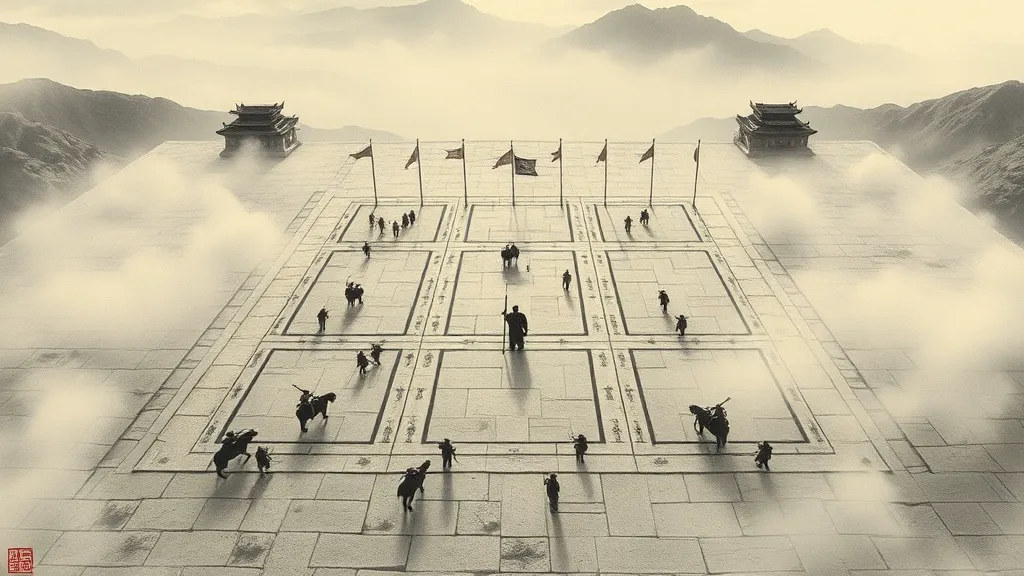
Qimen Dunjia has the best reputation of any Chinese divination system — generals and strategists used it. Strip away the legends and what you get is a spatial-temporal field analysis using a 3×3 grid.

Part 9

The Nine Palaces and Eight Gates: Reading the Field

The grid is a 3×3 matrix. Each cell carries a number, a trigram, an element, and — at any given moment — a gate. The gates rotate. The field changes. This is where Qimen Dunjia becomes a method.

Part 10

The Other Chinese Astrology: What Ziwei Doushu Actually Is

Most people think "Chinese astrology" means the 12 animals. That's like thinking "Western music" means Happy Birthday. Ziwei Doushu is a complete natal chart system — 12 palaces, 14 major stars, each with a personality and a job to do.

Part 11

The Twelve Palaces: Life Mapped Onto a Circle

A Ziwei Doushu chart has twelve cells, each governing a domain of life. But the palaces aren't independent boxes — they talk to each other across the chart. The palace opposite yours modifies it. And every decade, a different palace activates.

Part 12

The 14 Major Stars: A Cast of Characters in Your Natal Chart

The stars aren't abstract forces. They're personalities. Ziwei is the emperor, Tanlang is desire itself, and when two personalities share a palace, they modify each other the way colleagues do — sometimes brilliantly, sometimes disastrously.

Part 13

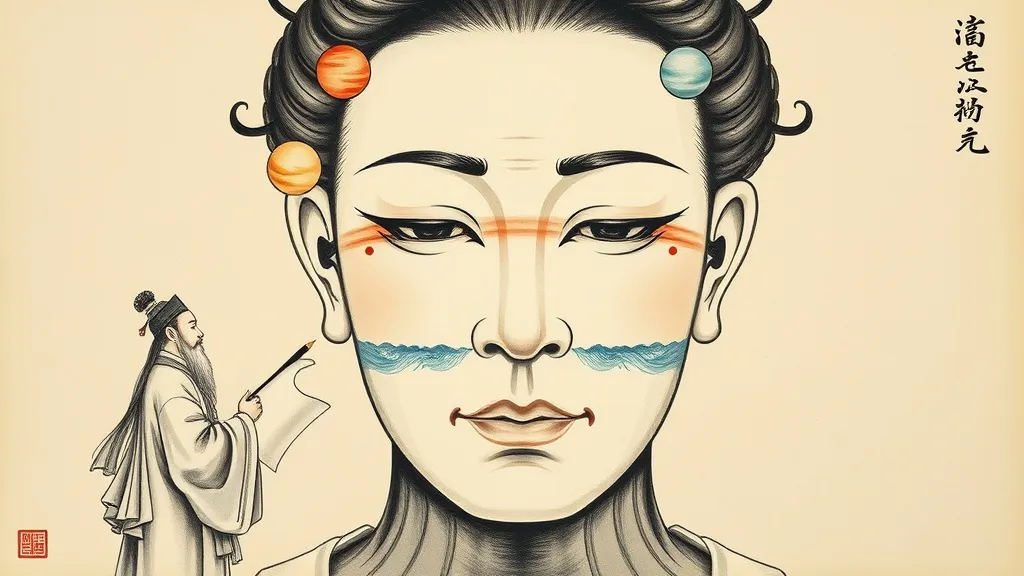
Reading the Face: Five Elements, Three Divisions, and the Map of a Life

Physiognomy sounds like pseudoscience to modern ears. But the Shenxiang Quanbian isn't claiming to read your future from your nose — it's applying the same Five Element classification system that drives the entire Chinese cosmological tradition.

Part 14

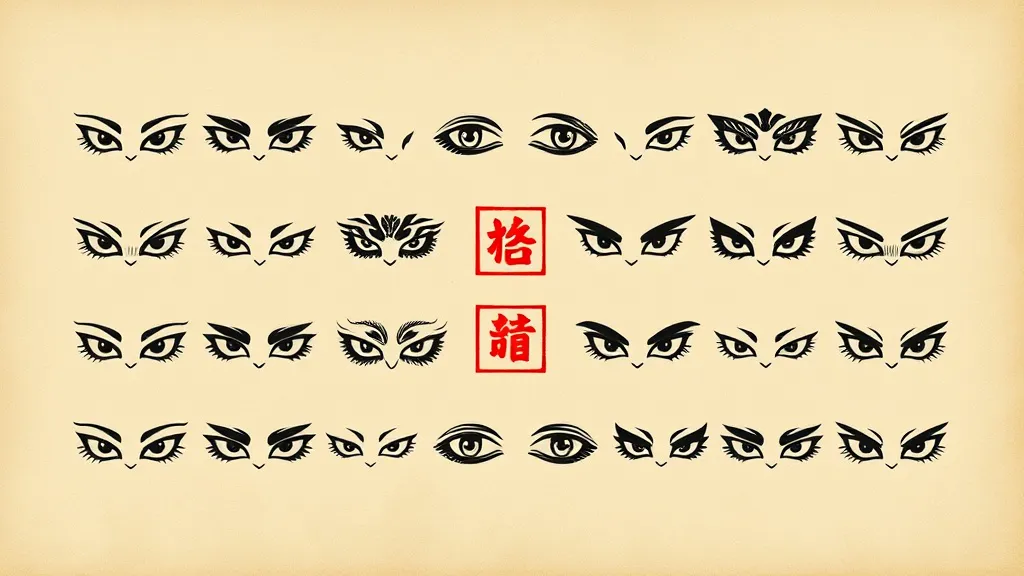
The 25 Eye Types: What the Shenxiang Quanbian Sees in a Glance

The eye chapter is the longest in the book — because eyes carry 神 (spirit/vitality). Twenty-five named types, each with a shape, an animal, and a character reading. The system doesn't just read eye shape. It reads the quality of alertness behind the eyes.

Part 15

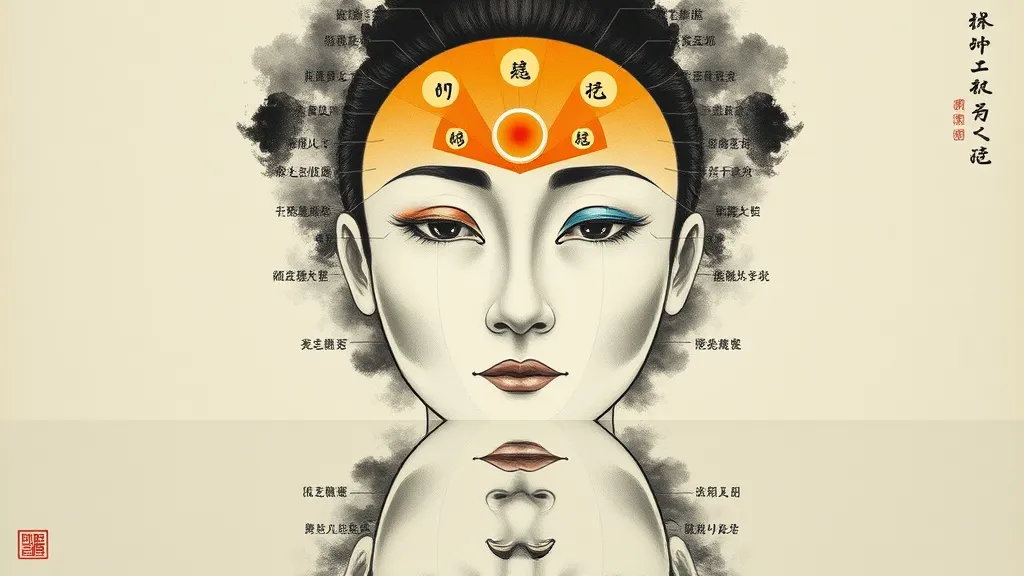
The Twelve Palaces: A Map of Life Written on the Face

The same 12 palace names appear in Ziwei Doushu natal charts and in facial physiognomy. That's not coincidence — it's the same classification system applied to two different surfaces. Career is here, wealth is there, and the system has been consistent about this for centuries.

Part 16

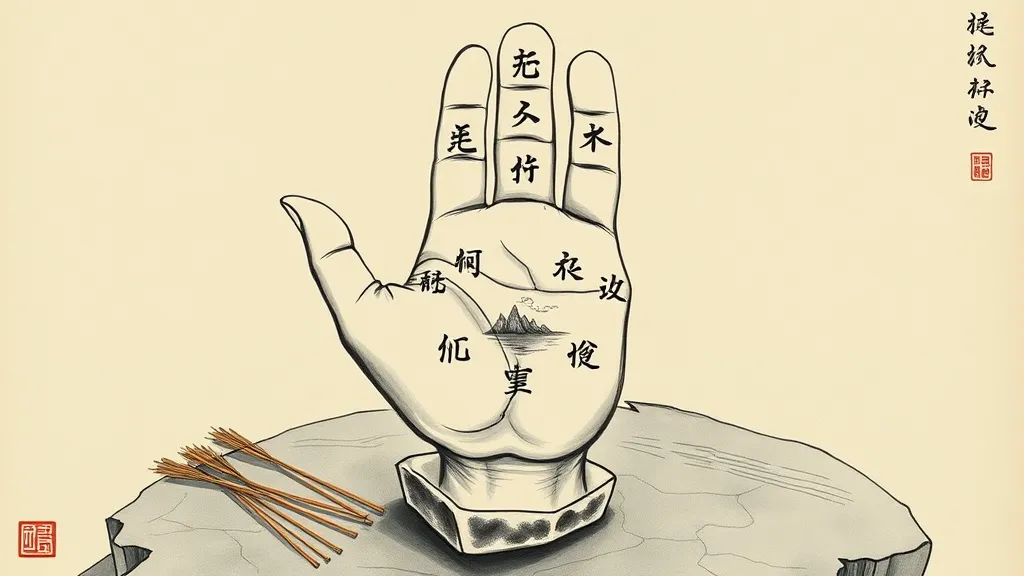
The Eight Trigrams on Your Palm: Classical Chinese Hand Reading

Classical Chinese palm reading isn't about 'life lines' and 'love lines.' It's the Eight Trigrams laid on your hand — the same trigrams that build the 64 hexagrams. The palm is a miniature I-Ching board.

Part 17

The Oracle Without Tools: What Plum Blossom Numerology Actually Is

No yarrow stalks, no coins, no judgment text. Plum Blossom casts a hexagram from whatever is in front of you — a number, a sound, the hour — then reads the war between its two trigrams.