上卦
离 Lí
火 — 丽
下卦
震 Zhèn
雷 — 动
经典文本
卦旨
噬嗑不是为了惩罚而惩罚。它是去掉那个横在中间的东西,使原本该合的重新合上。卦象是口中有一件硬物,牙齿因此合不拢。上离下震:明在上,动在下;明用来照见,动用来裁断。口不咬开就不能进食,所以阻隔之物必须先辨认清楚,然后彻底除去。 卦辞先说「亨」,随即指明它施用的范围:「利用狱。」《易》的卦辞里,直接把讼狱之事许可给人的并不多,而《象》又加以申说:「雷电,噬嗑;先王以明罚勅法。」噬嗑不出于私愤,也不是为了报复,而是当有东西阻断了事情的正常运行时,裁断就成为结构上的必要;并且在裁断之前,刑罚必须先讲明白,法度必须先整理清楚。离之明用来分辨真正造成阻隔的是什么,震之动用来执行已经分辨出来的结论。二者缺一,所治的就不是真正的病处,或者虽然看清了却没有力量去做。 从初爻到上爻,像是从初犯一直到终于不肯悔改。初九「履校灭趾,无咎」:惩戒来得早而轻,所以代价极小,事情到此为止。上九「何校灭耳,凶」:木枷架在肩上,遮住了耳朵,说的是长久听着告诫而终于不肯听的人。中间几爻所咬的,从肤到腊肉,到干胏,再到干肉,拖得越久就越硬。所以这一卦教的不是宽与严之间的折中,而是趁它还软的时候就处理。 世人把它当作一卦讲严刑的,其实不然。它的要义在于恢复相通的能力:口合不拢就不能养人,群体不能处理自身的阻隔就不能凝聚。所以噬嗑并不以惩罚为目的,只是把妨碍完整的东西恰好去掉而已。
彖辞
嘴里有东西卡住了,必须咬断。雷电交加,是自然界清除障碍的方式。法律与刑罚,是人间清除障碍的方式。该断则断,犹豫不决只会让障碍生根。
象辞
雷电皆至,先王以明罚敕法。刑罚不是目的,是手段。清晰的法条如闪电,果断的执行如雷霆。威慑的本质是让人不敢犯,而非让人受苦。
爻辞
第初爻
屦校灭趾。初犯小惩,及时止住。失去脚趾,好过失去更多。轻罚的意义在于警醒,错过这个窗口,后面代价更大。
第二爻
噬肤灭鼻。容易咬断的肉,但执行时还是有损耗。愤怒会蒙蔽细腻的感知。不过,正义本身没错,过程中的粗糙可以原谅。
第三爻
噬腊肉,遇毒。老问题,硬骨头,还有毒。处理它的人没有足够的权威,做了吃力不讨好。但该做的事,做了就没错。
第四爻
噬乾胏,得金矢。极硬的阻力,艰难地咬穿。需要坚如金铁、直如箭矢的意志。知道困难,坚持到底,最终会成。
第五爻
噬乾肉,得黄金。案情清楚,但需要公正。黄金的颜色是中正之色,不偏不倚。位高责重,时刻警醒,才能无过。
第上爻
何校灭耳。木枷锁颈,耳朵都被遮住了。这是对屡教不改者的惩罚。聋于警告的人,最终连听的能力都会失去。
焦氏易林
焦延寿《易林》——第21卦本卦之辞。西汉时期以四言诗阐释卦变,为最早的系统性易学占辞集。
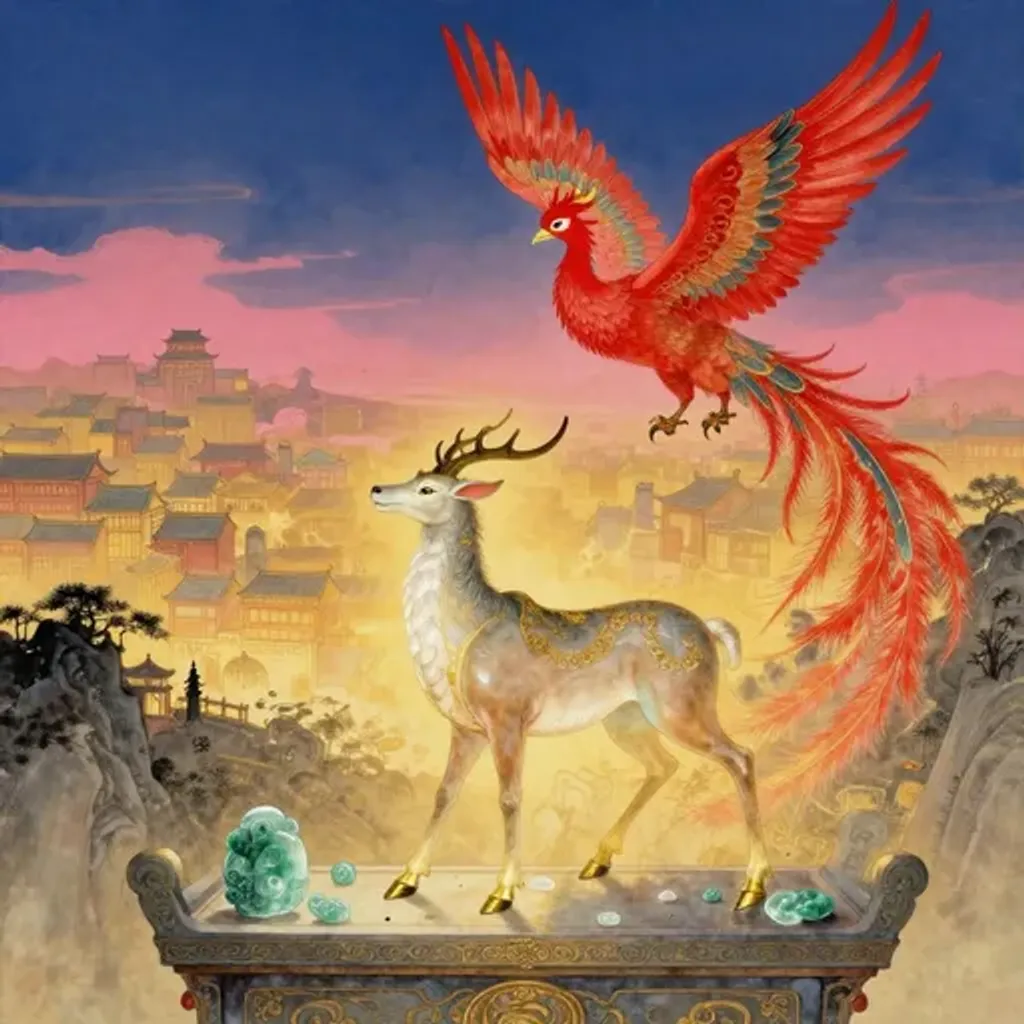
麒麟凤凰善政得祥阴阳和调国无灾殃
雷电噬嗑,自化之象。
阅读完整注释 ↓
雷电噬嗑,自化之象。麒麟凤凰现世,善政德祥之瑞。阴阳和调,国无灾殃。麒麟不践生草,不害生物;凤凰栖梧桐,饮醴泉——唯圣世方现。此二瑞兽之出,示噬嗑之法已达其极致:非永恒之刑罚,而是创造正义之境,使刑罚归于无用。噬嗑自化,法度圆成即法度消隐。最完美之法治,是让法治不再被需要。
English commentary
Fire and thunder return to themselves — Biting Through reflecting upon its own nature. The qilin and the phoenix appear, signs of sage governance and virtuous omens. Yin and yang are harmoniously balanced, and the state knows no calamity. These auspicious creatures emerge only under a sage's rule: the qilin treads on no living grass, the phoenix nests in paulownia. Their arrival signals that the legal order of hexagram 21 has achieved its ultimate purpose — not perpetual punishment but the creation of conditions so just that punishment becomes unnecessary. The doubled hexagram completes the circle: law perfectly administered makes itself obsolete.
《焦氏易林》,清乾隆间写文渊阁四库全书本。
国立故宫博物院 故库017987–017990
第2册,第13页
据写本原叶录出
标点依写本,不另加标点。
关于此读法
据扫描原叶录出。