上卦
离 Lí
火 — 丽
下卦
坤 Kūn
地 — 顺
经典文本
卦旨
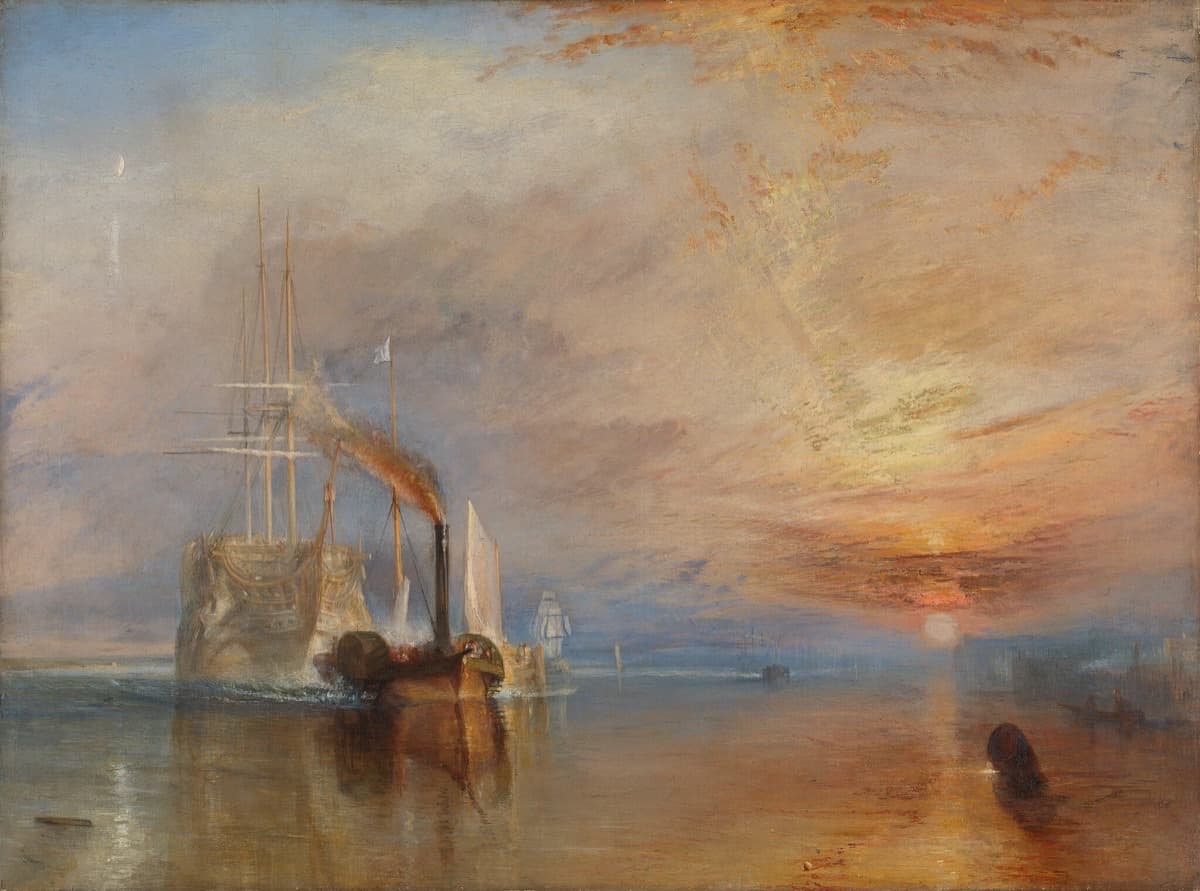
晋不是野心。它是德行显现出来时自然被看见——光升到地面之上,因为光本来就是这样。上离下坤:明从能承受的地上生出,像初升的太阳。卦辞不讲道理,只讲一件事:「康侯用锡马蕃庶,昼日三接。」这里的进不是自我推销,而是时机到了因而被认可:侯不是求见而得见,马也不是自己夺来而是被赐予。 《象》给出方法:「明出地上,晋;君子以自昭明德。」关键在那个「自」字:不是要把自己的光加在别人身上,而是把自己本已具有的照明白;所谓进,是这份自明的结果,不是位置经营的结果。九四点出它的赝品:「晋如鼫鼠,贞厉。」鼫鼠就是俗谚里五技而穷的那种鼠:能爬、能游、能挖洞、能跑、能飞,却没有一样足以让它活下去。王弼从爻位讲,落点也一样:「无业可安,志无所据……进如鼫鼠,无所守也。」靠一堆都不到位的本事往上走,正是这一卦所斥责的。 上九指明它的界限:「晋其角,维用伐邑;厉吉无咎,贞吝。」到了极处,进已经变成了力,而经文所许可的只有向内——只用来征讨自己的城邑;而且最后还加一句「贞吝」,警告不可固守此道。谦卦的「征邑国」,界限完全一样。 所以晋的要义,是调节内在的明与外来的认可之间的关系。真正的前进只有一个方向:从所养成的德,走向可见的结果。六五说:「悔亡,失得勿恤。」前进如果是真的,个人的得失自然就不成问题。该问的不是自己升了没有,而是自己的光是否真的在升,所显示的德底下是否真有东西。
彖辞
明出地上,日升而万物显。进步有两个条件:上位者无嫉妒,下位者不滥权。缺一不可。康侯受赐良马,日获三接——这不是偶然的恩宠,是明与顺的共振。
象辞
君子以自昭明德。太阳不解释自己为何发光,只是发光。德行本自明亮,染尘则暗。洗去尘垢,光自然复现。
爻辞
第初爻
晋如摧如。前进受阻,退而守正。信任不能勉强,勉强来的信任更危险。保持从容,不为猜疑所动。
第二爻
晋如愁如。通路受阻,前途未明。坚持正道,终有转机。介福来自王母——这说的是:正确的原则比私人关系更可靠。
第三爻
众允悔亡。众人皆同意,悔恨消失。独力难成事,借势方可行。不必为依赖他人而羞愧——这不是软弱,是清醒。
第四爻
晋如鼫鼠。鼫鼠贪婪,见利忘形。上升时期最易堕落,因为贪婪在暗处滋长。但暗处终会见光。
第五爻
悔亡,失得勿恤。居高位而不贪进,看似错失良机。放下这念头。得失是小事,影响力才是大事。
第上爻
晋其角。以角攻敌,只可用于自省,不可用于外侵。对外强硬,终招羞辱。锋芒毕露是本能,收敛锋芒才是本事。
焦氏易林
焦延寿《易林》——第35卦本卦之辞。西汉时期以四言诗阐释卦变,为最早的系统性易学占辞集。
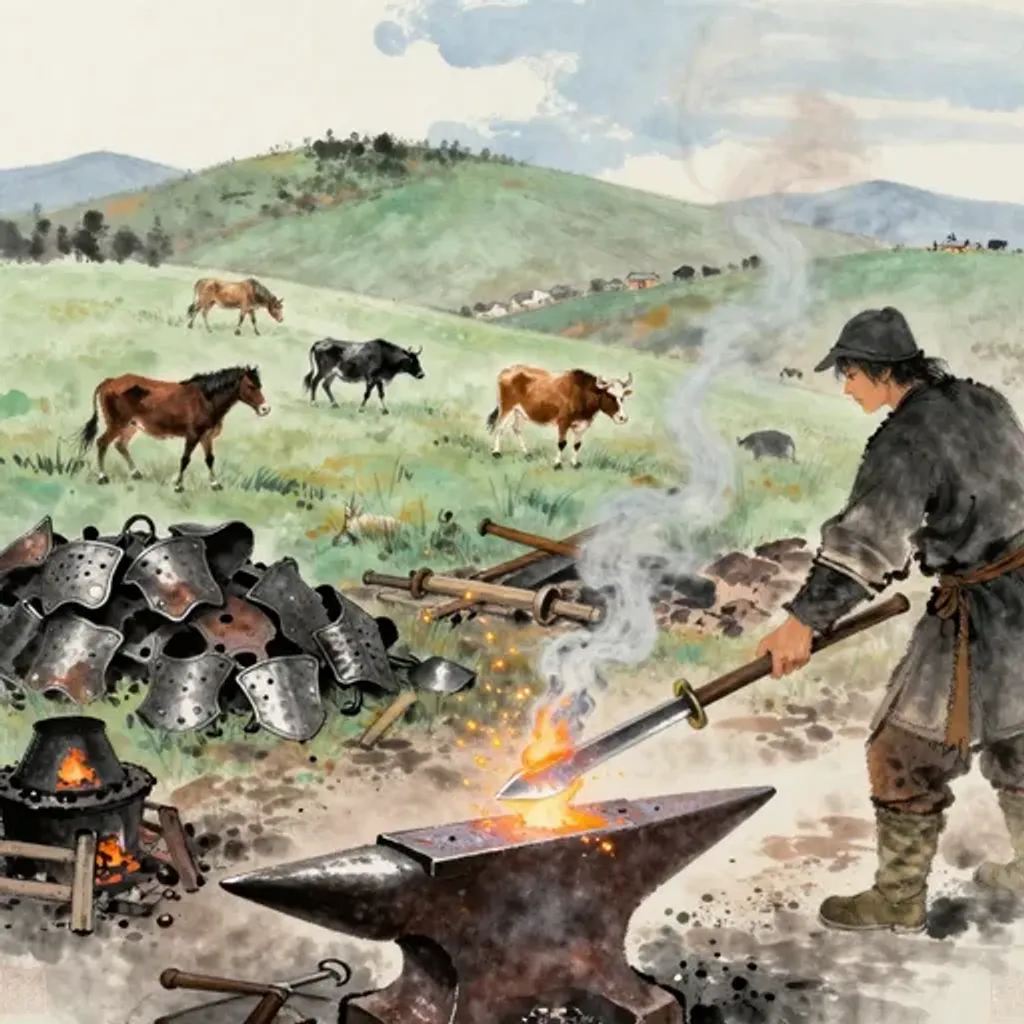
销锋铸耜休牛放马甲兵解散夫妇相保
明出地上,晋之象。
阅读完整注释 ↓
明出地上,晋之象。「销锋铸耜」——销熔兵锋铸为农具,出《尚书·武成》:武王伐纣胜后偃武修文。「休牛放马」——散放战牛战马,典出武王「归马于华山之阳,放牛于桃林之野」。「甲兵解散,夫妇相保」——军队解甲,夫妇团圆。从晋至晋,卦返自身,进而复进。然此处之进非征伐之进,乃和平之进——最明亮之前行,是知止而安。火出地上不再烧灼,化为持久之温暖。
English commentary
Fire rises above the earth, and the land returns to peace. Weapon points are melted down and recast as plowshares; oxen are rested and horses set free to pasture. Armor and troops are disbanded, and husbands and wives keep each other safe. This verse directly echoes the Shangshu chapter 'Wu Cheng,' describing King Wu of Zhou's demobilization after defeating the Shang: he released war-oxen in the Peach Forest and pastured war-horses on the southern slopes of Mount Hua. From Progress to Progress (the hexagram returning to itself), the transformation embodies fulfillment at rest. The brightest advance is the one that knows when to stop advancing — when the fire that rose above the earth settles into sustained warmth rather than consuming flame.
《焦氏易林》,清乾隆间写文渊阁四库全书本。
国立故宫博物院 故库017987–017990
第3册,第46页
据写本原叶录出
标点依写本,不另加标点。
关于此读法
据扫描原叶录出。