上卦
坤 Kūn
地 — 顺
下卦
离 Lí
火 — 丽
经典文本
卦旨
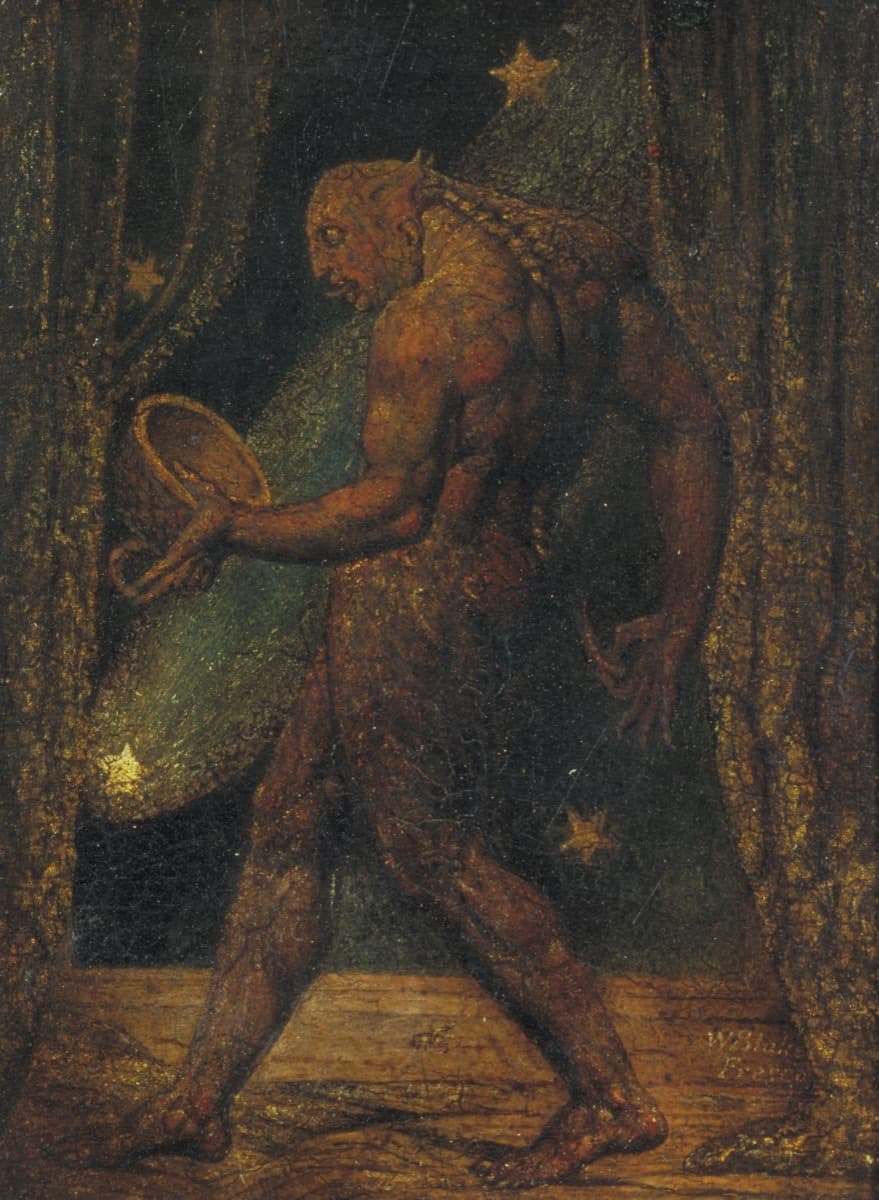
明夷不是失败。它是在显露就会被诛的世道里保全光的办法。上坤下离,正好是晋的反面:明藏在暗的下面,太阳沉入地中。卦辞只有三个字:「利艰贞。」「艰」所修饰的正是那个「贞」:这不是寻常的坚守,而是明知将被考验到无法承受、仍然选择守下去的坚守。 《象》写出它的存活之道:「明入地中,明夷;君子以莅众,用晦而明。」「用晦而明」就是外面暗、里面亮,王弼说:「藏明于内,乃得明也。」这不是欺骗,而是把那些一旦暴露就必被摧毁的东西藏起来;王弼还说出它作为治术的理由,而这理由与自保无关:「莅众显明,蔽伪百姓者也」——以自己的明去临众,恰好教会百姓遮掩作伪。而且经文说的是「莅众」——人还在位上治理众人,晦是为了让治理继续,不是为了退出。 初九说出它的代价:「明夷于飞,垂其翼;君子于行,三日不食。」退避并不安适,也并非毫无损失。六五举出那个人:「箕子之明夷。」箕子身处纣王的朝廷,隐藏自己所知,佯装疯癫以求免祸,最终把该传下去的传给了后世。他没有战胜纣,他比纣活得久。 所以明夷的要义,是使黑暗不能熄灭它所覆盖的东西。上六说出黑暗自己的结局:「初登于天,后入于地。」暴虐者由自己的暴虐了结自己。九三既暗示了纠正终将到来——「明夷于南狩,得其大首」——随即又加上「不可疾贞」:纠正有它自己的时程,而光所要做的,只是到那一天仍然还在燃烧。
彖辞
明入地中,日落而暗势当权。利艰贞。不是放弃光明,是保护光明。外柔内刚,韧于不挠。意志藏于深处,不可使人窥见。这是至暗时刻的生存术。
象辞
君子以莅众,用晦而明。与庸众共处,收敛锋芒。不必揭发丑恶——那只会招来更大的敌意。放过许多事,但不被蒙蔽。这是两回事。
爻辞
第初爻
明夷于飞,垂其翼。三日不食。仓皇出走,颠沛流离。坚守原则便要忍受匮乏。纵使被误解、被诽谤,目标不变。
第二爻
夷于左股,用拯马壮。伤势不致命,只是阻碍。不顾自身安危,只想拯救同陷危难的人。如此行事,合于天道。
第三爻
明夷于南狩,得其大首。巡狩南方,擒获首恶。胜利来得像偶然。但废除久弊不可操之过急——积弊太深,急则生乱。
第四爻
入于左腹,获明夷之心。深入暗处,看透黑暗的核心。既知无望,便该离去。暴风雨来临之前,先行撤退。
第五爻
箕子之明夷。箕子困于暴君之庭,无法抽身,只好佯狂。为奴仆而不改其志。离不开的人,须有不可摧毁的精神和加倍的谨慎。
第上爻
不明晦,初登于天,后入于地。黑暗攀至顶峰,伤尽一切光明。但恶在吞噬完善之际,也耗尽了赖以存续的能量。自取灭亡,只是时间问题。
焦氏易林
焦延寿《易林》——第36卦本卦之辞。西汉时期以四言诗阐释卦变,为最早的系统性易学占辞集。
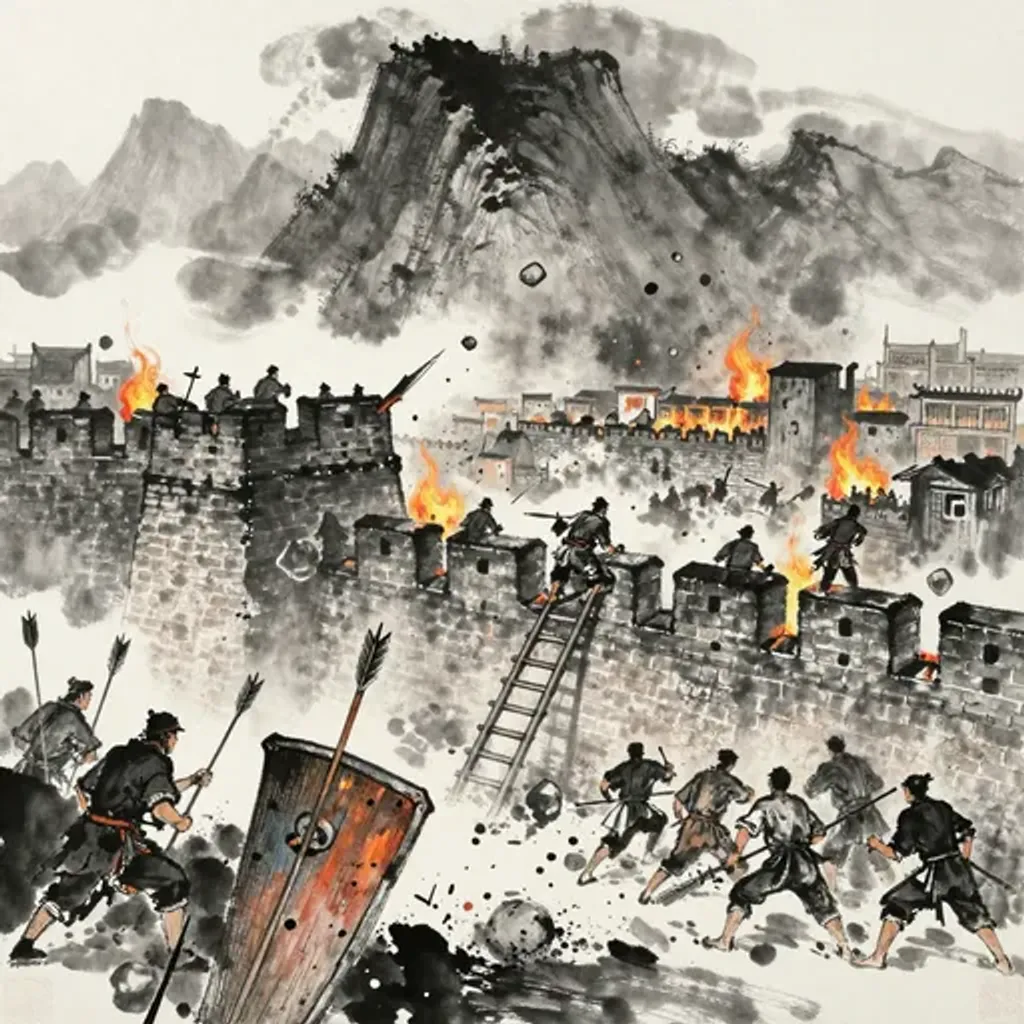
他山之错与璆为仇来攻吾城伤我肌肤邦家骚忧
明入地中,复归明入地中——明夷不变,源卦与变卦同。
阅读完整注释 ↓
明入地中,复归明入地中——明夷不变,源卦与变卦同。「他山之储,与璆为仇」——外来之财反与美玉为敌。「来攻吾城,伤我肌肤,邦家骚忧」——攻城破国,伤及百姓,邦国骚动。变卦不变,困境加深。本应互补之资源化为仇雠,外物入侵而自身受创。此呼应明夷卦辞中箕子之经历——暴政之下,内外交困。明夷之明夷,无出路可循。唯一之道即卦旨本身:「莅众用晦而明」——以晦藏守住真正之光。
English commentary
Fire beneath the earth remains beneath the earth — Darkening of the Light unchanged, the source and target identical. 'Treasure from other mountains becomes an enemy of fine jade; they come to attack our city, wound our flesh, and the state trembles with grief.' When the transformation leads nowhere new, the condition intensifies. External wealth or foreign resources that should complement domestic treasure instead turn hostile. The image of a besieged city with wounded citizens echoes the hexagram's own text about Prince Ji's experience of internal tyranny. From Darkening of the Light to itself, no escape route opens. The only counsel is the hexagram's own: govern the multitude by 'using darkness to preserve light' — survival through deliberate concealment of one's true brilliance.
《焦氏易林》,清乾隆间写文渊阁四库全书本。
国立故宫博物院 故库017987–017990
第3册,第56页
据写本原叶录出
标点依写本,不另加标点。
关于此读法
据扫描原叶录出。