上卦
艮 Gèn
山 — 止
下卦
坤 Kūn
地 — 顺
经典文本
卦旨
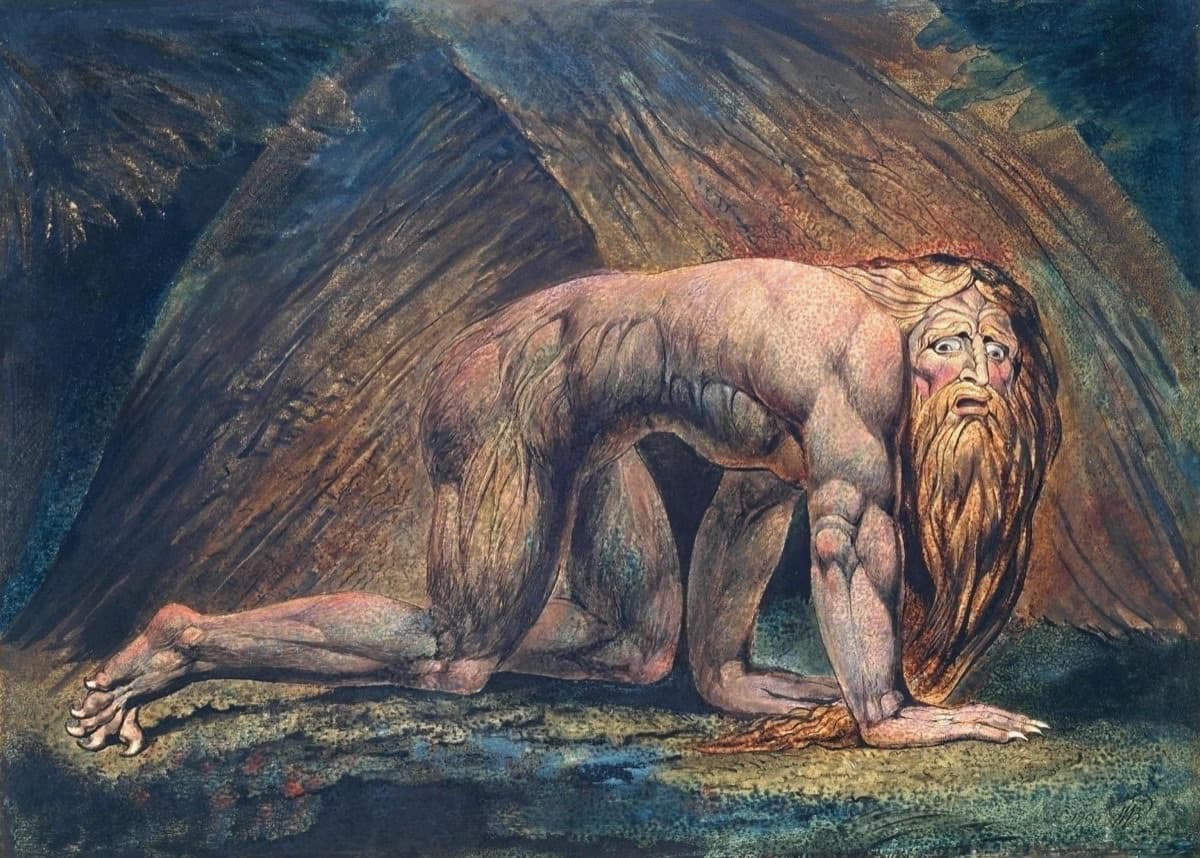
剥不是灾祸。它是承认消散本身是结构中的一个阶段,而不是事情办坏了。上艮下坤:一条阳爻停在五条阴爻之上,仅存的那点实体正从下面被蚀去。卦象是床被拆解:「剥床以足」,接着「以辨」,再接着「以肤」——先毁掉承托的部分,然后才轮到看得见的表面。这是消耗显现为形象,而它的第一条教诲是:不要跟它争。 卦辞极简:「不利有攸往。」没有亨,没有利贞,不给任何行动以许可。有些时候,正确的应对就是不前进。剥已经在进行,五条阴爻不是可以攻打的敌人,而是必须承受的势。在剥的时候勉强作为,想扭转结构上必然的事,只会把最后的余力用尽,反而加速崩塌。 但《象》并不是叫人什么都不做,它所指示的事也不是抵抗:「山附于地,剥;上以厚下安宅。」侵蚀从底下开始,所以能着手的地方也在底下。不去守住山顶,而是加厚它所立足的那片地。 全卦最深的一层在上九:「硕果不食,君子得舆,小人剥庐。」剥到最后仍有一枚果实没有被吃掉,而就在同一刻,分野出现了:所守的是为了众人,它便成为载你前行的车;所守的只是为了自己,连那间屋子也一并失去。所以剥的要义,是在丧失之中保全那些不可丧失的东西——分辨什么留得住,什么必须放手。世人把它当成失败之卦,其实不是;它讲的是善于退却的智慧,把种子留下来,等待复。
彖辞
不利有攸往。阴气上升,阳气将尽,这是时势,不是人为。逆势而动是愚蠢,顺势而静是智慧。等。衰败自有尽头。
象辞
山附于地。山若陡峭无基,必然倾覆。在上者的稳固,全靠对下者的厚待。根基宽广,顶端才稳。这是结构问题,不是道德问题。
爻辞
第初爻
剥床以足。床脚先断,根基先崩。一切后续的坍塌,都从这里开始。能做的只有等待,硬撑只是加速毁灭。
第二爻
剥床以辨。床框断裂,危险逼近身边。孤立无援,四面楚歌。此时固守立场,不是忠诚,是愚昧。识时务者为俊杰。
第三爻
剥之无咎。身处恶劣环境,与之割裂,无可厚非。脱离不是背叛,是自救。有时候,分离是唯一正确的选择。
第四爻
剥床以肤。灾祸已及肉身。没有什么可说的了。凶。
第五爻
贯鱼,宫人宠,无不利。接近光明的顶端,阴暗的力量开始转化。如鱼贯串,如宫人列队,秩序在混乱中重建。柔顺归附刚健,各得其所。
第上爻
硕果不食。大果未被吃掉,种子保存下来。君子重获车乘,小人的房子崩塌。恶的尽头是自我毁灭,善的种子等待春天。
焦氏易林
焦延寿《易林》——第23卦本卦之辞。西汉时期以四言诗阐释卦变,为最早的系统性易学占辞集。
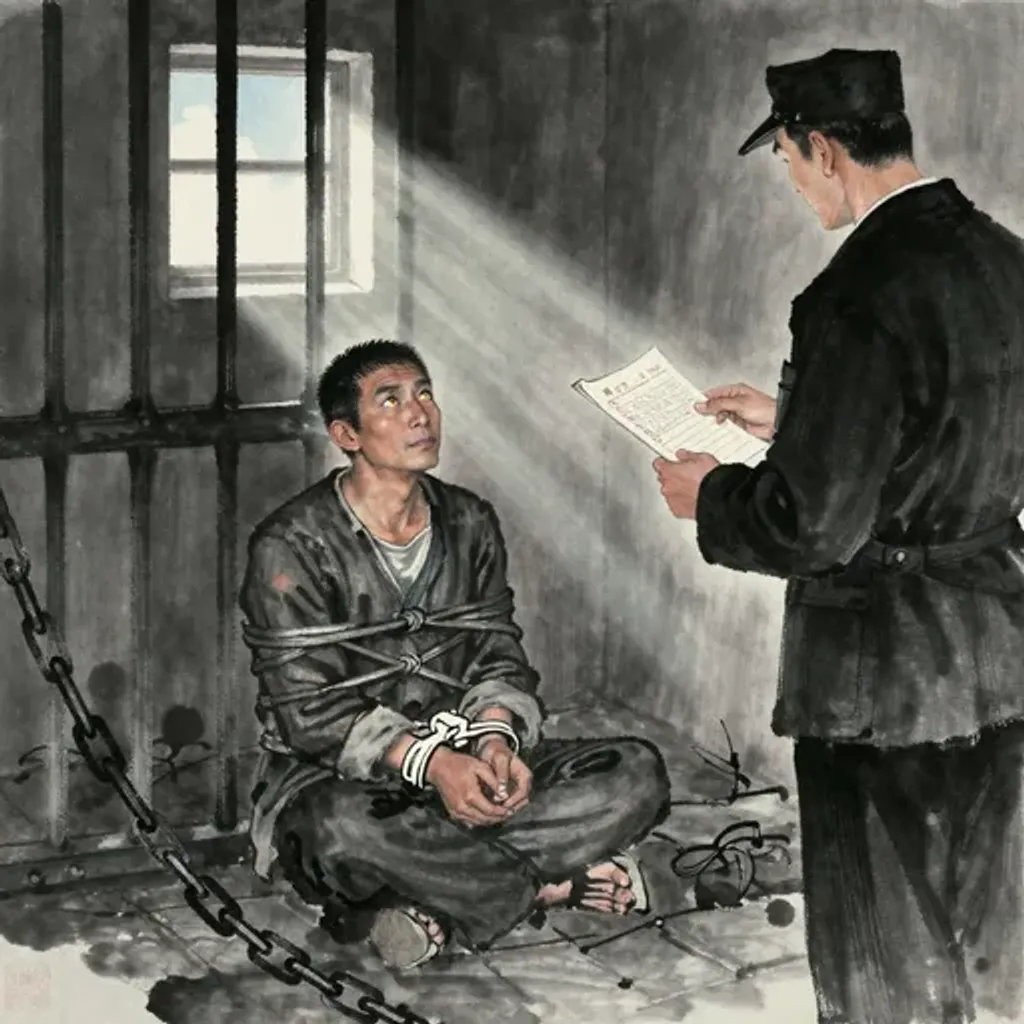
行触大讳与司命忤执囚束缚拘制于吏忧人有喜
山附于地,剥之自返。
阅读完整注释 ↓
山附于地,剥之自返。行触大忌,与司命牾——所为触犯最大禁忌,冒犯司命之神。执囚束缚,拘制于吏——被捕绑缚,受官吏管制。然末句「幽人有喜」直引剥卦上九爻辞。触犯天条而入狱,为剥之极;然囚禁中反得喜悦,此为《易》之辩证:一切外在皆被剥尽之时,内在之自由不可再剥。从剥至剥,递归之象:消融之底点恰含重生之核。硕果不食——最后一颗果实不被吃掉,正因其中藏有复生之种。幽人之喜即此种子发芽之兆。
English commentary
Mountain upon earth doubled — Splitting Apart meets itself. One's actions collide with the greatest taboo, offending the Lord of Fate himself. Bound and fettered, one is detained under an official's control. Yet the verse closes with a paradox drawn from the hexagram's own sixth line: 'The secluded person has joy.' To transgress against cosmic authority and be imprisoned by mortal authority is the worst of Splitting Apart's imagery. But confinement, in the Yi's logic, can also be protection. The 'secluded person' who finds joy in captivity has discovered that being stripped of everything external reveals an irreducible inner freedom. From Splitting Apart to itself, the lesson is recursive: at the nadir of dissolution, the single remaining fruit contains the seed of renewal.
此注释依据较早的读法撰写。读法既经更定,其诠释未必仍适用于今所见之文。
《焦氏易林》,清乾隆间写文渊阁四库全书本。
国立故宫博物院 故库017987–017990
第2册,第32页
据写本原叶录出
标点依写本,不另加标点。
关于此读法
据扫描原叶录出。