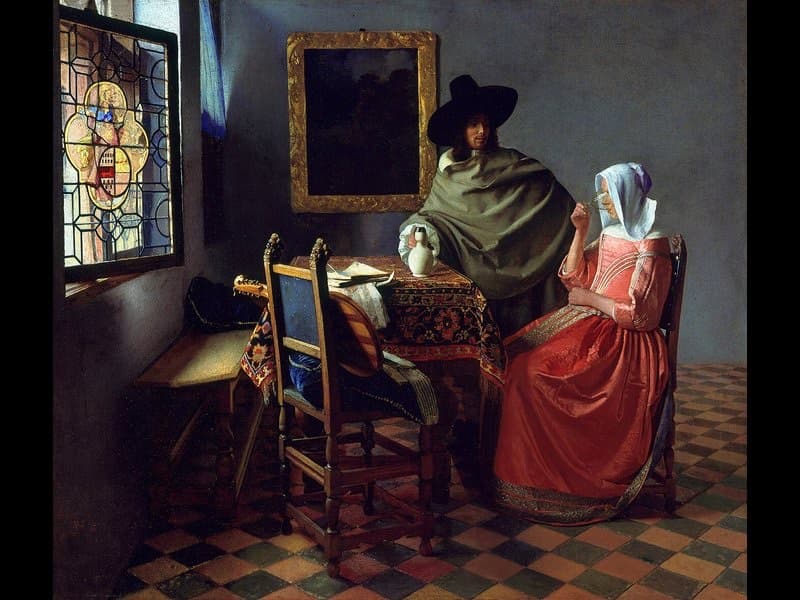
上卦
艮 Gèn
山 — 止
下卦
艮 Gèn
山 — 止
经典文本
卦旨
艮不是无所作为。它是把「止」准确地施在需要止的那个地方,而不及其余。艮上艮下,是极稳定的象;卦辞立刻指明这份止落在哪里:「艮其背,不获其身。」旧说以为,背是身上唯一不朝向欲望的那一部分:眼睛看不见它,它也不随着外物转动。止住背,那个抓取不放的「我」就没有着落处。这是有针对的停止,不是瘫痪:熄掉妄动的那台发动机,让感知得以澄清。 各爻自下而上沿着身体走:初六「艮其趾」,六二「艮其腓」,九三「艮其限」,六四「艮其身」,六五「艮其辅」,到上九「敦艮」,止到厚实处。止要从底下养起来,不能从上面压下去;而有两爻点明了压下去的害处。六二说「艮其腓,不拯其随,其心不快」:该救的没有救,心里因此不痛快。九三说「艮其限,列其夤,厉熏心」:止在不该止的地方,恰好生出了它本想去掉的那份躁动。 六五则显示这份功夫成了的样子:「艮其辅,言有序,悔亡。」止住嘴所得到的不是沉默,而是次序:本来要杂乱涌出的话,如今有条理地出来。 卦辞的第二句补足了它的意思:「行其庭,不见其人。」不是瞎,也不是冷漠,而是看见人却不让自己想从这个人身上得到什么的念头搅乱这份看见。《象》接着说:「兼山,艮;君子以思不出其位。」所以艮的要义不在遗世,而在让心停在它实际所在的地方。它承震而来:接连的震动之后,才有一段安定,让震所照出来的东西沉淀下来。
彖辞
「艮其背,不获其身。」止于背,就感觉不到身体。该止则止,该动则动——这才是真正的静。静不是死,是蓄势。当纷争不再入眼,才看得见大道理。
象辞
「兼山,艮。君子以思不出其位。」山叠山,君子因此不让思绪越出本位。心总在想,这改不了。但想太远的事,只会徒增心苦。管好眼前,已经够难。
爻辞
第初爻
「艮其趾。」还没动就停住。起步时错误最少,因为还没被利欲蒙蔽。保持这份清明,需要持续的坚定。一松懈就漂走了。
第二爻
「艮其腓。不拯其随。」腿不能自己走路,要跟着身体。身体在动,腿硬要停,就会跌倒。跟错了人,想停也停不下来。心里不快,但无可奈何。
第三爻
「艮其限。厉熏心。」强迫自己静下来。火闷住变成呛人的烟。冥想不能硬来,平静要从内在自然生出。人为的僵硬,只会适得其反。
第四爻
「艮其身。」能让念头暂时安静,但还没完全摆脱自我。这不是错,是过程。止住心,是消除我执的第一步。
第五爻
「艮其辅。言有序。悔亡。」管住嘴。危险的时候最容易信口开河。话说得越少,分量越重。后悔的机会,就这样消失了。
第上爻
「敦艮吉。」这是安宁的完成——不只是细节上的安静,而是对整个生命的从容。这种境界,很少人到得了。
焦氏易林
焦延寿《易林》——第52卦本卦之辞。西汉时期以四言诗阐释卦变,为最早的系统性易学占辞集。
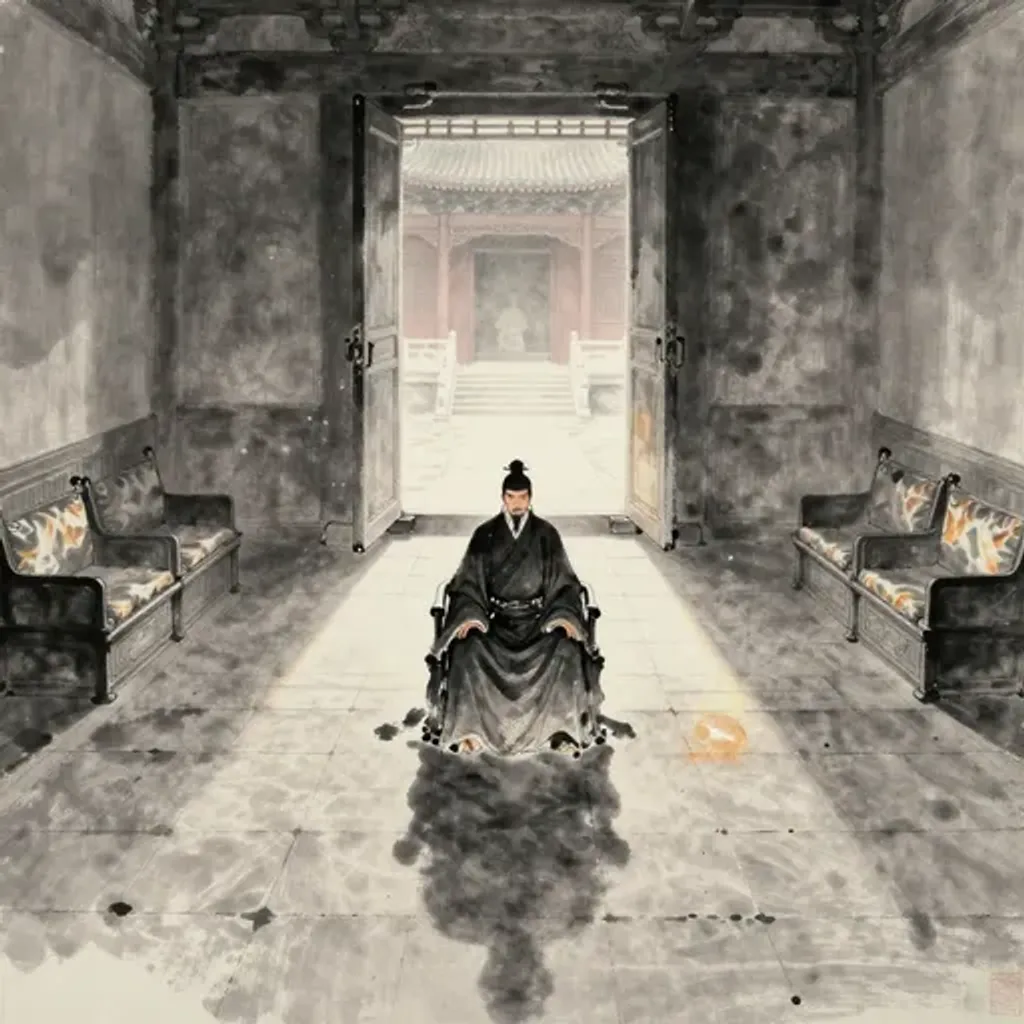
君孤独处单弱无辅名曰困苦辅心涌泉碌碌如山
兼山为艮,艮归于艮——同卦自返,无物流转。
阅读完整注释 ↓
兼山为艮,艮归于艮——同卦自返,无物流转。君孤独处,单弱无辅,名曰困苦。艮化艮,无一事改变:山仍是山,止者仍止。无新生之力、无互补之势可打破此僵局。从艮至艮,纯粹之自我重复,如回音在空谷中渐弱而不传。诗直言不讳:独而无友、弱而无援,其名曰苦。艮之大德在知止,然当止是唯一之选项亦是唯一之结果时,美德遂化为纯然之忍受而已。
English commentary
Twin mountains stand doubled into absolute stillness — the same hexagram returns to itself. The ruler dwells in isolation, alone and without support; this condition is called suffering. When Gen transforms into Gen, nothing changes: the mountain remains the mountain, and the person who stops remains stopped. There is no release, no new energy, no complementary force to break the stasis. From Keeping Still to Keeping Still, the image is pure recursion. The verse names this plainly: solitude without allies, weakness without reinforcement, the name of which is hardship. The mountain's great virtue is knowing when to stop, but when stopping is the only option and the only outcome, virtue curdles into mere endurance.
《焦氏易林》,清乾隆间写文渊阁四库全书本。
国立故宫博物院 故库017987–017990
第4册,第78页
据写本原叶录出
标点依写本,不另加标点。
关于此读法
据扫描原叶录出。