Over Eternal Peace

第33卦

Dùn

Retreat

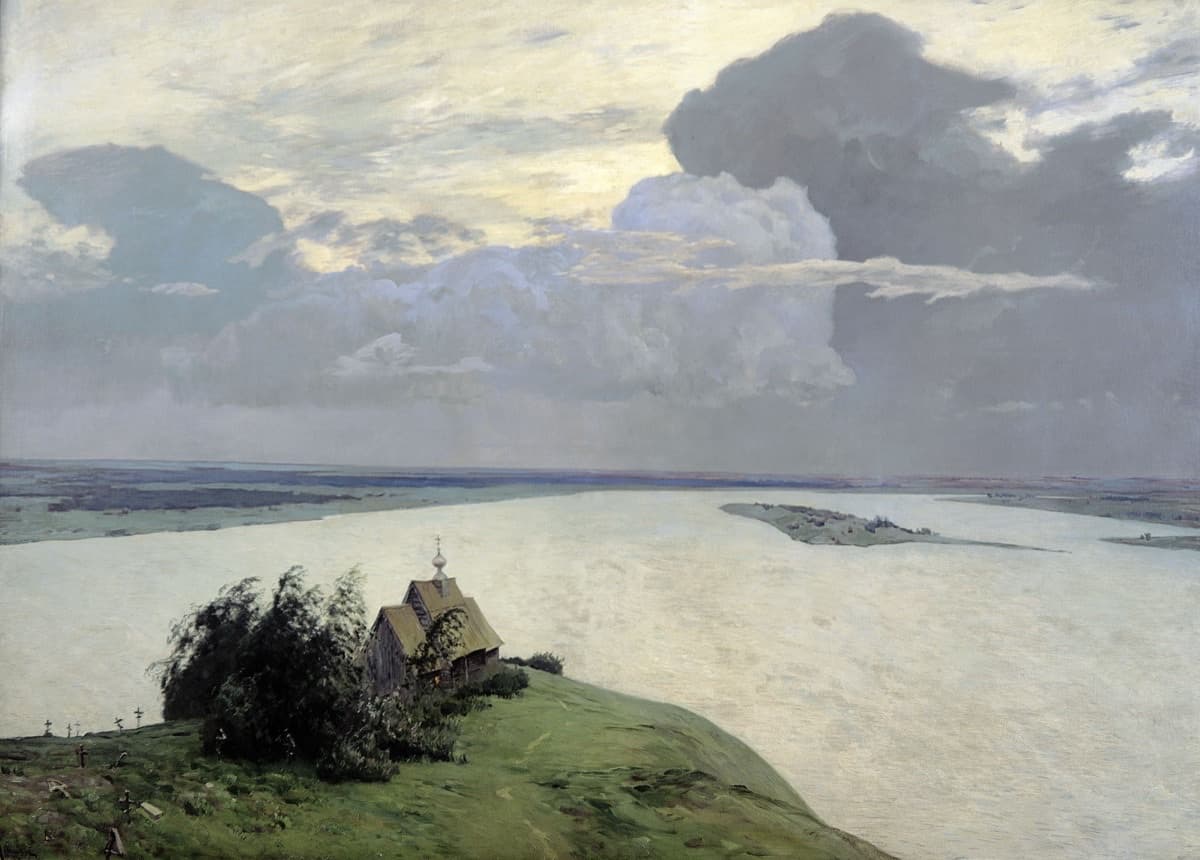
Over Eternal PeaceIsaac Levitan, 1894

A vast monastery overlooks an expansive river under dramatic clouds in Isaac Levitan's 1894 landscape. The Russian painter positions the viewer at a distance, looking across water toward the elevated spiritual settlement. The monastic complex sits above the concerns of the shore, removed from the river traffic and settlements below. Sky dominates the composition—turbulent clouds sweep across three-quarters of the canvas, dwarfing the human structures that cling to the far bank.

阅读完整论述 ↓

This is Dùn (遯), the Chinese hexagram of Retreat. Zhou Dynasty diviners saw this configuration when Heaven (Qián) sits above Mountain (Gèn)—creative force withdrawing to higher ground, power that preserves itself through strategic disengagement. The monastery embodies this structure: heaven's clarity elevated on the mountain's stillness, withdrawn from the world yet maintaining presence through visibility. Levitan's panoramic landscape depicts a vast monastery overlooking an expansive river under dramatic clouds. The painting captures withdrawal to elevated spiritual perspective, removed from worldly concerns—the essence of hexagram 33's retreat. The Judgment text addresses timing directly: "Retreat brings success. In what is small, perseverance furthers." Ancient court diviners distinguished withdrawal from defeat. When inferior forces gain strength, the superior person does not engage in direct conflict but steps back to preserve integrity. Song Dynasty commentators noted this hexagram appeared when advisors resigned from corrupt courts, when merchants closed failing ventures, when generals avoided battles that could not be won. Retreat becomes the action that allows return when conditions shift. The Image Text offers unexpected counsel: "Heaven under the mountain: the image of Retreat. Thus the superior man keeps the inferior man at a distance, not angrily but with reserve." Levitan's composition demonstrates this principle—the monastery does not confront the world below but maintains separation through elevation. The massive sky suggests what ancient practitioners understood: retreat creates perspective. From the monastery's vantage, the river patterns become visible, the weather systems legible. In the I-Ching's sequence, Dùn follows Héng (Duration): after establishing what endures, one must know when to withdraw to preserve it. Engagement serves purpose only when conditions permit effectiveness.

上卦

Qián

HeavenCreative

五行Metal方位South家庭Father性质creative, strong, dynamic

下卦

Gèn

MountainStillness

五行Earth方位Northeast家庭Youngest Son性质still, stopping, resting

经典文本

彖辞

Success. In small matters, persistence furthers. Hostile forces advance. This isn't the time to fight—it's the time to withdraw strategically. Retreat isn't flight. Flight is panic; retreat is strength. The key is recognizing the right moment while you still have options. Make the advance difficult through persistent small resistances while preparing your countermove.

爻辞

第初爻

At the tail end of the retreat—dangerous position. Those in back face the pursuing enemy directly. Don't try anything from here. Stillness is the only escape when you're this exposed.

第二爻

Held fast with yellow oxhide—impossible to break free. Someone clings to you with the strength of genuine purpose. Their grip serves what's right. Let them hold; this persistence furthers the small.

第三爻

A halted retreat—nerve-wracking and dangerous. You're held back when you should be withdrawing. Take these clinging people into your service to maintain some initiative. Not ideal, but it's the only way to preserve agency.

第四爻

Voluntary retreat brings good fortune to the capable person, downfall to the dependent. Leaving willingly and friendly requires no violence to your convictions. The one who loses is whoever needed your guidance.

第五爻

Friendly retreat. Recognize the moment to leave while amenities can still be observed. Absolute firmness of decision, but no ugly scenes. Don't be swayed by irrelevant considerations.

第上爻

Cheerful retreat. Inner detachment is complete. No doubt about departure; the way ahead is clear. When you can choose what's right without further thought, everything serves your purpose.

焦氏易林

焦延寿《易林》——第33卦本卦之辞。西汉时期以四言诗阐释卦变,为最早的系统性易学占辞集。
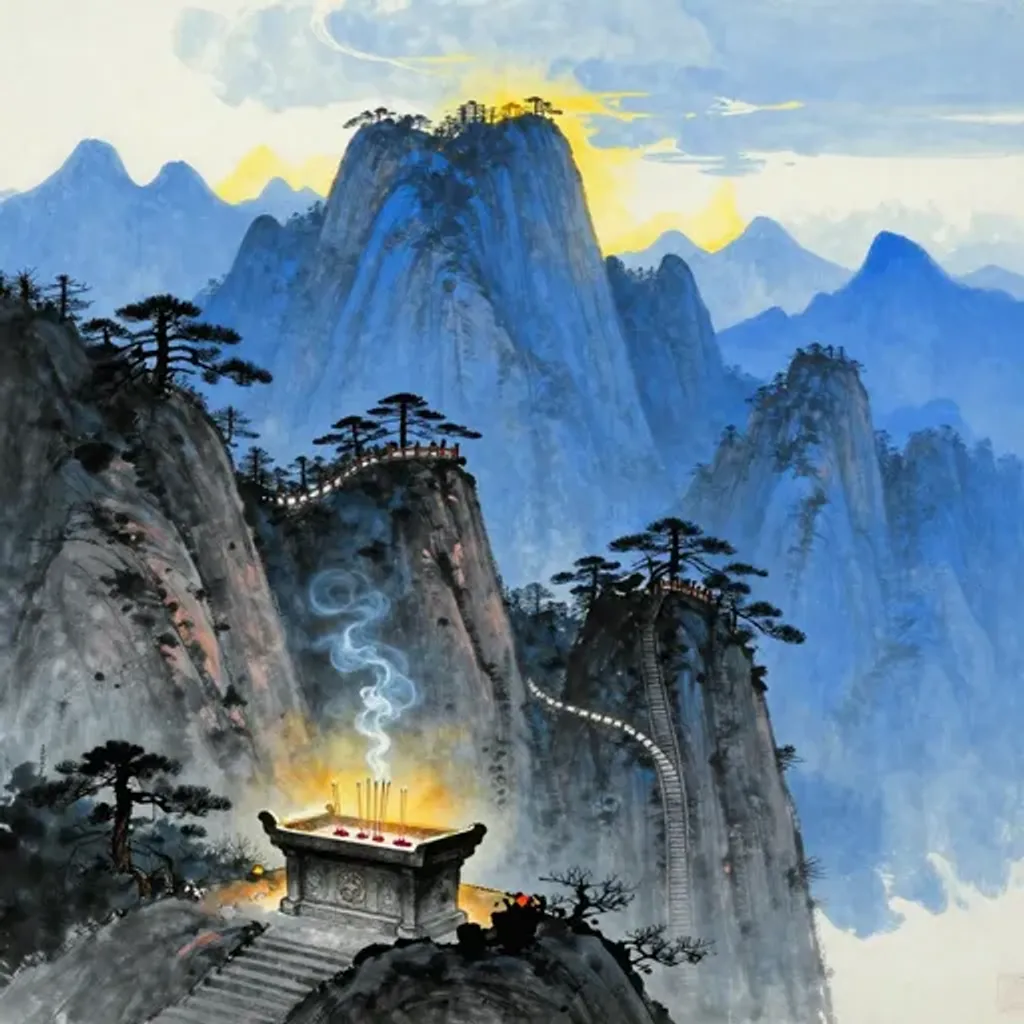
Yilin artwork for Hexagram 33
三塗五岳,陽城太室,神明所保,獨無兵革。

天下有山,遯之象。

阅读完整注释 ↓

天下有山,遯之象。三塗五岳——三塗險關與五嶽聖山。陽城太室——陽城與太室山(嵩山主峰)。神明所保——神明護佑之地。獨無兵革——唯此不見兵戈。三塗為洛陽附近要隘,太室為中嶽嵩山主峰,陽城為其所在古邑——皆天下中心、神聖地理之核心。從遯至遯,卦自映自身。退避之極致即聖山本身——神靈庇護,兵革不至。退避若徹底純粹便成不可侵犯之聖域,不須防衛自然免禍。

English commentary

Heaven above the mountain remains as heaven above the mountain — Retreat doubled, the hexagram reflecting upon itself. The Three Tu passes and the Five Sacred Mountains, Yangcheng and Taishi Peak — these are the sacred precincts that the gods themselves protect, and alone they are spared the ravages of war. The Three Tu refers to the strategic mountain passes near Luoyang; Taishi is the main peak of Mount Song, the Central Sacred Mountain, near the ancient site of Yangcheng. These are the heartland of Chinese sacred geography. From Retreat to Retreat, the verse affirms that the most complete withdrawal is the mountain itself — the divine sanctuary where even armies dare not trespass. When retreat is total and principled, it becomes inviolable, a sacred space that needs no defense because its very nature forbids desecration.