第10卦

Treading

上卦

Qián

HeavenCreative

五行Metal方位South家庭Father性质creative, strong, dynamic

下卦

Duì

LakeJoyous

五行Metal方位Southwest家庭Youngest Daughter性质joyful, reflective, collecting

经典文本

彖辞

虎尾。不咥人。亨。

象辞

上天下澤,履。君子以辯上下,定民志。

爻辞

第初爻

初九 素履往。无咎。

第二爻

九二 履道坦坦。幽人貞吉。

第三爻

六三 眇能視。跛能履。履虎尾。咥人凶。武人為于大君。

第四爻

九四 履虎尾。愬愬終吉。

第五爻

九五 夬履。貞厲。

第上爻

上九 視履考祥。其旋元吉。

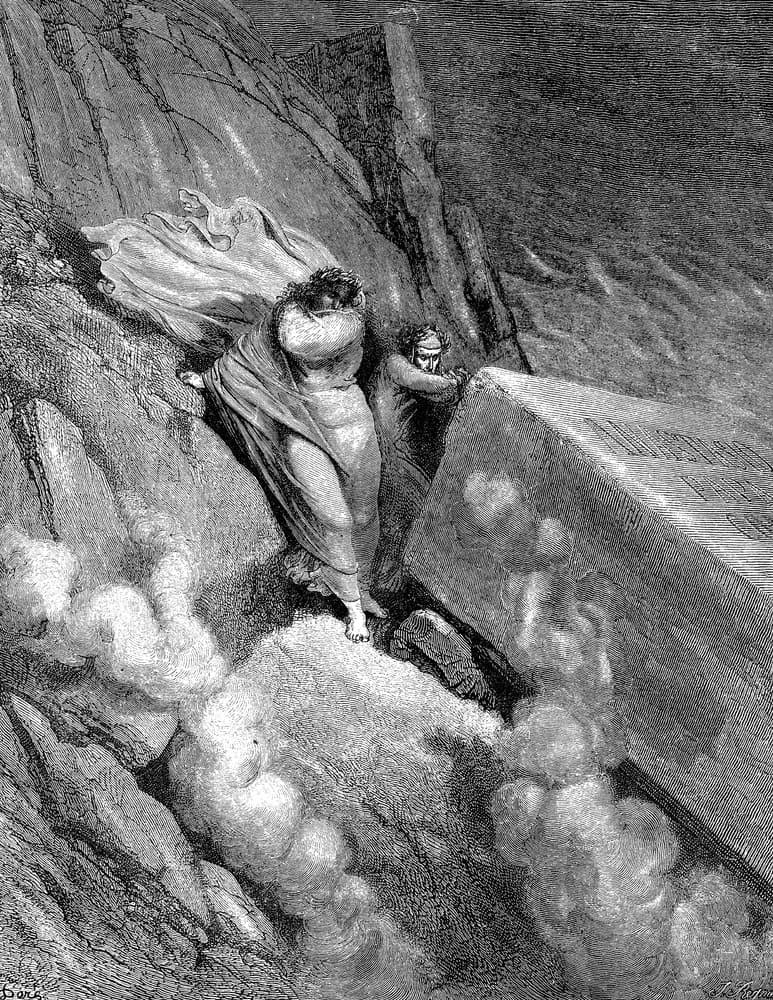
Dante and Virgil Edge of Abyss

Dante and Virgil Edge of Abyss

Gustave Dore, Unknown

Treading (Conduct)

Two robed figures stand at the edge of an abyss, one gesturing toward the darkness below. Gustave Doré etched this scene from Dante's Inferno, showing poet and guide navigating precipices where a single misstep means the fall. The rocky ledge crumbles at the margins. Below, nothing—or worse than nothing, the circles of hell descending into geological punishment. Dante leans forward, examining the route ahead, while Virgil points out the path. Every footfall here carries consequence. The stone offers no forgiveness.

阅读完整论述 ↓

This is Lǚ (履), the Chinese hexagram meaning "treading" or "conduct"—specifically, treading on the tail of the tiger. Ancient diviners saw this configuration when Heaven (Qián) sits above Lake (Duì): creative force above, joyous yielding below, like stepping on something dangerous that might turn and bite. Dante and Virgil embody this careful navigation—moving through territory that tolerates passage only if one observes proper conduct, maintains respectful distance, treads lightly. In Zhou Dynasty court practice, this hexagram appeared when envoys approached rulers, when petitioners entered dangerous negotiations, when anyone moved through space controlled by greater power. Doré's illustration from Dante's Inferno shows the poet and his guide navigating dangerous cliffs at the edge of an abyss. The careful, deliberate movement through perilous terrain reflects hexagram 10's theme of treading carefully in dangerous situations. The Judgment text addresses this precarious movement directly: "Treading upon the tail of the tiger. It does not bite the man. Success." The tiger represents overwhelming force that could destroy you—the abyss, the ruling authority, the spiritual realm that judges souls. Yet proper conduct allows safe passage. Walk correctly and the tiger permits you to step on its very tail, the most sensitive point, without retaliation. Doré's Dante survives precisely because he observes the rules: Virgil guides, Dante follows, both maintain proper respect for the territories they traverse. Song Dynasty officials understood this hexagram as the art of approaching power without triggering its defensive response. The Image Text elaborates on conduct: "Heaven above, the lake below: the image of treading. Thus the superior person discriminates between high and low, and thereby fortifies the thinking of the people." Know where you stand. The lake reflects heaven but doesn't presume to be heaven. Dante descends through hell but doesn't belong to hell—his living breath separates him from the shades, his guide protects him through correct positioning. In the I-Ching's sequence, Lǚ follows Small Accumulating: after gathering small restraints, one must tread carefully with what has accumulated. Careless steps here breed the next hexagram—Peace, where careful conduct finally establishes safe ground.

焦氏易林

焦延寿《易林》——第10卦本卦之辞。西汉时期以四言诗阐释卦变,为最早的系统性易学占辞集。
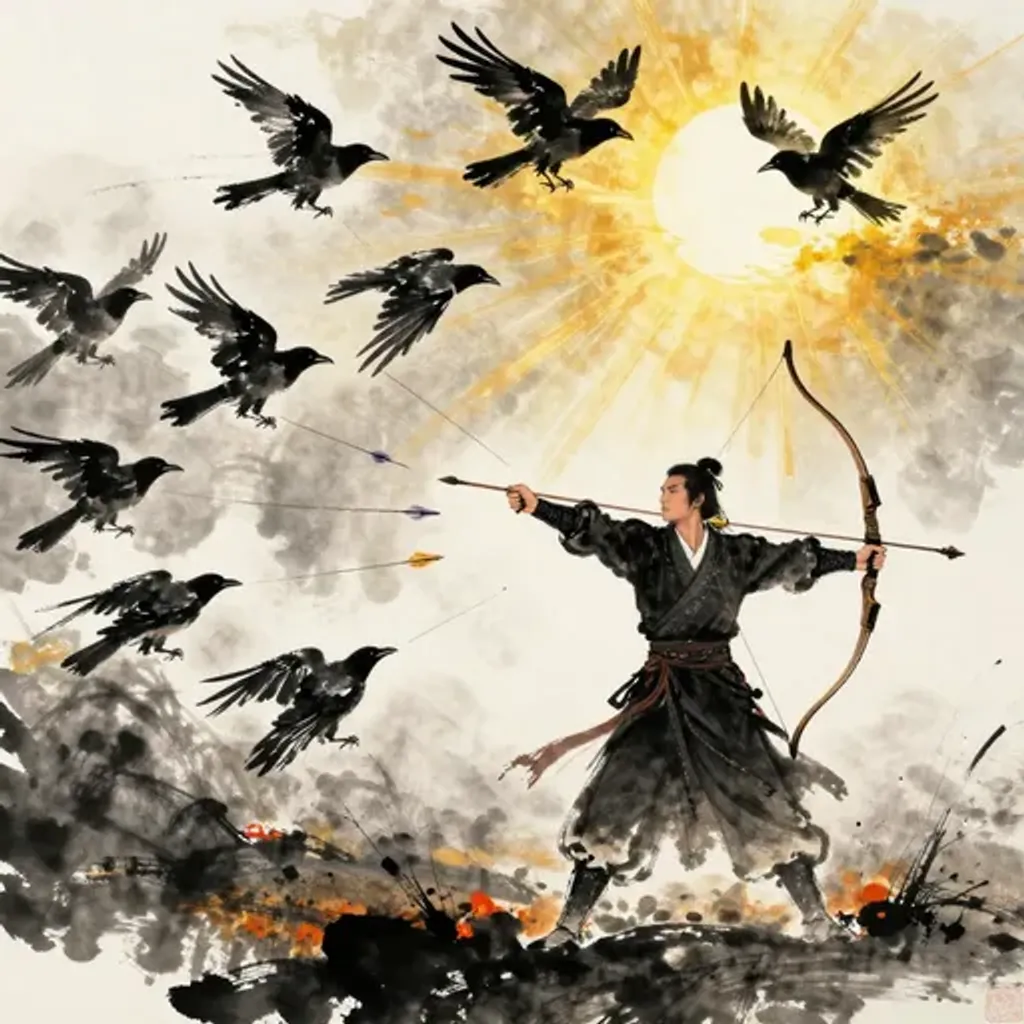
Yilin artwork for Hexagram 10
十烏俱飛,羿得九雌;雖得淂全,且驚不危。

履之本卦,象重疊。

阅读完整注释 ↓

履之本卦,象重疊。十日並出,羿射得九,皆取其雌。雖得保全,驚而未危。此即后羿射日之神話:十烏(十日)同飛,灼燒天下,羿射落其九,留一以照世間。「九雌」之說或為區分柔順與兇猛,或僅記所獲之數。從履至履,自我映照之象:險境以精準之行止化解,危難已過然餘悸猶在。虎尾已踩,虎未噬人——此即履卦「履虎尾,不咥人」之本義。

English commentary

Treading upon itself — the hexagram doubled. Ten sun-crows fly together, and Archer Yi brings down nine, but takes only the females. Though the world survives intact, the fright was real. This directly invokes the myth of Hou Yi shooting down the nine surplus suns that were scorching the earth, leaving one to light the world. Yet the detail of 'nine females' is curious — perhaps distinguishing the docile from the dangerous, or counting only what was safely captured. From Treading to Treading, the pattern is self-referential: peril managed through precise conduct, danger averted but not forgotten. The tiger's tail was touched; the tiger did not bite.