上卦
兑 Duì
泽 — 说
下卦
兑 Duì
泽 — 说
经典文本
卦旨
兑不是享乐。它是平等的往来之中生出来的那种喜悦——内里有东西的人彼此相遇,两边都因此增益。《象》给出它的形象:「丽泽,兑」——两片相连的水泽,各自注入对方。单独一片泽或者干涸,或者腐坏;相连的才能长久。卦辞极简:「亨,利贞。」有悦而无守,就流于放纵;有守而无悦,就成了苦熬。 各爻分辨它的真伪,检验只有一条:它是从哪个方向来的。初九「和兑,吉」:这份悦出自内在的和,不必等外面的刺激。九二「孚兑,吉,悔亡」:这份悦本于诚信,没有伪装,所以也没有可悔的。六三「来兑,凶」:从外面来的悦——去求、去取、去招引;而全卦之中,系上「凶」字的只有这一爻。九五告诫它所信的对象:「孚于剥,有厉。」所信的是剥——剥就是那个消蚀之卦。 九四才是真正做事的一爻:「商兑未宁,介疾有喜。」需要斟酌的悦,还算不上悦;使它定下来的办法,不是挑一种更好的快乐,而是把那个让人不得不斟酌的东西割掉。 上六没有断语:「引兑」——拖长的悦,然后就没有了。不系吉,不系凶,也不系无咎。全卦之中对悦判断得最细的,偏偏不判它的最后一爻;这份沉默本身,就是对超过时候还拖着的快乐的一句评语。 所以兑的要义在于交往:交往而各有增益,谁也没有被耗掉。《象》点明它的方法:「君子以朋友讲习。」相连的水泽是它的象,切磋讲习是它的实。两个人各把自己知道的说给对方,所得都多于自己一个人能得到的。喜悦不是功劳的报酬,而是有内容的人彼此往来时的常态。
彖辞
「亨,利贞。」喜悦有力量,但要有根基。真正的喜悦来自内在的稳固,外面表现为柔和。威吓可以一时,友善才能持久。赢得人心的人,让别人心甘情愿承担艰难。
象辞
「丽泽,兑。君子以朋友讲习。」两个湖泊相连,不容易干涸。知识也是这样——只有和朋友交流讨论,才会活起来。独学而无友,则孤陋而寡闻。自学的人往往偏执而沉重。
爻辞
第初爻
「和兑吉。」安静的、不求于外的喜悦。不需要什么,也不依赖什么。这种自足是最稳的——因为它不受外界左右。
第二爻
「孚兑吉。悔亡。」对快乐这件事要诚实。身边有品味不高的人也没关系——你不迎合,他们也不敢拉你下水。你是什么人,就吸引什么样的娱乐。
第三爻
「来兑,凶。」快乐从外面涌进来——内心空虚的标志。缺乏内在稳定的人,总能找到消遣的机会。他们以为在享受,其实在流失。
第四爻
「商兑未宁。介疾有喜。」在高低快乐之间犹豫,所以不安宁。认清什么是真正值得追求的,内心才有平静。决定一旦做了,真正的喜悦随之而来。
第五爻
「孚于剥,有厉。」对那些会消解你的东西太真诚,是危险的。有些影响力很慢很温和,但会一点一点侵蚀你。认清了才能自保。
第上爻
「引兑。」被快乐牵着走。到这一步,已经不是吉凶的问题了。你放弃了方向,剩下的只是随波逐流。命运由外界决定——因为你已经不在驾驶座上了。
焦氏易林
焦延寿《易林》——第58卦本卦之辞。西汉时期以四言诗阐释卦变,为最早的系统性易学占辞集。
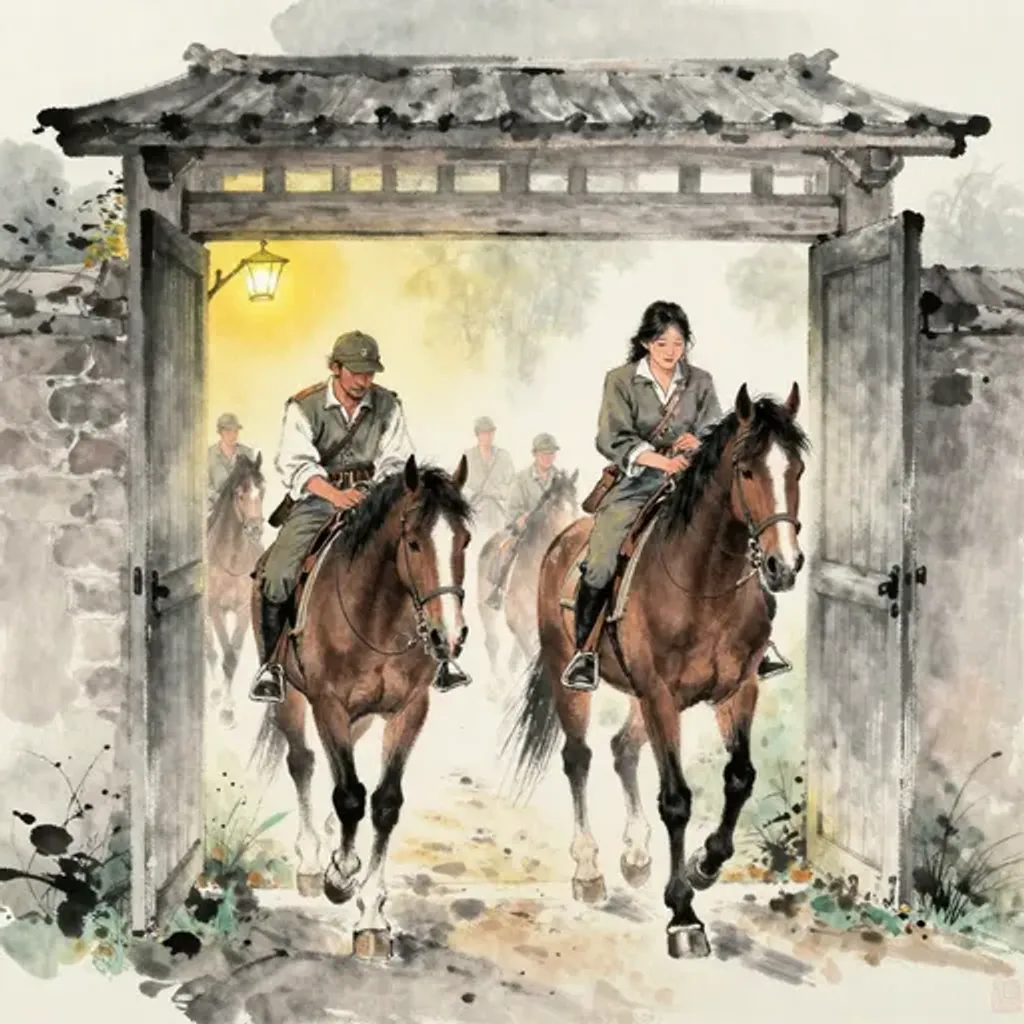
班马还师以息劳疲役夫嘉言入户见妻
丽泽兑,朋友讲习之象。
阅读完整注释 ↓
丽泽兑,朋友讲习之象。班马还师,以息劳疲。后夫嘉喜,入户见妻。班马即归师之战马。征人归来,先息军旅之劳,后入家门得见妻子,欢喜之至。从兑至兑,喜悦映照喜悦。丽泽之象——两泽相连,互相滋润。此为欢悦之纯粹形态:离别后之重逢,门前见到熟悉之面容。兑之自返不是重复而是共鸣——如两湖相映,喜悦加倍。
English commentary
Paired lakes mirror each other in perfect symmetry — The Joyous reflecting itself. The army's spotted horses return from campaign to rest their weary bones. Afterward, a husband comes home with joy, entering the door to see his wife. The phrase 'ban ma' (spotted horses) echoes the Shijing where returning warhorses signify the end of a campaign. From The Joyous to The Joyous, the transformation is identity: joy deepened by recognition. Friends lecture and practice together — the hexagram image made flesh. The soldier returns to domestic happiness; the doubled lake produces not excess but resonance. This is joy's purest form: reunion after absence, the familiar face at the threshold.
此注释依据较早的读法撰写,或涉及写本所无之字句。
《焦氏易林》,清乾隆间写文渊阁四库全书本。
国立故宫博物院 故库017987–017990
第4册,第142页
据写本原叶录出
标点依写本,不另加标点。
关于此读法
据扫描原叶录出。