上卦
兌 Duì
Lake — Joyous
下卦
巽 Xùn
Wind — Gentle
经典文本
卦旨
Da Guo is not failure under pressure. It is the condition of a structure loaded beyond its normal capacity — the ridgepole (棟) bending (橈) because it carries more than ordinary design allows. Lake (Dui) above Wind (Xun): water pressing down on what yields and bends. Four yang lines dominate the center while two yin lines hold the ends, creating a shape that is heavy in the middle and weak at the edges. The beam sags. This is not collapse — it is the moment just before the structure either breaks or transcends its design limits. The judgment says 棟橈, acknowledging the bending directly, then immediately adds 利有攸往,亨 — "favorable to have somewhere to go, success." This combination is remarkable: the Yi names a structural crisis and then endorses forward movement through it. Da Guo is not a hexagram about retreat or consolidation. It is about the extraordinary situations that demand extraordinary responses — moments when normal proportions cannot hold and only disproportionate action suffices. The great exceeding is not recklessness; it is the recognition that some passages require you to exceed your own known limits. The common misreading treats Da Guo as a warning against excess. Its actual architecture is an instruction manual for navigating genuine extremity. The first line's 藉用白茅 — "spreading white rushes underneath" — counsels extraordinary care precisely because the situation is extraordinary. The top line's image of wading through water over one's head (過涉滅頂) shows someone who accepts being overwhelmed rather than turning back. Da Guo's goal is to carry the weight that the moment demands, even when that weight bends your structure, because there is no one else to carry it and the alternative to bending is breaking the situation itself.
彖辞
The ridgepole sags. The situation affords forward movement. It opens. The structure is bending. Not broken — bending. And here's the counterintuitive part: this is exactly when you move. Standing still under a sagging roof is not caution. It's waiting to be buried.
象辞
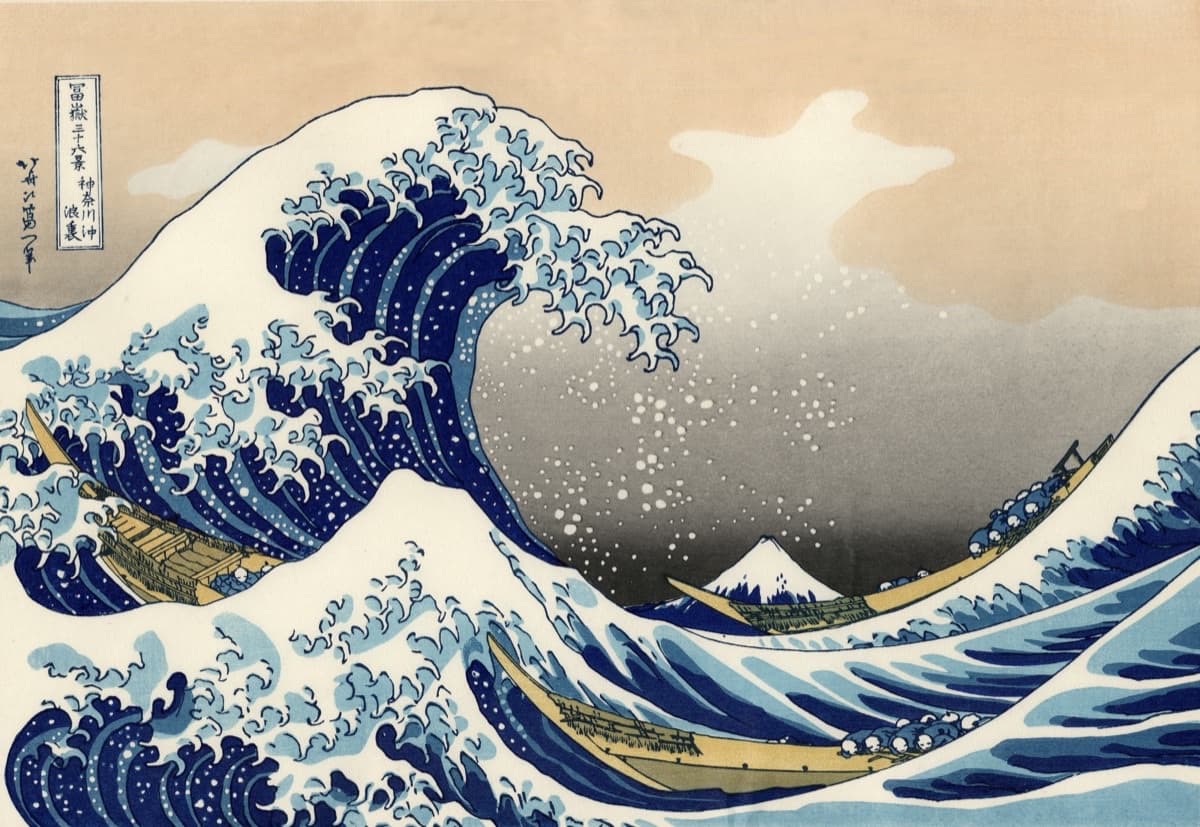
The lake rises above the trees. The person of substance stands alone without fear, withdraws from the world without resentment. When the water is above the trees, normal rules don't apply. Extraordinary times require exactly one thing: the willingness to stand alone without making a whole thing about it.
爻辞
第初爻
Cushioning the offering with white rushes. No fault. You're being excessively careful with the foundation. Somebody somewhere thinks this is overkill. It is not overkill. When the whole structure is under stress, the person who double-checks the base is the only one in the room who understands the situation.
第二爻
The withered poplar sends out a shoot at the root. The older man finds a young companion. Nothing that isn't supported. New life from an old trunk — but at the root, not at the crown. The alliance looks improbable. It works anyway, because it connects to what's still vital, not what used to be impressive. Sometimes the least dignified option is the most structurally sound.
第三爻
The ridgepole buckles. Adverse. Three characters. No qualifiers, no conditions, no 'but if you...' — just: the beam breaks. This is what it looks like when the configuration can't carry the load and nobody adjusted. The shortest line in the hexagram, because there's nothing left to say.
第四爻
The ridgepole holds firm and curves upward. Resolves well. If there are ulterior motives, friction. You braced the beam. It holds. That's the good news, and it's genuinely good. The fine print: if you braced it so that people would notice you bracing it, the beam still holds but now you have a different problem. The roof doesn't care about your motives. The people under it do.
第五爻
The withered poplar puts out flowers. The older woman finds a young husband. No fault, no praise. Flowers on a dead tree. Beautiful, yes. But flowers aren't roots — they're the last thing a tree produces before it's done. No fault in this, but no one's going to applaud either. The form is maintained. The substance is spent. Sometimes that's the whole situation and you just have to be honest about it.
第上爻
Wading too deep, the water covers the head. Adverse. No fault. The water is over your head. This is not going well — let's be completely clear about that. But the decision to wade in was the right call. The river was deeper than anyone said it would be. 'It went badly' and 'you were wrong' — those are two separate sentences. The book issues both verdicts independently, because it means them independently.
焦氏易林
焦延寿《易林》——第28卦本卦之辞。西汉时期以四言诗阐释卦变,为最早的系统性易学占辞集。
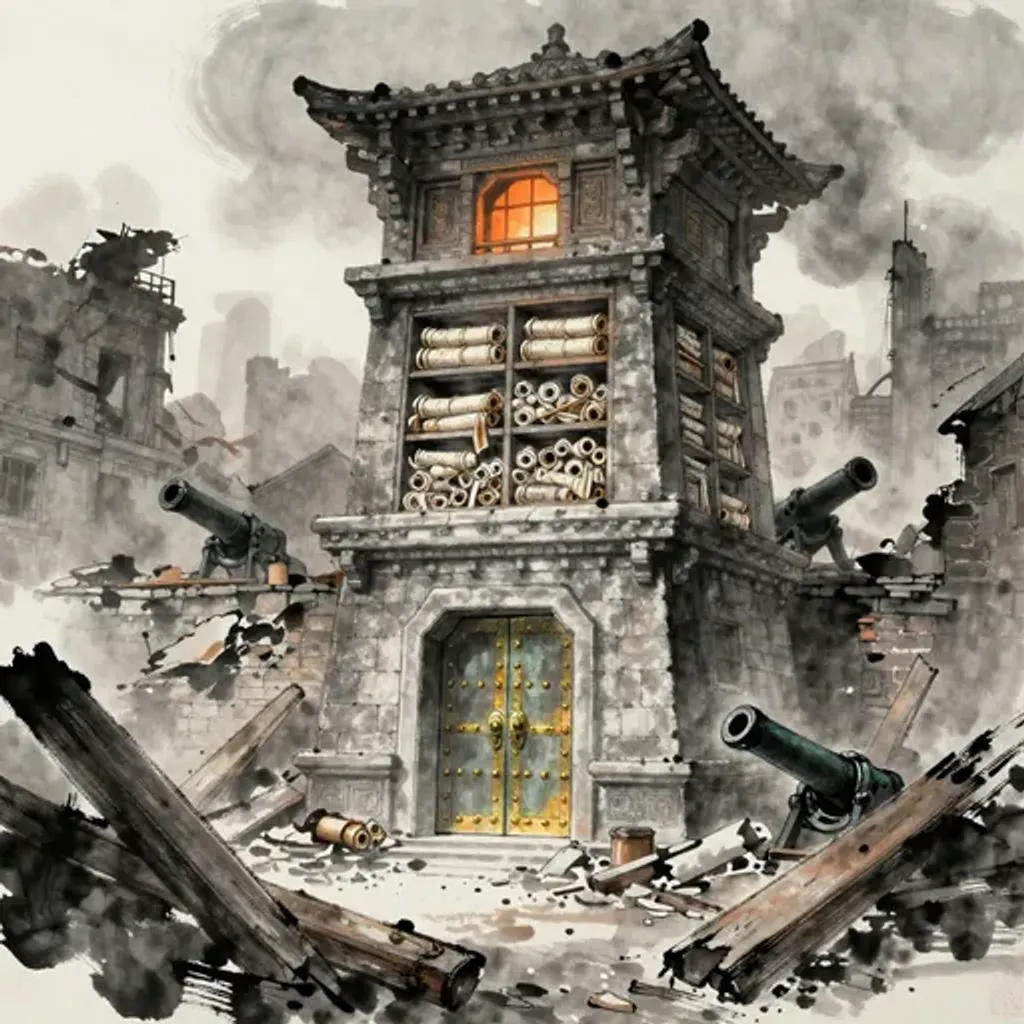
典冊法書,藏閣蘭臺。雖遭亂潰,獨不遇災。
大過之卦不變,澤滅木之象重疊。
阅读完整注释 ↓
大過之卦不變,澤滅木之象重疊。典冊法書,藏閣蘭臺——經典簿籍、法律文書,收藏於閣樓與蘭臺。雖遭亂潰,獨不遇災——雖逢亂世崩潰,唯此典籍獨免於難。蘭臺為漢代皇室典藏之所,存國家最珍貴之文獻。此詩頌結構之保存力:萬物傾頹而文字獨存,前提是妥善收藏。大過歸於大過,無變化可言,唯過重之疊加。然詩於此中見弔詭:記錄過度之典籍反而存活於過度之中。知識若得其所藏,則比它所記載之危機更為持久。
English commentary
Great Exceeding returns to itself — lake over wind doubled, the ridgepole sagging but enduring. Canonical texts and legal records are stored in pavilions and the Lantai Archive. Though encountering chaos and collapse all around, they alone escape disaster. The Lantai (蘭臺) was the Han imperial archive where the dynasty's most precious documents were kept. The verse celebrates preservation through structure: even when everything else falls apart, the written word survives if properly housed. From Great Exceeding to Great Exceeding, there is no transformation — only the doubled weight of excess. Yet the verse finds a paradox within: the very archive that records excess also survives it. Knowledge, properly stored, outlasts the crises it documents.
