上卦
兑 Duì
泽 — 说
下卦
震 Zhèn
雷 — 动
经典文本
卦旨
随不是服从。它是因时而应、随正而变的能力——在不放弃判断的前提下,调整自己以回应已经变化的情势。上兑下震:悦在动上。《彖》说:「刚来而下柔,动而说,随。」刚健之力主动来到柔者之下,使行动与和悦相合,这便是随。它不是弱者迁就强者,而是力量选择以回应代替强加,以关系代替压服。 卦辞说:「元亨利贞,无咎。」这并不是对一切跟随的无条件许可。「无咎」以「贞」为前提:所随必须合于正道。后面的爻辞也不断警告,不可牵系于卑小而失去更重要的对象,也不可为了有所获取而盲目跟随。因此,随既不是被迫服从,也不是为了变化而变化,而是有分辨地顺应时势。 初九说:「官有渝,贞吉;出门交有功。」「官」可以理解为所任的职分,也可以指内在有所主宰、作出决定的立场。它有所改变,但改变之后仍须守正,才会吉。走出门户,与更广泛的人和事相交,才能有功。随所要求的,不只是表面的顺应,而是让原来所执的位置能够因正当理由而改变。改变是因为情势已经改变,而不是因为受到压迫,也不是因为一时的私欲。 《象》进一步揭示随的节奏:「泽中有雷,随;君子以向晦入宴息。」雷藏于泽中,到了日暮,君子便进入休息。雷并不永远发动;行动的时机过去以后,力量也必须懂得收敛。随因此意味着尊重事物的节律:有动,也有息;有进,也有退;有领,也有从。 随不只是在教下位者如何服从,它同样是在提醒一切习惯于发动和领导的人:真正的领导能力,也包括知道自己的时节何时已经转变,能够不怀怨恨地让出先手,并顺着真正正在形成的事物去行动,而不是强迫一个已经失去时机的计划继续下去。随的要义不是放弃自主,而是使自主能够因时而动。
彖辞
元亨利贞,无咎。想要人跟随,先学会跟随。想要领导,先学会服务。随不是盲从,是顺应时势、调整自己。方向对了,跟随才有意义。
象辞
泽中有雷,随。雷藏于泽,动而能止。君子向晦入宴息——白天用力,夜晚休息。随时而动,也随时而止。不懂停的人,也不懂随。
爻辞
第初爻
官有渝,贞吉。出门交有功。标准在变,规则在变。但变中守正,才能吉。不能只跟熟人——走出去,跟各种人交流,才能成事。
第二爻
系小子,失丈夫。追随小人物,失去大人物。交友如择路——选错方向,越走越远。你跟谁在一起,就会变成谁。
第三爻
系丈夫,失小子。随有求得,利居贞。追随大人物,自然失去小圈子。有所得必有所失。关键是,你要的到底是什么?想清楚,再安顿下来。
第四爻
随有获,贞凶。有孚在道,以明,何咎?跟随能有收获,但如果只图私利,终有凶险。唯有真诚守道、内心透亮,才能免咎。追随是手段,不是目的。
第五爻
孚于嘉,吉。忠于善,忠于美。这是最高的追随——不是追随某个人,是追随某种价值。人会变,价值不会。
第上爻
拘系之,乃从维之。王用亨于西山。先被束缚,后来心甘情愿。真正的追随,是经过考验之后的皈依。被绑住过的人,才知道什么是自由选择。
焦氏易林
焦延寿《易林》——第17卦本卦之辞。西汉时期以四言诗阐释卦变,为最早的系统性易学占辞集。
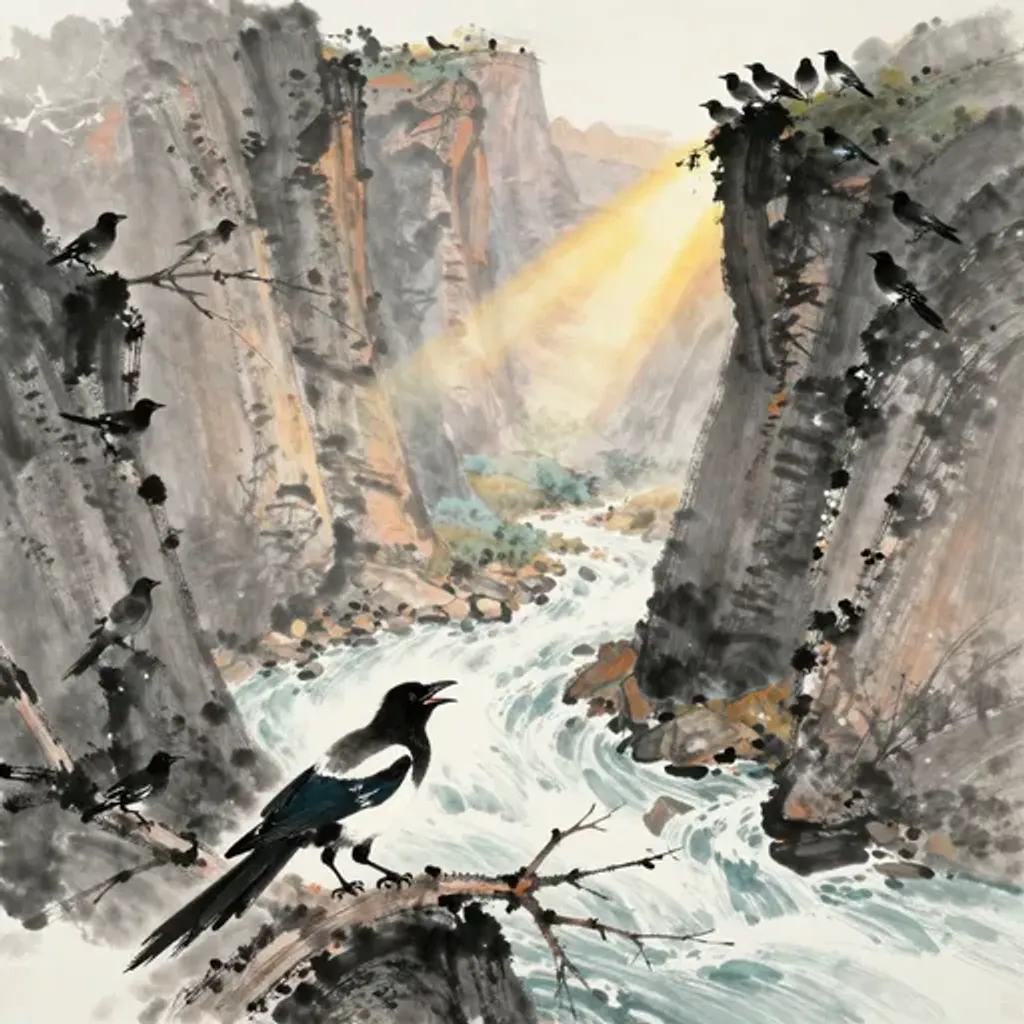
鸟鸣东西迎其群侣似有所属不得自专空返独还
泽中有雷,鸟鸣东西,四处呼唤同伴。
阅读完整注释 ↓
泽中有雷,鸟鸣东西,四处呼唤同伴。然不得自专,无法主导聚合,空返独还——独自归来,一无所获。此为随遇随——本卦重叠。鸟即纯粹追随者之化身:渴望群体却无自立之能,四方呼唤而不设集结之点。从随至随,教训自反:纯粹之顺从若无锚定之处,便成漫无目的之漂泊。唯随不立者永不能召集同行;鸟所寻之群伴,绝不会聚拢于一个无所指引的声音周围。
English commentary
Thunder rests within the lake, and a bird calls east and west, seeking its flock. Yet it cannot take the lead on its own terms and returns alone, empty-handed. This is Following turning upon itself — the hexagram doubled, Sui meeting Sui. The bird embodies the follower who longs for community but lacks the initiative to form it: calling in all directions, it waits for others to gather rather than establishing a rallying point. From Following to Following, the lesson is recursive: pure adaptiveness without anchor becomes aimless. One who only follows can never convene; the flock the bird seeks will never assemble around a voice that offers no direction.
《焦氏易林》,清乾隆间写文渊阁四库全书本。
国立故宫博物院 故库017987–017990
第1册,第175页
据写本原叶录出
标点依写本,不另加标点。
关于此读法
据扫描原叶录出。