上卦
兑 Duì
泽 — 说
下卦
离 Lí
火 — 丽
经典文本
卦旨
革不是破坏。它是把已经用尽了自身理据的形式除掉——像蜕掉那张再也装不下里面所长之物的皮。「革」本来指制皮:生皮经过处理,变成坚韧而崭新的东西。上兑下离:水火不能共处,而正是这份不能共处推动了变革。《易》所说的革不是乱,是用还能用的东西替换掉已经耗尽的东西。 卦辞说:「巳日乃孚。元亨。利贞。悔亡。」这个本子作「巳」,王弼本作「已」,而他的解释正把时机当作关键:「即日不孚,已日乃孚」——当天并不见信,过了那一天才见信。王弼给的理由是关于变革最精到的一句:「夫民可与习常,难与适变。可与乐成,难与虑始。」信任是变革事后挣来的,不是它开头就有的。四德都在,而《彖》点明它们系在什么上:「革而当,其悔乃亡。」悔之所以消失,系于这场变革是否恰当;变得太早,或者变的不是该变的那一样,悔仍然在。 它的次序是从压住到显明。初九「巩用黄牛之革」,用牛皮把人捆住:躁动只会毁掉自己所主张的事。九三告诫「征凶贞厉」,并且要求「革言三就」——变革的理由陈说三次之后才可以动。到九五才说「大人虎变,未占有孚」:斑纹灿然,远处也看得见;它与时势相合到这个地步,所以不必占问人就信了。 上六打破常见的误读:「君子豹变,小人革面,征凶,居贞吉。」变革的收尾有两句很实在的话:多数人所变的只是脸面,这一点必须接受,不能再用一场变革去纠正它;而且变革既已完成还要继续往前推的,经文明白地说是凶。 所以革在全经之中是最受节制的一件事。《象》说出它之后要做什么:「泽中有火,革;君子以治历明时。」旧的既已除去,首先要做的不是庆祝,而是重新校正时间的尺度:立新历,明四时。所毁掉的只是契机,所建立的才是正事。
彖辞
巳日乃孚,元亨利贞,悔亡。革命是极重的事,只在万不得已时才行。不是人人能担此任,唯有众望所归者,且时机成熟时方可。方法须正——使人欢悦,防止过激。无私心,真正解民于倒悬,方无悔。
象辞
泽中有火,革。火与水相战相灭。一年之中,明暗交战,四季由此更替。人掌握变化的方法:观其规律,定历明时。混沌中现出秩序,便能预先适应不同时节的要求。
爻辞
第初爻
鞏用黄牛之革。不到万不得已,不轻言变革。开始时须极度克制。心中坚定,自我约束,暂时按兵不动。过早出击,必招恶果。
第二爻
巳日乃革之,征吉,无咎。穷尽其他改良之法皆无效,革命便成为必须。但须周密准备,须有能力与威信的人担当。迎接必然到来的新局面——这是唯一的准备之道。
第三爻
征凶,贞厉。革言三就,有孚。两种错误须避免:过于急躁冷酷,或过于迟疑保守。不是每个变革的呼声都该听从,但反复且有根据的呼声不可充耳不闻。三思而后行,方能得人信任。
第四爻
悔亡,有孚,改命吉。彻底的变革需要充分的权威——内在的力量与外在的地位缺一不可。所作所为须合于更高的真理,不出于任性与私心。人只会支持本能感到正义的事业。
第五爻
大人虎变,未占有孚。虎皮之纹,远处可辨。大人物主导的革命,大政方针清晰明了,人人都能理解。不必先求神问卜——自然得到民心。
第上爻
君子豹变,小人革面,征凶,居贞吉。大事底定后,细节的修整仍属必要。小人也随新秩序「蜕皮」,但这蜕变不会太深——不能奢求。见好就收。若走得太远、要求太多,动荡与灾祸随之而来。
焦氏易林
焦延寿《易林》——第49卦本卦之辞。西汉时期以四言诗阐释卦变,为最早的系统性易学占辞集。
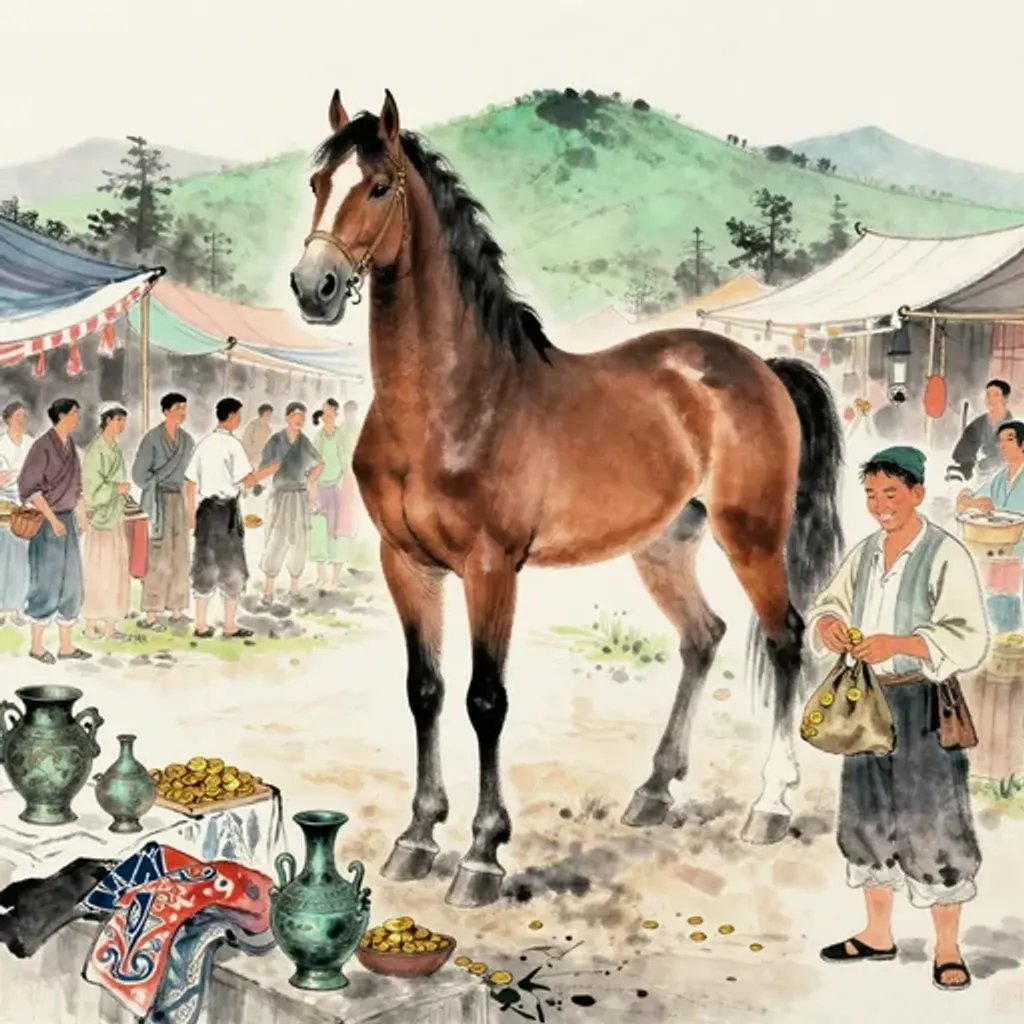
马眠长股宜行善市皆蒙福佑获金三倍
泽中有火,革之象也。
阅读完整注释 ↓
泽中有火,革之象也。马服长股,宜行善市。蒙祐谐偶,获金五倍。革之自变——火湖重叠,革故鼎新循环不已。长腿之马天生适于行路经商,体格健壮、步伐稳健,善市者因时而动、随机应变。命运眷顾,得遇良偶,获利五倍。从革至革,有些天性本就为变革而生——永远的行商者、天生的适应者,恰因万物不停而获利。革卦遇革卦,非动荡之灾,乃善变者之福。
English commentary
Fire within the lake returns to fire within the lake — Revolution unchanged, the pattern repeating itself. Long-legged horses well suited to their harness, good for travel and commerce. Blessed with fortune and matched with a partner, one gains gold fivefold. When Revolution meets itself, the dynamic is pure transformation without destination: constant molting, constant renewal. The horse with long legs is built for the road; the merchant who matches goods to markets multiplies wealth. There is no resistance, no friction — the pattern flows. From Revolution to Revolution, the message is that some natures are made for change itself: the perpetual trader, the born adapter, profits precisely because nothing stays still.
此注释依据较早的读法撰写。读法既经更定,其诠释未必仍适用于今所见之文。
《焦氏易林》,清乾隆间写文渊阁四库全书本。
国立故宫博物院 故库017987–017990
第4册,第50页
据写本原叶录出
标点依写本,不另加标点。
关于此读法
据扫描原叶录出。