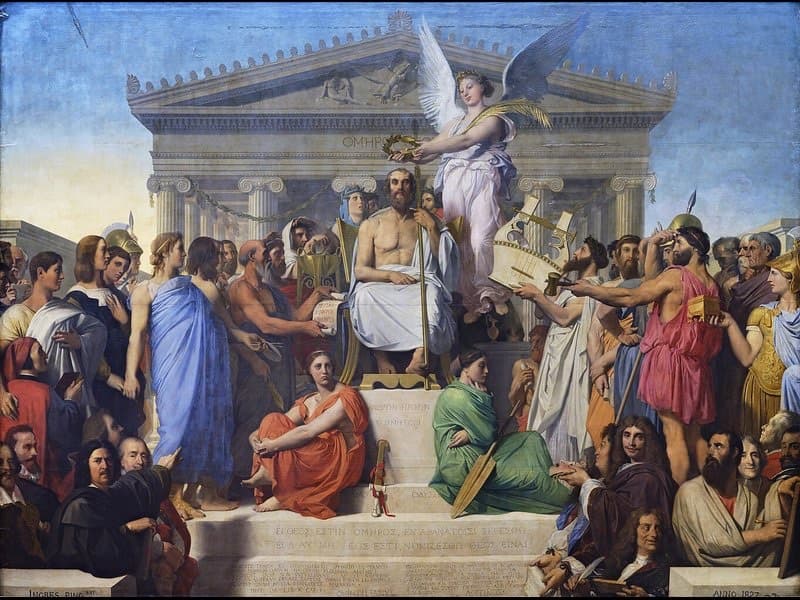
上卦
坎 Kǎn
水 — 陷
下卦
离 Lí
火 — 丽
经典文本
卦旨
既济不是成功本身。它是完成甫成的状态——六爻各得其位,而已成的秩序一旦被当作终局、不再修整更新,便会开始转向混乱。上坎下离,水火在这里得以相济:水在上,受火而热;火在下,受水而制。阳爻居阳位,阴爻居阴位,六爻无一失位。它的危险不在秩序已经形成,而在误以为已经形成的秩序能够自行长久。《彖》把这一点分得很清楚:「终止则乱」——招致混乱的是停在完成上,而不是完成本身。 卦辞说:「亨小。利贞。初吉。终乱。」《彖》以「小者亨也」解释「亨小」:连细小之处也已经通达。但这也点明了完成以后剩下的工作。大事既成,真正决定秩序能否维持的,往往是细小之处——那些容易被忽略的偏差、日常的节度和看不见的维护,正是混乱最先返回的地方。 初九点出应有的姿态:「曳其轮,濡其尾,无咎。」渡越才刚刚完成,尾巴尚未完全离水。关键不只在「濡其尾」,更在「曳其轮」:正在成功最容易使人急进的时候,把车轮牵住,使自己不再贸然向前。它之所以无咎,是因为没有把到达误认为可以放松节制。 六二丢失车帘,爻辞告诫:「勿逐,七日得。」不必追赶,七日之后自然复得。这个七日之数与复、震相互呼应:有些事物须待循环自行完成,不能靠焦急追逐强行取回。即使秩序已经形成,也不是每一项损失都需要立即干预。 九五是全卦分寸最严的一句:「东邻杀牛,不如西邻之禴祭,实受其福。」东邻用牛作盛大的祭祀,反而不如西邻合时而诚敬的薄祭,真正得到福佑。问题并不只是大祭不如小祭,而是丰厚不能代替合时,排场不能代替德与诚。 这可以与损卦的「二簋可用享」和萃卦的「用大牲」并看。祭品该薄还是该厚,要由时势决定。薄并不天然胜于厚,厚也不天然胜于薄;真正重要的是合乎分寸——在适当的时机,以适当的规模,做适当的事。 《象》给出完成之后的纪律:「水在火上,既济;君子以思患而豫防之。」完成之后不只是庆祝的时候,更是预先思考祸患的时候:这套已成的秩序最可能先从哪里松动,应当怎样在问题出现以前加以防备。 上六显示失去这种警觉的后果:「濡其首,厉。」初爻湿的只是尾巴,到了上爻,整个头已经浸入水中。行动走得太远,原有的节制也已经消失。 所以既济的要义,是成而能慎。完成不是永久的终点,也不是必然滑向混乱的起点,而是一种必须不断维持的一时均衡:一旦停止修治,它就开始转向混乱。守住所成之物,所需的留心未必少于当初成就它的辛苦。
彖辞
「初吉,终乱。」一切安排好了,反而最危险。顺利让人松懈,细节被忽略。衰败藏在太平里。这是历史常规,但非定律——懂的人用持久谨慎绕过它。
象辞
水在火上,产生能量也产生张力。水沸火灭,火猛水蒸。看起来平衡时,需要最高警觉。只有智者能在盛世看见危机。
爻辞
第初爻
曳其轮,濡其尾。大变革后人人想冲。开始就冲,一定过头。强者不被集体亢奋传染,及时踩刹车。尾巴湿了不要紧,人没事。
第二爻
妇丧其茀,勿逐,七日得。掌权者傲慢,不培养新人。不要求他们认可。安静等,自我修炼。属于你的丢不掉——七天后自己回来。
第三爻
高宗伐鬼方,三年克之。大功告成后是扩张冲动。新地盘不能用来安置废物。无论大事小事,这道理都对。
第四爻
繻有衣袽,终日戒。盛世偶有小乱,易被掩盖遗忘。有心人看出:这是警报。避免恶果的唯一方法:不掉以轻心。
第五爻
东邻杀牛,不如西邻禴祭。排场大心不诚,不如祭品简单心虔敬。天看的是心,不是仪式。真诚胜堂皇。
第上爻
濡其首,厉。过河还回头看,脑袋才进水。危险过了就往前走,别自我欣赏。留恋战胜快感,是新危险。
焦氏易林
焦延寿《易林》——第63卦本卦之辞。西汉时期以四言诗阐释卦变,为最早的系统性易学占辞集。
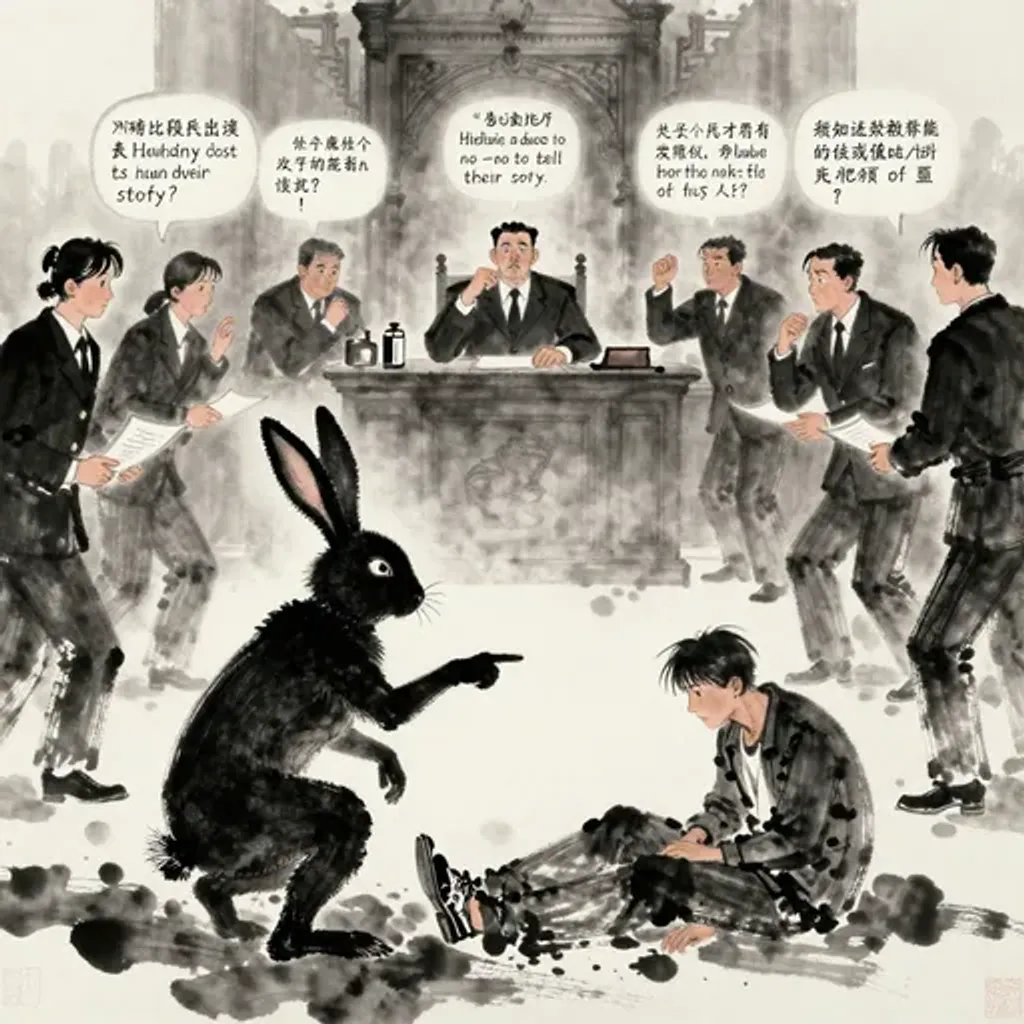
玄兔捐掌与足相视证讯诘问诖情自侣死诬难告口为身祸
水在火上,既济之象,复归自身。
阅读完整注释 ↓
水在火上,既济之象,复归自身。玄兔指掌——黑兔以前足指示。与足相恃——前后足相互依恃。谨讯诘问——严加审讯追问。诬情自直——冤枉之情自然明白。冤死谁告——含冤而死者向谁申诉?口为身祸——能言之口反为自身招祸。正义与其失败之间摆荡:审讯能辩明诬枉,但有时真相到来已太迟——冤者已死。口既为证词之器,亦为自取其祸之源。既济至既济,卦与自身之镜像相对。无变化可言,唯完成之秩序直面自身之内在矛盾:能平反亦能杀人之同一体制。
English commentary
Water sits above fire — After Completion returning to itself. The dark hare points with its paw, relying on its feet for support. Under rigorous interrogation, false accusations are straightened out on their own. Yet the unjustly dead have no one to appeal to, for the mouth that should speak becomes the body's undoing. The verse oscillates between justice and its failure: inquiry can expose falsehood, but sometimes truth arrives too late, after the innocent are already dead. The mouth — instrument of both testimony and self-incrimination — is the pivot. From After Completion to After Completion, the hexagram meets its own mirror. There is no transformation, only the completed order confronting its own internal contradictions: the system that can both vindicate and destroy.
此注释依据较早的读法撰写。读法既经更定,其诠释未必仍适用于今所见之文。
《焦氏易林》,清乾隆间写文渊阁四库全书本。
国立故宫博物院 故库017987–017990
第4册,第195页
据写本原叶录出
标点依写本,不另加标点。
关于此读法
据扫描原叶录出。