上卦
坎 Kǎn
水 — 陷
下卦
坎 Kǎn
水 — 陷
经典文本
卦旨
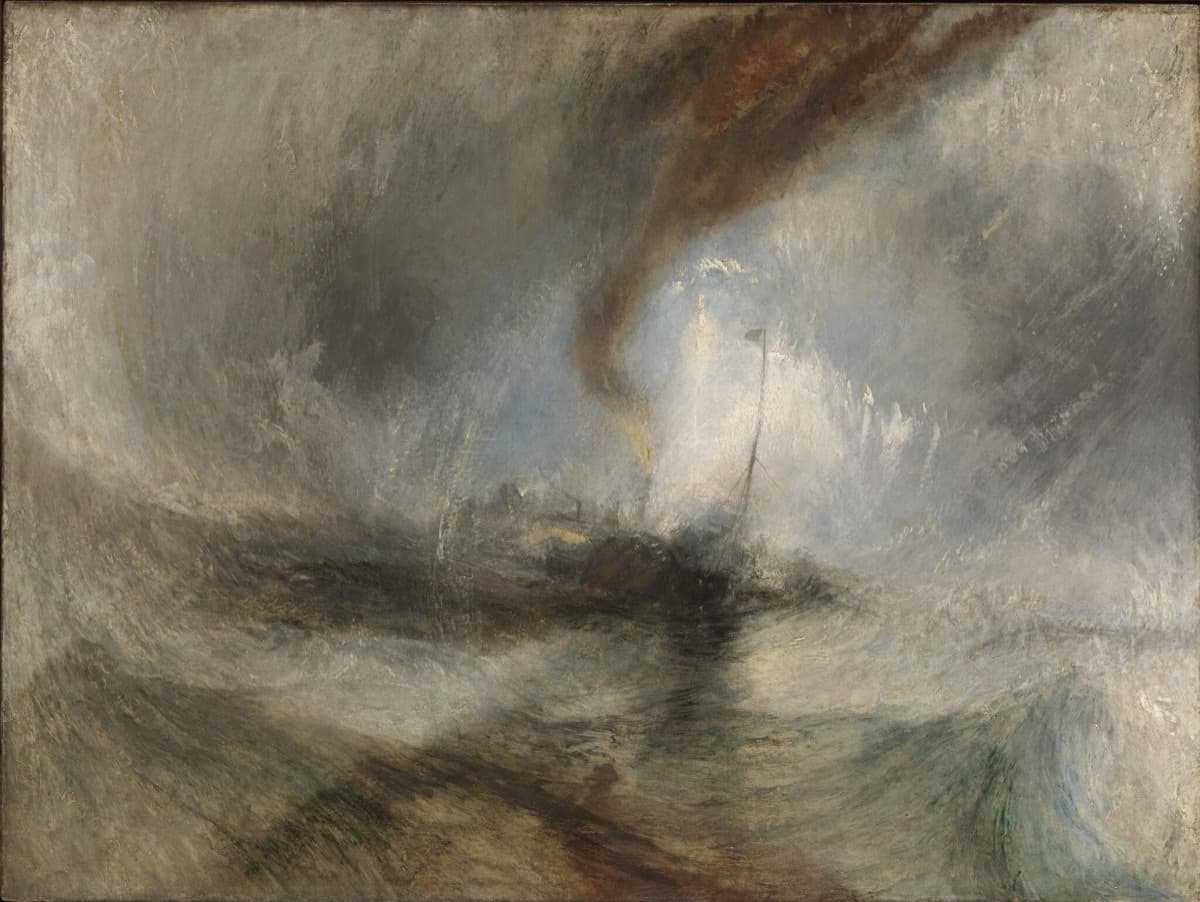
坎不是教人躲开危险。它教的是带着一颗不分裂的心走过危险。坎上坎下,是重坎;上经四个重卦之中,只有这一卦的本质就是险。水流进每一道缝隙,填满每一个坑,不挑路径而始终不停。卦辞里的「习」既是重复,也是练习:险一再到来,人才逐渐有能力在其中行走。 卦辞的核心在「有孚,维心亨」:不是谋略,不是力量,不是聪明,而是心。并不把它说成一种情绪,《彖》说「乃以刚中也」——所谓内在不分裂,不是一时的意气,而是当险而不失其中。水的性情可以取法:不跟坑争,不怨恨深谷,不求向上流;该满就满,满了就走。「行有尚」是许可继续前行,而不是许可退回安全的地方。 《象》把「习」从描述变成了要求:「水洊至,习坎;君子以常德行,习教事。」为这险命名的那个字,同时也为应对之道命名:重复施于险则成祸患,重复施于自身则成德行。所以长久处险的办法在于长久的练习,并且要练习教人,使自己所守不止于一个人的忍耐。 世人把坎当成一卦警告——前面有险,小心。它真正的目标是养成一种能力:身处一个撒谎有好处的地方而仍然保持真诚,脚下处处打滑而仍然能走。重坎意味着前一重险还没过去,后一重已经到了,中间没有喘息之地。坎并不许诺危险终会结束。它说的是:长久历险而心不二的人,会得到安逸与安全所生不出来的东西——一种被现实检验过、而不是在道理上假定出来的信实。
彖辞
「习坎,有孚,维心亨」——险上加险,是处境,不是态度。心里有真东西,做什么都通。水的教训:不停地流,把每个低洼填满,不惧任何险阻。彻底,前进——不在险中停滞才能不亡。
象辞
「水洊至」——水来了又来,终于到达目的地。君子以此为范:德行要稳定,不是偶尔闪现。教人也是如此,反复才能入心。
爻辞
第初爻
坑中之坑。熟悉危险,便容易与之共处。危险成为习惯,便成为你的一部分。这是真正凶险的开始。
第二爻
「坎有险,求小得」——险中不能求大,先求不被淹没。泉水初出,蓄而后发。现在只能接受约束。
第三爻
前是坎,后是坎。停。每一步都是深渊。现在行动只会陷得更深。不舒服也要等,等路自己显出来。
第四爻
「樽酒簋贰,用缶,纳约自牖」——一壶酒,一碗饭,瓦器,从窗户递进来。危难中,礼仪可废,真心不可废。
第五爻
「坎不盈」——水只填到边缘,不再上涨。找阻力最小的路,先脱险。险中不成大事,脱身即是成功。
第上爻
「系用徽纆,寘于丛棘」——绳索捆绑,荆棘围困,三年不得出。错路走尽,彻底缠死。这一局,无解。
焦氏易林
焦延寿《易林》——第29卦本卦之辞。西汉时期以四言诗阐释卦变,为最早的系统性易学占辞集。
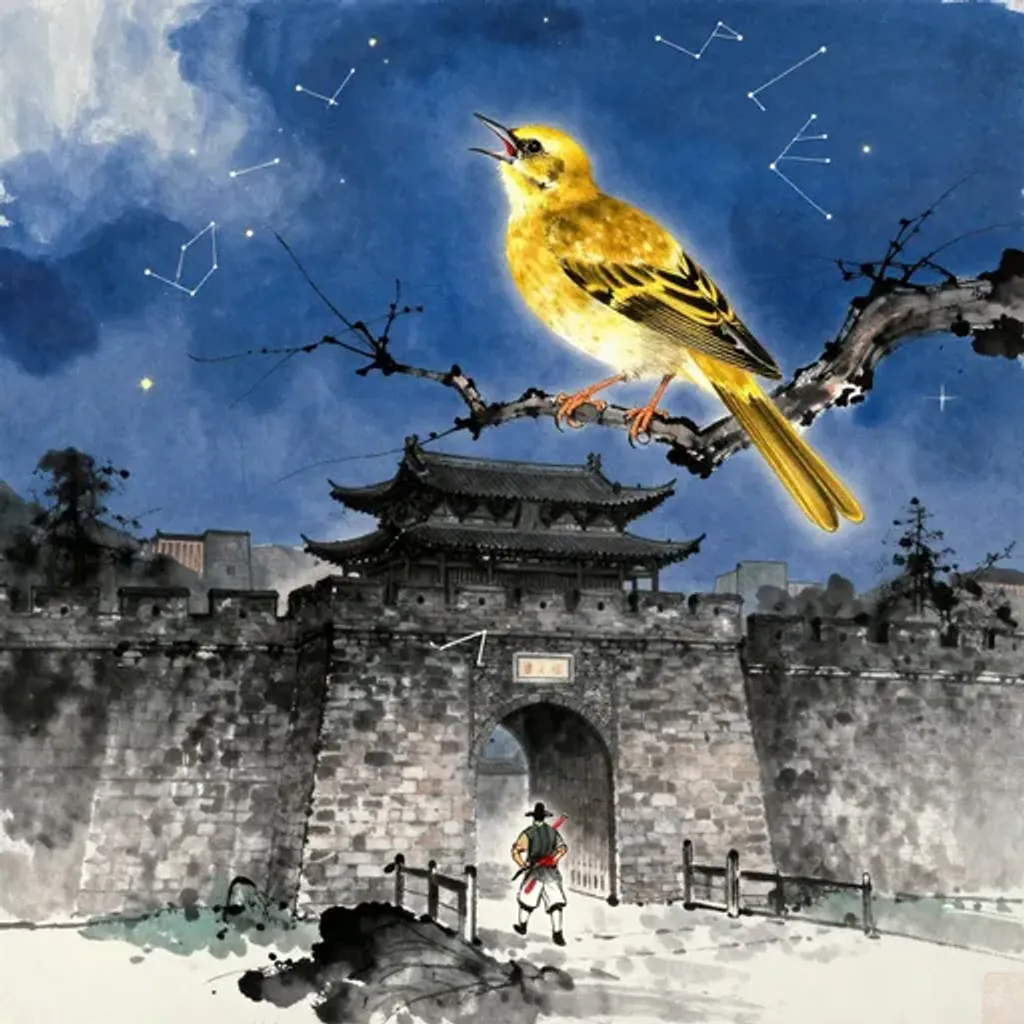
有鸟黄足归呼季玉从我睢阳可避刀兵与福俱行有命久长
水洊至,重坎自照,坎归坎——险之中定而不移。
阅读完整注释 ↓
水洊至,重坎自照,坎归坎——险之中定而不移。有金足之鸟(或黄鸟),呼唤季玉归来。从我至睢阳,可避刀兵之患;与福俱行,有命久长。睢阳为焦氏易林作者焦赣之故里,此自指之笔将占辞锚定于卜者个人之地理。从坎归坎,重险之中自有定处——可归之家、可立之地,即深渊之中亦可为知其所立者提供庇护。常德行、习教事,定于险中即是脱险之道。
English commentary
Water upon water, the doubled abyss turns inward upon itself. A golden-footed bird appears — evoking the Yellow Bird of the Shijing — and calls out for Jiyu, summoning a companion home. Follow me to Suiyang, the verse counsels, where one may avoid the blades of war. Walk alongside blessings, and life shall be long. Suiyang is the hometown of Jiao Gan, the Yilin's own author; this self-referential note grounds the oracle in the diviner's personal geography. From The Abysmal returning to itself, the message is that within repeated danger lies a fixed center — a home one can return to, a place where even the abyss yields safety to those who know where to stand.
《焦氏易林》,清乾隆间写文渊阁四库全书本。
国立故宫博物院 故库017987–017990
第2册,第98页
据写本原叶录出
标点依写本,不另加标点。
关于此读法
据扫描原叶录出。