上卦
乾 Qián
天 — 健
下卦
坤 Kūn
地 — 顺
经典文本
卦旨
否不是运气不好。它是上下沟通已经断绝的结构状态——天地彼此分离时产生的特定停滞。上乾下坤,表面看来次序端正,运行起来却恰好相背:天向上升,地向下沉,二者之间的距离不断扩大。天地之气不交,万物因而不通。这是泰的反面。《易》将两卦相继排列,是要说明相交与相离本是同一循环中的两种时势,而人在其中必须采取不同的应对。 卦辞说:「否之匪人,不利君子贞,大往小来。」这里的「匪人」不只是说坏人当道,而是说否塞之世,人道已经无法正常相通。此时与泰的潮向相反:宏大、能生养、能建立联系的力量退去,狭小而消损的力量进入。但「不利君子贞」并不是叫君子放弃操守,而是说正道已经无法通过平常的渠道得到施行。应当守住正,却不再强求一个失灵的秩序承认它、采用它或奖赏它。 《象》把相应的做法说明得更清楚:「天地不交,否;君子以俭德辟难,不可荣以禄。」在否塞之时,君子收敛德行的显露,以避开祸难,也不以禄位所得的荣耀为荣。败坏的秩序所给予的荣宠,不可轻易接受;否则,自己的德行反而可能成为替那个秩序装饰门面的东西。退避并不是放弃原则,而是拒绝让原则被一个已经失去传导能力的制度利用。 九五出现了否开始得到遏止的迹象:「休否,大人吉。其亡其亡,系于苞桑。」能够使否塞停止的人仍反复警告自己:「会不会失去?会不会失去?」因为恢复才刚刚开始,所得并不稳固,稍有松懈便可能重新丧失。「苞桑」取丛生相连、根柢牢固之象,是说必须把刚刚恢复的秩序系在可靠的根基上。 所以否的要义,是在隔绝之中保全操守。它教人如何面对一种制度性的断裂:上下不通,原则与权力分离,言语发出而得不到回应。在这种时势里,退未必是失败,也可能是有意识地保存那些不可被败坏的东西——如同把种子留过冬天,使沟通重新成为可能时,仍有值得种下去的东西。
彖辞
「否之匪人」——天地不交,万物不通。上下隔绝,各行其是。小人得势,君子道消。这不是躺平的时候,是退守的时候。守住本心,比什么都重要。
象辞
天地不交,否。君子俭德避难,不受禄位的诱惑。浑水里捞不到金子,只会脏了手。韬光养晦,此其时也。
爻辞
第初爻
拔茅茹,以其汇。同样是根相连,这次是一起撤退。与同类一起保全自己。撤得漂亮,也是本事。
第二爻
包承,小人吉,大人否,亨。小人靠逢迎得意,大人靠承受否塞而通。忍受,本身就是一种修行。不是每种成功都值得羡慕。
第三爻
包羞。那些不配其位的人,心里已经开始羞愧。转机从内疚开始。外表还撑着,内心已经知道。
第四爻
有命无咎,畴离祉。奉天命行事,同道者共享福泽。否极之时,等的是召唤,不是冲动。
第五爻
休否,大人吉。「其亡其亡,系于苞桑。」否塞将止。但越是转折,越要战战兢兢。安全感是最危险的错觉。
第上爻
倾否。先否后喜。否塞终于倾覆。但倾覆不会自动发生——需要人去推。和平靠维护,解冻也靠行动。
焦氏易林
焦延寿《易林》——第12卦本卦之辞。西汉时期以四言诗阐释卦变,为最早的系统性易学占辞集。
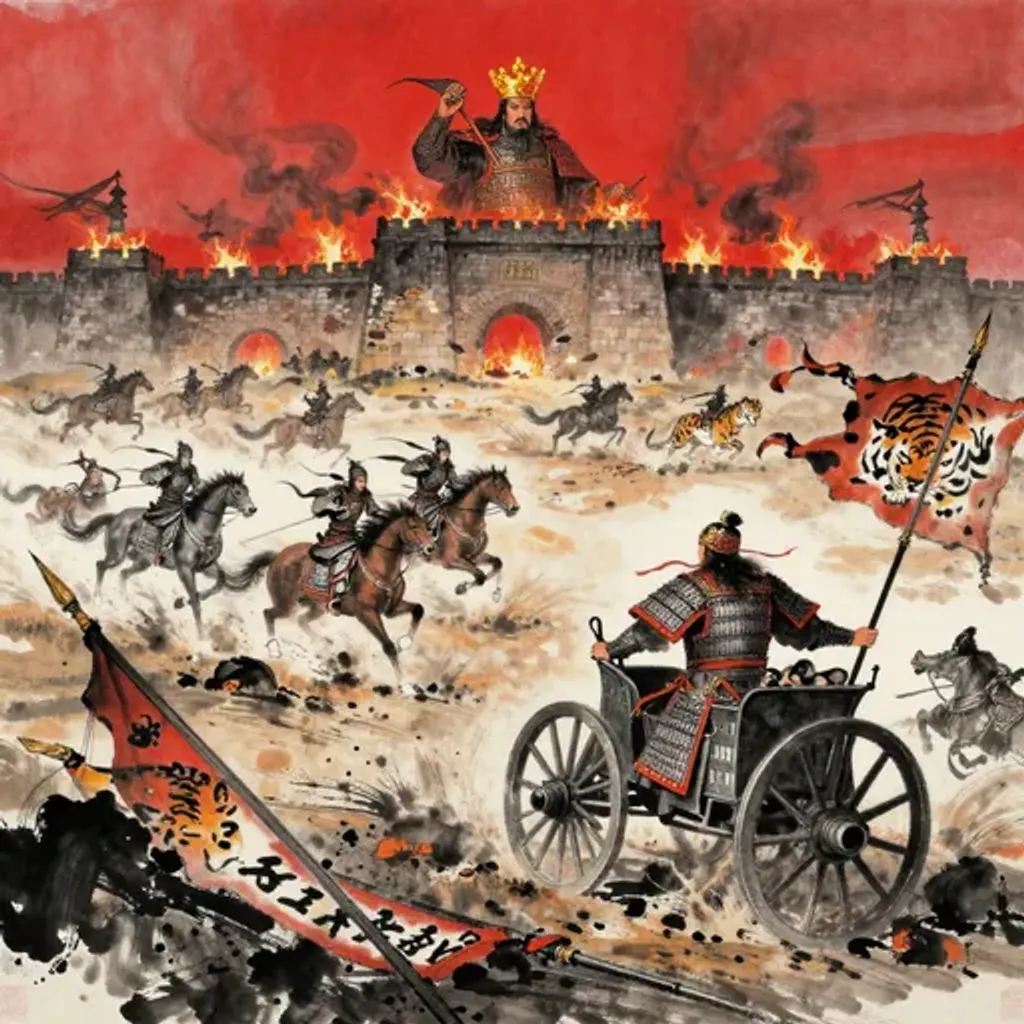
秦为狼虎与晋争强并吞其国号曰始皇
天地不交之否,否遇自身——闭塞加倍。
阅读完整注释 ↓
天地不交之否,否遇自身——闭塞加倍。秦为虎狼,与晋(六国)争强,并吞其国,号曰始皇。否之重否,壅塞更甚。秦之统一以彻底的不沟通达成——灭异声、焚诗书、禁议论。始皇之帝国乃否之极致:天地封闭至滴水不漏。双重否塞之可怖效率在此:以消灭一切交流而得秩序,以噤声被征服者而得太平。然否极必反——过秦之论已在弦外。虎狼之强终不敌否极之变。
English commentary
Heaven and earth stand apart, and Standstill meets its own image — Pi doubled. Qin acts as tiger and wolf, contending with the six states for supremacy, swallowing them all and proclaiming its lord the First Emperor. When Standstill encounters itself, the blockage intensifies rather than resolves. Qin's unification was achieved through total non-communication — the destruction of rival voices, the burning of books, the silencing of dissent. The First Emperor's empire is Pi's ultimate expression: heaven and earth sealed so tightly that nothing circulates. The verse captures the terrifying efficiency of doubled stagnation: order imposed by extinguishing all exchange, a peace that is merely the silence of the conquered.
此注释依据较早的读法撰写。读法既经更定,其诠释未必仍适用于今所见之文。
《焦氏易林》,清乾隆间写文渊阁四库全书本。
国立故宫博物院 故库017987–017990
第1册,第125页
据写本原叶录出
标点依写本,不另加标点。
关于此读法
据扫描原叶录出。