上卦
乾 Qián
天 — 健
下卦
乾 Qián
天 — 健
经典文本
卦旨
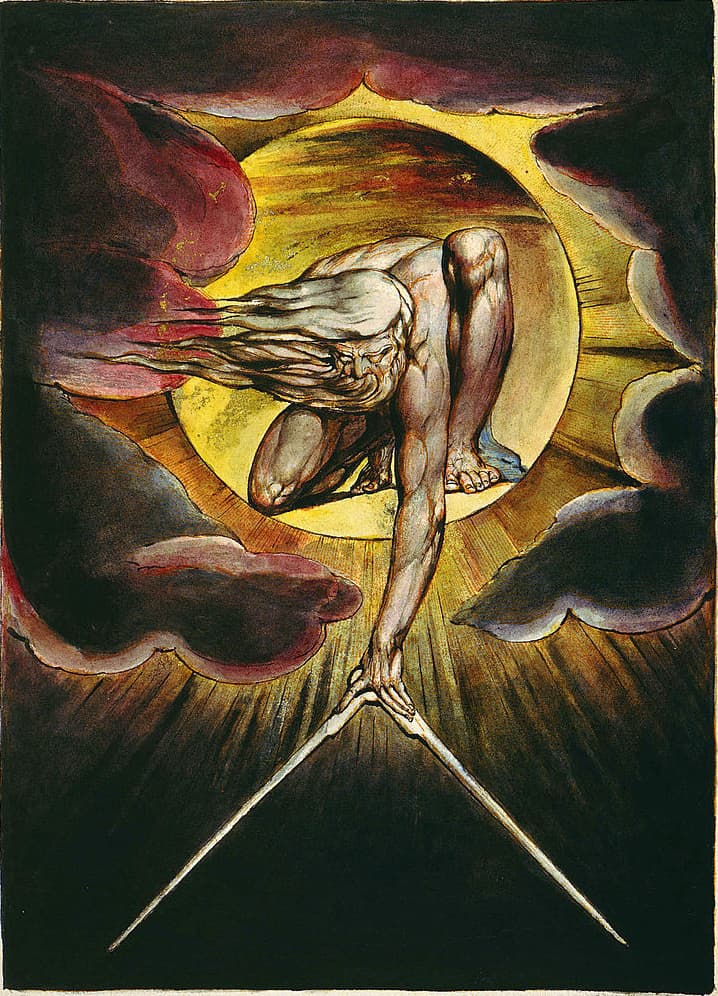
乾不是攻击性,也不是逞强。它是使万物得以发生的本原之力——在尚无任何事物可供推动、塑造或抵抗之前,那一股纯粹的创始力量。全卦六爻皆为连续实线的阳爻,是六十四卦中唯一全无阴爻的一卦。这意味着此处尚无承受者,无成形之物,也无相抗之力。它所呈现的,是显化以前的潜能。 龙的比喻呈现了创造力的六个阶段:潜、见、惕、跃、飞、亢。次序至关重要。乾并不从飞龙开始,而是从潜龙开始——伏于地下,隐而不见,静待其时。乾的要义不在力量最大,而在时机恰当:知道自己正处于哪一个阶段,并依此而行动。潜龙过早而动,亢龙过时而不知退,一失之于早,一失之于迟,其实都败在同一个考验上:不知时。 「元亨利贞」四字,是全书最凝练的判断:元,至大之始;亨,通达而成;利,利于推进;贞,守正而能久。没有条件,没有警告,也没有保留。这份毫无保留的肯定之所以成立,是因为纯粹的创造力一旦得时,在结构上便无物可以阻碍。乾的要义,是发起而不使之失真——让应当出现的事物,在应当出现的时刻出现,然后让位于坤,由坤承载、成形并完成它。
彖辞
「元亨利贞」四字,后人注解万言,不如原文四字。创造的秘密:开始,通达,合宜,持久。顺序不能颠倒。急于持久的人,往往还没开始。
象辞
天行健。天不解释自己为何运转,只是运转。君子效法的不是天的伟大,是天的沉默。自强不息——这话说滥了,本意是:别停下来感慨。
爻辞
第初爻
潜龙勿用。龙在渊底,不是没有力量,是时机未到。真正的力量懂得蛰伏。急躁是另一种软弱。
第二爻
见龙在田。开始被看见了。影响力不是争来的,是溢出来的。这时候找对的人——对的人也在找你。
第三爻
终日乾乾,夕惕若厉。白天做事,夜里警醒。名声来了,危险也来了。众人簇拥的地方,最容易失足。
第四爻
或跃在渊。进退皆可,关键是出于本心。入世出世,原本不矛盾。矛盾的是身在此心在彼。
第五爻
飞龙在天。巅峰。同类自会相聚,不必寻觅。你是什么,就吸引什么。这是物理,不是玄学。
第上爻
亢龙有悔。爬得太高,四顾无人。孤绝不是境界,是代价。力到极处,便是衰败的起点。
焦氏易林
焦延寿《易林》——第1卦本卦之辞。西汉时期以四言诗阐释卦变,为最早的系统性易学占辞集。
道陟多阪胡言连蹇译瘠且聋莫使道通请谒不行求事无功
天行健,乾之重卦,阳刚至极。
阅读完整注释 ↓
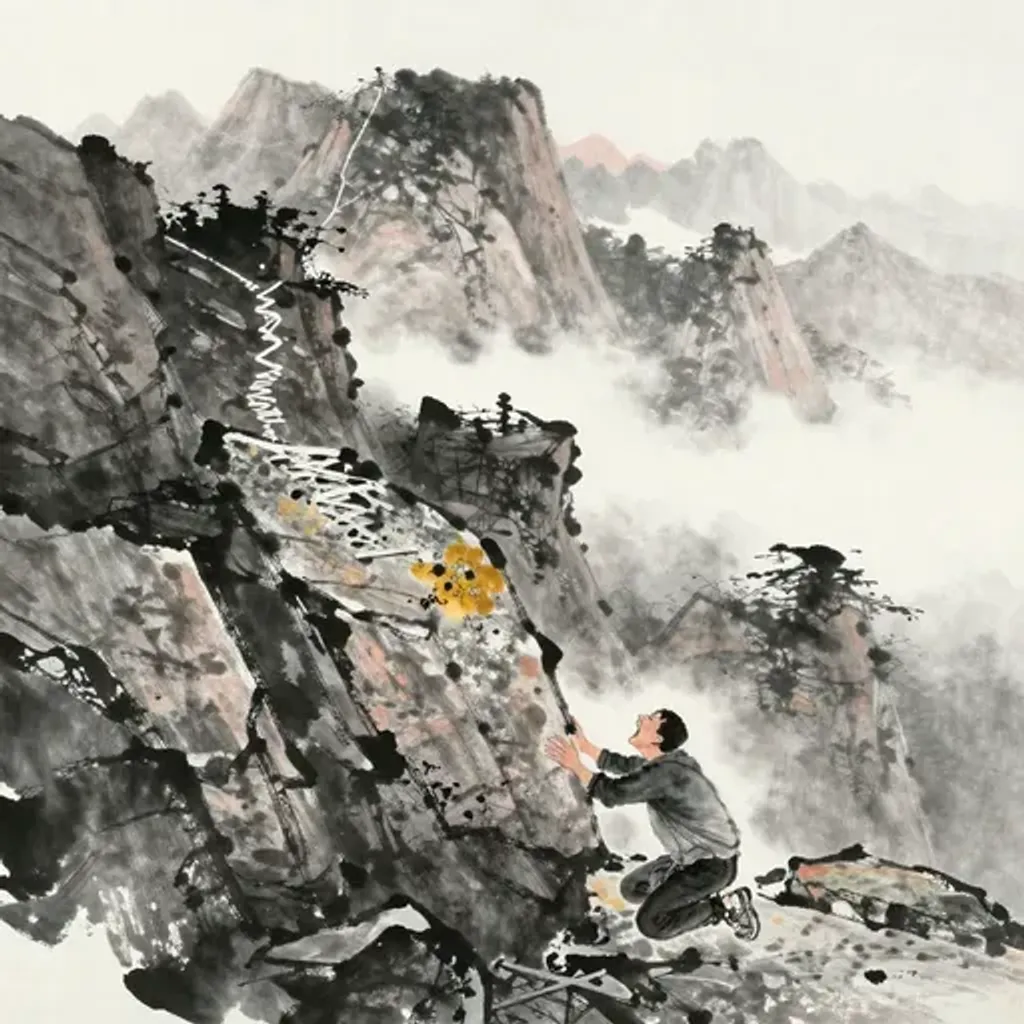
天行健,乾之重卦,阳刚至极。然道陟石阪,步步蹇滞。译者既瘖且聋,讯息无从传递,请谒不行,求事无功。纯阳无阴以应,力量虽盛却无承接之道。此非力弱,乃通路断绝。乾遇乾,自强不息之势反成空转——天之健行若无所传导,再强之动能亦归于徒然。刚而无柔,动而无应,为此爻之戒。
English commentary
Doubled heaven drives ceaselessly forward, yet here the road climbs a stone slope and every step falters. The interpreter is mute and deaf; no message passes through. Petitions go unanswered, undertakings yield nothing. When Qian meets itself, pure yang has no receptive counterpart — all force, no channel. The image is not weakness but blockage: a powerful signal broadcast into a void where no receiver exists. From Creative to Creative, the transformation warns that initiative without communication is merely noise. Even heaven's tireless motion accomplishes nothing when the path itself refuses to conduct it.
《焦氏易林》,清乾隆间写文渊阁四库全书本。
国立故宫博物院 故库017987–017990
第1册,第15页
据写本原叶录出
标点依写本,不另加标点。
关于此读法
据扫描原叶录出。