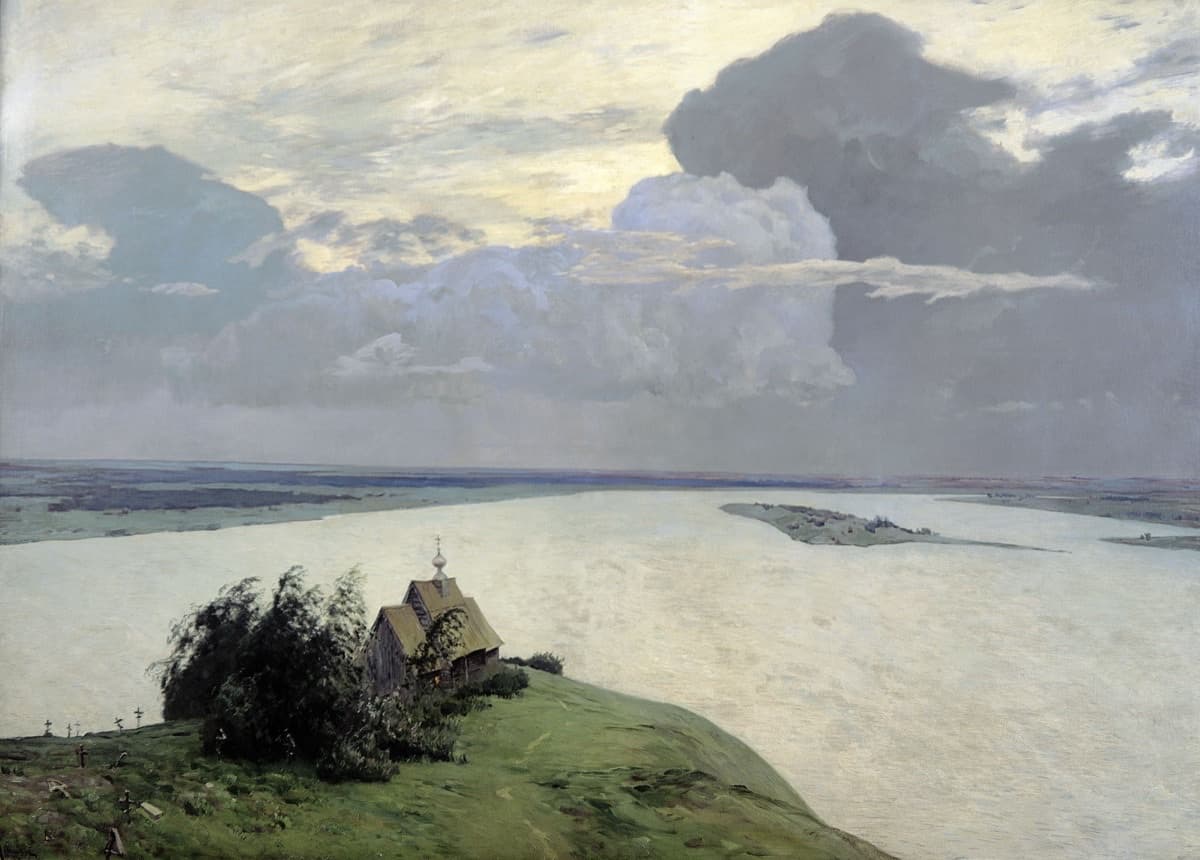
上卦
乾 Qián
天 — 健
下卦
艮 Gèn
山 — 止
經典文本
卦旨
遯非怯也,乃當小者方長之時,退以全其所當全。上乾下艮:健者上行,出於自下而進者之所及。二陰自下而上,其進不可以力爭。 卦辭曰「亨,小利貞」。其亨非虛言,《彖》且明其所在:「遯而亨也」——所亨者,退之自身也。「小」之所限者非退,乃其餘:貞猶可守,而所及者狹。此時所宜,惟小而有節之為;非謂不可有為,乃以下之陰「浸而長」,凡大者皆不能立。 《象》示其所以行:「天下有山,遯;君子以遠小人,不惡而嚴。」此退與走之所分也。走者,為所畏者所使;退者,為所存者所主。而「不惡」二字正絕其快意之心;快意則復為所使矣。 六爻皆言其時。初六「遯尾厲」,戒其後於人而去。上九「肥遯无不利」,去之而有餘裕。九三「係遯」,則退而有所繫,所當捨者未捨,遂敗其全退。故遯之旨,不在勝,在使可存者得存。以小人之道與小人爭者,其身即小人矣。山止而天上出,非天之不足於力,乃相及則反受其污而不能正之。退者,所以存其可還之地也。
彖辭
退是一種力量,不是逃。逃是慌亂,退是清醒。「亨,小利貞」——成功,但要在小處堅守。問題是:怎樣分辨小處和大處?古人沒說清楚,好像只能自己摸索。最重要的大概是時機——還有選擇的時候就退,才是真退。
象辭
「天下有山,遯。君子以遠小人,不惡而嚴。」山在天下,但永遠觸不到天。天往上退,不是因為恨山,只是保持距離。恨會把你綁住,冷淡反而自由。這道理我懂,但做起來很難。
爻辭
第初爻
在撤退的尾端——最危險的位置。追兵就在後面。這時候什麼都不要做,靜止是唯一的出路。動反而暴露自己。
第二爻
有人用黃牛皮緊緊抓住你,拉不開。黃色是中正之色,牛皮堅韌。這個人抓你是因為相信你走的路是對的。既然如此,讓他抓著吧。
第三爻
撤退被拖住了,進退兩難。有些人不肯放手,不讓你走。唯一的辦法是收編他們,至少保住自己的主動權。但這算什麼解決方案?能做的事大概不多。
第四爻
主動撤退。有德行的人可以全身而退,依賴你的人卻會受苦。你走了,他們就少了指引。這種事很難兩全。
第五爻
好好地退,時機看準了,禮數也周到。關鍵是決心要硬,不能因為無關緊要的事而動搖。友善和堅定,好像可以並存。
第上爻
輕鬆地退,心裡已經完全放下。前路清楚,沒有猶豫。到了這個境界,選擇自然就對了,不用再想。
焦氏易林
焦延壽《易林》——第33卦本卦之辭。西漢時期以四言詩闡釋卦變,為最早的系統性易學占辭集。
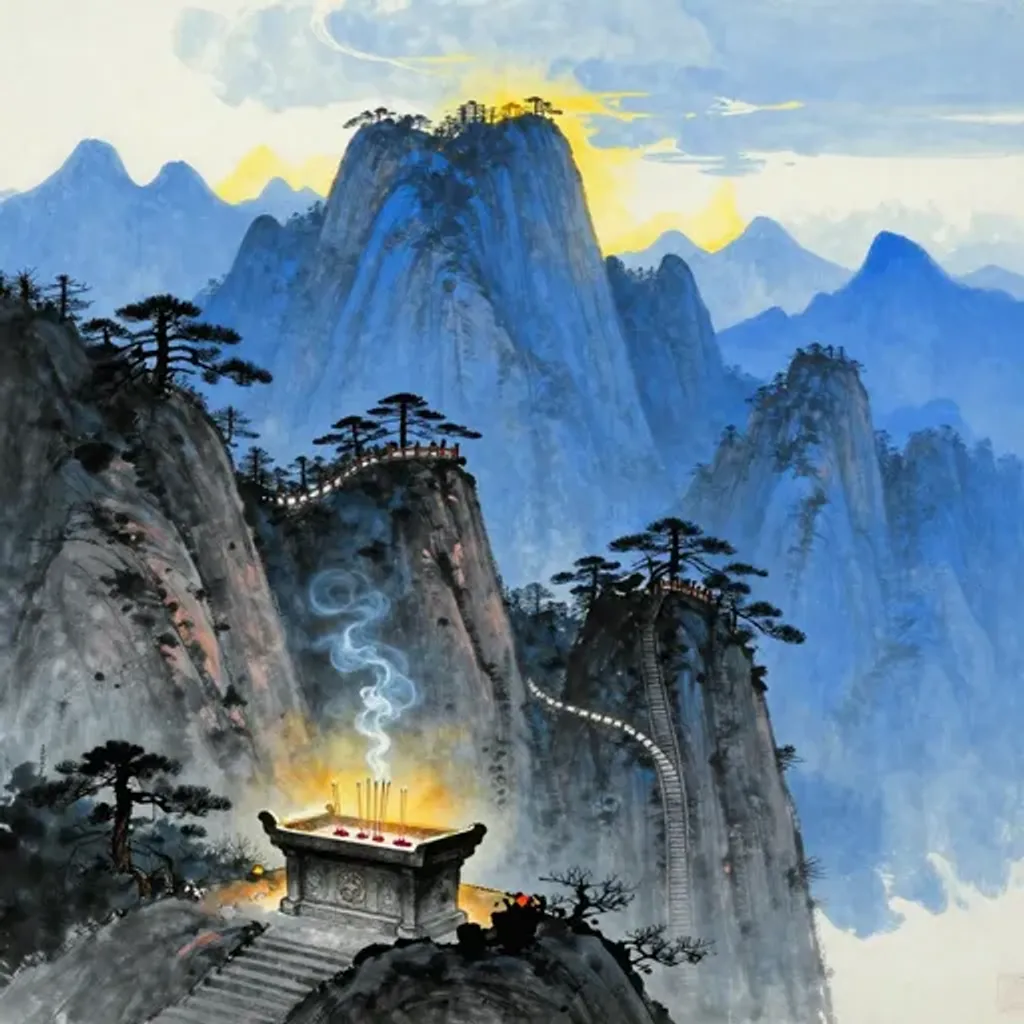
三塗五岳陽城太室神明所住獨無兵革
天下有山,遯之象。
閱讀完整註釋 ↓
天下有山,遯之象。三塗五岳——三塗險關與五嶽聖山。陽城太室——陽城與太室山(嵩山主峰)。神明所保——神明護佑之地。獨無兵革——唯此不見兵戈。三塗為洛陽附近要隘,太室為中嶽嵩山主峰,陽城為其所在古邑——皆天下中心、神聖地理之核心。從遯至遯,卦自映自身。退避之極致即聖山本身——神靈庇護,兵革不至。退避若徹底純粹便成不可侵犯之聖域,不須防衛自然免禍。
English commentary
Heaven above the mountain remains as heaven above the mountain — Retreat doubled, the hexagram reflecting upon itself. The Three Tu passes and the Five Sacred Mountains, Yangcheng and Taishi Peak — these are the sacred precincts that the gods themselves protect, and alone they are spared the ravages of war. The Three Tu refers to the strategic mountain passes near Luoyang; Taishi is the main peak of Mount Song, the Central Sacred Mountain, near the ancient site of Yangcheng. These are the heartland of Chinese sacred geography. From Retreat to Retreat, the verse affirms that the most complete withdrawal is the mountain itself — the divine sanctuary where even armies dare not trespass. When retreat is total and principled, it becomes inviolable, a sacred space that needs no defense because its very nature forbids desecration.
《焦氏易林》,清乾隆間寫文淵閣四庫全書本。
國立故宮博物院 故庫017987–017990
第3冊,第24頁
據寫本原葉錄出
標點依寫本,不另加標點。
關於此讀法
據掃描原葉錄出。