上卦
乾 Qián
天 — 健
下卦
震 Zhèn
雷 — 動
經典文本
卦旨
无妄非愚直之謂,乃行而無所計於其後——以其當為而為之,非以其可得而為之。「妄」者,虛誕之謂;「无妄」則去其虛。上乾下震:創始之理臨於奮起之力。動而合於天之序,非出於一己之謀,則其行為真而無所偽。 卦辭有「元亨利貞」,而即繫以嚴限:「其匪正有眚,不利有攸往。」一卦之分在是。无妄不許人以真必得報,乃謂舍真無可行之道。計較一入,貌无妄而心有謀,則其所恃者立去。不以眚為在上者之刑,《彖》曰「天命不祐」:偽者非見誅,特不為此以誠而行之序所助耳。 《象》立其所準:「天下雷行,物與無妄;先王以茂對時育萬物。」所責於人者,物固已然:應其時之所實是而已。九五乃見此準之落於無辜者:「无妄之疾,勿藥有喜。」有疾而非其所召,則不藥而愈;非一切禍皆待人以救。 上九復奪其最後之依:「无妄,行有眚,无攸利。」雖无妄,非其時而行,猶有眚。世以此為誠者得福之卦,誤矣。其所教者,雖無顯利而必守其正,且時所不與,則亦當止。故无妄之旨,在使其所向合於物之本然,而私計不惟無用,且反為害。
彖辭
「无妄」——沒有虛假,沒有妄念。聽起來很高,其實好像只是說:動機要直。古人說「其匪正有眚」,意思大概是:心術不正,就會出事。這不是神秘學,只是常識。問題是我們總有太多「順便」的想法。
象辭
天下雷行,萬物得其本性。先王因此「茂對時育萬物」——按照時令養育萬物。不強求生長,只是創造條件。這是農夫的智慧,不是哲學家的。種子該發芽的時候,你攔不住;不該的時候,你推不動。
爻辭
第初爻
心念最初的樣子,往往是對的。還沒經過算計,還沒被污染。這時候可以走,不用反覆問。
第二爻
「不耕穫,不菑畬」——不為收成而耕,不為結果而開墾。做事不盯著結果看,好像每件事都會順利一點。這是很難學的功課。
第三爻
繫著的牛被路人牽走了,行人得利,鄉人遭殃。這是無妄之災,跟你的品性無關。不要把壞運氣當成懲罰。
第四爻
守著自己的本性,什麼都丟不掉。真正屬於你的東西,就算扔了也會回來。這話說得太輕鬆,但方向大概沒錯。
第五爻
「无妄之疾,勿藥有喜」——不是你招來的病,不要用藥去壓。有些問題,你不干預,它自己會過去。干預反而攪亂。
第上爻
時機不對,你還是要動。結果往往不好。不是所有的堅持都值得讚揚。
焦氏易林
焦延壽《易林》——第25卦本卦之辭。西漢時期以四言詩闡釋卦變,為最早的系統性易學占辭集。
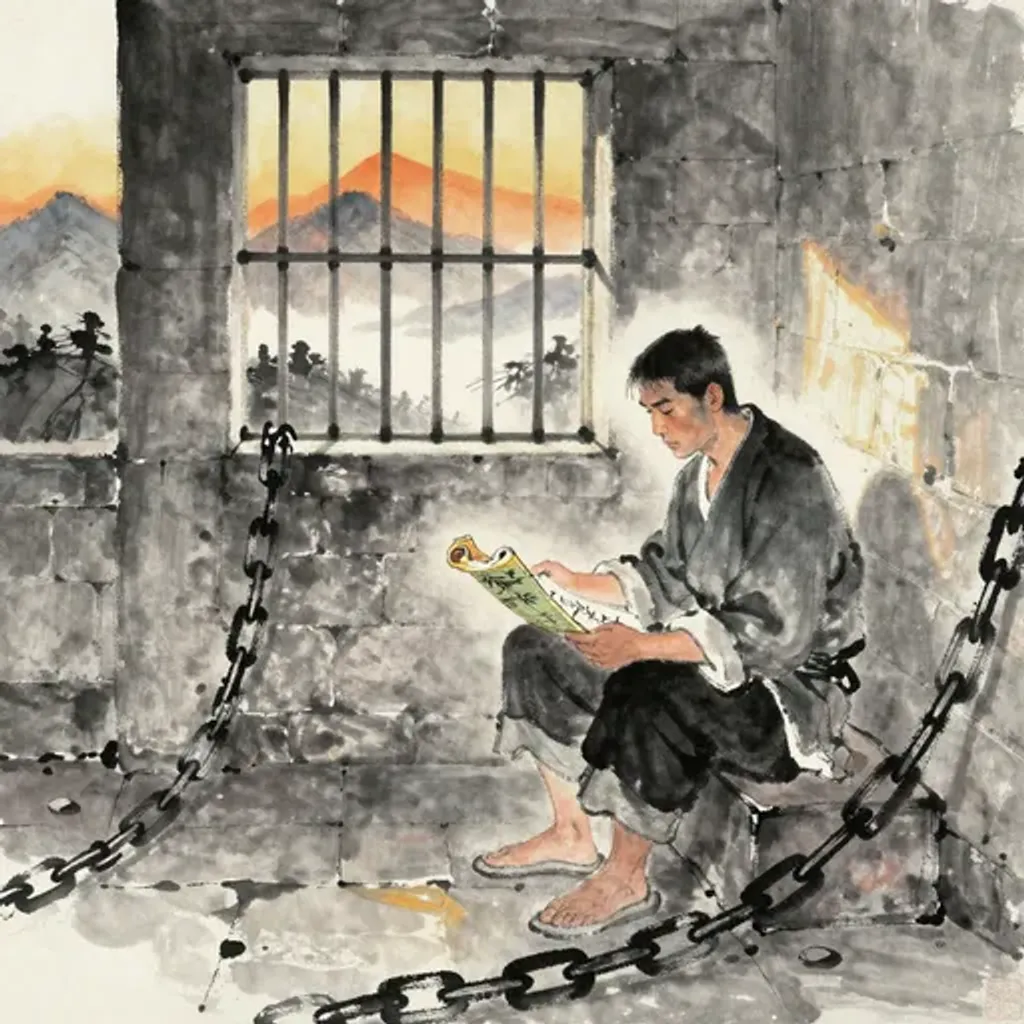
夏臺美里湯文厄處皐陶聽斷岐人悅喜西望華首東歸无咎
夏臺羑里——商湯囚於夏臺,文王囚於羑里,皆無辜受難而終成大業。
閱讀完整註釋 ↓
夏臺羑里——商湯囚於夏臺,文王囚於羑里,皆無辜受難而終成大業。皋陶聽理——上古法官秉公審判——岐人悅喜。西望華夏,東歸無咎。從無妄至無妄,自指之變卦將卦義加倍。湯、文之獄正是無妄之極致——無辜受災——然囹圄反成鍛造王業之熔爐。皋陶之公正聽斷恢復秩序。詩編碼無妄之完整循環:無辜受難,正義終至,歸而無咎。
English commentary
Xiatai and Youli — the prisons where King Tang and King Wen endured unjust captivity before founding their dynasties. Gao Yao, the legendary minister of justice, listens and adjudicates, and the people of Qi rejoice. Looking west toward the central kingdoms, then returning east without blame. From Innocence to Innocence, the self-referential transformation doubles the hexagram's meaning. Tang and Wen suffered innocent misfortune — the very essence of Wuwang — yet their imprisonment became the crucible of dynastic virtue. Gao Yao's just hearing restores order. The verse encodes Wuwang's complete cycle: the innocent suffer, justice eventually prevails, and one returns home without fault.
此註釋依據較早的讀法撰寫。讀法既經更定,其詮釋未必仍適用於今所見之文。
《焦氏易林》,清乾隆間寫文淵閣四庫全書本。
國立故宮博物院 故庫017987–017990
第2冊,第54頁
據寫本原葉錄出
標點依寫本,不另加標點。
關於此讀法
據掃描原葉錄出。