第13卦

同人

Tóng Rén

Fellowship

上卦

Qián

HeavenCreative

五行Metal方位South家庭Father性质creative, strong, dynamic

下卦

FireClinging

五行Fire方位East家庭Second Daughter性质illuminating, dependent, radiant

经典文本

彖辞

于野。亨。利涉大川。利君子貞。

象辞

天與火,同人。君子以類族辨物。

爻辞

第初爻

初九 同人于門。无咎。

第二爻

六二 同人于宗。吝。

第三爻

九三 伏戎于莽。升其高陵。三歲不興。

第四爻

九四 乘其墉。弗克攻。吉。

第五爻

九五 同人先號咷而後笑。大師克相遇。

第上爻

上九 同人于郊。无悔。

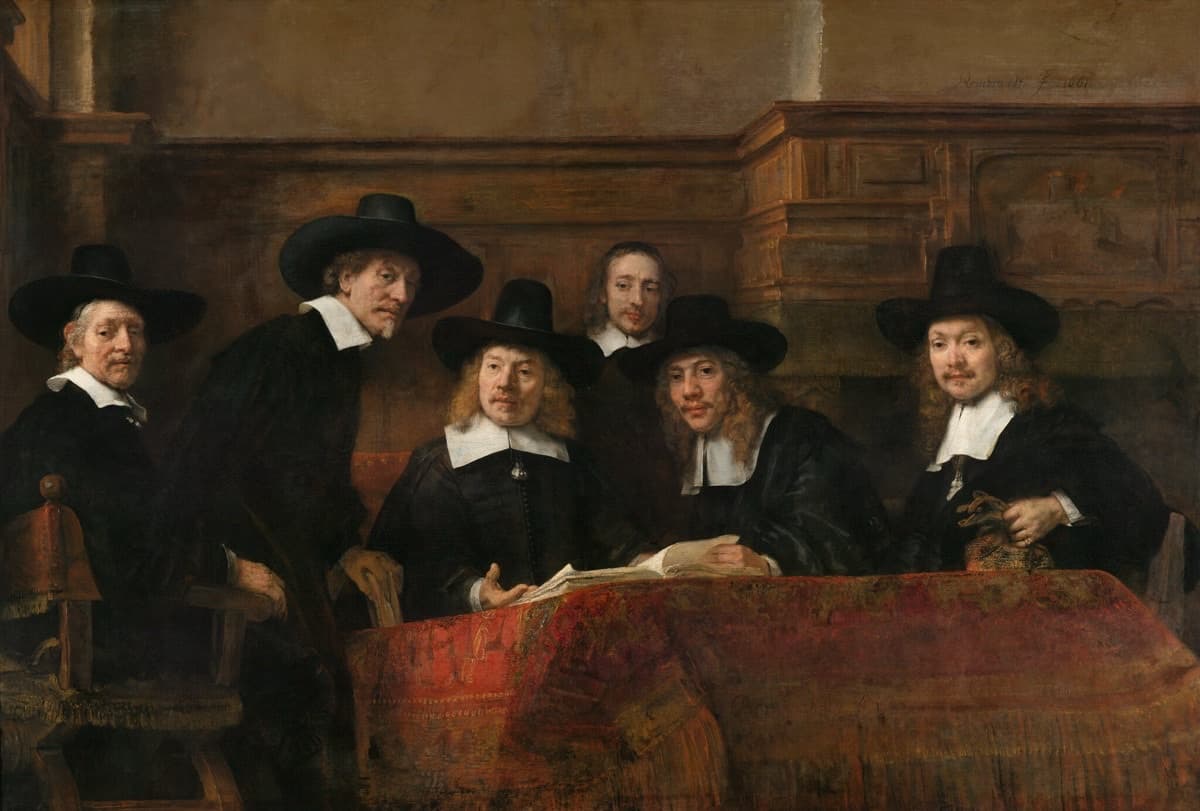
The Syndics

The Syndics

Rembrandt, Unknown

Fellowship with Others

Five men in black coats and wide-brimmed hats sit around a table covered with red cloth, their attention directed toward someone beyond the frame. Rembrandt painted these guild syndics in 1662, capturing the Drapers' Guild officials during a meeting. Behind them, a servant leans forward. Before them, ledgers lie open. The painting records the moment when private individuals gather for public purpose, when separate interests align under common cause. Each figure maintains distinct features, distinct personality, yet they function as one body examining accounts, making decisions, representing their trade to the city.

阅读完整论述 ↓

This is Tóng Rén (同人), the Chinese hexagram meaning "fellowship with others" or "community with people." Ancient diviners saw this configuration when Heaven (Qián) sits above Fire (Lí): creative force above, clarity and illumination below, like people gathering in an open field under a bright sky where nothing stays hidden. The syndics embody this openness—their meeting happens in daylight, their records lie visible on the table, their authority derives from collective recognition rather than private power. In Zhou Dynasty practice, this hexagram appeared when alliances formed not from family obligation but from shared purpose, when people came together in the "great marketplace" where differences dissolved under common concern. Rembrandt's 1662 group portrait shows five guild officials and their servant meeting around a table. The unified gathering of people working together for common purpose connects to hexagram 13's theme of fellowship with others in open space. The Judgment text emphasizes the open-field quality of true fellowship: "Fellowship with others in the open. Success. It furthers one to cross the great water. The perseverance of the superior person furthers." Public alignment, not secret faction. The syndics' work serves the guild openly—their authority comes from transparency, their power from acknowledged expertise. They don't scheme in shadows; they meet where their community can see them. Tang Dynasty administrators associated this hexagram with meritocratic selection, when positions went to those qualified rather than to relatives, when public service meant genuine commonality of purpose. The Image Text describes how fellowship forms: "Heaven together with fire: the image of fellowship with others. Thus the superior person organizes the clans and makes distinctions between things." Clarity about difference enables genuine unity. Rembrandt distinguishes each syndic—different faces, different gestures—while showing how they function together. The structure holds precisely because roles stay clear, because distinctions support rather than undermine collaboration. In the I-Ching's sequence, Tóng Rén follows Standstill: after stagnation and separation, people gather again in open space, reforming community. The next hexagram is Possession in Great Measure—when fellowship succeeds, abundance follows. But fellowship comes first, before wealth.

焦氏易林

焦延寿《易林》——第13卦本卦之辞。西汉时期以四言诗阐释卦变,为最早的系统性易学占辞集。

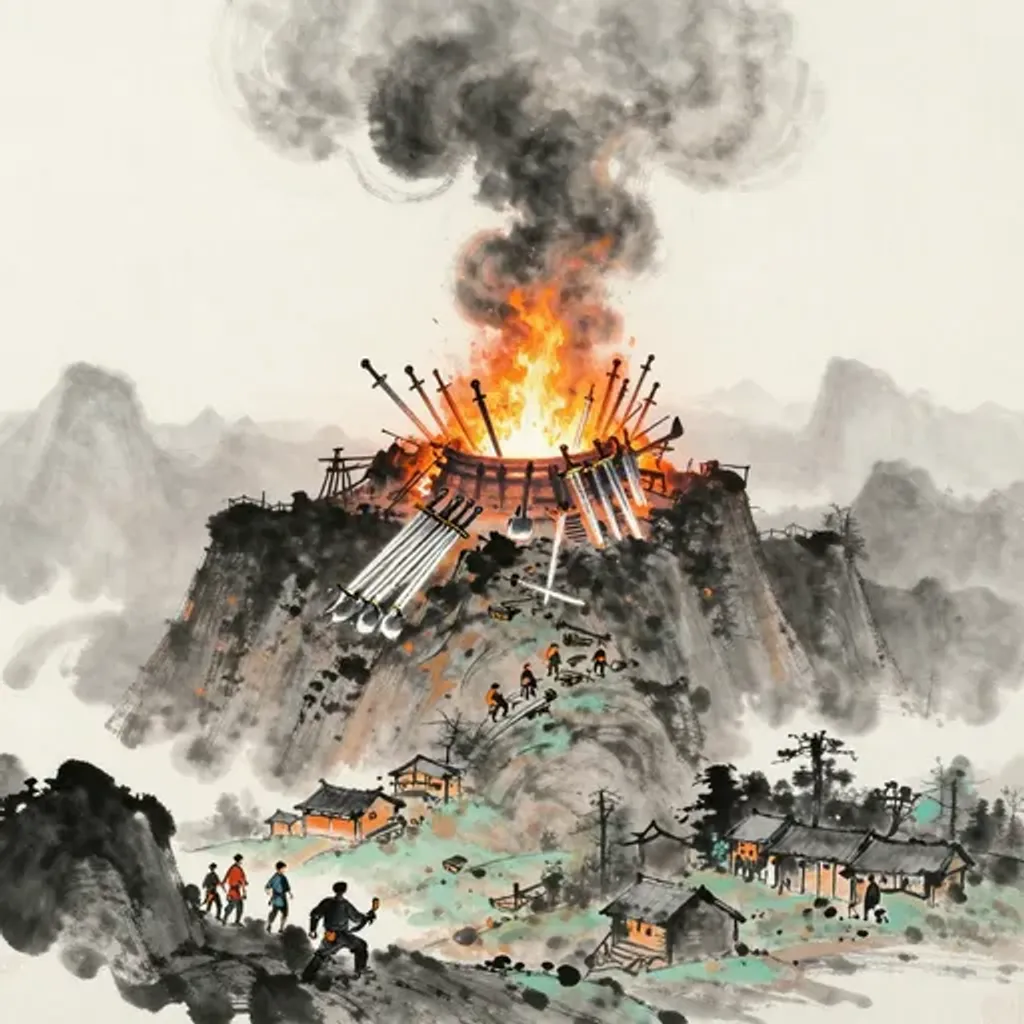
Yilin artwork for Hexagram 13
密橐山巔,銷鋒鑄刃;示不復用,天下大勸。

天與火同人,同人歸於自身——源卦與變卦皆為同人。

阅读完整注释 ↓

天與火同人,同人歸於自身——源卦與變卦皆為同人。密橐山巔,將兵器封於皮囊藏於山頂;銷鋒鑄刃,熔兵刃為農具。示不復用,天下大勸。此即「偃武修文」之古典理想。同人遇同人,重複化為強化:共識完備至連衝突之器具亦永久封存。天與火交映,火升於天——純粹的群體光明,再無可爭之物。

English commentary

Heaven and fire form Fellowship, and here Fellowship returns to itself — source and target are the same hexagram. Weapons are sealed in leather bags and hidden on mountaintops; blades are melted down and recast as tools. This gesture declares to the world: arms shall not be used again, and all under heaven are greatly encouraged. The image echoes the ancient ideal of ceasing warfare to cultivate civil virtue. When Fellowship meets Fellowship, the redundancy becomes reinforcement: shared purpose so complete that even the instruments of conflict are permanently retired. Fire rises to heaven and heaven blazes with fire — pure communal illumination, with nothing left to fight over.