上卦
巽 Xùn
風 — 入
下卦
離 Lí
火 — 麗
經典文本
卦旨
家人非言居室之制,乃言化之所以自內及外——一有限之體,其內之序,即其所被者之序。上巽下離:「風自火出」,熱動而風生;風之所播者,即火之所實為。 卦辭三字:「利女貞。」六二可見其所指:「无攸遂,在中饋,貞吉。」此周人之家法,直言之而已,掩之則失其實。所可通於今者在其下之理:維繫一體者,非赫赫之權,乃相續不輟之守;而此卦以其守居決定之位,不以為卑。 《象》立二事:「風自火出,家人;君子以言有物,而行有恆。」言必有所指實,行必能久。家者,二事可驗之最小者,故取以為法。九三見其中之難:「家人嗃嗃,悔厲吉;婦子嘻嘻,終吝。」正其序者或不適,而卦以此不適愈於縱弛之所終。 故家人之旨,在節內之貫與外之化。其承明夷而來:外既不可處,則退而治其可成之地。九五見其所至:「王假有家」——同一序也,而在一國之上。上九明其權之所出:「有孚威如,終吉。」其威不生於令,生於為之者之實。風所播者,火之所實為;火不定,則制度之工無所補。
彖辭
「利女貞」——女性的持守帶來對齊。家裡的秩序,推廣出去就是天下的秩序。影響力從內向外,像火產生的風。每個位置都有該做的事。家是社會的雛形——這話聽起來老派,但想想:很多習慣確實是從家裡學來的。
象辭
「風自火出,家人。君子以言有物,而行有恆。」風從火裡出來,熱量變成動力。說話要有內容,做事要有持續。空泛的話沒有用,一定要針對具體情況。而且,言行要一致——不一致的話,什麼效果都沒有。
爻辭
第初爻
「閑有家,悔亡。」一開始就建立規矩,遺憾就消失。每個人從小就知道自己的位置。太晚才管教,孩子的意志已經養成了,再來改很難。打破一個孩子的意志,避免比做到容易得多。
第二爻
「无攸遂,在中饋。貞吉。」不用四處找事做,守著眼前的責任就好。照顧家裡的飲食,成為家庭生活的中心。不用強求什麼,專心做手邊該做的事。
第三爻
「家人嗃嗃,悔厲吉。婦子嘻嘻,終吝。」家裡氣氛嚴肅,會有遺憾,但最後是對齊的。太鬆散就會丟臉。在嚴厲和放縱之間,有疑問的時候,寧可嚴一點。紀律保護人,軟弱毀滅人。
第四爻
「富家大吉。」家裡富足,大大對齊。收支平衡,家才能好。這就像一個忠誠的管家,他的措施讓大家都受益。
第五爻
「王假有家,勿恤吉。」像王一樣走進家裡,不必害怕。有德行的人不需要讓人怕他。家人信任他,因為愛在主導。人格本身就會產生正確的影響。
第上爻
「有孚威如,終吉。」言行讓人尊敬,最後對齊。秩序最終取決於一家之主的品格。修養自己,讓內在的真誠產生影響力。在領導的位置上,要主動承擔責任。
焦氏易林
焦延壽《易林》——第37卦本卦之辭。西漢時期以四言詩闡釋卦變,為最早的系統性易學占辭集。
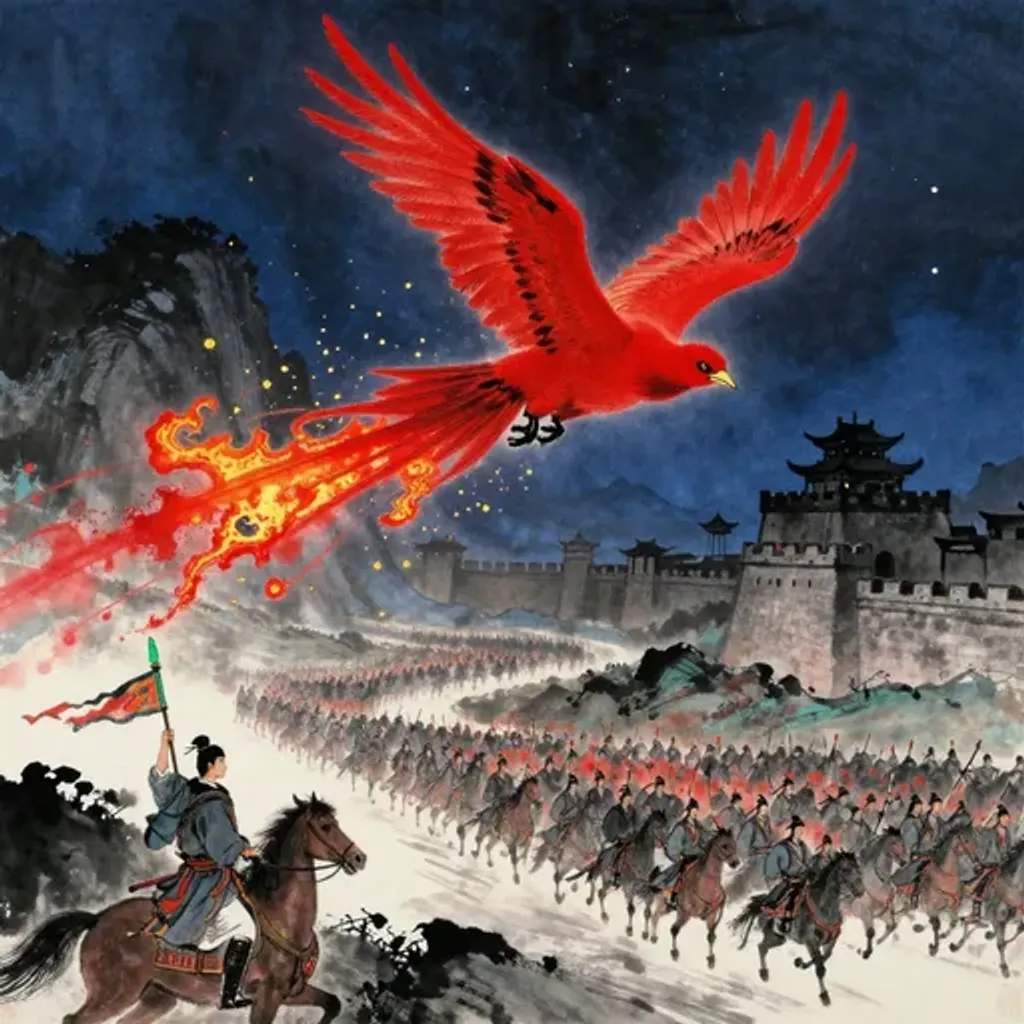
王命赤烏與君徼期征伐無道誅其君傲居止何憂
風自火出,家人歸於本位。
閱讀完整註釋 ↓
風自火出,家人歸於本位。天命赤烏——天降赤色神鳥為兆,與君徼期——授予君主確定之天命。征伐無道——討伐不義之邦,誅其君傲——誅滅驕橫之暴君。居止何憂——安居而無所憂。赤烏為周武王伐紂時之著名祥瑞:據傳火鳥降於武王帳前,確證天命所歸。此詩重述正統治理之開國神話:天命、義征、居安。家人歸於自身,訓示真正之家國秩序立基於天命、行之以正義、歸結為安居之樸素平安。
English commentary
Wind from fire returns to its own hearth: The Family transforms into itself. Heaven sends the Red Crow as an omen, granting the ruler a fixed appointment. He marches to punish the lawless and executes the arrogant tyrant — then settles peacefully with nothing to fear. The Red Crow (赤烏) is a celebrated portent associated with King Wu of Zhou's conquest of Shang: according to tradition, a fiery bird descended upon the king's tent as confirmation of heaven's mandate. The verse recapitulates the founding myth of proper governance: divine sanction, righteous conquest, and domestic peace. When The Family returns to itself, the message is that true household order rests on mandate from above, executed with justice, and culminating in the simple security of home.
《焦氏易林》,清乾隆間寫文淵閣四庫全書本。
國立故宮博物院 故庫017987–017990
第3冊,第66頁
據寫本原葉錄出
標點依寫本,不另加標點。
關於此讀法
據掃描原葉錄出。