上卦
巽 Xùn
風 — 入
下卦
坎 Kǎn
水 — 陷
經典文本
卦旨
渙非潰散之謂,乃有為之散其凝——解其已固之結,使凍者復流。上巽下坎:風行水上,散其面為波為沫。其似壞其一者,正所以還其動於已滯者也。 卦辭示其所以聚之具:「亨。王假有廟。利涉大川。利貞。」此非漫然之散,乃以祭而復合之。民既分為朋黨,其藥在有一共尊之中,足以召之而返。「利涉大川」與此同理:手猶執岸者,不可以渡。 六四言一卦所轉之逆理:「渙其羣元吉,渙有丘,匪夷所思。」散其黨而反有所積:黨去而丘成。其末句正是《易》自明其似非:散之而反聚,非常情所及,故「匪夷所思」獨繫於此爻之「元吉」。 九五自上而言其同:「渙汗其大號。」號令既出,如汗之離身,不可復收而無所不至。散者,中之所以及其分也。 故渙之旨,在解其所以礙合者——凡系之久而堅之私、之黨是也。《象》存其古法:「風行水上,渙;先王以享於帝,立廟。」散之不以譏彈,而以立一中,其力足以召散者而復相屬。風之於水,非徒破其面,亦以蕩之、以周之。
彖辭
風吹過水面,水散成泡沫和霧氣。人心也會結冰——自私和僵硬讓人彼此隔離。「王假有廟」——古代的做法是用儀式和音樂打破這種僵局,讓大家感覺到共同的根源。現代的版本大概是:找一個大家都認同的目標,一起努力。在共同的方向面前,很多隔閡就不那麼重要了。
象辭
「風行水上,渙。」冬天的冰,春風一來就化了。人心的僵硬也是這樣——需要溫暖的東西去融化它。古人說「先王以享於帝,立廟」,用的是宗教的方式。但核心的意思大概是:人需要被某種比自己更大的東西觸動,才會放下那些小小的堅持。
爻辭
第初爻
「用拯馬壯」——要趁早處理分裂,趁雲還沒變成暴風雨。誤會和猜疑剛冒頭的時候,快速行動去化解它。等到已經成形,就難辦了。
第二爻
「渙奔其机」——發現自己開始厭世、脾氣變壞的時候,趕快找到能支撐你的東西。這種支撐從來不在憎恨裡面,而是在對人的公正判斷和善意裡面。回到這個基礎,很多後悔就不會發生。
第三爻
「渙其躬,无悔。」有時候工作太難了,你已經沒辦法想自己。放下私慾,放下那些你用來把自己和別人隔開的東西。這種放棄很痛,但也是力量的來源。
第四爻
「渙其羣,元吉。」離開你的小圈子。做涉及公共利益的事情時,私人交情要放一邊。這話聽起來冷酷,但有道理:只有超越派系,才能做成真正重要的事。放棄近的,才能得到遠的。
第五爻
「渙汗其大號」——像出一身大汗一樣,把淤積的東西都釋放出來。在普遍的僵局中,一個大的想法可以成為重新集合的焦點。就像病到了轉折點,大汗之後開始好轉。
第上爻
「渙其血,去逖出。」避開可能流血的危險——不是只為自己避開,而是幫助身邊的人一起離開。這不是逃避,是在傷害來臨之前做對的事。
焦氏易林
焦延壽《易林》——第59卦本卦之辭。西漢時期以四言詩闡釋卦變,為最早的系統性易學占辭集。
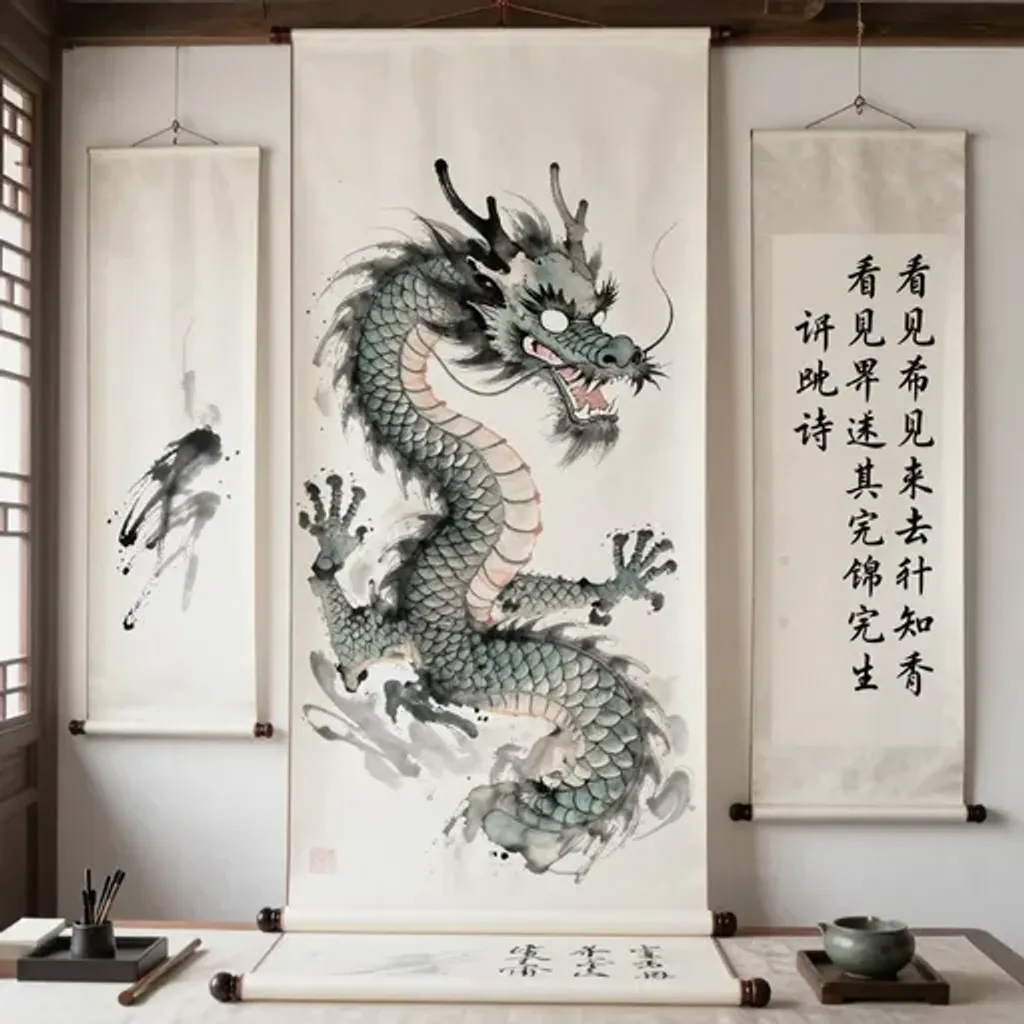
望幸不到文章未就羊子逐兎犬踦不得
畫龍未點睛,詩成缺末句。風吹墨跡散,紙上空留痕。
風行水上,渙歸渙。
閱讀完整註釋 ↓
風行水上,渙歸渙。此詩有改寫,當據原文:「望幸不到,文章未就。王子逐兔,犬踦不得。」所望之人不至,文章未成——事事差一步。王子追兔,獵犬跛足,獵物逃逸。每一意象皆為功虧一簣:最後一筆永遠落不下。渙之渙,散者再散,遞歸無盡。從渙至渙,無轉化、無解答:龍未點睛,詩缺末句,墨跡被風吹散——而那風正是應該使其乾透的風。此為卦觀照自身:永遠差一步聚攏的常態。
English commentary
Wind over water, returning to itself — Dispersion into Dispersion. The original verse captures incompletion at every level: the hoped-for audience never arrives, the literary work remains unfinished. A prince chases a rabbit, but his dog stumbles and the prey escapes. Each image is of effort that falls just short, the final stroke never delivered. Wind over water, dispersing what was already dispersed — the condition is recursive, an endless loop of dissolution. From Dispersion to Dispersion, there is no transformation, no resolution: the dragon painted without its pupils, the poem missing its last line, the ink blown across the page by the very wind that should have dried it. This is the hexagram contemplating its own nature: the permanent condition of things never quite coming together.
此註釋依據較早的讀法撰寫。讀法既經更定,其詮釋未必仍適用於今所見之文。
《焦氏易林》,清乾隆間寫文淵閣四庫全書本。
國立故宮博物院 故庫017987–017990
第4冊,第153頁
據寫本原葉錄出
標點依寫本,不另加標點。
關於此讀法
據掃描原葉錄出。