上卦
坤 Kūn
地 — 順
下卦
坎 Kǎn
水 — 陷
經典文本
卦旨
師非言戰也,乃言眾力之正當組織——眾之所以成軍而不為烏合者,其條件何在。上坤下坎:水藏於地中,靜面之下有不可見之蓄積。此為潛力之象——民在平時而可召為軍,令未出而紀已立。師所論者不在交鋒而在統率,不在暴力而在使有組織之行動得以成立的那份威信。 卦辭極簡:「貞,丈人吉,无咎。」王弼釋「丈人」曰「嚴莊之稱也」,孔穎達申之曰:「丈人監臨之,眾不畏懼,不能齊眾,必有咎害。」其所須者非年齒非閱歷,乃足使眾知畏而不散之重。師之所斷甚明:眾力而無適格之統,即為大禍。六三明言之:「師或輿尸,凶。」統率一裂,威權分而見奪,則軍為致死之具,非為秩序之器。六五復申其理:「長子帥師,弟子輿尸。」統一於適格者則成,分屬於不適格者則敗。 《象》曰「地中有水,師;君子以容民畜眾」,乃見全卦之深構。水在地中是師之象,而君子所應者,在容其民、畜其眾。兵力所自出者,在民之安養,不在威迫。故師之旨不在克敵,而在使眾力有所守——當眾人須合為一體而動,必出於正當之權,必為可正之故,且以紀律使有組織之力不化為有組織之毀。
彖辭
群眾需要組織才能成為力量。這大概需要一個強的領袖——不是靠殘暴,是靠能讓人心服的品格。紀律往往是尊重得來的,不是恐懼。「丈人吉,无咎」——古人說的領導,好像是這個意思。
象辭
「地中有水,師。」水藏在地裡——人民的力量隱藏在眾人中間。有品格的領袖用寬厚來培養這種潛力,危難來時,人人都能變成戰士。說來容易,做起來誰知道。
爻辭
第初爻
軍隊出發必須有秩序。一開始紀律就散了,整場仗都沒救。正當的理由和清楚的命令是最基本的。
第二爻
「在師中吉」——領袖待在軍中,跟士兵同甘共苦。這是對的位置,沒有過錯。認可自然會來——王會賜命,因為你值得。
第三爻
「師或輿尸」——軍隊載屍回來。失敗。這發生在不該管事的人干涉指揮的時候。多頭馬車等於沒有馬車。
第四爻
「師左次」——軍隊後撤。沒有過錯。面對更強的敵人,有秩序地撤退是唯一正確的做法。知道什麼時候不打,跟知道怎麼打一樣重要。
第五爻
田裡有獵物——是時候行動了。讓有經驗的人指揮。讓年輕沒經驗的人領頭,結果就是載屍。用錯人堅持下去是災難。
第上爻
勝利了。大君分封賞賜,建立秩序。但不能用小人——他們會腐蝕贏來的和平。
焦氏易林
焦延壽《易林》——第7卦本卦之辭。西漢時期以四言詩闡釋卦變,為最早的系統性易學占辭集。
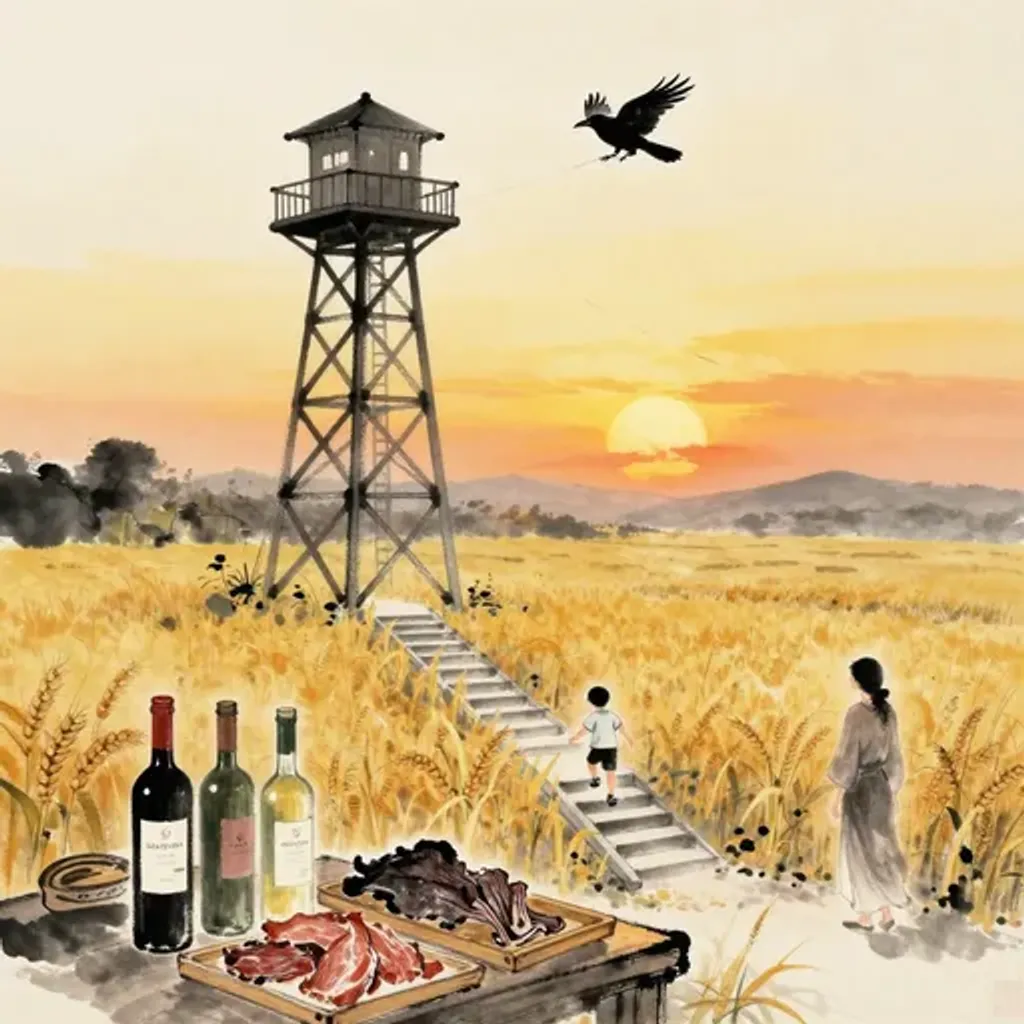
鳥鳴呼子哺以酒脯高樓之處子來歸母嗇人成功年歲大有妬婦無子
地中有水,師之不變卦,源與歸同。
閱讀完整註釋 ↓
地中有水,師之不變卦,源與歸同。烏鳴呼子,哺以酒脯,高樓之處,子來歸母——母鳥喚雛,溫情可掬。穡人成功,年歲大有:農事豐登,眾皆受惠。然妬婦無子——群體之盛不能撫慰個人之空。師之自返,無所變化,唯循環往復。順應集體節律者豐收滿盈,妒忌自噬者反被排拒於豐盈之外。
English commentary
Water hidden within the earth returns to itself — the army unchanged, source and destination the same. A crow calls to its young and feeds them with wine and dried meat from a high tower, and the fledglings come home to their mother. The farmer's work succeeds, the year's harvest is abundant, yet a jealous wife remains childless. The verse layers domestic warmth against private sorrow: communal success cannot console personal barrenness. From The Army to The Army, there is no transformation — only the cycle repeating. Plenty flows for those aligned with the collective rhythm, while those consumed by envy find themselves excluded from the very abundance they covet.
《焦氏易林》,清乾隆間寫文淵閣四庫全書本。
國立故宮博物院 故庫017987–017990
第1冊,第75頁
據寫本原葉錄出
標點依寫本,不另加標點。
關於此讀法
據掃描原葉錄出。