上卦
艮 Gèn
山 — 止
下卦
坎 Kǎn
水 — 陷
經典文本
卦旨
蒙非愚也,乃一切真知之前必經的未知之境——明之前的霧,成川之前的泉。上艮下坎:泉出於山下,尚不知當往何方。水已在,潛能已具,而路未得。凡為學者、凡初入之人、凡心遇未能貫通之事者,其處境皆如此。 卦辭最為警策者,在其倒轉師弟之勢:「匪我求童蒙,童蒙求我。」師不逐學者,筮不再告。「初筮告,再三瀆,瀆則不告」——初問則答;再三而問,是為褻,褻則不答。此非教者之酷,乃知學須有其位:求者當以真有所需而來,非以閒散之好奇而來。泉必自有其上湧之力,而後山能為之導其流。 常見之誤,以蒙為待解之弊——愚當矯,昧當填。然蒙之旨不在滅未知,而在養能受之量。《象》曰「君子以果行育德」:如水盈科而後進,每一坎必先滿而後行。蒙所以節知與教之際:必待其器已成,而後授之;而其器,正由自求之力而成。
彖辭
是學生去找老師,不是老師來找學生。問一次,給一次答案。焦慮地反覆問,什麼都得不到——那不是求知,是索取。「匪我求童蒙,童蒙求我」——這話聽起來傲慢,但大概是說:真正想學的人自然會來。
象辭
「山下出泉,蒙。」泉水從山腳湧出,還不知道自己要去哪裡,只知道要流。把每個低窪處填滿,才能繼續往前。人的性格好像也是這樣——小事做得徹底,大事才有根基。
爻辭
第初爻
紀律可以叫醒愚者——但只是開始。道理明白了就該鬆綁。繼續懲罰只會製造怨恨,不會帶來成長。
第二爻
愚者可以合作,只要你有耐心。經驗不足的人可以帶,只要你不擺架子。「子克家」——能力不看年紀。
第三爻
不要追一個見到有錢有勢就失去自己的人。一個人這麼容易動搖,交往下去不會有好結果。
第四爻
「困蒙」——陷在幻想裡,跟現實脫節。這是最沒救的無知。解藥是接觸真實的世界,不是更多的空想。
第五爻
童蒙之吉。關鍵是「童」——天真而開放,不是幼稚。沒有傲氣,真心好奇,願意承認自己不懂。這是對的態度。
第上爻
有時候愚者需要被阻止,不是被教導。但懲罰是為了防止傷害,不是為了報復。防禦,不是攻擊。
焦氏易林
焦延壽《易林》——第4卦本卦之辭。西漢時期以四言詩闡釋卦變,為最早的系統性易學占辭集。
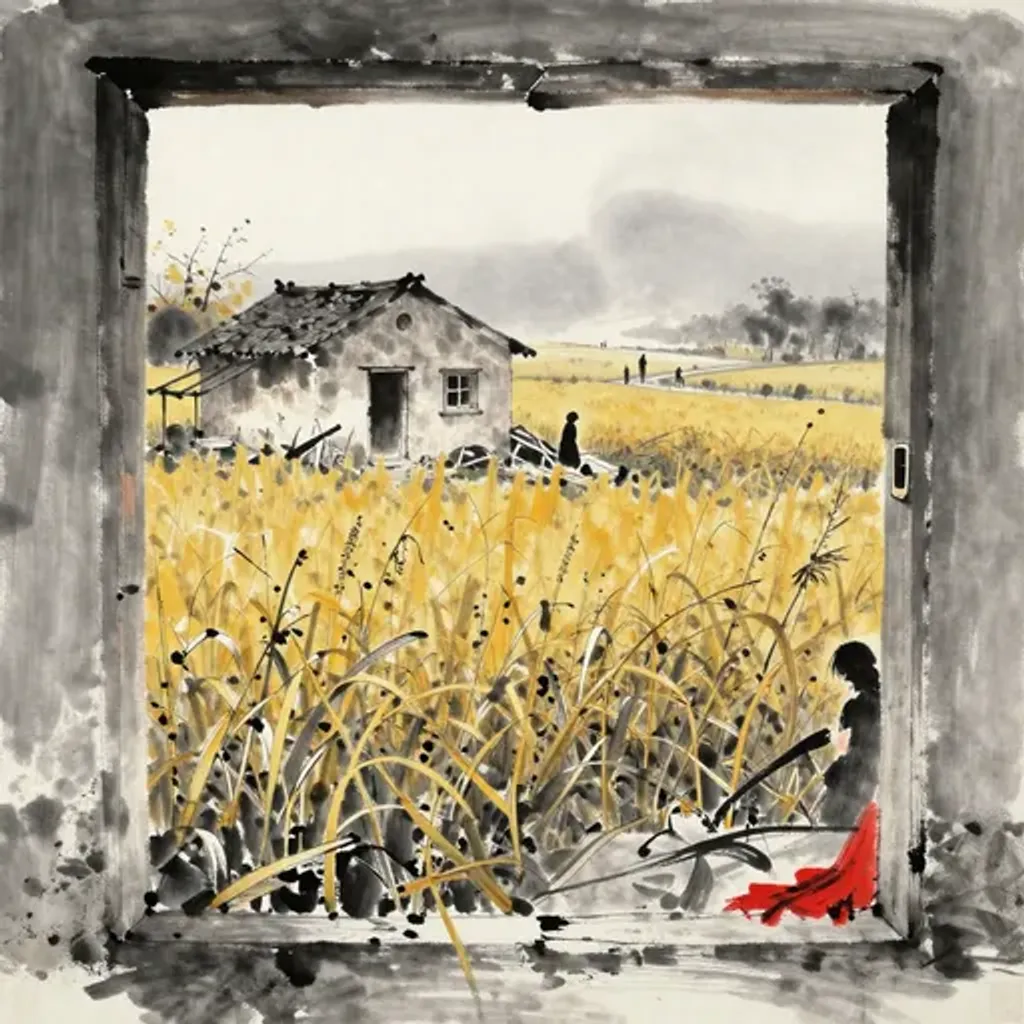
何草不黃至未盡玄室家分離悲愁於心
山下出泉,蒙之自遇。
閱讀完整註釋 ↓
山下出泉,蒙之自遇。開篇引《詩經·小雅·何草不黃》:「何草不黃?何日不行?」——征夫之歌,萬物枯黃,疲憊至極。然「至未盡玄」,衰敗尚未至最深之暗。室家分離,悲愁入心。蒙遇蒙,無變化之卦,蒙昧不得開啟而自我加深。離散骨肉乃最深之迷惘——非不知事理,乃失去賦予知識以意義之人倫紐帶。草雖黃而未盡枯,暗示一線轉機,然此刻唯有深切之哀傷。
English commentary
A spring beneath the mountain returns to the mountain — folly encountering itself. The verse opens by quoting the Shijing soldiers' lament 'He Cao Bu Huang': 'What grass is not yellowed?' — an image of universal exhaustion under endless campaigning. But the withering has not yet reached its darkest extreme. Families are torn apart, grief filling the heart. When the source hexagram meets its own reflection, there is no transformation, only intensification: the naivety that might have been educated instead compounds into deeper confusion. Separation from home and kin is the cruelest form of bewilderment — not ignorance of facts, but loss of the relationships that give knowledge its meaning.
《焦氏易林》,清乾隆間寫文淵閣四庫全書本。
國立故宮博物院 故庫017987–017990
第1冊,第44頁
據寫本原葉錄出
標點依寫本,不另加標點。
關於此讀法
據掃描原葉錄出。