上卦
艮 Gèn
山 — 止
下卦
離 Lí
火 — 麗
經典文本
卦旨
賁非文飾之謂,乃問形之所顯與所蔽——外之所見與內之所實,二者何居。上艮下離:火燃於山下,照其形勢而不易其質。光行於堅止之物之表;其可觀者,恃其下有實而已。 卦辭許「亨」,而繫以「小利有攸往」。「小」字為一卦之樞:文之所利,止於其小者。若以文為主,飾勝其質,則其勢反。《象》直言其限:「山下有火,賁;君子以明庶政,無敢折獄。」照物之光,足以治庶事,而不足以斷人之生死。文可以修其已有者,不能生其所本無者。 上九乃結一卦之義:「白賁,无咎。」以無飾為飾,去其可去者而後見其真。此賁之所歸,而必歷諸爻之飾而後至。自加飾以至於去飾,其序具焉;六五「束帛戔戔」為其轉處:所陳者已薄,而所以為美者已不在其陳。 世之誤者,止於觀其形色而已。賁之為義,由文以至於實:至文者,乃使其下之真自見而無所礙者也。
彖辭
「亨,小利有攸往。」美,是成功的,但只限於小事。裝飾不是本質——火照亮了山,但火的光不會照很遠。做小事情的時候,講究一點形式是好的。但重要的決定,需要的不是優雅,是認真。
象辭
「山下有火,賁。君子以明庶政,無敢折獄。」火在山腳下燃燒,把山照得好看。但光只到那麼遠。日常事務可以用美來處理,讓事情井然有序。但牽涉到是非對錯的大事,不能只靠漂亮——那需要更深的東西。
爻辭
第初爻
「賁其趾,舍車而徒。」連腳趾都裝飾了,然後放棄馬車,用走的。有捷徑可以走,但你選擇不走。這是一種自持——寧願光明正大地辛苦,也不要取巧。
第二爻
「賁其須。」裝飾鬍鬚。但鬍鬚不是獨立的東西,它跟著下巴動。形式要依附於內容,裝飾要服務於實質。只顧鬍鬚不顧下巴,那是虛榮。
第三爻
「賁如濡如,永貞吉。」優雅而潤澤,像是微醺的時刻。這種狀態很迷人,但也可能讓人沉溺。美可以裝飾生活,也可以淹沒生活。所以要保持清醒,堅持下去。好運在這裡面。
第四爻
「賁如皤如,白馬翰如,匪寇婚媾。」華麗還是樸素?這時候有個疑惑。白馬飛奔而來——白色代表簡單。一開始你以為是威脅,後來發現是邀請。放棄華麗也許失落,但真正的關係帶來平靜。
第五爻
「賁于丘園,束帛戔戔,吝,終吉。」退到山丘上,離開追求奢華的人群。找到一個值得結交的人,但你的禮物太寒酸了,覺得很慚愧。不過重要的不是禮物——是心意。真誠最後會被看見。
第上爻
「白賁,无咎。」純白的裝飾。到了最高處,所有的裝飾都不需要了。形式不再遮蓋內容,而是讓內容完全展現。完美的美,是形式與內容的完全契合——簡單,合適,沒有多餘。
焦氏易林
焦延壽《易林》——第22卦本卦之辭。西漢時期以四言詩闡釋卦變,為最早的系統性易學占辭集。
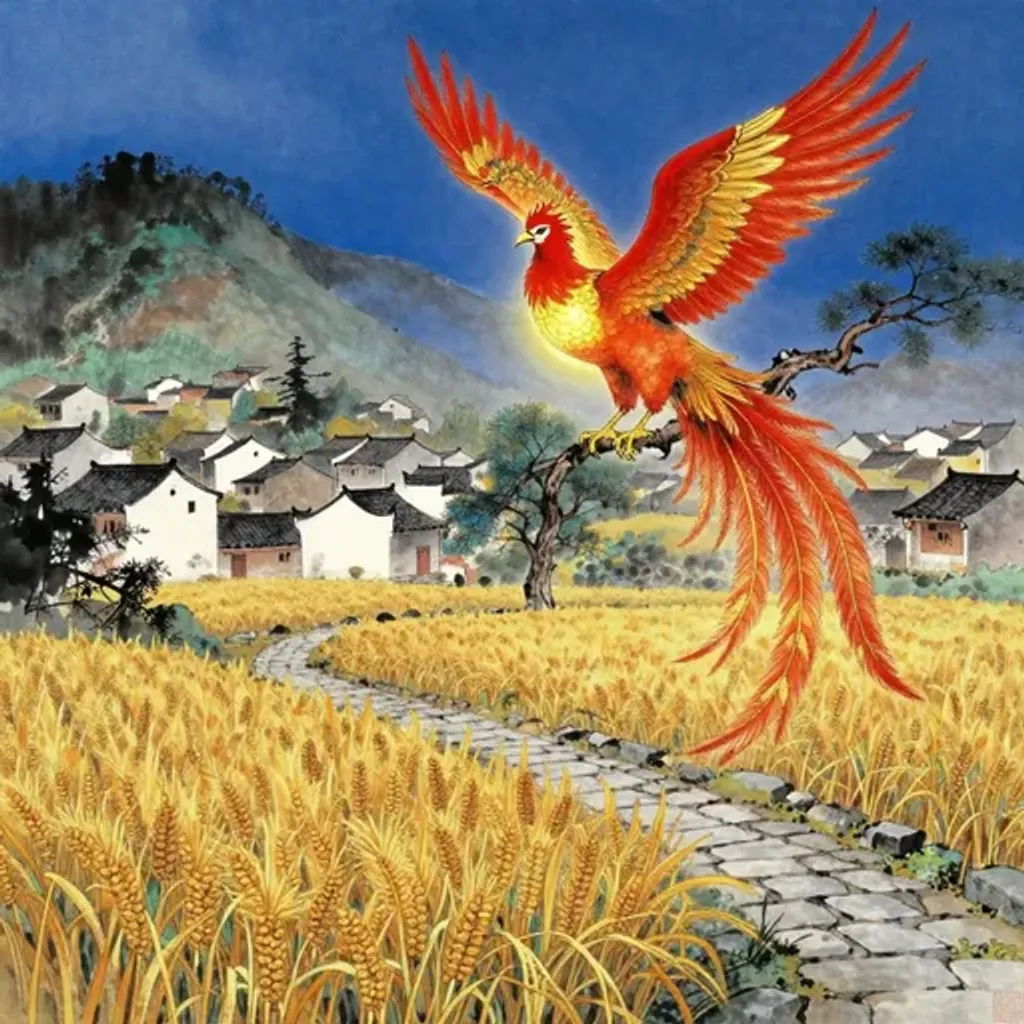
仁政不暴鳳凰來舍四時順節民安其居
山下有火,賁之自照。
閱讀完整註釋 ↓
山下有火,賁之自照。政不暴虐——政令不殘暴。鳳凰來舍——鳳凰來此棲居。四時順節——四季依序運行。民安其居——百姓安居樂業。鳳凰唯聖世而現,明君之德自然輻射,不假強制。源卦與變卦同為賁,此自指之詩道出賁之最高境界:文飾為善治之自然表達,非強加於亂世之人工。卦變為自身,寓意明確:此格局圓滿實現,無須變化。文明之美非裝飾,乃德之可見形態——鳳凰擇真正之文采而棲。
English commentary
Fire beneath the mountain mirrors itself — Grace transforms into Grace, the hexagram unchanged. When governance is not tyrannical, the phoenix comes to dwell. The four seasons follow their proper rhythm, and the people rest secure in their homes. The phoenix appears only under a sage ruler whose virtue radiates without coercion. This self-referential verse captures Grace's highest potential: adornment as the natural expression of good order, not artifice imposed upon chaos. When the source and target are identical, the message is: this pattern, fully realized, needs no transformation. Civilized beauty at its best is not decoration but the visible form of virtue — the phoenix choosing to settle where it senses authentic grace.
《焦氏易林》,清乾隆間寫文淵閣四庫全書本。
國立故宮博物院 故庫017987–017990
第2冊,第22頁
據寫本原葉錄出
標點依寫本,不另加標點。
關於此讀法
據掃描原葉錄出。