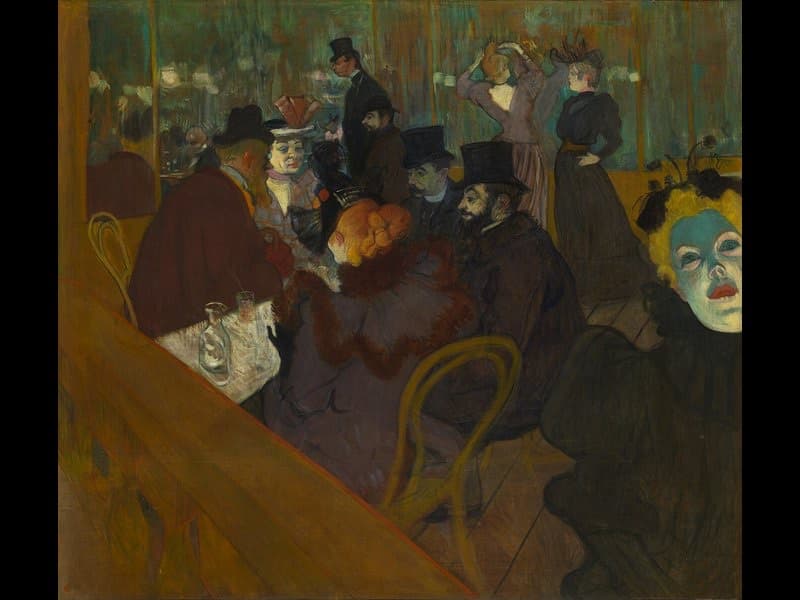
上卦
震 Zhèn
雷 — 動
下卦
艮 Gèn
山 — 止
經典文本
卦旨
小過非敗也,乃處其所可為者有限之時而知所以為之——大事不可,則盡其小者。上震下艮:雷困於山間,不能達於原野。其形正反中孚:中孚外剛而中虛,小過外柔而中實——重在其中,弱在其末。有其實而無其及。 卦辭較常說為寬:「亨。利貞。可小事,不可大事。飛鳥遺之音,不宜上宜下,大吉。」一卦言惟可小事,而其末繫以「大吉」。所小者其量,非其所得。 鳥承其教。其音下而不上,而「不宜上宜下」以之為律,非徒為狀。二外爻申之:初六「飛鳥以凶」;上六「弗遇過之,飛鳥離之,凶,是謂災眚」。二者之失皆在上、在外。此卦未嘗以居下為罪。 《象》定其可過之地:「山上有雷,小過;君子以行過乎恭,喪過乎哀,用過乎儉。」所許之過者,過於謹而已。大者既不可及,則於小德加其所不必加,即其所存之事。 六五復小畜之辭:「密雲不雨,自我西郊。」同一將發未發之勢;而其爻繼曰「公弋取彼在穴」:其所獲者,取之於穴,非射之於天。故小過之旨,在稱其力以定其志;而常誤者,以量之減為功之可減。此卦所求正相反:其邊既窄,其慎當益。
彖辭
「可小事,不可大事。」現在不是做大事的時候,力量不夠。「飛鳥遺之音,不宜上宜下」——鳥不應該超越自己飛向太陽,應該回到地上的巢。特別的謙虛和認真會帶來成功,但不能變成空洞的形式或奴性,要保持自己的尊嚴。這個時候要明白時勢的要求,守住低處,不要期望大的成就。
象辭
「山上有雷,小過。」山上的雷聽起來比平地的近,聲音更直接。君子從這裡學到:比一般人更緊盯著自己的責任,即使看起來有點瑣碎。行為上格外認真,在喪事中真情比儀式重要,在花費上格外簡樸。這些做法看起來與眾不同,但重點在於:在外在事物上,站在低處那一邊。
爻辭
第初爻
「飛鳥以凶。」鳥應該等羽毛長齊了再飛。太早飛,就會遇到災禍。非常手段只在一切都失敗後才用。先盡可能用傳統的方式,不然會耗盡自己,什麼也做不成。
第二爻
「過其祖,遇其妣。」這裡說的是謙虛的表現——繞過祖父去接近祖母,因為感覺同性別更親近。又或者,官員見不到君主,就認真做好本分,在其他官員中找到自己的位置。在非常時期,這種格外的克制不是錯誤。
第三爻
「弗過防之,從或戕之。」有時候特別的謹慎是必要的。但正直剛強的人往往覺得自己是對的,不屑於防備,覺得那太小家子氣。這種自信會害了他們——有些危險他們沒準備好。但這種危險是可以避免的,只要明白這個時候需要特別注意小事。
第四爻
「弗過遇之,往厲必戒。勿用永貞。」剛強的性格被柔順的位置緩和了,所以沒有過錯。這個情況需要極度謹慎——不要主動去追求目標,繼續前進會有危險。所以要警惕,不要行動,但內心要持續堅持。
第五爻
「密雲不雨,自我西郊。」雲很密,但飄過天空不下雨。有時候有能力治理天下的人,因為孤立無援,什麼也做不成。這時候要謙虛地去找幫手,在他們隱退的地方找。重要的不是他們的名聲,而是他們真正的成就。
第上爻
「弗遇過之,飛鳥離之。」超過了目標,就打不中。鳥不回巢,越飛越高,最後會落入獵人的網。在小事佔上風的時候,不知道適可而止,還要一直往前衝,就會招來災禍——因為你偏離了自然的秩序。
焦氏易林
焦延壽《易林》——第62卦本卦之辭。西漢時期以四言詩闡釋卦變,為最早的系統性易學占辭集。
初雖驚惶後反無傷受其福慶永永其祥
山上有雷,小過復歸自身。
閱讀完整註釋 ↓
山上有雷,小過復歸自身。初雖驚惶——起初驚恐不安,雷動山搖之際難免恐懼。後反无傷——然而事後發現並無損傷。受其福慶——反而得到福澤慶祥。此為小過之本義以最純粹之形式呈現:稍逾其分之初始驚恐,繼而發現此過本為善意。雷驚而不擊,山搖而不崩。源卦與變卦相同,卦自言其道:小小之逾越,以謙卑處之,化罰為福。飛略高之鳥發現望更遠,鞠過深之人反得意外敬重。朝謹慎方向之過度,本身即為獎賞。
English commentary
Thunder rumbles above the mountain, returning to itself. At first there is alarm and fright, but afterward no harm comes — blessings and good fortune are received. The verse captures Small Exceeding's own nature in its purest form: the initial shock of exceeding one's proper bounds, followed by the discovery that the excess was benign all along. The thunder startles but does not strike; the mountain shakes but does not fall. When source and target are identical, the hexagram speaks to itself, revealing its core teaching: small transgressions, handled with humility, resolve into benefit rather than punishment. The bird that flies slightly too high discovers it can see farther. The one who bows too deeply earns unexpected respect. Excess in the direction of caution becomes its own reward.
此註釋依據較早的讀法撰寫。讀法既經更定,其詮釋未必仍適用於今所見之文。
《焦氏易林》,清乾隆間寫文淵閣四庫全書本。
國立故宮博物院 故庫017987–017990
第4冊,第186頁
據寫本原葉錄出
標點依寫本,不另加標點。
關於此讀法
據掃描原葉錄出。