上卦
坤 Kūn
地 — 順
下卦
震 Zhèn
雷 — 動
經典文本
卦旨
復非再起之謂,乃所剝者自還——剝盡其上之後,一陽復生於下。上坤下震:奮起之力復動於受納之下。所存之種已萌。此非志力之勝,乃結構之必然:其為本者,不可終抑。 卦辭多所慰藉:「亨,出入无疾,朋來无咎。」而承其結構者在「反復其道,七日來復」。所謂七日,紀其節而非紀其日:自姤而一陰始生,陽退於遯、否、觀、剝、坤,凡六節,而復於其七。《彖》止曰「天行也」。故復非偶然,乃變之所固有;所失之道未嘗亡,特行其所當退耳。 《象》示此時所當為,而其所為者無為:「雷在地中,復;先王以至日閉關,商旅不行,后不省方。」並巡方之常職亦止焉。一陽方生而止於初,則所當者,護其可長之靜,而非出而迎之。 世之誤者,以復為可大進之許。一陽在下,始也,非至也;其上五陰,猶前此致剝之世。故復之旨,在使其還者自定,而不迫其程。卦辭「利有攸往」列於諸慰之後,明其可往者,以本已真復,非以礙已盡除。
彖辭
「亨。出入无疾。朋來无咎。反復其道。七日來復。利有攸往。」衰敗之後,是轉折點。光明被驅逐到盡頭,但現在從底部重新進入。冬至是一年最暗的時候,但從這天起,白天開始變長。這種運動是自然的,不需要用力推。七是歸來的數字——六個階段之後,第七帶來回歸。所以不必急,時候到了,一切會自己發生。
象辭
「雷在地中,復。先王以至日閉關,商旅不行,后不省方。」雷還在地底下,生命的能量剛剛開始萌動。這時候要讓它休息,用安靜來滋養它,不要太早用掉。冬至那天,古人會關閉關隘,商人和旅客都不走動,君王也不巡視。這是轉折的智慧:剛開始的東西要溫柔對待,才能開花。
爻辭
第初爻
「不遠復,无祗悔,元吉。」沒有走太遠就回來了。小的偏離難以避免,但要及時轉回,不要走太遠。每一個微小的錯誤念頭,都要立刻放下,不讓它生根。這樣就沒有什麼好後悔的,一切都會好。
第二爻
「休復,吉。」安靜地回歸。回歸需要決心,是一種自我控制。如果身邊有好的同伴,會容易一些。放下驕傲,跟隨好的榜樣,結果就會好。
第三爻
「頻復,厲,无咎。」反覆地回歸。有些人內心不穩定,總是在離開和回來之間搖擺。因為控制不住欲望而偏離,因為決心而回來——這樣反覆有危險。但既然沒有養成壞習慣,努力克服這個缺點還是有希望的。
第四爻
「中行獨復。」走在人群之中,獨自回歸。周圍都是不好的人,但你內心與一個好的朋友相連。這讓你有力量獨自轉向。沒有人說會有什麼獎賞,但選擇善本身就是獎賞。
第五爻
「敦復,无悔。」寬厚的回歸。該回頭的時候,不要找藉口。看看自己內心,如果做錯了什麼,就坦誠承認。這條路沒有人會後悔走過。
第上爻
「迷復,凶,有災眚。用行師,終有大敗,以其國君凶,至于十年不克征。」迷失的回歸。錯過了回頭的時機,就會遇到災難。災難來自內心錯誤的態度,外面的不幸也是從這裡來的。這裡說的是盲目的固執,以及它帶來的懲罰。如果這時候還動兵,最後會大敗,連君王都受害。十年都無法再出征。
焦氏易林
焦延壽《易林》——第24卦本卦之辭。西漢時期以四言詩闡釋卦變,為最早的系統性易學占辭集。
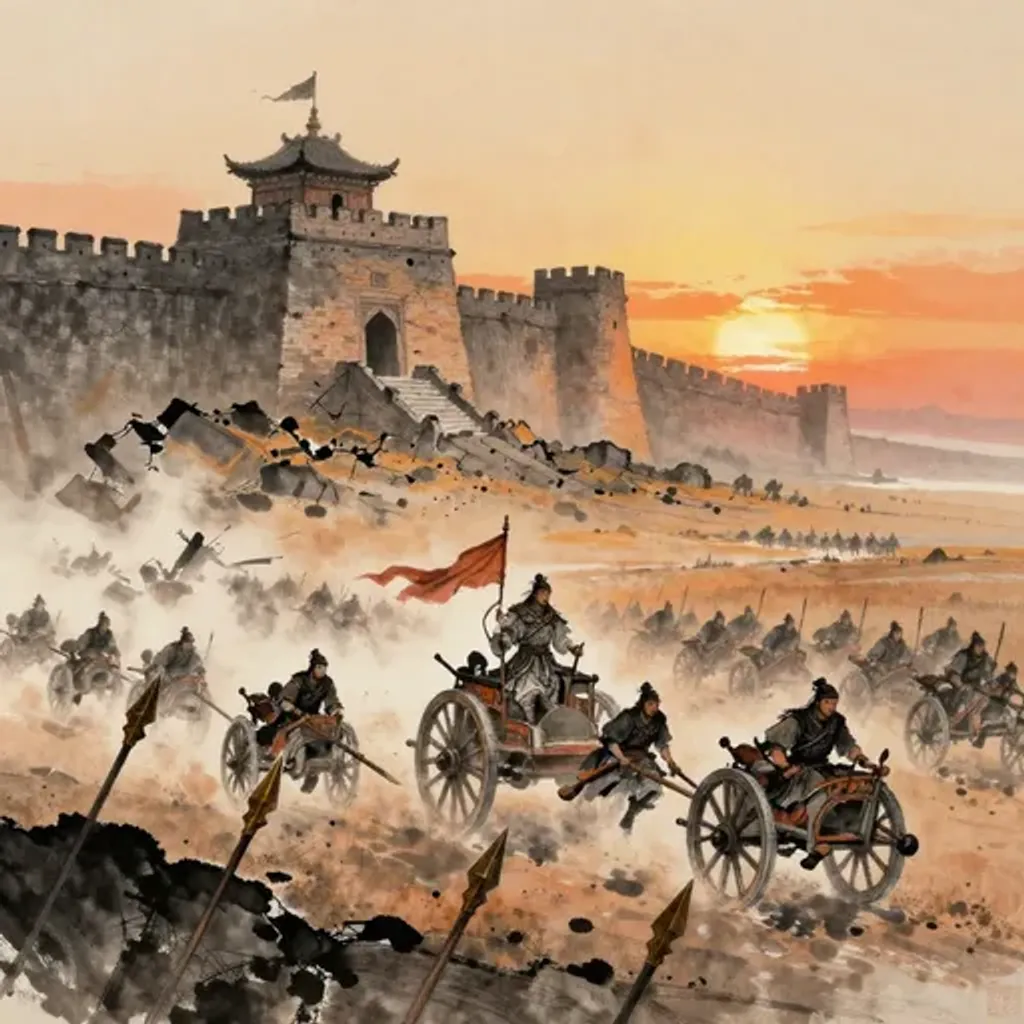
周師伐紂尅於牧野甲子平旦天下悅喜
雷在地中,復之又復——本卦重疊於自身。
閱讀完整註釋 ↓
雷在地中,復之又復——本卦重疊於自身。周師伐紂,剋於牧野——周武王率師伐商紂,大勝於牧野。甲子平旦——甲子日拂曉。天下悅喜——四海歡騰。此為中國史上最典型之「復」:暴政終結,天命轉移,道德秩序重建。本卦自變,復歸加倍——所復者非一陽初動,乃整個文明之更新。牧野之勝即復卦之化身:義師歸正,暴虐所毀者一朝復原,恰合天道之黎明。
English commentary
Thunder returns beneath the earth and returns again — Return doubled upon itself. King Wu of Zhou leads his armies against the tyrant Zhou of Shang and triumphs at the Battle of Muye. On the jiazi dawn, under the first light, the world rejoices. This is the definitive return in Chinese history: the restoration of moral order after tyranny, the mandate of heaven transferring to the virtuous. The doubled hexagram intensifies the image — what returns is not merely a single yang line but an entire civilizational renewal. The Muye victory is return incarnate: righteous force restoring what cruelty had destroyed, timed to the cosmic daybreak.
《焦氏易林》,清乾隆間寫文淵閣四庫全書本。
國立故宮博物院 故庫017987–017990
第2冊,第43頁
據寫本原葉錄出
標點依寫本,不另加標點。
關於此讀法
據掃描原葉錄出。