第15卦

Qiān

Modesty

上卦

Kūn

EarthReceptive

五行Earth方位North家庭Mother性质receptive, yielding, nurturing

下卦

Gèn

MountainStillness

五行Earth方位Northeast家庭Youngest Son性质still, stopping, resting

经典文本

彖辞

亨。君子有終。

象辞

地中有山,謙。君子以裒多益寡,稱物平施。

爻辞

第初爻

初六 謙謙君子。用涉大川。吉。

第二爻

六二 鳴謙。貞吉。

第三爻

九三 勞謙君子。有終吉。

第四爻

六四 无不利撝謙。

第五爻

六五 不富以其鄰。利用侵伐。无不利。

第上爻

上六 鳴謙。利用行師。征邑國。

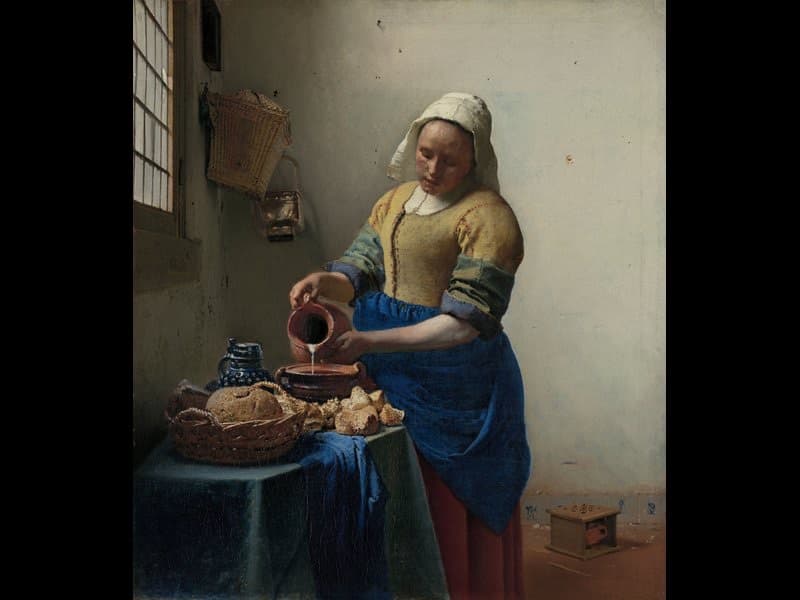
The Milkmaid

The Milkmaid

Johannes Vermeer, 1658

Modesty

A kitchen maid pours milk from a clay pitcher into an earthenware bowl, her attention absorbed by this single task. Vermeer painted her around 1658, positioning her against a bare plaster wall in morning light. No decoration, no audience, no witness but the painter and now us. The woman wears a yellow bodkin jacket and blue apron—working clothes, not display garments. Bread sits on the table, a foot warmer rests on the floor. Everything in the painting serves function, nothing strives for show. Yet Vermeer renders this humble moment with the same meticulous attention he gave to wealthy merchants and silk-draped interiors. The milk catches light as it falls, ordinary labor transformed by patient observation into quiet dignity.

阅读完整论述 ↓

This is Qiān (謙), the Chinese hexagram of Modesty. Ancient diviners saw this configuration when Earth (Kūn) sits above Mountain (Gèn): the receptive above, stillness below, but specifically—the mountain beneath the earth. High things holding low position. The maid performs essential work without seeking recognition. The mountain doesn't thrust skyward but accepts earth's covering, like talent that doesn't announce itself, like competence that doesn't demand acknowledgment. In Zhou Dynasty court practice, this hexagram appeared when capable officials served without seeking glory, when generals achieved victories but credited their troops, when merit remained visible only to those who looked closely. Vermeer's painting shows a kitchen maid pouring milk, focused on her humble task. The quiet dignity of simple domestic labor connects to hexagram 15's theme of modesty and unpretentious virtue. The Judgment text promises unexpected rewards for modesty: "Modesty creates success. The superior person carries things through." Not despite humility but because of it. The maid's complete attention to her task—the precise angle of the pitcher, the steady flow of milk—creates excellence without pretension. Vermeer himself demonstrated this principle, painting only two or three canvases per year, refusing to rush, accepting modest output rather than flooding the market. He died in debt, little known beyond Delft. Three centuries passed before the art world recognized his genius, found these modest domestic scenes and understood their extraordinary achievement. The Image Text describes how modesty shapes the world: "Within the earth, a mountain: the image of modesty. Thus the superior person reduces that which is too much, and augments that which is too little. He weighs things and makes them equal." Level what's excessive, raise what's insufficient. The composition itself embodies this—no element dominates, light distributes evenly, the figure occupies her space without overwhelming it. Song Dynasty officials associated this hexagram with land reform and fair taxation, with policies that reduced extremes and created sustainable balance. In the I-Ching's sequence, Qiān follows Possession in Great Measure: after abundance, modesty prevents arrogance. The next hexagram is Enthusiasm—but it's the modesty that makes enthusiasm sustainable, that allows joy without destructive excess.

焦氏易林

焦延寿《易林》——第15卦本卦之辞。西汉时期以四言诗阐释卦变,为最早的系统性易学占辞集。

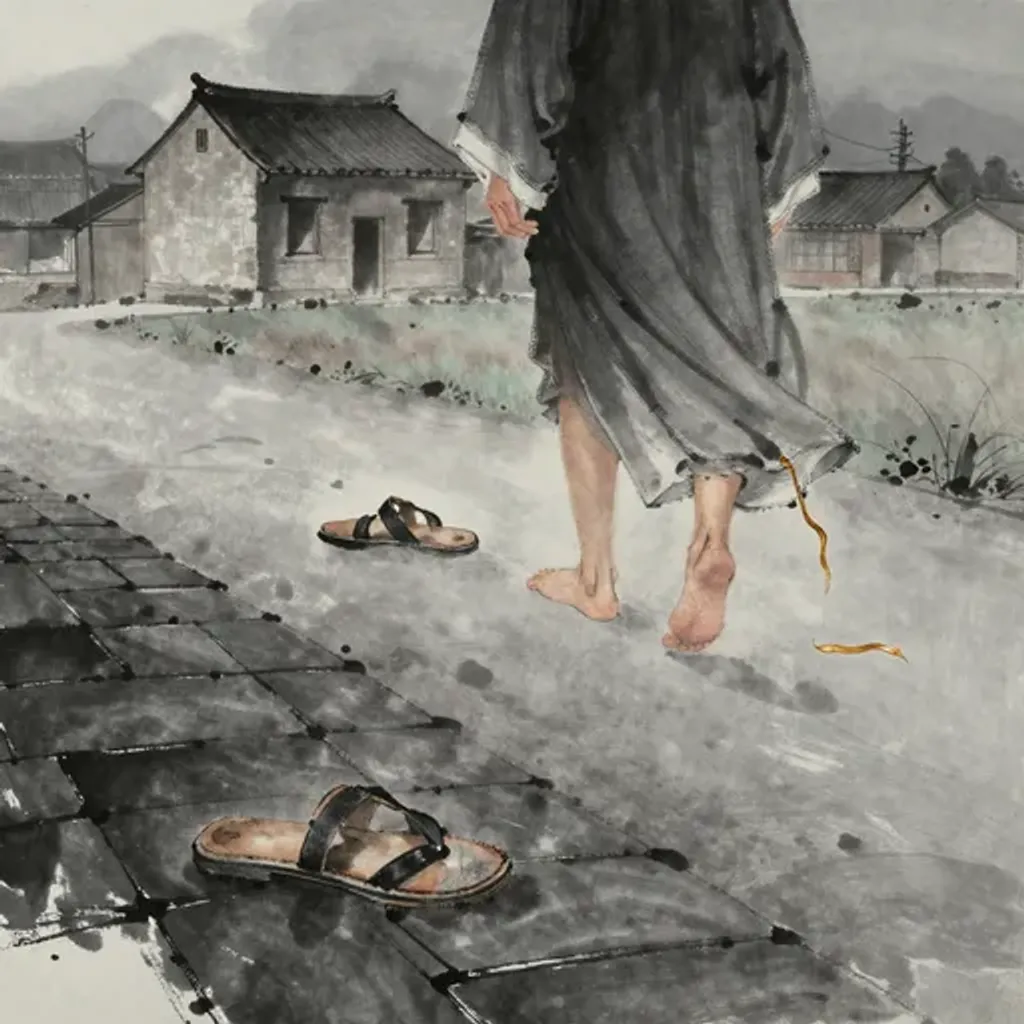
Yilin artwork for Hexagram 15
王喬無病,苟頭不痛。亡破失履,乏我送從。

地中有山,謙復歸謙。

阅读完整注释 ↓

地中有山,謙復歸謙。王子喬無病無痛,頭不苟痛——仙人超越肉身之苦。然亡破失履,鞋履殘破散失;乏我送從,無人相伴送行。仙人無身體之患,亦無人世之暖。從謙至謙,卦不變化,原地迴響。雙重靜止揭示完美自足之福與代價:超越者無痛亦無伴。謙遇謙,不進不連,山埋地中,完整而孤獨。此詩寓意:極致之謙退或超脫雖免於患,亦絕於情。

English commentary

Modesty returns to itself. Wang Qiao — the immortal prince of Zhou who transcended mortality — knows no illness, and even trivial head-pains are absent. Yet the verse pivots: shoes are lost and broken, and there is no one to accompany or send off the traveler. The immortal has no bodily suffering but also no human companionship. From Modesty to Modesty, the hexagram does not transform; it echoes in place. The doubled stillness reveals both the blessing and the cost of perfect self-containment: the transcendent one is beyond pain but also beyond fellowship. When modesty meets modesty, nothing advances or connects. The mountain remains buried, complete and solitary.