上卦
艮 Gèn
山 — 止
下卦
巽 Xùn
風 — 入
經典文本
卦旨
蠱非徒言敗壞,乃自覺以當所承之弊。「蠱」之為字,本象蟲生於久閉之器中:停滯既久,遂自生其毒。上艮下巽:靜壓於柔入之上,成一不通之處,其病乃滋於不見。昔之所以養人者,因棄置而轉為所以害人。 卦辭「先甲三日,後甲三日」,為此卦最異之教,亦最易被輕看者。此非泛言謀慮宜周。王弼以為法度之事:「甲者,創制之令也。創制不可責之以舊,故先之三日,後之三日,使令治而後乃誅也。」治積弊者必更其法,而既更其法,則必先告而後行罰。巽卦之「先庚三日,後庚三日」,其義正同。然此非傳注之唯一說:孔穎達記鄭玄等以「甲」為造令之日,前三日取辛以自新,後三日取丁以丁寧,而孔氏駁之而從王弼。要之,三日者法之程,非心之態也。其辭又曰「元亨」——元,始而至大;亨,通而能成——復繫以「利涉大川」:可見此至難之事,苟得其解,乃所以致根本之更新。 常見之誤,以蠱為收拾殘局之卦。其實所旨在文與制之重修——前人所使漸壞者,今以自覺而修之。諸爻言「幹父之蠱」「幹母之蠱」,明著此意:所治者,乃先人所未竟或所已毀。此非咎人之辭,乃承受之實。人各受一器,其中皆已有所生。蠱之旨,在明知其然而啟之,且盡其所可復者而復之。
彖辭
「蠱」這個字,是碗裡生了蟲。腐壞,是人為的疏忽,不是命運。「先甲三日,後甲三日」——動手之前要想清楚,動手之後要看顧周全。修補需要時間,也需要勇氣。利涉大川,是說別怕艱難。腐爛的東西不會自己變好。
象辭
「山下有風,蠱。君子以振民育德。」風吹山腳,被擋回來,把草木吹壞。這景象有點頹敗。但古人看見的是挑戰:既然壞了,就要修。先要喚醒人心,再慢慢培養品德。次序很重要。
爻辭
第初爻
「幹父之蠱。」修復上一代留下的爛攤子。如果有兒子來收拾,父親就不必背負罪名。這工作有危險,但終會好起來——前提是你知道危險在哪裡,不把事情看得太輕。
第二爻
「幹母之蠱,不可貞。」這種腐壞來自軟弱,不是頑固。修復的時候要溫柔一點,不能太猛。硬來會傷人。
第三爻
「幹父之蠱,小有悔,无大咎。」修得太用力了,會有些小摩擦。但太用力總比太懶好。偶爾後悔一下,不算大問題。
第四爻
「裕父之蠱,往見吝。」放任不管,看著腐爛擴散。這是最差的選擇。繼續下去,只有羞辱。有些事不能等。
第五爻
「幹父之蠱,用譽。」修復的工作得到認可。一個人力量不夠,但有幫手就能成事。不一定要從頭建起,認真修補也是值得讚許的。
第上爻
「不事王侯,高尚其事。」有些人不參與公共事務,選擇追求更高的目標。這是可以的——但不是藉口偷懶。退隱只有在你真的在做更重要的事時,才站得住腳。
焦氏易林
焦延壽《易林》——第18卦本卦之辭。西漢時期以四言詩闡釋卦變,為最早的系統性易學占辭集。
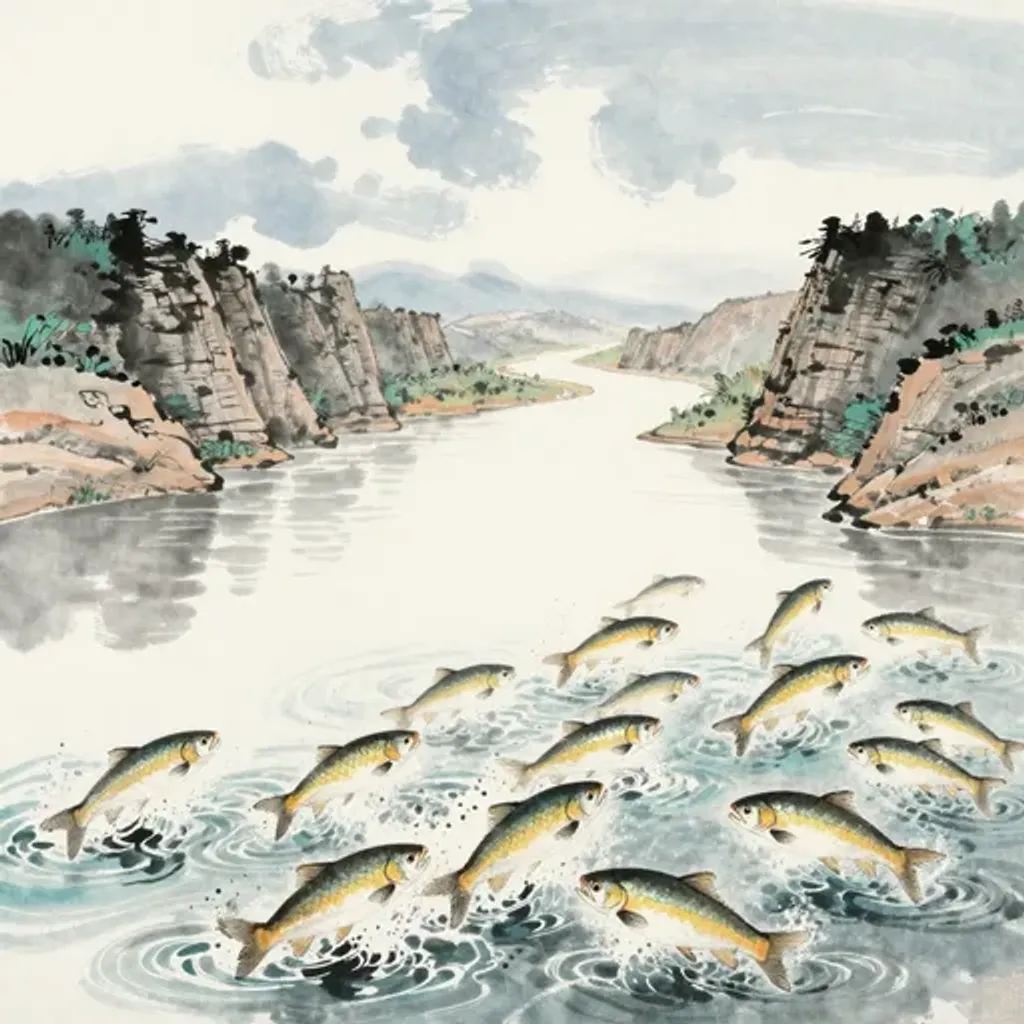
紡生江淮一轉為百周流四浸無有難惡
山下有風,蠱遇自身。
閱讀完整註釋 ↓
山下有風,蠱遇自身。魴生江淮——魴魚生於江淮之間;一轉為百——一化為百,繁殖自然。周流天下——游遍天下;無有難惡——不遇困難與惡事。魚在本水中自然繁衍,不假外力而豐饒。蠱之蠱,敗壞遇見自身之倒影:腐敗能否自我更新?此詩給出肯定之答:生命力若能自由流通,朽壞自有其再生之機。山下之風不再鬱滯,而是循環往復、生生不息。
English commentary
Wind beneath the mountain turns upon itself — decay facing its own reflection. The bream is born in rivers and marshes; one turns into a hundred. Circulating freely through all under heaven, encountering nothing difficult or harmful. The fish multiplying effortlessly in its native waters evokes natural abundance without external intervention. When the source hexagram meets itself as target, the question becomes: can decay renew decay? The answer here is yes — through natural fertility and free circulation. From Work on the Decayed to itself, the insight is that corruption contains its own remedy when life-force flows unobstructed. The mountain's wind, rather than stagnating, circulates and regenerates.
此註釋依據較早的讀法撰寫。讀法既經更定,其詮釋未必仍適用於今所見之文。
《焦氏易林》,清乾隆間寫文淵閣四庫全書本。
國立故宮博物院 故庫017987–017990
第1冊,第184頁
據寫本原葉錄出
標點依寫本,不另加標點。
關於此讀法
據掃描原葉錄出。