上卦
兌 Duì
澤 — 說
下卦
坤 Kūn
地 — 順
經典文本
卦旨
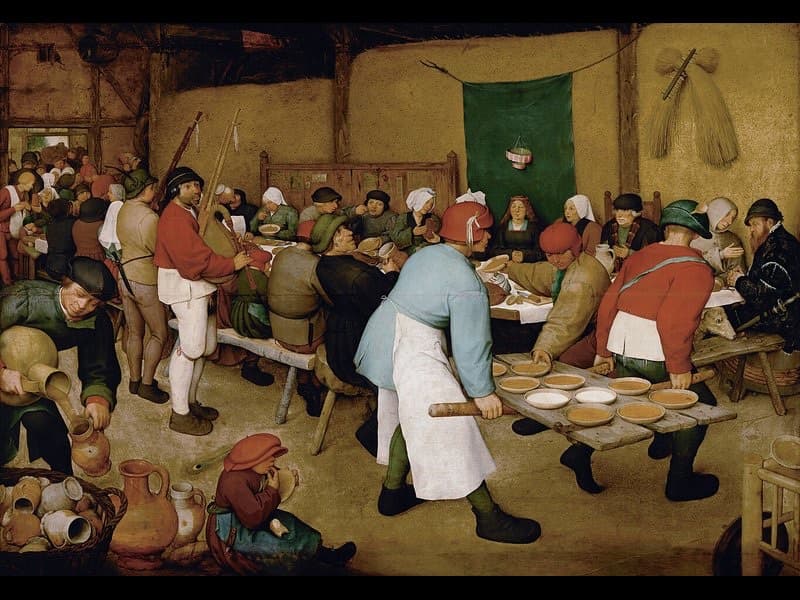
萃非徒聚也,乃眾之所以歸於一中;而此卦所問者,何以使其中足以受眾之歸。上兌下坤:水匯於窪,說聚於能受之地。卦辭甚密:「亨。王假有廟。利見大人。亨,利貞。用大牲吉。利有攸往。」廟者其神之軸,大人者其人之中,大牲者其物之費。三者缺一,聚而已矣,非萃也。 「用大牲」可與損卦相參:損之問曰「曷之用」,其答曰「二簋可用享」。二者非相違,乃一理而異其時:損所問者,方減之際何以為足;萃所問者,共守之約必費幾何而後可信於眾。人所不覺其費者,不足以約人。且一卦之中,二說並存:六二曰「孚乃利用禴」,王弼許之,以其「處於中正,而行以忠信,故可以省薄薦於鬼神」。所決者未嘗在其大小。王弼於大牲亦直言之:「聚道不全,而用大牲,神不福也。」 《象》繼以不虞之戒:「澤上於地,萃;君子以除戎器,戒不虞。」人聚則爭生,物聚則寇至。此卦不美其聚。 初六言其未定之狀:「有孚不終,乃亂乃萃」——散而復聚,聚而復散,終不能成其形。而其救甚捷:「若號一握為笑。」九五則立其中之驗:「萃有位,无咎匪孚,元永貞,悔亡。」所聚者非皆其誠,而中不以此易其守:以恆得之,不以悅取之。
彖辭
「王假有廟」——王來到宗廟。要把人聚集起來,需要精神的力量,也需要一個人作為中心。要能把別人聚起來,這個人自己先要收攏、凝聚。只有集體的道德力量才能統一天下。大統一的時代會留下大成就。「用大牲吉」——大祭品帶來好運,這是有所作為的時候。
象辭
「澤上於地,萃。」湖水聚集在地上,如果漲得太高,有決堤的危險。人聚在一起,紛爭會來;財物聚在一起,盜賊會來。所以要整備武器,防範意外。人的禍患往往來自沒有準備的事。準備好了,就能防住。
爻辭
第初爻
「有孚不終,乃亂乃萃。」真誠但不到底——時而混亂,時而聚合。你在一大群人裡面猶豫,被人影響,缺少一個堅定的中心。如果呼喊求助,領袖的一握手就能化解困頓。不要被帶歪了。跟緊那個對的人。
第二爻
「引吉,无咎。」讓自己被吸引過去,會好,沒有問題。不要隨便選擇。有隱秘的力量在牽引屬於彼此的人。順從這吸引力,就不會錯。內在有關係的地方,不需要太多形式。「孚乃利用禴」——真誠的話,簡單的祭品也夠了。
第三爻
「萃如嗟如,无攸利。」聚而嘆息,沒有好處。你想加入,但別人已經成了一個圈子,你被孤立了。找一個靠近中心的人結盟,讓他幫你進去。「小吝」——有點委屈,但不是錯。
第四爻
「大吉,无咎。」以君主的名義聚人,不為私利,無私地促成統一。工作會成功,一切都會到位。這是最好的位置。
第五爻
「萃有位,无咎。」有位置的人聚人,沒有問題。但有些人聚過來不是因為信任你,只是因為你有位置。「元永貞,悔亡」——要用持續的堅定和加倍的奉獻來贏得他們的信任。暗地裡的猜疑會慢慢消散。這需要時間。
第上爻
「齎咨涕洟,无咎。」哀嘆哭泣,淚流滿面,沒有問題。你想和另一個人結盟,但善意被誤解了。這是對的做法——你的悲傷也許會讓對方醒悟,痛苦地錯過的結盟終於達成。
焦氏易林
焦延壽《易林》——第45卦本卦之辭。西漢時期以四言詩闡釋卦變,為最早的系統性易學占辭集。
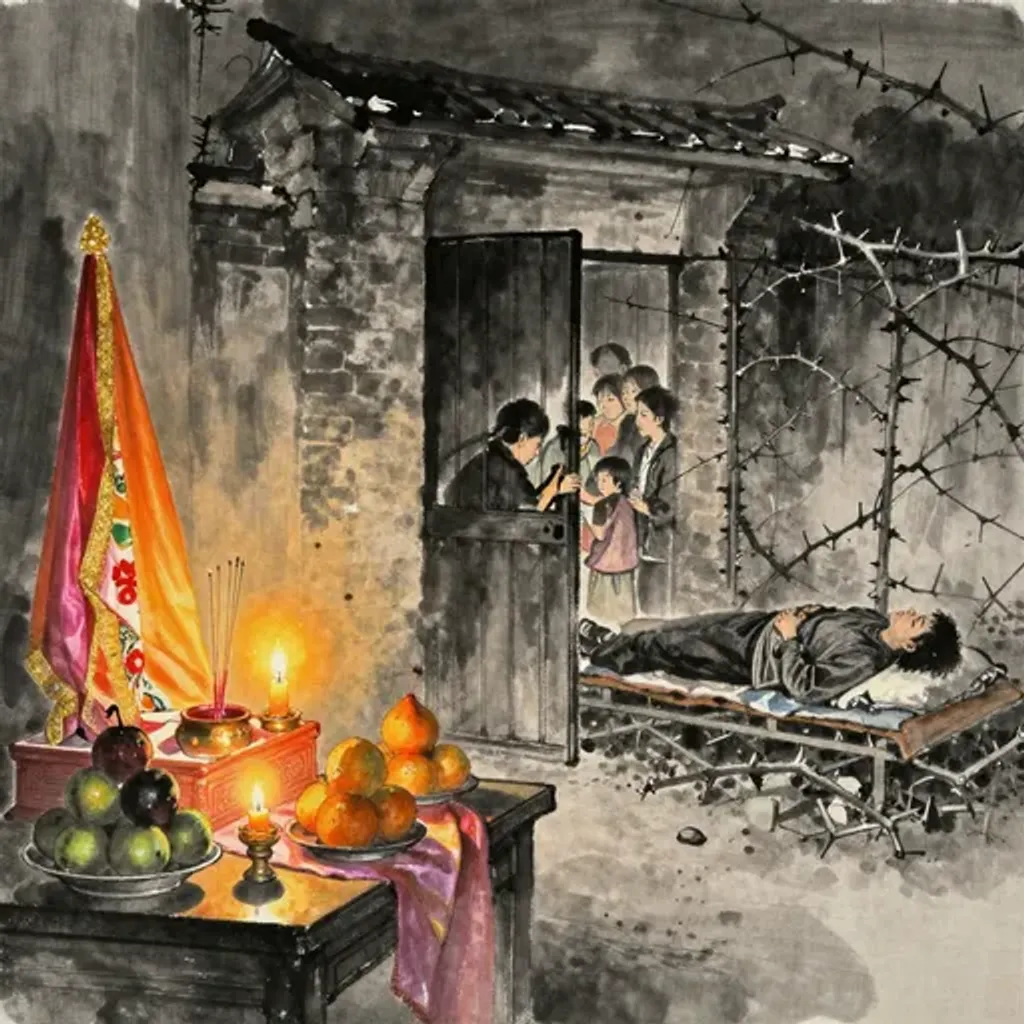
蒙慶受福有所獲得不利出城疾人困極
澤上於地,萃也,變而仍為萃。
閱讀完整註釋 ↓
澤上於地,萃也,變而仍為萃。蒙慶受福——承蒙恩澤,有所獲得。不利出城——出城則不利,城外有險。病人困棘——患者困於荊棘之中,動彈不得。詩意截然兩分:城內有福,城外有禍;聚合之處有庇護,離散之途有荊棘。病者之困境更深一層:疾病使人不得不留於原地,而原地之聚合漸成桎梏。從萃至萃,聚合凝固為靜止。社群能護其內而不能及其外,聚合之力不可輸出。需要離開者卻被困住,保護反成囚禁。
English commentary
Lake upon earth remains lake upon earth, Gathering unchanged. Blessed with grace and receiving fortune, there is something gained. But it is not favorable to leave the city walls; the sick person is trapped in thorns. The verse splits cleanly between inside and outside: within the gathered space, blessings arrive; beyond its walls, danger waits. The sick person's predicament intensifies this: illness pins one to a place even as the place itself becomes confining rather than protecting. From Gathering to itself, the transformation is stasis. The community sustains those within but cannot extend its protection beyond its own boundaries. What gathers here cannot be exported, and those who need to move find themselves held fast by the very forces that should help them.
此註釋依據較早的讀法撰寫。讀法既經更定,其詮釋未必仍適用於今所見之文。
《焦氏易林》,清乾隆間寫文淵閣四庫全書本。
國立故宮博物院 故庫017987–017990
第4冊,第12頁
據寫本原葉錄出
標點依寫本,不另加標點。
關於此讀法
據掃描原葉錄出。