Transformations of Hexagram 24
Every line of change out of Hexagram 24 復 Return, with the Yilin verse for each of the 64 resulting hexagrams, its translation, and the original ink brush artwork.
復 → 乾
Hexagram 24 → Hexagram 1: The Creative
Changing lines: 2, 3, 4, 5, 6
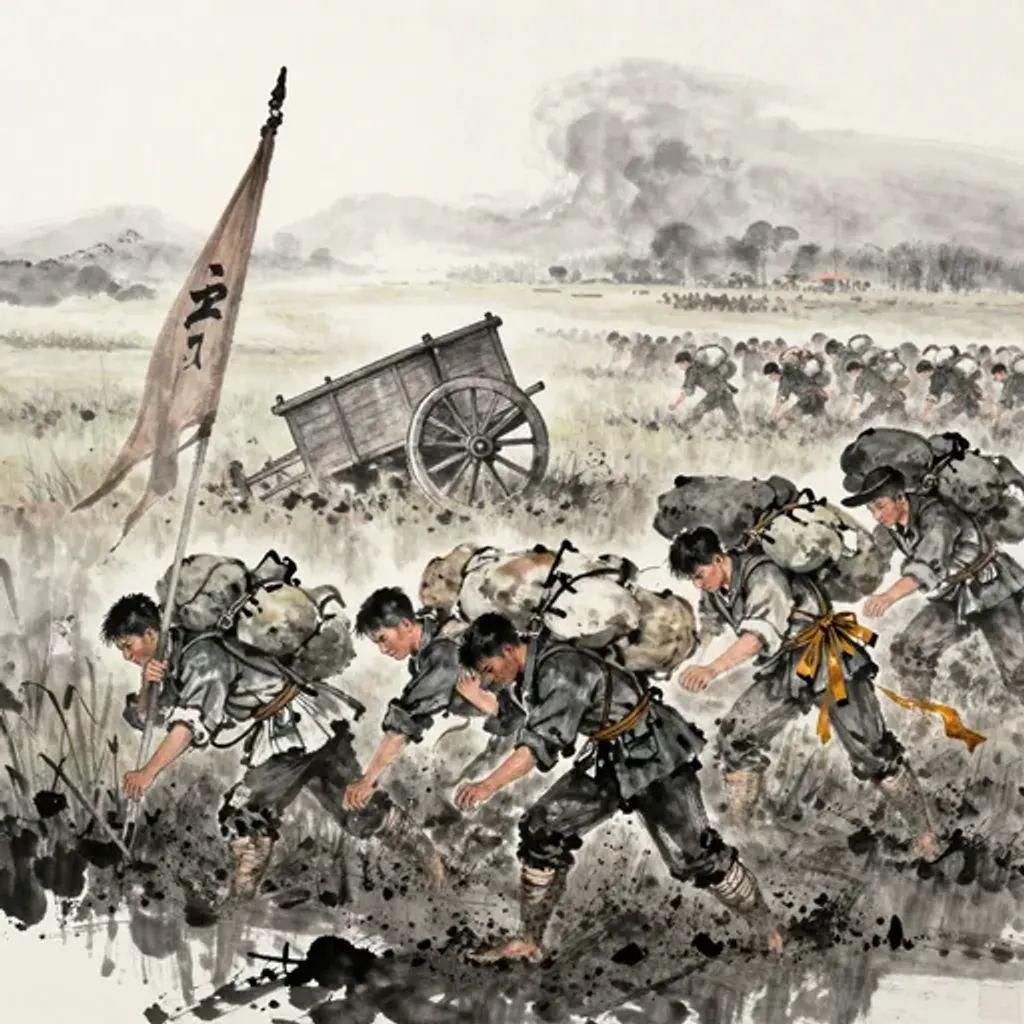
任重負力,東征不伏。陷泥履塗,雄師敗覆。
Bearing heavy loads with failing strength, the eastern campaign meets no submission. Mired in mud, treading through muck; the mighty army is routed and overturned.
— Jiao Yanshou, Yilin (Forest of Changes), 1st century BC
Commentary
Thunder stirs beneath the earth, the first yang returning — yet this return carries a burden too heavy for the road. An army marches east with overwhelming force, but strength alone cannot guarantee victory. Wagons sink into mud, boots churn through mire, and the proud host collapses in disarray. The verse evokes campaigns where logistical overreach undoes military ambition: supplies outstrip supply lines, and confidence curdles into catastrophe. From Return to the Creative, the transformation warns that heaven's self-generating power demands alignment, not mere exertion. The yang impulse returning must find its proper channel; raw force misdirected exhausts itself in the swamp.
復 → 坤
Hexagram 24 → Hexagram 2: The Receptive
Changing lines: 1
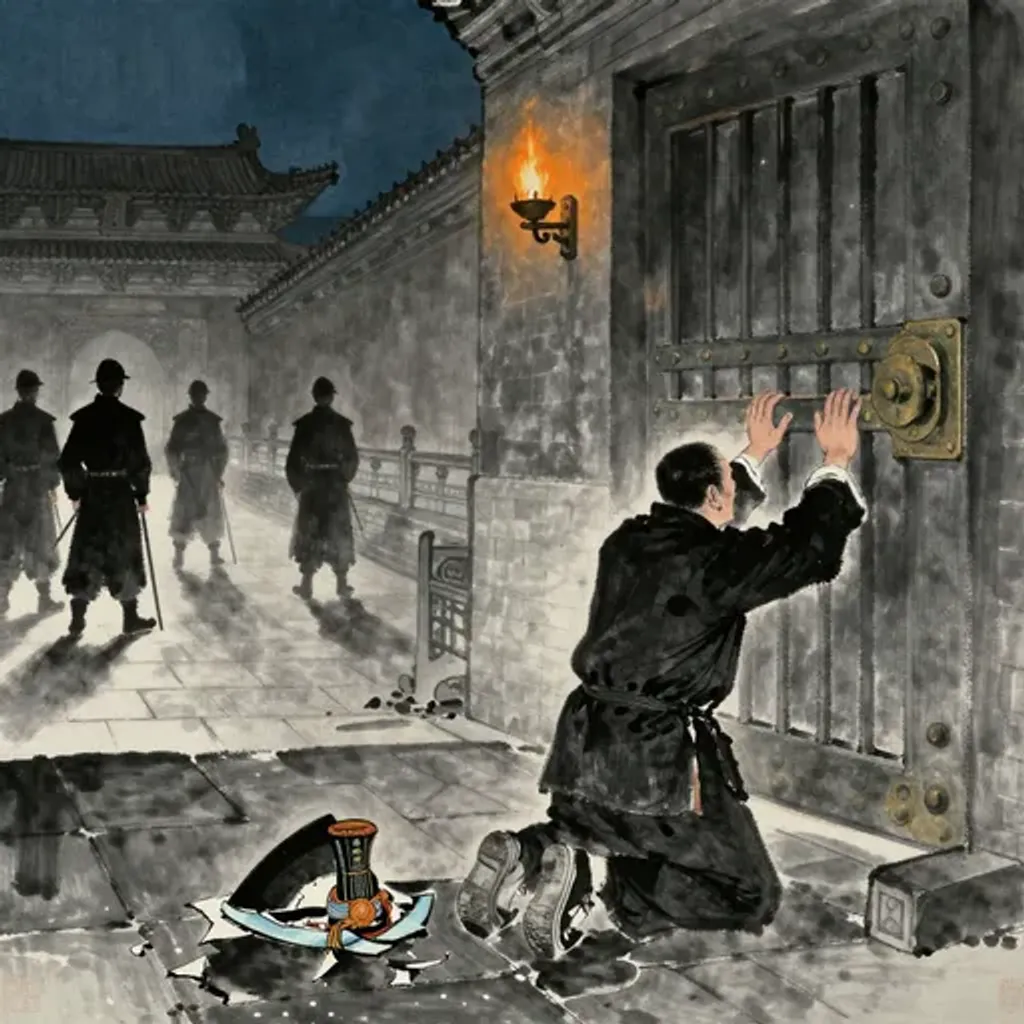
義不勝情,以欲自營。覬利危寵,折角摧頸。
Duty cannot overcome desire; one schemes for selfish gain. Coveting profit, courting precarious favor; horns broken, neck snapped.
— Jiao Yanshou, Yilin (Forest of Changes), 1st century BC
Commentary
Thunder stirs below the earth, but the returning impulse is corrupted from within. Duty yields to desire, and self-interest overwhelms principle. The figure covets dangerous favors, pursuing gain at the edge of ruin, until horns snap and the neck is broken — an image of the ambitious courtier who overreaches and is destroyed. The phrase 'breaking horns and crushing the neck' evokes an animal charging blindly until it destroys itself. From Return to the Receptive, the transformation demands yielding and devotion, yet this figure grasps at privilege instead. Where Earth's nature calls for humility and receptive service, self-seeking ambition meets a brutal end.
復 → 屯
Hexagram 24 → Hexagram 3: Difficulty at the Beginning
Changing lines: 5
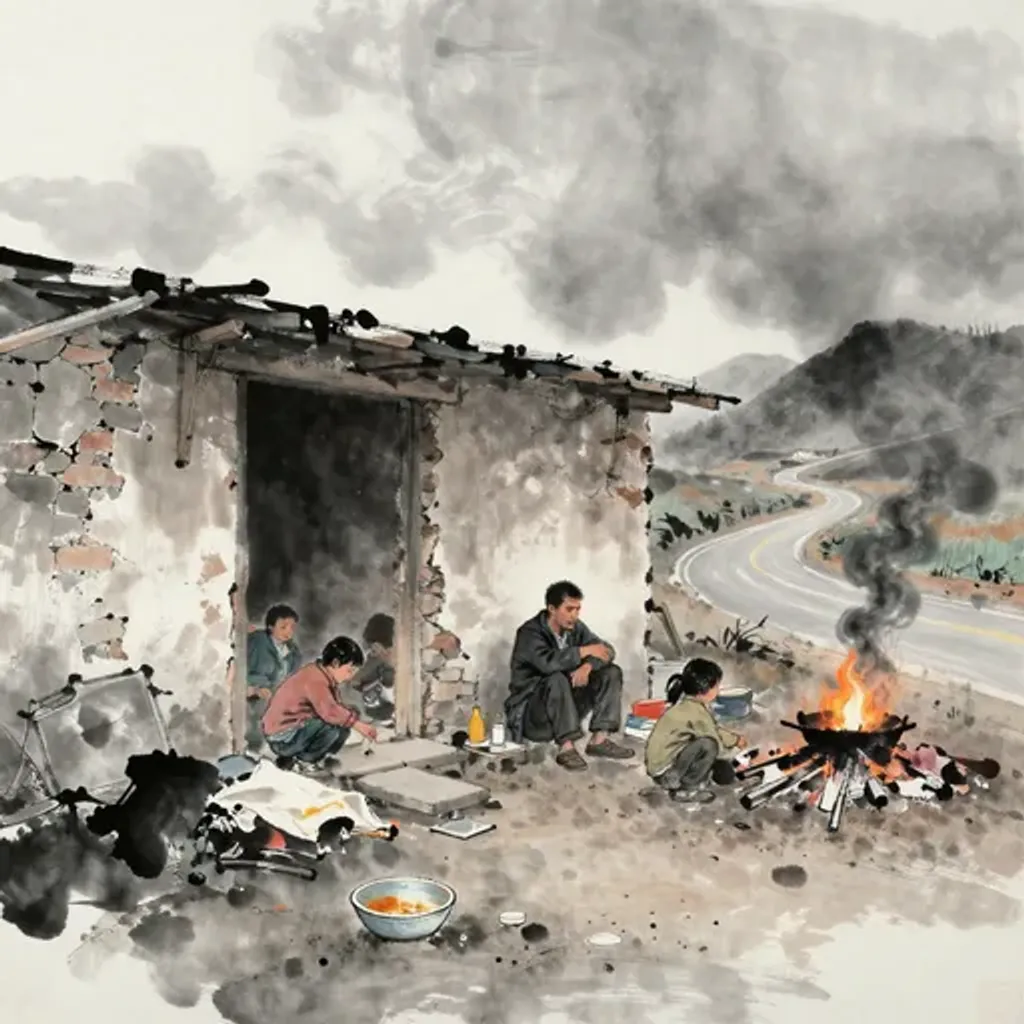
懸狟素飡,食非其任。失輿剝廬,休坐徙居,室家何憂。
Hanging idle, eating unearned food; feeding beyond one's station. Losing the cart, stripped of the roof; sitting idle, then moving house — what worry has the family?
— Jiao Yanshou, Yilin (Forest of Changes), 1st century BC
Commentary
Thunder returns beneath the earth, but this homecoming brings only destitution. A creature hangs suspended, eating food it has not earned — sustenance taken without rightful claim. The carriage is lost, the shelter stripped away, and one must sit idle before uprooting to a new dwelling. Yet the verse ends with a question rather than despair: 'What has the household to fear?' Amid displacement, the family bond persists. From Return to Difficulty at the Beginning, clouds and thunder gather as new roots must be planted in unfamiliar soil. The transformation captures the paradox of forced beginnings: loss of the old structure is precisely what makes genuine renewal possible, however painful the transition.
復 → 蒙
Hexagram 24 → Hexagram 4: Youthful Folly
Changing lines: 1, 2, 6
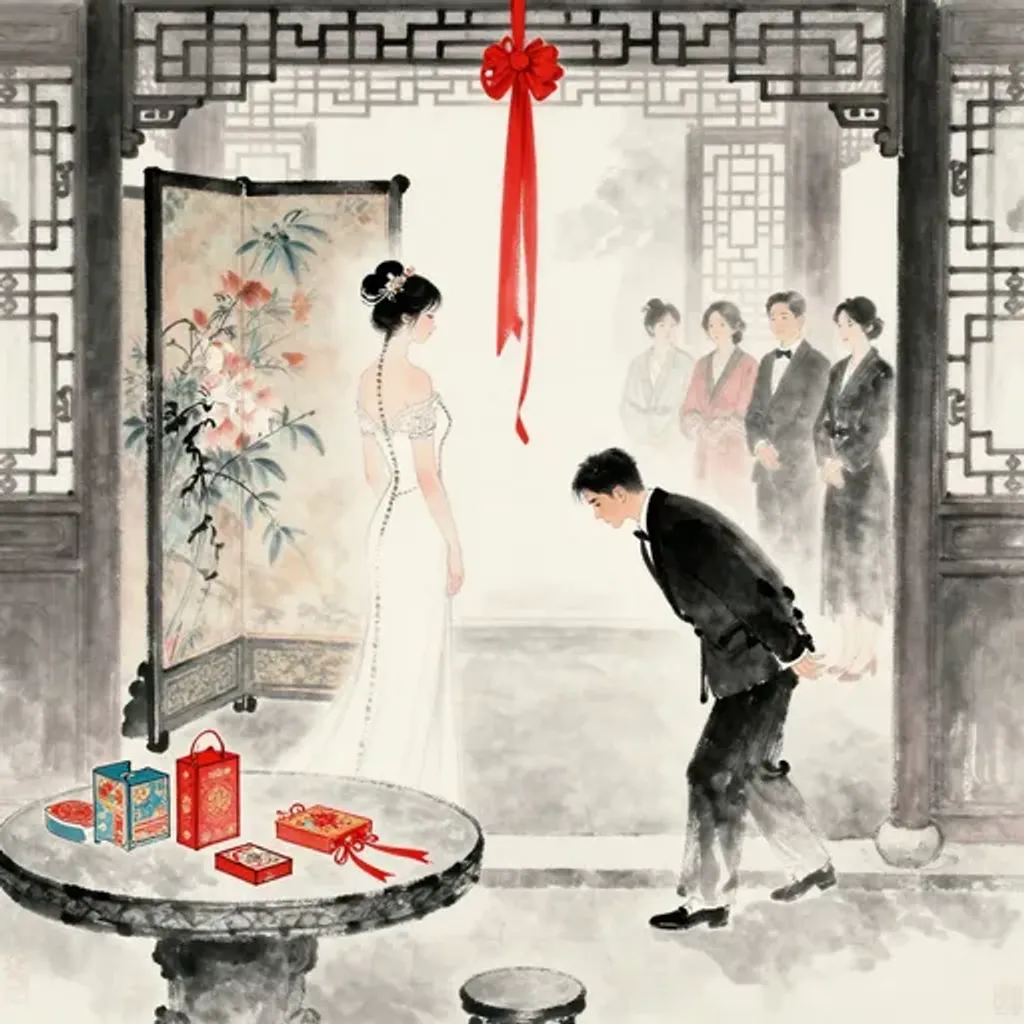
鷂鴟娶婦,深目窈身。折腰不媚,與伯相背。
The sparrowhawk takes a bride — deep-eyed, slender of form. She bends at the waist but will not flatter; she turns her back on her lord.
— Jiao Yanshou, Yilin (Forest of Changes), 1st century BC
Commentary
Thunder stirs below the earth as a hawk-owl takes a bride — deep-eyed and slender-waisted, striking but uncanny. She refuses to bow in flattery and turns her back on her lord. The imagery is deliberately unsettling: the raptor's marriage produces not harmony but estrangement, a match between creatures whose natures fundamentally clash. The bride's independence reads as defiance rather than virtue. From Return to Youthful Folly, mountain over water, the spring issues from beneath the mountain but cannot yet find its course. The transformation suggests that what appears as willful resistance may simply be immaturity — the young do not yet know how to align their nature with circumstance, and the teacher must meet stubbornness with patience, not force.
復 → 需
Hexagram 24 → Hexagram 5: Waiting
Changing lines: 2, 3, 5
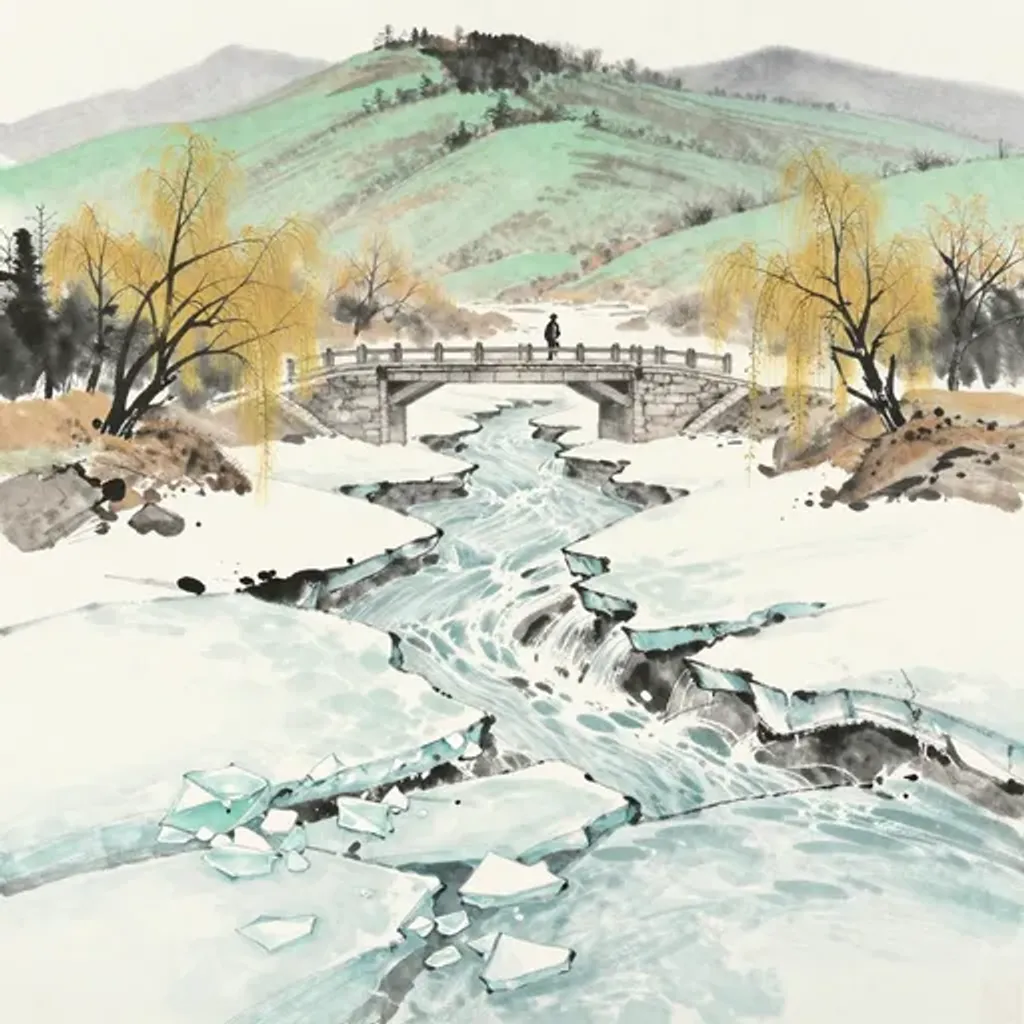
東風解凍,河川流通。西門子產,升擢有功。
The east wind thaws the ice; rivers flow freely again. Zi Chan at the Western Gate; promoted and achieving merit.
— Jiao Yanshou, Yilin (Forest of Changes), 1st century BC
Commentary
Thunder returns beneath the earth as the east wind dissolves winter's frost, and frozen rivers flow freely once more. The verse names Zi Chan at the western gate — the celebrated chief minister of Zheng (c. 543-522 BC) who reformed agriculture, codified law, and governed with pragmatic wisdom. His 'promotion with merit' signals a state revitalized by capable leadership. From Return to Waiting, clouds gather above heaven: patience is rewarded, and the season of nourishment arrives. As the east wind unlocks the frozen landscape, Zi Chan's governance unlocks a state's potential. The transformation from dormant thunder to clouds promising rain mirrors the shift from stagnation to well-timed abundance.
復 → 訟
Hexagram 24 → Hexagram 6: Conflict
Changing lines: 1, 2, 4, 5, 6
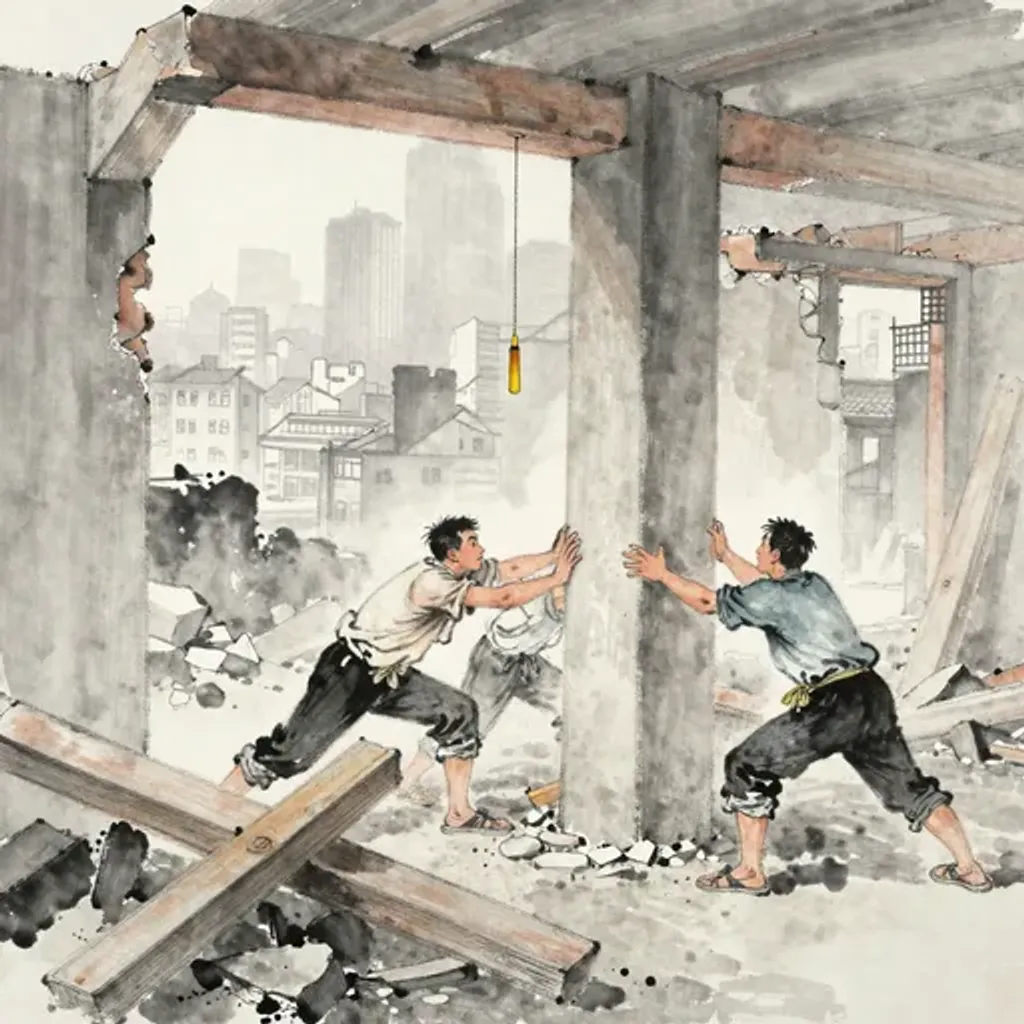
三足俱行,傾危善僵。六指不便,恩累弟兄。樹柱關中,失其正當。
A three-legged creature walks together; prone to tipping and stumbling. Six fingers are no advantage; grace burdens the brothers. Setting a pillar within the pass; it loses its proper alignment.
— Jiao Yanshou, Yilin (Forest of Changes), 1st century BC
Commentary
Thunder returns below the earth, but the returning order is deformed. A three-legged creature walks with a lurching gait, prone to collapse; a six-fingered hand grasps clumsily, its extra digit more burden than advantage. These deformities extend to the body politic: excessive bonds between brothers become encumbrances rather than support, and a pillar set up in the heartland misses its proper position. Everything is slightly wrong — supernumerary, off-center, overbuilt. From Return to Conflict, heaven and water move in contrary directions. The transformation warns that structural imbalance breeds contention: what should stabilize instead destabilizes, and what should support instead obstructs.
復 → 師
Hexagram 24 → Hexagram 7: The Army
Changing lines: 1, 2
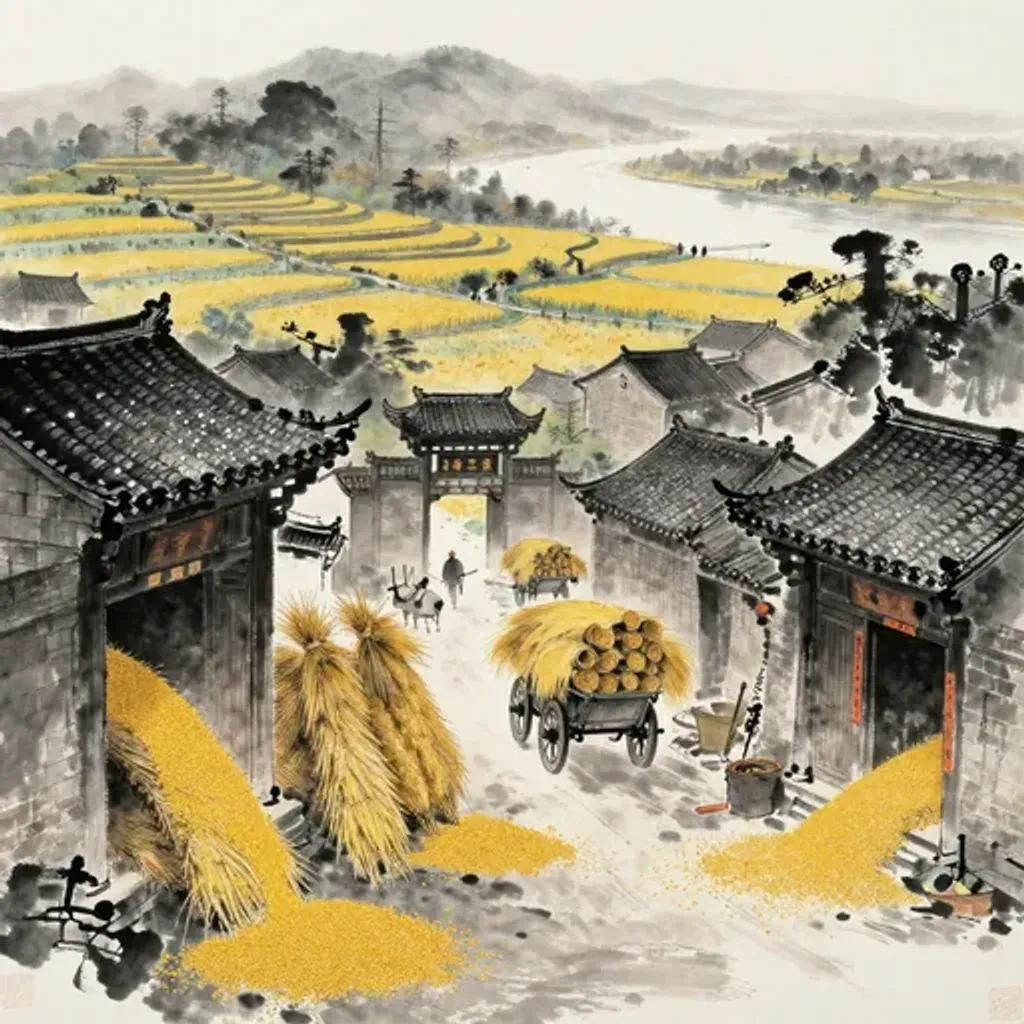
京庾積倉,黍稷以興。已極行疾,至以饜飽。
The capital granaries are heaped and stored; millet and grain flourish. At their fullest, travel swiftly; arrive well sated and full.
— Jiao Yanshou, Yilin (Forest of Changes), 1st century BC
Commentary
Thunder returns beneath the earth as the capital's granaries overflow with grain. Millet and rice pile high, sustaining the state from its reserves. The verse conveys urgency — supplies are dispatched at speed to reach those in need, and hunger is sated. This is the image of a well-provisioned army or a state deploying its stores to feed the people during crisis. From Return to The Army, earth above water: the disciplined mass concealed within the land, nourished and ready. The transformation captures how stored abundance becomes organized power — the returning yang is not mere potential but the foundation of collective mobilization, grain converted into the sinews of a functioning state.
復 → 比
Hexagram 24 → Hexagram 8: Holding Together
Changing lines: 1, 5
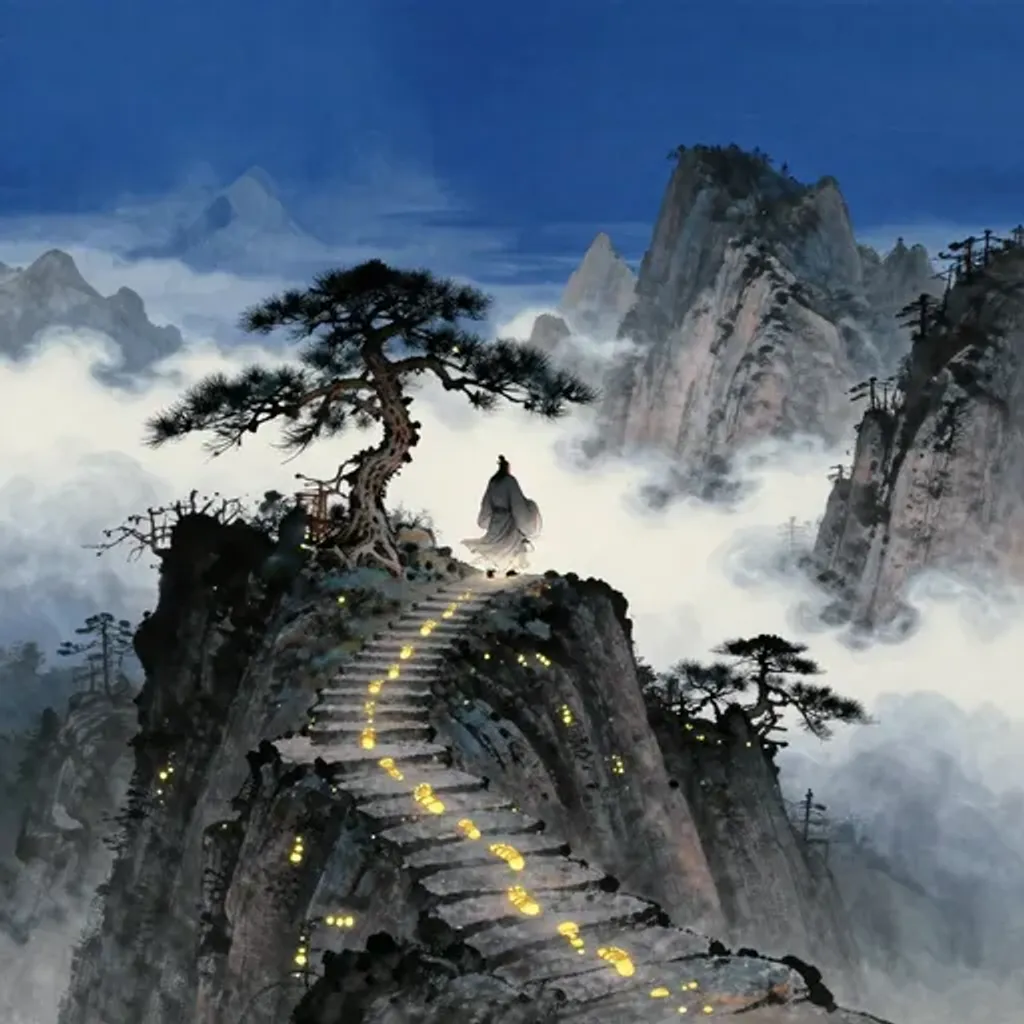
南山之跡,真人所遊。德配唐虞,天命為子。保佑歆享,身受大慶。
The footprints of the Southern Mountain; where the true man wanders. His virtue matches Yao and Shun; heaven's mandate makes him son. Blessed and favored, receiving offerings; his person receives great celebration.
— Jiao Yanshou, Yilin (Forest of Changes), 1st century BC
Commentary
Thunder returns beneath the earth as an immortal walks the southern mountains. The verse ascends through layers of blessing: footsteps on sacred peaks, virtue rivaling the sage-kings Yao and Shun, heaven's mandate bestowed as upon a chosen son, divine protection and joyful offerings, culminating in supreme felicity. This is the language of Han court panegyric — praise for a ruler whose virtue aligns with the primordial sages. From Return to Holding Together, water rests upon the earth as the ancient kings established their states and bound the feudal lords in allegiance. The transformation from solitary thunder returning to communal water uniting reveals how personal virtue radiates outward into political cohesion.
復 → 小畜
Hexagram 24 → Hexagram 9: Small Taming
Changing lines: 2, 3, 5, 6
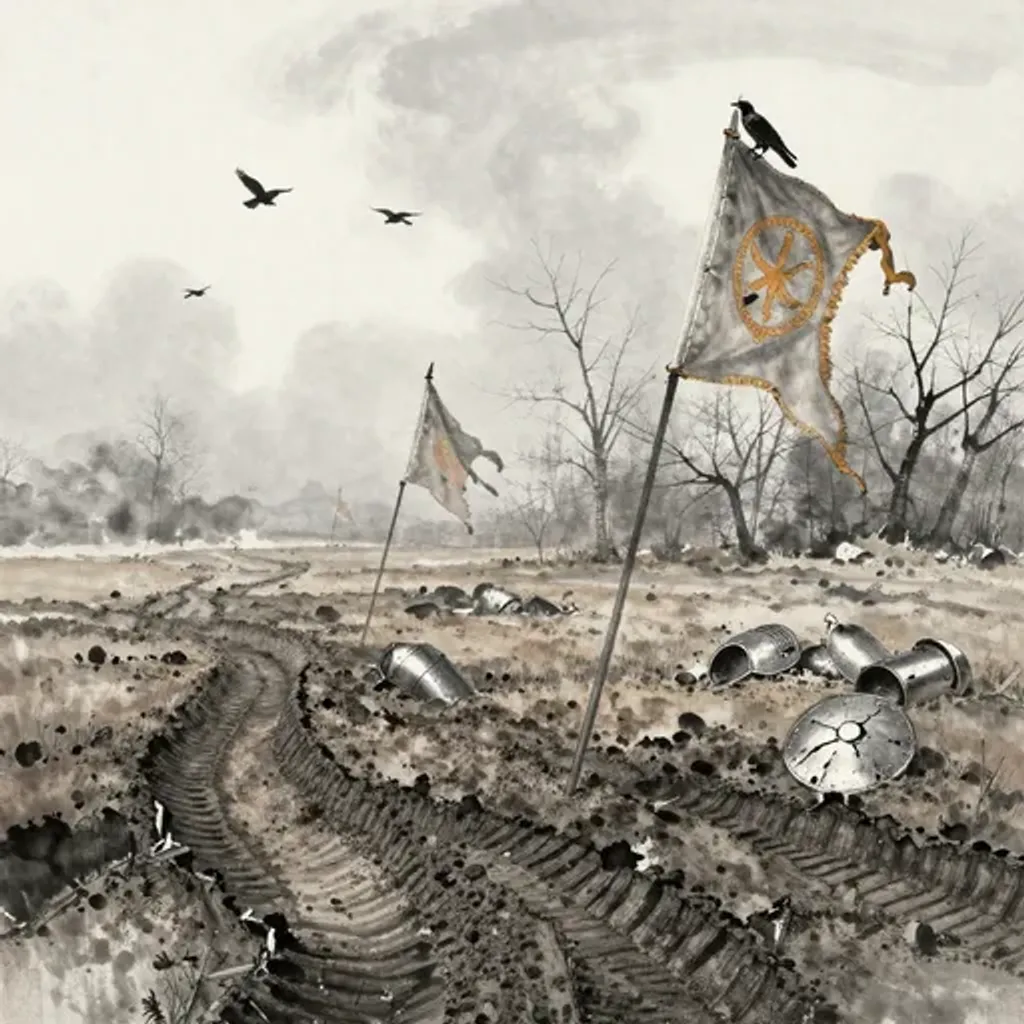
車馳人趍,卷甲相仇。齊魯寇戰,敗於犬丘。
Battle flags stuck upside-down in mud; chariot ruts deep as ditches. Broken armor lies abandoned by the road — returning crows peck without cease.
— Jiao Yanshou, Yilin (Forest of Changes), 1st century BC
Commentary
Thunder returns beneath the earth, but the original verse tells of chariots racing and men running, rolling up armor in mutual hostility. Qi and Lu clash in battle, and defeat comes at Quanqiu. This is interstate warfare at its rawest: two neighboring states collide, and one side is routed at a place whose very name — Dog Hill — suggests the ignoble nature of the engagement. From Return to Small Taming, wind rides above heaven, gently restraining the creative force. The transformation suggests that what erupts as unchecked aggression between rivals might have been contained by patient, modest cultivation. Where brute return meets gentle taming, the wind's soft touch succeeds where armor failed.
復 → 履
Hexagram 24 → Hexagram 10: Treading
Changing lines: 2, 4, 5, 6
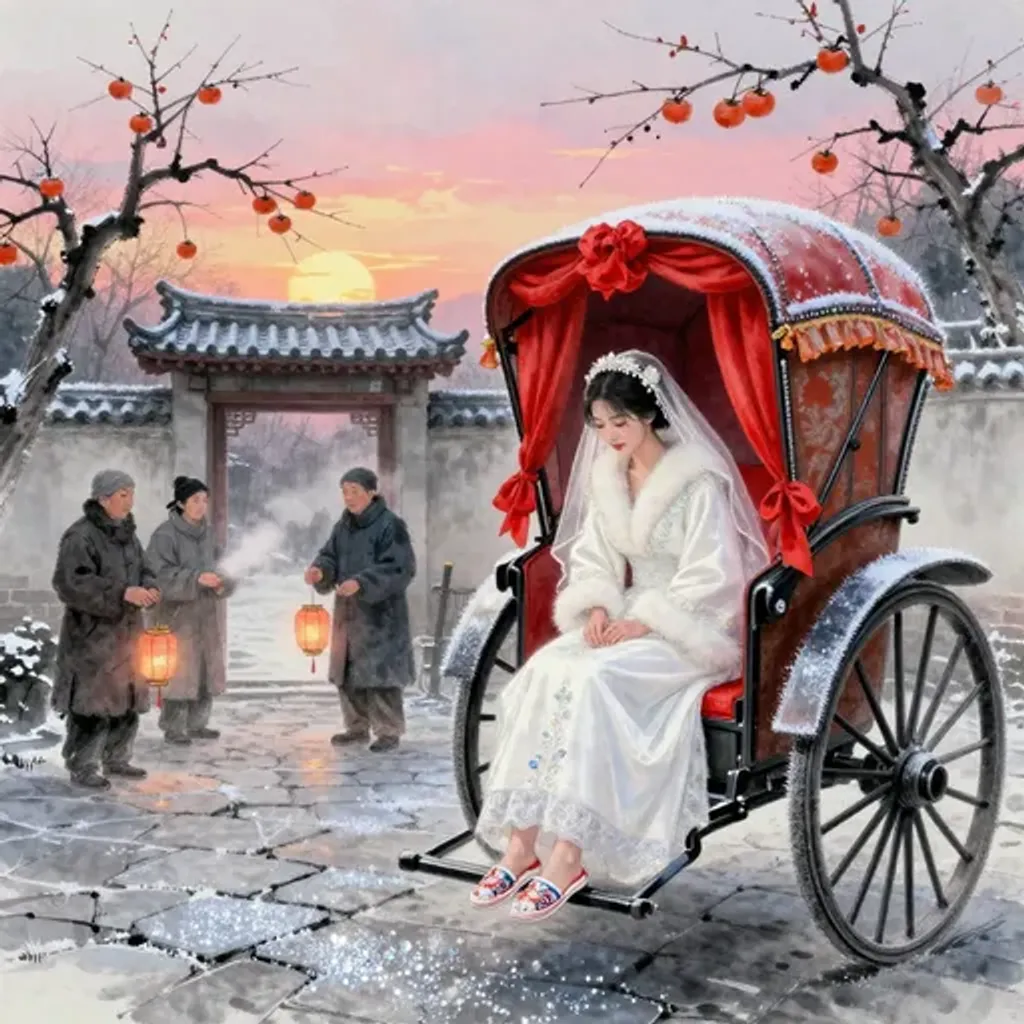
十五許室,柔順有德。霜降既嫁,文以為合。先王日至,不利出域。
At fifteen she is betrothed; gentle and virtuous. When frost falls she is wed; propriety seals the match. The former king's day arrives; it is not auspicious to venture abroad.
— Jiao Yanshou, Yilin (Forest of Changes), 1st century BC
Commentary
Thunder returns beneath the earth as a maiden of fifteen is promised in marriage. She is gentle and virtuous, wedded after the Frost Descent — the season when autumn solidifies into early winter. 'Pattern makes the match' suggests propriety and ritual correctness govern the union. The verse then invokes the ancient kings' solstice observance: on the day of return, gates close and travelers cease their journeys, for the nascent yang must be protected. From Return to Treading, heaven above lake, one treads carefully upon the tail of the tiger. The transformation connects marriage rites to cosmic caution: at moments of tender beginning — a bride's first steps, the yang's first stirring — correct form and careful conduct determine whether the passage succeeds.
復 → 泰
Hexagram 24 → Hexagram 11: Peace
Changing lines: 2, 3
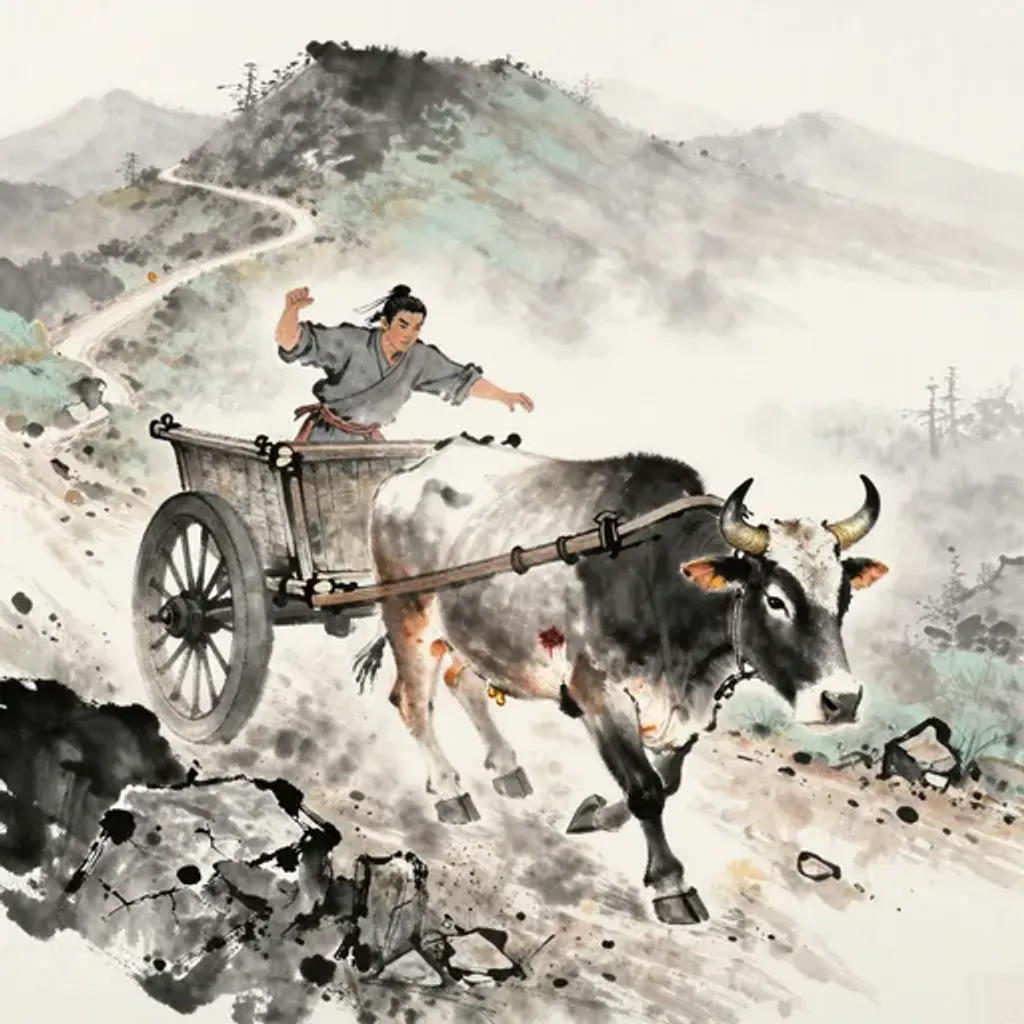
任力劣薄,遠托邦國。轉車不彊,為癰所傷。
Strength meager and feeble; entrusted far to a foreign land. The cart cannot turn; wounded by an abscess.
— Jiao Yanshou, Yilin (Forest of Changes), 1st century BC
Commentary
Thunder returns beneath the earth, but the bearer's strength is meager and thin. Forced to seek refuge in a distant state, the exile's wagon cannot even turn properly, and an abscess festers from the hardship of the road. This is the plight of the displaced minister or refugee — strength insufficient for the burden, far from home, body failing under duress. From Return to Peace, heaven and earth exchange their energies in harmonious communion. The bitter irony lies in the gap between the promise of peace and the reality of exhaustion: the returning impulse exists, but the vessel carrying it is too weak to deliver. Even the gentlest destination cannot be reached if the traveler breaks down en route.
復 → 否
Hexagram 24 → Hexagram 12: Standstill
Changing lines: 1, 4, 5, 6
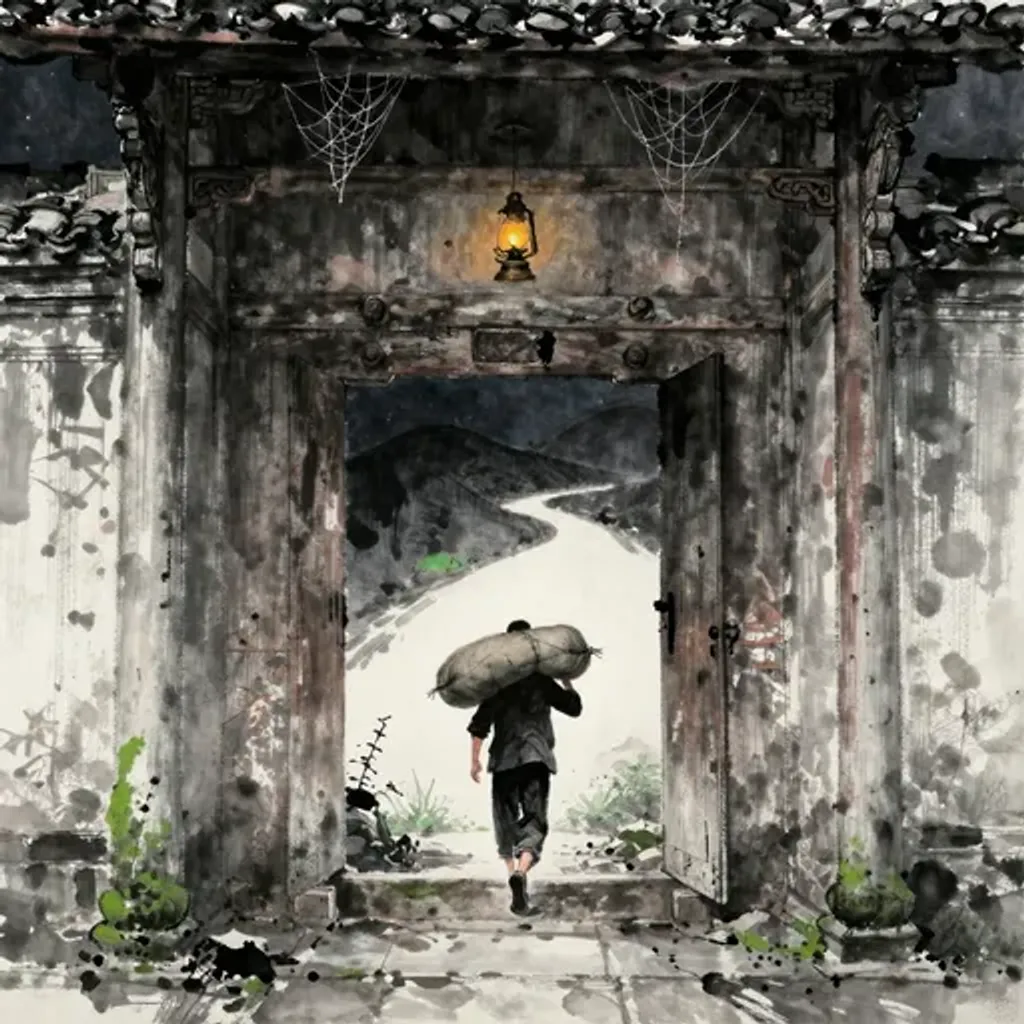
千歲舊室,將有困急。荷糧負囊,出門直北。
An ancient house of a thousand years; soon to face dire straits. Shouldering provisions, carrying a sack; out the gate, heading due north.
— Jiao Yanshou, Yilin (Forest of Changes), 1st century BC
Commentary
Thunder stirs below the earth, but the ancient household of a thousand years faces sudden crisis. The dweller shoulders provisions and slings a bag, stepping out the gate to head due north — the direction of flight and exile in classical geography. The image is stark: a lineage that has endured for generations is uprooted in a single emergency, reduced to a refugee carrying grain. From Return to Standstill, heaven and earth cease their communication, and the gentleman withdraws to preserve his virtue. The transformation captures the moment when return becomes impossible and survival demands departure. What was built over centuries dissolves, and the only return possible is internal — carrying one's integrity northward into the unknown.
復 → 同人
Hexagram 24 → Hexagram 13: Fellowship
Changing lines: 3, 4, 5, 6
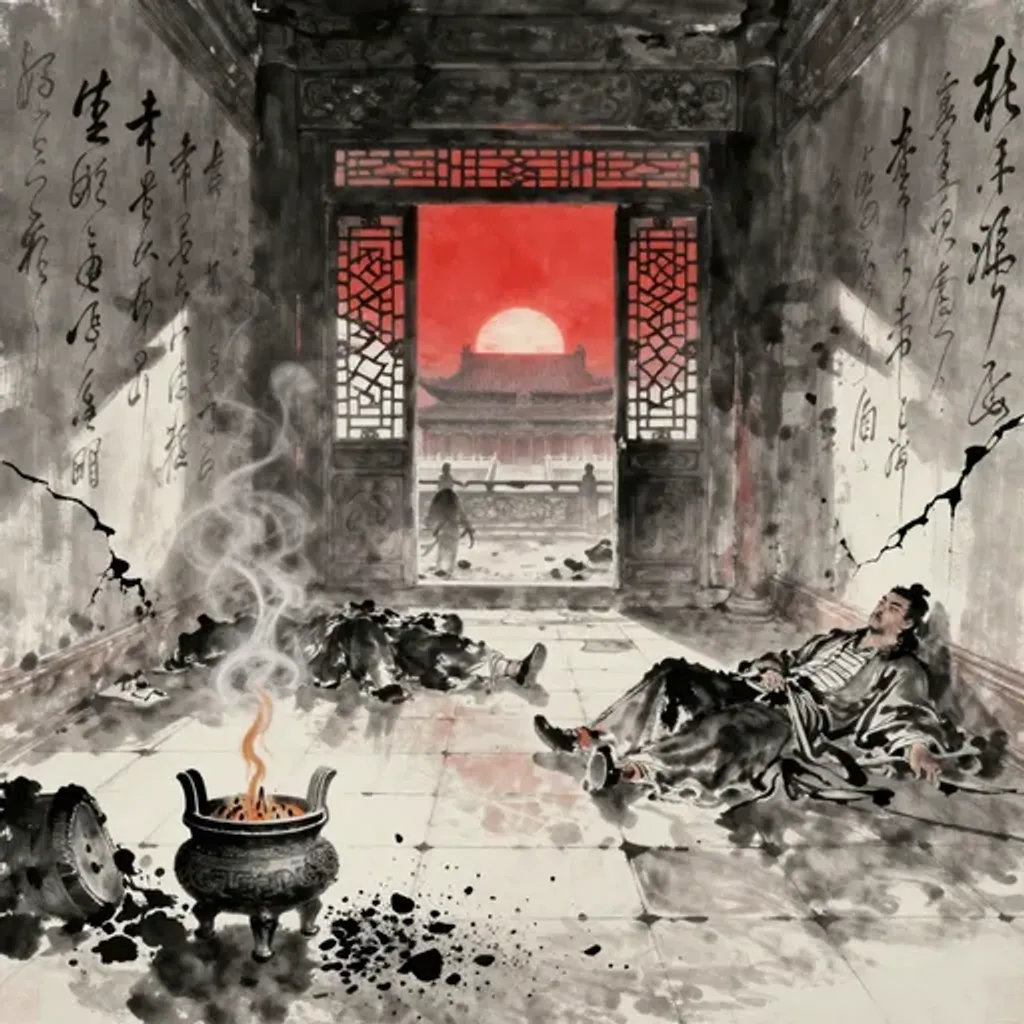
惡災殆盈,日益彰明。禍不可救,三郤夷傷。
Evil and calamity brim to the full; daily growing more manifest. Disaster cannot be undone; the three Xi are cut down and slain.
— Jiao Yanshou, Yilin (Forest of Changes), 1st century BC
Commentary
Thunder returns beneath the earth, but what returns is calamity. Misfortune brims to overflowing and grows more visible with each passing day. The disaster cannot be averted, and the Three Xi are cut down. The Three Xi — Xi Ke, Xi Chou, and Xi Zhi — were powerful ministers of the state of Jin whose combined influence rivaled the ducal house itself. According to tradition, Duke Li of Jin, unable to tolerate their dominance, orchestrated their assassination around 573 BC. From Return to Fellowship, heaven and fire blaze together as like gathers with like. The transformation darkens this fellowship: when evil accumulates among those who band together, their very solidarity accelerates their collective destruction.
復 → 大有
Hexagram 24 → Hexagram 14: Great Possession
Changing lines: 2, 3, 4, 6
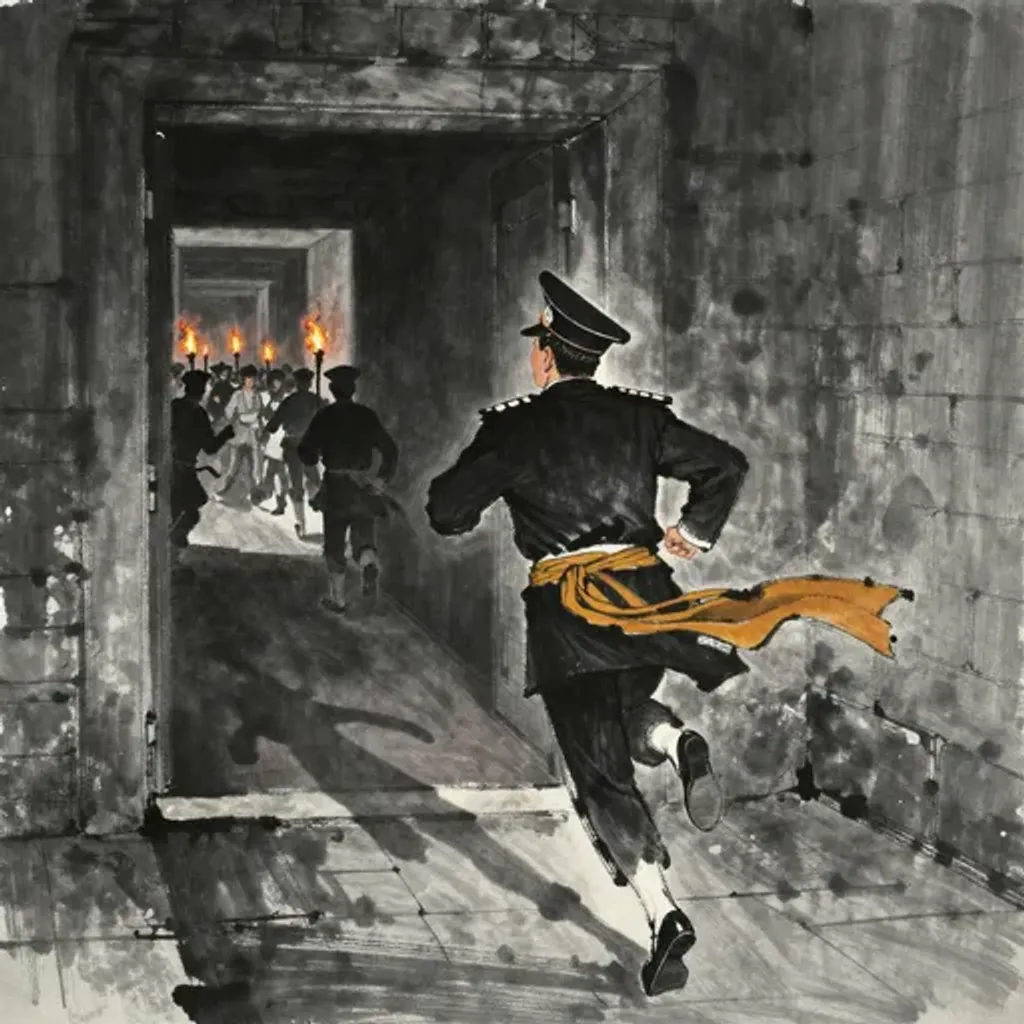
冠危戴患,身驚不安。與福馳逐,凶來入門。
The cap teeters, bearing calamity; the body trembles, finding no peace. Chasing after fortune in vain; misfortune enters through the gate.
— Jiao Yanshou, Yilin (Forest of Changes), 1st century BC
Commentary
Thunder returns beneath the earth, but the returning figure wears his cap askew and bears disaster on his head. Body trembling, spirit restless, he races after blessings that recede before him while misfortune enters through the gate uninvited. The imagery inverts the auspicious return: instead of the yang line bringing renewal, it brings anxiety dressed as ambition. The one who chases fortune only hastens calamity's arrival. From Return to Great Possession, fire blazes above heaven — supreme abundance. Yet the verse warns that possession without composure becomes its own torment. The transformation reveals that grasping at prosperity from a position of inner panic repels the very fortune one seeks.
復 → 謙
Hexagram 24 → Hexagram 15: Modesty
Changing lines: 1, 3
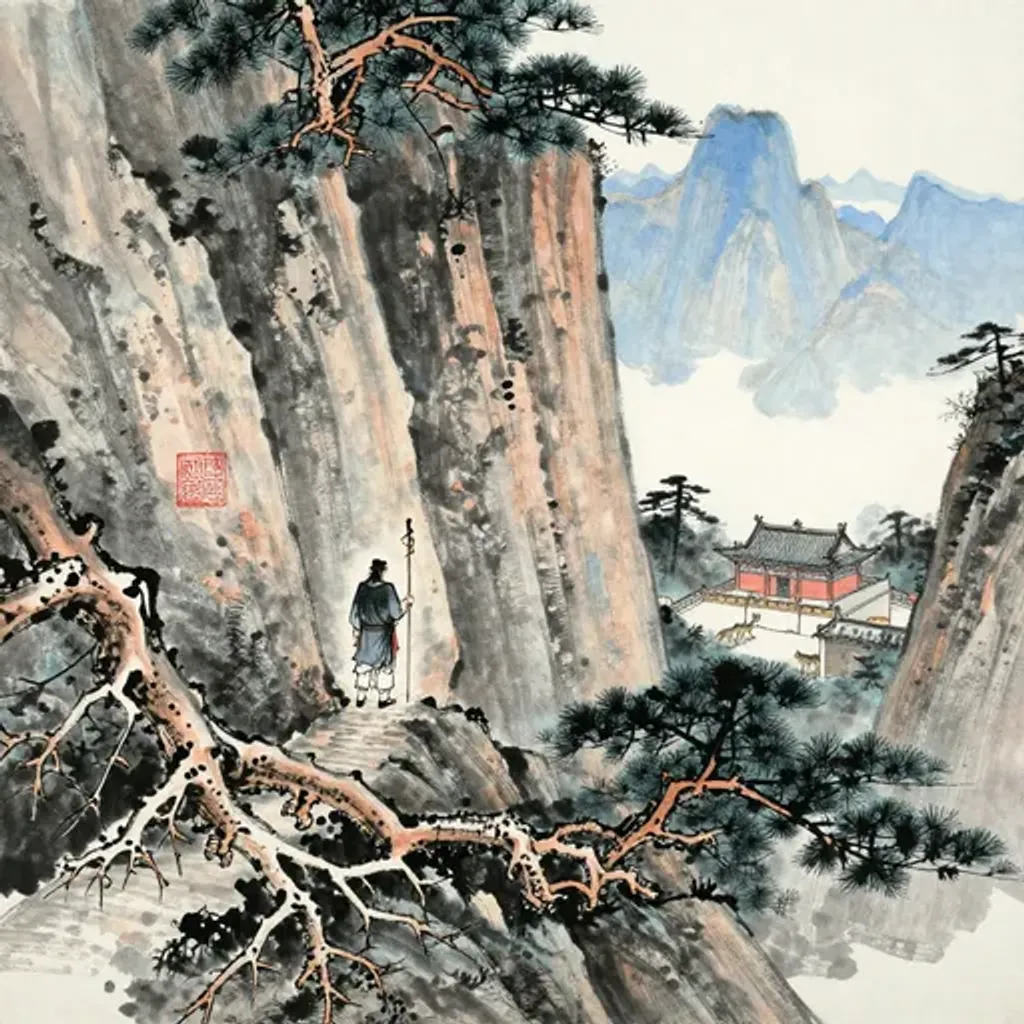
虎狼並處,不可以仕。忠謀轉政,禍必及己。退隱深山,身乃不殆。
Dwelling among tigers and wolves; one must not serve. Loyal counsel turns the court; disaster will surely reach oneself. Retreat and hide in the deep mountains; only then is one safe from peril.
— Jiao Yanshou, Yilin (Forest of Changes), 1st century BC
Commentary
Thunder returns beneath the earth, but the landscape above bristles with predators. Tigers and wolves share the same ground — this is no place to serve in office. Loyal counsel only redirects the storm toward oneself, and the faithful minister's stratagems bring disaster upon his own head. The only safety lies in withdrawing deep into the mountains, where the body escapes danger. This is the perennial wisdom of the Chinese recluse tradition: when the court is a den of beasts, retirement is not cowardice but survival. From Return to Modesty, the mountain hidden within the earth, the great made low. The transformation affirms the retreat: true return in a corrupt age means descending into humility, letting the mountain sink beneath the surface.
復 → 豫
Hexagram 24 → Hexagram 16: Enthusiasm
Changing lines: 1, 4
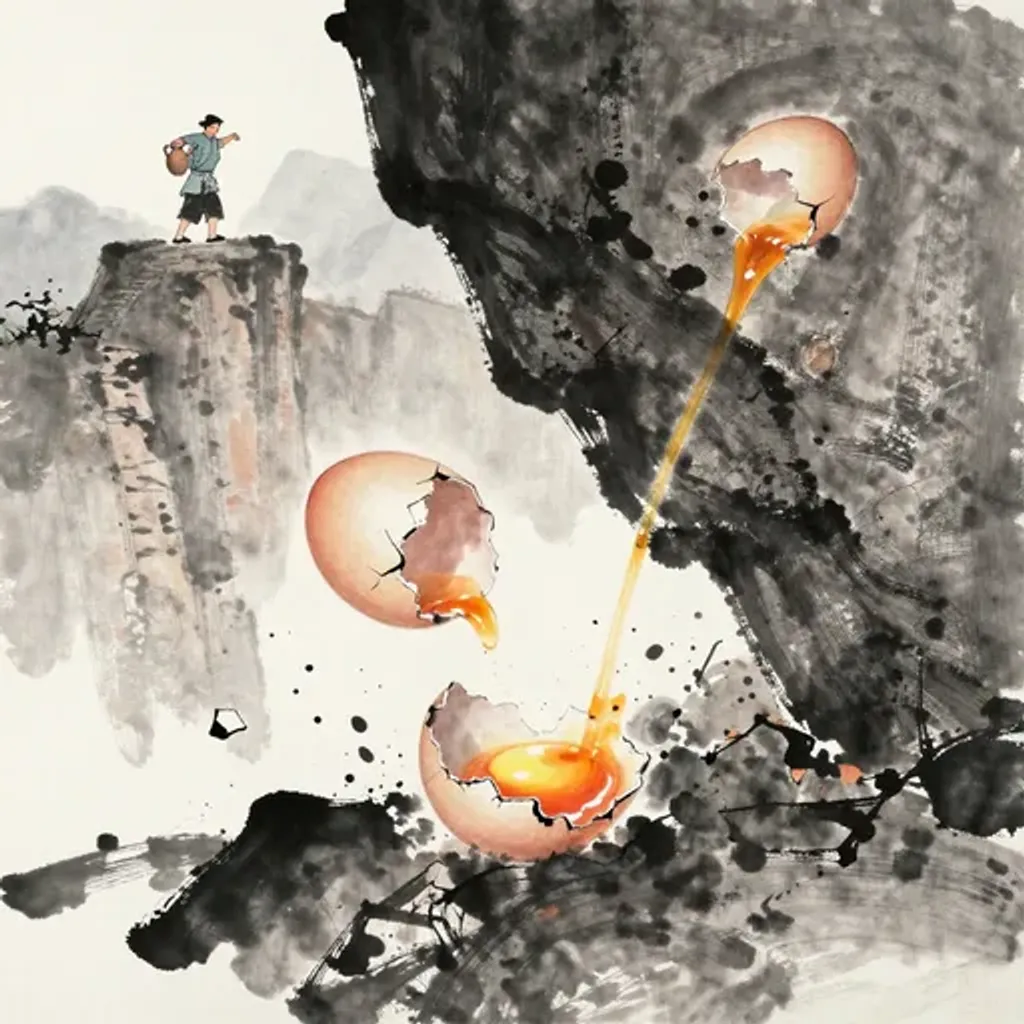
卵與石鬭,麋碎無處。挈瓶之使,不為憂懼。
An egg battles a stone; smashed to bits, nothing left. A humble water-bearer on a mission; he does not worry or fear.
— Jiao Yanshou, Yilin (Forest of Changes), 1st century BC
Commentary
Thunder returns beneath the earth as an egg fights a stone — smashed to nothing, no fragment left. The idiom 'egg against stone' is among the most ancient images of futile contest: the weak challenging the overwhelmingly strong can only end in annihilation. Yet the verse pivots with a curious calm: 'The envoy carrying a water jug feels no fear.' This alludes to the humble functionary who, precisely because he carries nothing of value, passes through danger unscathed. From Return to Enthusiasm, thunder erupts above the earth in joyful release. The transformation suggests that what shatters the ambitious emboldens the modest — those who carry only what they need move through upheaval untroubled.
復 → 隨
Hexagram 24 → Hexagram 17: Following
Changing lines: 4, 5
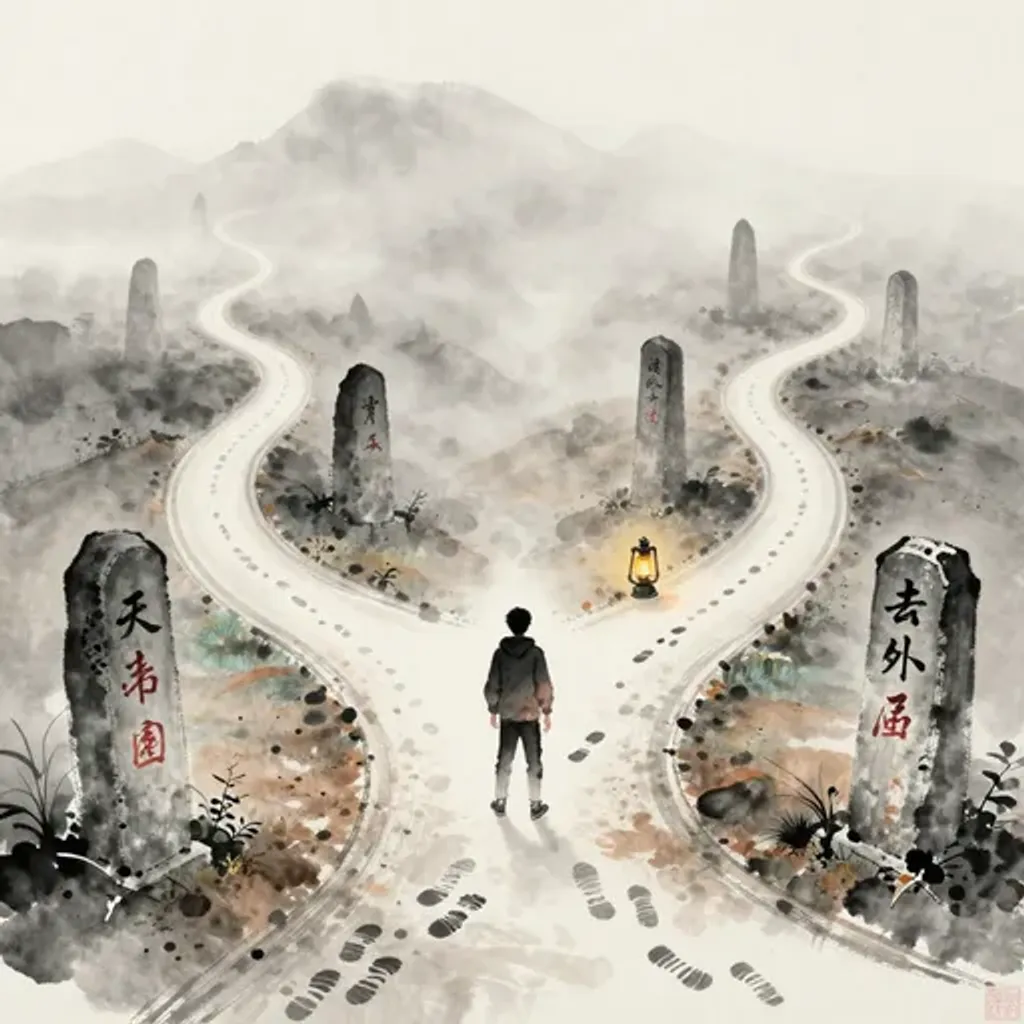
五心六意,岐道多怪。非君本志,生我恨悔。
Five hearts, six minds; the forking road is full of strangeness. This is not your true intent; it breeds only hate and regret.
— Jiao Yanshou, Yilin (Forest of Changes), 1st century BC
Commentary
Thunder returns beneath the earth, but the mind is fractured. Five hearts and six intentions pull in every direction at once; the forking road is full of strange sights that distract and disorient. None of this was the original plan — it breeds only regret and resentment. The verse captures paralysis by indecision: too many options dissolving into none, the traveler frozen at the crossroads. From Return to Following, lake above thunder, the yielding follows the arousing. The transformation diagnoses the problem: return requires a single direction, but following every impulse at once means following nothing. The remedy lies in choosing one path and yielding to its logic, accepting that commitment costs the roads not taken.
復 → 蠱
Hexagram 24 → Hexagram 18: Work on the Decayed
Changing lines: 1, 2, 3, 6
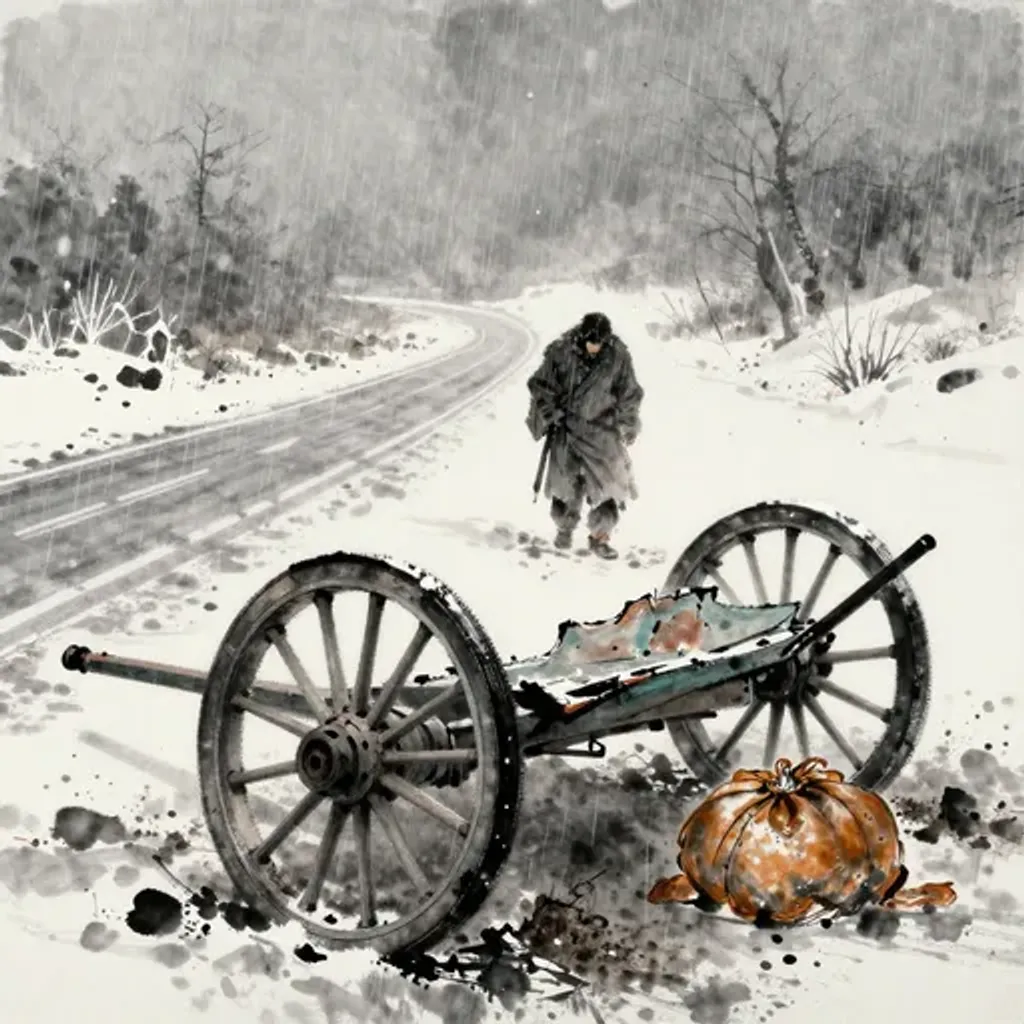
雨雪載塗,東行破車。旅人無家,利益咨嗟。
Rain and snow coat the road; traveling east, the cart breaks down. The wanderer has no home; profit comes only in sighs.
— Jiao Yanshou, Yilin (Forest of Changes), 1st century BC
Commentary
Thunder returns beneath the earth, but snow and rain choke the road to mud. The eastbound wagon breaks down, and the traveler has no home to return to — only sighs of bitter loss. This verse is a compact portrait of the displaced: weather hostile, vehicle failed, destination unreachable, and profit turned to lamentation. The phrase 'rain and snow fill the road' echoes the Shijing's imagery of soldiers trudging through winter campaigns. From Return to Work on the Decayed, wind stirs beneath the mountain, corruption exposed for repair. The transformation reframes displacement as diagnosis: the broken wagon reveals what was already rotten in the structure, and only by confronting decay can genuine restoration begin.
復 → 臨
Hexagram 24 → Hexagram 19: Approach
Changing lines: 2
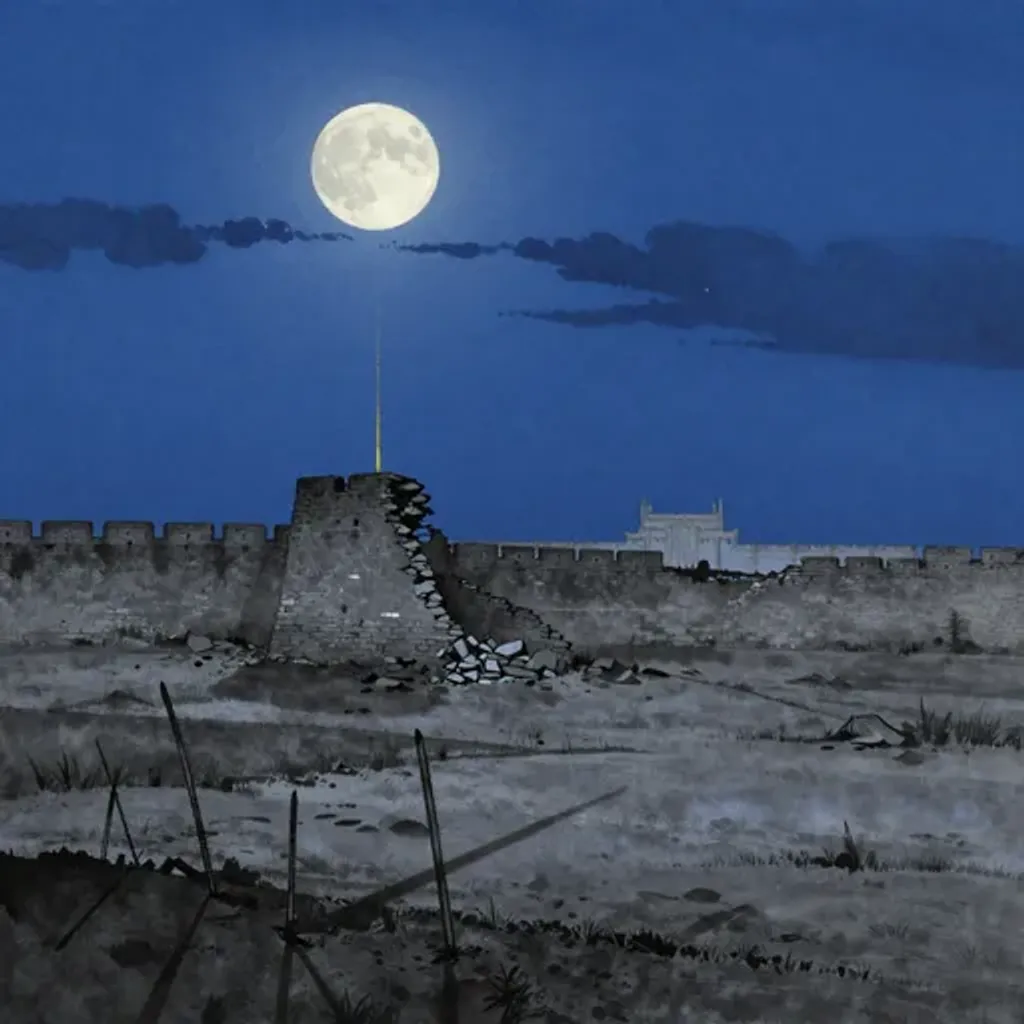
尚刑懷義,月出平地。國亂天常,咎徵滅亡。
Exalting punishment, cherishing righteousness; the moon rises from level ground. The state defies heaven's constant way; omens of blame foretell its ruin.
— Jiao Yanshou, Yilin (Forest of Changes), 1st century BC
Commentary
Thunder returns beneath the earth as punishment upholds justice and the moon rises level with the ground. But the verse darkens: the state falls into disorder, the constants of heaven are violated, and the portents point to extinction. The opening couplet offers a glimpse of proper governance — law enforced with righteous intent — before chaos overwhelms it entirely. From Return to Approach, earth above lake, the sovereign draws near to oversee the people. The transformation carries an urgent warning: approach without moral foundation accelerates collapse. When rulers invoke law but abandon virtue, their proximity to the people becomes the instrument of destruction rather than nurture.
復 → 觀
Hexagram 24 → Hexagram 20: Contemplation
Changing lines: 1, 5, 6
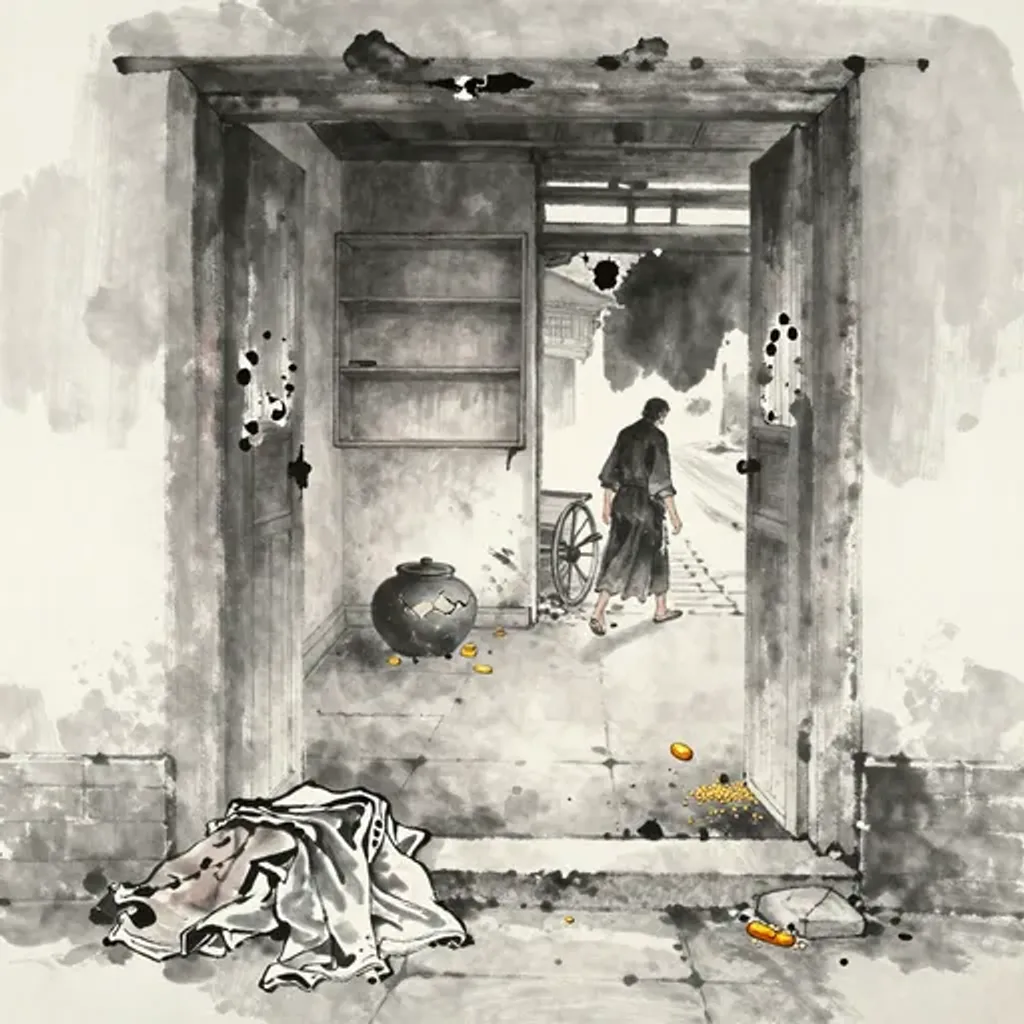
東行破車,步入危家。衡門穿射,無以為主。賣袍續食,糟糠不飽。
Traveling east, the cart breaks down; on foot, entering a perilous house. The crossbar gate is pierced through; nothing left to serve as master. Selling robes to buy food; chaff and husks do not satisfy.
— Jiao Yanshou, Yilin (Forest of Changes), 1st century BC
Commentary
Thunder returns beneath the earth, but the return journey is a descent into poverty. The eastbound wagon breaks down again — a recurring motif in this batch — and the traveler stumbles into a household of danger. Arrows pierce the crossbar gate; there is no master of the house. He must sell his very robe to buy food, yet even chaff and husks leave him hungry. Layer upon layer of deprivation strips the figure to bare survival. From Return to Contemplation, wind moves over the earth as the ancient kings surveyed their domains. The transformation implies that true contemplation begins when all external supports have been removed: only then does one see clearly, though the vision is bitter.
復 → 噬嗑
Hexagram 24 → Hexagram 21: Biting Through
Changing lines: 4, 6
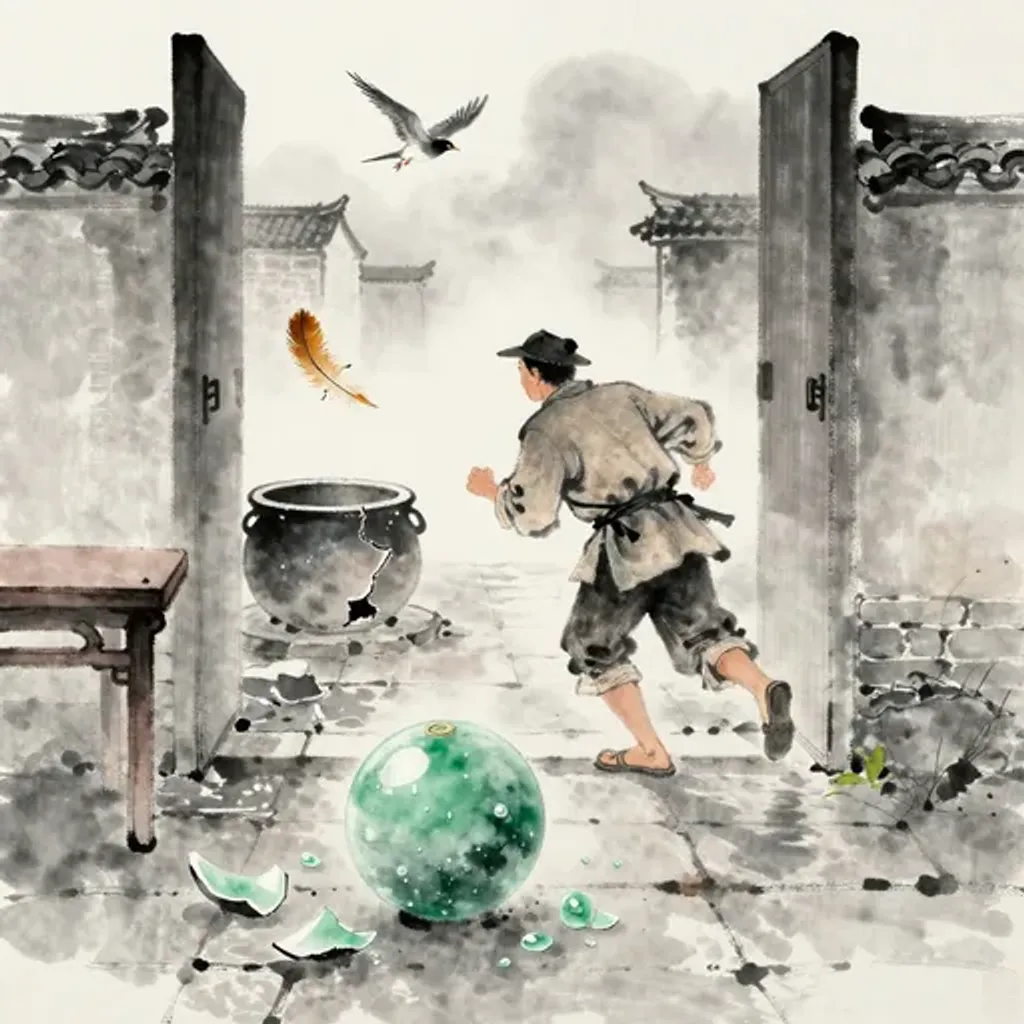
逐禽出門,并失玉丸。往來井上,破甑缺盆。
Chasing game out the gate, losing the jade ball as well. Going and coming by the well; the steamer cracked, the basin chipped.
— Jiao Yanshou, Yilin (Forest of Changes), 1st century BC
Commentary
Thunder returns beneath the earth, but the homeward chase yields only loss. Pursuing game out the door, one loses a precious jade pellet in the bargain. Going back and forth at the well, the cooking pot cracks and the basin chips. Every act of grasping produces breakage: the hunter loses more than the quarry is worth, and domestic vessels shatter under ordinary use. The well — an image of daily sustenance — becomes a site of attrition. From Return to Biting Through, fire and thunder combine to enforce justice and clarity. The transformation suggests that these petty losses signal a deeper misalignment: only decisive intervention, biting through the obstruction, can halt the cascade of small disasters.
復 → 賁
Hexagram 24 → Hexagram 22: Grace
Changing lines: 3, 6
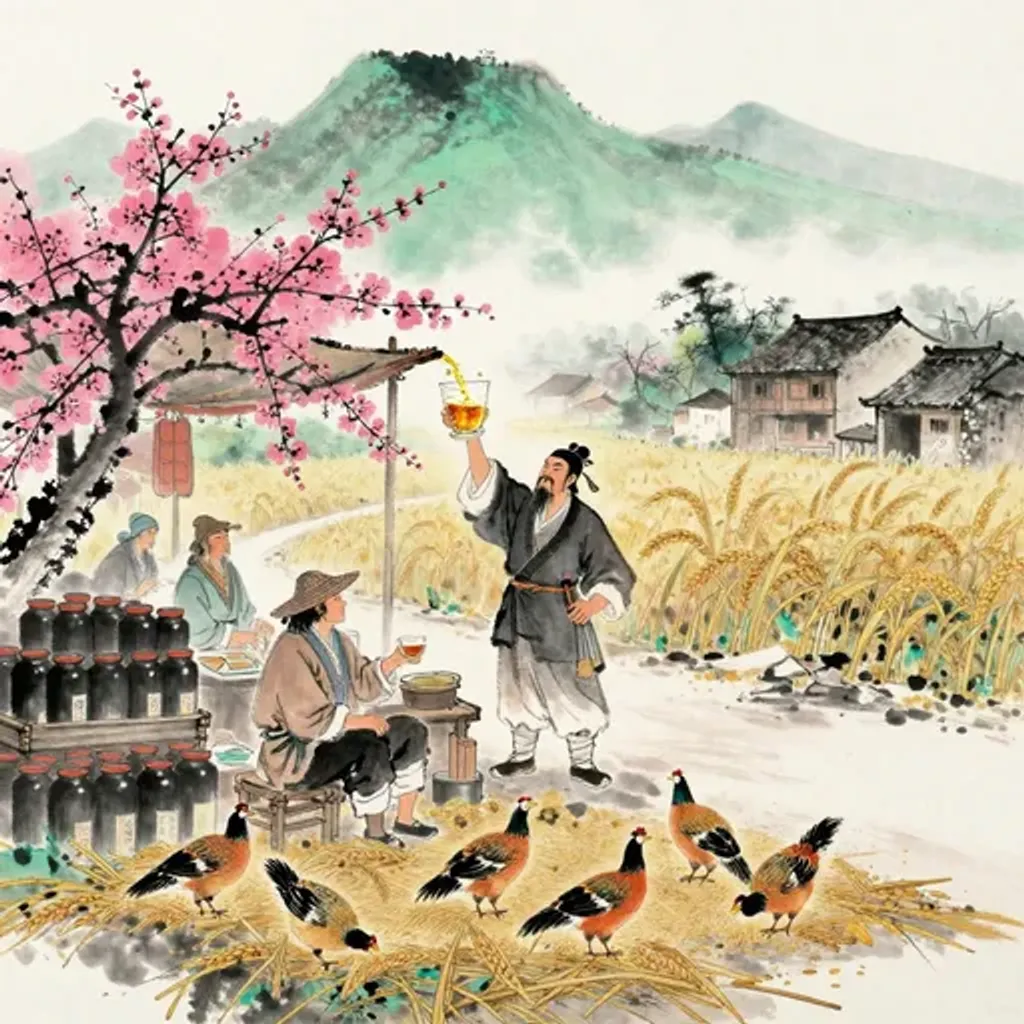
孟春醴酒,使君壽考。南山多福,宜行賈市。稻梁雌雉,所至利喜。
Sweet wine in early spring; may it grant the lord long life. The Southern Mountain is rich in blessings; fit for trade and commerce. Rice and grain, the hen pheasant — wherever one goes, profit and joy.
— Jiao Yanshou, Yilin (Forest of Changes), 1st century BC
Commentary
Thunder returns beneath the earth as the first month of spring brings sweet wine for ceremony. The lord is wished long life, and the southern mountains bestow abundant blessings. The verse recommends commerce and trade, and the scene fills with plenty: rice, sorghum, and hen pheasants, every destination yielding profit and delight. This is a vision of renewal fulfilled — the returning yang expressed as seasonal festivity, agricultural bounty, and commercial prosperity. From Return to Grace, fire glows beneath the mountain, illuminating without consuming. The transformation from raw return to refined adornment mirrors the shift from spring's crude energy to the cultured elegance of celebration and exchange.
復 → 剝
Hexagram 24 → Hexagram 23: Splitting Apart
Changing lines: 1, 6
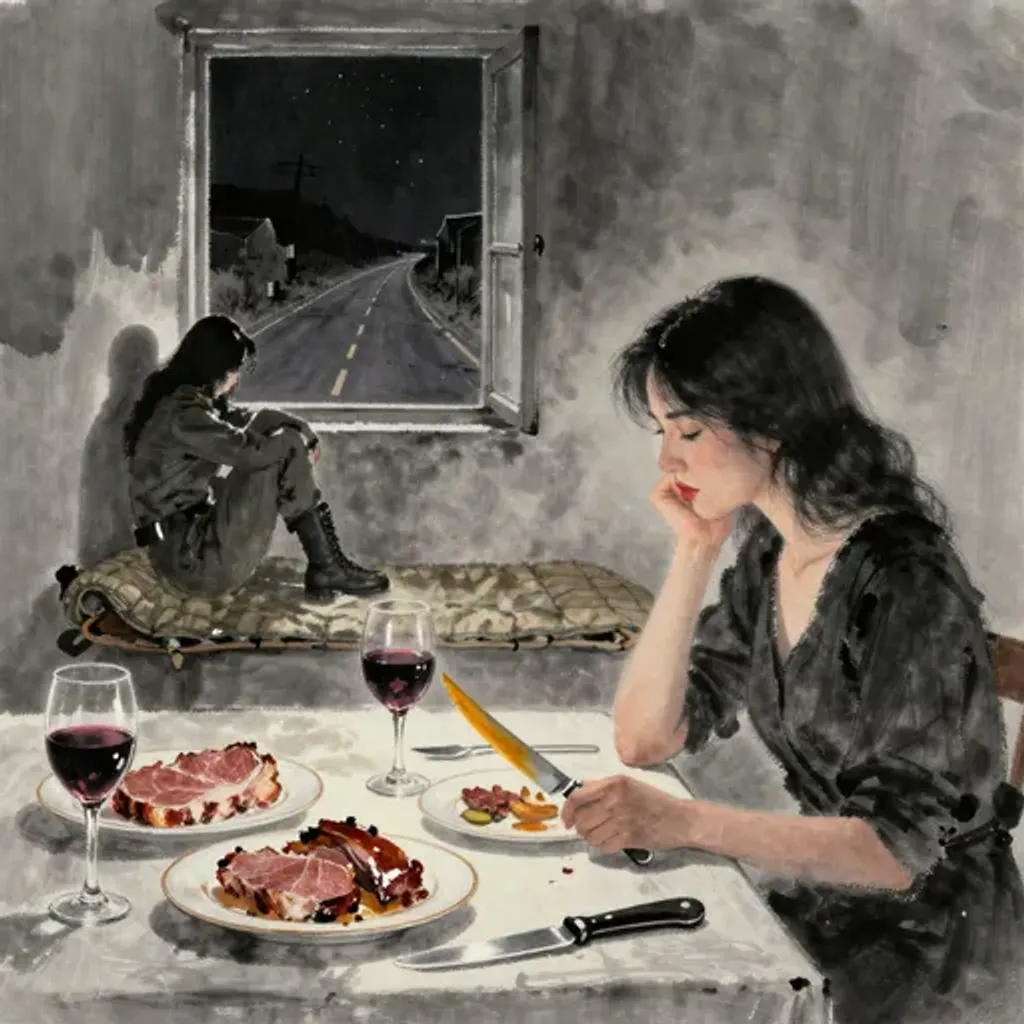
持刃操肉,對酒不食。夫亡從軍,少子入獄,抱膝獨宿。
Holding a blade over meat; facing wine, unable to eat. The husband gone to the army; the young son sent to prison — embracing her knees, she sleeps alone.
— Jiao Yanshou, Yilin (Forest of Changes), 1st century BC
Commentary
Thunder returns beneath the earth, but the household that awaits is hollowed out. A knife grips meat and wine sits poured, yet no one eats — the meal is untouched because grief has stolen all appetite. The husband has gone to war, the youngest son is imprisoned, and the one who remains hugs her knees alone through the night. This is domestic devastation rendered in three stark strokes: conscription, incarceration, solitude. From Return to Splitting Apart, the mountain crumbles upon the earth as yin erodes the last yang line. The transformation embodies the stripping away of a household's supports one by one, until only the lone figure remains, embracing her own knees in the dark.
復 → 復
Hexagram 24 → Hexagram 24: Return
No changing lines — the hexagram is unchanged
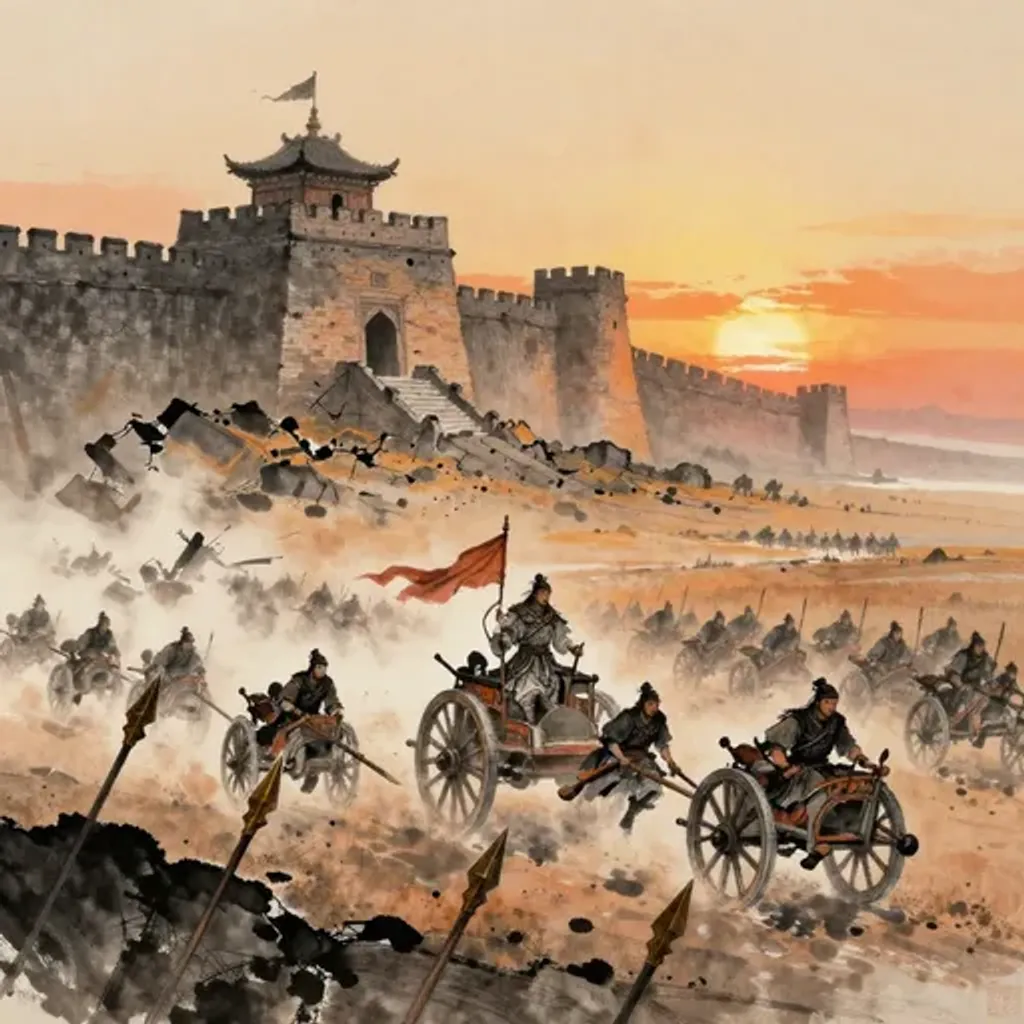
周師伐紂,剋於牧野。甲子平旦,天下悅喜。
The armies of Zhou campaign against Zhou; vanquishing him at Muye. At dawn on the jiazi day; all under heaven rejoice.
— Jiao Yanshou, Yilin (Forest of Changes), 1st century BC
Commentary
Thunder returns beneath the earth and returns again — Return doubled upon itself. King Wu of Zhou leads his armies against the tyrant Zhou of Shang and triumphs at the Battle of Muye. On the jiazi dawn, under the first light, the world rejoices. This is the definitive return in Chinese history: the restoration of moral order after tyranny, the mandate of heaven transferring to the virtuous. The doubled hexagram intensifies the image — what returns is not merely a single yang line but an entire civilizational renewal. The Muye victory is return incarnate: righteous force restoring what cruelty had destroyed, timed to the cosmic daybreak.
復 → 无妄
Hexagram 24 → Hexagram 25: Innocence
Changing lines: 4, 5, 6
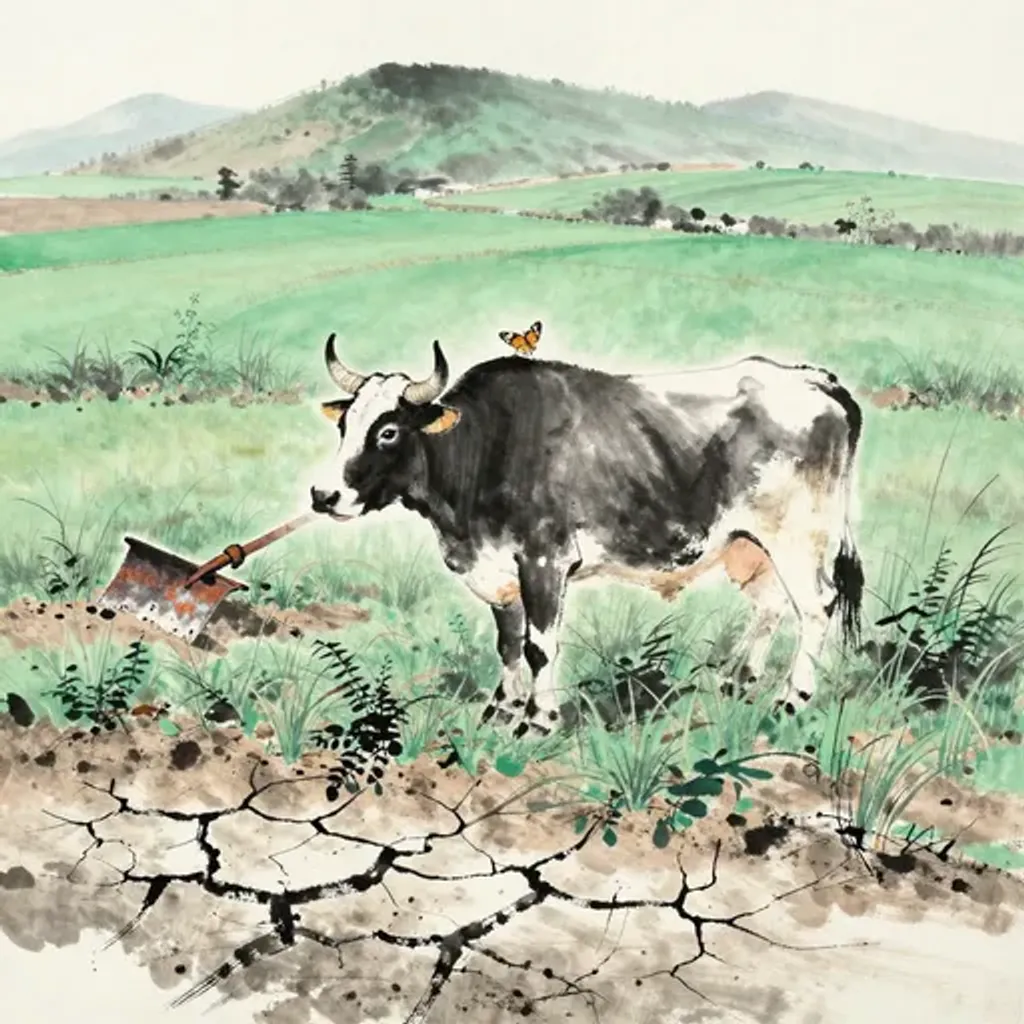
踦牛傷暑,不能成畝。草萊不墾,年歲無有。
A lame ox, stricken by heat; it cannot plow a furrow. Weeds and briars go uncleared; the year yields nothing.
— Jiao Yanshou, Yilin (Forest of Changes), 1st century BC
Commentary
Thunder returns beneath the earth, but the ox is lame and the heat unbearable. The crippled draft animal cannot complete a single furrow, weeds overtake the untilled fields, and the year yields nothing. Agricultural failure at its most elemental: the beast of burden injured, the farmer overwhelmed by climate, the land reverting to wilderness. From Return to Innocence, thunder moves beneath heaven in alignment with nature's timing. The transformation carries a bitter lesson: innocence does not mean naive optimism. True alignment with heaven requires recognizing when conditions are simply hostile — a lame ox and scorching heat will defeat even the most innocent intention. Right timing, not just right heart, is essential.
復 → 大畜
Hexagram 24 → Hexagram 26: Great Taming
Changing lines: 2, 3, 6
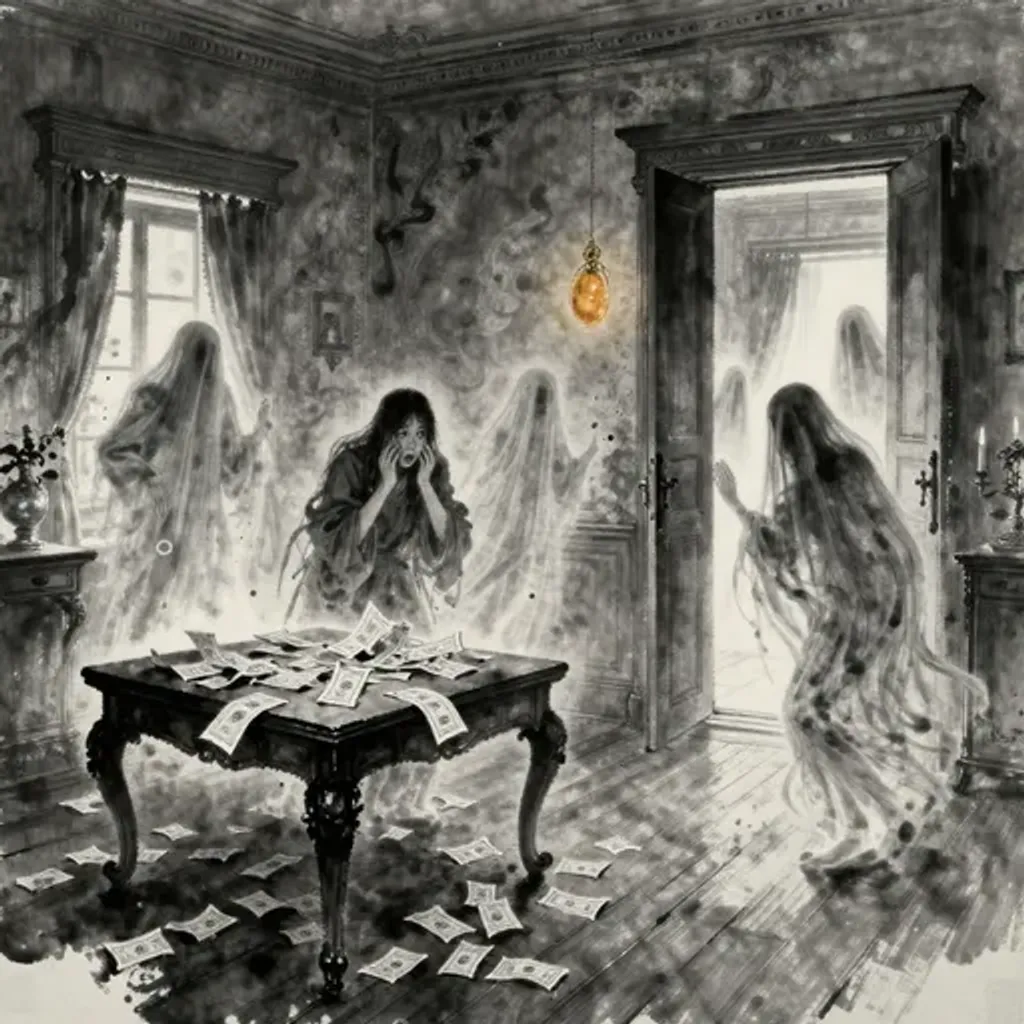
南邦大國,鬼魅滿室。讙聲相逐,為我行賊。
A great southern land; ghosts and goblins fill its rooms. Clamoring voices chase one another; they act as thieves against us.
— Jiao Yanshou, Yilin (Forest of Changes), 1st century BC
Commentary
Thunder returns beneath the earth, but what fills the house in the great southern state is not treasure but ghosts and demons. Clamorous voices chase one another, and these spectral intruders become bandits working against the traveler. The 'southern state' as a place of supernatural menace inverts the usual association of the south with warmth and abundance. From Return to Great Taming, heaven stored within the mountain — the power of accumulated wisdom and restraint. The transformation suggests that the chaotic spirits haunting the great state can only be tamed by the mountain's patient containment. What cannot be fought must be absorbed, stored, and slowly civilized through the discipline of learning and virtue.
復 → 頤
Hexagram 24 → Hexagram 27: Nourishment
Changing lines: 6
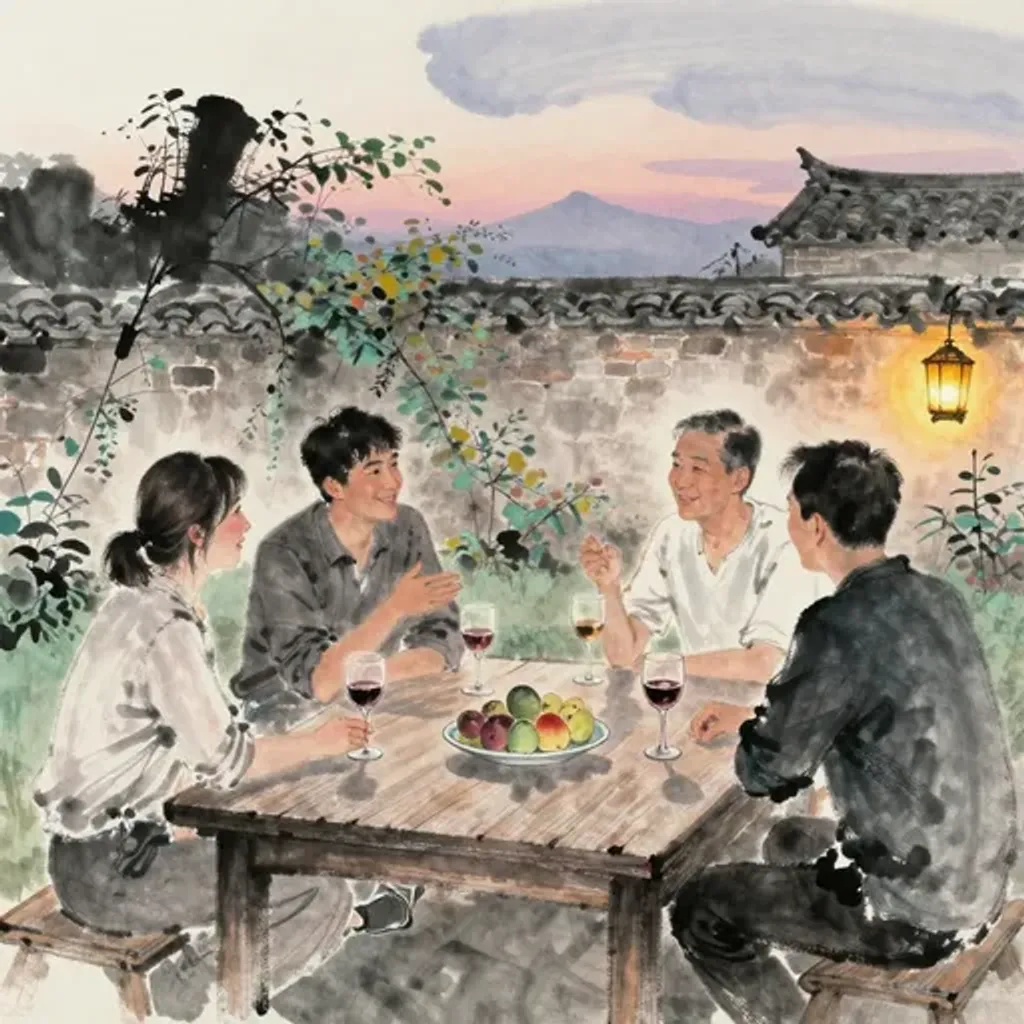
噂噂所言,莫如我恆。歡樂堅固,可以長安。
All the murmured counsel is no match for my constancy. Joy and delight, steadfast and firm; herein one may find lasting peace.
— Jiao Yanshou, Yilin (Forest of Changes), 1st century BC
Commentary
Thunder returns beneath the earth in quiet affirmation. Despite all the murmuring gossip, nothing compares to what endures within oneself. Joy is solid, happiness is firm, and one may dwell in lasting peace. The verse is strikingly simple amid the elaborate allusions of this batch — a plain declaration that inner constancy outlasts external chatter. 'What people whisper cannot match my abiding nature.' From Return to Nourishment, mountain above thunder, the sage guards speech and regulates consumption. The transformation deepens the quiet confidence: true nourishment comes not from chasing gossip or external validation but from cultivating what is constant within. The mountain shelters the thunder, and peace grows from that sheltering.
復 → 大過
Hexagram 24 → Hexagram 28: Great Exceeding
Changing lines: 1, 2, 3, 4, 5
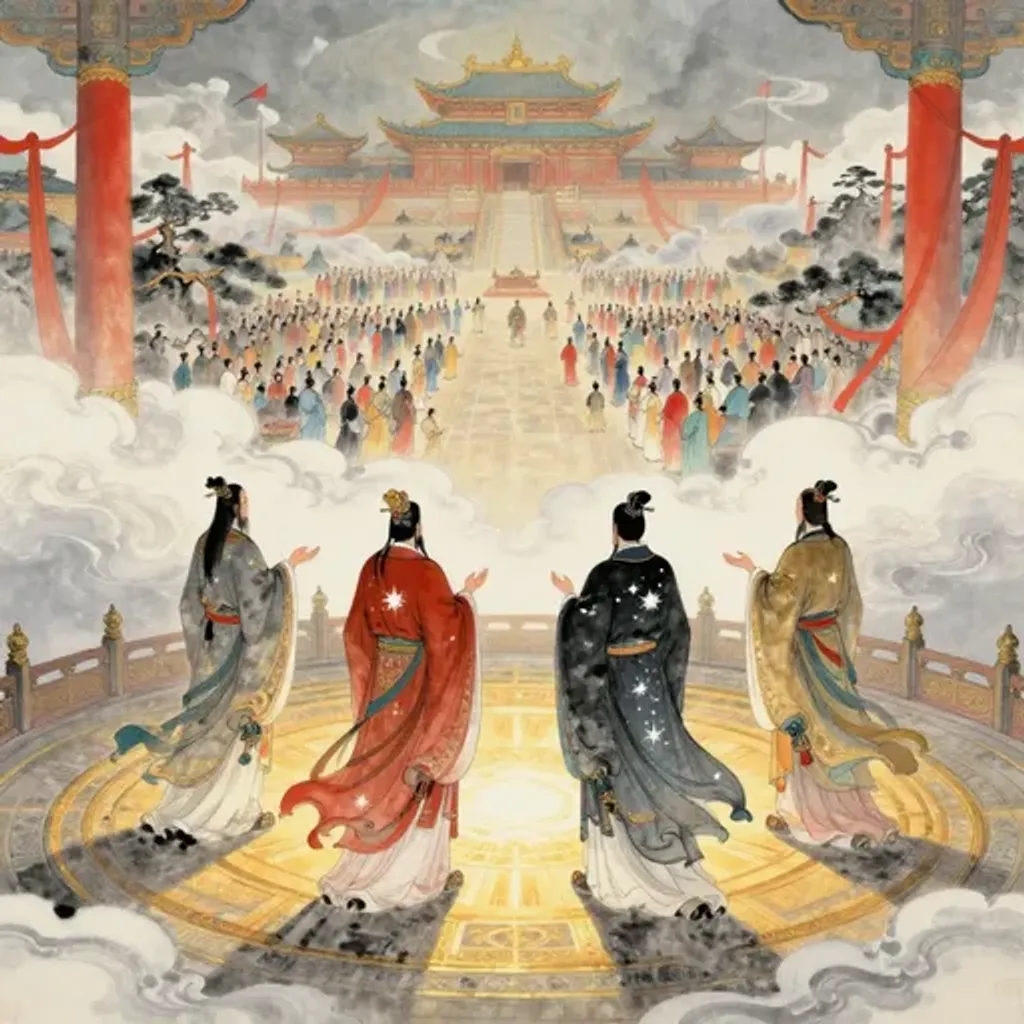
堯舜禹湯,四聖敦仁。允施德音,民安無窮。旅人相望,未同朝卿。
Yao, Shun, Yu, and Tang — four sages devoted to benevolence. Truly bestowing virtuous words; the people are secure without end. Travelers gaze at one another; they have not yet shared court and counsel.
— Jiao Yanshou, Yilin (Forest of Changes), 1st century BC
Commentary
Thunder returns beneath the earth as the four sage-kings — Yao, Shun, Yu, and Tang — are invoked together, each devoted to benevolence. They faithfully spread virtuous influence, and the people live in boundless peace. Yet the verse closes with travelers gazing at one another from afar, not yet sharing the court of ministers — longing for a golden age witnessed but not yet joined. From Return to Great Exceeding, lake submerges the trees, the extraordinary act that stands alone. The transformation suggests that the sage-kings' virtue was itself a form of 'great exceeding' — surpassing ordinary human limits. The observer sees this greatness from a distance, aspiring but not yet arrived.
復 → 坎
Hexagram 24 → Hexagram 29: The Abysmal Water
Changing lines: 1, 2, 5
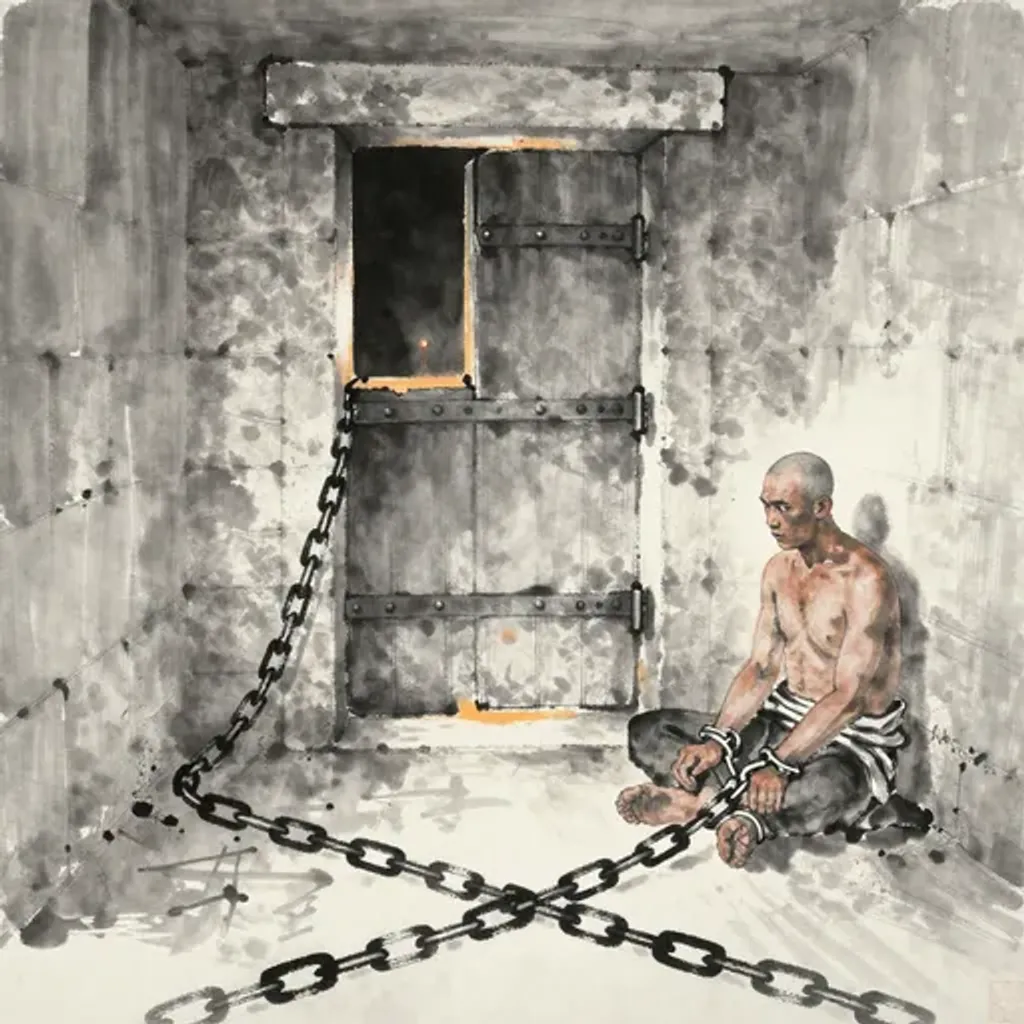
桎梏拘獲,身入牢獄。髡刑受法,終不得釋。耳閉道塞,求事不得。
Fettered and seized in shackles; the body enters prison. Shorn and punished by law; in the end, no release. Ears blocked, the way sealed; what is sought cannot be obtained.
— Jiao Yanshou, Yilin (Forest of Changes), 1st century BC
Commentary
Thunder returns beneath the earth, but the return leads straight into a cage. Shackles and fetters seize the body, imprisonment swallows the person whole. The head is shaved in punishment, the sentence pronounced, and release never comes. Ears are stopped, paths are blocked, and every endeavor fails. This is confinement at its most absolute — not merely physical but epistemic, cutting off all channels of information and agency. From Return to The Abysmal, doubled water, peril upon peril. The transformation intensifies the entrapment: what was meant to be a homecoming becomes a descent into the abyss. The returning yang, instead of finding open ground, plunges into layer upon layer of danger.
復 → 離
Hexagram 24 → Hexagram 30: The Clinging Fire
Changing lines: 3, 4, 6
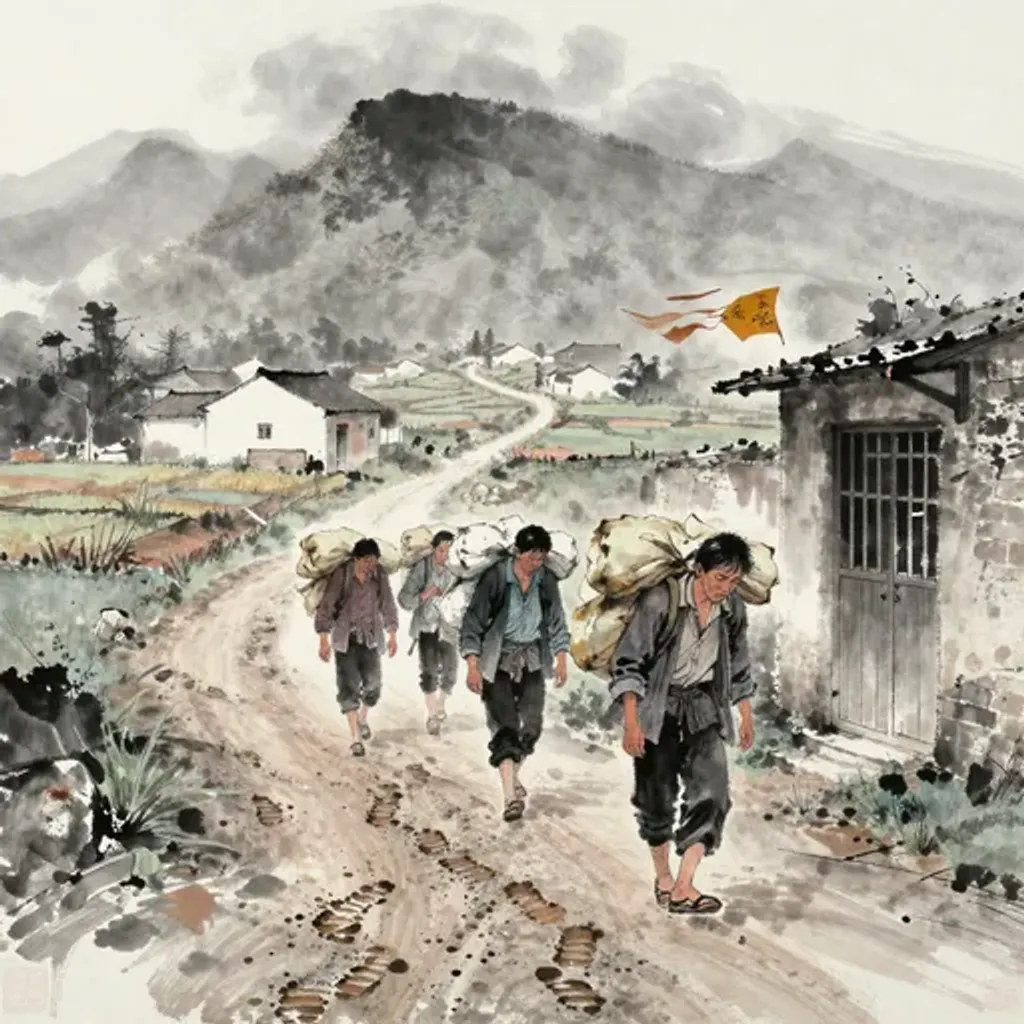
桀跖並處,民困愁苦。行旅遲遲,留連齊魯。
Jie and Zhi dwell together; the people are weary and wretched. Travelers plod on and on; lingering between Qi and Lu.
— Jiao Yanshou, Yilin (Forest of Changes), 1st century BC
Commentary
Thunder returns beneath the earth as the tyrant Jie and the brigand Zhi dwell side by side — the worst ruler and the worst outlaw sharing the same ground. The people are exhausted and grief-stricken. Travelers drag their feet, lingering unwillingly between Qi and Lu, unable to settle or advance. When tyranny and banditry coexist, even the roads between states become traps. From Return to The Clinging, doubled fire, brilliance upon brilliance. The transformation offers a grim irony: the fire of clarity illuminates a landscape of misery. When the light returns, what it reveals is not beauty but the full extent of suffering — yet seeing clearly is itself the first step toward change.
復 → 咸
Hexagram 24 → Hexagram 31: Influence
Changing lines: 1, 3, 4, 5
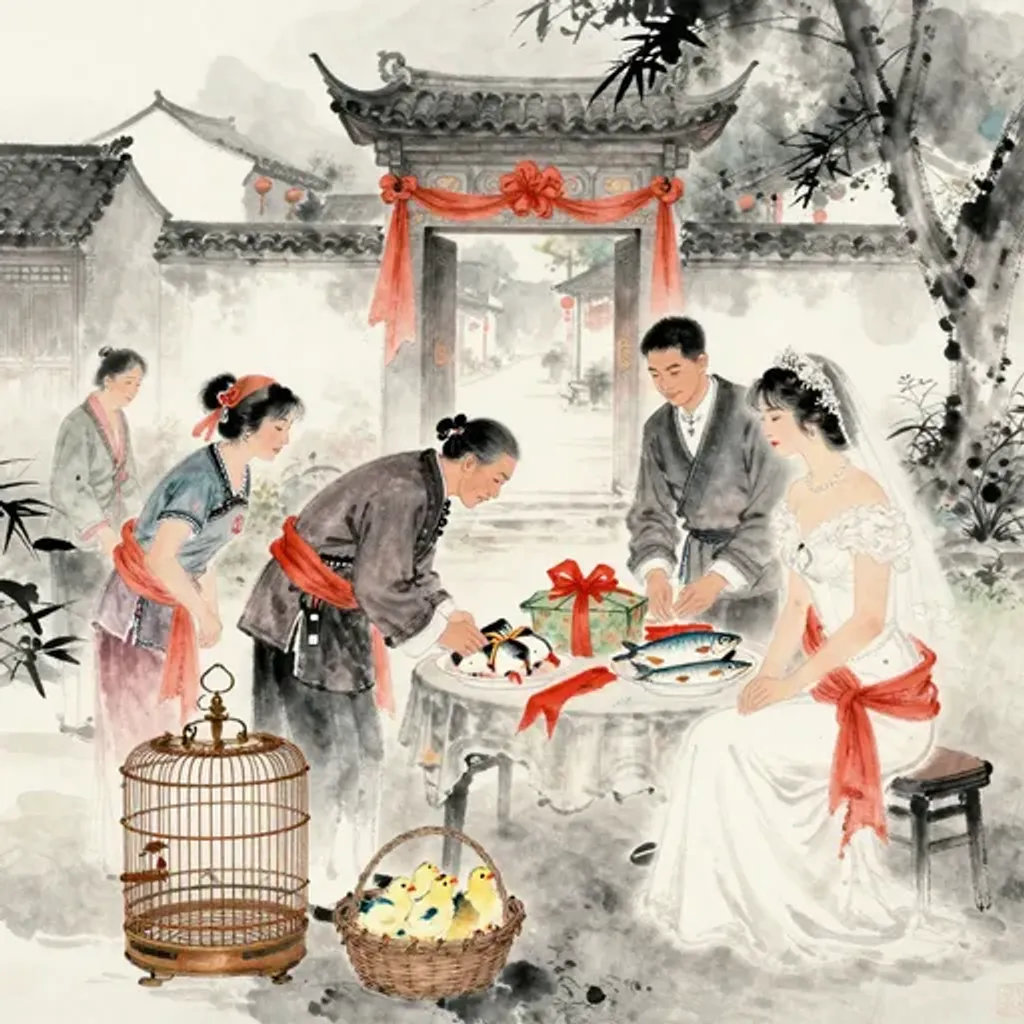
求雞獲雛,買鱉失魚。出入鈞敵,利得無饒。齊姜宋子,婚姻孔嘉。
Seeking a chicken, one catches a chick; buying a turtle, one loses the fish. In trade, an even match; gains yield no surplus. A Qi bride and a Song daughter — the marriage is most auspicious.
— Jiao Yanshou, Yilin (Forest of Changes), 1st century BC
Commentary
Thunder returns beneath the earth in a scene of mixed bargains. Seeking a chicken, one gets a chick; buying a turtle, one loses the fish. Gains and losses balance at each exchange — nothing comes free, and no trade yields pure profit. Then the verse lifts into celebration: 'A Qi Jiang, a Song maiden — the marriage is supremely fine.' These are women of distinguished lineage from the great states of Qi and Song, and their union signals an auspicious match. From Return to Influence, lake upon mountain, mutual attraction between the yielding and the still. The transformation reveals that after all the calculating exchanges, genuine connection transcends commerce — true influence arises not from bargaining but from natural affinity.
復 → 恆
Hexagram 24 → Hexagram 32: Duration
Changing lines: 1, 2, 3, 4
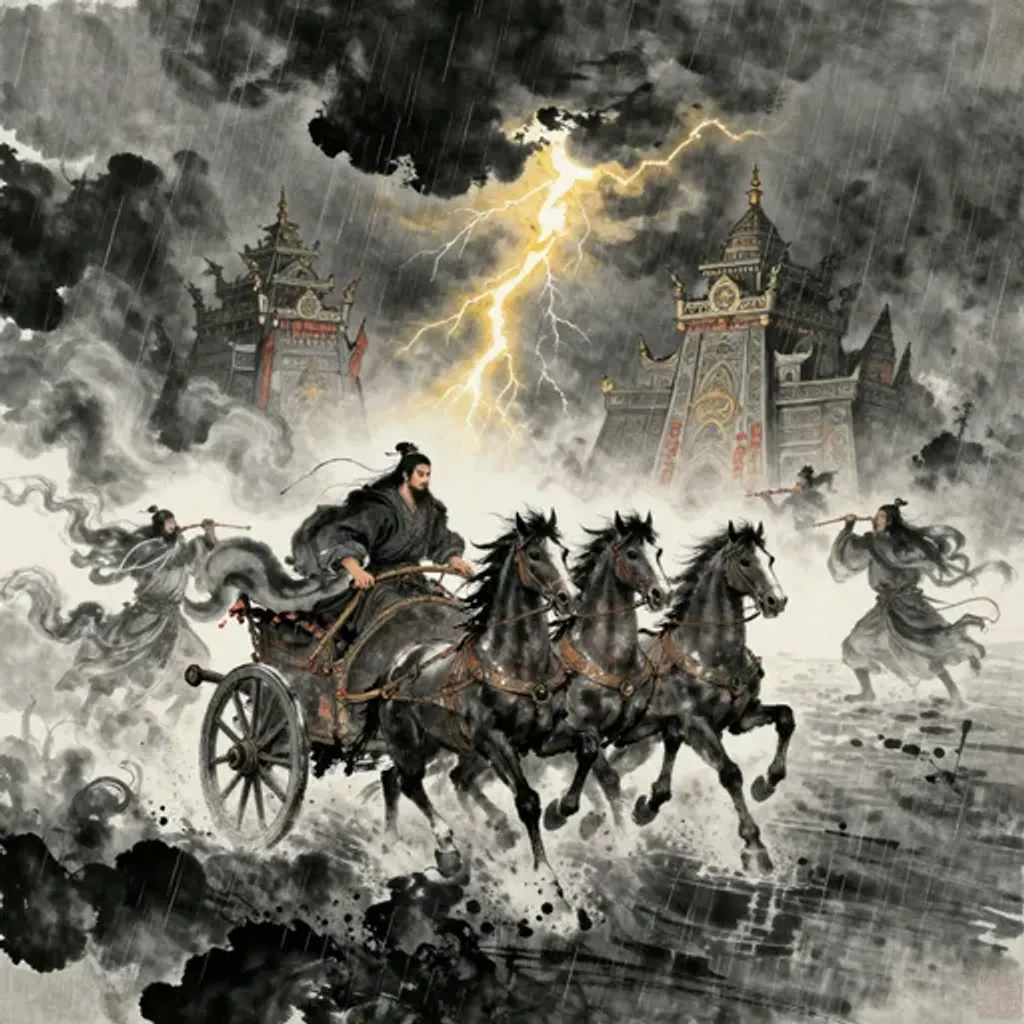
雨師駕駟,風伯吹雲。秦楚爭強,施不得行。
The Rain Lord drives four steeds; the Wind Earl blows the clouds. Qin and Chu vie for supremacy; their designs cannot prevail.
— Jiao Yanshou, Yilin (Forest of Changes), 1st century BC
Commentary
Thunder returns beneath the earth as the Rain Master harnesses his four-horse chariot and the Earl of Wind drives the clouds before him. Cosmic forces deploy in magnificent pageantry — yet the verse undercuts the spectacle: Qin and Chu compete for supremacy, and benevolent influence cannot be extended. The weather gods ride forth, but their energies are hijacked by geopolitical struggle. From Return to Duration, thunder and wind reinforce each other in steadfast persistence. The transformation suggests that enduring order requires more than divine spectacle: when great powers contend, even heaven's emissaries are blocked. True duration demands that cosmic energies be channeled through steady principle, not dispersed in rivalry.
復 → 遯
Hexagram 24 → Hexagram 33: Retreat
Changing lines: 1, 3, 4, 5, 6
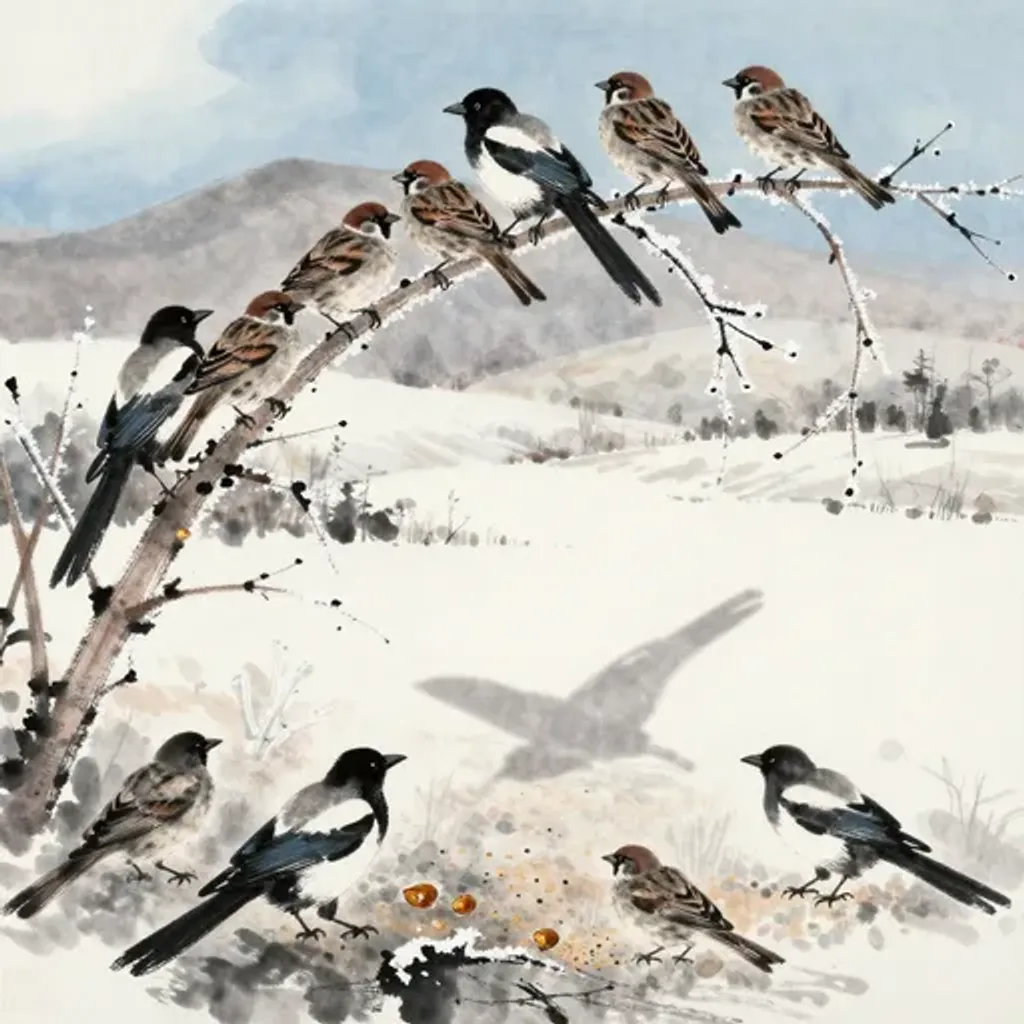
仲冬無秋,鳥鵲飢憂。困於米食,數驚鸇鵰。
Midwinter without autumn; the magpies and sparrows starve in worry. Desperate for grain and food; startled again and again by hawks and falcons.
— Jiao Yanshou, Yilin (Forest of Changes), 1st century BC
Commentary
Thunder returns beneath the earth, but the season is wrong — midwinter has arrived without an autumn to precede it, and the birds and magpies starve in anxious hunger. Deprived of grain, they are startled again and again by hawks and falcons overhead. The natural order is disrupted: harvest has been skipped, and the small creatures that depend on seasonal abundance find themselves exposed to predators with no cover and no food. From Return to Retreat, heaven above mountain, the gentleman distances himself from petty men. The transformation reveals why retreat is necessary: when the cycle itself is broken and the season of gathering never came, survival means withdrawing before the raptors strike.
復 → 大壯
Hexagram 24 → Hexagram 34: Great Power
Changing lines: 2, 3, 4
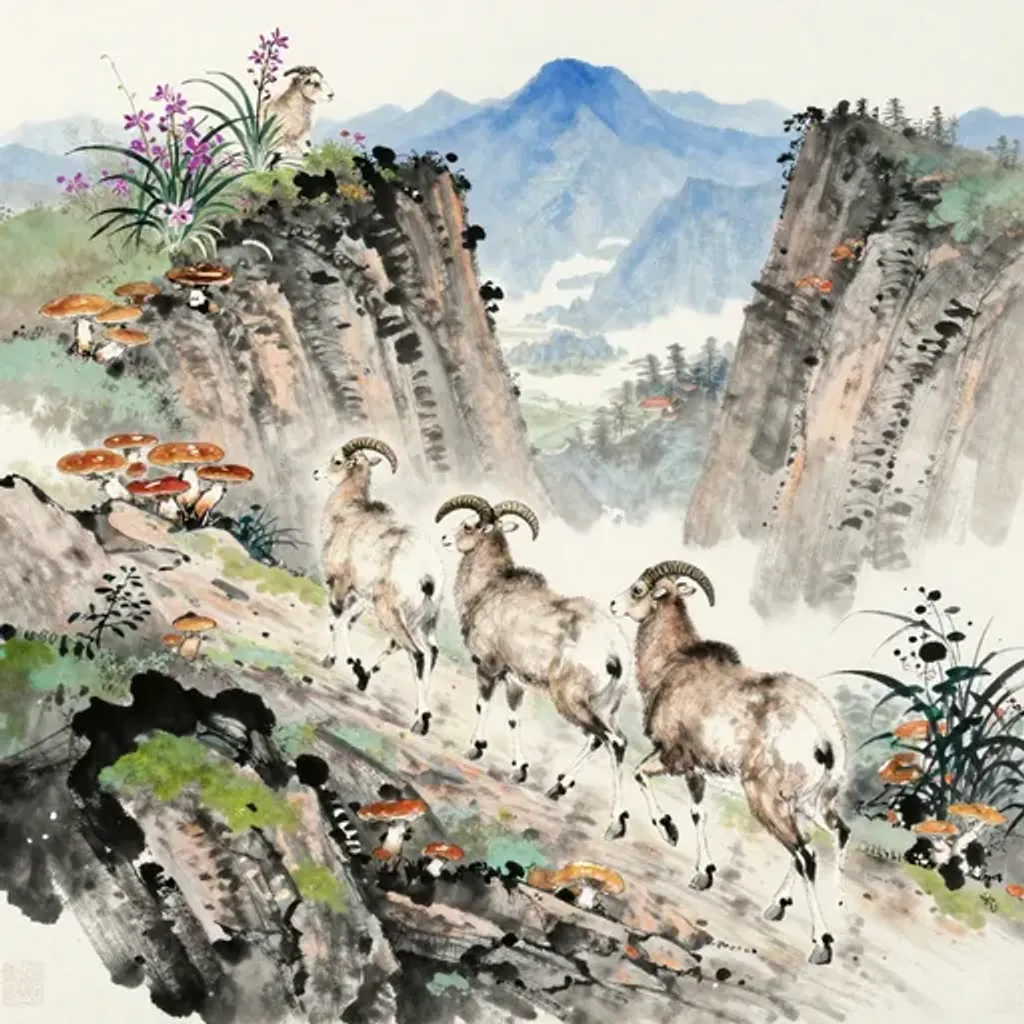
三羝上山,俱至陰安。遂到南陽,見其芝香。兩崖相望,未同枕床。
Three rams climb the mountain; all reaching Yin'an. Then on to Nanyang; encountering its fragrant lingzhi. Two cliffs gaze at each other; they have not yet shared pillow and bed.
— Jiao Yanshou, Yilin (Forest of Changes), 1st century BC
Commentary
Thunder returns beneath the earth as three rams climb a mountain together, all reaching the peaceful shade of the southern slope. Continuing southward to Nanyang, they encounter fragrant lingzhi mushrooms — the herb of immortality. Yet two cliffs face each other across a gap, not yet sharing the same bed. The rams evoke the trigram image of Great Power (thunder above heaven), and their ascent suggests vigorous upward movement. The lingzhi signals rare opportunity. But the final image of cliffs gazing across a divide introduces longing: proximity without union, desire without consummation. From Return to Great Power, the yang force is fully aroused yet the connection remains incomplete.
復 → 晉
Hexagram 24 → Hexagram 35: Progress
Changing lines: 1, 4, 6
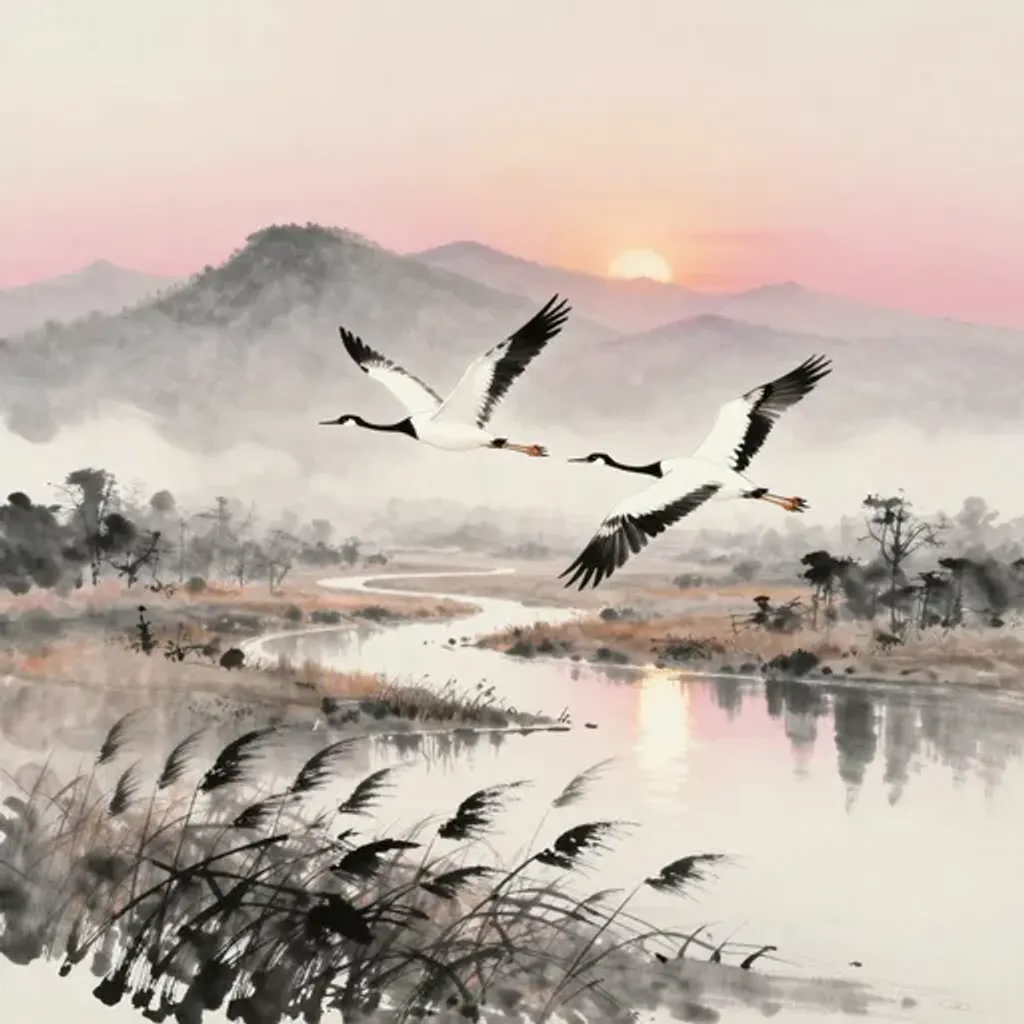
飛至日南,還歸遼東。雌雄相從,和鳴雍雍。解我迥春。
Flying south to Rinan; returning home to Liaodong. Female and male follow together; singing in harmony, yong yong. Releasing me from lingering spring.
— Jiao Yanshou, Yilin (Forest of Changes), 1st century BC
Commentary
Thunder returns beneath the earth as a pair of birds flies south to the extreme and then returns north to Liaodong. Male and female follow each other, singing in gentle harmony, dissolving the lingering spring's loneliness. The crane or goose migration is a classical image of faithful partnership and seasonal return: the birds complete the great circuit, always finding each other again. From Return to Progress, fire rises above the earth, brightness emerging from below. The transformation illuminates the verse's emotional arc: the long journey south and back mirrors the slow progress of light emerging from darkness. What returns is not merely the birds but the warmth of companionship, advancing steadily like the dawn.
復 → 明夷
Hexagram 24 → Hexagram 36: Darkening of the Light
Changing lines: 3
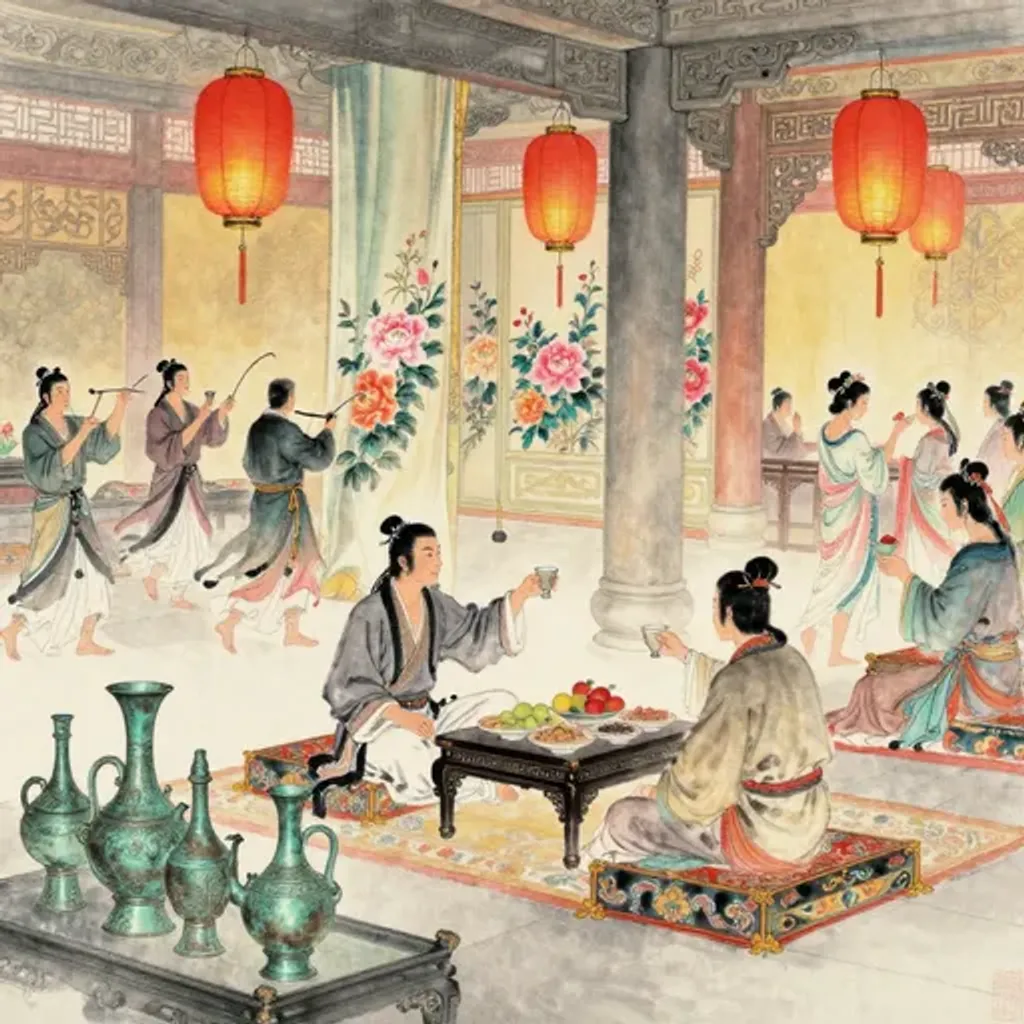
堯飲舜舞,禹拜上酒。禮樂所豐,可以安處。保我淑女。
Yao drinks, Shun dances; Yu raises the wine in toast. Where rites and music abound; one may dwell in peace. Safeguard my fair maiden.
— Jiao Yanshou, Yilin (Forest of Changes), 1st century BC
Commentary
Thunder returns beneath the earth as the golden age itself returns. Yao pours wine, Shun dances, and Yu offers the ritual cup with a bow. Rites and music flourish in their fullness, and all may dwell in tranquil ease. The verse concludes with a tender wish: 'Protect my virtuous maiden.' This is the Han imagination of primordial harmony — the three sage-kings performing their ancient roles in perfect concord, a ritual tableau promising security even for the most vulnerable. From Return to Darkening of the Light, fire sinks beneath the earth, brightness deliberately concealed. The paradox deepens: the very memory of the golden age illuminates the darkness of the present. Light withdraws into the earth precisely to preserve what is precious.
復 → 家人
Hexagram 24 → Hexagram 37: The Family
Changing lines: 3, 5, 6
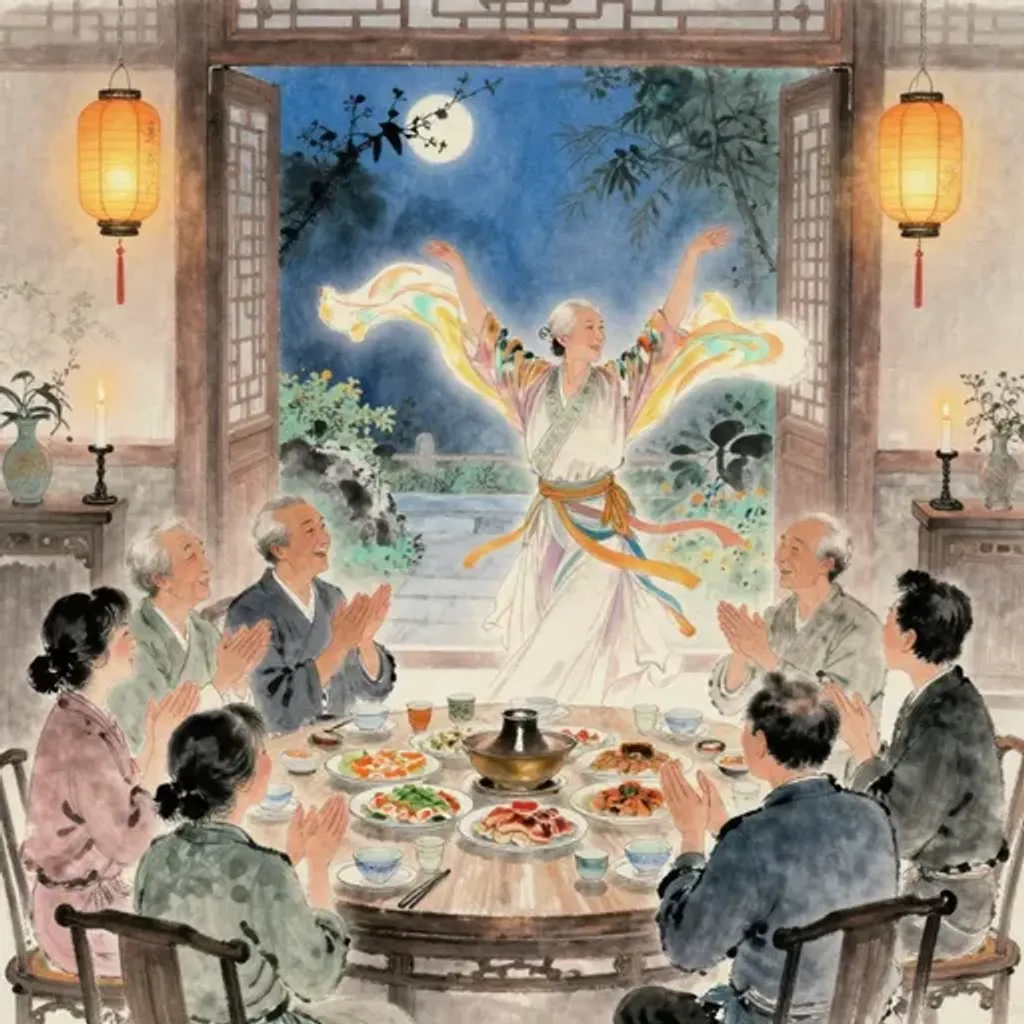
太乙置酒,樂正起舞。萬福攸同,可以安處,綏我齯齒。
The Great One sets out wine; the master of music rises to dance. Ten thousand blessings converge as one; herein one may dwell in peace. Comfort our aged and toothless.
— Jiao Yanshou, Yilin (Forest of Changes), 1st century BC
Commentary
Thunder returns beneath the earth as the supreme deity Taiyi hosts a banquet and the Master of Music rises to dance. All blessings converge in harmonious accord; one may dwell in perfect ease and comfort the aged to their last teeth. Taiyi — the Supreme One of Han cosmology, associated with the pole star — presides over a celestial feast where joy and blessing are distributed to all. The 'teeth worn to the gums' signify extreme old age, tenderly protected. From Return to The Family, wind issues from fire as words carry substance and actions maintain constancy. The transformation connects cosmic celebration to domestic order: the divine banquet radiates down to shelter even the humblest household, warmth spreading from hearth to home.
復 → 睽
Hexagram 24 → Hexagram 38: Opposition
Changing lines: 2, 4, 6
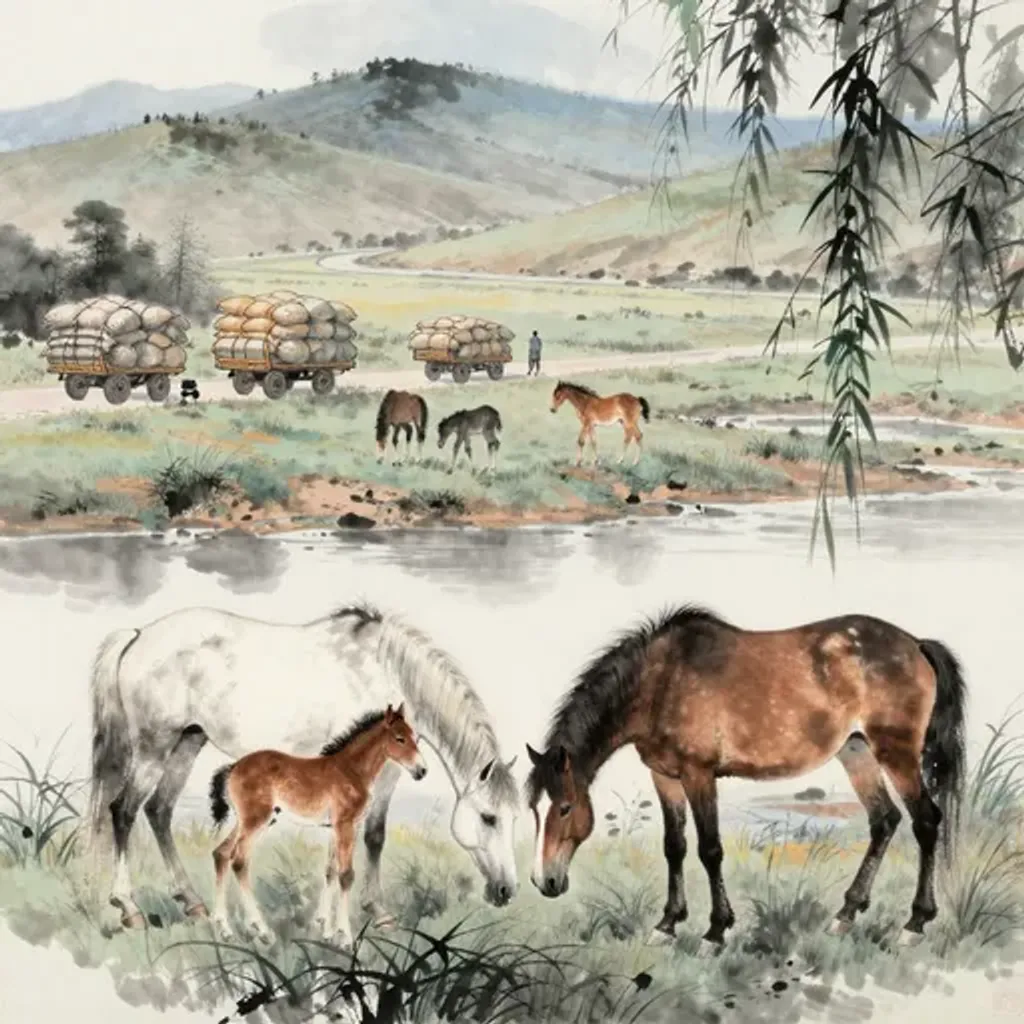
白馬騧騮,生乳不休。富我商人,得利饒優。
White horses, dun and bay; breeding and foaling without cease. Enriching our merchants; gaining profit, plentiful and fine.
— Jiao Yanshou, Yilin (Forest of Changes), 1st century BC
Commentary
Thunder returns beneath the earth, and with it come white horses, dun horses, and bays, breeding ceaselessly. The merchant grows wealthy, profits flowing generously. Horses in the ancient world were both military assets and commercial capital — a herd that reproduces without pause represents wealth multiplying organically. The variety of coat colors (white, dun, bay) suggests a diverse and robust stock. From Return to Opposition, fire above and lake below, two forces diverging in nature yet cooperating through difference. The transformation suggests that the merchant's prosperity arises precisely from navigating opposites: buying where prices are low, selling where they are high, profiting from the very distances that separate markets.
復 → 蹇
Hexagram 24 → Hexagram 39: Obstruction
Changing lines: 1, 3, 5
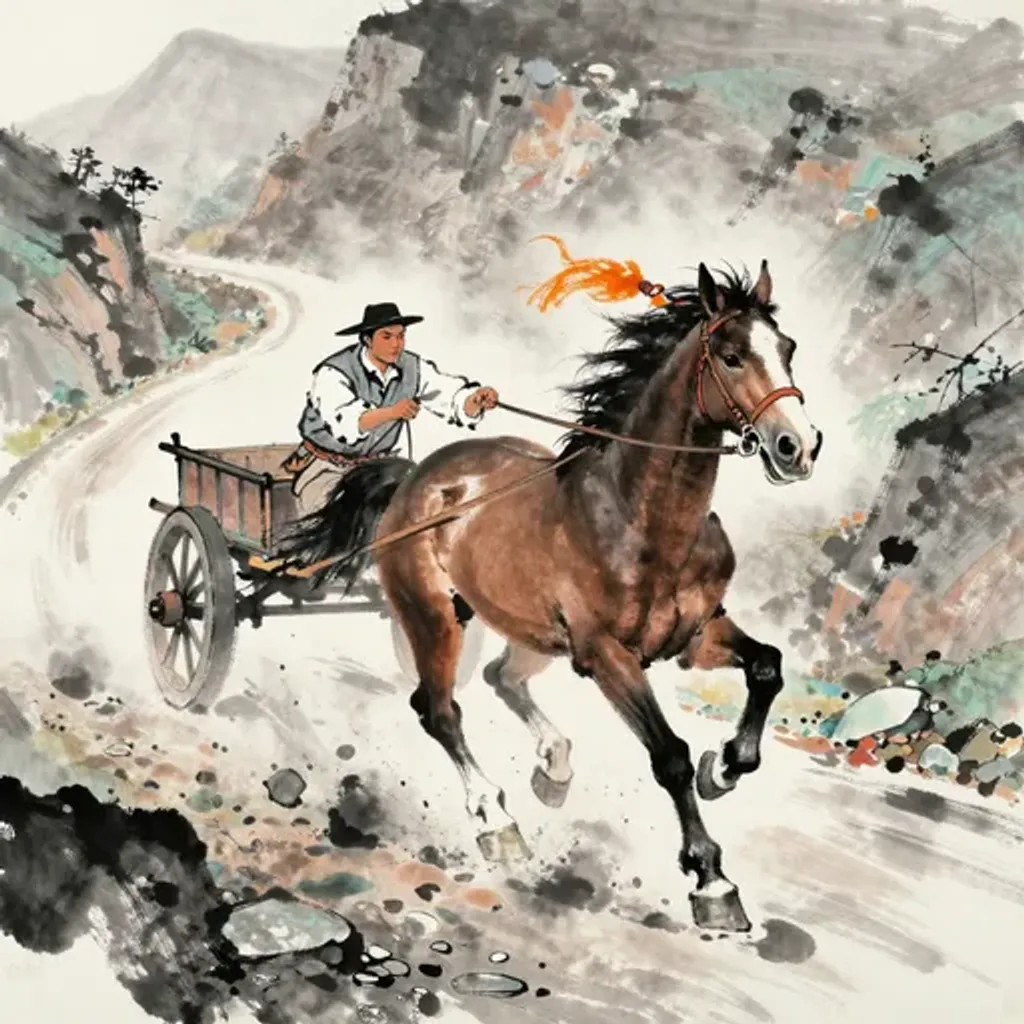
宛馬疾步,盲師坐御。目不見路,中止不到。
A fine horse at swift pace; a blind master sits as driver. Eyes cannot see the road; halting midway, never arriving.
— Jiao Yanshou, Yilin (Forest of Changes), 1st century BC
Commentary
Thunder returns beneath the earth, but the rider is blind and the horse too swift. A fine steed from Wan gallops at full speed while a sightless driver holds the reins. Eyes cannot see the road; the journey halts midway, the destination unreached. The image is terrifyingly precise: speed without vision guarantees disaster. No amount of horsepower compensates for the inability to perceive where one is going. From Return to Obstruction, water atop the mountain, the path blocked above. The transformation doubles the futility: external obstacles meet internal blindness, and the wise response is to turn inward and cultivate virtue rather than press forward into what cannot be seen.
復 → 解
Hexagram 24 → Hexagram 40: Deliverance
Changing lines: 1, 2, 4
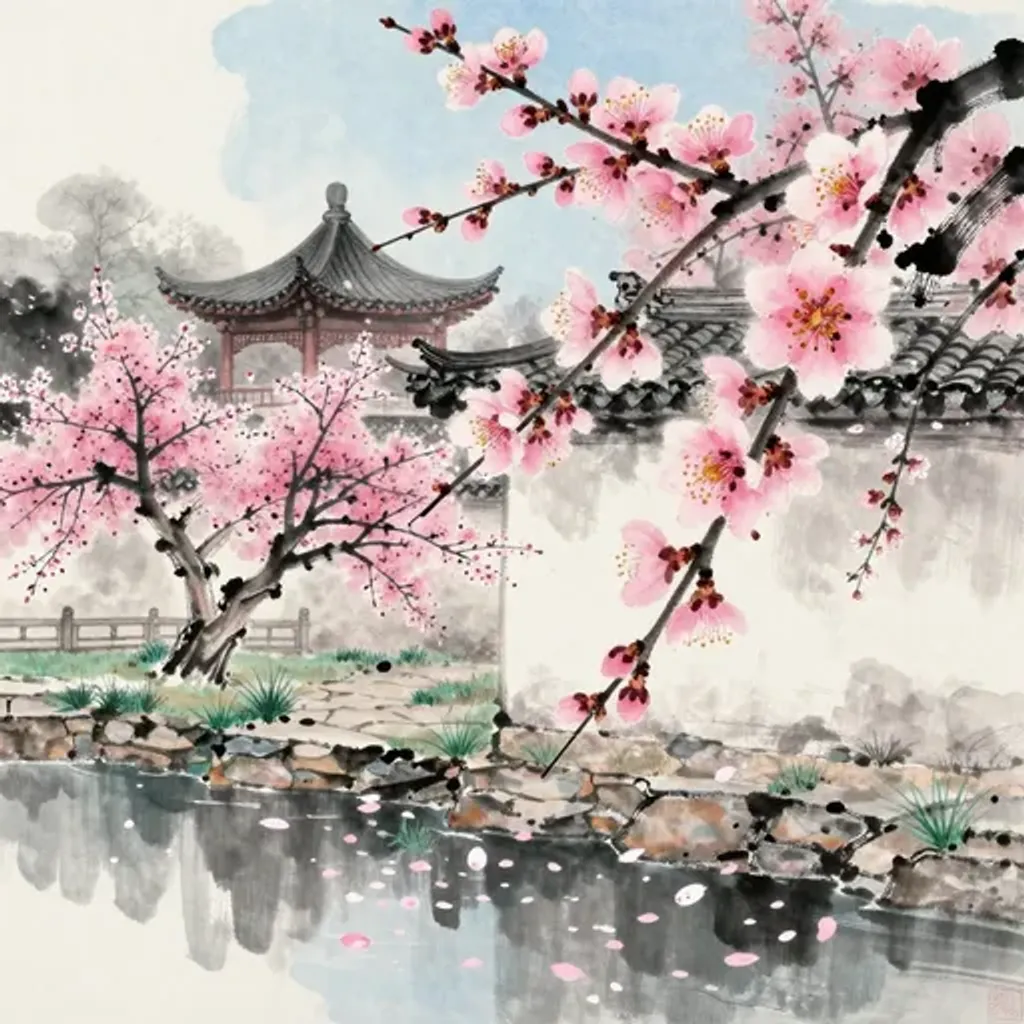
春桃萌生,萬物華榮。邦君所居,國樂無憂。
Spring peach trees bud and bloom; all things flower in glory. Where the lord of the land resides; the state rejoices without sorrow.
— Jiao Yanshou, Yilin (Forest of Changes), 1st century BC
Commentary
Thunder returns beneath the earth as spring peach blossoms burst into life and all things flourish in splendor. The lord dwells in his domain, the state rejoices, and worry is absent. This is return at its most elemental and joyful — the first yang line expressed as spring itself, the dormant world waking into color and growth. No historical allusion is needed; the image is pure seasonal renewal. From Return to Deliverance, thunder and rain work together to release what has been bound. The transformation unfolds naturally: the peach blossom's opening mirrors the thunderstorm that clears the air. What was frozen thaws, what was trapped escapes, and the state rests in the ease of a problem resolved.
復 → 損
Hexagram 24 → Hexagram 41: Decrease
Changing lines: 2, 6
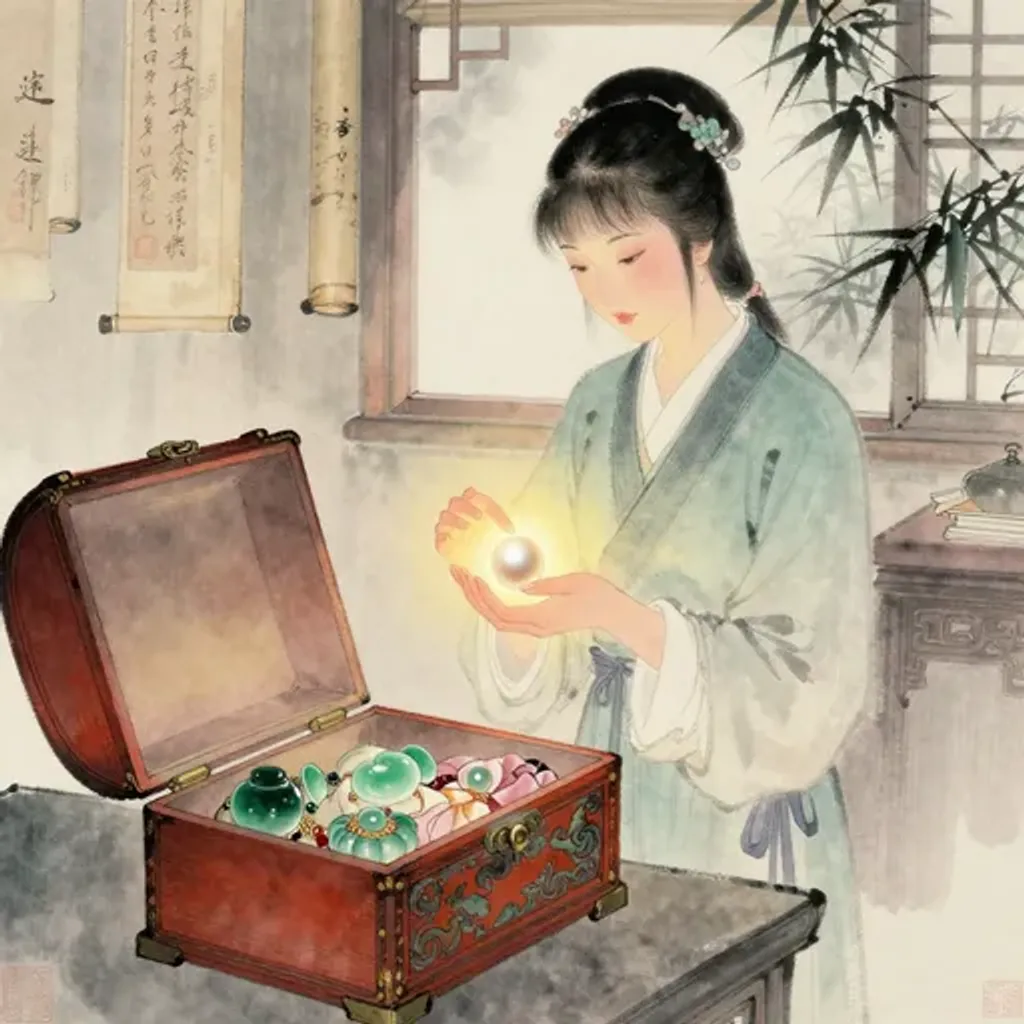
把珠入口,蓄為玉寶。得吾所有,欣然嘉喜。
Taking the pearl into the mouth; storing it as a jade treasure. Gaining what I possess; joyful and delighted.
— Jiao Yanshou, Yilin (Forest of Changes), 1st century BC
Commentary
Thunder returns beneath the earth as a pearl is placed in the mouth and stored as a jade treasure. One recovers what was already one's own and rejoices with delight. The image of holding a pearl in the mouth evokes both the funerary practice of placing jade in the deceased's mouth (含殮) and the act of safeguarding a precious thing within oneself. What is found is not new but recognized — 'I have recovered what was always mine.' From Return to Decrease, mountain above lake, restraining desire and curbing anger. The transformation reveals that true gain sometimes looks like loss: by decreasing outward grasping, one discovers the treasure already held within. The pearl was always in the mouth; it only needed to be recognized.
復 → 益
Hexagram 24 → Hexagram 42: Increase
Changing lines: 5, 6
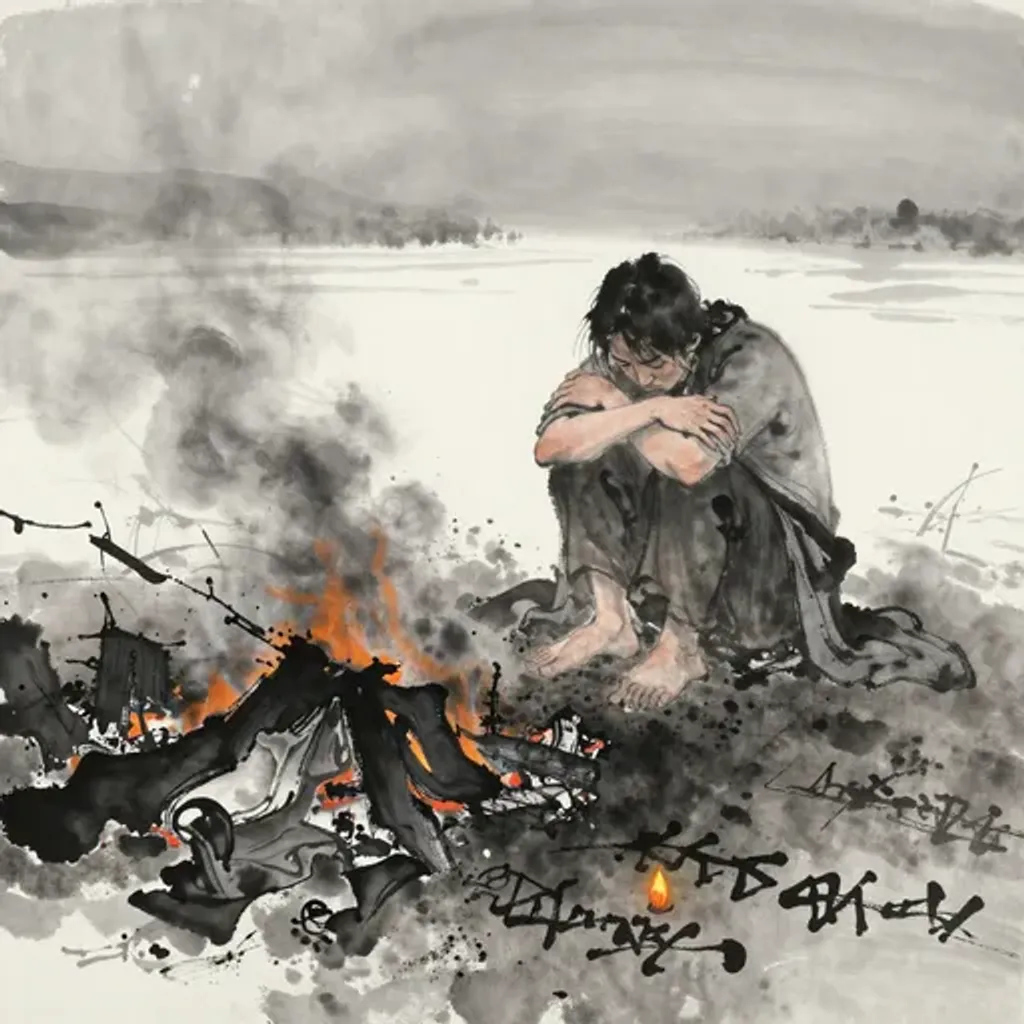
襦燒袴燔,臝剝飢寒,病瘧凍孿。
The jacket burns, the trousers catch fire; stripped bare, starving and cold — sick with fever, frozen and cramped.
— Jiao Yanshou, Yilin (Forest of Changes), 1st century BC
Commentary
Thunder returns beneath the earth, but the return brings only desolation. Short jackets burn, trousers are set ablaze, and the figure is left stripped bare, starving and freezing. Disease strikes — malarial fever and convulsive chills wrack the body. The verse is brutally compressed: three images of destruction (fire, exposure, illness) in a single breath, leaving no room for recovery. From Return to Increase, wind and thunder work together as the gentleman corrects faults and cultivates virtue. The transformation offers a sharp contrast: where the verse shows only destruction, Increase promises augmentation. The implication is that even from absolute destitution, renewal remains possible — but only through the radical act of seeing one's faults clearly and changing course.
復 → 夬
Hexagram 24 → Hexagram 43: Breakthrough
Changing lines: 2, 3, 4, 5
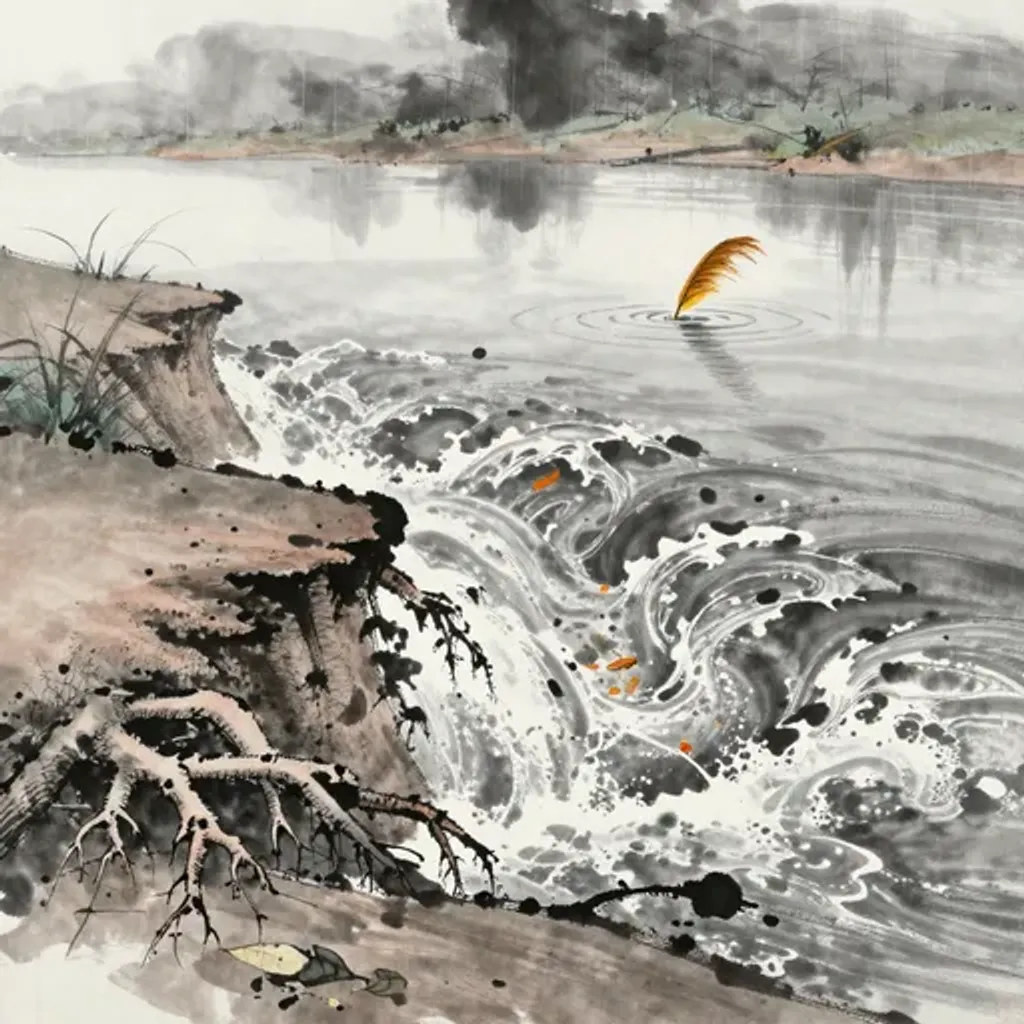
水沫沉浮,沮濕不居,為心疾憂。
Water foam sinks and floats; dank and wet, no place to settle — a source of heartache and worry.
— Jiao Yanshou, Yilin (Forest of Changes), 1st century BC
Commentary
Thunder returns beneath the earth, but the surface is nothing but froth and foam, rising and sinking without rest. The ground is waterlogged and uninhabitable, and the heart is consumed by anxious illness. Water foam — formless, unstable, neither liquid nor solid — is a precise metaphor for anxiety: thoughts churning without settling, the mind unable to find firm ground. From Return to Breakthrough, lake ascends above heaven in a decisive surge. The transformation suggests that the remedy for chronic instability is not gradual calming but sudden resolution — the lake must rise and overflow, the decision must be made, the stagnant foam must be swept away by a single determined act that clears the channel.
復 → 姤
Hexagram 24 → Hexagram 44: Coming to Meet
Changing lines: 1, 2, 3, 4, 5, 6
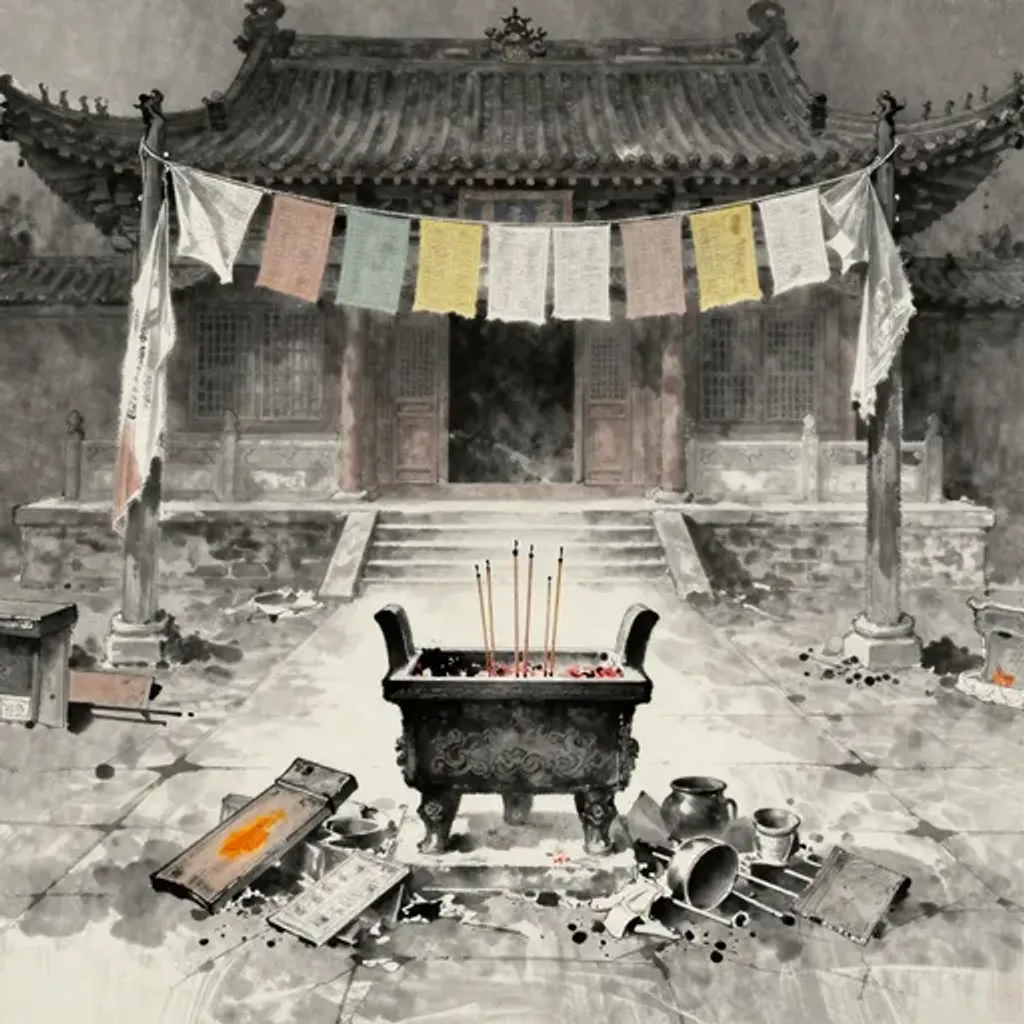
行如桀紂,雖禱不祥。命衰絕周,文王乏祀。
Acting like Jie and Zhou; though one prays, no blessing comes. The mandate wanes, cut off at Zhou; King Wen's line lacks sacrifice.
— Jiao Yanshou, Yilin (Forest of Changes), 1st century BC
Commentary
Thunder returns beneath the earth, but the returning figure acts like the tyrants Jie and Zhou — and though he prays, no blessing comes. Heaven's mandate has exhausted the line of Zhou, and King Wen's sacrifices cease. The verse collapses two dynastic falls into a single warning: behave as Jie and Zhou behaved, and even prayer becomes futile; lose the mandate, and even the great King Wen's line will see its altars go cold. From Return to Coming to Meet, heaven above wind, the ruler's decree spreading in all directions. The transformation carries a chilling irony: the yin line entering from below (Coming to Meet's structure) mirrors the corruption that creeps into governance. What appears as encounter may be contamination.
復 → 萃
Hexagram 24 → Hexagram 45: Gathering Together
Changing lines: 1, 4, 5
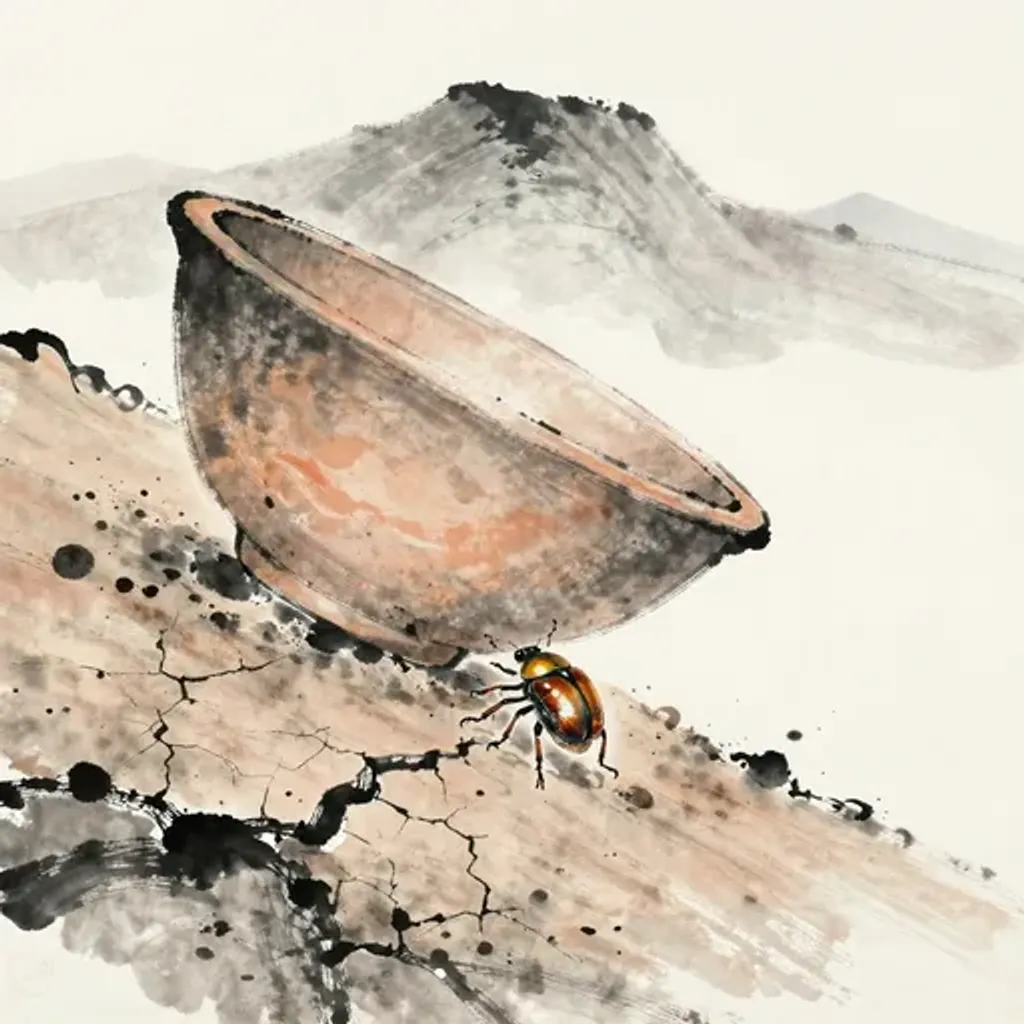
蜱蜉戴盆,不能上山。腳推跛蹶,頓傷其顏。
A mayfly carrying a basin; it cannot climb the hill. Feet slip, legs stumble; falling headlong, bruising its face.
— Jiao Yanshou, Yilin (Forest of Changes), 1st century BC
Commentary
Thunder returns beneath the earth, but the creature attempting the ascent is laughably mismatched to the task. A mayfly balances a basin on its back and tries to climb a mountain — the legs buckle, the insect stumbles and sprawls, smashing its face. The image is both comic and cruel: ambition absurdly exceeding capacity, the small creature crushed by the very weight it chose to carry. From Return to Gathering, lake upon earth, where things naturally congregate. The transformation suggests that gathering requires knowing one's proper place within the assembly. The mayfly's error is not ambition itself but solitary overreach — what is too heavy for one may be carried easily when shared among many gathered together.
復 → 升
Hexagram 24 → Hexagram 46: Pushing Upward
Changing lines: 1, 2, 3
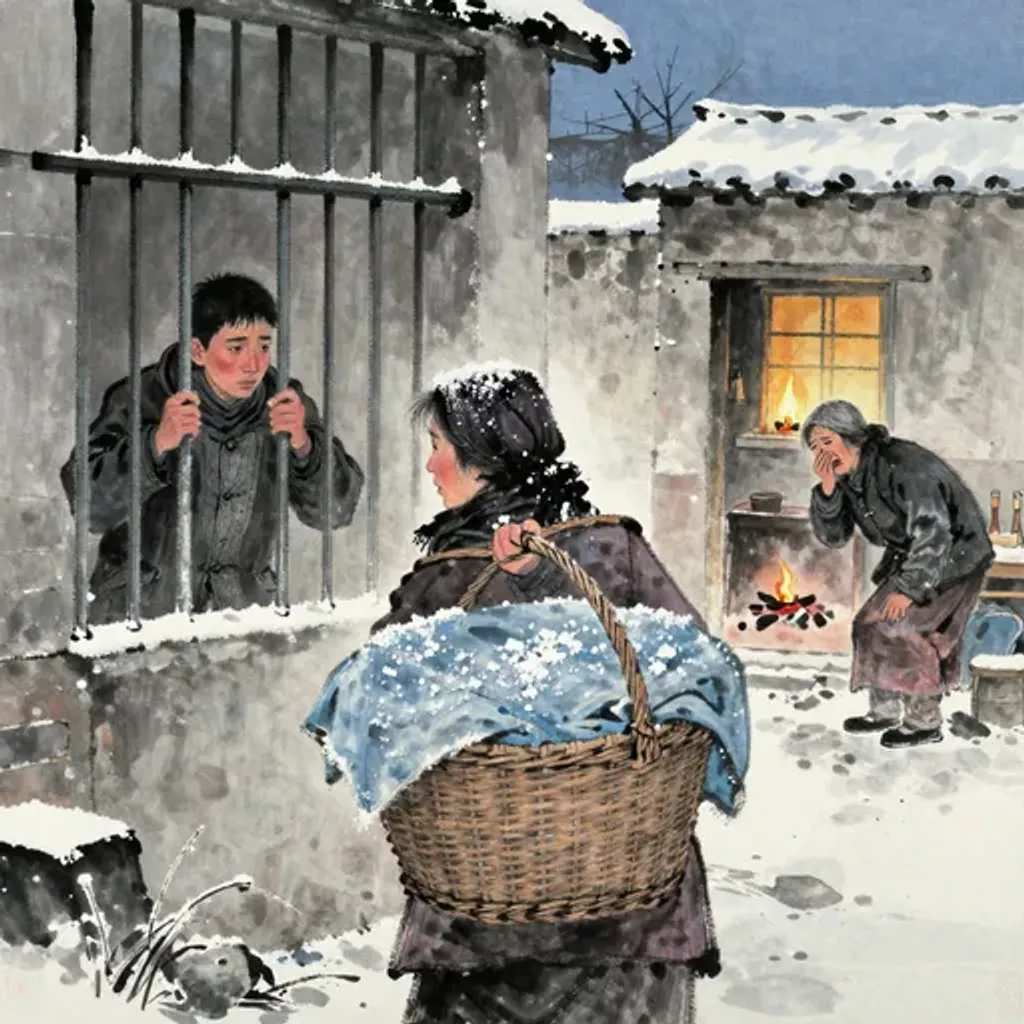
長子入獄,婦饋母哭。霜降愈甚,鄉晦伏法。
The eldest son enters prison; the wife brings food, the mother weeps. As frost falls ever harder; in the village darkness, he submits to the law.
— Jiao Yanshou, Yilin (Forest of Changes), 1st century BC
Commentary
Thunder returns beneath the earth, but the eldest son enters prison while his wife brings food and his mother weeps. As frost descends and deepens, the execution season arrives, and at dusk the sentence is carried out. The ancient custom of executing criminals during the autumn and winter frost season — when nature's destructive energy aligns with the act of taking life — gives this verse its terrible rhythm. The eldest son, pillar of the household, is condemned precisely when the cosmos sanctions killing. From Return to Pushing Upward, wood grows within the earth, rising gradually. The transformation is bitterly inverted: what should push upward in steady growth is instead pushed down into the ground by the weight of law and seasonal fate.
復 → 困
Hexagram 24 → Hexagram 47: Oppression
Changing lines: 1, 2, 4, 5
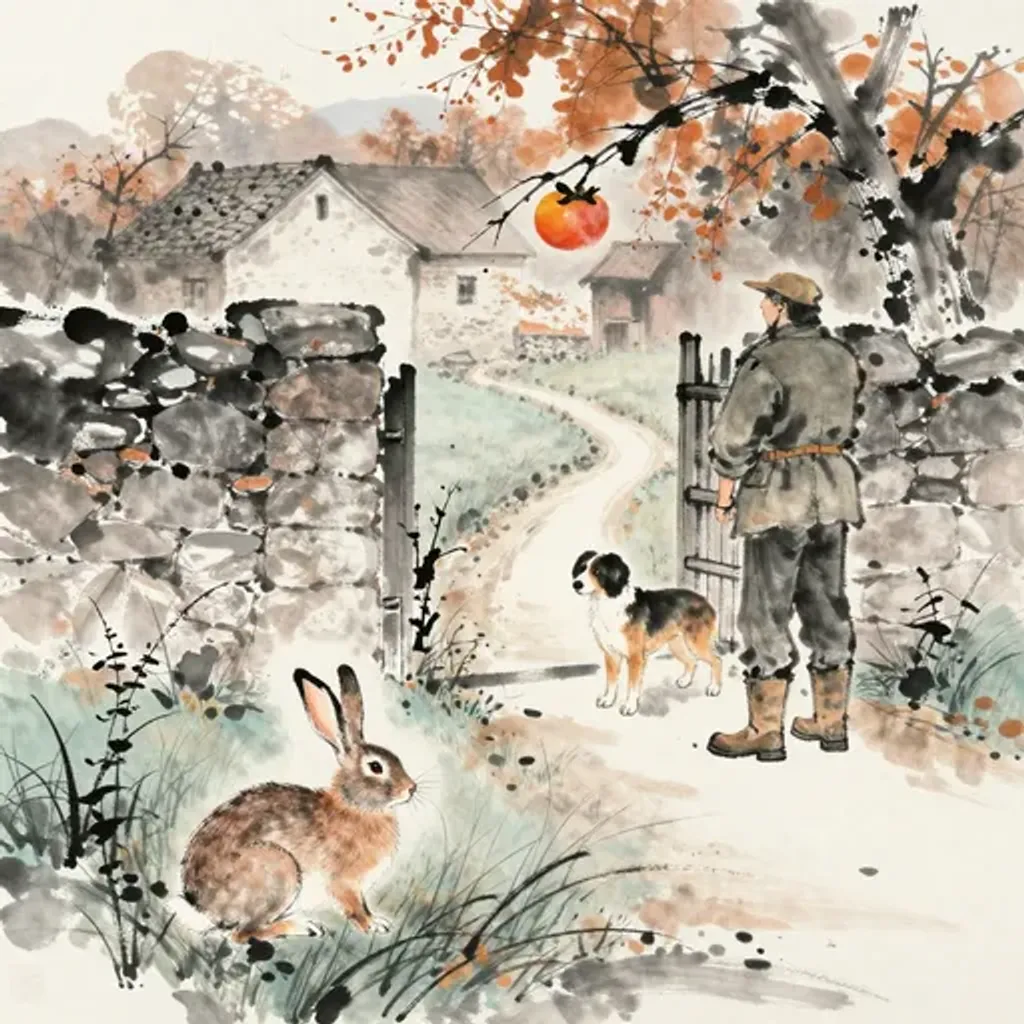
求犬得兔,請新遇故。雖不當路,踰吾舊舍。
Seeking a dog, one catches a rabbit; asking for the new, one meets the old. Though it is not the intended road; it surpasses my former dwelling.
— Jiao Yanshou, Yilin (Forest of Changes), 1st century BC
Commentary
Thunder returns beneath the earth in a scene of unexpected substitutions. Seeking a dog, one catches a hare; requesting something new, one encounters the familiar. Though the path is not the main road, it still leads past one's old dwelling. Nothing arrives as planned, yet every substitute proves adequate — the hare serves as well as the dog, the old friend replaces the new acquaintance, and the back road passes home. From Return to Oppression, lake above water, the pool drained dry. The transformation suggests that oppression's peculiar mercy lies in forcing improvisation: when the intended path is blocked, the detour through familiar ground provides its own comfort, and what was sought is found in what was already known.
復 → 井
Hexagram 24 → Hexagram 48: The Well
Changing lines: 1, 2, 3, 5
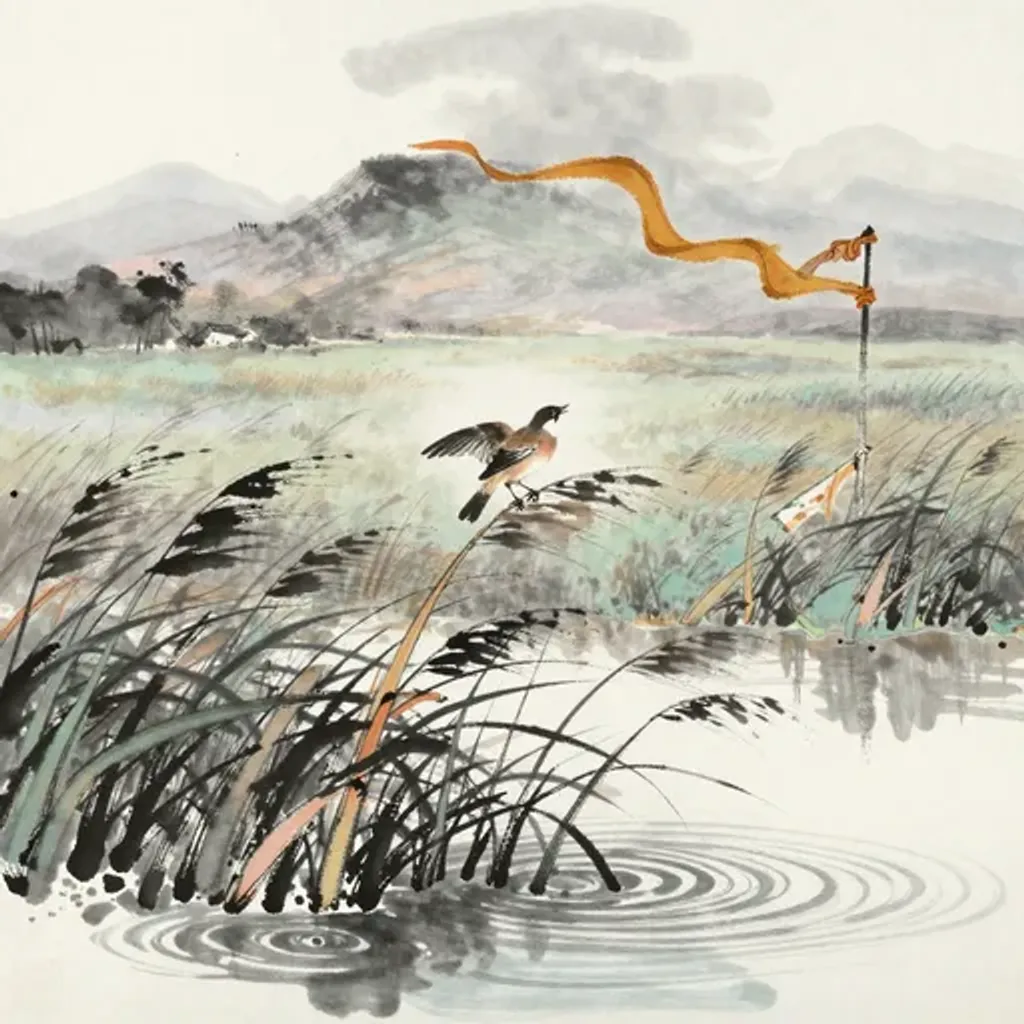
鳥鳴葭端,一呼三顛。搖動東西,危而不安。靈祝禱祉,疾病無患。
A bird calls from a reed tip; one cry, three tumbles. Swaying east and west; precarious and unsettled. A spirit-priest prays for blessing; illness and ailment are no worry.
— Jiao Yanshou, Yilin (Forest of Changes), 1st century BC
Commentary
Thunder returns beneath the earth as a bird cries from the tip of a reed, calling once and toppling three times — swaying east and west, precarious and unsettled. The reed-tip perch is the essence of instability: a songbird with no solid footing, every call shaking the stem that supports it. Yet the verse resolves in unexpected grace: a spirit medium prays for blessing, and illness is lifted. From Return to The Well, water above wood, the inexhaustible source that nourishes all. The transformation from shaking reed to steady well reveals how rootedness heals fragility. The well draws from depths that no surface trembling can disturb — its water rises through the wood to sustain the community above.
復 → 革
Hexagram 24 → Hexagram 49: Revolution
Changing lines: 3, 4, 5
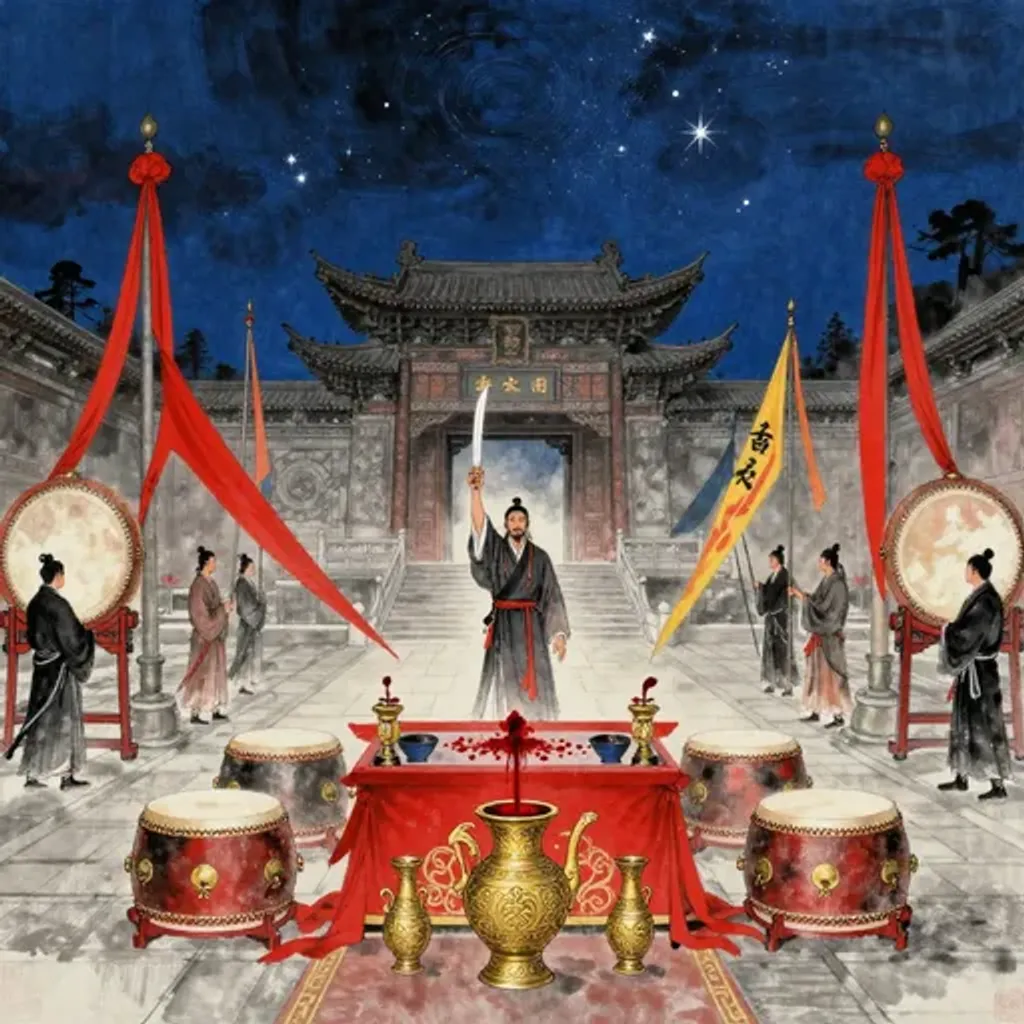
天厭禹德,命興湯國。祓社釁鼓,以除民疾。
Heaven wearies of Yu's virtue; commanding the rise of Tang's state. Purifying the altars, anointing the drums with blood; to rid the people of affliction.
— Jiao Yanshou, Yilin (Forest of Changes), 1st century BC
Commentary
Thunder returns beneath the earth as heaven grows weary of the Xia line's waning virtue and transfers its mandate to establish Tang's state. The altars are cleansed, the war drums anointed with sacrificial blood, and the people's afflictions are purged. This verse compresses the great dynastic revolution of Chinese antiquity: Yu's descendants lost the way, and King Tang of Shang arose to overthrow the tyrant Jie, founding a new order sanctified by ritual. From Return to Revolution, fire within the lake, opposing elements that catalyze transformation. The transformation is paradigmatic: return and revolution share a single pulse — the old mandate exhausted, a new one ignited. What appears as upheaval is heaven's way of returning the world to its proper course.
復 → 鼎
Hexagram 24 → Hexagram 50: The Cauldron
Changing lines: 1, 2, 3, 4, 6
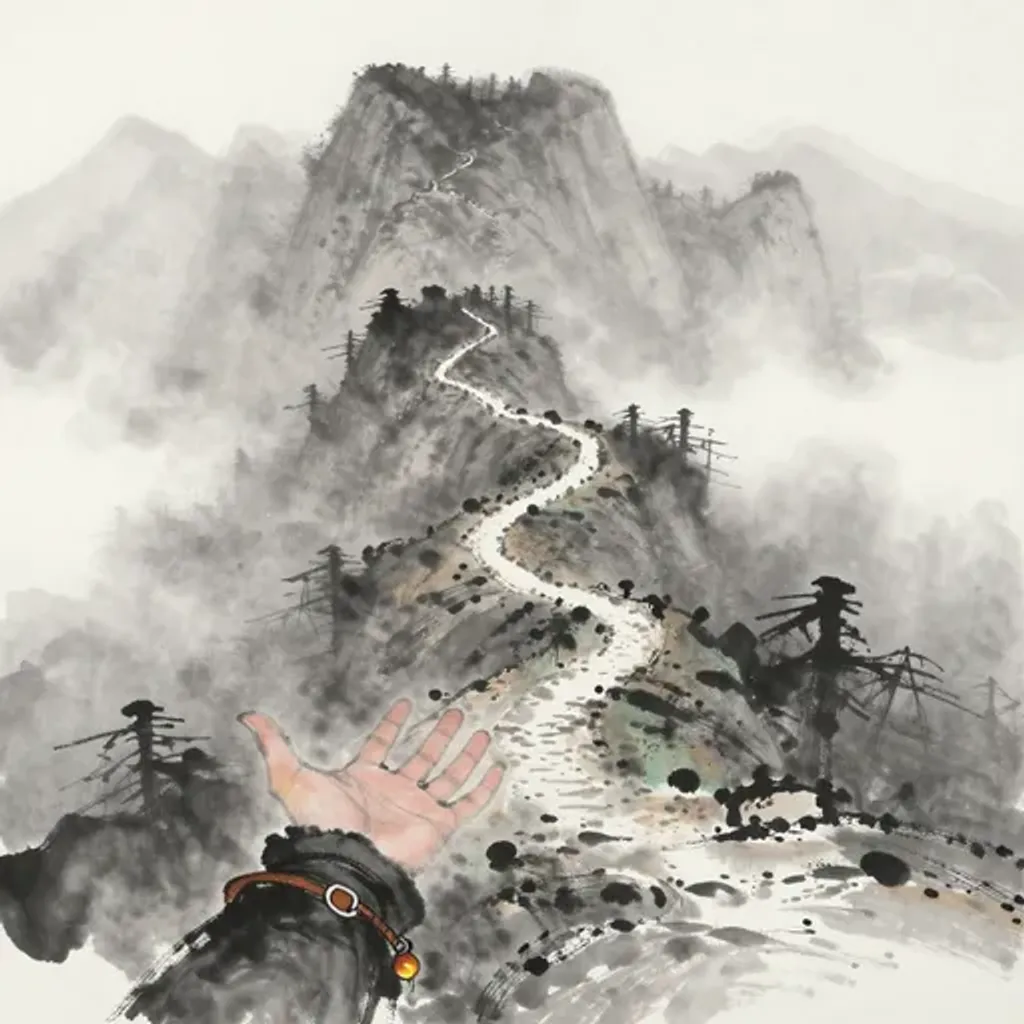
陰霧作匿,不見白日。邪徑迷道,使君亂惑。
Dark fog rises in concealment; the white sun cannot be seen. Crooked paths confuse the way; leading the lord into delusion.
— Jiao Yanshou, Yilin (Forest of Changes), 1st century BC
Commentary
Thunder returns beneath the earth, but a dark fog rises to conceal the white sun. Evil paths lead astray from the true road, plunging the lord into confusion. The fog — yin energy made visible — actively suppresses clarity, and the traveler who should be returning home instead wanders deeper into deception. From Return to The Cauldron, fire above wood, the vessel that transforms raw ingredients into civilized nourishment. The transformation exposes the gap between potential and obstruction: the cauldron's fire should illuminate and refine, but when fog obscures the way to the hearth, even the finest vessel sits unused. The ruler must first dispel illusion before institutional renewal can begin.
復 → 震
Hexagram 24 → Hexagram 51: The Arousing Thunder
Changing lines: 4
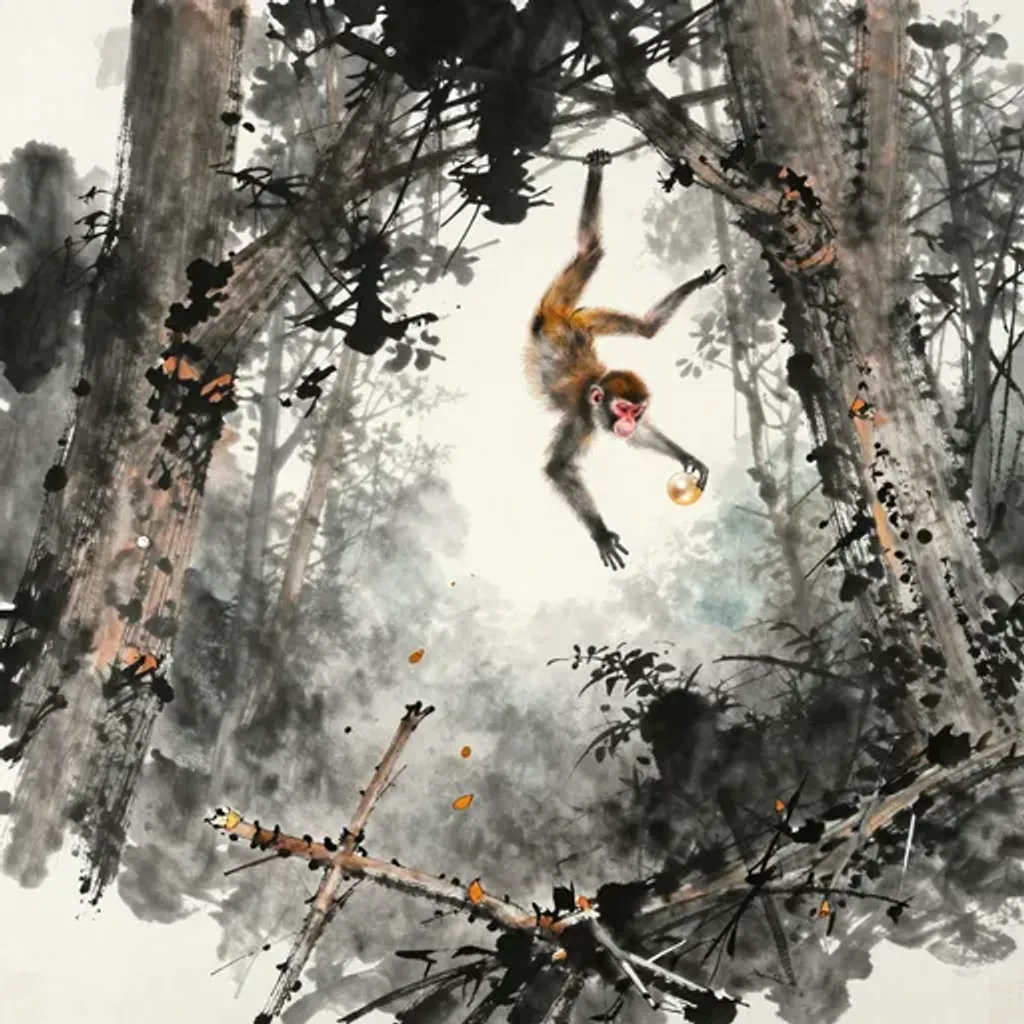
猿墮高木,不踒手足。握珠懷玉,還歸我室。
An ape falls from a tall tree; it does not break hand or foot. Clutching pearls, embracing jade; it returns to its dwelling.
— Jiao Yanshou, Yilin (Forest of Changes), 1st century BC
Commentary
Thunder returns beneath the earth and erupts as doubled thunder. An ape falls from a tall tree yet does not break its hands or feet — the agile creature absorbs the shock and lands unharmed. Clutching pearls and cradling jade, it returns safely to its den. The ape's fall is a test of resilience: the height is dangerous, but the supple body adapts to the impact. What it carries — pearls and jade, symbols of wisdom and virtue — survives the tumble intact. From Return to The Arousing, doubled thunder shakes the world. The transformation captures how shock serves the prepared: the one who has cultivated flexibility turns upheaval into opportunity, landing safely with treasures in hand while others shatter.
復 → 艮
Hexagram 24 → Hexagram 52: Keeping Still Mountain
Changing lines: 1, 3, 6
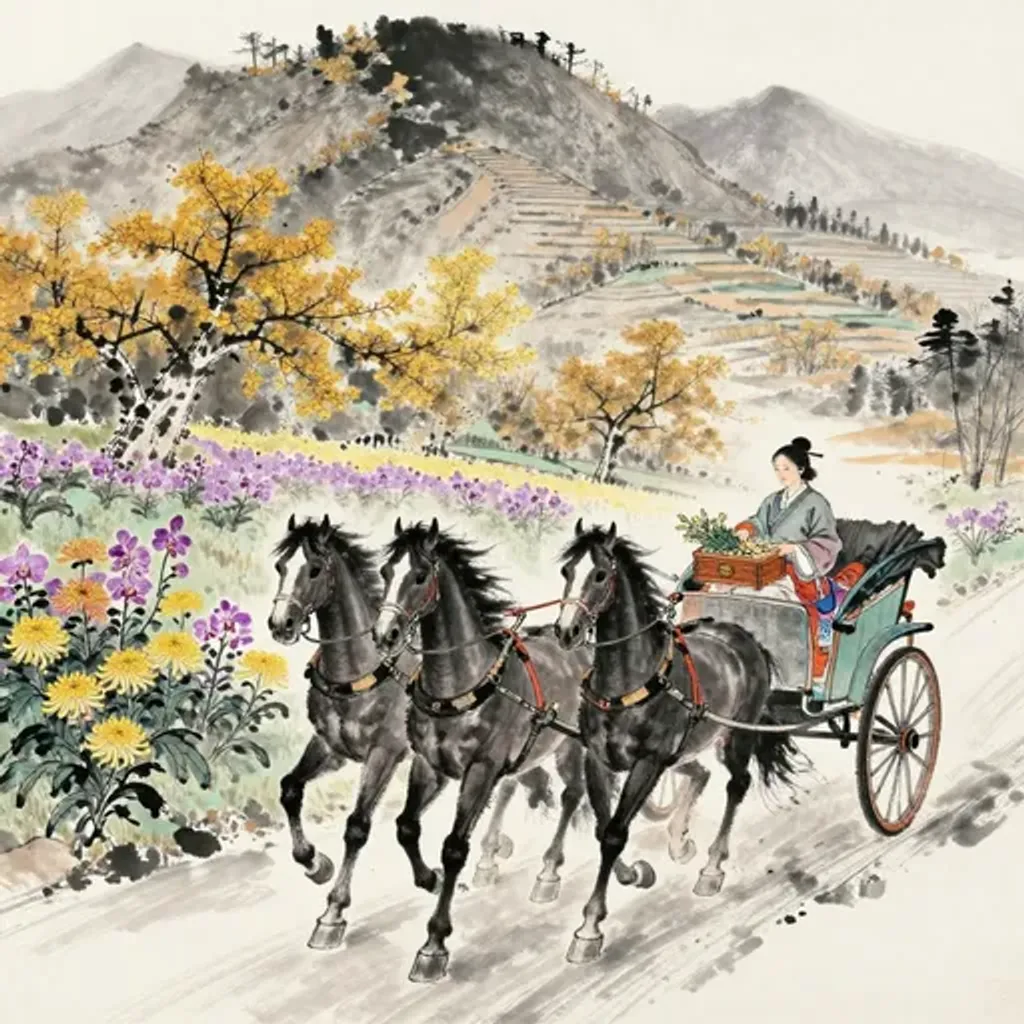
三驪負衡,南取芝香。秋蘭芬馥,盛滿匣匱。利我少姜。
Three black horses bear the crossbar; southward they gather fragrant lingzhi. Autumn orchids, rich and sweet; filling boxes and chests to the brim. A blessing for my young maiden.
— Jiao Yanshou, Yilin (Forest of Changes), 1st century BC
Commentary
Thunder returns beneath the earth as three black horses draw a carriage south to gather fragrant herbs. Autumn orchids bloom in sweet profusion, filling chests and caskets to overflowing. The verse closes with a blessing: 'May it profit my Shao Jiang' — likely an allusion to a beloved woman, perhaps echoing the historical Shao Jiang of Qi who married into the Jin court. The imagery is sensuous and abundant: dark horses, southern fragrance, orchids in autumn, containers brimming with precious botanicals. From Return to Keeping Still, twin mountains in quiet repose. The transformation suggests that the restless search for beauty resolves in stillness — the treasures gathered on the journey are finally stored and savored at rest.
復 → 漸
Hexagram 24 → Hexagram 53: Development
Changing lines: 1, 3, 5, 6
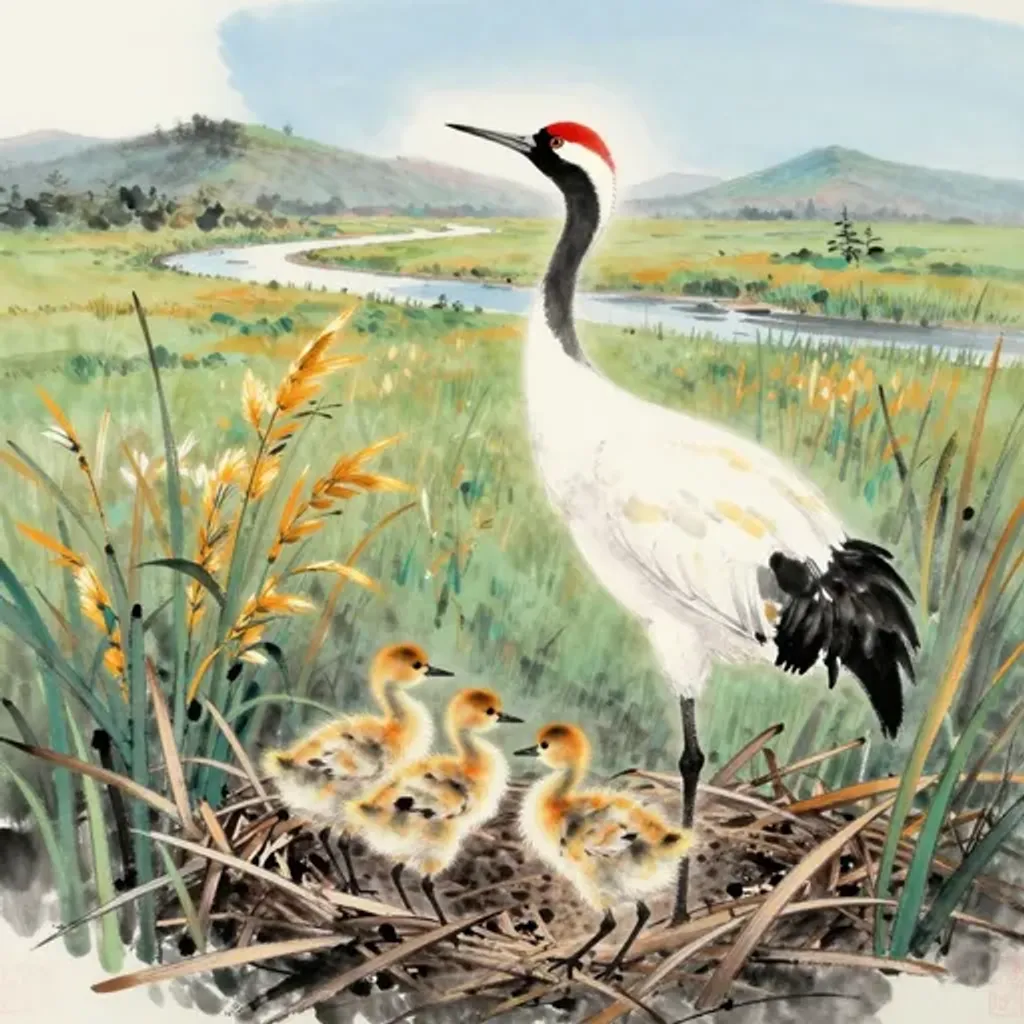
春生夏乳,羽毛成就,舉不失宜,君臣相好。盜走奔北,終無有晦。
Born in spring, nursed in summer; plumage fully formed. Rising at the proper time; lord and minister in mutual accord. Thieves flee and run north; in the end, no darkness.
— Jiao Yanshou, Yilin (Forest of Changes), 1st century BC
Commentary
Thunder returns beneath the earth in perfect seasonal alignment. Spring gives birth, summer nurses the young, feathers and plumage form in proper sequence — nothing misses its rightful timing. Lord and minister enjoy mutual goodwill. Bandits flee northward, defeated, and no shadow of misfortune lingers. This is the ideal unfolding of the natural and political order: each phase completes on schedule, governance harmonizes above and below, and threats dissolve of their own accord. From Return to Development, wind above mountain, the tree on the mountain grows slowly but surely. The transformation deepens the seasonal logic: gradual development, each stage building on the last, produces an order so robust that evil has no foothold.
復 → 歸妹
Hexagram 24 → Hexagram 54: The Marrying Maiden
Changing lines: 2, 4
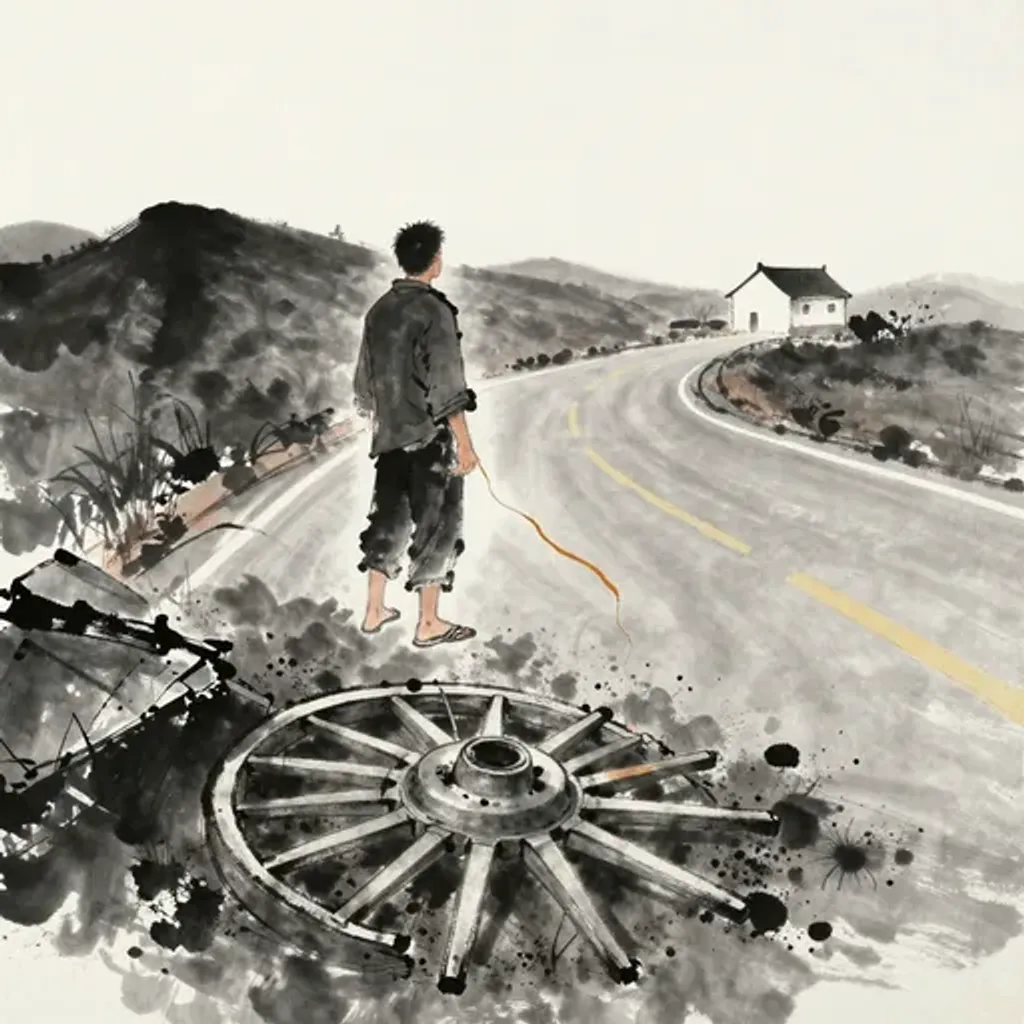
東行破車,遠反室家。天命訖終,無所禱凶。
Traveling east, the cart breaks down; far from returning home. Heaven's mandate reaches its end; there is nothing to pray against the misfortune.
— Jiao Yanshou, Yilin (Forest of Changes), 1st century BC
Commentary
Thunder returns beneath the earth, but the eastbound wagon breaks down yet again — the third repetition of this motif in the batch — and the traveler is thrown far from home. Worse still, heaven's mandate has reached its end, and no amount of prayer can avert the approaching calamity. This is not merely personal misfortune but cosmic finality: the protective order has expired, and supplication to the gods yields nothing. From Return to the Marrying Maiden, thunder above lake, the younger daughter given in an arrangement she did not choose. The transformation suggests that when the mandate is exhausted, all returns become departures. The maiden goes to a household that is not her own — return has become exile.
復 → 豐
Hexagram 24 → Hexagram 55: Abundance
Changing lines: 3, 4
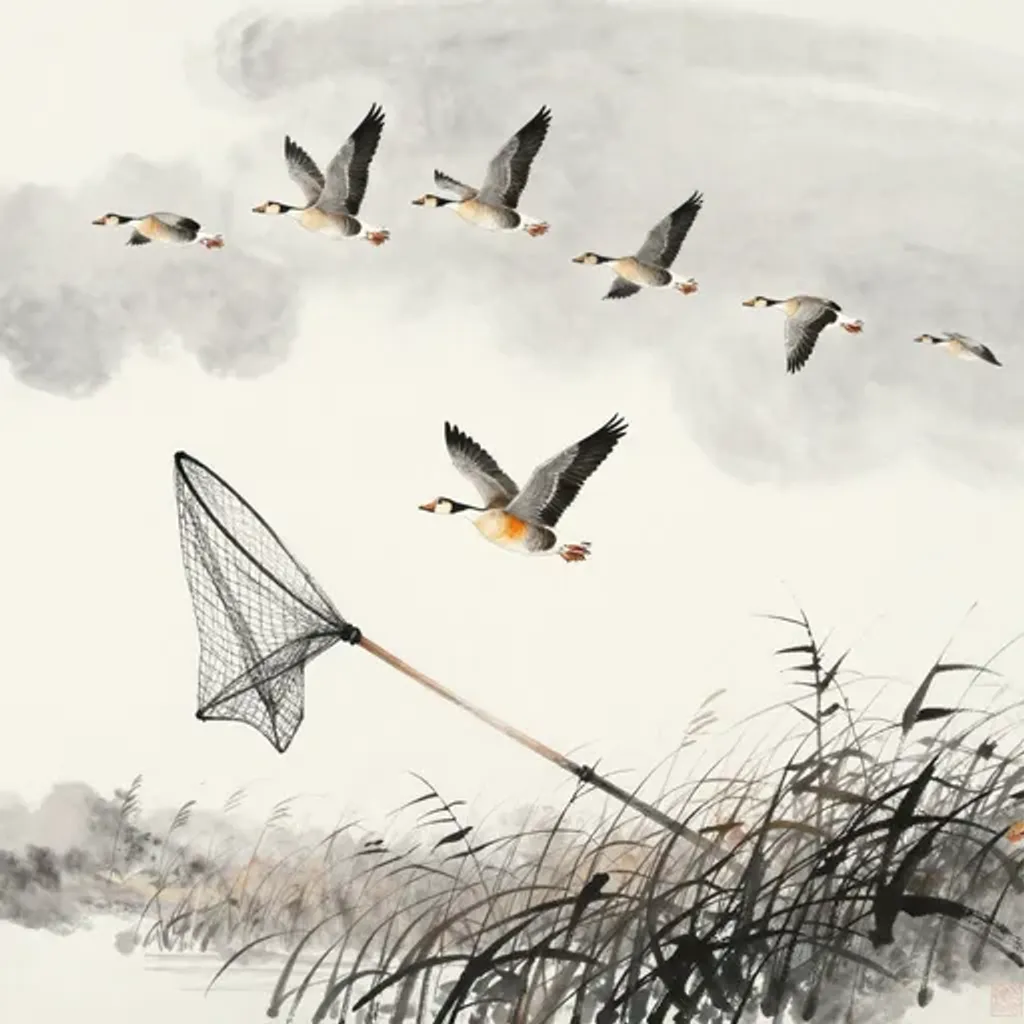
九雁列陳,雌獨不群。為罾所牽,死於庖人。
Nine geese in formation; the lone female strays from the flock. Caught by the snare's pull; she dies at the cook's hand.
— Jiao Yanshou, Yilin (Forest of Changes), 1st century BC
Commentary
Thunder returns beneath the earth as nine wild geese fly in formation, but one female strays from the flock. Snared by a net, she meets her end at the cook's hand. The lone goose separated from her companions is the most vulnerable — formation is survival, and isolation is death. The number nine suggests near-completeness: only one breaks away, and that single deviation proves fatal. From Return to Abundance, thunder and lightning arrive together in overwhelming fullness. The transformation carries an ominous edge: abundance itself can be the trap. The goose that strays toward plenty — extra grain, a separate pond — is the one the net catches. In times of surplus, the discipline of staying with the group matters more than ever.
復 → 旅
Hexagram 24 → Hexagram 56: The Wanderer
Changing lines: 1, 3, 4, 6
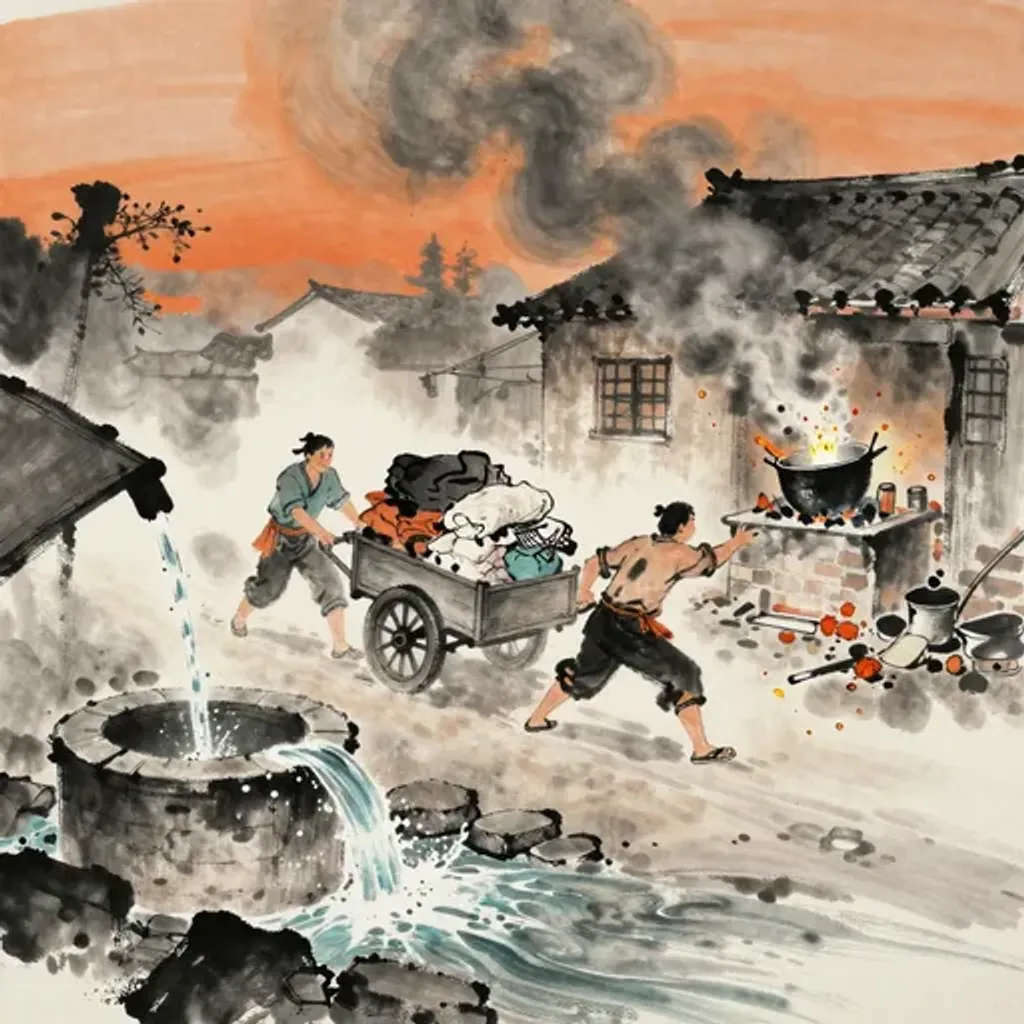
二人輦車,徙去其家。井沸釜鳴,不可以居。
Two men pull a cart; moving away from their home. The well boils, the pot cries out; one cannot remain here.
— Jiao Yanshou, Yilin (Forest of Changes), 1st century BC
Commentary
Thunder returns beneath the earth, but the house is already lost. Two people pull a handcart, hauling their possessions away from home. The well boils and the cooking pot roars — ominous signs that the dwelling itself has become uninhabitable, as if the earth beneath it is in revolt. In Chinese omen lore, a well that suddenly boils or a pot that hums without fire signals imminent disaster or the need to flee. From Return to The Wanderer, fire upon the mountain, the traveler passing through without settling. The transformation makes the displacement permanent: what began as flight from a haunted house becomes the wanderer's life. Home is not destroyed — it has become hostile, and the only return possible is to keep moving.
復 → 巽
Hexagram 24 → Hexagram 57: The Gentle Wind
Changing lines: 1, 2, 3, 5, 6
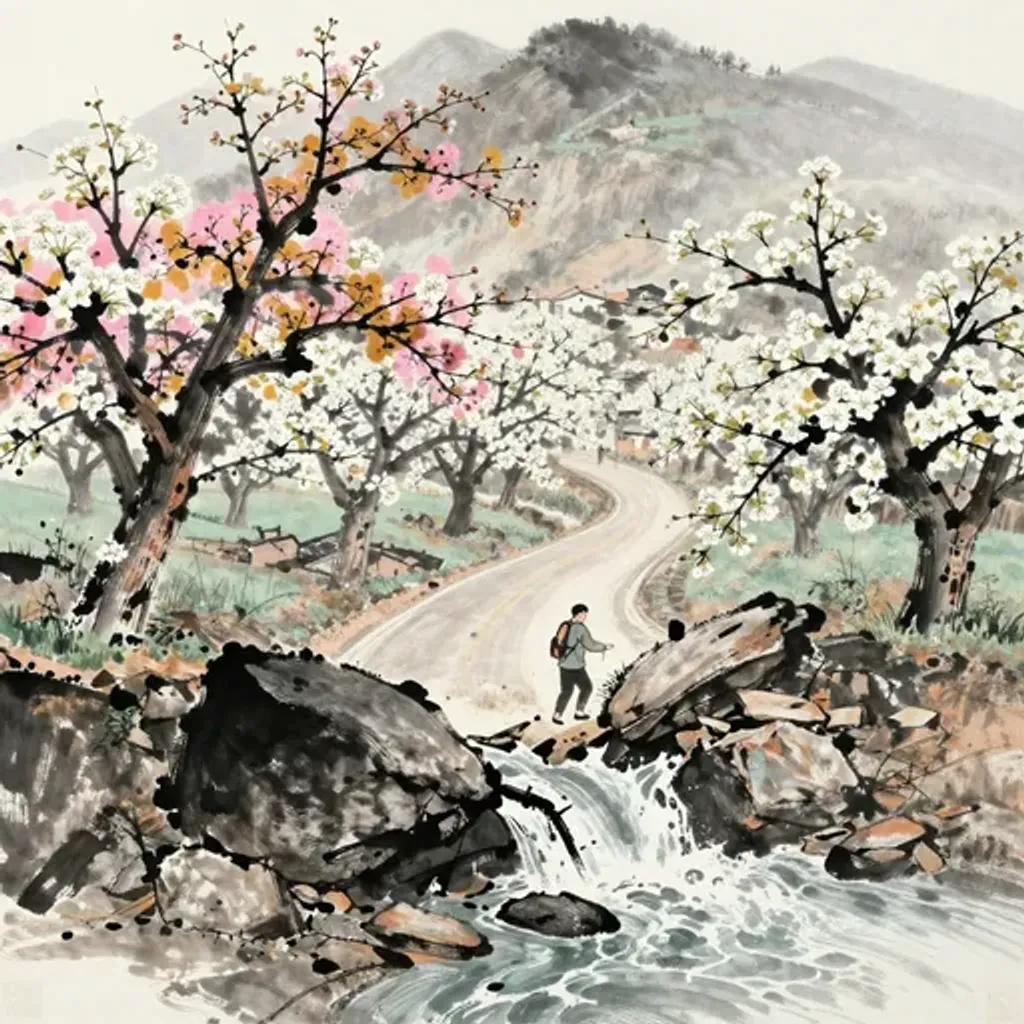
閉塞復通,與善相逢。甘棠之人,解我憂凶。
Blocked and shut, then open again; meeting good fortune once more. The man of the sweet pear tree; he delivers us from worry and woe.
— Jiao Yanshou, Yilin (Forest of Changes), 1st century BC
Commentary
Thunder returns beneath the earth as a blocked passage reopens and one meets with goodness on the road. The 'man of the sweet pear tree' resolves all worry and danger. This alludes to the Duke of Shao (召伯), celebrated in the Shijing ode 'Gan Tang,' who administered justice under a sweet pear tree. So beloved was he that after his death the people refused to cut the tree. His appearance in the verse signals rescue through virtuous governance — a just administrator who dissolves the traveler's distress. From Return to The Gentle, doubled wind penetrates everywhere. The transformation connects unblocking with the wind's pervasive influence: once the obstruction clears, benevolent authority flows through every corner like a gentle, persistent breeze.
復 → 兌
Hexagram 24 → Hexagram 58: The Joyous Lake
Changing lines: 2, 4, 5
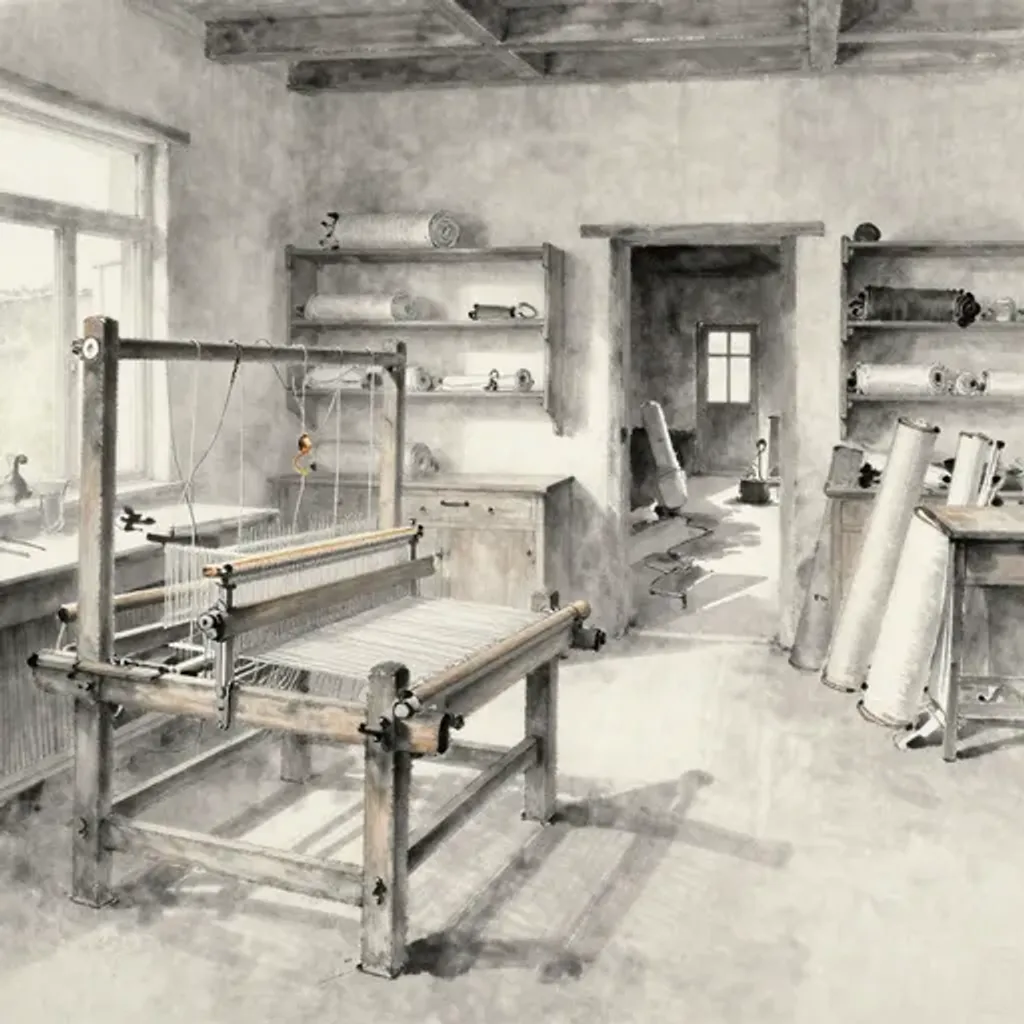
賦歛重數,政為民賊。杼軸空虛,去其家室。
Taxes levied heavy and often; governance that robs the people. Shuttle and loom stand empty; they leave their homes behind.
— Jiao Yanshou, Yilin (Forest of Changes), 1st century BC
Commentary
Thunder returns beneath the earth, but the state levies taxes relentlessly, and governance becomes a plague upon the people. Looms stand empty, shuttle and axle exhausted — the weavers have been stripped bare by extraction, and families abandon their homes. The image of empty looms is devastating: the productive heart of the household has been drained, not by famine or war but by the state's own rapacity. From Return to The Joyous, twin lakes sharing their waters in mutual delight. The transformation produces bitter irony: the hexagram of joy and shared abundance stands in stark contrast to a populace bankrupted by its own government. True joy requires that something remain to be shared; taxation that empties the loom leaves nothing for anyone.
復 → 渙
Hexagram 24 → Hexagram 59: Dispersion
Changing lines: 1, 2, 5, 6
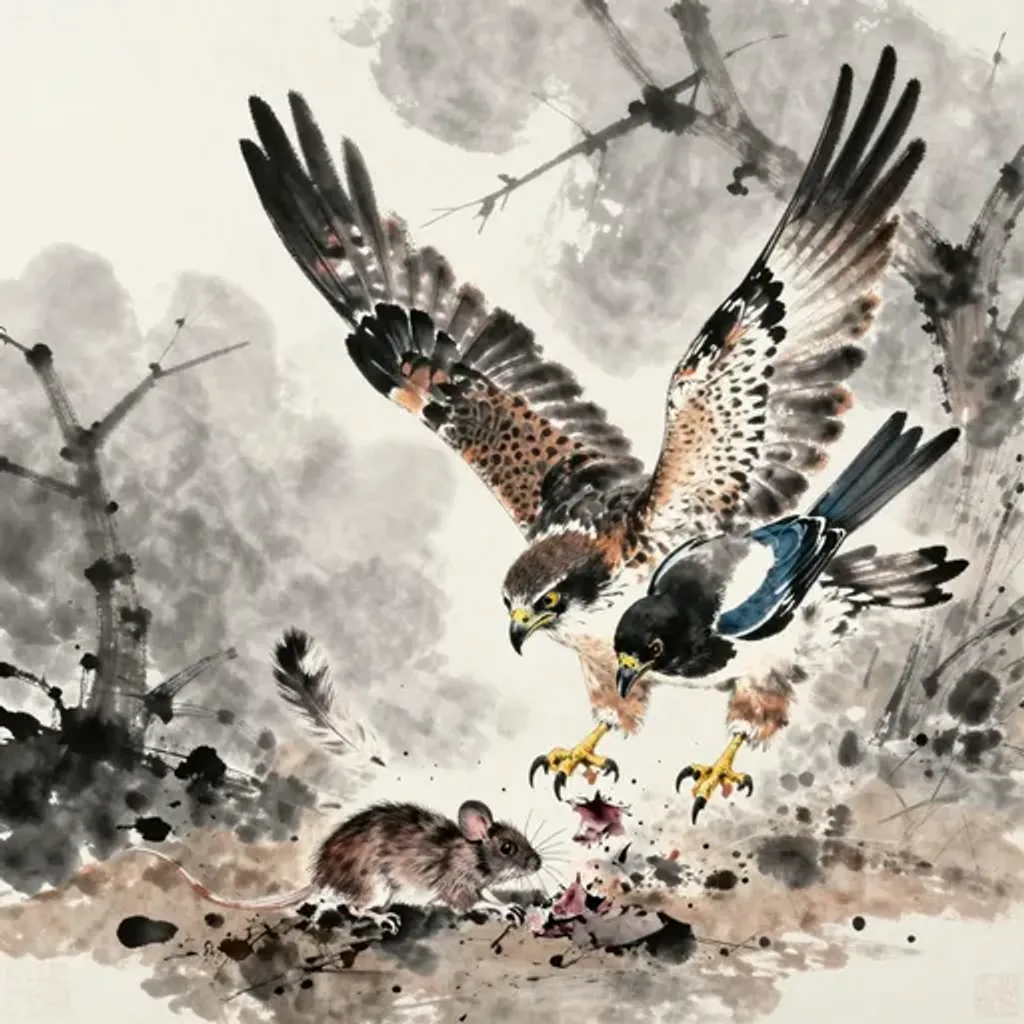
怒非其怨,貪垢腐鼠。而呼鵲鴟,自分失餌。致被殃患。
Rage not born of true grievance; coveting a rotten mouse. Calling out to the magpie and hawk; taking what is due to oneself, losing the bait. Thereby inviting calamity.
— Jiao Yanshou, Yilin (Forest of Changes), 1st century BC
Commentary
Thunder returns beneath the earth, but the anger is misdirected. One rages at those who bear no grudge, then covets a rotten mouse with the greed of a hawk-owl fighting over carrion. The verse evokes the Zhuangzi parable of the owl guarding a putrid rat, suspecting the phoenix of wanting to steal it — projecting one's own baseness onto the noble. By calling in the magpie and the owl, the figure divides his own spoils among quarreling scavengers and loses even the rotten morsel, bringing disaster upon himself. From Return to Dispersion, wind above water scatters what had cohered. The transformation shows how misplaced anger and petty greed disintegrate the self: what should reconsolidate instead disperses into ruin.
復 → 節
Hexagram 24 → Hexagram 60: Limitation
Changing lines: 2, 5
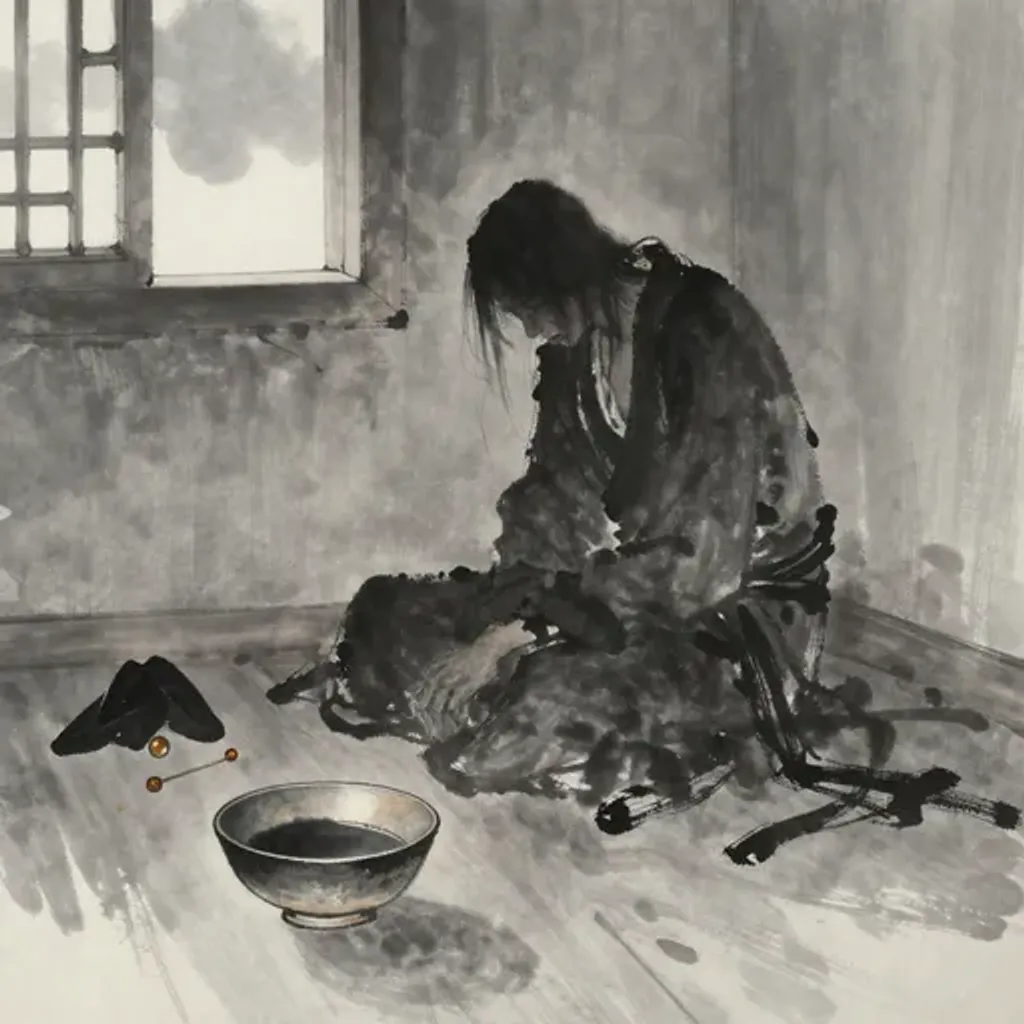
簪跌帶長,幽思窮苦。瘠貌小瘦,以病疾降。
The hairpin slips, the sash hangs long; dim thoughts and deep distress. Gaunt and thin, wasting away; brought low by illness and decline.
— Jiao Yanshou, Yilin (Forest of Changes), 1st century BC
Commentary
Thunder returns beneath the earth, but the figure is wasted and diminished. The hairpin has fallen, the belt hangs too long on a shrunken frame. Secluded thoughts turn to anguish, the body grows gaunt and thin, and illness presses the spirit downward. Every detail maps physical decline: ornaments that no longer fit a body reduced by suffering, mental torment manifesting as bodily wasting. The hairpin's fall suggests loss of status or composure; the overlong belt reveals how much the wearer has shrunk. From Return to Limitation, water above lake, measured restraint. The transformation reframes the suffering: limitation, consciously applied, prevents excess — but limitation imposed by disease and grief is a different order of reduction, one that demands compassion rather than discipline.
復 → 中孚
Hexagram 24 → Hexagram 61: Inner Truth
Changing lines: 2, 5, 6
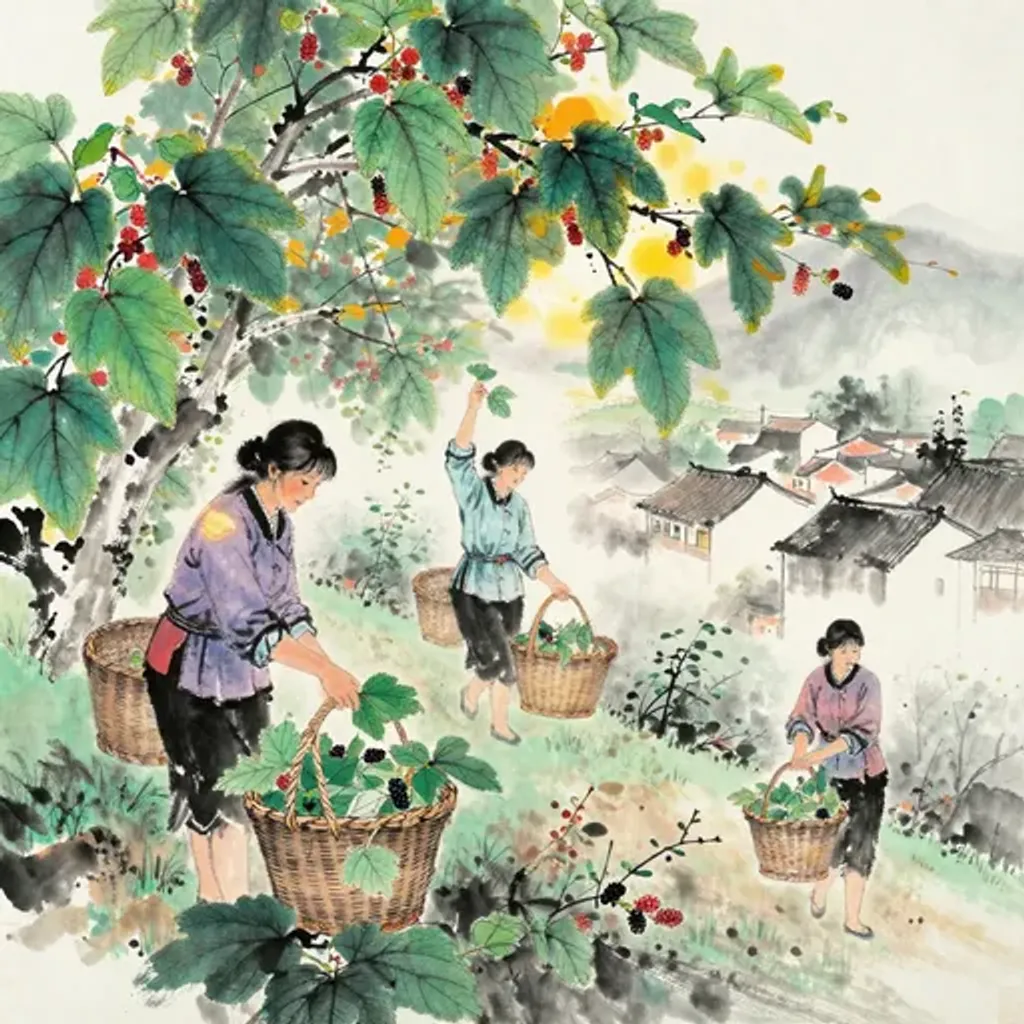
三人俱行,各別採桑。蘊其筐莒,留我嘉旅。得歸無咎,四月來處。
Three people travel together; each goes separately to gather mulberry. Storing it in baskets and hampers; leave behind our fine companions. Returning home without fault; in the fourth month, they come to stay.
— Jiao Yanshou, Yilin (Forest of Changes), 1st century BC
Commentary
Thunder returns beneath the earth as three companions walk together, each gathering mulberry leaves separately. They fill their baskets and hampers, and the good company is preserved. The traveler returns home without blame, arriving in the fourth month. The mulberry harvest is both practical (silkworm fodder) and symbolic — the Shijing's 'among the mulberries' carries associations of meetings, seasonal labor, and communal purpose. Three people working side by side yet each tending their own task captures the essence of trust: proximity without interference, shared purpose without surveillance. From Return to Inner Truth, wind above lake, sincerity reaching even fish and pigs. The transformation connects faithful labor to authentic trust — the fourth month's safe return is earned by honest work done together.
復 → 小過
Hexagram 24 → Hexagram 62: Small Exceeding
Changing lines: 1, 3, 4
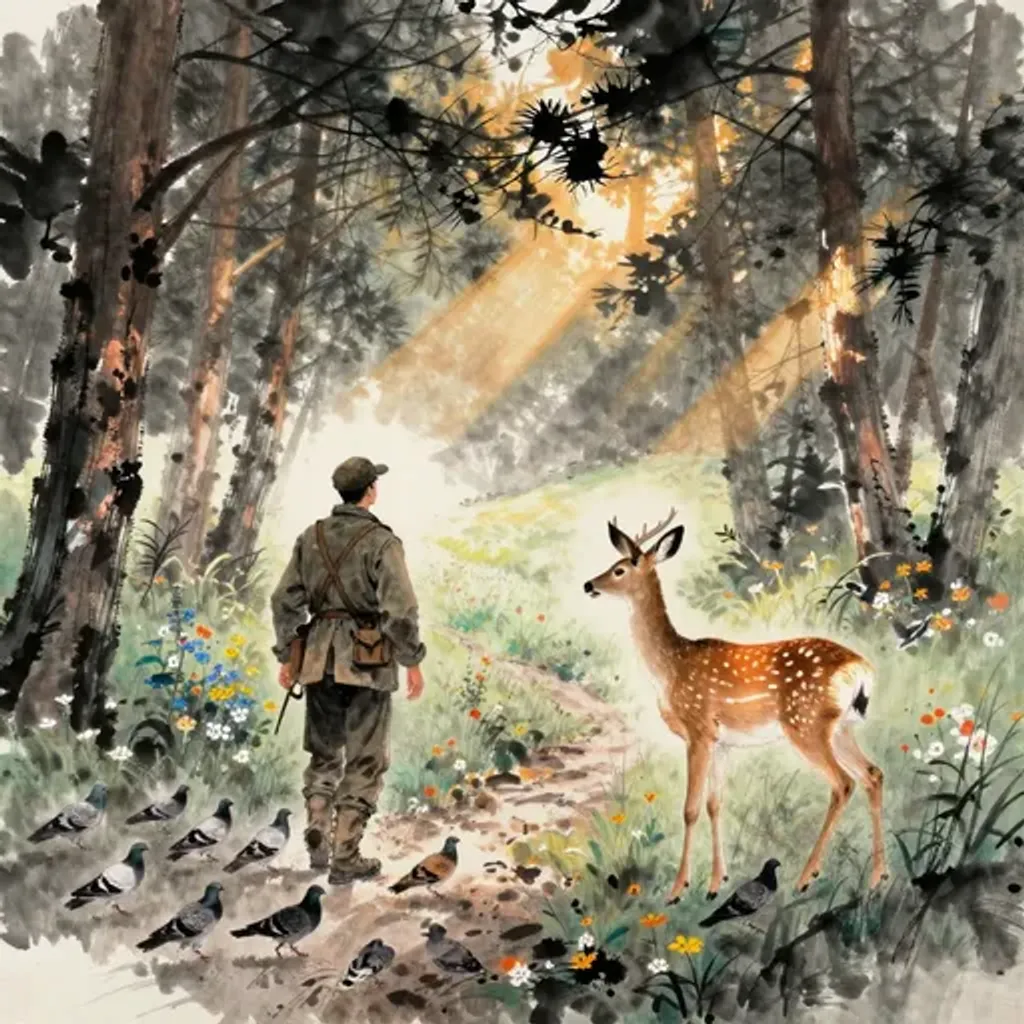
逐鳩南飛,與喜相隨。并獲鹿子,多得利歸。雖憂不危。
Chasing doves southward in flight; catching a fawn along the way. Together gaining the deer's young; returning home with much profit. Though there is worry, there is no peril.
— Jiao Yanshou, Yilin (Forest of Changes), 1st century BC
Commentary
Thunder returns beneath the earth as one chases a turtledove flying south and finds joy following alongside. A young deer is captured in the bargain, and the hunter returns laden with profit. Though there is worry, there is no real danger. The verse radiates cautious optimism: the pursuit succeeds, the unexpected bonus materializes, and anxiety proves groundless. The turtledove flying south echoes the return motif — following the bird's instinct leads to abundance. From Return to Small Exceeding, thunder above mountain, the small bird flying with uneven wings. The transformation refines the hunt's lesson: exceeding in small things — the modest overshoot of chasing one bird and catching a deer too — is precisely the kind of harmless surplus this hexagram celebrates. Go slightly beyond, but not too far.
復 → 既濟
Hexagram 24 → Hexagram 63: After Completion
Changing lines: 3, 5
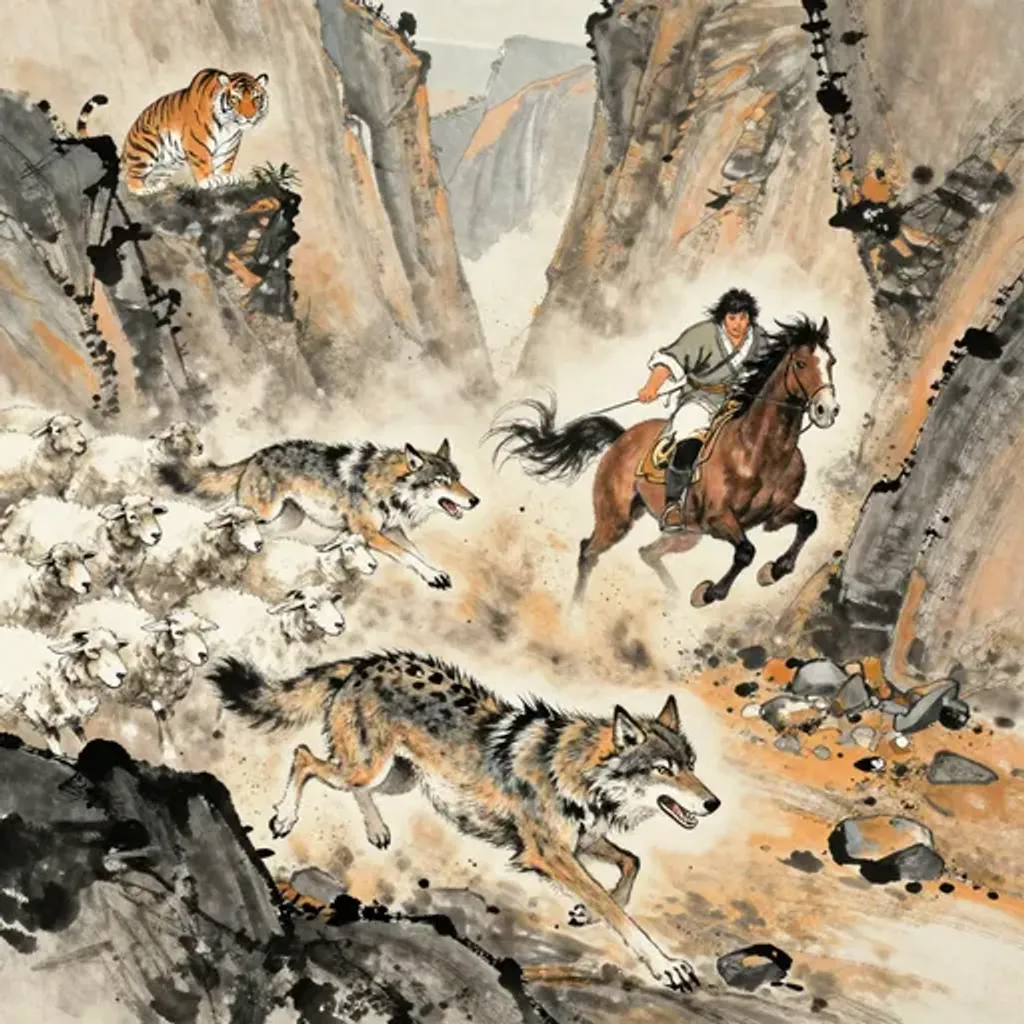
驅羊南行,與禍相逢。狼驚吾馬,虎盜我子。悲恨自咎。
Driving sheep southward; meeting disaster on the way. The wolf startles my horse; the tiger steals my child. In grief and regret, one blames oneself.
— Jiao Yanshou, Yilin (Forest of Changes), 1st century BC
Commentary
Thunder returns beneath the earth, but the southward drive of sheep walks straight into disaster. Wolves stampede the horses and a tiger seizes the child — grief and self-blame engulf the traveler. The pastoral scene collapses into predation: what began as routine animal husbandry becomes a nightmare of loss, the herdsman powerless against wild beasts. The wolf and tiger do not merely attack; they rob specific things — the horse (mobility) and the child (future). From Return to After Completion, water above fire, everything in its proper place. The transformation is bitterly ironic: perfect order describes a state this traveler will never reach. Completion mocks the one who has lost everything to chaos on the road.
復 → 未濟
Hexagram 24 → Hexagram 64: Before Completion
Changing lines: 1, 2, 4, 6
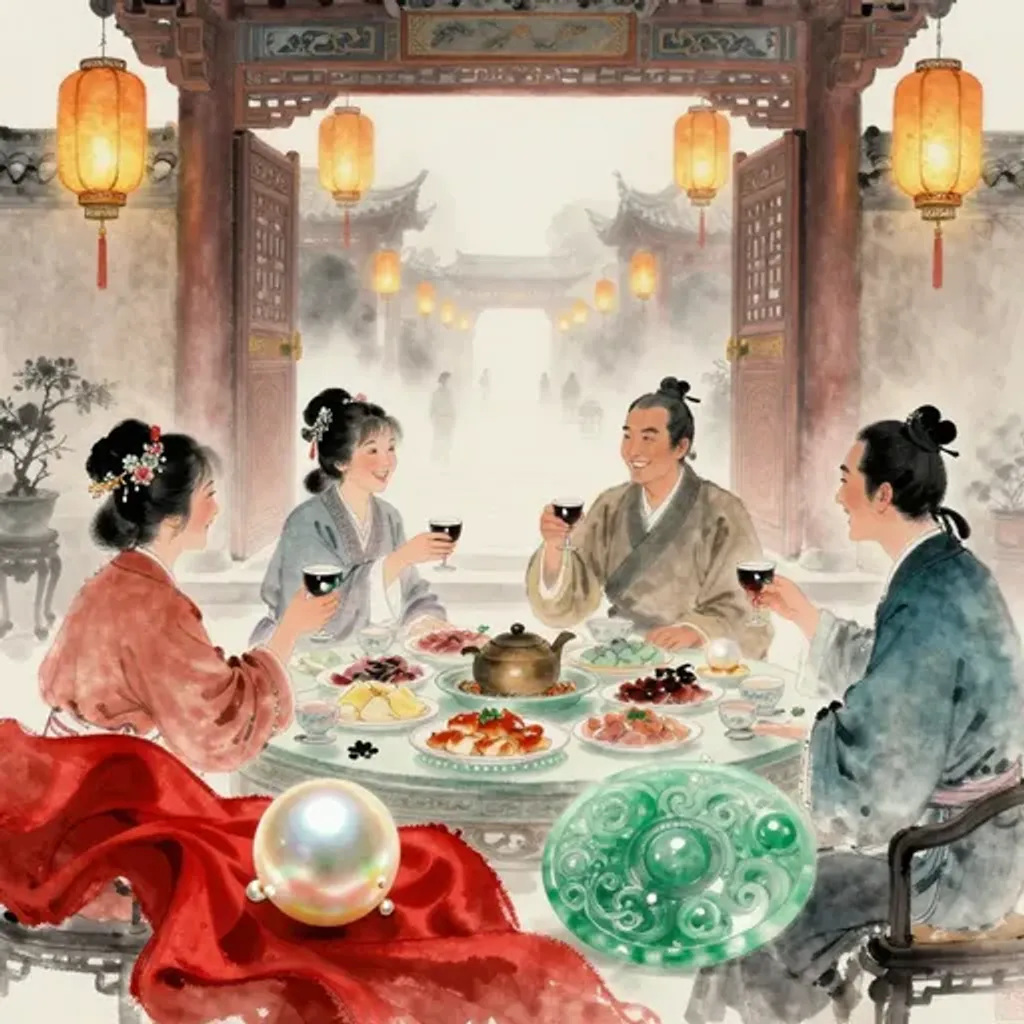
東鄰西國,福喜同樂。出得隋珠,留獲和玉。俱利有喜。
Eastern neighbor, western land; blessing and joy shared together. Gaining the Sui pearl abroad; keeping the He jade at home. All share profit and delight.
— Jiao Yanshou, Yilin (Forest of Changes), 1st century BC
Commentary
Thunder returns beneath the earth, and east and west neighbors share in festive joy. The traveler sets forth and discovers a Sui pearl; staying home, one finds a He jade. Both yield delight and profit. The Sui pearl and He jade are the two supreme treasures of Chinese legend: the Marquis of Sui's luminous pearl, given in gratitude by a serpent, and Bian He's jade disc, rejected twice before its true worth was recognized. Obtaining both at once is the ultimate emblem of comprehensive good fortune. From Return to Before Completion, fire above water, not yet crossed over. The transformation adds a surprising depth: even with all treasures in hand, the crossing is not yet complete. Fortune has arrived, but the journey continues — fulfillment remains ahead, and these jewels are provisions for the road, not the destination itself.