Transformations of Hexagram 32
Every line of change out of Hexagram 32 恆 Duration, with the Yilin verse for each of the 64 resulting hexagrams, its translation, and the original ink brush artwork.
恆 → 乾
Hexagram 32 → Hexagram 1: The Creative
Changing lines: 1, 5, 6
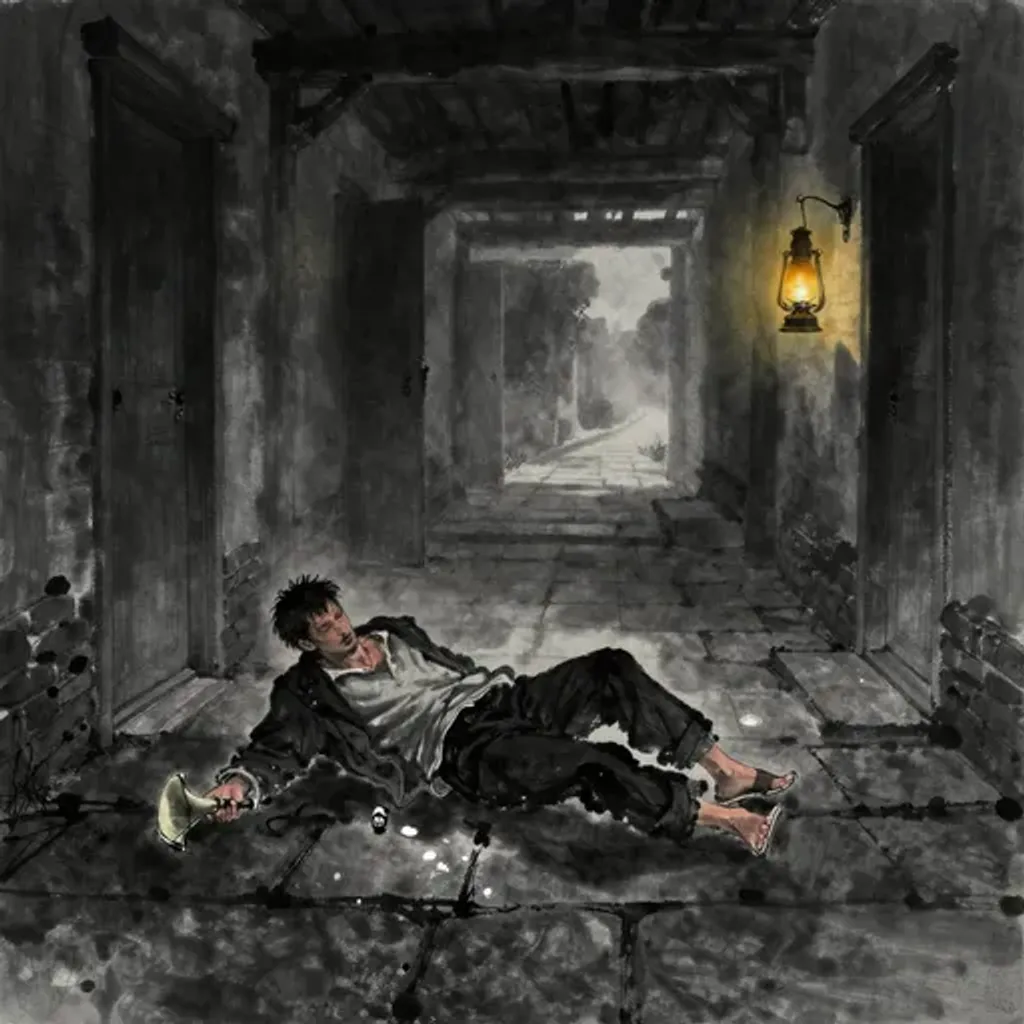
登墀踒足,南行折角,長夜之室,不逢忠直。
Ascending the terrace, the foot twists; going south, the horn breaks. In the long chamber of night, one finds no loyal or upright counsel.
— Jiao Yanshou, Yilin (Forest of Changes), 1st century BC
Commentary
Thunder above wind, the image of Duration, gives way to doubled heaven — the Creative's pure self-generating force. A man ascends the palace steps but twists his foot; heading south, he breaks his horn. In the long night's chamber, no loyal and upright counselor can be found. Duration promises constancy, but here persistence meets only injury: the steady walk falters, the southward advance snaps. When the enduring pattern transforms into pure initiative, the transition demands strength the subject lacks. From Duration to the Creative, the shift from steady rhythm to unrelenting drive overwhelms one who mistakes habit for capacity. Without honest counsel to correct the course, the chamber remains dark and the stumble becomes a fall.
恆 → 坤
Hexagram 32 → Hexagram 2: The Receptive
Changing lines: 2, 3, 4
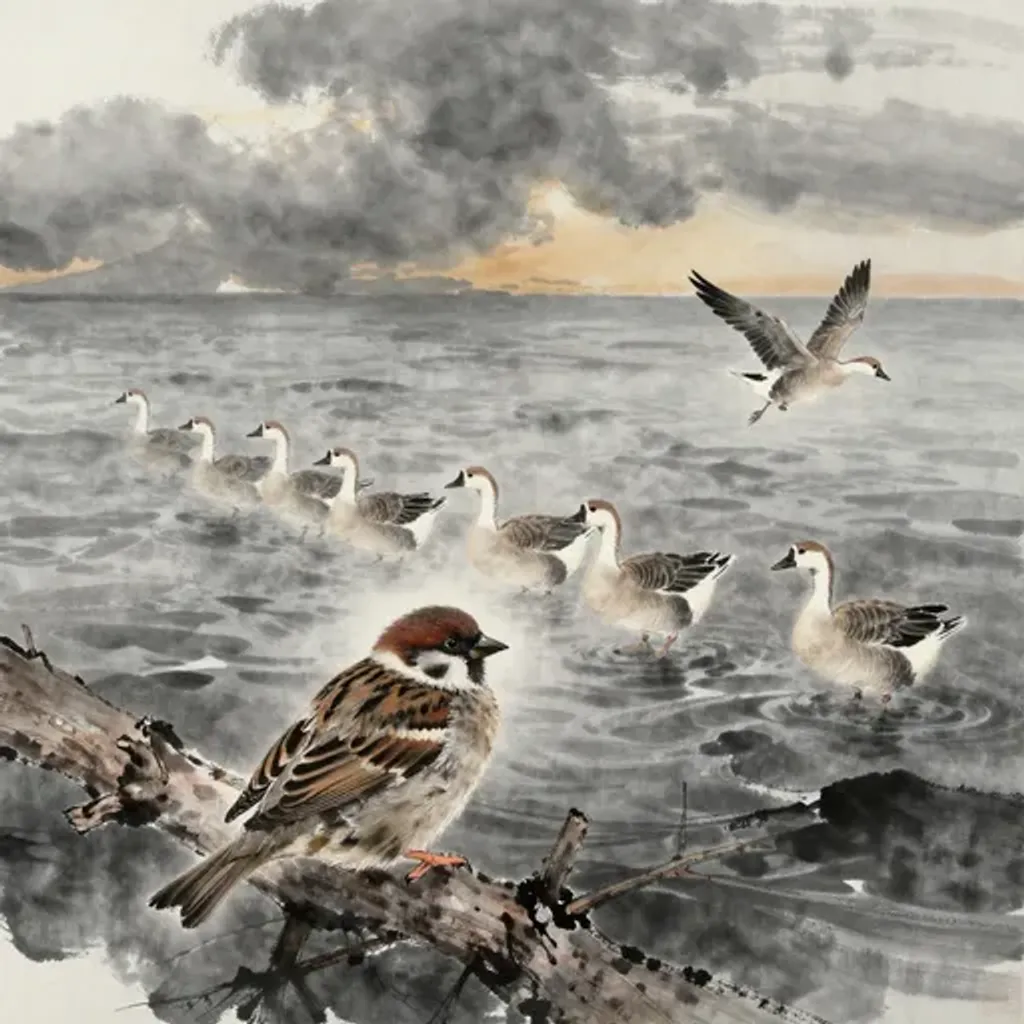
燕雀衰老,悲鴻入海,憂不在鄉,差池其羽。
Sparrows and swallows grow old; the grieving swan enters the sea. Sorrow lies not in the homeland; its wing-feathers fall uneven.
— Jiao Yanshou, Yilin (Forest of Changes), 1st century BC
Commentary
Thunder above wind transforms into doubled earth — the Receptive's boundless yielding. Sparrows and swallows grow old and feeble; a grieving swan plunges into the sea. Sorrow lies not in the homeland but abroad, and the bird's feathers are uneven, recalling the Shijing ode where the swallow's ragged pinions signal a woman's difficult journey. Duration's steady rhythm dissolves into earth's passive vastness: what once held firm now drifts without anchor. The aging birds lose their power of flight; the swan's grief drives it to exile over open water. From Duration to the Receptive, constancy gives way to exhaustion — the enduring pattern has run its course, and what remains is the sorrow of diminished capacity in a world too vast to navigate alone.
恆 → 屯
Hexagram 32 → Hexagram 3: Difficulty at the Beginning
Changing lines: 1, 2, 3, 4, 5
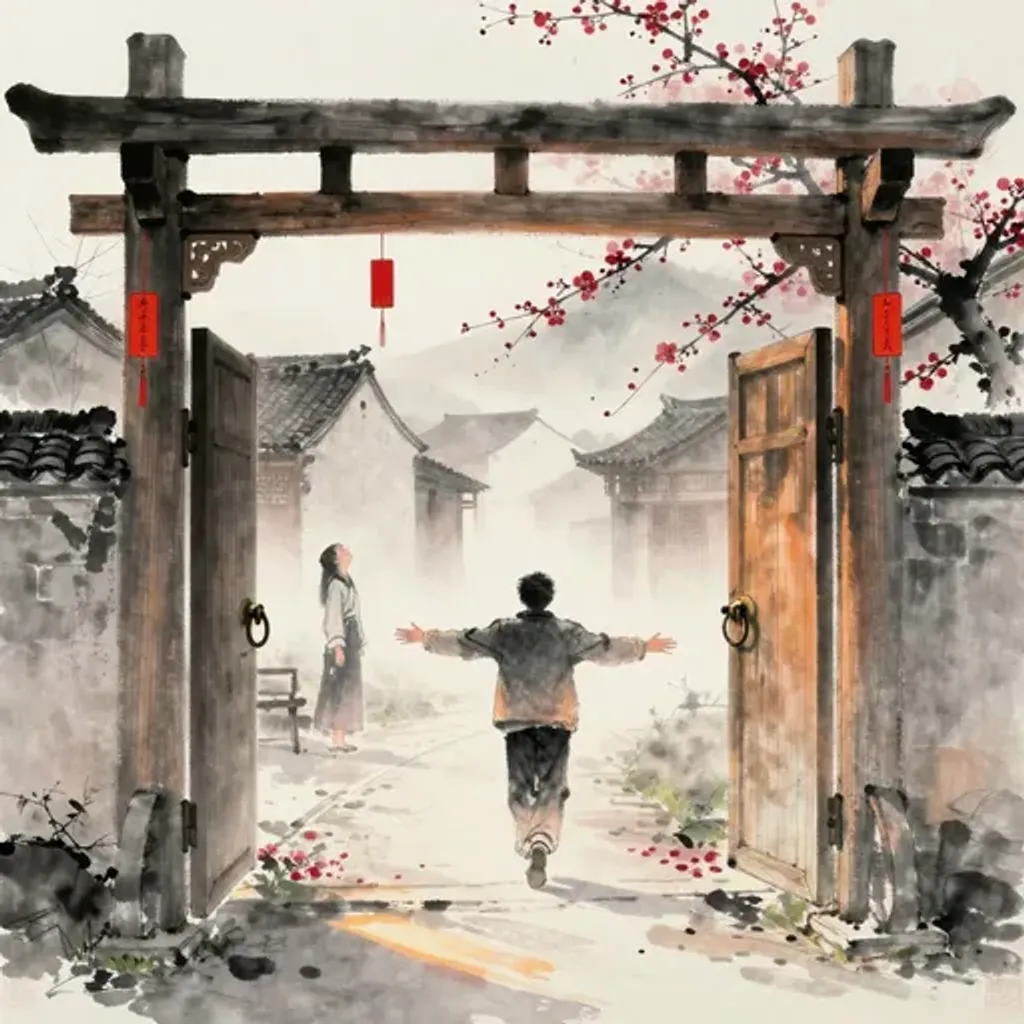
開門除憂,伯自外來,切切無患,我之得歡。
Opening the gate, dispelling worry; the elder brother comes from without. With earnest care, no calamity; we find our joy.
— Jiao Yanshou, Yilin (Forest of Changes), 1st century BC
Commentary
Thunder above wind, Duration's steady pulse, opens into cloud and thunder — Difficulty at the Beginning's gathering storm of new potential. The door swings open and worry dissolves; the elder brother arrives from outside. Anxious fears prove groundless, and joy is restored. Duration holds its pattern until the moment breaks: the gate opens precisely because the waiting was sustained. The elder brother's return suggests reunion after long separation, a constancy rewarded. From Duration to Difficulty at the Beginning, the enduring rhythm encounters the birth pangs of something new. What seemed like interminable waiting was in fact the necessary prelude — thunder below water, the storm that precedes the sprout's emergence through frozen soil.
恆 → 蒙
Hexagram 32 → Hexagram 4: Youthful Folly
Changing lines: 3, 4, 6
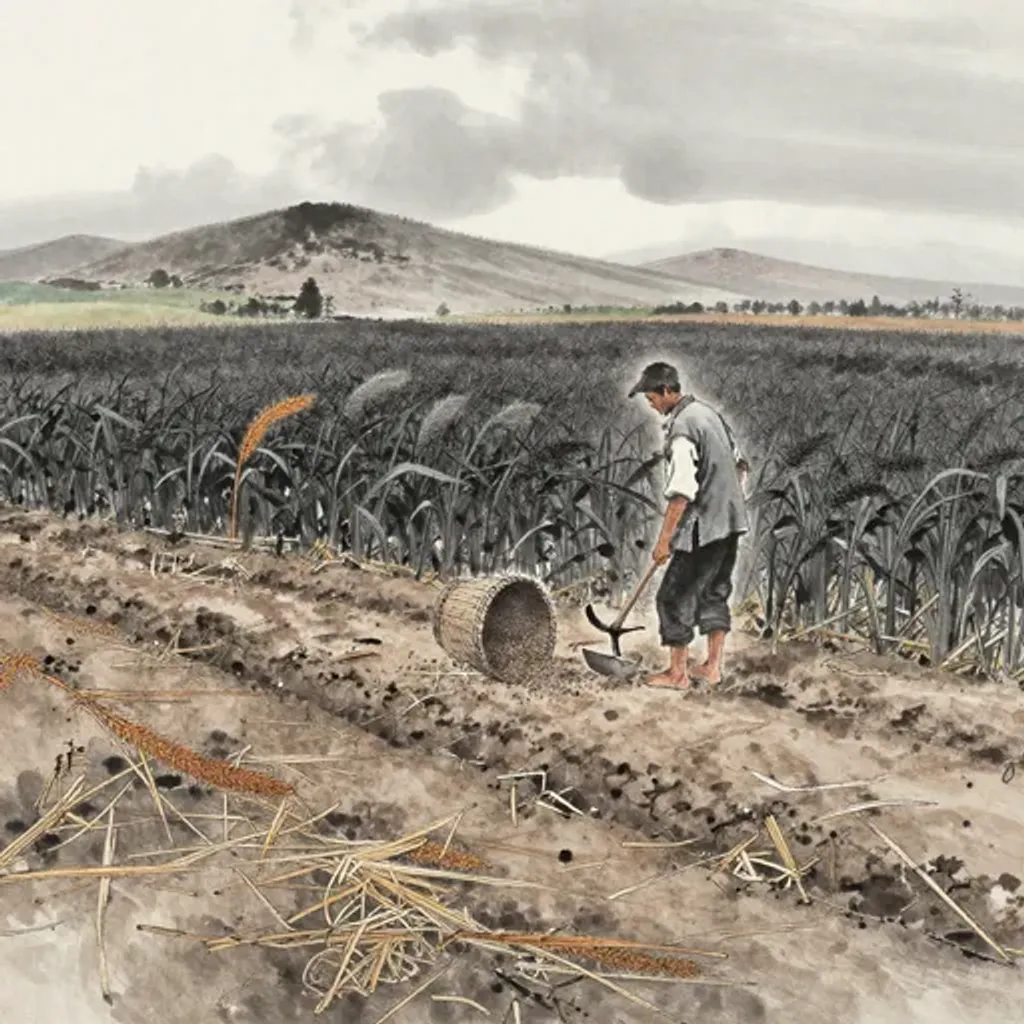
效耕釋秬,有所疑止,空虛無子。
Imitating the plowing, releasing the black millet; there is doubt and hesitation. Empty and barren, without offspring.
— Jiao Yanshou, Yilin (Forest of Changes), 1st century BC
Commentary
Thunder above wind persists, but the transformation leads to mountain above water — Youthful Folly. One imitates plowing and releases the black millet, yet hesitation intervenes and the field remains unsown. The result: emptiness, no offspring, no harvest. The verse captures a farming metaphor turned barren — the motions of cultivation are performed but abandoned midway, yielding nothing. Duration should sustain effort through completion, yet here the steady pattern breaks into the fog of indecision. From Duration to Youthful Folly, the spring beneath the mountain cannot find its path. The farmer who second-guesses every furrow never plants, and the continuity that should produce abundance instead generates only a vacant courtyard.
恆 → 需
Hexagram 32 → Hexagram 5: Waiting
Changing lines: 1, 4, 5
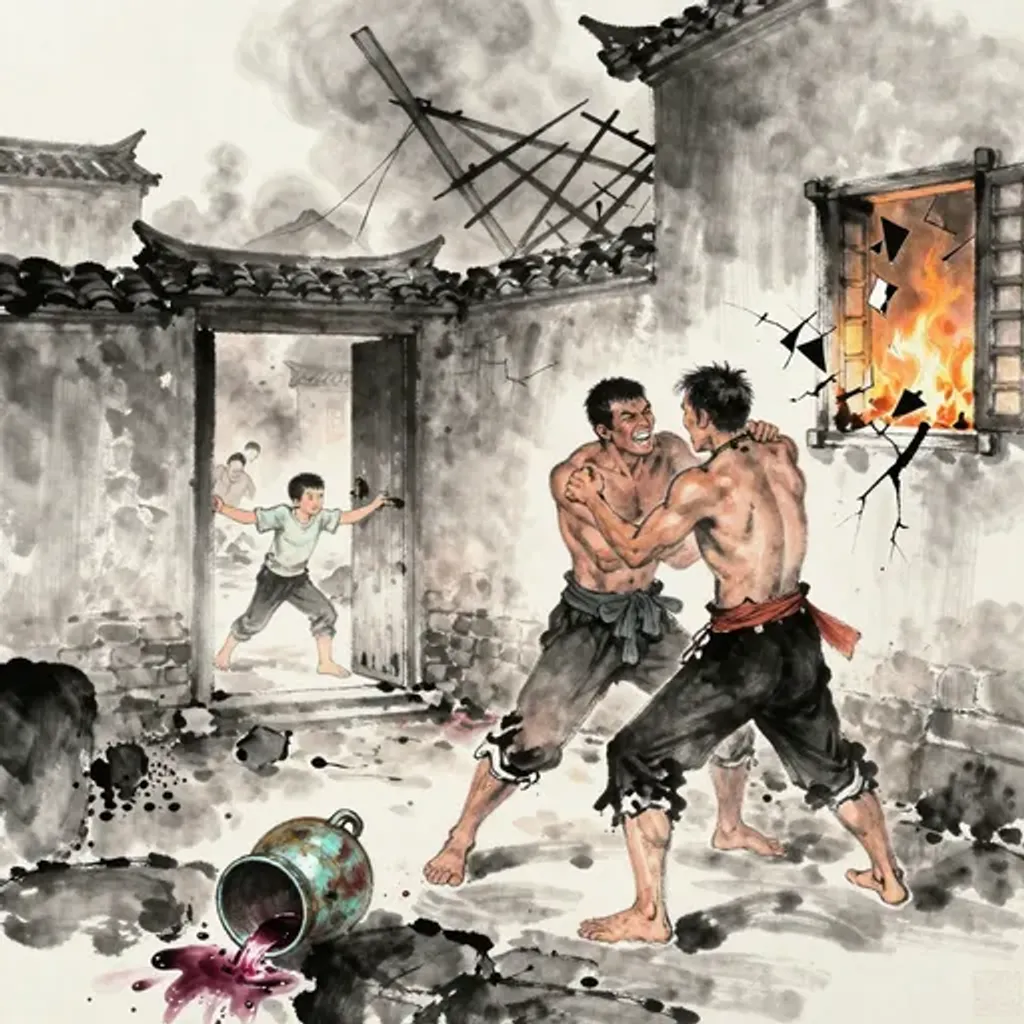
張牙切齒,斷怒相及,咎起蕭墻,牽引吾子。
Baring fangs, gnashing teeth; fury and wrath reach one another. Blame arises within the walls; it entangles our children.
— Jiao Yanshou, Yilin (Forest of Changes), 1st century BC
Commentary
Thunder above wind — Duration's steadying force — gives way to water above heaven, Waiting's patient tension. Teeth are bared and fists clenched; rage passes from one to another unchecked. Trouble rises from within the walls themselves, echoing Confucius's warning that 'the danger to the Ji family lies not beyond but within the screens of Zhuanyu.' The disaster drags one's own children into harm. The phrase 'trouble at the inner wall' (蕭墻) is one of the Analerta's most famous political metaphors. From Duration to Waiting, the steady rhythm that should hold a household together instead amplifies internal friction. What endures is not unity but resentment, fermenting behind the very walls meant to protect.
恆 → 訟
Hexagram 32 → Hexagram 6: Conflict
Changing lines: 3, 5, 6
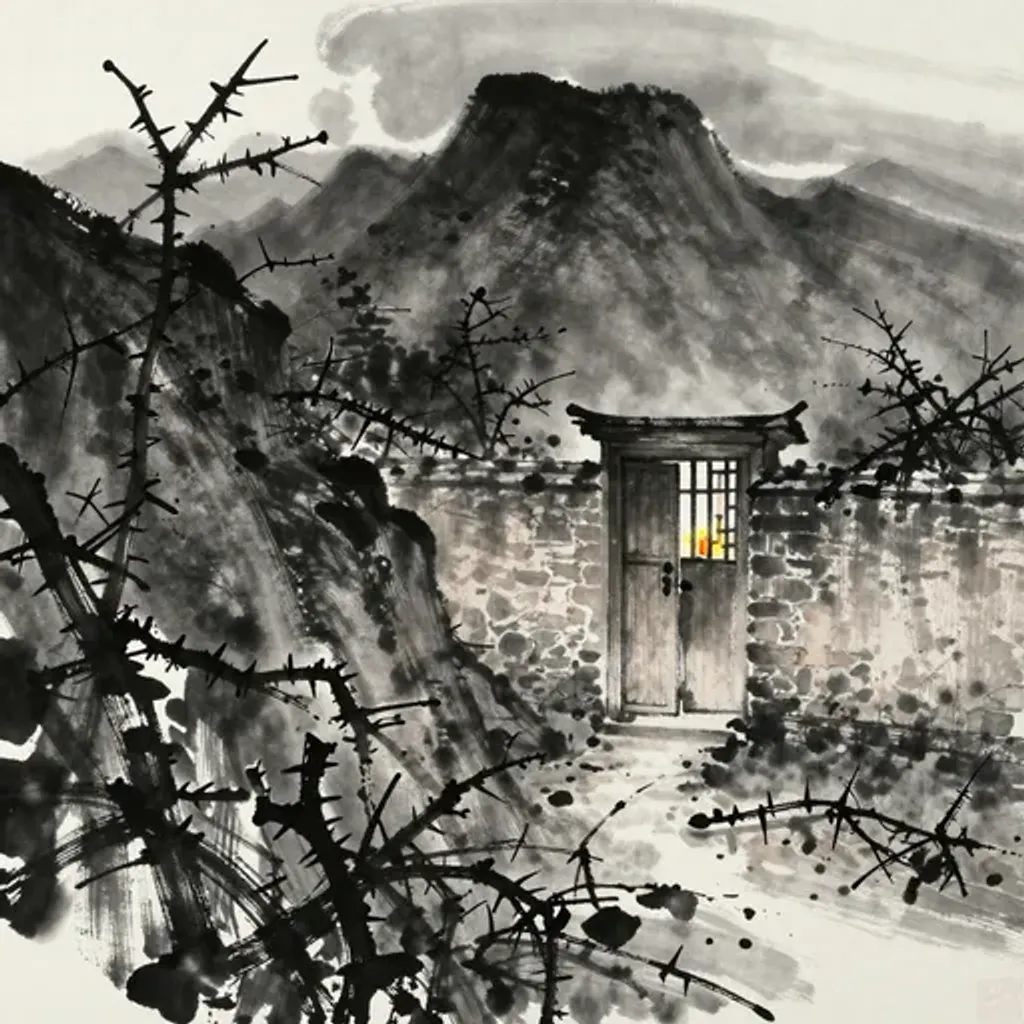
履不容足,南山多棘,毋出房闥,乃無疾病。
Shoes cannot fit the foot; the southern mountain is thick with thorns. Do not venture beyond the chamber door, and there shall be no sickness.
— Jiao Yanshou, Yilin (Forest of Changes), 1st century BC
Commentary
Thunder above wind, Duration's rhythmic constancy, transforms into heaven above water — Conflict's opposing currents. Shoes too tight to contain the feet; the southern mountain is thick with thorns. The counsel is stark: do not leave the inner chambers, and there will be no illness. Duration's image of steady persistence meets a world where every step draws blood. The southern mountain's brambles recall the Shijing lament about impassable terrain, and the too-tight shoes suggest a station that constrains beyond endurance. From Duration to Conflict, the steady path degenerates into a disputatious landscape where advance is punished. The wisest response is withdrawal — remaining indoors averts the harm that awaits outside.
恆 → 師
Hexagram 32 → Hexagram 7: The Army
Changing lines: 3, 4
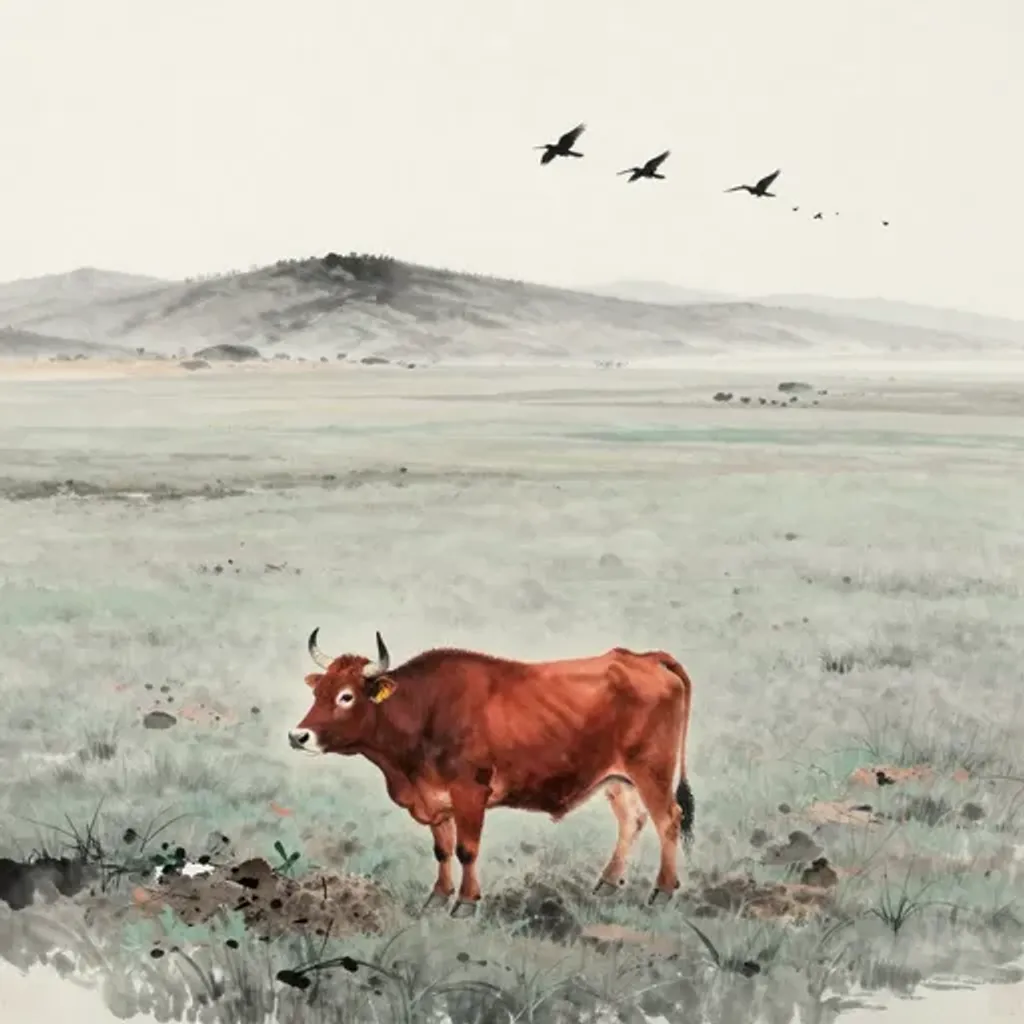
牛騂亡子,鳴於大野,申後陰徵,罡歸其母。
The russet ox has lost its calf; it lows across the great wilderness. After the late afternoon, a hidden sign; the young one returns to its mother.
— Jiao Yanshou, Yilin (Forest of Changes), 1st century BC
Commentary
Thunder above wind shifts into earth above water — the Army's hidden discipline. A red-coated cow loses her calf and lows across the open fields. Queen Shen's influence wanes in secret; the child returns to its mother. The red cow (騂) was reserved for sacrificial use, lending ritual weight to the loss. 'Queen Shen' likely refers to the consort of King You of Zhou, who was deposed in favor of Bao Si — her demotion triggered the Marquis of Shen's alliance with the Quanrong that destroyed Western Zhou in 771 BC. From Duration to the Army, what was constant is upended: the mother separated from her young, the legitimate queen displaced. Yet earth contains water as a state contains its forces, and the calf's return hints that natural bonds outlast political upheaval.
恆 → 比
Hexagram 32 → Hexagram 8: Holding Together
Changing lines: 2, 3, 4, 5
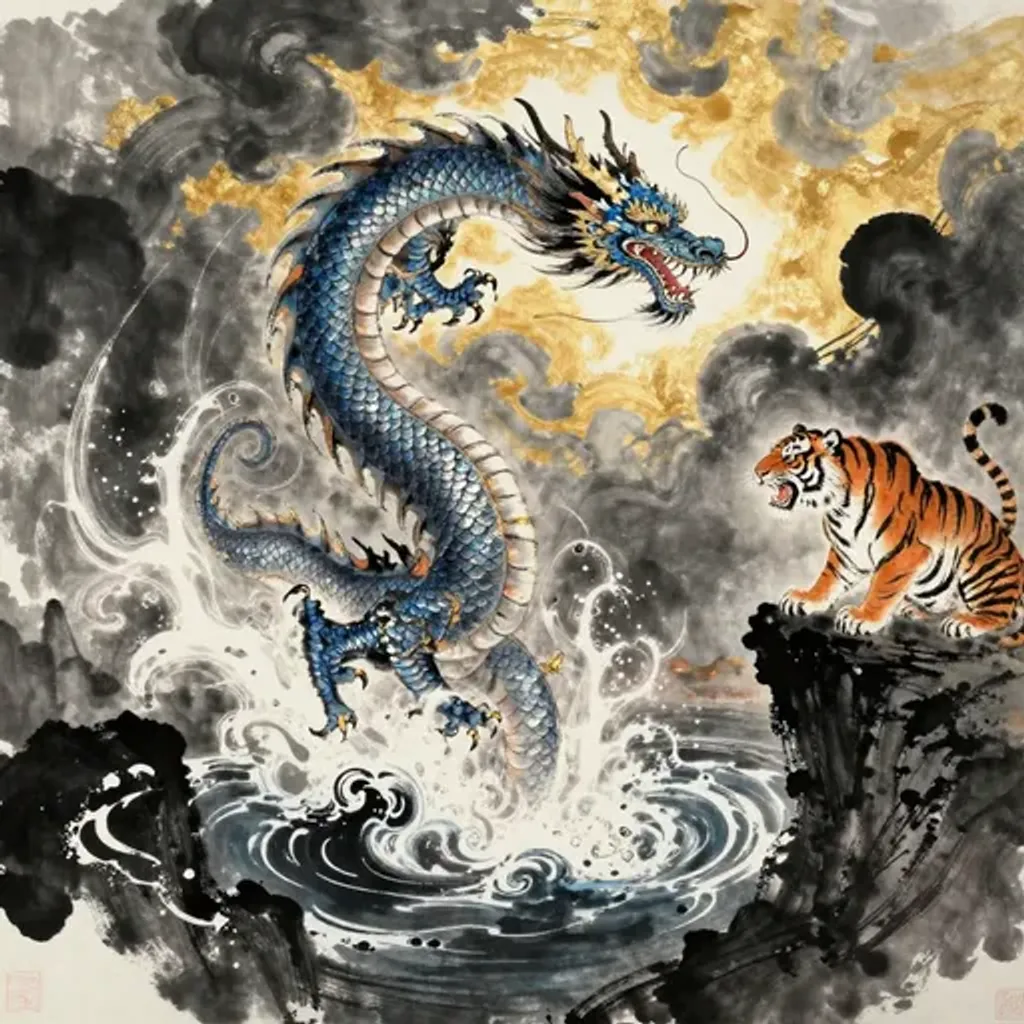
龍生于淵,因風身天,章虎炳文,為凶敗軒。
The dragon is born in the deep; riding the wind, it ascends to heaven. The patterned tiger, brilliant in markings, becomes a harbinger of ruin.
— Jiao Yanshou, Yilin (Forest of Changes), 1st century BC
Commentary
Thunder above wind, Duration's enduring rhythm, gives way to water upon earth — Holding Together's mutual dependence. A dragon is born in the deep and rides the wind up to heaven; yet the tiger's patterned brilliance becomes a source of destruction, overturning the carriage. The dragon's rise evokes natural ascension — talent emerging from obscurity through sustained effort. But the tiger's splendid markings attract the hunter: visible excellence invites attack. From Duration to Holding Together, the verse traces the arc from patient cultivation to alliance and exposure. What endures in secret (the dragon in the abyss) thrives; what displays its power openly (the tiger's stripes) draws hostile coalitions. Lasting bonds require that brilliance be tempered with discretion.
恆 → 小畜
Hexagram 32 → Hexagram 9: Small Taming
Changing lines: 1, 4, 5, 6
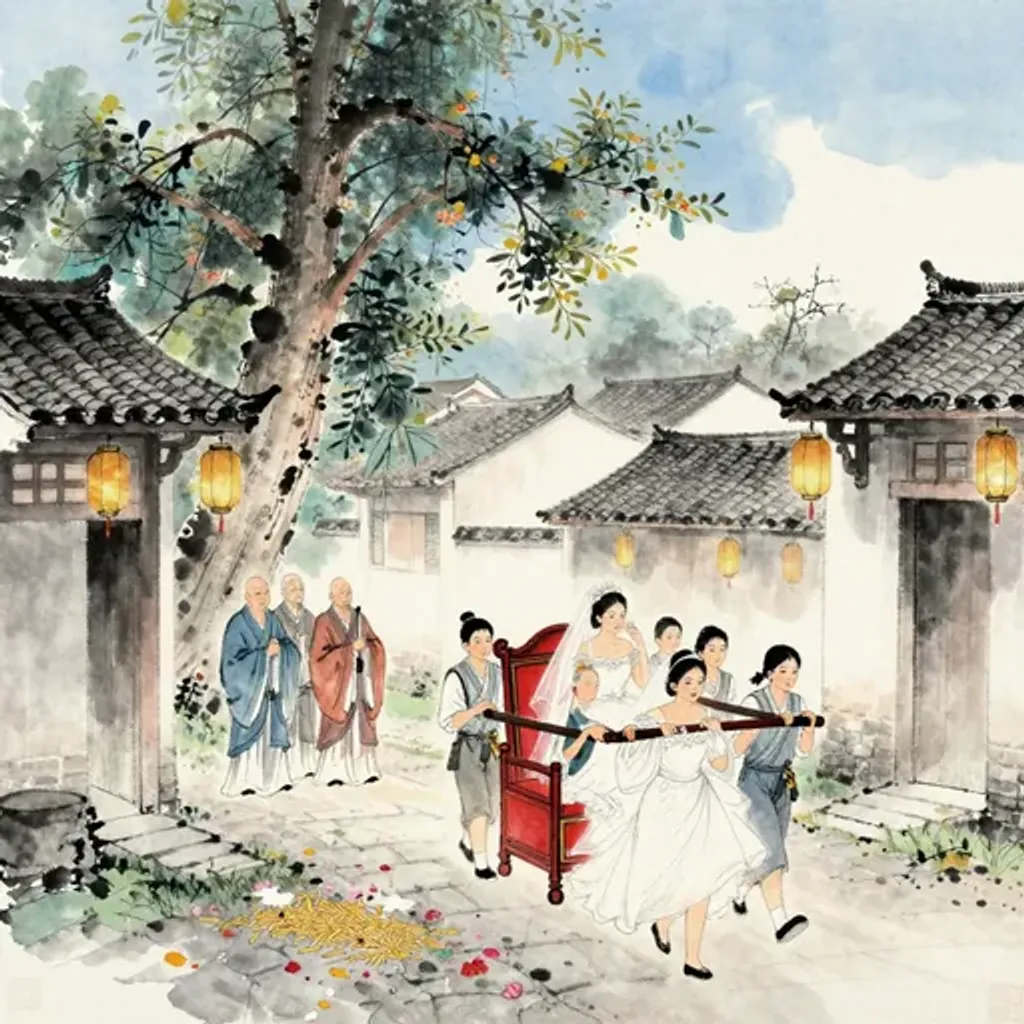
既嫁宜吉,出入無憂,三聖並居,國安無災。
Once married, all is auspicious; going out and coming in, no worry. Three sages dwell together; the state is at peace, free of calamity.
— Jiao Yanshou, Yilin (Forest of Changes), 1st century BC
Commentary
Thunder above wind, Duration's marital constancy, transforms into wind above heaven — Small Taming's gentle restraint. The bride is wed and all is auspicious; comings and goings proceed without worry. Three sages dwell together, and the nation rests secure without calamity. The 'three sages dwelling together' likely refers to the Duke of Zhou, the Grand Duke (Taigong), and the Duke of Shao — the three pillars who stabilized the early Zhou regency. Duration's steady rhythm here manifests as the enduring marital and political bonds that hold a state together. From Duration to Small Taming, the thunder-and-wind pattern softens to wind-over-heaven: gentle cultivation of virtue replaces raw persistence, and the realm prospers through shared wisdom rather than forceful constancy.
恆 → 履
Hexagram 32 → Hexagram 10: Treading
Changing lines: 1, 3, 5, 6
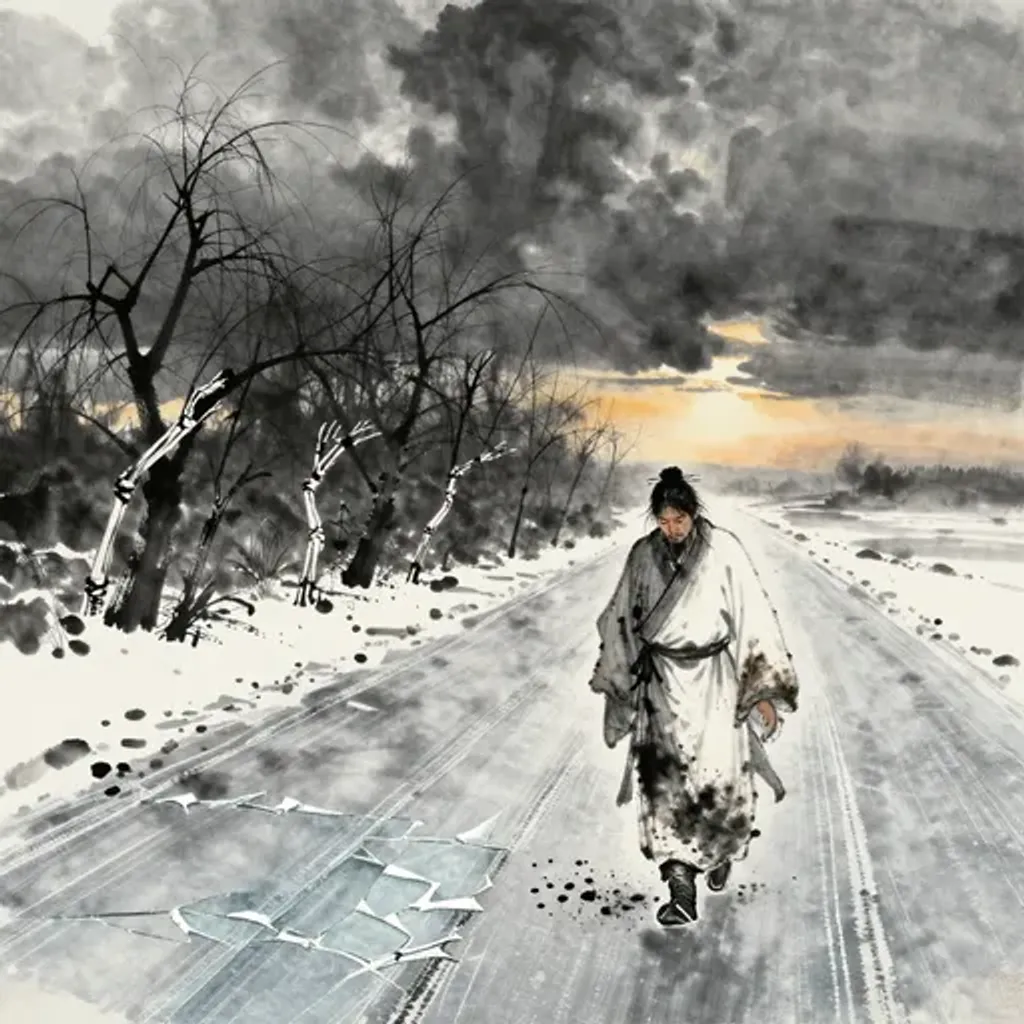
北陸陽伏,不知白黑,君子傷讒,正害善人。
On the northern ridge the yang lies hidden; one cannot tell white from black. The noble man is wounded by slander; the upright are harmed by the just.
— Jiao Yanshou, Yilin (Forest of Changes), 1st century BC
Commentary
Thunder above wind — Duration's steady course — yields to heaven above lake, Treading's careful discernment of rank and propriety. In the northern darkness, yang lies buried and concealed; one cannot tell white from black. The gentleman is wounded by slander, and the upright are harmed by those in power. The 'northern darkness' (北陸) is the celestial position where the sun retreats in winter — yang at its weakest, buried beneath yin. In such conditions, moral clarity vanishes: the righteous cannot be distinguished from the wicked. From Duration to Treading, the steady rhythm that should sustain order confronts a world where proper distinctions have collapsed. Treading upon the tiger's tail requires knowing where to step, but in the northern darkness no path is visible.
恆 → 泰
Hexagram 32 → Hexagram 11: Peace
Changing lines: 1, 4
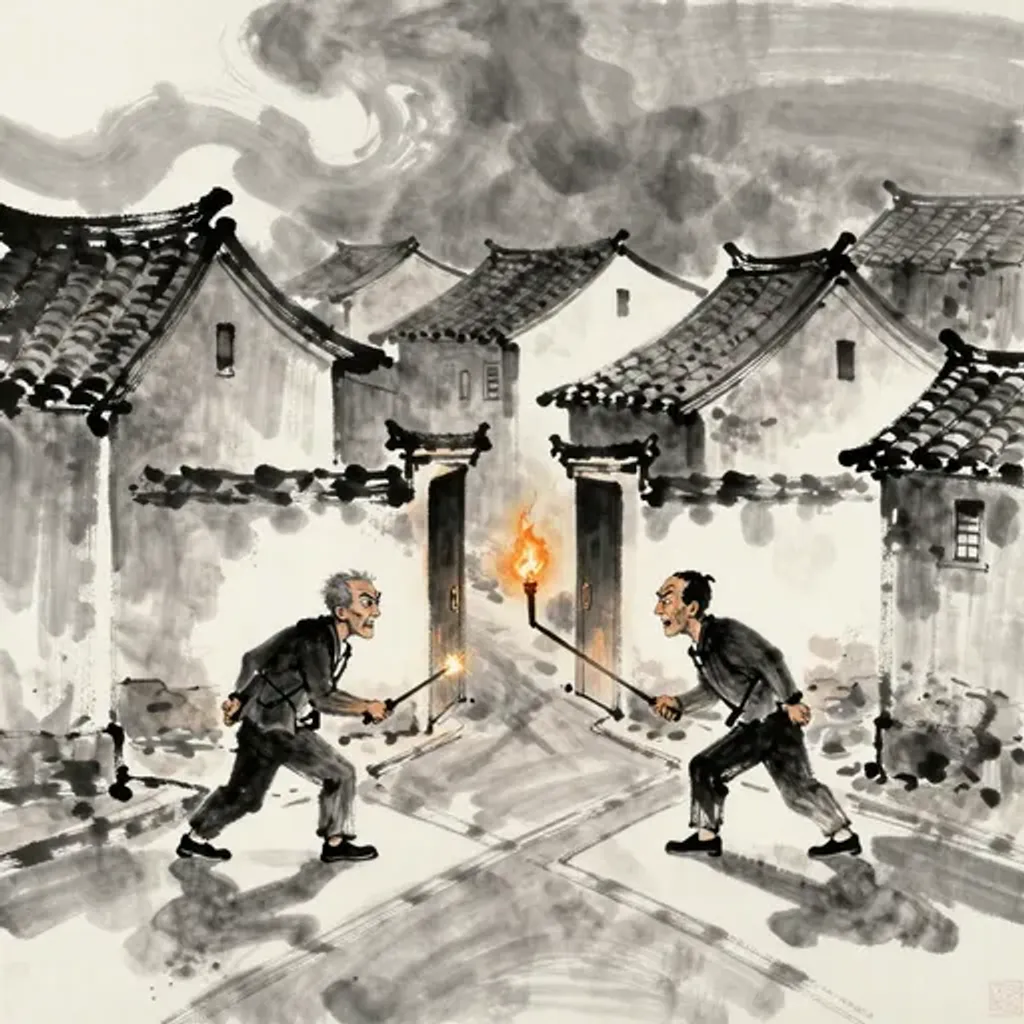
一身兩頭,近適二家,亂不可治。
One body with two heads, drawn toward two households. Chaos that cannot be governed.
— Jiao Yanshou, Yilin (Forest of Changes), 1st century BC
Commentary
Thunder above wind, Duration's unified rhythm, transforms into earth above heaven — Peace's great interchange. Yet the verse undermines that promise: one body with two heads, pledged simultaneously to two households, produces chaos that cannot be governed. Duration demands single-minded loyalty; trying to maintain constancy toward two masters at once tears the self apart. The two-headed body is a vivid image of divided allegiance, where every commitment contradicts another. From Duration to Peace, the hexagram promises heaven and earth in communion, but the subject's split loyalties prevent the harmony from taking hold. True peace requires undivided commitment; duration maintained in two directions at once is not constancy but paralysis.
恆 → 否
Hexagram 32 → Hexagram 12: Standstill
Changing lines: 2, 3, 5, 6
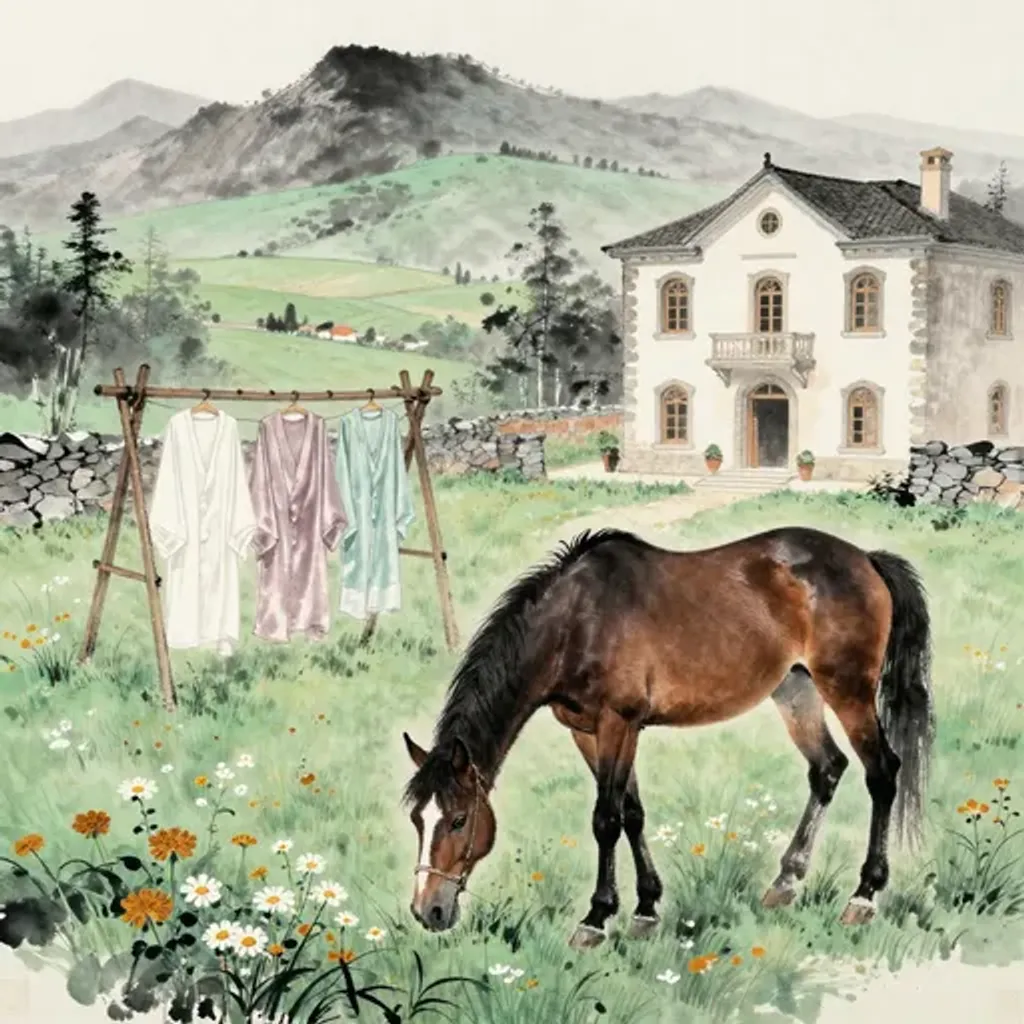
牝馬牝駒,歲字不休,君子衣服,利得有餘。
Mare and filly; year after year, breeding without cease. The noble man’s garments; profit and surplus abound.
— Jiao Yanshou, Yilin (Forest of Changes), 1st century BC
Commentary
Thunder above wind, Duration's steadfast rhythm, transforms into heaven above earth — Standstill's blocked communication. Mares and fillies breed year after year without cease, and the gentleman's garments overflow with surplus bounty. The image is one of patient, unhurried accumulation: the horses multiply through natural cycles, the master's wardrobe grows rich through steady gains. Though Standstill signals stagnation between high and low, the verse finds abundance precisely in that stillness — the mare does not rush but produces reliably. From Duration to Standstill, the thunder-wind's active persistence becomes the quiet separation of heaven and earth. When outer communication ceases, inner resources compound undisturbed, and what looks like blockage becomes the condition for slow, steady enrichment.
恆 → 同人
Hexagram 32 → Hexagram 13: Fellowship
Changing lines: 1, 2, 5, 6
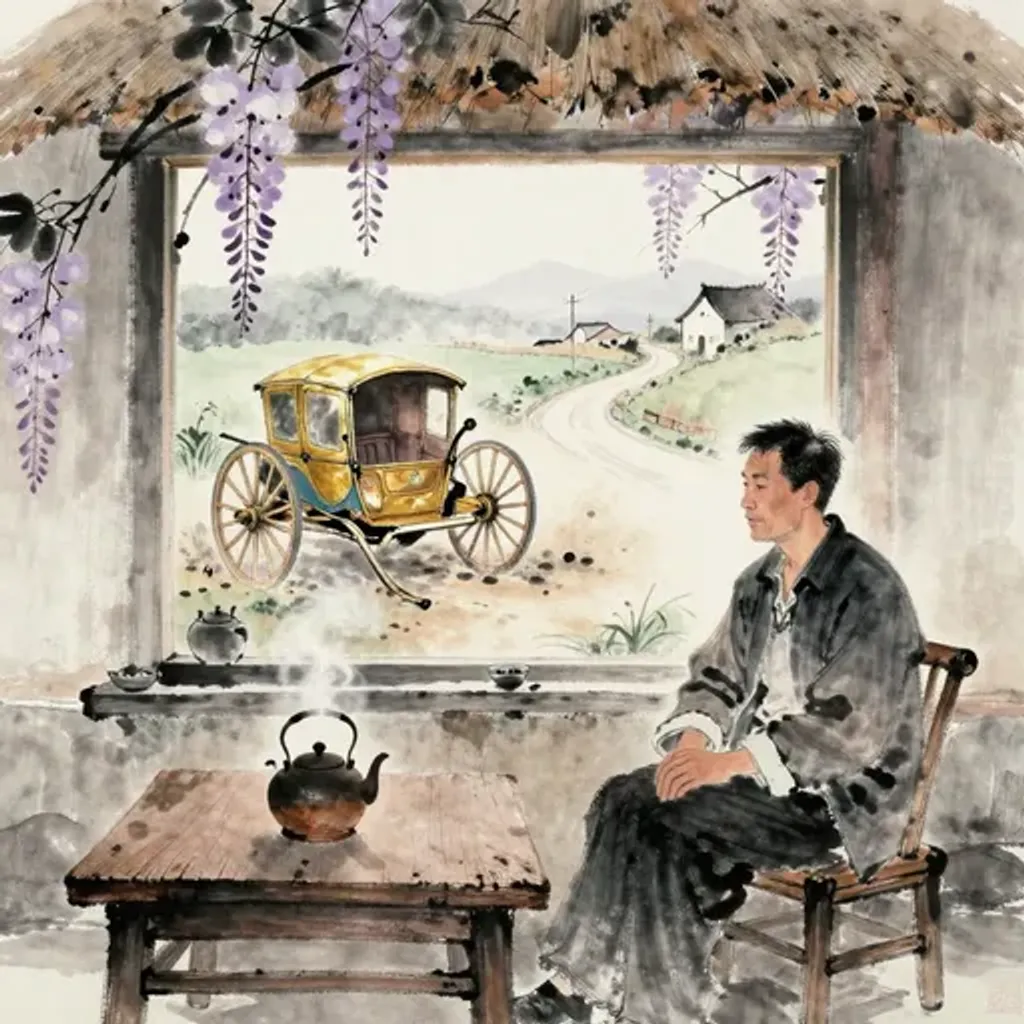
南行懷憂,破其金輿。安坐故廬,乃無災患。
Traveling south, harboring worry; the golden carriage breaks apart. Sitting at ease in the old cottage, there is no calamity.
— Jiao Yanshou, Yilin (Forest of Changes), 1st century BC
Commentary
Thunder above wind, Duration's persistent rhythm, opens into heaven with fire — Fellowship's shared illumination. Heading south brings only worry and shatters the golden carriage. Better to sit calmly in the old homestead, where no disaster reaches. The golden carriage (金輿) connotes high rank and ceremonial display; its destruction signals an ambitious venture gone catastrophically wrong. The verse counsels retreat over advance: the southern expedition ruins what the safe dwelling preserves. From Duration to Fellowship, the enduring pattern should find kinship and common purpose. Yet the fellowship sought through aggressive outreach destroys itself, while the old house — symbol of what has endured longest — remains the true refuge. Lasting community is found at home, not on the road.
恆 → 大有
Hexagram 32 → Hexagram 14: Great Possession
Changing lines: 1, 6
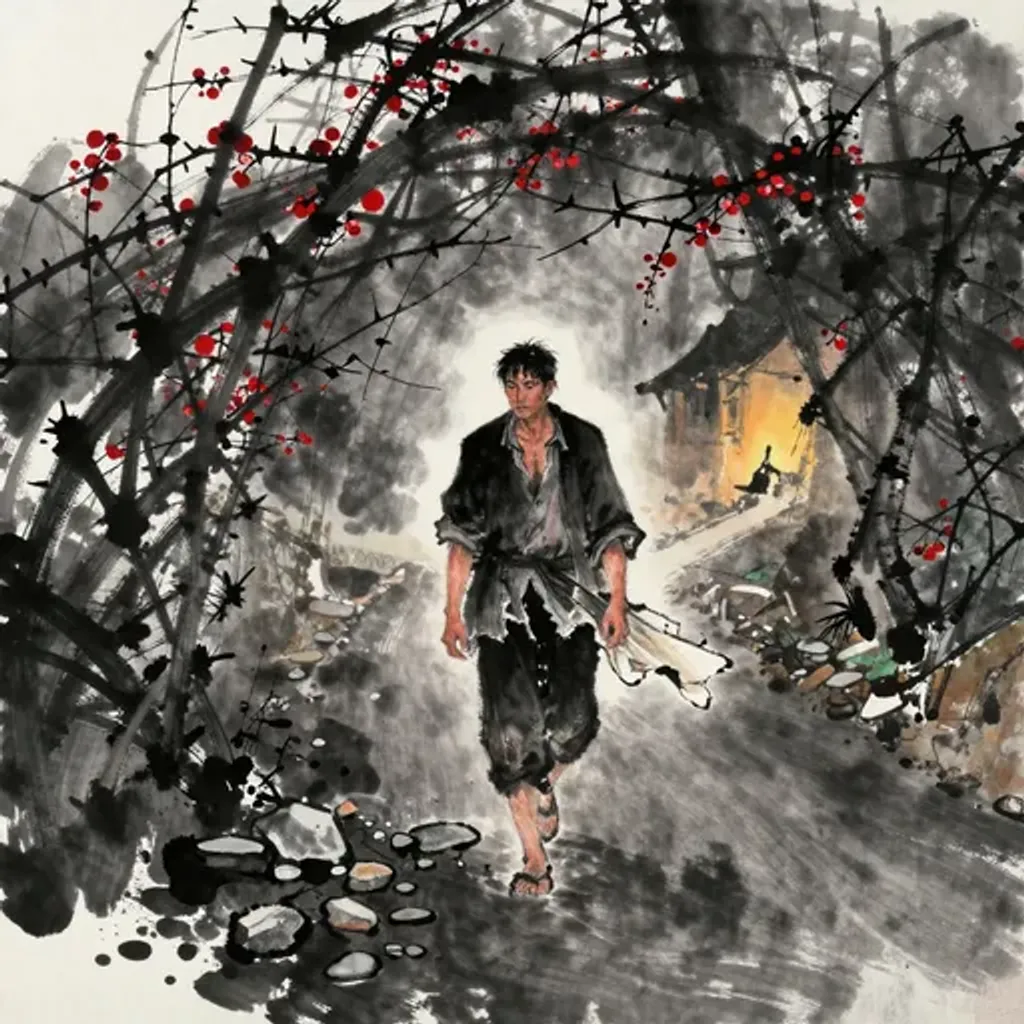
憂人之患,履傷浮願,為身禍殘,篤心自守。
Grieving for another’s suffering, the tread wounds and hopes go astray. Calamity maims the body; a steadfast heart guards itself.
— Jiao Yanshou, Yilin (Forest of Changes), 1st century BC
Commentary
Thunder above wind, Duration's constancy, transforms into fire above heaven — Great Possession's blazing abundance. One worries over another's troubles and walks a path of injury and hollow aspiration, bringing bodily harm and misfortune. Yet the resolution comes through wholehearted self-discipline: 'earnestly guard the self.' The verse describes the danger of extending compassion beyond capacity — absorbing others' burdens until one's own foundation crumbles. The cure is not indifference but focused self-cultivation. From Duration to Great Possession, the steady rhythm should yield great abundance, but only when the fire of ambition is disciplined by inner constancy. Scatter that energy on others' crises without tending one's own hearth, and Duration's promise dissipates into ruin.
恆 → 謙
Hexagram 32 → Hexagram 15: Modesty
Changing lines: 2, 4
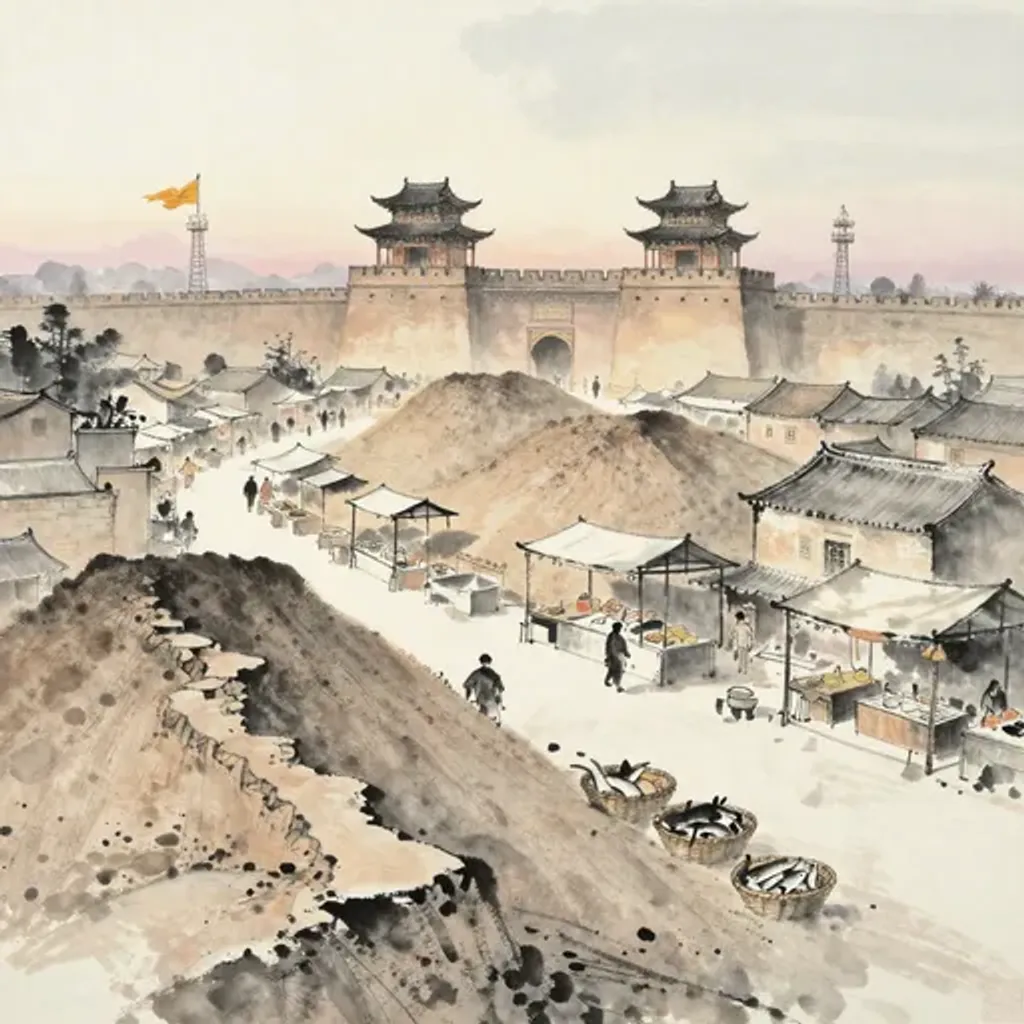
咸陽辰巳,長安戌亥,丘陵生上,非魚鰌市。
Xianyang at the dragon-snake hours; Chang’an at the dog-boar hours. Hills and mounds rise in the marketplace; it is no place for fish or loach.
— Jiao Yanshou, Yilin (Forest of Changes), 1st century BC
Commentary
Thunder above wind, Duration's unwavering course, descends into earth above mountain — Modesty's hidden elevation. Xianyang at the hour of chen-si, Chang'an at xu-hai: two imperial capitals are named with their astrological timings, evoking the geomantic mapping of power across the landscape. Hilltops rise upward, but fish and eels have no marketplace there — what thrives in water cannot trade on dry heights. The verse juxtaposes celestial calculation with earthly misfit: knowing the cosmic schedule does not make the terrain hospitable. From Duration to Modesty, the enduring rhythm meets the mountain concealed within the earth. True power lies hidden, not displayed; the hilltop market fails because elevation without accommodation repels those who need the valley's depth.
恆 → 豫
Hexagram 32 → Hexagram 16: Enthusiasm
Changing lines: 2, 3
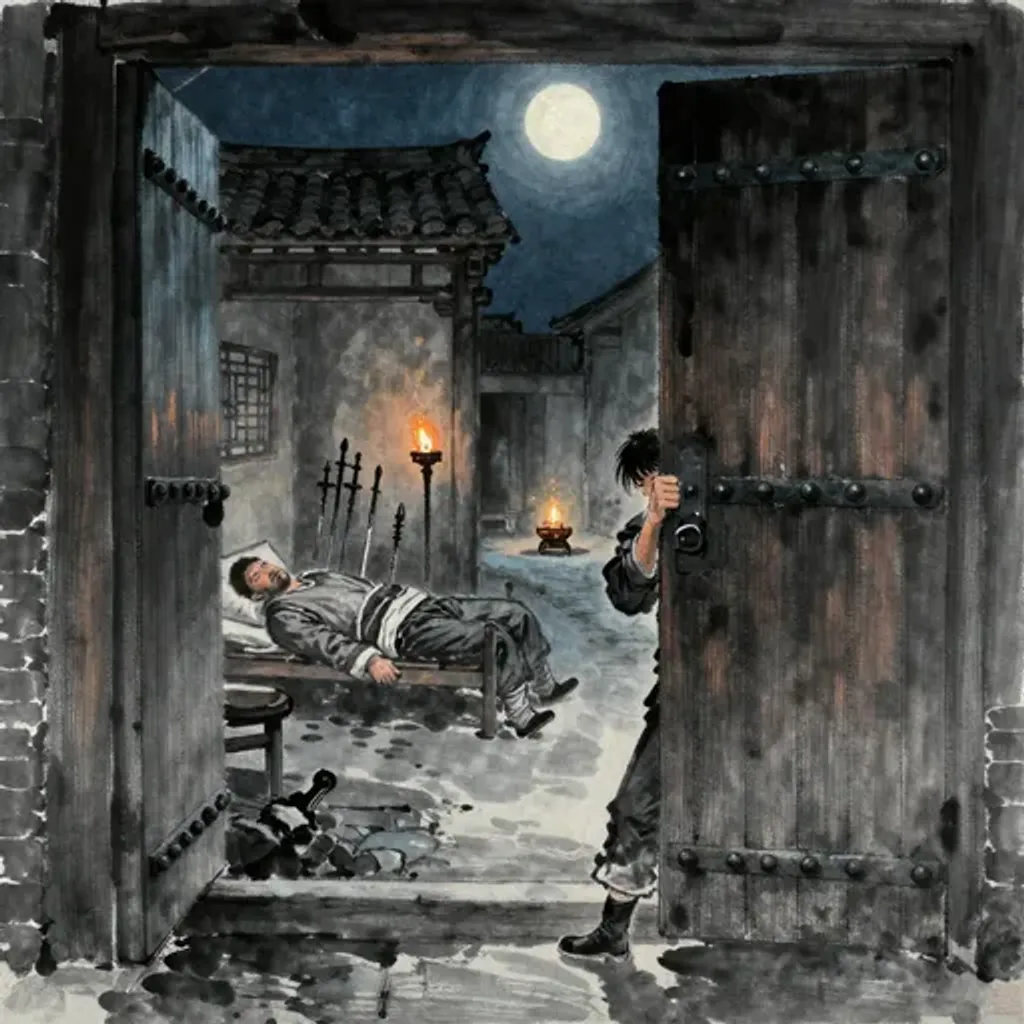
不知何孫,夜來扣門,我慎外寢,兵戎且來。
Not knowing whose descendant; in the night, they come knocking at the gate. I take care to sleep in the outer room; weapons and war draw near.
— Jiao Yanshou, Yilin (Forest of Changes), 1st century BC
Commentary
Thunder above wind, Duration's reliable rhythm, breaks into thunder above earth — Enthusiasm's rousing mobilization. In the dead of night an unknown person knocks at the door. The householder wisely sleeps in the outer chamber, staying alert to danger, for armies are approaching. Duration's constancy is tested by sudden irruption: the knock that shatters routine. The unknown visitor at night carries overtones of military threat — soldiers requisitioning, scouts probing. Sleeping outside the inner rooms signals readiness rather than comfort. From Duration to Enthusiasm, the steady domestic order confronts the thunder that shakes the earth into collective action. What endured as private stability must now mobilize, whether one is ready or not.
恆 → 隨
Hexagram 32 → Hexagram 17: Following
Changing lines: 1, 2, 3, 5
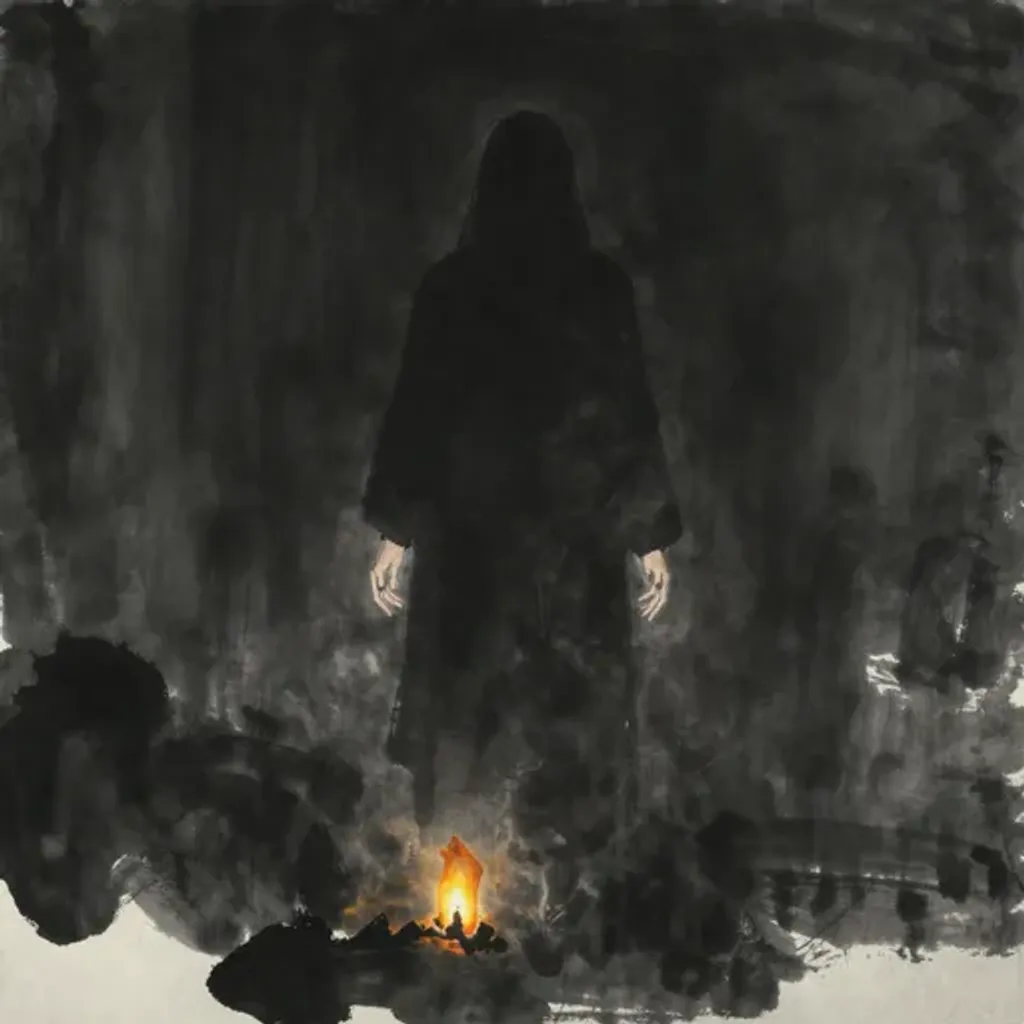
昧旦不明,暗我無光,喪滅失常,使我心傷。
At dawn’s edge, no light comes; darkness robs me of all radiance. Ruin and loss overturn the constant; it wounds my heart.
— Jiao Yanshou, Yilin (Forest of Changes), 1st century BC
Commentary
Thunder above wind, Duration's steady cadence, dissolves into lake above thunder — Following's willing submission to circumstance. Before dawn, no light; darkness overwhelms, leaving nothing visible. Order is destroyed and constancy lost, wounding the heart. The verse is one of pure lamentation: the pre-dawn hour that should promise coming light instead delivers only deeper blackness. Duration's rhythm — the reliable alternation of thunder and wind — collapses into a world where one must follow blindly because all guidance has vanished. From Duration to Following, the steady self-directed path gives way to submission, but here there is nothing worthy to follow. The heart grieves because the darkness is not the darkness before dawn but the darkness of a lamp permanently extinguished.
恆 → 蠱
Hexagram 32 → Hexagram 18: Work on the Decayed
Changing lines: 4, 6
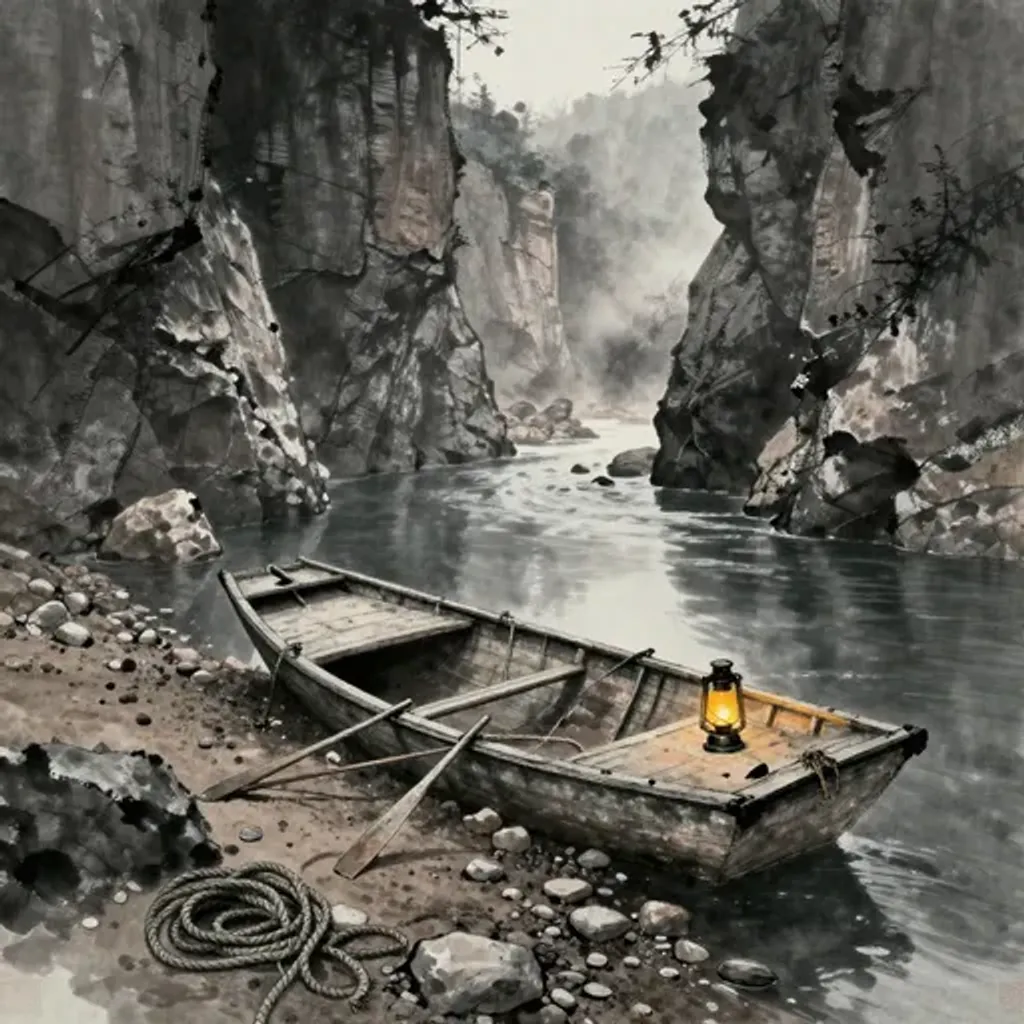
江陰水側,舟楫破乏,孤不得南,豹無以北。
By the river south of the Jiang, the boat and oars are broken and spent. Alone, one cannot go south; the leopard has no means to go north.
— Jiao Yanshou, Yilin (Forest of Changes), 1st century BC
Commentary
Thunder above wind, Duration's enduring pattern, turns into mountain above wind — Work on the Decayed's urgent repair of inherited ruin. On the south bank of the river, boats and oars are broken and depleted. The solitary one cannot cross southward; the leopard has no means to head north. Both sides are stranded, each cut off from the other by the shattered ferry. Duration's steady course meets the impassable wreckage of decay: what should connect now separates. The river with broken vessels is the decayed institution that no amount of persistence can navigate. From Duration to Work on the Decayed, the transformation demands not more persistence but renovation. The wind beneath the mountain stirs what has stagnated; only by repairing the vessels can the crossing resume.
恆 → 臨
Hexagram 32 → Hexagram 19: Approach
Changing lines: 1, 3, 4
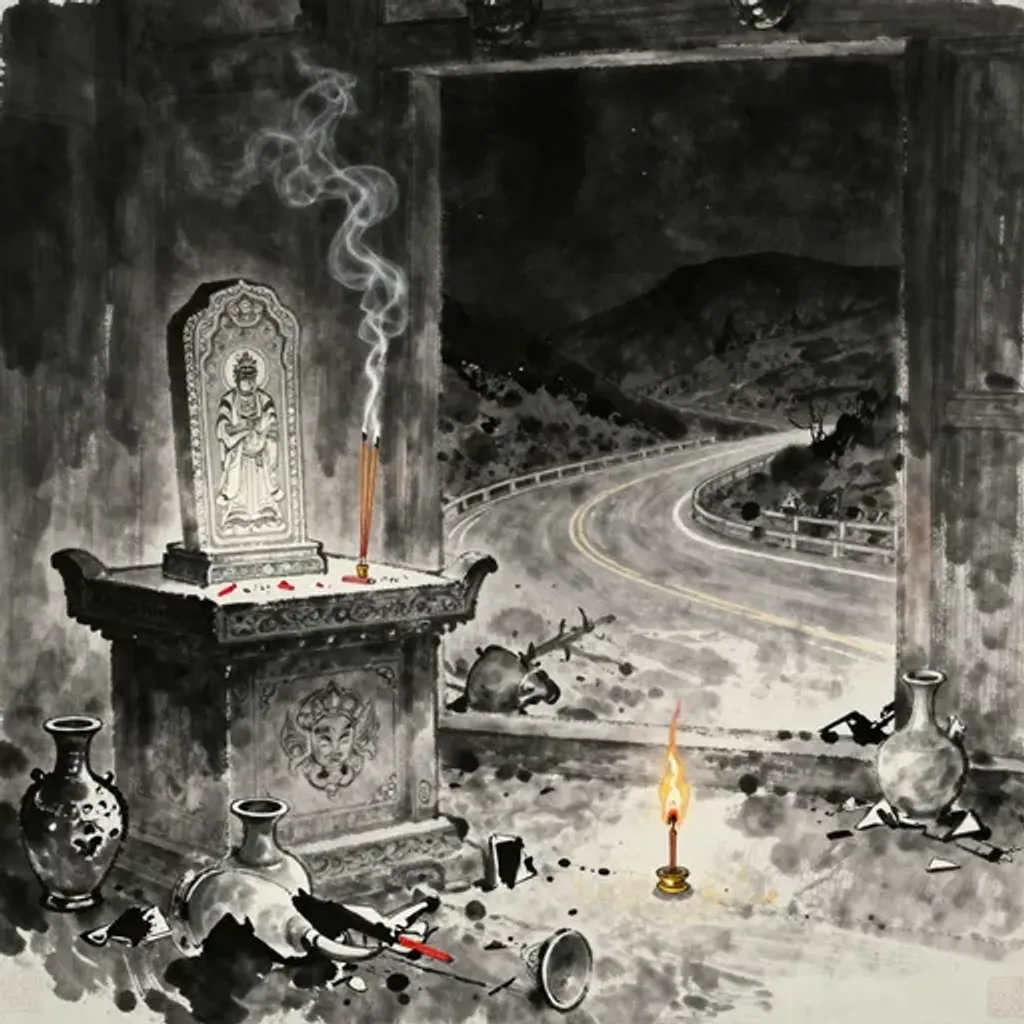
神之在丑,逆破為咎,不利西南,人休止後。
The spirit resides in the ox direction; reversal and ruin bring blame. Unfavorable to the southwest; people rest and stay behind.
— Jiao Yanshou, Yilin (Forest of Changes), 1st century BC
Commentary
Thunder above wind, Duration's fixed course, gives way to earth above lake — Approach's expanding authority. The spirit resides in the chou position; reversals and obstructions bring blame. The southwest direction is unfavorable; people halt and linger behind. The verse invokes calendrical and directional calculations typical of Han-era divination practice. The spirit's position in chou (the ox hour, northeast) clashes with movement toward the southwest, creating a fundamental disharmony between cosmic timing and intended direction. From Duration to Approach, the steady rhythm should lead to expanding influence, as the lake's surface rises toward the earth above. But when the traveler moves against the prevailing spiritual current, persistence becomes transgression and approach meets resistance.
恆 → 觀
Hexagram 32 → Hexagram 20: Contemplation
Changing lines: 2, 3, 4, 5, 6
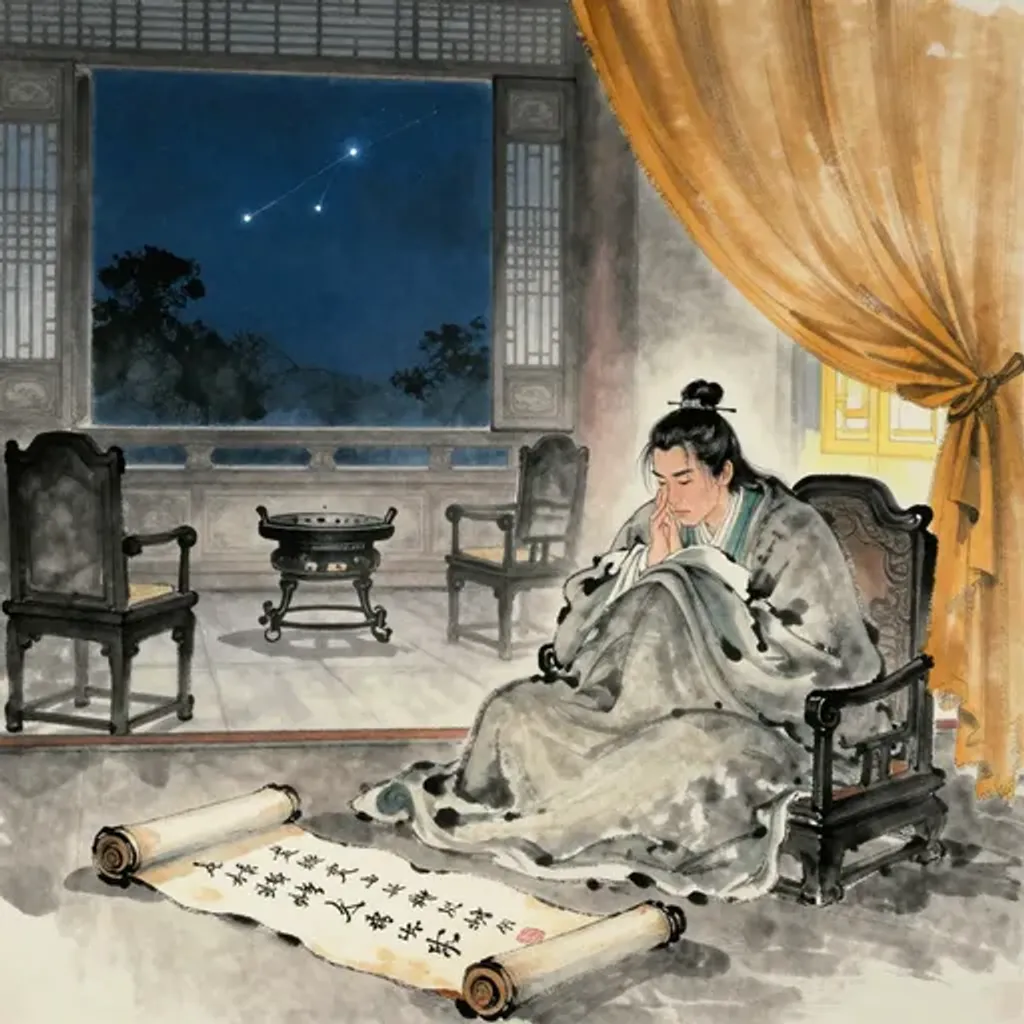
然諾不行,欺天誤人,使我靈宿,夜歸溫室。
Promises made but not kept; deceiving heaven, misleading men. It sends my spirit to wander in the night; returning to the warm chamber.
— Jiao Yanshou, Yilin (Forest of Changes), 1st century BC
Commentary
Thunder above wind, Duration's dependable rhythm, rises into wind above earth — Contemplation's sweeping overview. Promises are made but never kept; heaven is deceived and people are misled. The spirit is forced to spend the night away from home, returning only to the warm chamber after dark. Duration's cardinal virtue is constancy, and broken promises are its direct negation. The verse describes a world where words lack substance: commitments are spoken but never enacted, corroding trust at the most fundamental level. From Duration to Contemplation, the wind sweeps over the earth surveying all — and what it sees is universal dishonesty. The displaced spirit, wandering homeless because promises were hollow, captures the displacement that follows when enduring bonds are betrayed.
恆 → 噬嗑
Hexagram 32 → Hexagram 21: Biting Through
Changing lines: 1, 2, 3, 6
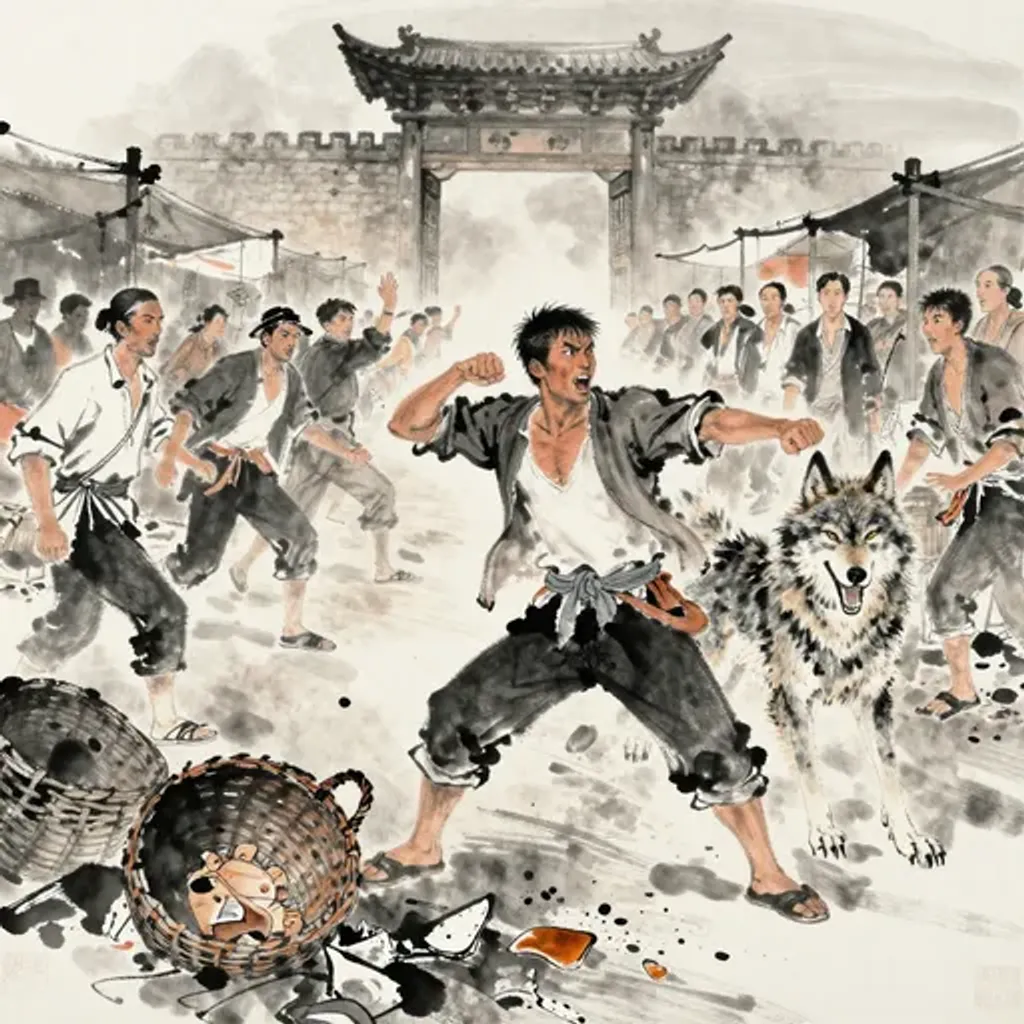
攘臂極肘,怒不可止,狼戾復佷,無與為市。
Baring the arm, thrusting the elbow; fury that cannot be stopped. Savage as a wolf, cruel and stubborn; none will trade with him.
— Jiao Yanshou, Yilin (Forest of Changes), 1st century BC
Commentary
Thunder above wind, Duration's measured persistence, erupts into fire above thunder — Biting Through's decisive punishment. Sleeves are rolled up, elbows bared; fury cannot be contained. Wolfish cruelty doubled with obstinate malice — no one will do business with such a person. The verse paints an escalation of aggression: from anger to violence to complete social ostracism. Duration here has calcified into chronic brutality: the anger endures but produces only isolation. From Duration to Biting Through, the thunder-wind's steady energy becomes lightning and thunder striking together — the judicial bolt that severs what cannot coexist. When enduring rage replaces enduring virtue, the community itself delivers the sentence: exclusion from the marketplace of human exchange.
恆 → 賁
Hexagram 32 → Hexagram 22: Grace
Changing lines: 1, 2, 4, 6
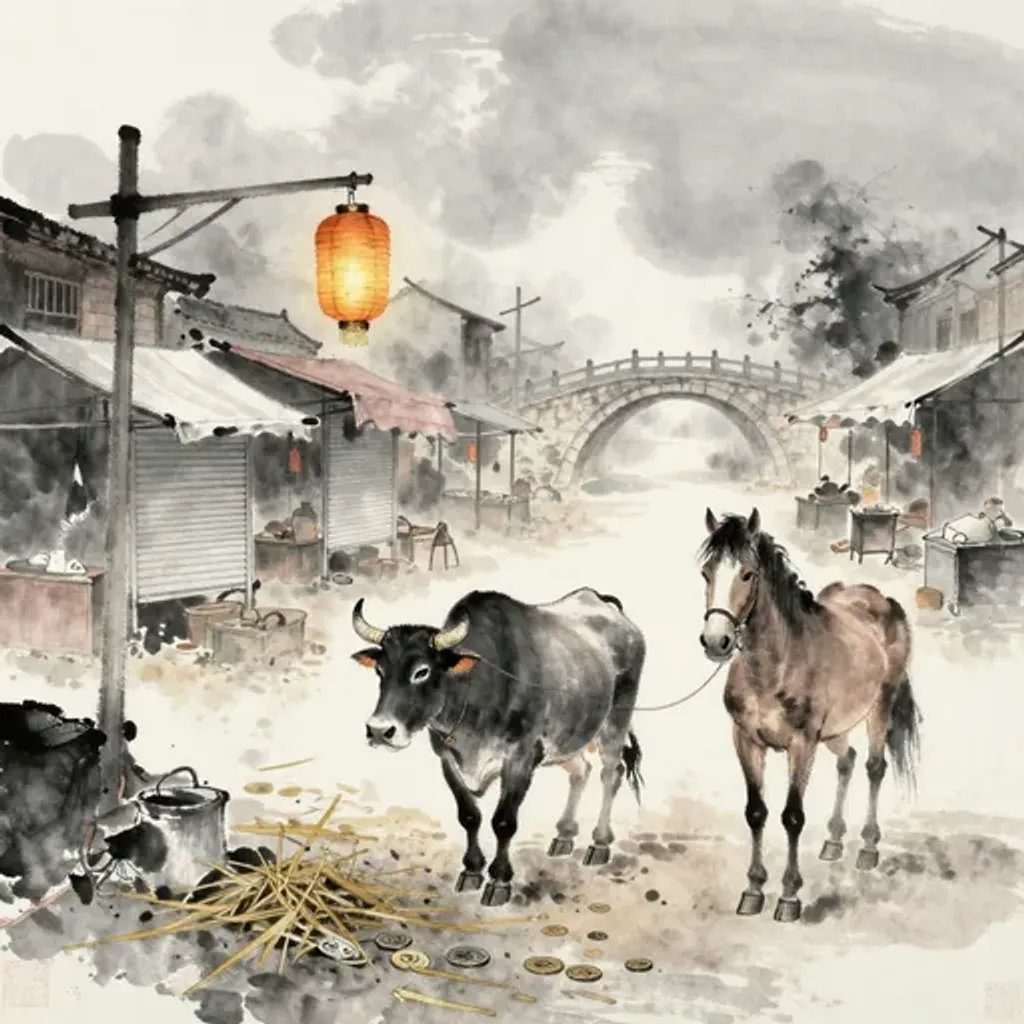
販馬賣牛,會值虛空,利得尠少,留連為憂。
Selling horses, trading oxen; the market meets emptiness. Profit gained is scant and meager; lingering on brings only worry.
— Jiao Yanshou, Yilin (Forest of Changes), 1st century BC
Commentary
Thunder above wind, Duration's steady rhythm, settles into mountain above fire — Grace's quiet adornment. One sells horses and trades cattle at market, but the timing is wrong — the stalls are empty. Profits are meager, and lingering only deepens the worry. The merchant's persistence fails not from lack of effort but from poor timing: the market cycle has turned against him. Duration's virtue is staying the course, but the verse warns against persisting in an unfavorable position. From Duration to Grace, thunder-wind's drive encounters the mountain's stillness lit by firelight below. Grace beautifies but does not generate; the adorned marketplace may look promising yet yield nothing when substance is absent beneath the surface.
恆 → 剝
Hexagram 32 → Hexagram 23: Splitting Apart
Changing lines: 2, 3, 4, 6
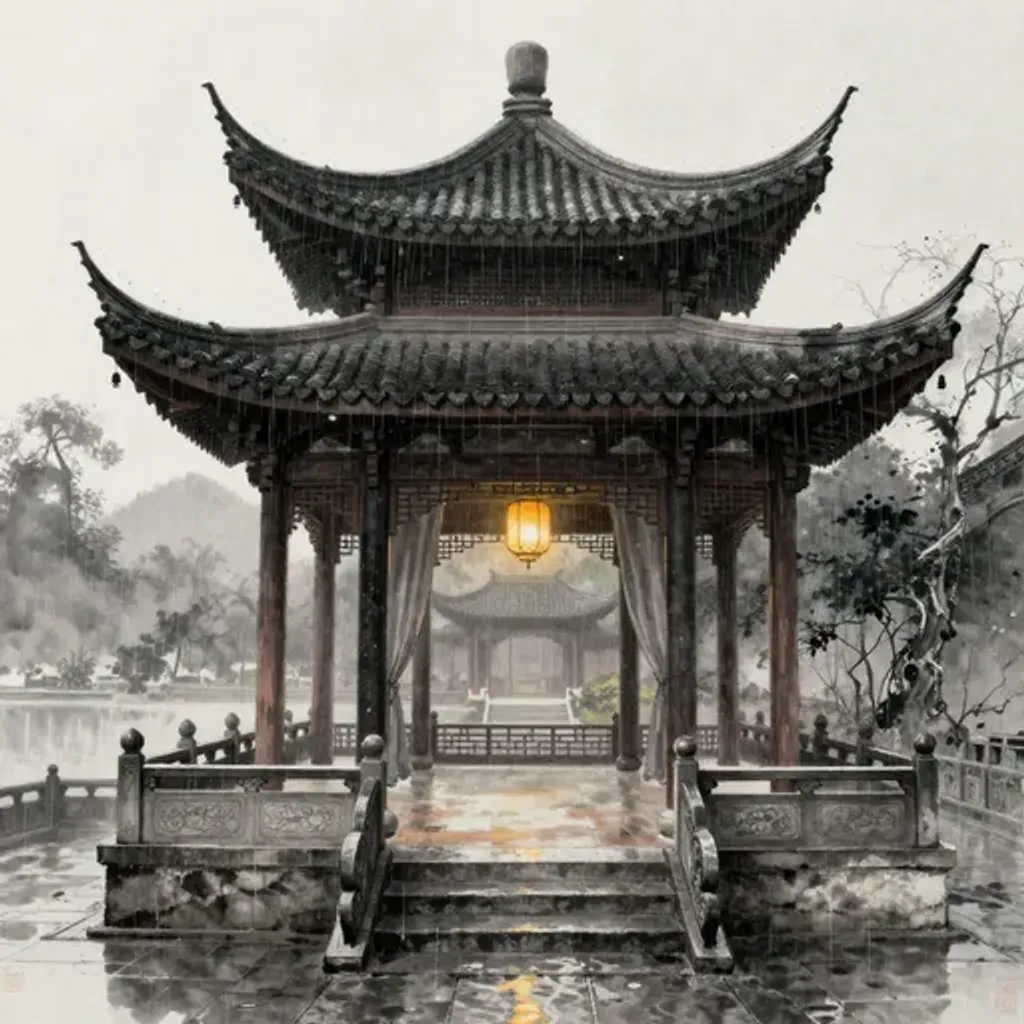
高樓陸處,以避風雨,深堂邃宇,君安其所。
A high tower on level ground, sheltering from wind and rain. Deep halls and secluded chambers; the lord rests at ease in his place.
— Jiao Yanshou, Yilin (Forest of Changes), 1st century BC
Commentary
Thunder above wind, Duration's reliable constancy, meets mountain above earth — Splitting Apart's slow erosion. Yet the verse inverts the ominous target: high towers and elevated chambers provide shelter from wind and rain. Deep halls and hidden rooms keep the lord secure in his place. Rather than fearing the mountain's collapse upon the earth, the subject builds upward — constructing lasting refuges against the elements. Duration's persistence here manifests as architectural endurance: what is well-built and maintained protects against stripping forces. From Duration to Splitting Apart, the steady rhythm confronts decay, but the response is proactive fortification. The lord who maintains his dwelling with constancy need not fear the erosion that topples the neglected.
恆 → 復
Hexagram 32 → Hexagram 24: Return
Changing lines: 1, 2, 3, 4
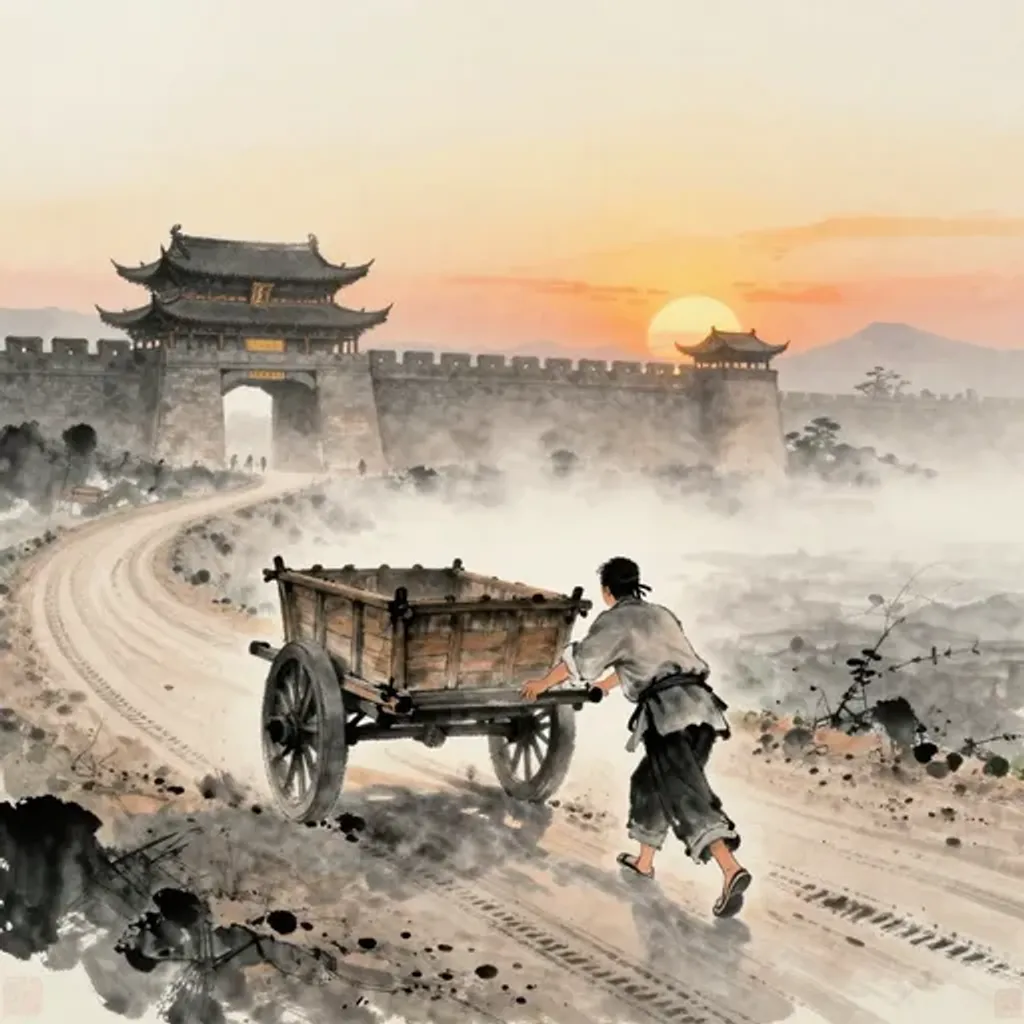
阿衡服箱,太乙載行,逃時歷舍,所之吉昌。
Yi Yin bore the yoke and carried loads; Tai Yi set forth on his journey. Fleeing the times, passing through many lodgings; wherever he went, fortune and glory.
— Jiao Yanshou, Yilin (Forest of Changes), 1st century BC
Commentary
Thunder above wind, Duration's unwavering pattern, opens into earth above thunder — Return's first stirring of renewal. The Aheng yokes himself to the cart; the Supreme One sets forth on his journey. Fleeing through the night, passing shelter after shelter, wherever he goes proves auspicious. 'Aheng' is the title of Yi Yin, the sage minister who helped King Tang found the Shang dynasty — originally a cook from the Youshen clan who carried his pots and pans in a cart to present himself at court. The 'Supreme One' (Taiyi) suggests both the cosmic deity and Tang's campaign to overthrow the Xia. From Duration to Return, the enduring pattern of oppression finally breaks: the thunder stirs beneath the earth, and the patient servant's long journey reaches its destination. Constancy in exile becomes the foundation of dynastic renewal.
恆 → 无妄
Hexagram 32 → Hexagram 25: Innocence
Changing lines: 1, 2, 3, 5, 6
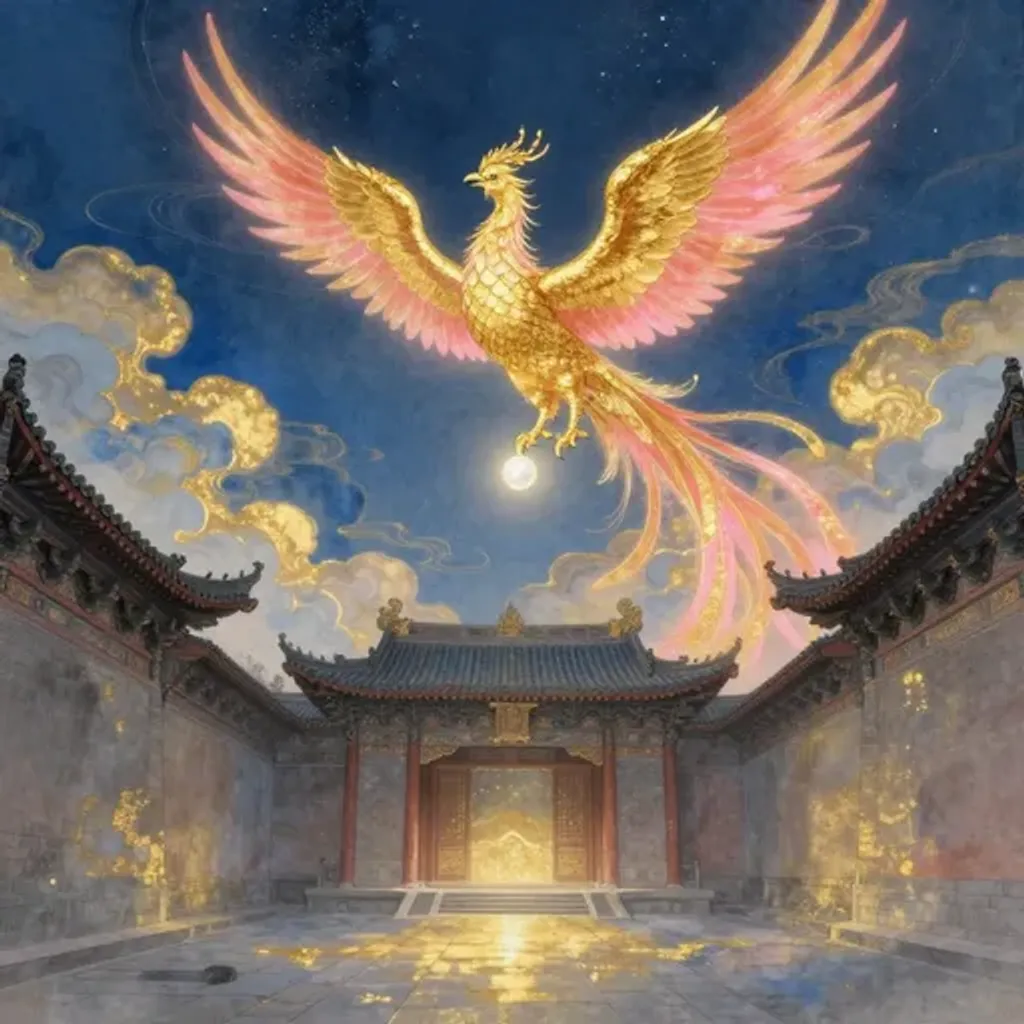
飛來之福,入我嘉室,以安吾國。
Blessings arrive unbidden, entering our fine chamber, bringing peace to our realm.
— Jiao Yanshou, Yilin (Forest of Changes), 1st century BC
Commentary
Thunder above wind, Duration's faithful rhythm, lifts into heaven above thunder — Innocence's spontaneous rightness. Unexpected blessings fly in and enter the fine household, bringing security to the nation. The verse is brief and luminous: fortune arrives unsought, settling naturally where conditions are right. Duration's patient constancy creates the conditions for grace to alight — the household that has maintained itself through steady virtue becomes the landing place for heaven-sent blessings. From Duration to Innocence, the enduring pattern aligns with heaven's thunder moving below, the cosmic order in its most natural state. What comes unbidden proves most lasting; the fortune that flies in was not chased but attracted by the quiet magnetism of a well-ordered life.
恆 → 大畜
Hexagram 32 → Hexagram 26: Great Taming
Changing lines: 1, 4, 6
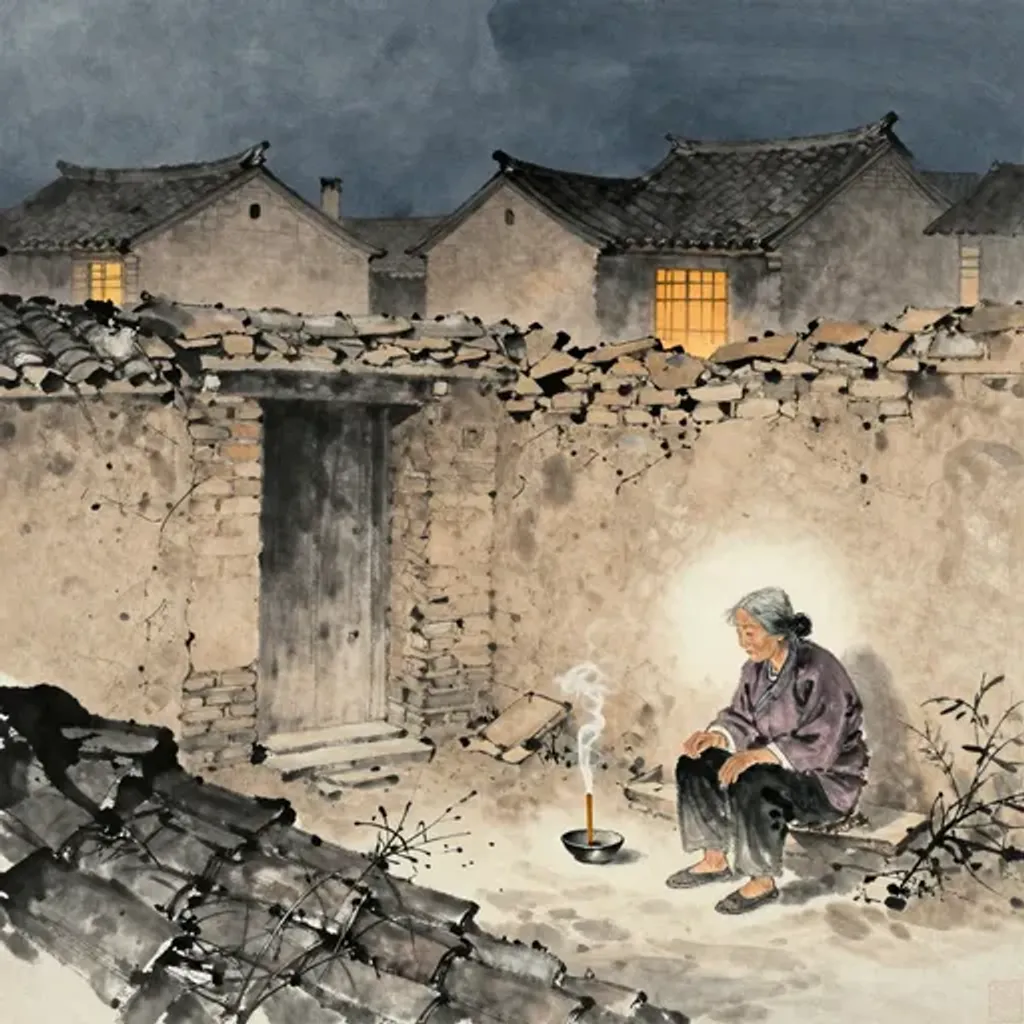
不孝之患,子為母殘,老耄莫養,獨坐空垣。
The affliction of unfilial piety; the child brings ruin upon the mother. Aged and infirm, with none to care for her; sitting alone within empty walls.
— Jiao Yanshou, Yilin (Forest of Changes), 1st century BC
Commentary
Thunder above wind, Duration's familial constancy, hardens into mountain above heaven — Great Taming's massive restraint. The calamity of filial impiety: a child harms his own mother. The aged and infirm go unnourished; an old parent sits alone within empty walls. Duration's image of the enduring family bond is here catastrophically inverted. The child who should sustain the parent through time instead becomes the source of suffering. The old one, abandoned, embodies the cruelest failure of duration: time continuing without care. From Duration to Great Taming, the heaven that should be nurtured within the mountain is instead trapped and starved. The mountain accumulates nothing but emptiness, and the taming that should preserve wisdom instead imprisons the helpless.
恆 → 頤
Hexagram 32 → Hexagram 27: Nourishment
Changing lines: 1, 2, 3, 4, 6
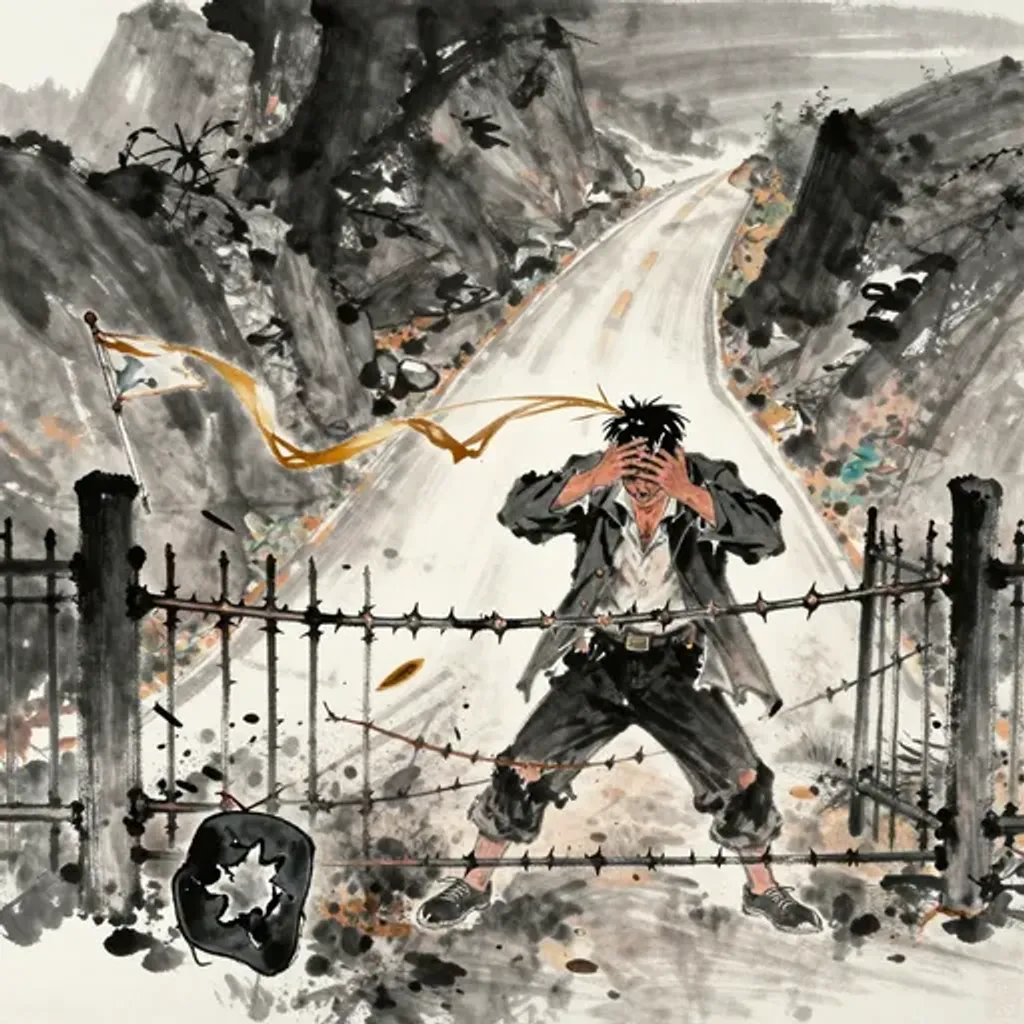
南過棘門,鉤裂我冠,鬭之傷襦,使君恨憂。
Passing south through the thorn gate; hooks tear my cap. Struggling through, the jacket rips; it leaves the lord in grievous worry.
— Jiao Yanshou, Yilin (Forest of Changes), 1st century BC
Commentary
Thunder above wind, Duration's steady forward motion, meets mountain above thunder — Nourishment's careful provision. Passing south through the Thorn Gate, thorns hook and tear the ceremonial cap; struggling through, the short coat is ripped. The lord is left with only bitter regret. The 'Thorn Gate' (棘門) was one of the military camps near Chang'an during Emperor Wen of Han's reign — a camp known for its lax discipline, contrasted with Zhou Yafu's strict command at Xiliu. The torn cap and shredded jacket signal a passage forced through hostile terrain that strips away dignity. From Duration to Nourishment, the steady path meets the mountain's demand for careful sustenance. What should nourish instead injures; the gate that should admit instead tears, and the enduring traveler arrives damaged beyond expectation.
恆 → 大過
Hexagram 32 → Hexagram 28: Great Exceeding
Changing lines: 5
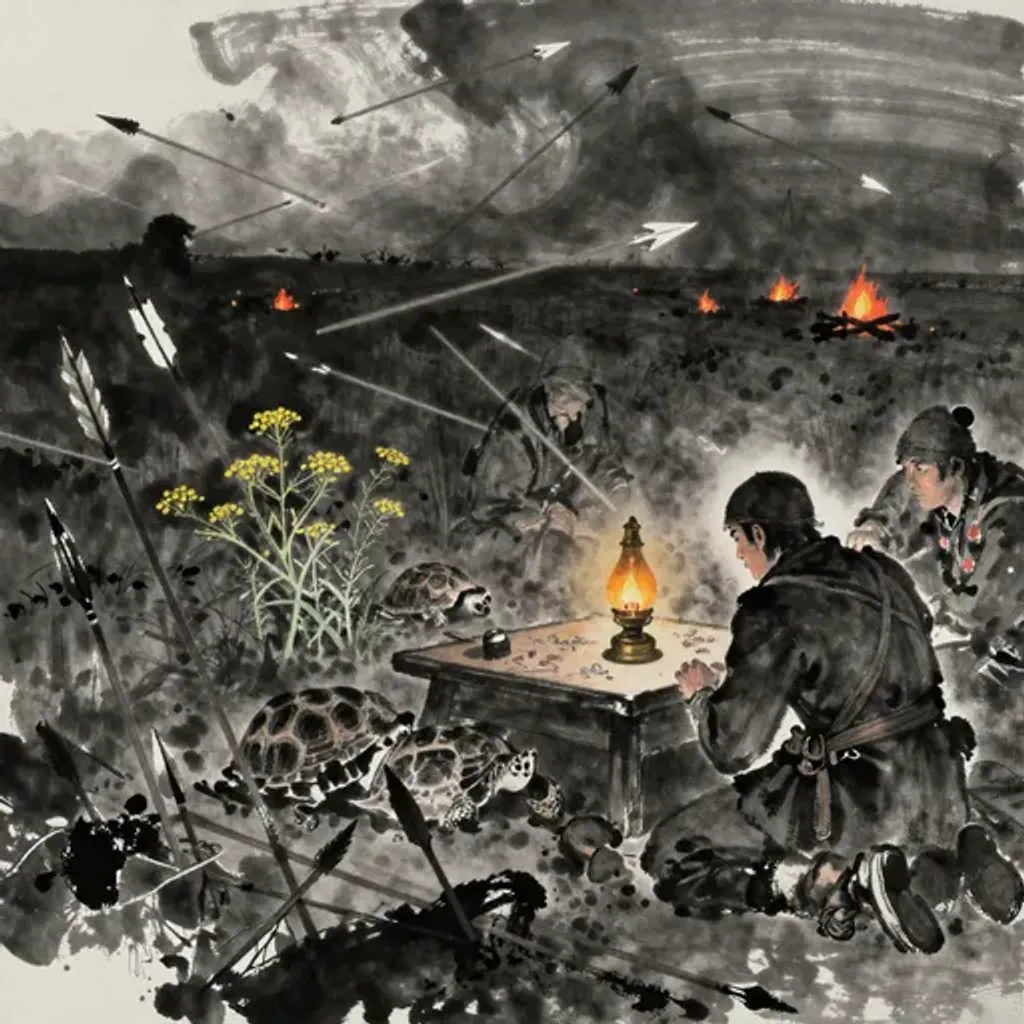
重或射卒,不知所定,質疑蓍龜,孰可避大。
Repeated volleys strike the soldiers; none knows where to find safety. Inquiring of yarrow and tortoise shell; who can avert the great calamity.
— Jiao Yanshou, Yilin (Forest of Changes), 1st century BC
Commentary
Thunder above wind, Duration's settled rhythm, meets lake above wind — Great Exceeding's buckling ridgepole. Repeated attacks strike the soldiers, leaving no stable position. Doubts pile up, and one consults the yarrow and tortoise shell, asking which danger can be averted. Duration should provide certainty, yet here the enduring condition is chaos itself — a sustained assault with no fixed front. The desperate appeal to divination underscores the failure of ordinary calculation. From Duration to Great Exceeding, the steady rhythm encounters a load beyond structural capacity. The ridgepole of the situation sags, and no oracle can relieve the excess. When persistence only prolongs an untenable position, even divination cannot point the way out.
恆 → 坎
Hexagram 32 → Hexagram 29: The Abysmal Water
Changing lines: 3, 4, 5
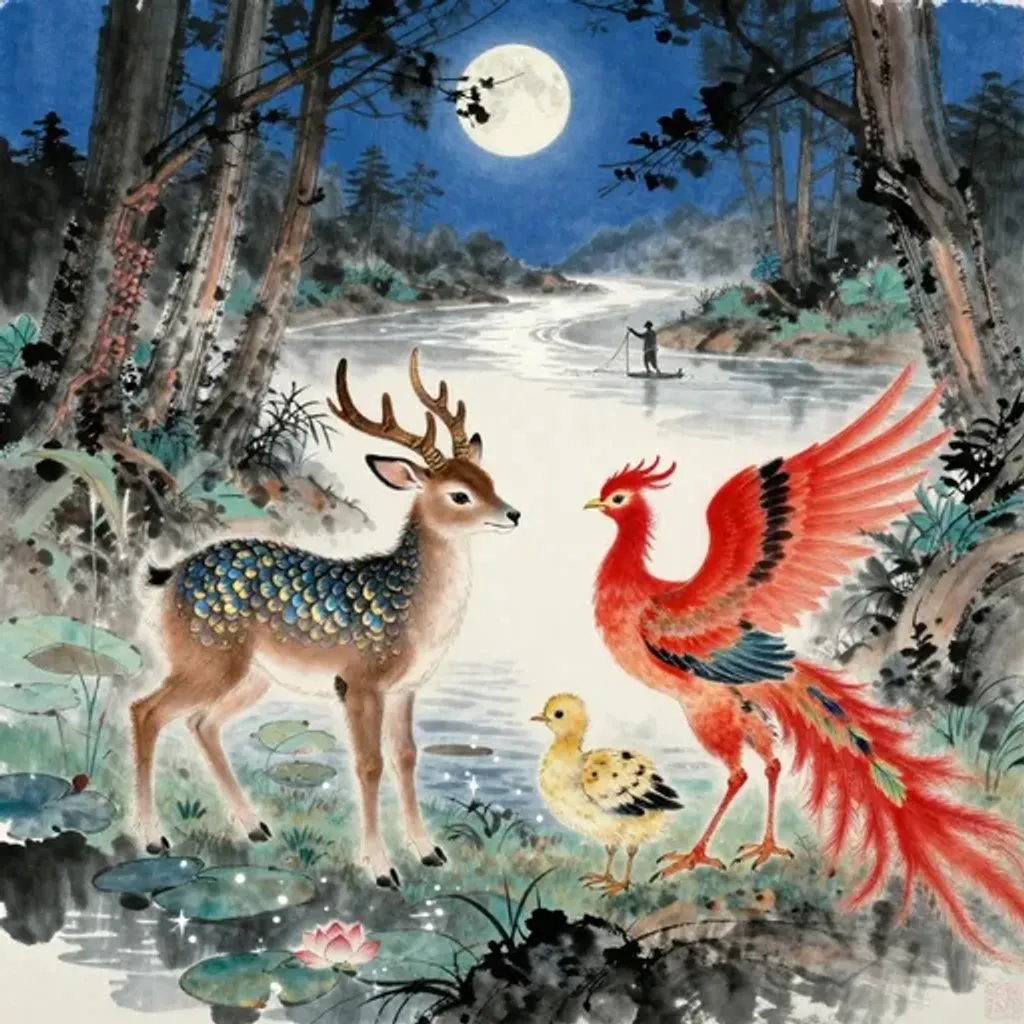
驎麑鳳稚,安樂無憂,捕魚河海,利踰從居。
Qilin calf and phoenix chick; at ease and without worry. Catching fish in river and sea; profit surpasses one’s dwelling.
— Jiao Yanshou, Yilin (Forest of Changes), 1st century BC
Commentary
Thunder above wind, Duration's rhythmic persistence, deepens into doubled water — the Abysmal's repeated danger. Yet the verse paints not peril but paradise: the qilin fawn and phoenix chick play peacefully; fishing in rivers and seas yields bounty that surpasses any settled dwelling. The qilin and phoenix are omens of a sage-king's reign — their appearance signals cosmic harmony. The fisherman's catch exceeds what domestic life provides. Duration here reaches its most auspicious expression: when constancy aligns with natural order, even the Abysmal's doubled waters become seas of abundance rather than pits of danger. From Duration to the Abysmal, persistence practiced in accord with the Way transforms repeated danger into repeated harvest.
恆 → 離
Hexagram 32 → Hexagram 30: The Clinging Fire
Changing lines: 1, 2, 6
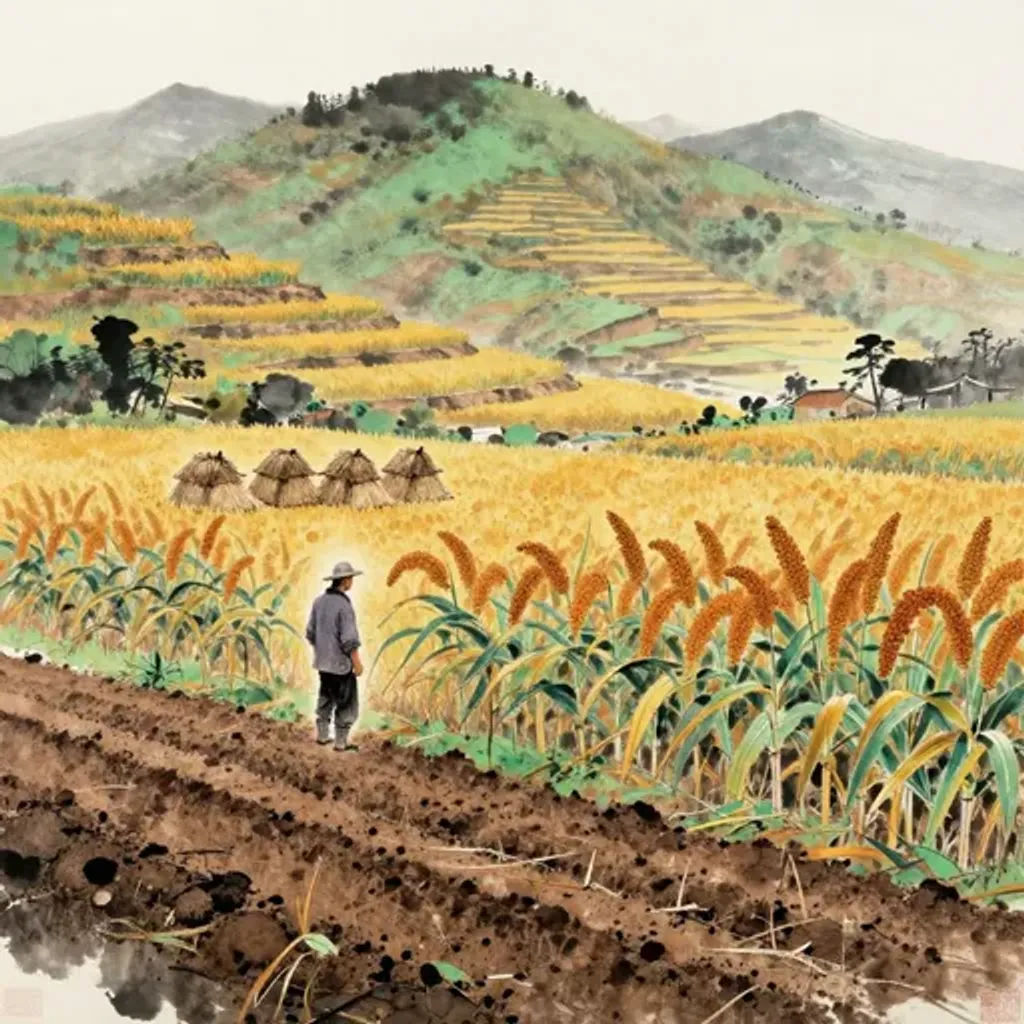
新田宜粟,上農得穀,君子推德,千百以福。
New fields are fit for millet; the best farmer reaps his grain. The noble man extends his virtue; blessings come a thousandfold, a hundredfold.
— Jiao Yanshou, Yilin (Forest of Changes), 1st century BC
Commentary
Thunder above wind, Duration's reliable constancy, brightens into doubled fire — the Clinging's illuminating radiance. New fields are ideal for millet; the best farmers reap abundant grain. The gentleman extends his virtue, and blessings multiply a hundredfold, a thousandfold. The verse celebrates agricultural prosperity as the fruit of sustained moral cultivation. New fields suggest expansion into virgin territory — not reckless advance but methodical development. The 'superior farmer' who reaps most is the one whose technique endures through seasons. From Duration to the Clinging, the thunder-wind's steady energy ignites into doubled clarity. Virtue practiced consistently radiates outward like fire illuminating fire, and the harvest of sustained goodness compounds beyond all expectation.
恆 → 咸
Hexagram 32 → Hexagram 31: Influence
Changing lines: 2, 5
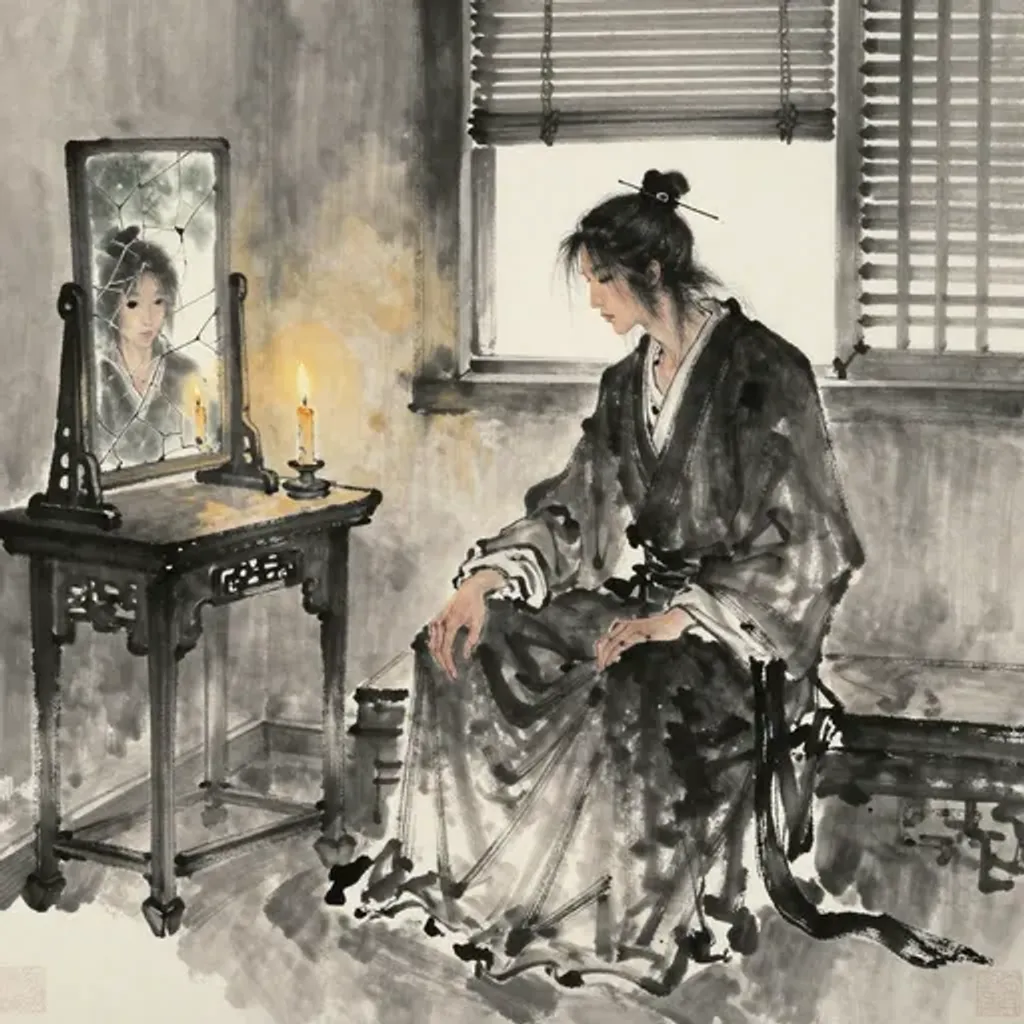
簪短帶長,幽思苦窮,瘠蠡小瘦,以病之隆。
The hairpin is short, the sash too long; brooding thoughts and bitter poverty. Gaunt and thin, wasted and slight; illness grows ever more grave.
— Jiao Yanshou, Yilin (Forest of Changes), 1st century BC
Commentary
Thunder above wind, Duration's joined constancy, meets its inverse: lake above mountain — Influence's mutual attraction. The hairpin is too short, the belt too long; hidden brooding brings bitter exhaustion. Thin and wasted, emaciated and shrunken, illness grows ever more severe. Everything is mismatched: ornaments that do not fit the wearer, a body that cannot sustain its own frame. Duration's steadiness has turned pathological — what persists is not health but chronic decline. The mismatch of pin and belt suggests a relationship where the parts no longer correspond. From Duration to Influence, the enduring bond between thunder and wind confronts the lake-mountain attraction of Xian. But attraction without proper proportion wastes the body; longing sustained too long becomes the disease itself.
恆 → 恆
Hexagram 32 → Hexagram 32: Duration
No changing lines — the hexagram is unchanged
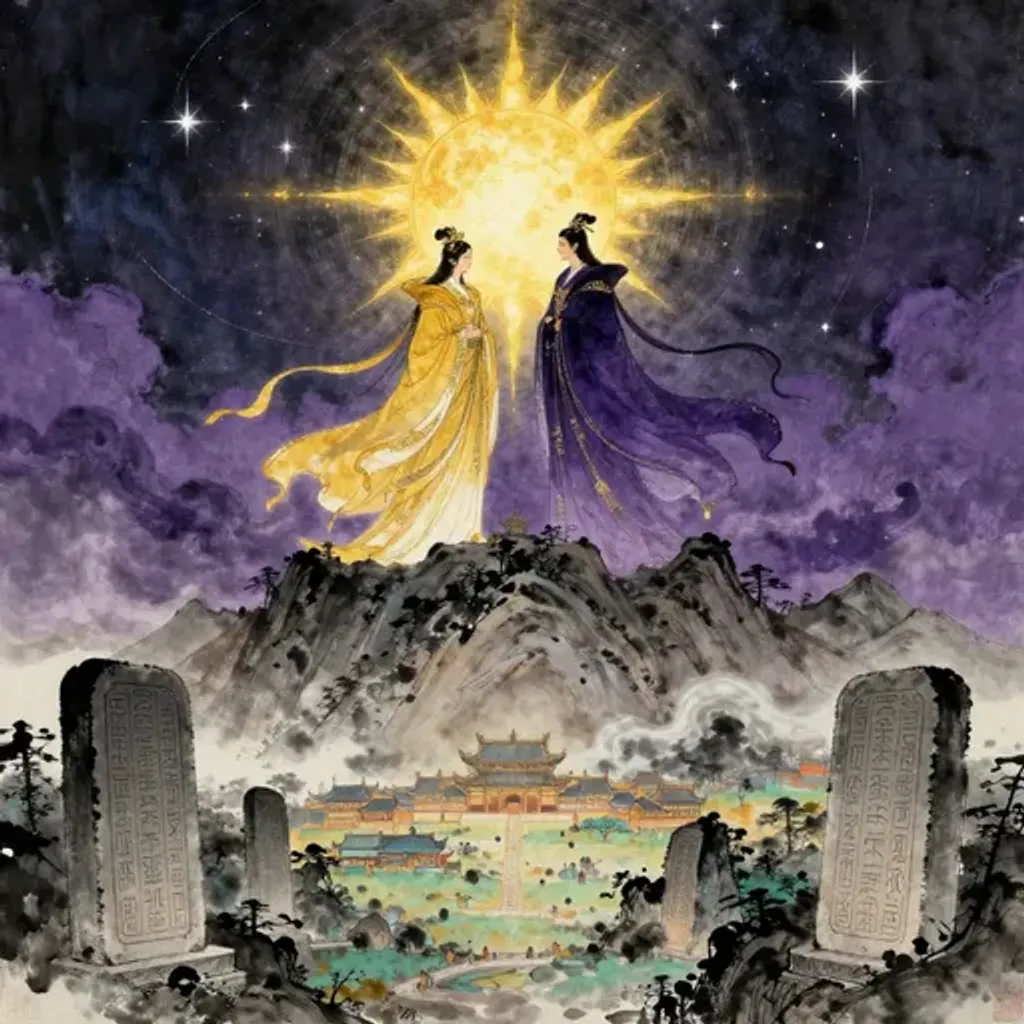
黃帝所生,伏羲之宗,兵刀不至,利以居止。
Where the Yellow Emperor was born, the ancestral lineage of Fu Xi. Swords and blades do not reach here; it is fitting to dwell and remain.
— Jiao Yanshou, Yilin (Forest of Changes), 1st century BC
Commentary
Thunder above wind doubled upon itself — Duration transformed back into Duration. The Yellow Emperor's birthplace, Fuxi's ancestral lineage: this is the origin point of civilization itself. No weapons or blades reach here; it is favorable to dwell and rest. The verse names the two primordial culture-heroes whose legacies define the Chinese cosmological tradition. The Yellow Emperor brought order through invention and warfare; Fuxi devised the trigrams from observing nature. Together they represent the deepest foundation of enduring civilization. When Duration returns to Duration, the pattern is self-reinforcing: what endures is the very ground of culture. The dwelling place of these origins needs no defense because its constancy is ontological — it is the source from which all other patterns flow.
恆 → 遯
Hexagram 32 → Hexagram 33: Retreat
Changing lines: 2, 5, 6
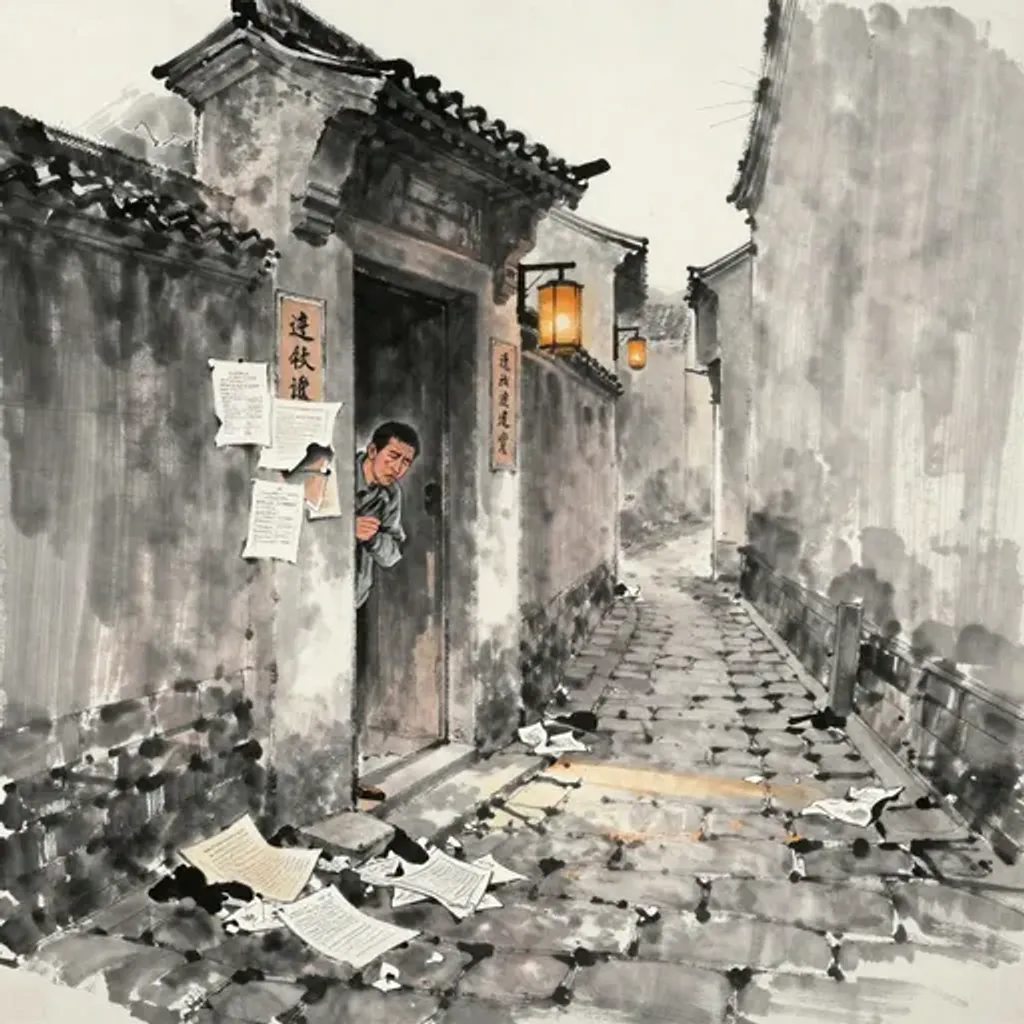
爭訟之門,不可與鄰,出入為憂,生我心患。
At the gate of quarrels and lawsuits, one should not be a neighbor. Going out and coming in bring worry; it breeds affliction in my heart.
— Jiao Yanshou, Yilin (Forest of Changes), 1st century BC
Commentary
Thunder above wind, Duration's proximity, opens into heaven above mountain — Retreat's strategic withdrawal. A household given to litigation is no fit neighbor; comings and goings breed only worry and anxiety. The verse counsels avoidance: living beside a quarrelsome door invites constant trouble. Duration's closeness — the enduring presence of thunder and wind — becomes oppressive when what endures is conflict rather than harmony. The steady neighbor turns out to be a steady source of lawsuits. From Duration to Retreat, the transformation is decisive: when constancy produces only contention, the gentleman withdraws. Heaven rises above the mountain, placing distance between itself and the petty. Retreat here is not weakness but the wisdom to recognize that some proximities are not worth enduring.
恆 → 大壯
Hexagram 32 → Hexagram 34: Great Power
Changing lines: 1
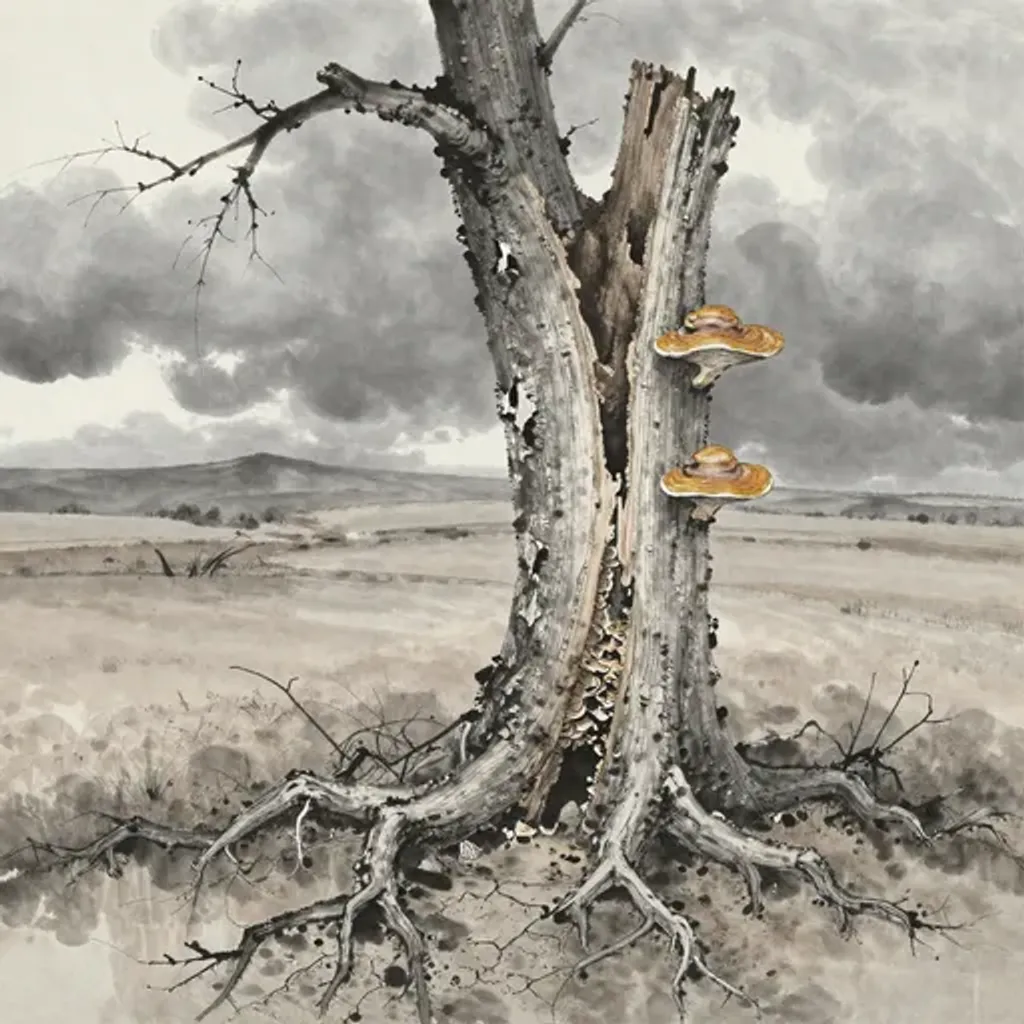
朽根枯株,不生肌膚,病在心腹,日以焦勞。
Rotten roots and withered trunk; no flesh or skin will grow. The sickness lodges in heart and belly; day by day, scorching toil.
— Jiao Yanshou, Yilin (Forest of Changes), 1st century BC
Commentary
Thunder above wind, Duration's life-sustaining rhythm, erupts into thunder above heaven — Great Power's overwhelming force. A rotted root on a dead stump cannot generate new flesh. The illness lodges in the heart and belly, growing daily into a consuming anxiety. Duration here has run past its expiry: what should endure is already dead at the root, and no amount of persistence can revive it. The disease at the center — heart and belly — represents a corruption of the vital organs of a state or body that no external remedy can reach. From Duration to Great Power, the thunder doubles its force above heaven, but power applied to a rotten foundation only accelerates collapse. Great strength without living substance is merely great destruction.
恆 → 晉
Hexagram 32 → Hexagram 35: Progress
Changing lines: 2, 3, 6
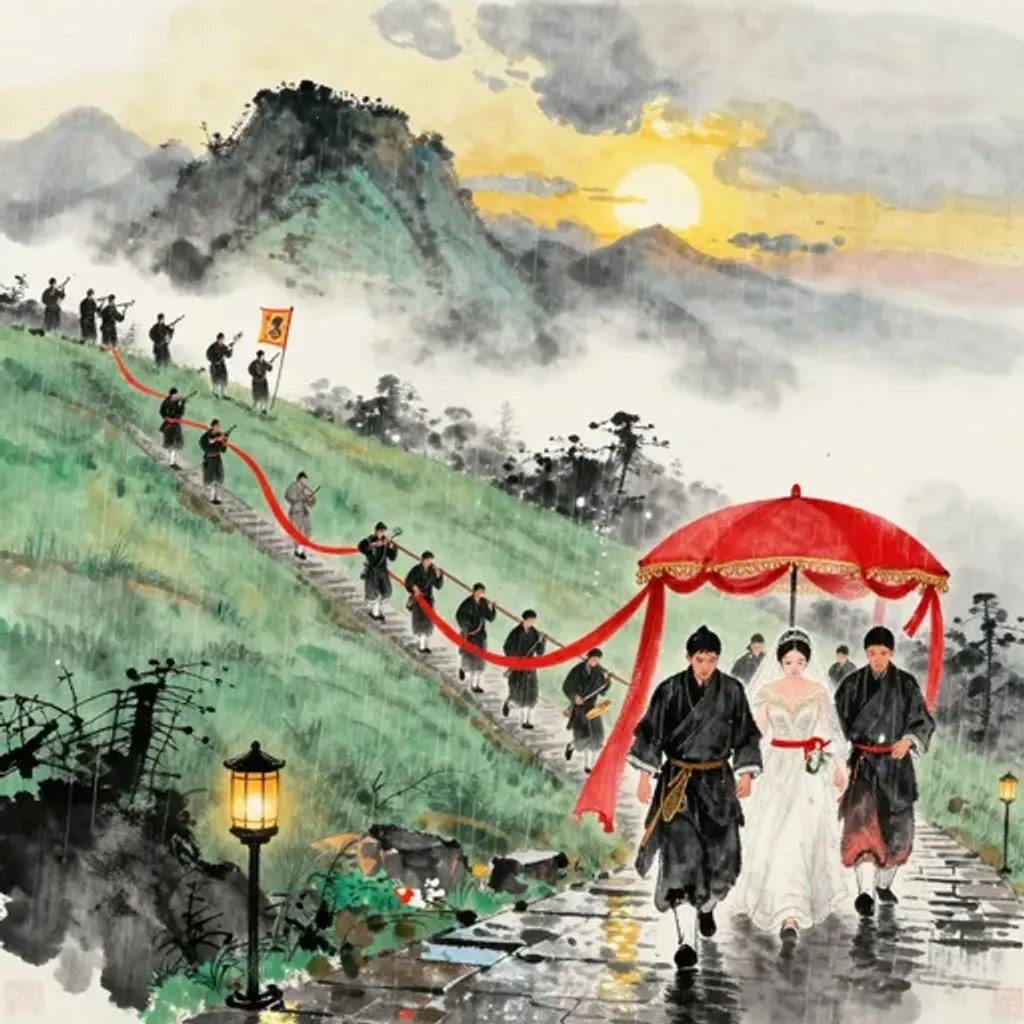
雨師娶婦,黃巖季子,成禮就昏,相呼南上。
The Rain Master takes a bride; the young lord of Huangyan. The rites complete, the wedding done; calling to each other, they ascend southward.
— Jiao Yanshou, Yilin (Forest of Changes), 1st century BC
Commentary
Thunder above wind, Duration's marital constancy, advances into fire above earth — Progress's radiant emergence. The Rain Master takes a bride; the young lord of Yellow Cliff completes the rites, and the couple calls to each other as they ascend southward. The Rain Master (雨師) is a celestial deity of weather, and his wedding suggests cosmic forces joining in sanctioned union. The ascent southward — toward fire, light, and maximum yang — signals the couple rising together toward brightness. From Duration to Progress, the enduring bond of thunder and wind transforms into the sun emerging above the earth. Marriage conducted with proper ceremony becomes the vehicle of collective advancement; the couple's mutual calling embodies fellowship within forward motion.
恆 → 明夷
Hexagram 32 → Hexagram 36: Darkening of the Light
Changing lines: 1, 2, 4
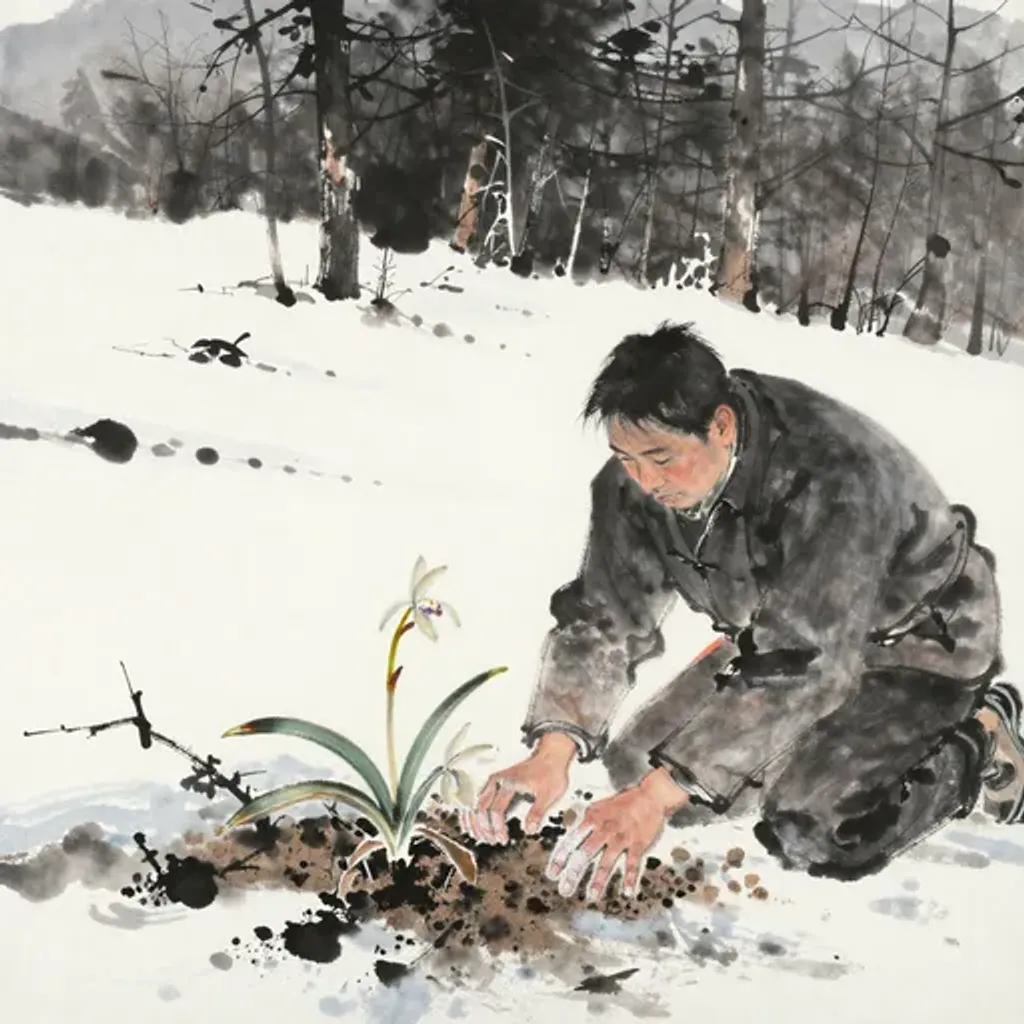
冬採微蘭,地凍堅難。利走失北,暮無所得。
Gathering faint orchids in winter; the ground is frozen and unyielding. Advantage flees to the north; at dusk, nothing is gained.
— Jiao Yanshou, Yilin (Forest of Changes), 1st century BC
Commentary
Thunder above wind, Duration's enduring effort, sinks into earth above fire — Darkening of the Light. In winter one gathers faint orchids, but the ground is frozen hard. Fleeing north proves futile; by dusk, nothing has been gained. The verse captures effort misapplied to an impossible season: orchids cannot be picked from frozen soil, and the winter traveler returns empty-handed at nightfall. Duration's persistence meets a world where conditions fundamentally prohibit success — not through lack of effort but through misalignment with natural timing. From Duration to Darkening of the Light, the steady flame is buried beneath the earth. Light enters the ground and goes dark; the orchid's fragrance is locked in frost. Persisting when illumination has been extinguished yields only exhaustion.
恆 → 家人
Hexagram 32 → Hexagram 37: The Family
Changing lines: 1, 2, 4, 5, 6

昧之東域,誤過虎邑,失我熊胔,飢無所食。
Benighted in the eastern wilds, straying into the tiger’s domain. Losing my bear meat; starving, with nothing to eat.
— Jiao Yanshou, Yilin (Forest of Changes), 1st century BC
Commentary
Thunder above wind, Duration's familiar rhythm, enters wind above fire — the Family's domestic order. Blundering through the eastern darkness, one strays into the Tiger District. The bear carcass is lost, and hunger follows with nothing to eat. The traveler has wandered off course into dangerous territory — the 'Tiger District' (虎邑) suggests a lawless or predatory locale. The provisions (bear meat) are lost, leaving the wanderer starving. Duration should keep one on the familiar path, but disorientation has undone the routine entirely. From Duration to the Family, the wind-fire image of domestic warmth contrasts painfully with the verse's desolation. The household order that should sustain the traveler has been left behind, and without that anchor, even Duration's persistence leads only deeper into hostile wilderness.
恆 → 睽
Hexagram 32 → Hexagram 38: Opposition
Changing lines: 1, 3, 6
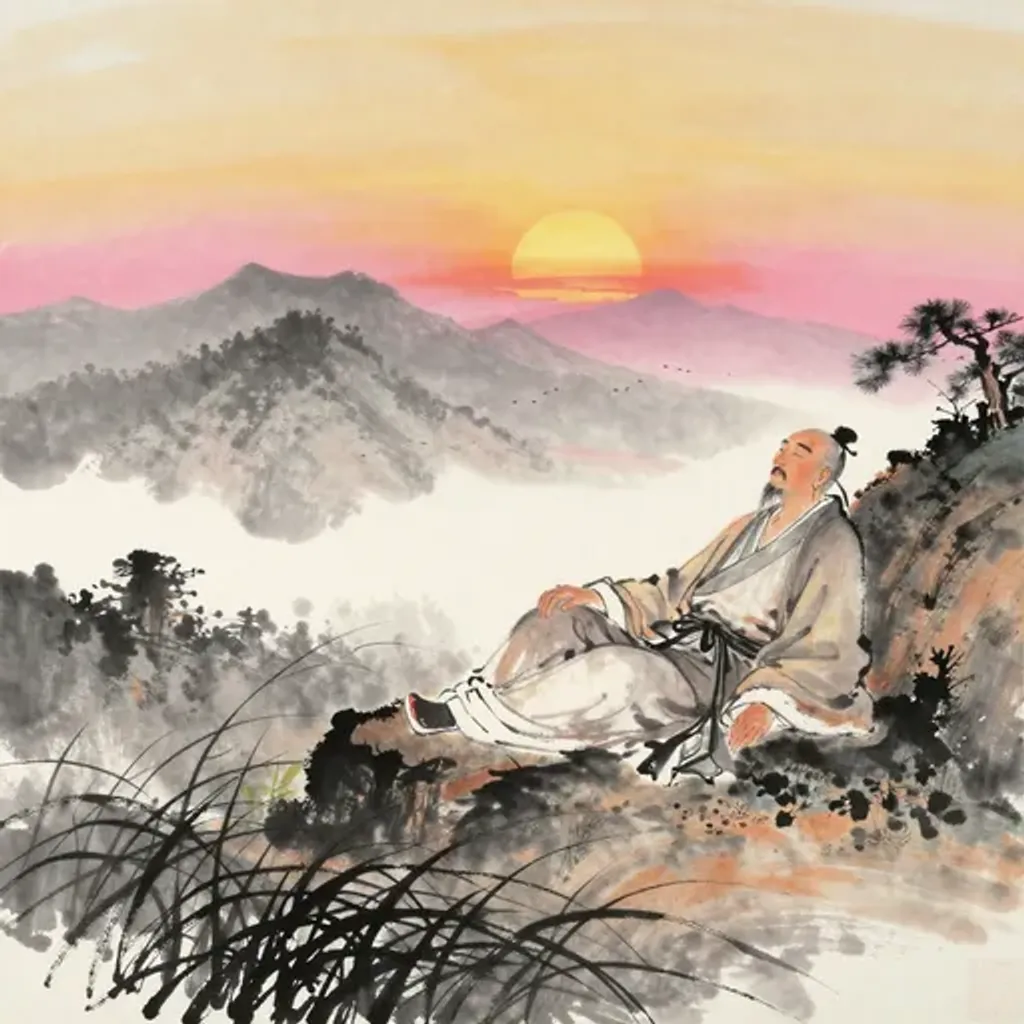
日莫閉目,隨陽休息,箕子以之,乃受其福。
As the sun sets, the eyes close; following the yang, one rests. Jizi took this as his way and thereby received his blessing.
— Jiao Yanshou, Yilin (Forest of Changes), 1st century BC
Commentary
Thunder above wind, Duration's steady rhythm, splits into fire above lake — Opposition's divergent visions. At dusk one closes the eyes and follows the sun to rest; the Viscount of Ji took this path and thereby received his blessings. Jizi, uncle of the tyrant Zhou of Shang, feigned madness and submitted to slavery to survive the corrupt court. His 'closing the eyes at dusk' is the wisdom of strategic self-concealment — resting when darkness falls rather than fighting it. By enduring through Opposition's contradictions, he preserved himself for the dawn after the dynasty's fall. From Duration to Opposition, the fire and lake pull apart, yet Jizi's patient endurance within that tension earned him survival and eventual honor when King Wu enfeoffed him at Joseon.
恆 → 蹇
Hexagram 32 → Hexagram 39: Obstruction
Changing lines: 2, 4, 5
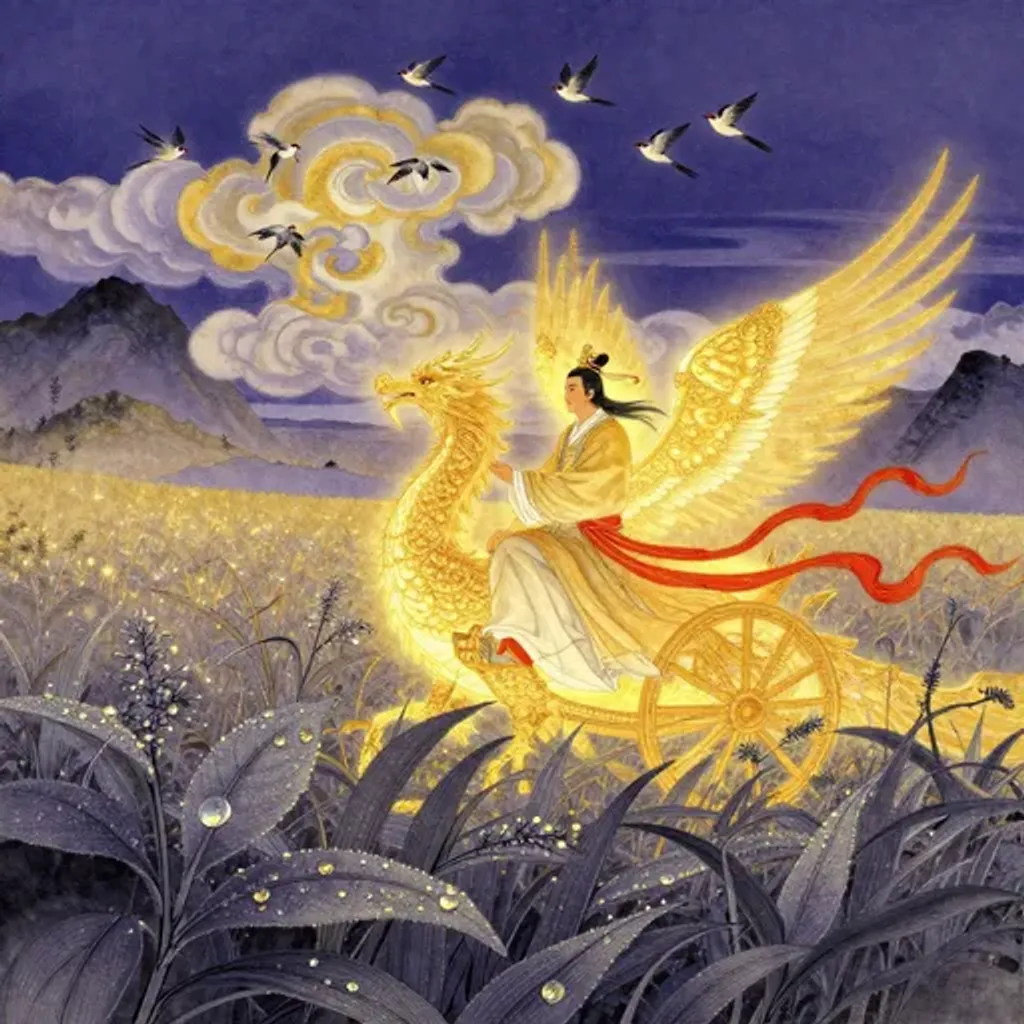
蓼蕭瀼瀼,君子龍光,鳴鸞雍雍,福祿來同。
Smartweed lush with heavy dew; the noble man shines with dragon-light. Luan-birds cry in harmony; fortune and blessing arrive together.
— Jiao Yanshou, Yilin (Forest of Changes), 1st century BC
Commentary
Thunder above wind, Duration's vital rhythm, encounters water above mountain — Obstruction's formidable terrain. Yet the verse offers not difficulty but splendor: the liao and xiao plants drip with dew, the gentleman radiates dragon-light. Luan birds cry in harmony, and blessings and bounty arrive together. The imagery draws from the Shijing ode 'Liao Xiao' (蓼蕭), which celebrates the generous dew that graces all plants equally — a metaphor for a ruler's impartial beneficence. The luan bird's harmonious cry signals celestial approval. From Duration to Obstruction, the mountain blocked by water should impede progress, yet the verse transforms the obstacle into a site of concentrated blessing. The gentleman who persists through Obstruction's terrain does not merely survive but shines.
恆 → 解
Hexagram 32 → Hexagram 40: Deliverance
Changing lines: 3
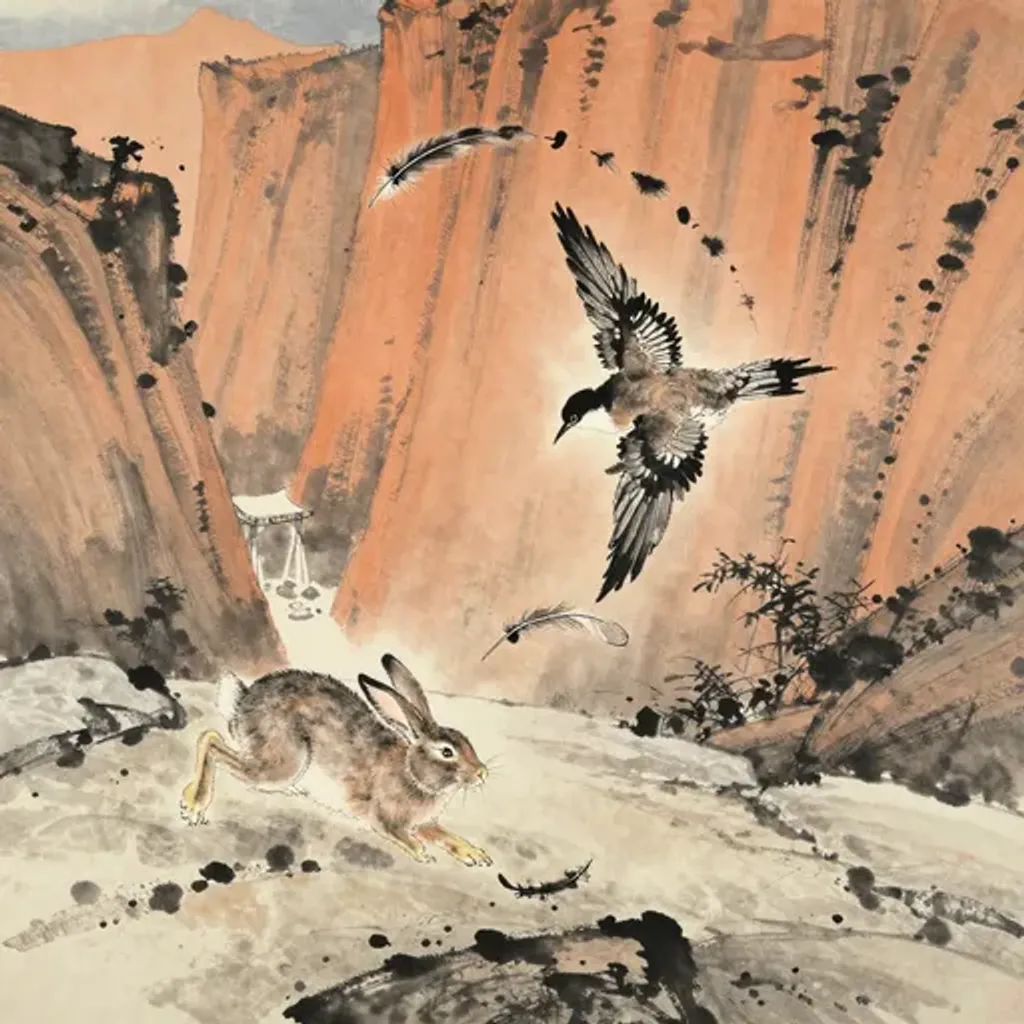
鳥飛無翼,兔走折足,雖不會同,未得醫工。
A bird flies without wings; a rabbit runs with broken legs. Though they cannot meet as one, no healer can be found.
— Jiao Yanshou, Yilin (Forest of Changes), 1st century BC
Commentary
Thunder above wind, Duration's sustaining motion, shifts into thunder above water — Deliverance's releasing storm. A bird tries to fly but has no wings; a rabbit runs but snaps its leg. Though they do not meet their goal, no healer can be found. Duration's steady effort meets total incapacity: the wingless bird and lame rabbit are creatures whose essential faculties have failed. No amount of persistence can compensate for the loss of fundamental capability. The absent physician deepens the hopelessness — even remedial help is unavailable. From Duration to Deliverance, the hexagram promises liberation through the thunderstorm that breaks the tension. But for the wingless and the lame, deliverance requires what they cannot provide themselves: wings, legs, a doctor. Persistence alone does not heal.
恆 → 損
Hexagram 32 → Hexagram 41: Decrease
Changing lines: 1, 3, 4, 6
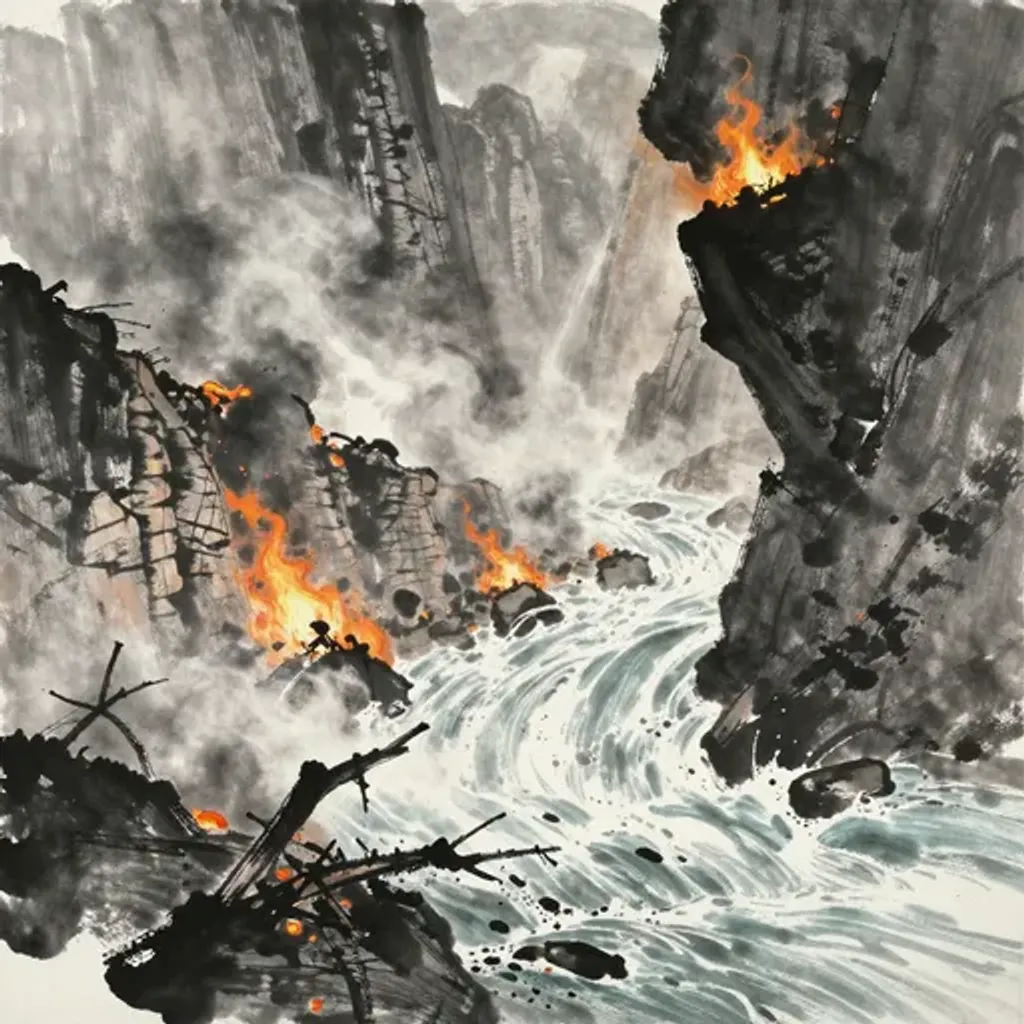
五勝相賊,火得水息,精光消滅,絕不長續。
The five phases overcome each other; fire meets water and is quenched. Its vital radiance is extinguished; cut off, it shall not continue.
— Jiao Yanshou, Yilin (Forest of Changes), 1st century BC
Commentary
Thunder above wind, Duration's dynamic balance, gives way to mountain above lake — Decrease's deliberate sacrifice. The five elemental phases devour one another: fire meets water and is extinguished. Radiant light is snuffed out; the bright line breaks and will not continue. The wuxing cycle of mutual conquest is invoked directly: water overcomes fire, ending light itself. Duration's perpetual motion halts when the elemental antagonist arrives. What endured is not merely weakened but annihilated — the extinction is total and final. From Duration to Decrease, the mountain draws from the lake below, diminishing its reserves. Here the decrease is catastrophic rather than strategic: fire's essence is not trimmed but destroyed. The verse warns that even what seems perpetual can be terminated by its natural opposite.
恆 → 益
Hexagram 32 → Hexagram 42: Increase
Changing lines: 1, 2, 3, 4, 5, 6
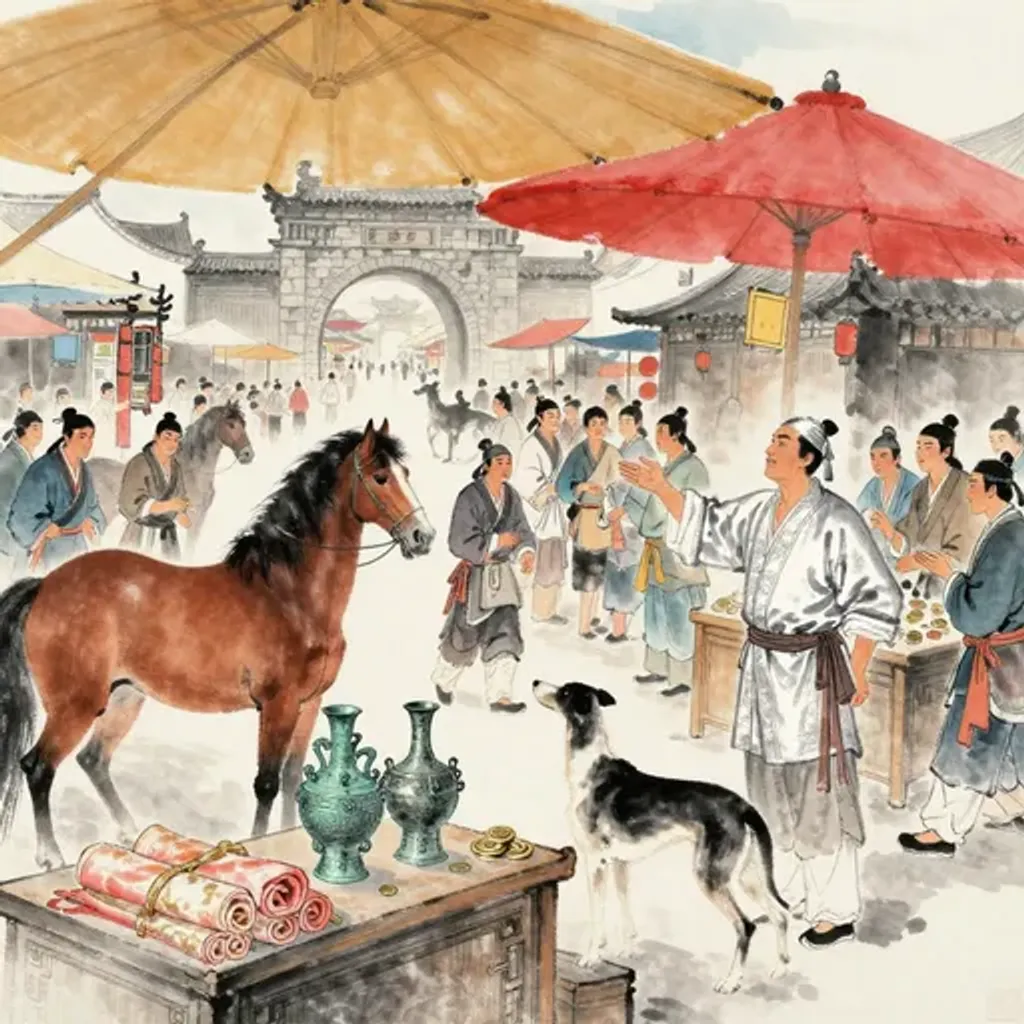
東資齊魯,得騂犬馬。便辟能言,巧賈善市。
Trading eastward with Qi and Lu; acquiring russet hounds and horses. Glib of tongue and skilled in speech; a clever merchant, shrewd in trade.
— Jiao Yanshou, Yilin (Forest of Changes), 1st century BC
Commentary
Thunder above wind, Duration's persistent exchange, flows into wind above thunder — Increase's generous augmentation. Traveling east to trade in Qi and Lu, one obtains fine red horses and dogs. Glib-tongued men and clever merchants are skilled at the marketplace. The states of Qi and Lu were the commercial centers of the eastern seaboard, famous for their bustling markets and sophisticated traders. The verse celebrates mercantile success through sustained commercial networks — the enduring trade routes that connect regions. From Duration to Increase, the thunder-and-wind pattern intensifies: wind and thunder together double their mutual benefit. Duration's steady trade relationships compound into Increase's expanding returns. The skilled merchant's silver tongue is not deception but the social lubricant of sustained commerce.
恆 → 夬
Hexagram 32 → Hexagram 43: Breakthrough
Changing lines: 1, 5
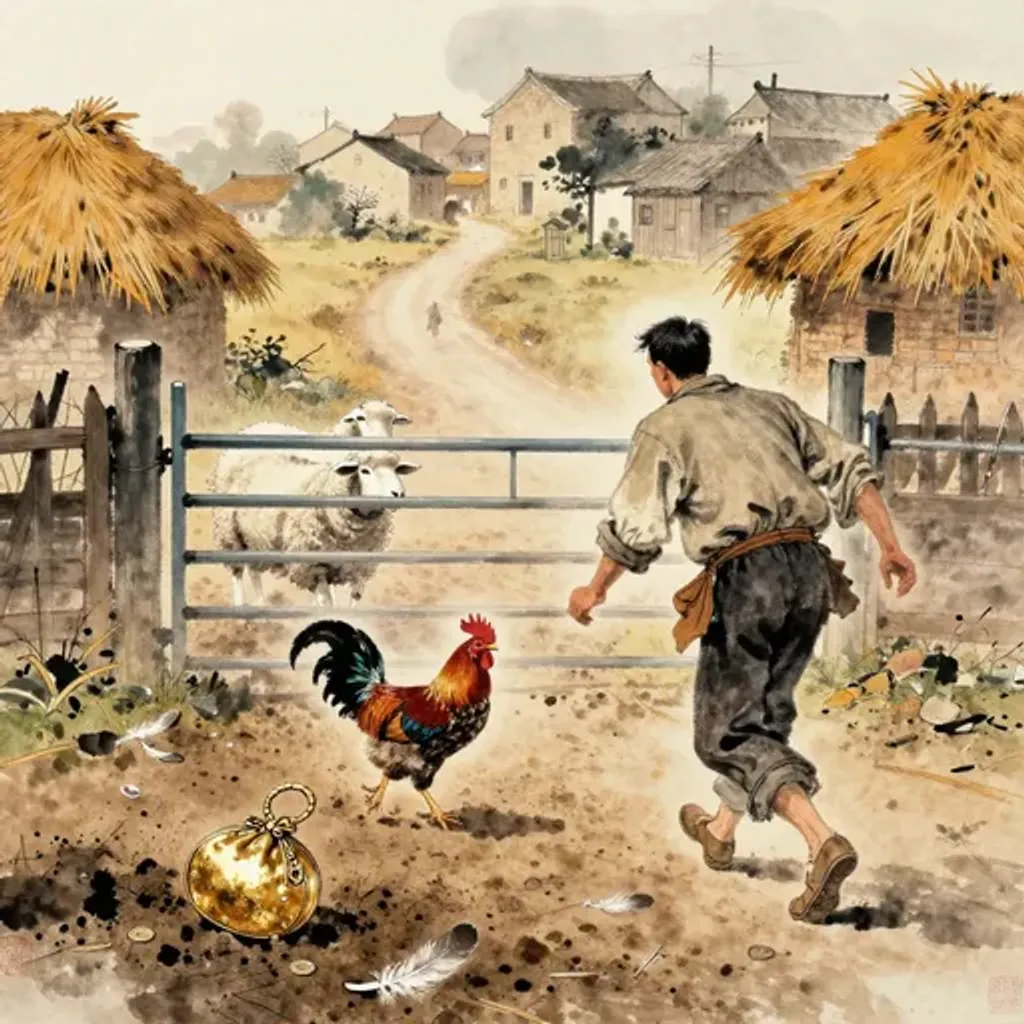
爭雞失羊,亡其金囊,利不得長,陳蔡之患。
Quarreling over a chicken, losing the sheep; the gold purse gone. Profit cannot be held for long; the affliction of Chen and Cai.
— Jiao Yanshou, Yilin (Forest of Changes), 1st century BC
Commentary
Thunder above wind, Duration's steady hold, breaks into lake above heaven — Breakthrough's decisive rupture. Quarreling over a chicken, one loses a sheep; the gold pouch goes missing, and profits cannot be sustained. This echoes the hardship of Confucius stranded between Chen and Cai. The proverb 'fighting over a chicken, losing a sheep' captures the folly of petty disputes that cost far more than the prize at stake. The lost gold pouch compounds the image of resources frittered away through misplaced contention. The reference to 'Chen and Cai's trouble' (陳蔡之患) directly invokes Confucius's seven days without food between those two states. From Duration to Breakthrough, the tension that should release cleanly instead ruptures destructively — the breakthrough scatters more than it frees.
恆 → 姤
Hexagram 32 → Hexagram 44: Coming to Meet
Changing lines: 5, 6
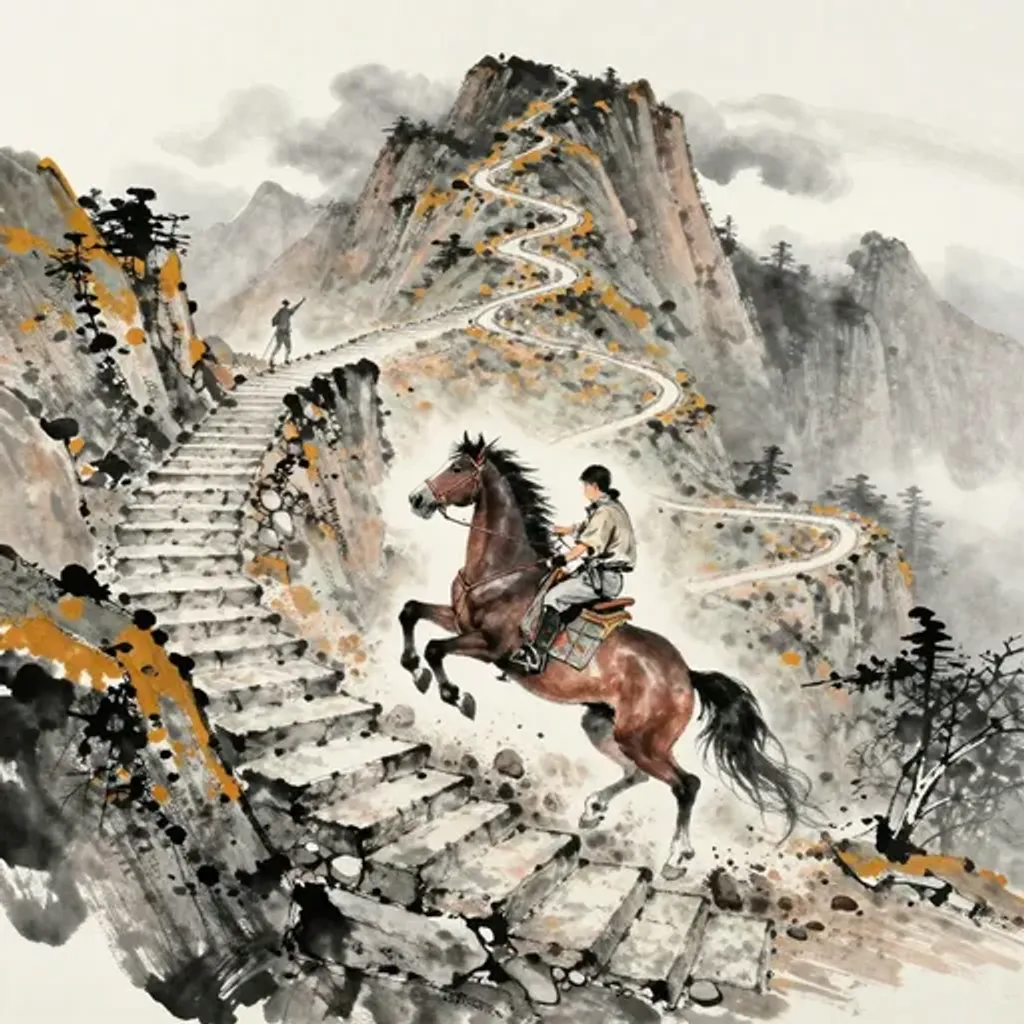
九登十陟,馬跌不前,管子佐之,乃能上山。
Nine ascents, ten climbs; the horse stumbles and will not go on. Guan Zhong aids him; at last they surmount the mountain.
— Jiao Yanshou, Yilin (Forest of Changes), 1st century BC
Commentary
Thunder above wind, Duration's enduring effort, meets heaven above wind — Coming to Meet's unexpected encounter. Nine ascents and ten climbs, yet the horse stumbles and cannot advance. Guan Zhong comes to assist, and only then can the mountain be scaled. The verse likely alludes to Duke Huan of Qi's northern expedition, during which Guan Zhong's strategic counsel saved the army from impassable terrain. According to tradition, when the army was lost in a desert, Guan Zhong released old horses to follow their instinct back to the road. The repeated climbing suggests exhausting persistence that reaches its limit. From Duration to Coming to Meet, the wind beneath heaven signals an unexpected arrival — the counselor who appears just when endurance alone proves insufficient.
恆 → 萃
Hexagram 32 → Hexagram 45: Gathering Together
Changing lines: 2, 3, 5
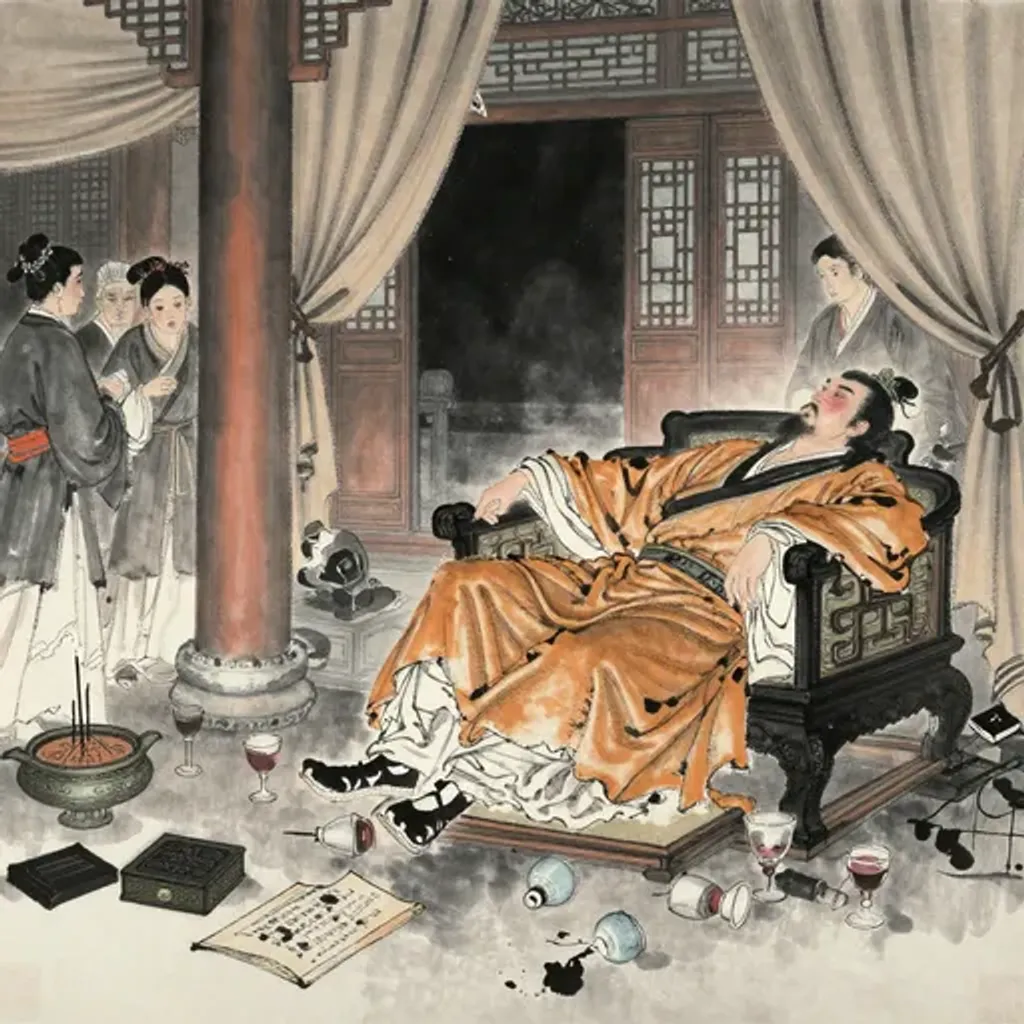
東鄰愁苦,君亂天紀,甘貪祿寵,必受其咎。
The eastern neighbor grieves in bitterness; the lord disrupts heaven’s order. Greedily coveting rank and favor, he shall surely receive his punishment.
— Jiao Yanshou, Yilin (Forest of Changes), 1st century BC
Commentary
Thunder above wind, Duration's steady course, gathers into lake above earth — Gathering's dangerous convergence. The eastern neighbor suffers bitterly; the ruler disturbs the heavenly order. Greedy for emoluments and favor, one will surely reap the blame. The 'eastern neighbor' (東鄰) in Yilin parlance often refers to the Shang dynasty or its successors — those whose rituals were elaborate but whose virtue had decayed. The ruler who 'disorders heaven's pattern' has violated the cosmic mandate through corruption and self-indulgence. From Duration to Gathering, the steady pattern concentrates into a dangerous pooling of forces. When what gathers is not virtue but greed, the convergence becomes explosive. The lake rising upon the earth threatens to overflow, and the greedy ruler who hoards favor instead of distributing it invites the flood of retribution.
恆 → 升
Hexagram 32 → Hexagram 46: Pushing Upward
Changing lines: 4
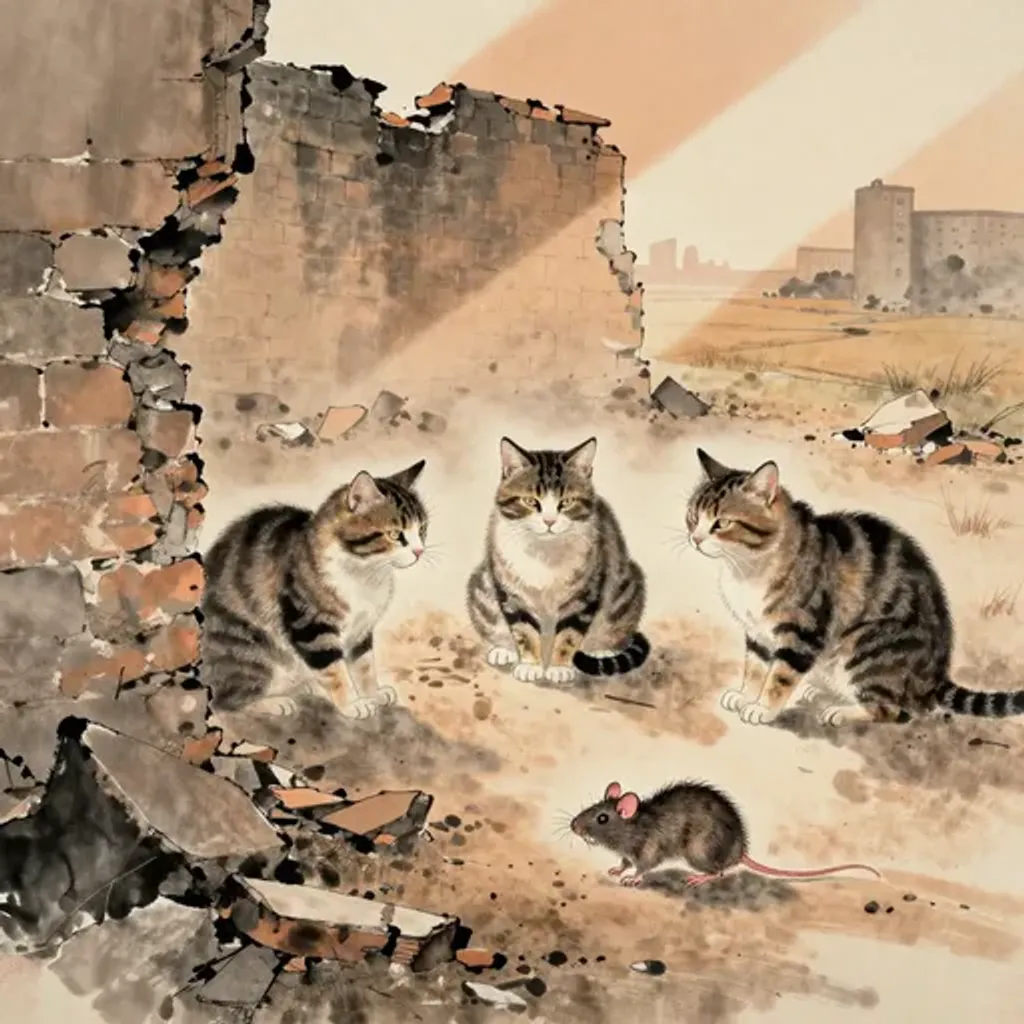
三狸捕鼠,遮遏前後,死於壞城,不得脫走。
Three wildcats hunt the rat, blocking its path front and rear. It dies by the ruined wall; there is no escape.
— Jiao Yanshou, Yilin (Forest of Changes), 1st century BC
Commentary
Thunder above wind, Duration's relentless rhythm, sinks into earth above wind — Pushing Upward's methodical ascent. Three wildcats hunt a mouse, blocking its front and rear. It dies within the crumbling wall, unable to escape. The image is a coordinated ambush: patient predators encircle their prey until all exits are sealed. Duration's persistence here belongs to the hunters, not the hunted — the sustained effort is that of the encirclement tightening slowly over time. From Duration to Pushing Upward, the wood grows steadily within the earth, rising through the soil. But from the mouse's perspective, the earth closes in from all sides. What looks like upward growth from one angle is burial from another. The verse warns that another's patient rising may be one's own slow entrapment.
恆 → 困
Hexagram 32 → Hexagram 47: Oppression
Changing lines: 3, 5
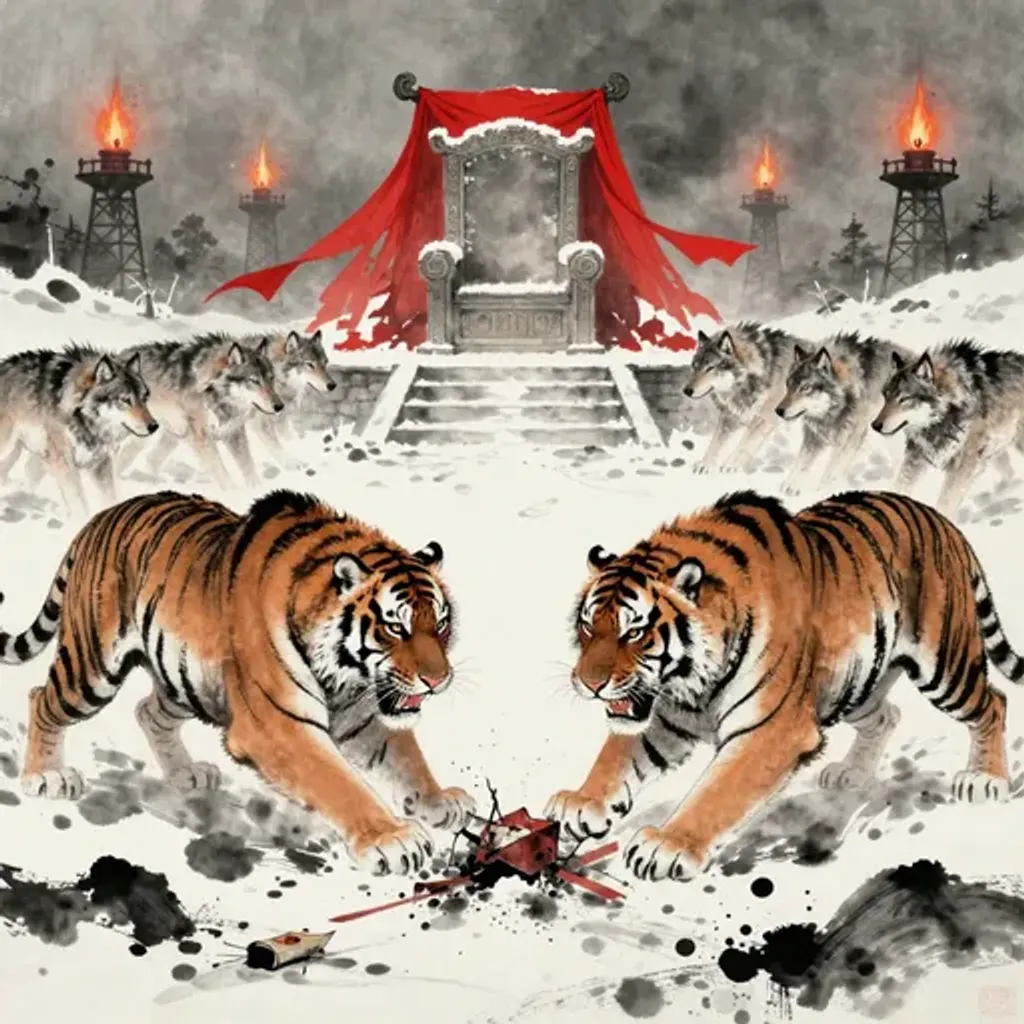
狼虎爭強,禮義不行,兼吞其國,齊晉無主。
Two tigers pounce — the bones are not yet cold; a wolf pack tears the carcass, blood staining the snow. The throne hangs empty with no one to sit it — beacon fires split in all four directions from the city tower.
— Jiao Yanshou, Yilin (Forest of Changes), 1st century BC
Commentary
Thunder above wind, Duration's persistent order, meets lake above water — Oppression's drained reserves. The original verse reads: 'Wolves and tigers contend for dominance; propriety and righteousness cease to function. They annex and swallow each other's states; Qi and Jin are left without rulers.' The rewritten verse dramatizes the same scene with bloodier imagery, but the original captures the political reality directly. When predatory powers compete without moral restraint, states are consumed and thrones emptied. From Duration to Oppression, the steady rhythm collapses into a lake drained of water — all structure exhausted. Duration's constancy demands a moral foundation; without it, enduring competition produces only mutual destruction, and the great states of Qi and Jin sit leaderless amid the wreckage.
恆 → 井
Hexagram 32 → Hexagram 48: The Well
Changing lines: 4, 5
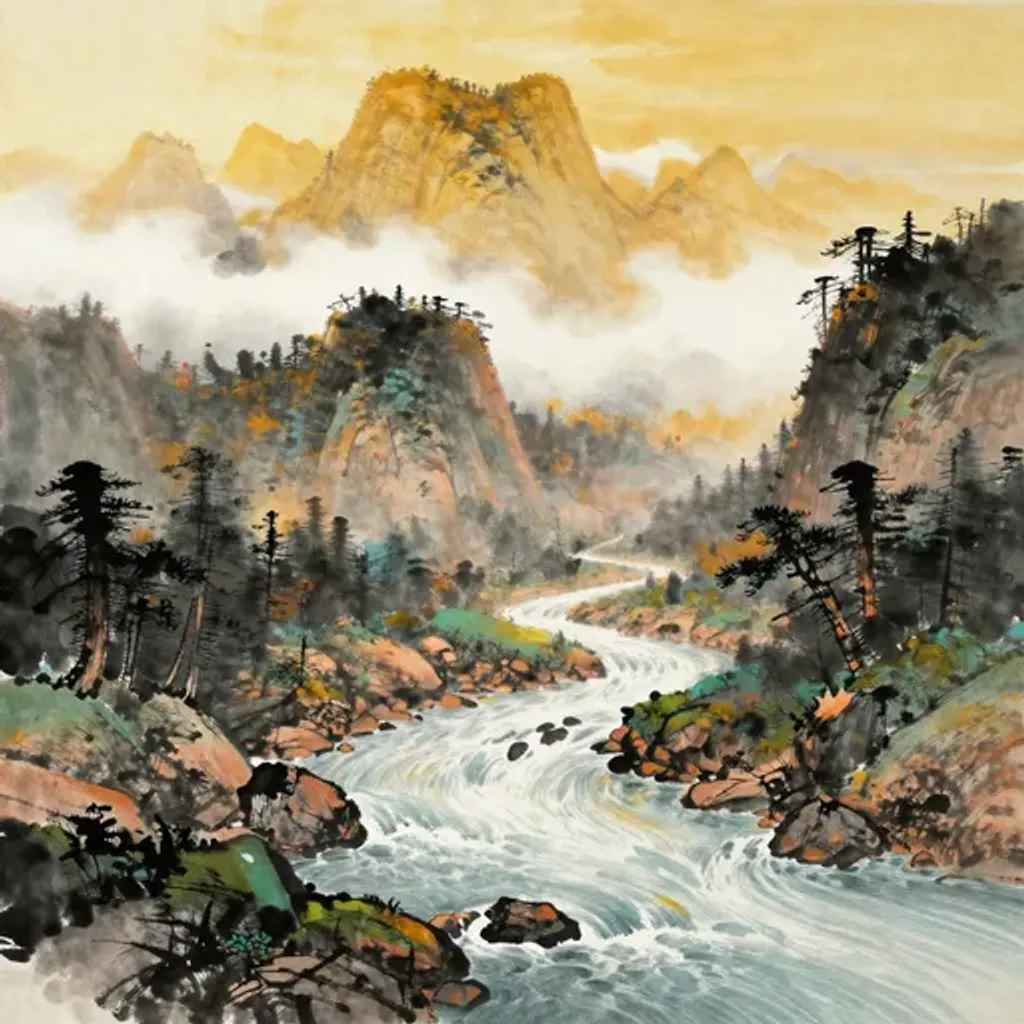
五岳四瀆,合潤為德,行不失理,民賴息福。
The five sacred peaks and four great rivers, joining their moisture as virtue. Conduct does not depart from principle; the people rely on it and find peace.
— Jiao Yanshou, Yilin (Forest of Changes), 1st century BC
Commentary
Thunder above wind, Duration's sustaining rhythm, descends into water above wind — the Well's inexhaustible source. The Five Sacred Mountains and Four Great Rivers unite their moisture as a shared virtue. Actions do not stray from principle, and the people enjoy blessings of rest and peace. The Five Mountains and Four Rivers constitute the sacred geography of China — the cosmic framework that orders heaven and earth. Their combined moisture represents the convergence of all natural blessings into a single nurturing force. From Duration to the Well, the enduring rhythm finds its deepest expression: the well that never runs dry because it draws from underground springs that have flowed since time began. Duration here is not mere persistence but the constancy of natural law — water rising through wood, virtue rising through society, both inexhaustible when rooted in principle.
恆 → 革
Hexagram 32 → Hexagram 49: Revolution
Changing lines: 1, 2, 5
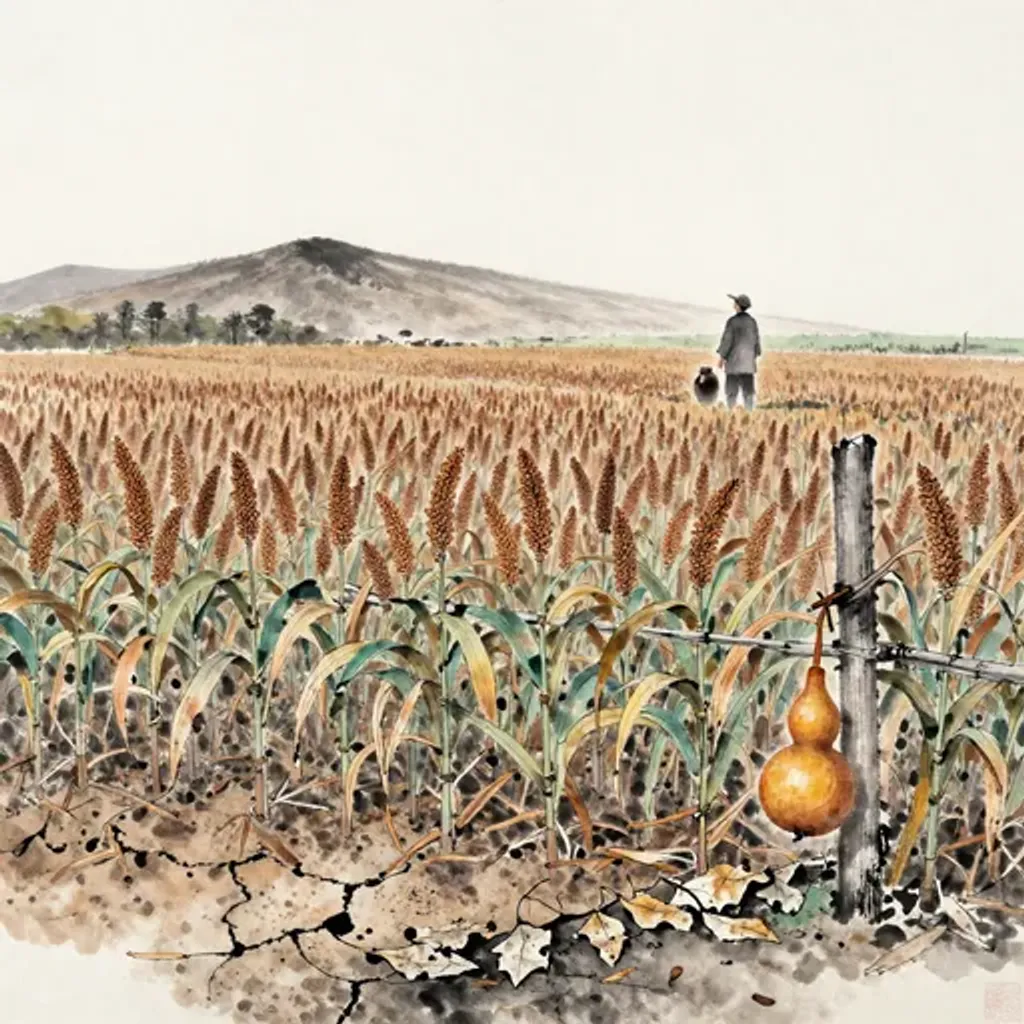
六月種黍,歲晚無雨,秋不宿酒,神失其所。
Planting millet in the sixth month; by year’s end, no rain falls. In autumn, no wine is stored; the spirits lose their rightful place.
— Jiao Yanshou, Yilin (Forest of Changes), 1st century BC
Commentary
Thunder above wind, Duration's seasonal constancy, meets lake above fire — Revolution's transformative upheaval. Millet is planted in the sixth month, but by year's end no rain has come. In autumn there is no grain to brew; the spirit of the land loses its proper place. The verse describes agricultural catastrophe through failed timing: the crop cycle that Duration should sustain has been broken by drought. Without rain, the harvest fails; without grain, the autumn libation cannot be offered; without sacrifice, the territorial spirit is displaced. From Duration to Revolution, the steady seasonal order demands radical change. Lake-fire represents the caldron of transformation, but here the revolution is not chosen — it is forced by nature's refusal to cooperate. When the rains fail, the entire ritual-agricultural calendar collapses.
恆 → 鼎
Hexagram 32 → Hexagram 50: The Cauldron
Changing lines: 6
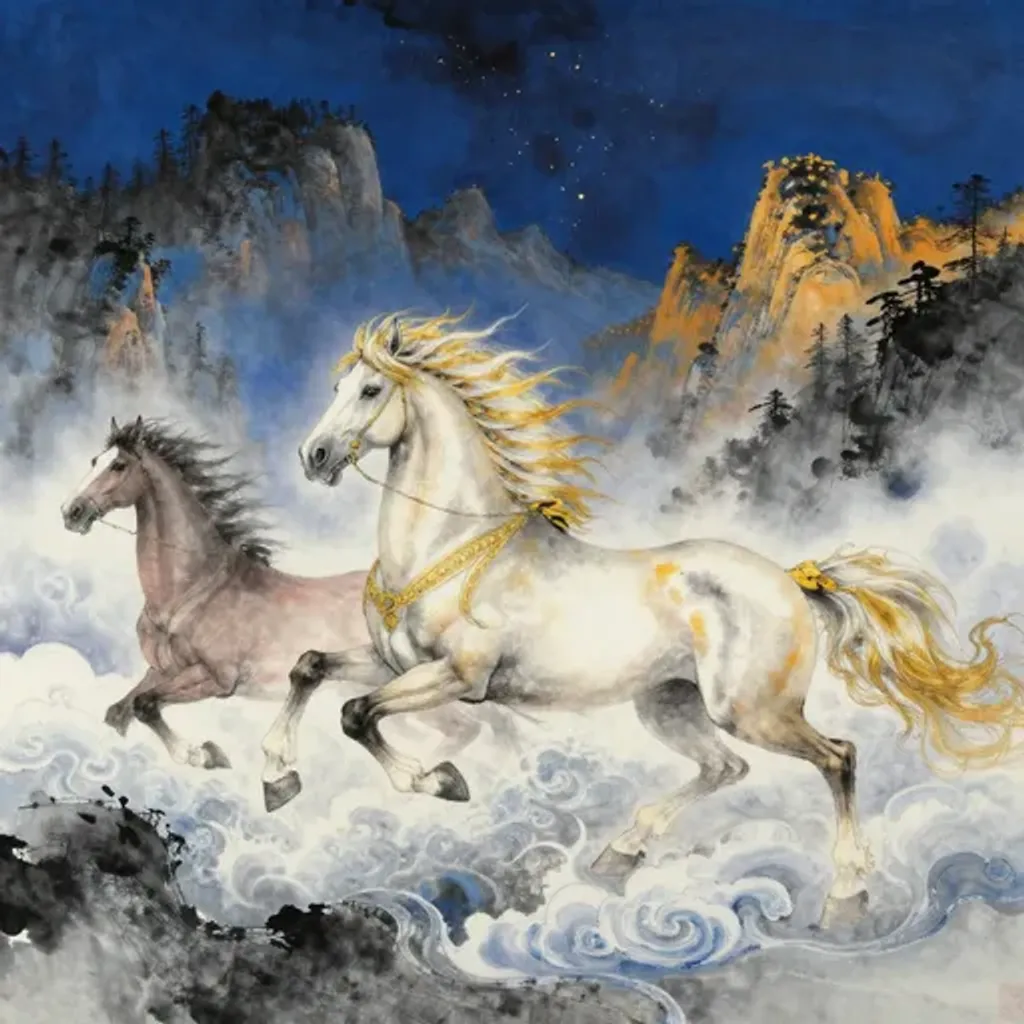
騋牝龍身,日取三千,南上蒼梧,與福為婚。
The great mare with a dragon’s form; daily she earns three thousand. Journeying south to Cangwu; wedding with fortune itself.
— Jiao Yanshou, Yilin (Forest of Changes), 1st century BC
Commentary
Thunder above wind, Duration's enduring vitality, rises into fire above wind — the Cauldron's transformative refinement. Tall mares with dragon-like bodies earn three thousand a day. Ascending south to Cangwu, one marries into blessings. The dragon-bodied mare suggests imperial steeds of extraordinary quality, and 'three thousand daily' evokes vast income or celestial wages. Cangwu is where Emperor Shun died and was buried — the far southern sacred site. The southward journey to Cangwu carries overtones of pilgrimage and apotheosis. From Duration to the Cauldron, the steady wind feeds the fire of transformation. What endured as raw vitality is now refined into something precious: the mare becomes dragon, the journey becomes pilgrimage, and Duration's constancy is transmuted into sacred union.
恆 → 震
Hexagram 32 → Hexagram 51: The Arousing Thunder
Changing lines: 1, 2, 3
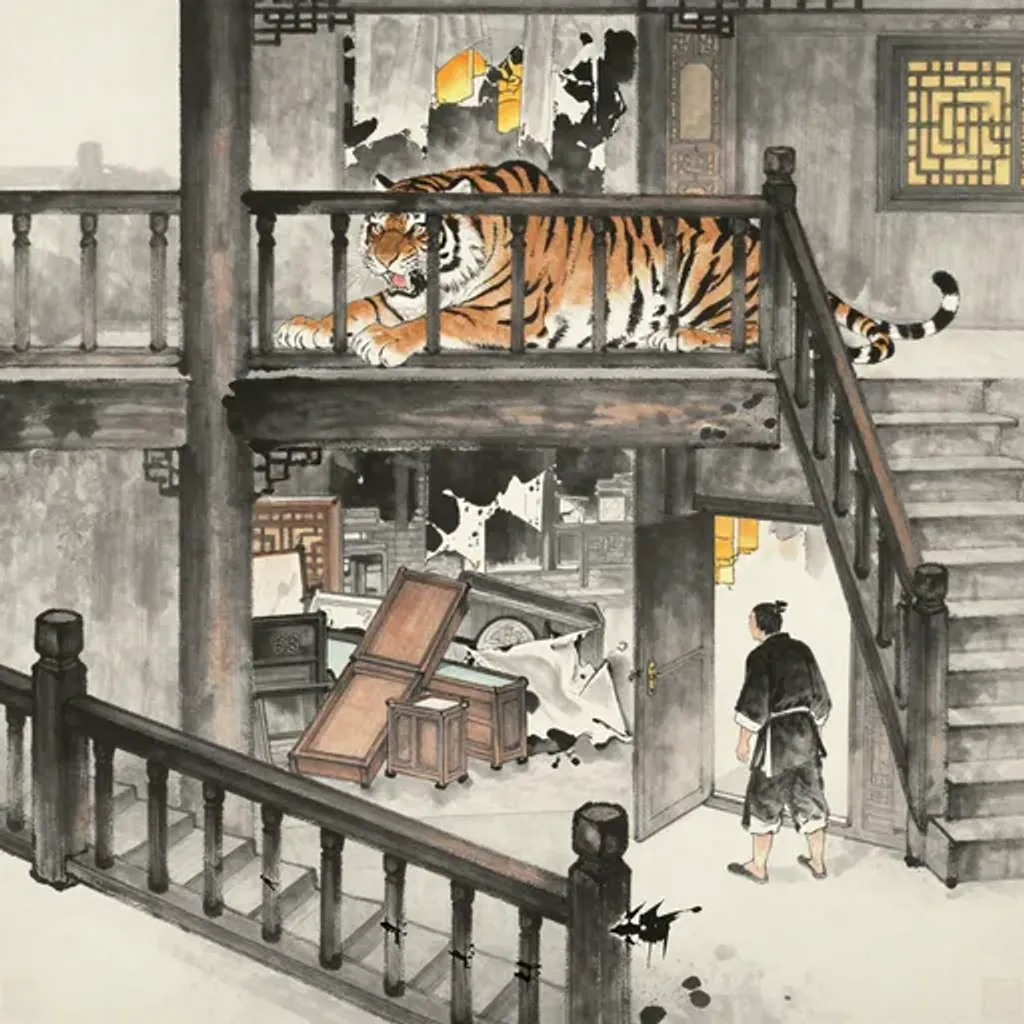
出入休居,安止相憂,上室之權,虎為季殘。
Going out and coming in, resting and dwelling; anxiously guarding against worry. The power of the upper chamber; the tiger ravages the youngest.
— Jiao Yanshou, Yilin (Forest of Changes), 1st century BC
Commentary
Thunder above wind, Duration's steady household order, gives way to doubled thunder — the Arousing's terrifying shock. Dwelling in peace, coming and going at rest, yet worry stirs in the upper chambers. The tiger harms the youngest. The verse moves from domestic tranquility to sudden violence: the household seems calm until the predator strikes. 'The upper chamber's power' (上室之權) suggests a figure of authority within the household, and the tiger that devours the youngest child recalls Spring and Autumn tales of powerful ministers or consorts who destroy the rightful heir. From Duration to the Arousing, the steady hum of thunder-and-wind splits into doubled thunder — a shock that shatters the pattern. What endured as peace was concealing the predator all along.
恆 → 艮
Hexagram 32 → Hexagram 52: Keeping Still Mountain
Changing lines: 2, 4, 6
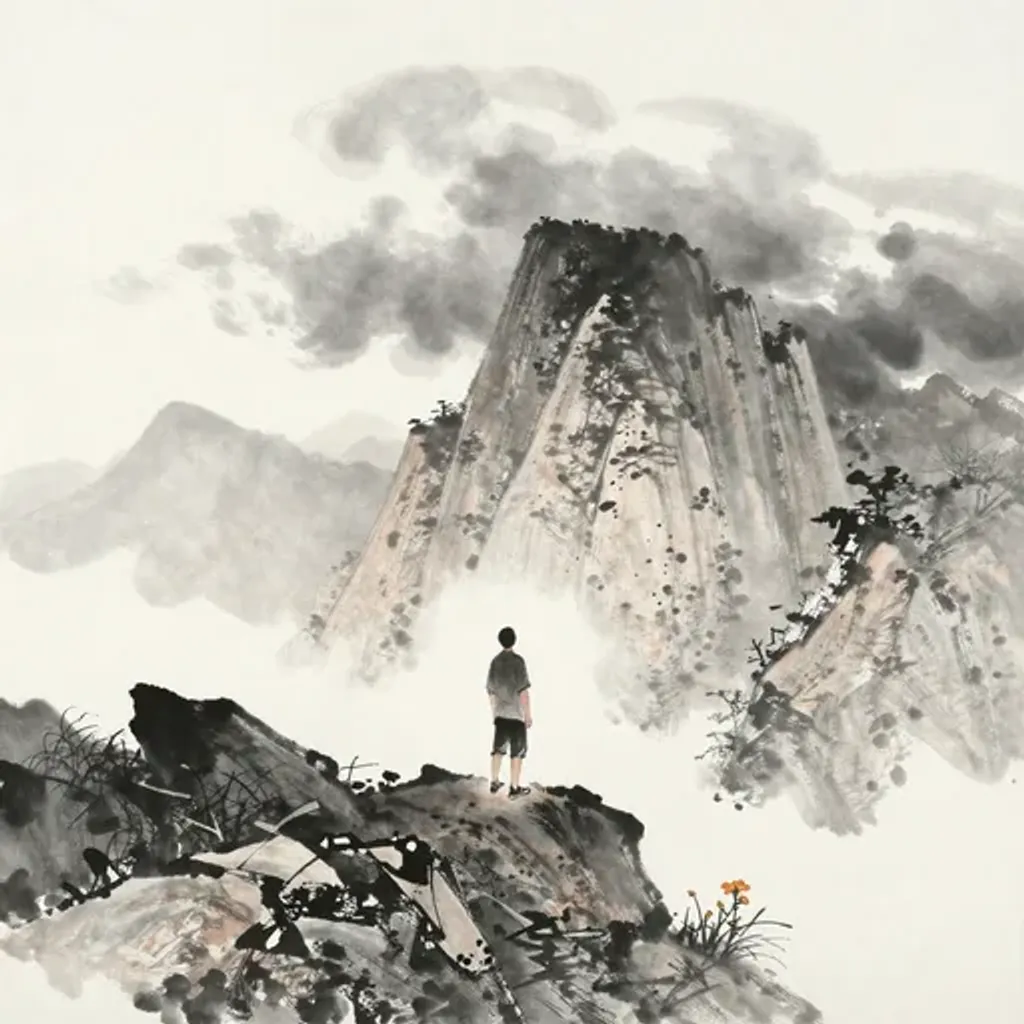
南山昊天,刺政關身,疾病無辜,背增為仇。
The southern mountain and the vast heaven; governance stings the very self. Illness and suffering without guilt; resentment redoubles into enmity.
— Jiao Yanshou, Yilin (Forest of Changes), 1st century BC
Commentary
Thunder above wind, Duration's active constancy, settles into doubled mountain — Keeping Still's absolute arrest. The southern mountain rises under a vast heaven; political critique touches one's very person. Illness strikes the innocent; those who turn their backs become enemies. The phrase 'southern mountain, vast heaven' (南山昊天) echoes the Shijing ode criticizing a powerful minister — 'Lofty is the southern mountain, with rocks piled high.' Political satire brings personal danger: the one who speaks truth to power finds the power turning against him. From Duration to Keeping Still, the thunder-and-wind's movement freezes into absolute stillness. The critic who dared to persist in speaking is now pinned in place — still, ill, surrounded by those whose backs are turned. Enduring speech meets enforced silence.
恆 → 漸
Hexagram 32 → Hexagram 53: Development
Changing lines: 2, 4, 5, 6
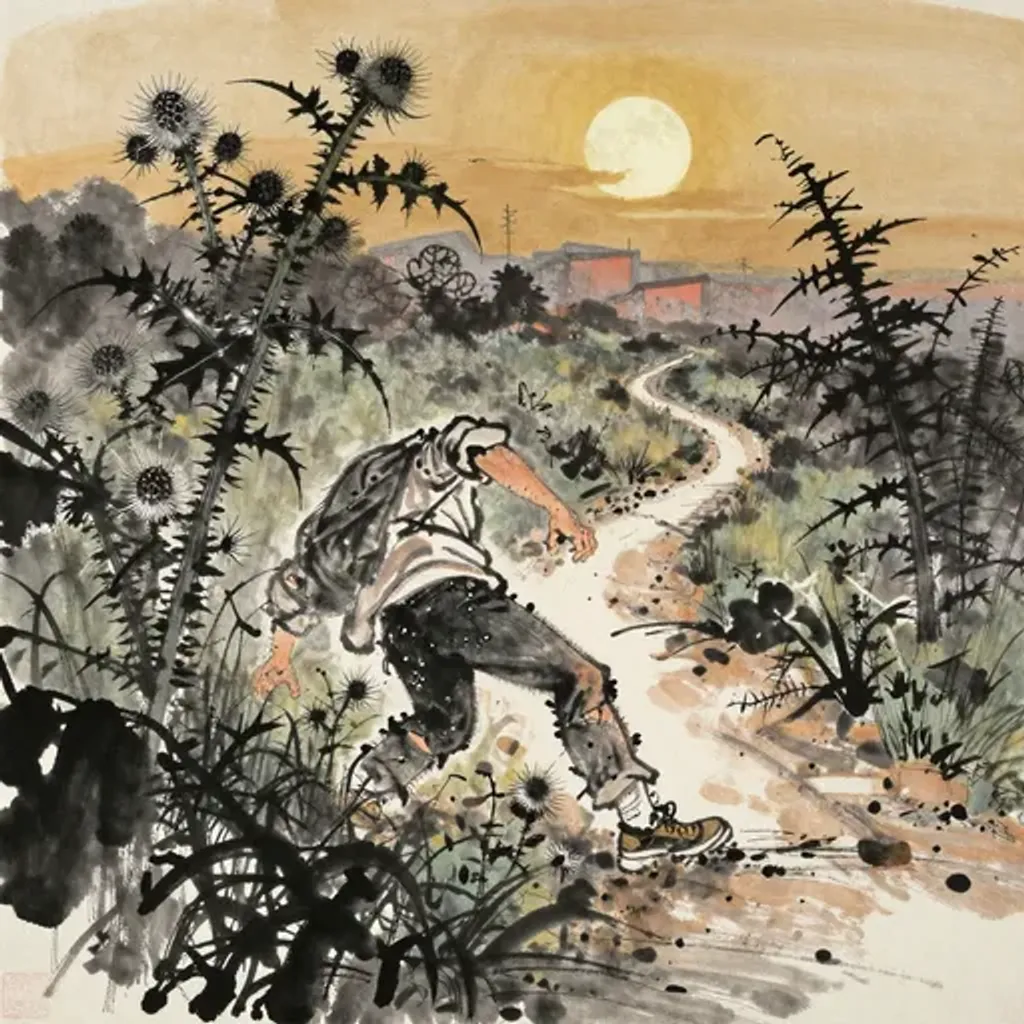
蒼耳東從,道頓跂踦,日辰不良,病為祟禍。
Cockleburs follow from the east; the road is blocked and the gait halting. The day and hour are inauspicious; illness becomes a haunting curse.
— Jiao Yanshou, Yilin (Forest of Changes), 1st century BC
Commentary
Thunder above wind, Duration's rhythmic advance, slows into wind above mountain — Development's gradual progression. Cockleburs cling to clothing as one heads east; the path is rugged and stumbling. The day's stars are inauspicious; illness is attributed to spiritual affliction. Cockleburs (蒼耳) are weeds that hook onto anything passing through, impeding forward motion with their persistent attachment. The stumbling gait and unfavorable astrological signs compound into a picture of frustrated advance. From Duration to Development, the enduring motion should refine into steady, step-by-step progress. But the verse shows development arrested: the gradual path is choked with clinging thorns, the heavens are misaligned, and what should be slow improvement becomes slow deterioration. Duration's momentum meets Development's demand for patience, and the result is a standstill.
恆 → 歸妹
Hexagram 32 → Hexagram 54: The Marrying Maiden
Changing lines: 1, 3
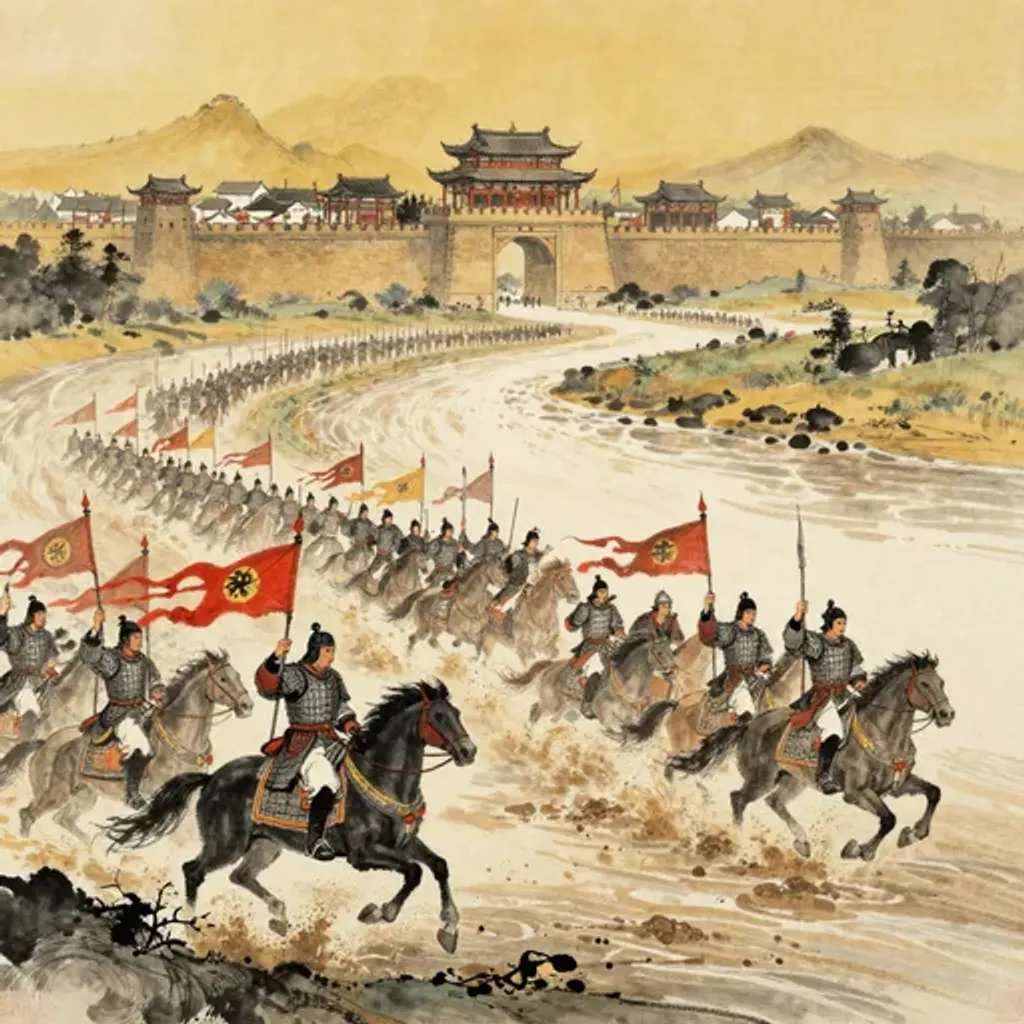
兄征東燕,弟伐遼西,大克勝還,封君河間。
The elder brother campaigns east to Yan; the younger brother conquers the Liao west. Winning great victory, they return; enfeoffed as lord of Hejian.
— Jiao Yanshou, Yilin (Forest of Changes), 1st century BC
Commentary
Thunder above wind, Duration's paired constancy, enters thunder above lake — the Marrying Maiden's irrevocable commitment. The elder brother campaigns east against Yan; the younger brother strikes west into Liaoning. They return in great triumph and are enfeoffed as lords of Hejian. The verse celebrates coordinated military success between brothers — a family bond sustained through Duration's constancy that produces conquest on two fronts simultaneously. The geography of eastern Yan and western Liao suggests Han-era campaigns against northern borderlands. From Duration to the Marrying Maiden, the enduring partnership achieves its decisive consummation: like a marriage, the military alliance is sealed by its outcomes. The brothers' joint victory and shared reward at Hejian embody Duration's fraternal bond transformed into permanent territorial settlement.
恆 → 豐
Hexagram 32 → Hexagram 55: Abundance
Changing lines: 1, 2
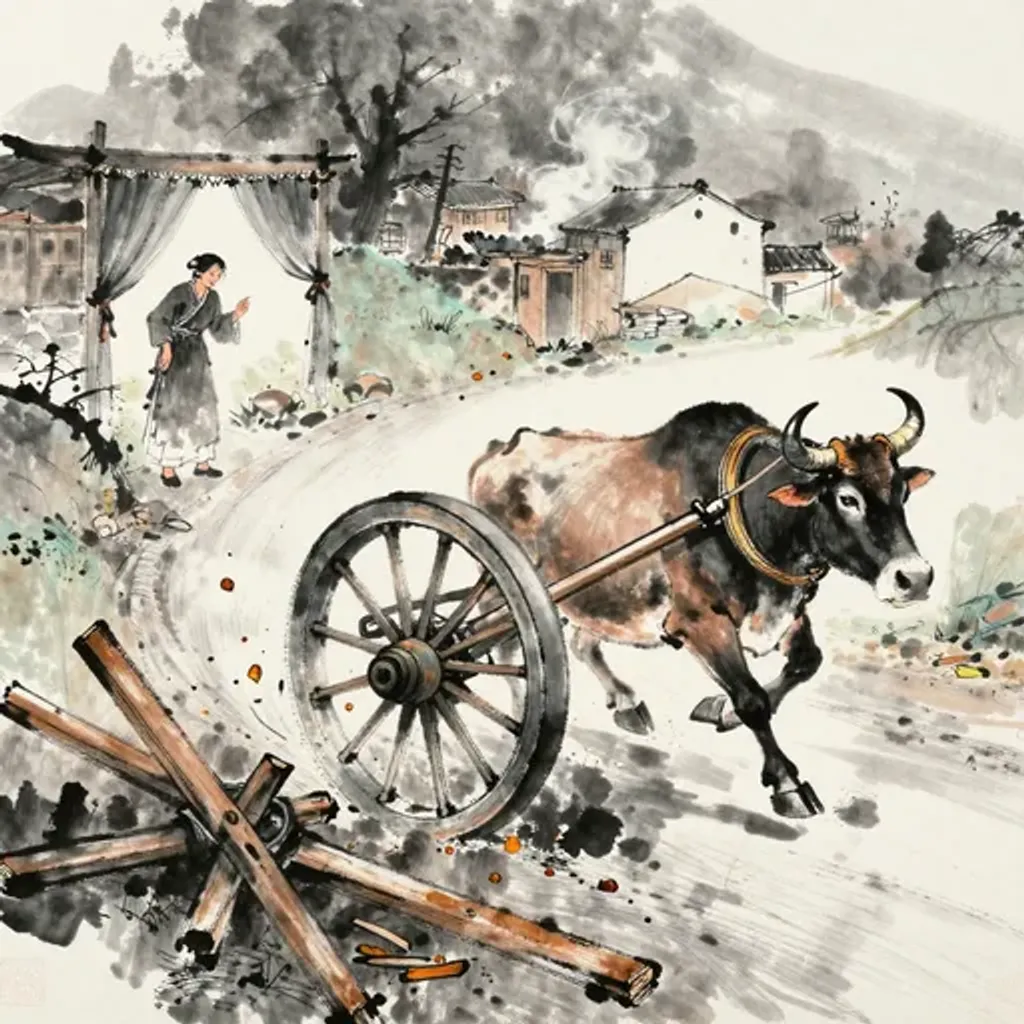
播輸折輻,馬不得行,豎牛之讒,賊其父兄。
The cart wheel breaks, the axle-spoke snaps; the horse cannot go on. Shu Niu’s slander destroys his own father and brothers.
— Jiao Yanshou, Yilin (Forest of Changes), 1st century BC
Commentary
Thunder above wind, Duration's familial rhythm, meets thunder above fire — Abundance's blazing peak. The cart's axle shatters and its spokes snap; the horse cannot advance. Shuniu's slander destroys his own father and brothers. Shuniu was the illegitimate eldest son of Shusun Bao of Lu who murdered his half-brother and then starved his own father to death to seize control of the Shusun clan. The broken cart captures the household mechanism destroyed from within: the wheel that should turn enduringly has been sabotaged by one of its own spokes. From Duration to Abundance, thunder-and-fire should produce the peak of illuminated power. But Shuniu's treachery ensures the abundance is of destruction, not prosperity — the family's light blazes brightest at the moment of its self-immolation.
恆 → 旅
Hexagram 32 → Hexagram 56: The Wanderer
Changing lines: 2, 6
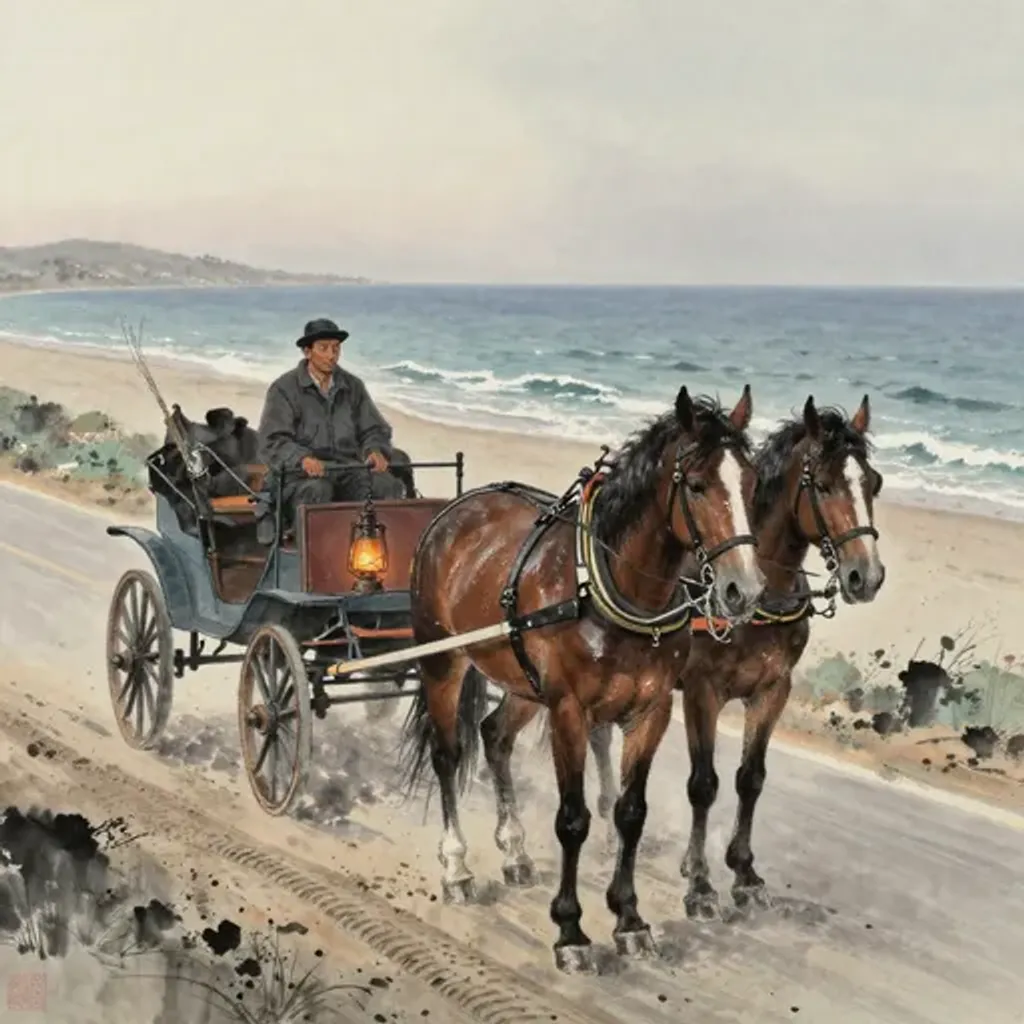
駕之南海,晨夜不止,君子勞疲,僕使燋苦。
Driving to the southern sea, day and night without rest. The noble man is weary and spent; the servants and drivers are scorched with toil.
— Jiao Yanshou, Yilin (Forest of Changes), 1st century BC
Commentary
Thunder above wind, Duration's tireless pulse, ascends to fire above mountain — the Wanderer's restless passage. Driving toward the South Sea without stopping day or night, the gentleman grows weary and exhausted, and the servants suffer bitterly. The verse captures relentless travel pushed past endurance — Duration's constancy warped into compulsive motion that breaks bodies rather than building them. The South Sea represents the farthest possible destination, an endpoint that may never arrive. From Duration to the Wanderer, the enduring rhythm of home gives way to fire flickering atop the mountain — a flame that moves onward because it has no hearth to settle in. The wanderer's Duration is exile's cruel parody of constancy: one persists not by choice but because stopping is impossible.
恆 → 巽
Hexagram 32 → Hexagram 57: The Gentle Wind
Changing lines: 4, 5, 6
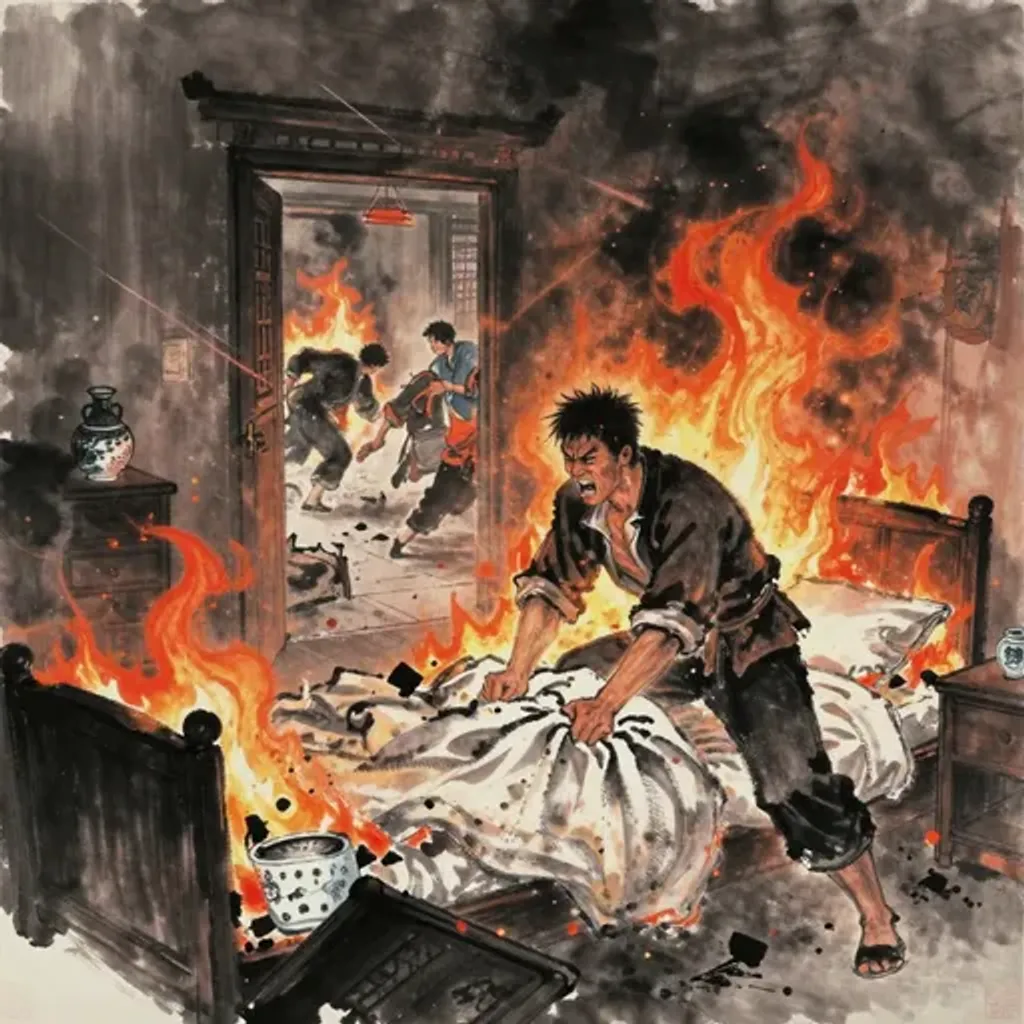
怨虱燒被,忿怒生禍,偏心作難,意如為亂。
Resenting the lice, burning the bedding; rage gives birth to disaster. A biased heart stirs calamity; Yi Ru creates the rebellion.
— Jiao Yanshou, Yilin (Forest of Changes), 1st century BC
Commentary
Thunder above wind, Duration's regulated persistence, dissolves into doubled wind — the Gentle's penetrating influence. Resentment over lice leads to burning the bedding; petty anger spawns disaster. A biased heart creates turmoil — Yiru plots his rebellion. The verse moves from trivial irritation to political catastrophe: destroying the blanket to kill the vermin is a proverb for disproportionate response. 'Yiru' (意如) refers to Ji Yiru, also known as Ji Pingzi, the powerful head of the Ji clan in Lu. His factional machinations and power struggles with subordinates like Nan Kuai triggered upheavals in Lu during the late Spring and Autumn period. From Duration to the Gentle, the wind doubles and penetrates everywhere — grievance sustained too long seeps into every crack, and what began as a minor irritation corrodes the entire structure.
恆 → 兌
Hexagram 32 → Hexagram 58: The Joyous Lake
Changing lines: 1, 3, 5
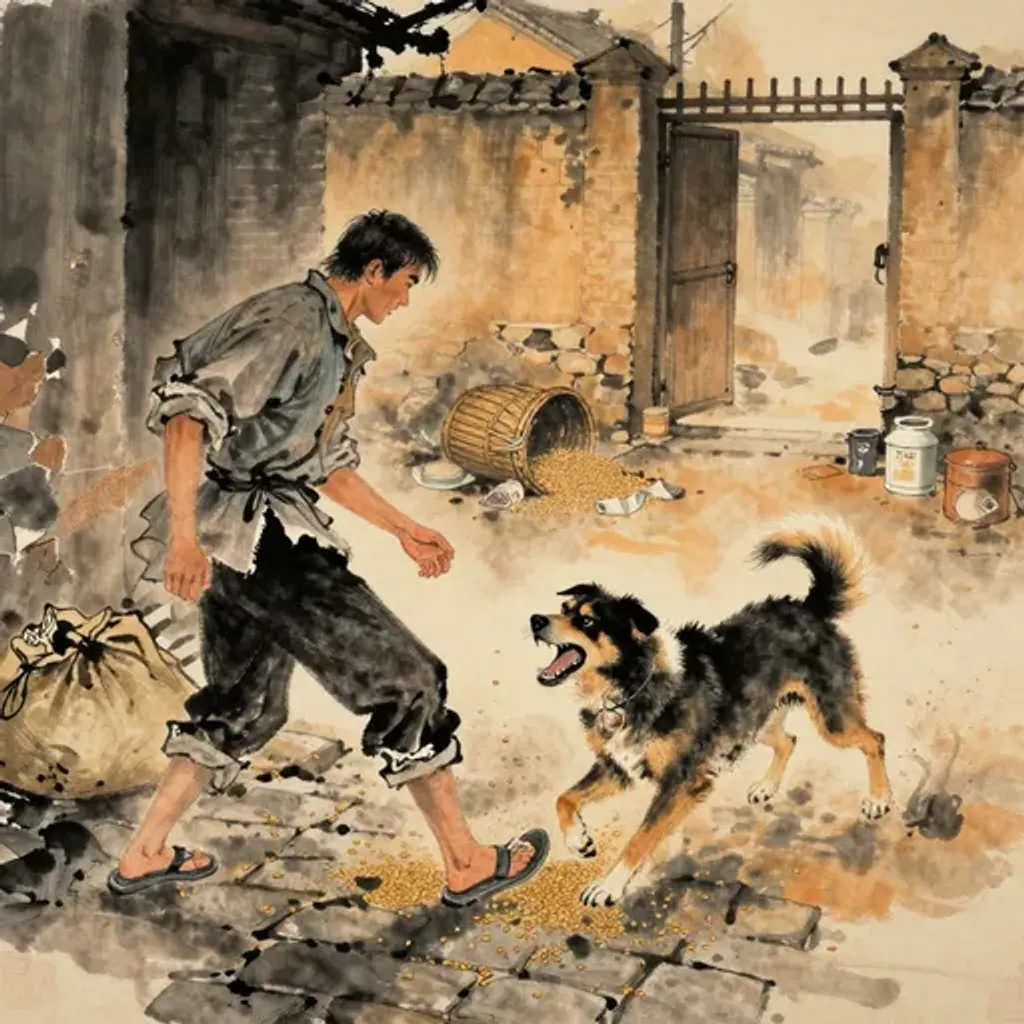
張狂妄行,竊食盜糧,狗吠非主,囓傷我足。
Acting wild and reckless, stealing food and pilfering grain. The dog barks for a stranger master; it bites and wounds my foot.
— Jiao Yanshou, Yilin (Forest of Changes), 1st century BC
Commentary
Thunder above wind, Duration's steady household, breaks into doubled lake — the Joyous's surface delight. A man struts wildly, stealing food and plundering grain. A dog barks at one who is not its master and bites the foot. The verse paints a scene of brazen theft and misplaced aggression: the thief acts with impunity, and the guard dog attacks the wrong person. Duration's domestic order has been thoroughly corrupted — the one who should provide steals, and the one who should protect attacks the innocent. From Duration to the Joyous, the doubled lake should represent mutual delight and shared discourse. But here the lake's openness is exploited: the open household becomes open to plunder, and the joy of community is replaced by the howl of a dog that cannot tell friend from foe.
恆 → 渙
Hexagram 32 → Hexagram 59: Dispersion
Changing lines: 3, 4, 5, 6
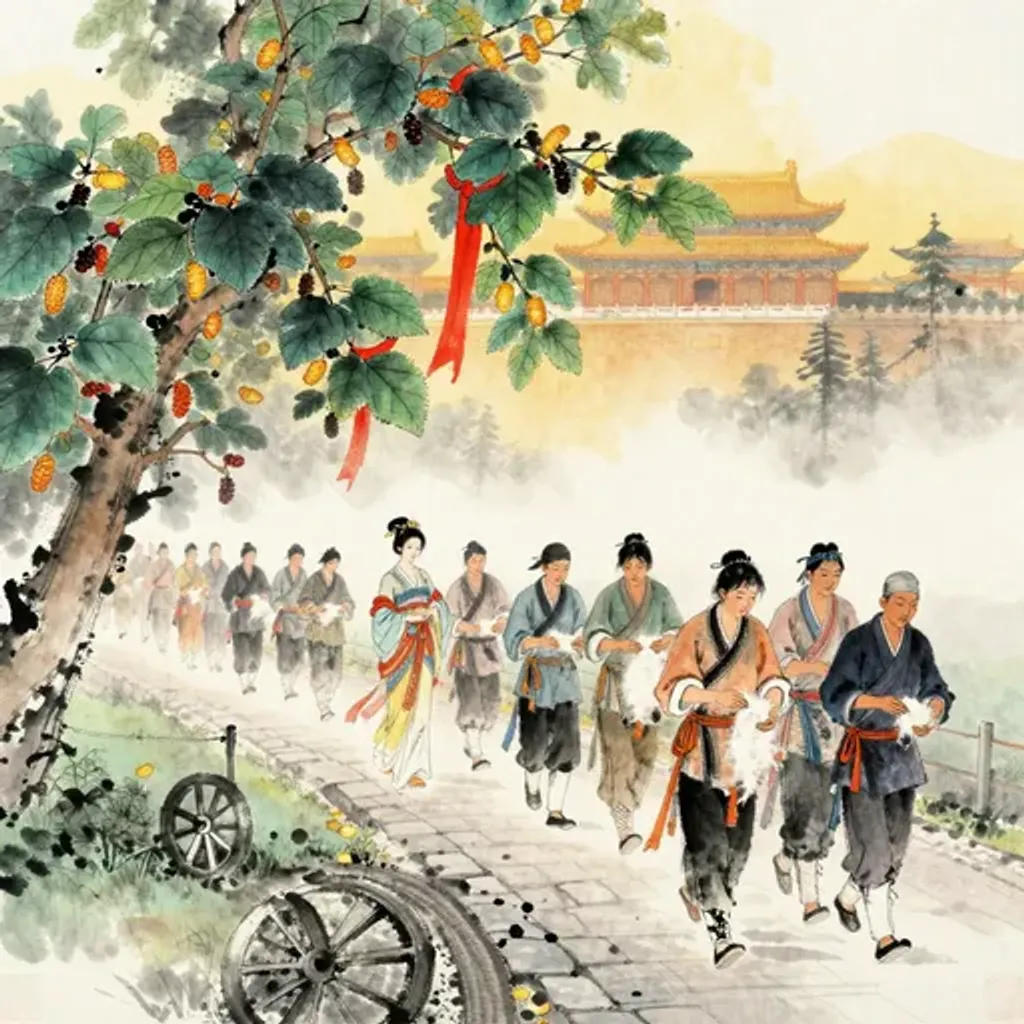
警蹕戒道,先驅除害,王后親桑,以率群功。
Heralds cry out, clearing the road; the vanguard removes all harm. The queen herself tends the silkworms, to lead the assembled works.
— Jiao Yanshou, Yilin (Forest of Changes), 1st century BC
Commentary
Thunder above wind, Duration's orderly rhythm, flows into wind above water — Dispersion's scattering restoration. The imperial outriders clear the road with warning cries; advance guards remove hazards from the path. The queen herself tends the silkworms, leading all women by personal example. The verse depicts a well-ordered state ceremony: the procession moves in sequence, each element performing its established role. The queen's silkworm ritual was one of the most important rites of the agricultural calendar, mirroring the emperor's spring plowing. From Duration to Dispersion, the steady order disperses outward as beneficial influence. Wind upon water spreads what was concentrated into universal reach. The queen's example, like wind over water, carries the culture of diligence from the palace to every household in the realm.
恆 → 節
Hexagram 32 → Hexagram 60: Limitation
Changing lines: 1, 3, 4, 5
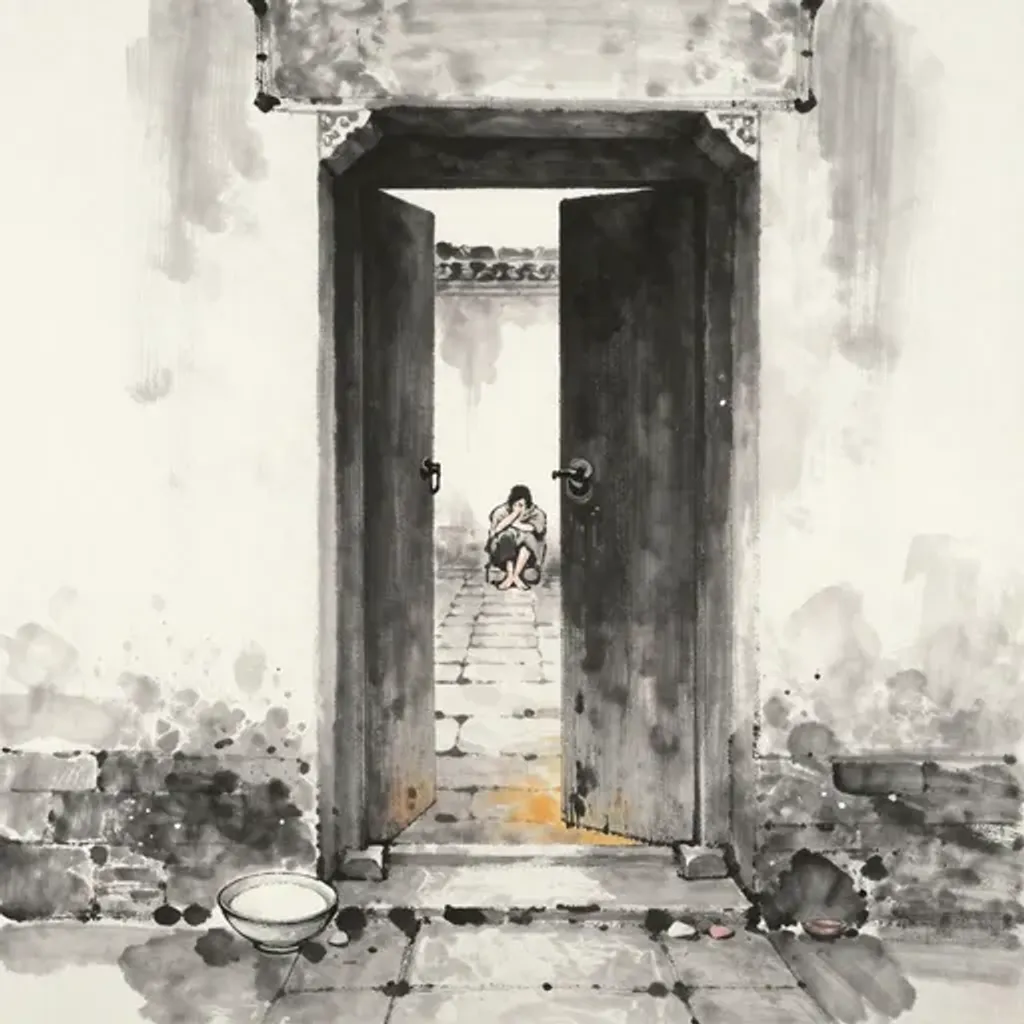
門戶乏食,困無誰告,對門不通,莫所歸急。
The household lacks food; in distress, with no one to tell. The facing doors do not open; there is no refuge for the urgent.
— Jiao Yanshou, Yilin (Forest of Changes), 1st century BC
Commentary
Thunder above wind, Duration's sustaining rhythm, meets water above lake — Limitation's defined boundaries. The household lacks food; in distress there is no one to tell. The door across the way is sealed shut; there is nowhere to turn in urgency. Duration should sustain through hardship, but here the enduring condition is hunger and isolation. Every avenue of relief is blocked: no food, no confidant, no neighbor willing to open the door. Limitation's water above the lake sets necessary boundaries, but the verse shows those boundaries as prison walls — the limits that should structure life instead lock the starving person inside. From Duration to Limitation, the persistent rhythm has become persistent deprivation, and the limits that define the situation offer no escape.
恆 → 中孚
Hexagram 32 → Hexagram 61: Inner Truth
Changing lines: 1, 3, 4, 5, 6
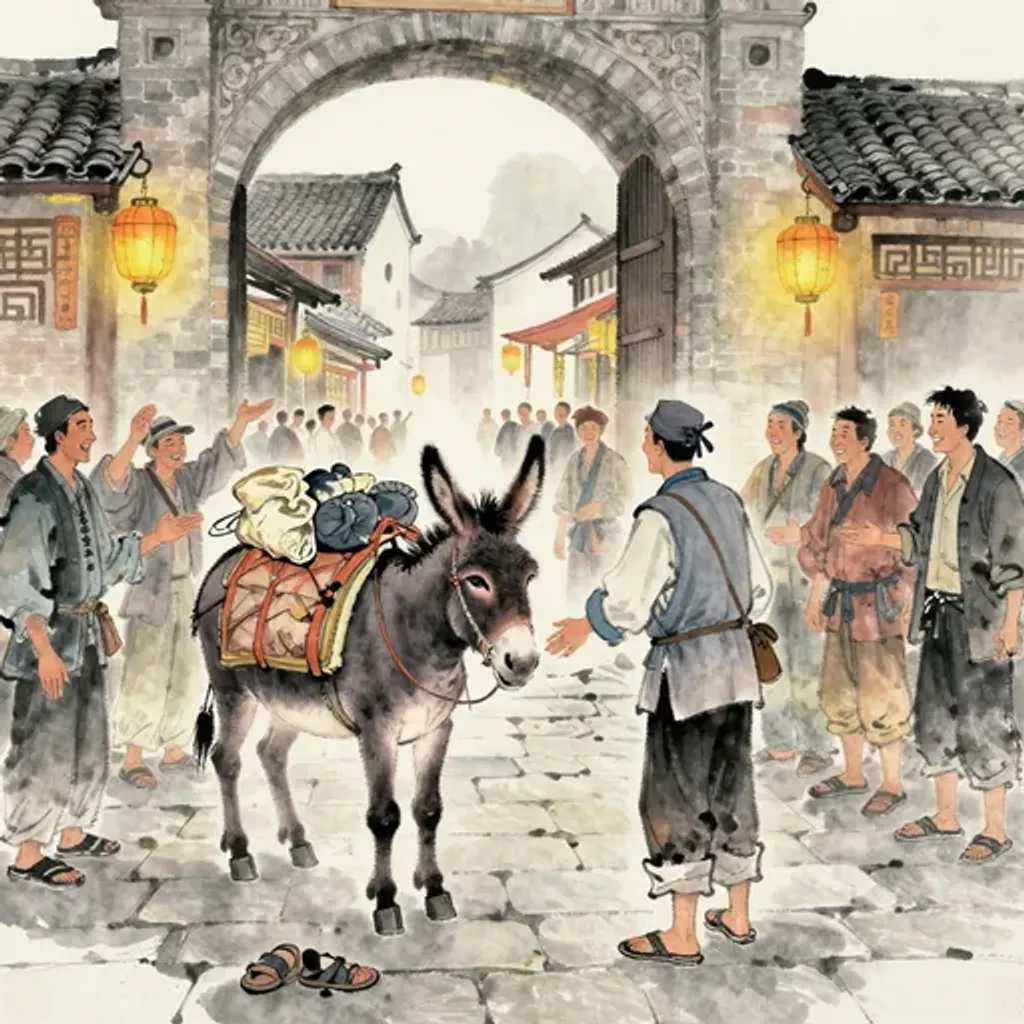
被蔽復貌,危者得安,鄉善無患,商人有息。
Concealed and hidden, yet the true form appears; the endangered one finds peace. Turning toward goodness, free from calamity; the merchant earns his profit.
— Jiao Yanshou, Yilin (Forest of Changes), 1st century BC
Commentary
Thunder above wind, Duration's reliable pattern, opens into wind above lake — Inner Truth's resonant sincerity. What was concealed is restored to its proper form; the endangered find safety. Those who face toward goodness escape calamity, and merchants earn their profits. The verse traces a movement from disguise to restoration, from peril to security. The covering is removed and the original appearance returns — truth reasserts itself through time. Duration's patience is the mechanism: what was hidden endures until the moment of revelation. From Duration to Inner Truth, the wind above the lake carries the crane's cry across the marshes — sincerity that penetrates all barriers. The merchant's profits and the good person's safety both result from the same principle: authentic conduct, sustained over time, eventually receives its proper recognition.
恆 → 小過
Hexagram 32 → Hexagram 62: Small Exceeding
Changing lines: 2
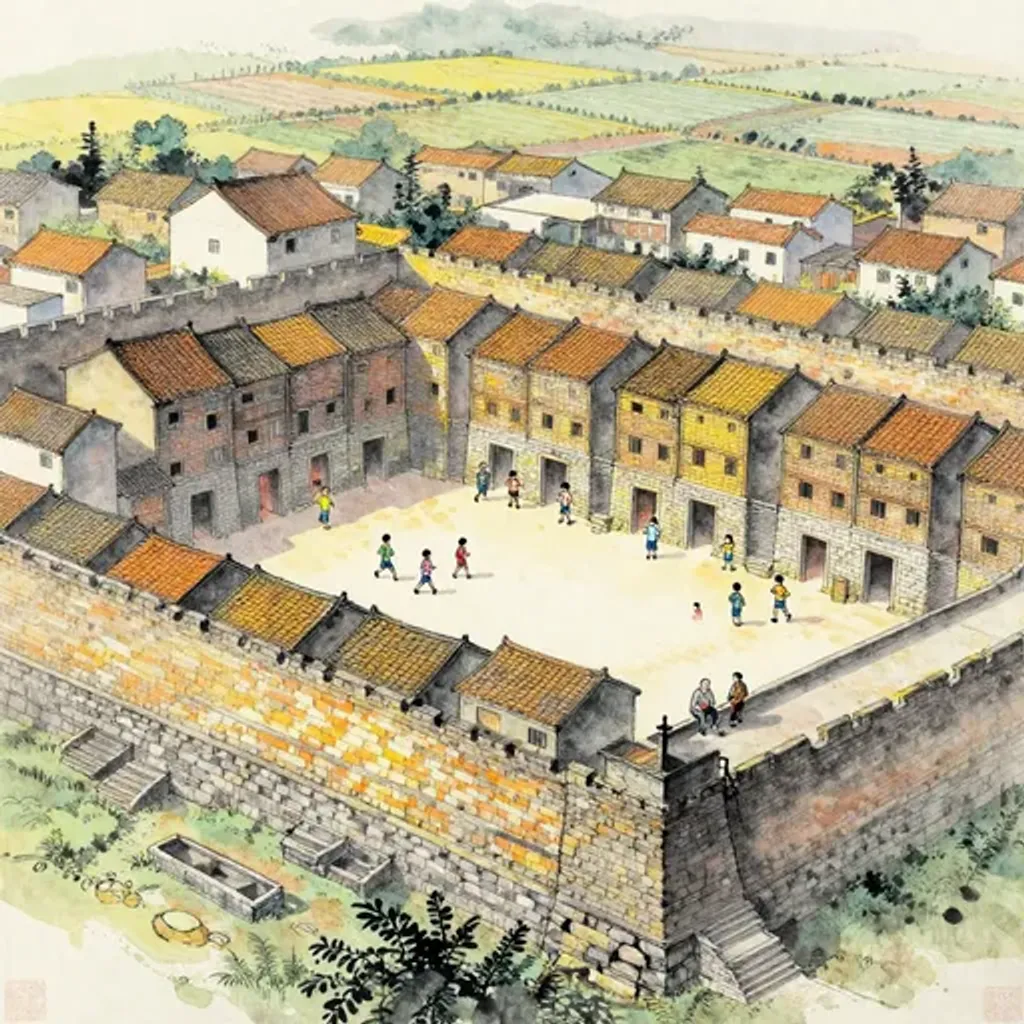
疊疊壘壘,如其之室,一身十子,古公治邑。
Layer upon layer, tier upon tier, like entering one’s own chamber. One body, ten children; the Ancient Duke governs his settlement.
— Jiao Yanshou, Yilin (Forest of Changes), 1st century BC
Commentary
Thunder above wind, Duration's generative constancy, meets thunder above mountain — Small Exceeding's careful modesty. Layer upon layer, pile upon pile, a household grows. One body produces ten children; this is Gugong Danfu building his settlement. Gugong Danfu (Ancient Duke Danfu) was the grandfather of King Wen of Zhou who led his people from Bin to the slopes of Mount Qi, where he established the settlement that would become the foundation of the Zhou dynasty. The verse captures his achievement: from one family, an entire community rises through patient accumulation. From Duration to Small Exceeding, the steady rhythm expresses itself through humble excess — going slightly beyond in reverence, grief, and frugality. Gugong's settlement-building embodies this: small surpasses that, compounded through Duration, become a dynasty's foundation.
恆 → 既濟
Hexagram 32 → Hexagram 63: After Completion
Changing lines: 1, 2, 4, 5
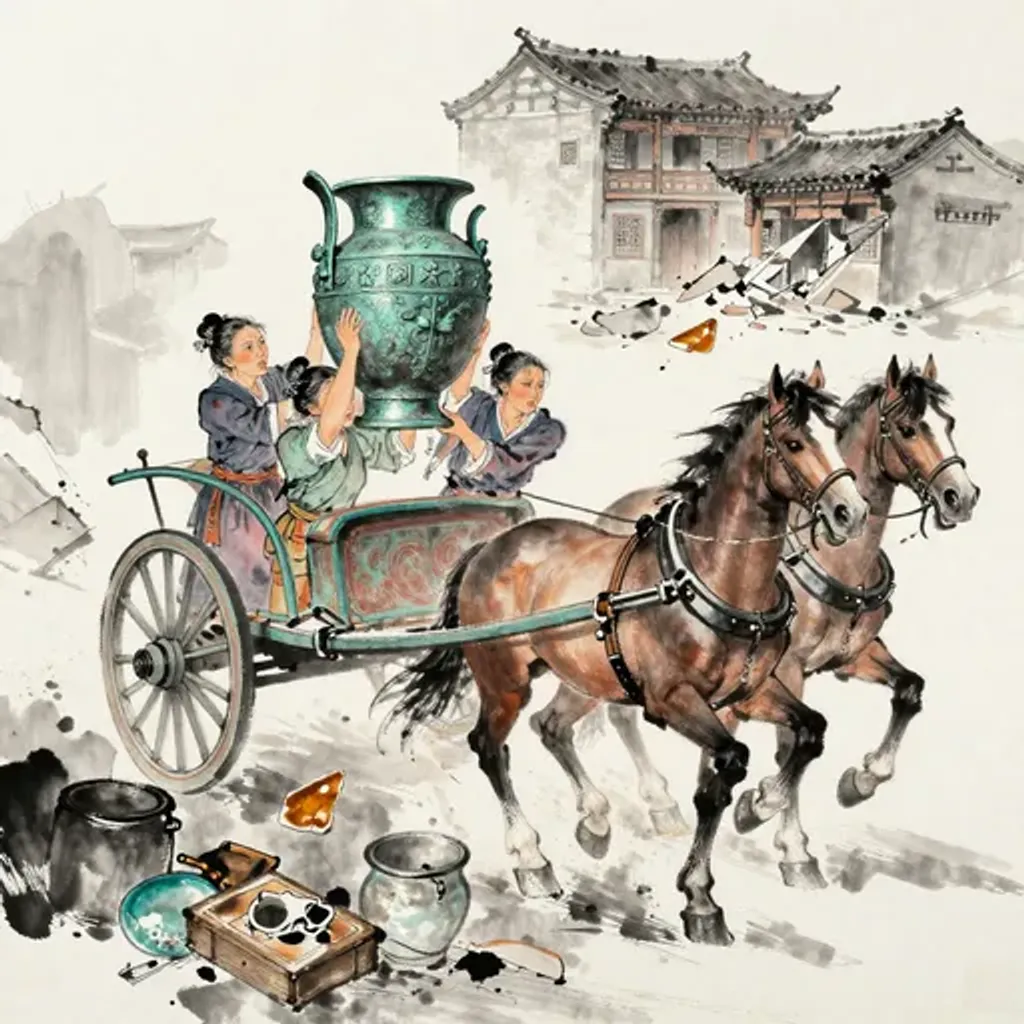
三嫗治民,不勝其任。兩馬爭車,敗壞室家。
Three old women govern the people, unequal to the task. Two horses contest the chariot; they wreck and ruin the household.
— Jiao Yanshou, Yilin (Forest of Changes), 1st century BC
Commentary
Thunder above wind, Duration's coordinated rhythm, settles into water above fire — After Completion's precarious balance. Three old women govern the people but cannot bear the burden. Two horses pulling one cart create a household torn apart. The verse combines two images of dysfunctional authority: elderly women unfit for administration, and horses straining in opposite directions. Duration's paired forces (thunder and wind) should work in concert, but here the pairing has gone wrong — too many hands on the reins, none with sufficient strength. From Duration to After Completion, everything is technically in place (water above fire, the elements properly positioned), yet the configuration is inherently unstable. The completed order, managed by those who cannot sustain it, begins its slide into disorder the moment it is achieved.
恆 → 未濟
Hexagram 32 → Hexagram 64: Before Completion
Changing lines: 3, 6
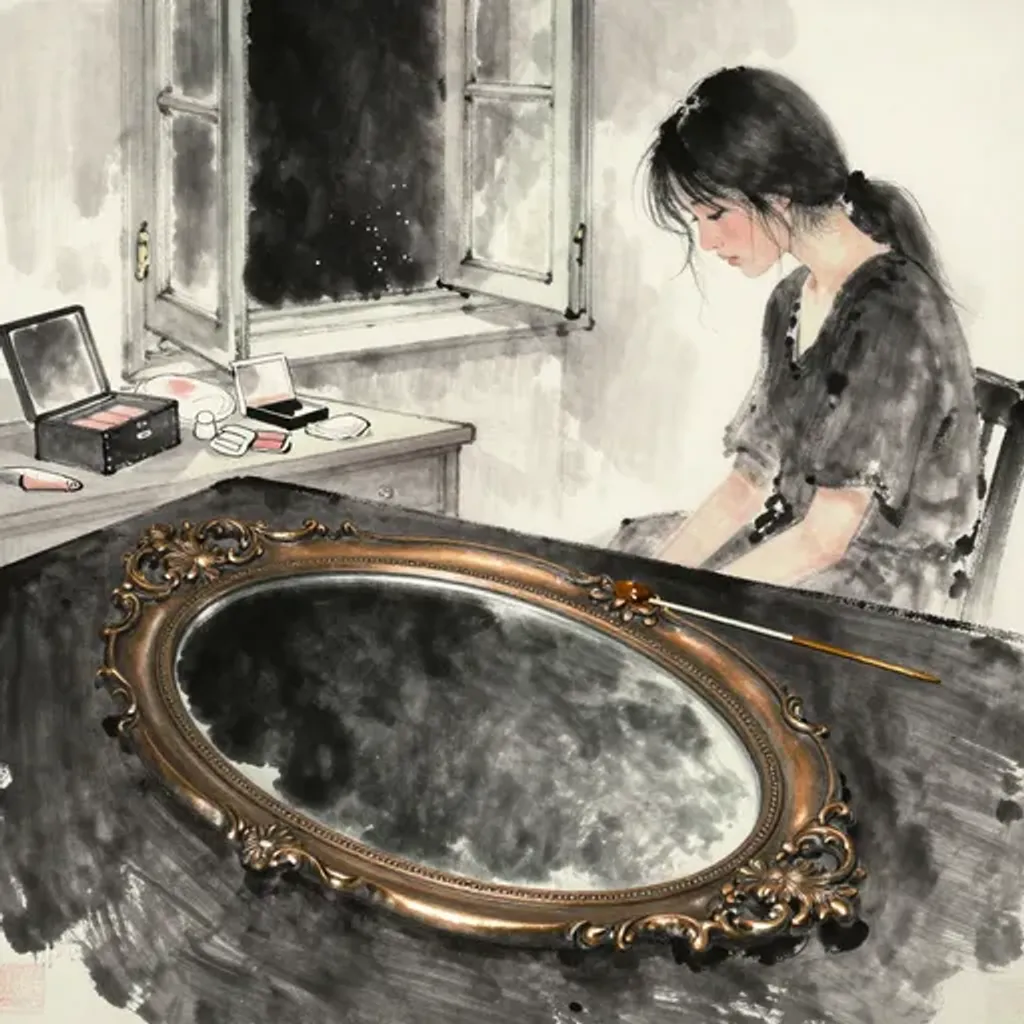
蔽鏡無光,不見文章。少女不市,棄其郤王。
The covered mirror has lost its light; no pattern or brilliance can be seen. The young woman will not go to market; she turns away from her lord.
— Jiao Yanshou, Yilin (Forest of Changes), 1st century BC
Commentary
Thunder above wind, Duration's final transformation, meets fire above water — Before Completion's unfinished crossing. A covered mirror emits no light; the patterns and colors cannot be seen. The young woman has no marketplace; she abandons her lord and departs. The tarnished mirror is Duration's culminating image of obscured constancy: what should reflect clearly has been covered, and the beauty that should attract finds no audience. The young woman without a market is talent without recognition — she gives up on the relationship because her worth goes unseen. From Duration to Before Completion, the enduring pattern arrives at the threshold of completion but cannot cross. Fire sits above water, unable to cook; the mirror stays dark. The verse closes the cycle with an image of potential unrealized — Duration that never quite achieved its purpose.