Transformations of Hexagram 37
Every line of change out of Hexagram 37 家人 The Family, with the Yilin verse for each of the 64 resulting hexagrams, its translation, and the original ink brush artwork.
家人 → 乾
Hexagram 37 → Hexagram 1: The Creative
Changing lines: 2, 4
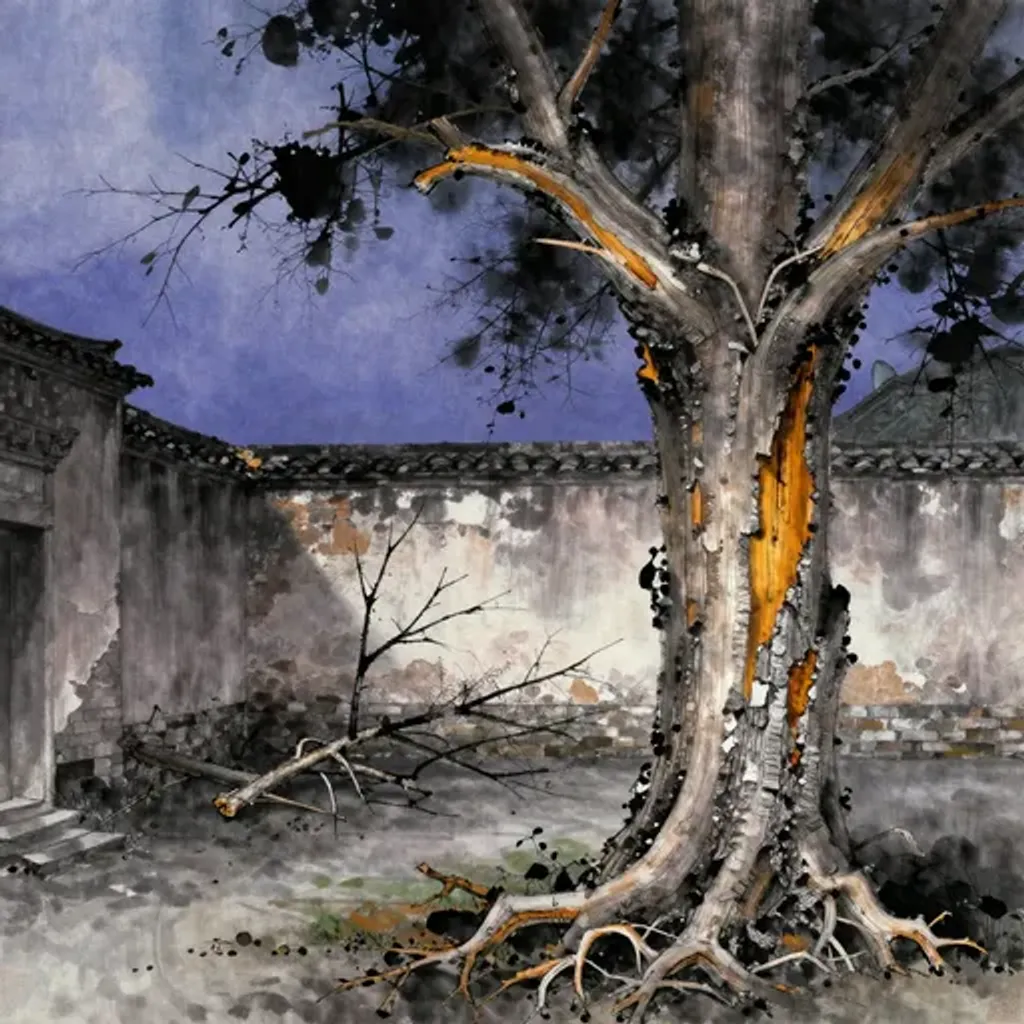
千歲槐根,身多斧瘢。傷癰擣理,枝葉不出。
A locust root of a thousand years, its body covered in axe scars. Wounds pounded into the grain; branches and leaves do not sprout.
— Jiao Yanshou, Yilin (Forest of Changes), 1st century BC
Commentary
Wind rises from fire in the family hearth, yet the ancient locust root tells a darker tale. A thousand-year-old tree bears countless axe scars across its trunk. Wounds fester and split the grain, and no new branches or leaves emerge. The image is one of a household lineage so battered by repeated blows that its regenerative power is spent. Each scar marks a crisis survived but never healed, until the accumulated damage becomes irreversible. From The Family to The Creative, the transformation demands self-generating vitality — heaven doubled, ceaselessly renewing. But the old root, though enduring, has been struck too many times to summon that initiative. Resilience without renewal is merely slow decay; the Creative requires not just survival but the will to put forth new growth.
家人 → 坤
Hexagram 37 → Hexagram 2: The Receptive
Changing lines: 1, 3, 5, 6
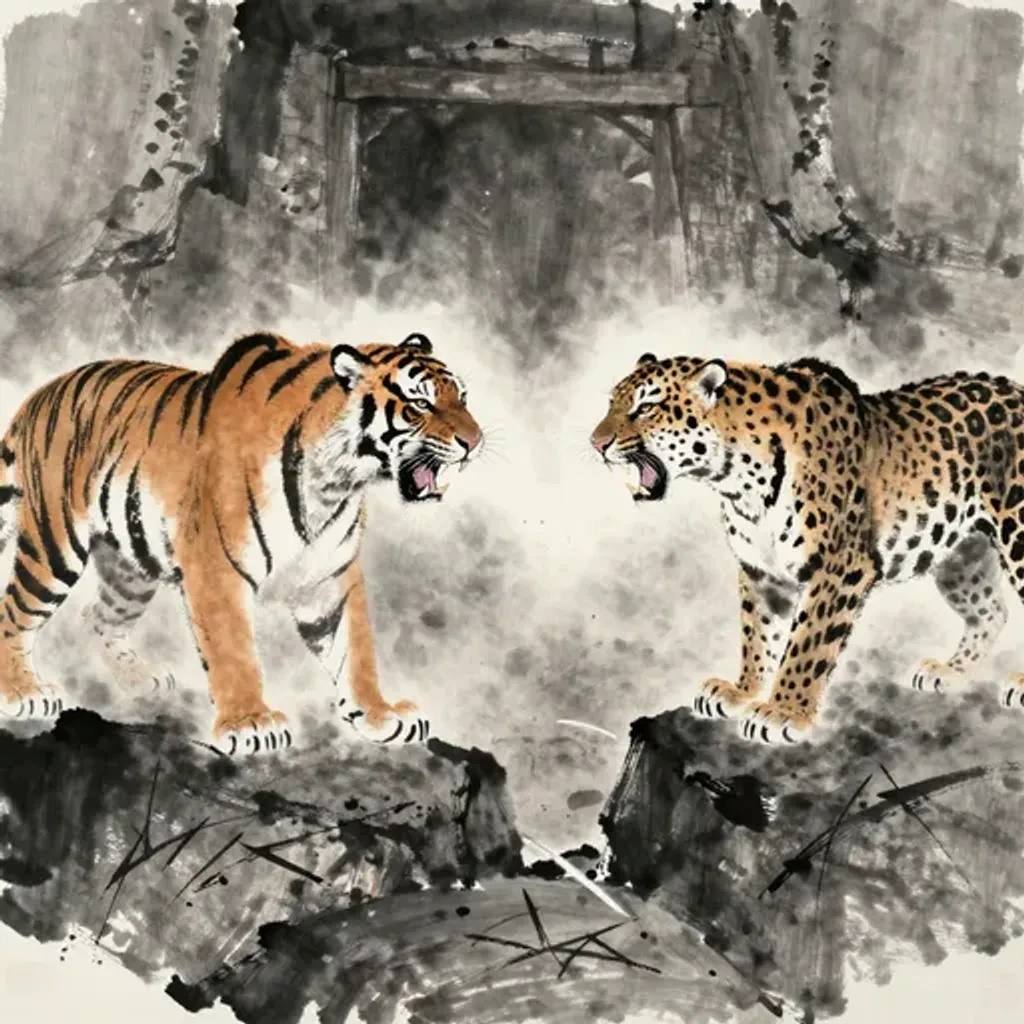
喭喭諤諤,虎豹相齚。懼畏悚息,終无難惡。
Snarling and growling, tiger and leopard bite at each other. Fear and trembling still the breath; yet in the end, no harm or evil comes.
— Jiao Yanshou, Yilin (Forest of Changes), 1st century BC
Commentary
Wind from fire gives the family its voice, but here that voice turns to snarling confrontation. Tigers and leopards snap and bite at one another in a terrifying display of mutual aggression. The household is consumed by fierce quarreling — yet the verse pivots: despite the fear and trembling, no lasting harm results. The tension, though alarming, resolves without catastrophe. From The Family to The Receptive, the transformation moves from defined roles toward earth's vast, yielding openness. The Receptive absorbs conflict the way open ground absorbs thunder — not by fighting back but by offering no resistance. The snarling beasts exhaust themselves against boundless receptivity, and what seemed like mortal danger subsides into trembling relief.
家人 → 屯
Hexagram 37 → Hexagram 3: Difficulty at the Beginning
Changing lines: 3, 6
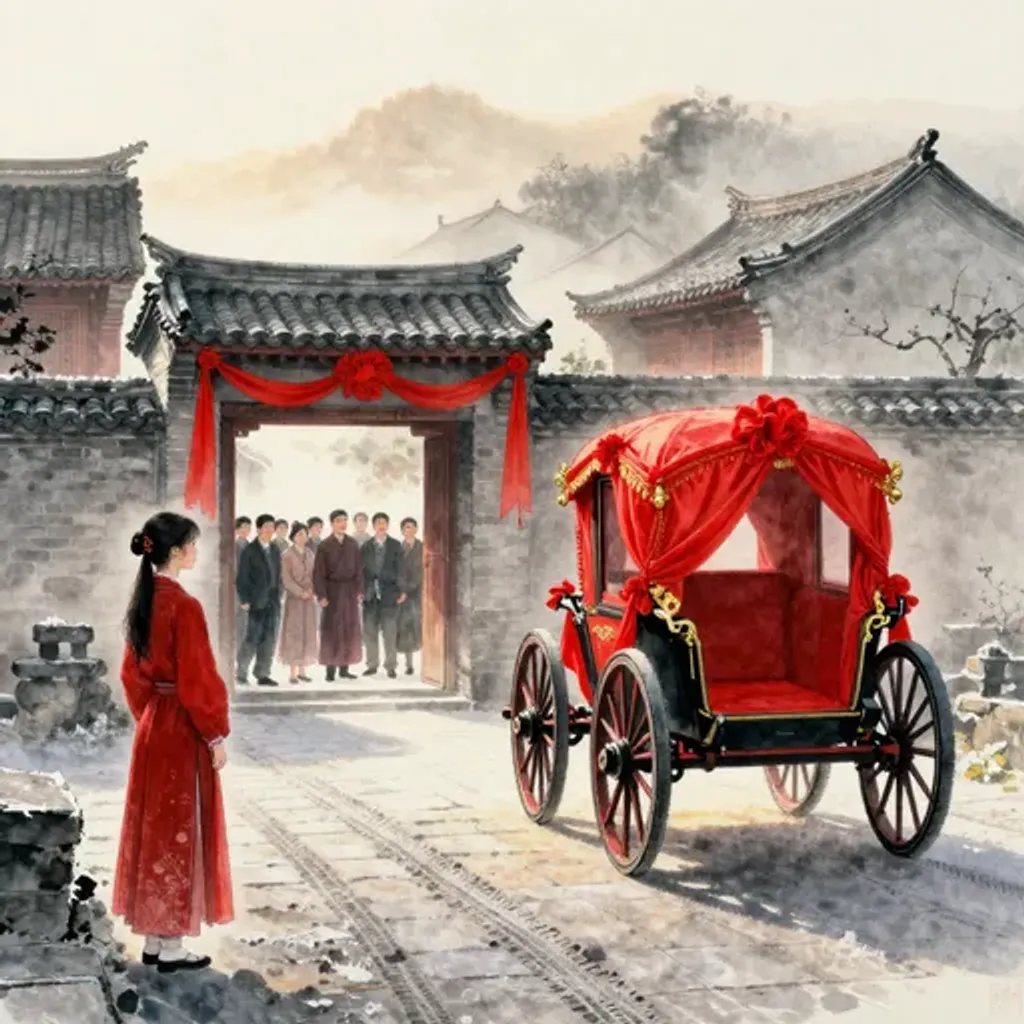
娶於姜呂,駕迎新婦。少齊在門,夫子歡喜。
He weds from the houses of Jiang and Lu; the carriage comes to welcome the new bride. The young lady of Qi stands at the gate; the husband rejoices.
— Jiao Yanshou, Yilin (Forest of Changes), 1st century BC
Commentary
Wind emerges from fire as the family hearth warms with celebration. A bride is taken from the Jiang and Lu clans — surnames of ancient aristocratic houses — and the carriage drives forth to welcome the new wife. The young woman of Qi stands at the gate, and the husband rejoices. This verse draws on Shijing marriage imagery, where proper unions between noble houses cement social order. The bride's arrival at the threshold marks the founding moment of a new household. From The Family to Difficulty at the Beginning, clouds and thunder gather as new life struggles to take root. Marriage, like any beginning, emerges through uncertainty; the joy at the gate is real, but the road ahead requires patient cultivation of what has just been planted.
家人 → 蒙
Hexagram 37 → Hexagram 4: Youthful Folly
Changing lines: 1, 2, 3, 5
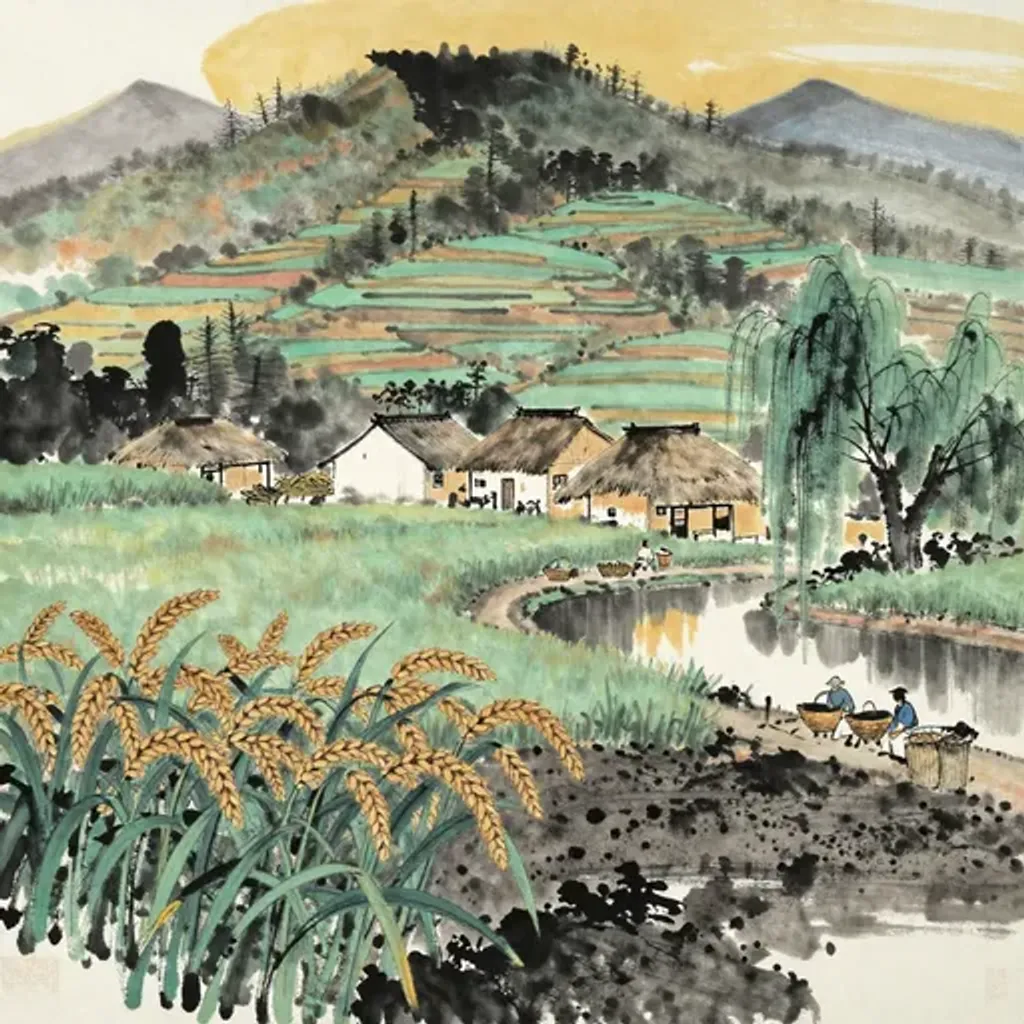
膏壤肥澤,民人孔樂。宜利居止,長安富有。
Rich soil and fertile marshes; the people are greatly content. Fit to dwell and settle here; long peace and abundant wealth.
— Jiao Yanshou, Yilin (Forest of Changes), 1st century BC
Commentary
Wind from fire illuminates a vision of prosperous settlement. Rich soil and fertile marshland make the people deeply content. The land is suitable for dwelling and long-term habitation — a place of enduring wealth and security. This verse paints an ideal of domestic abundance: not fleeting fortune but the steady prosperity that comes from settling in the right place. From The Family to Youthful Folly, the mountain spring emerges fresh from the earth, promising growth but requiring guidance. The family that has found fertile ground must still educate the next generation. Abundance without cultivation breeds complacency; the spring at the mountain's base flows pure only when its source is tended with care.
家人 → 需
Hexagram 37 → Hexagram 5: Waiting
Changing lines: 2, 6
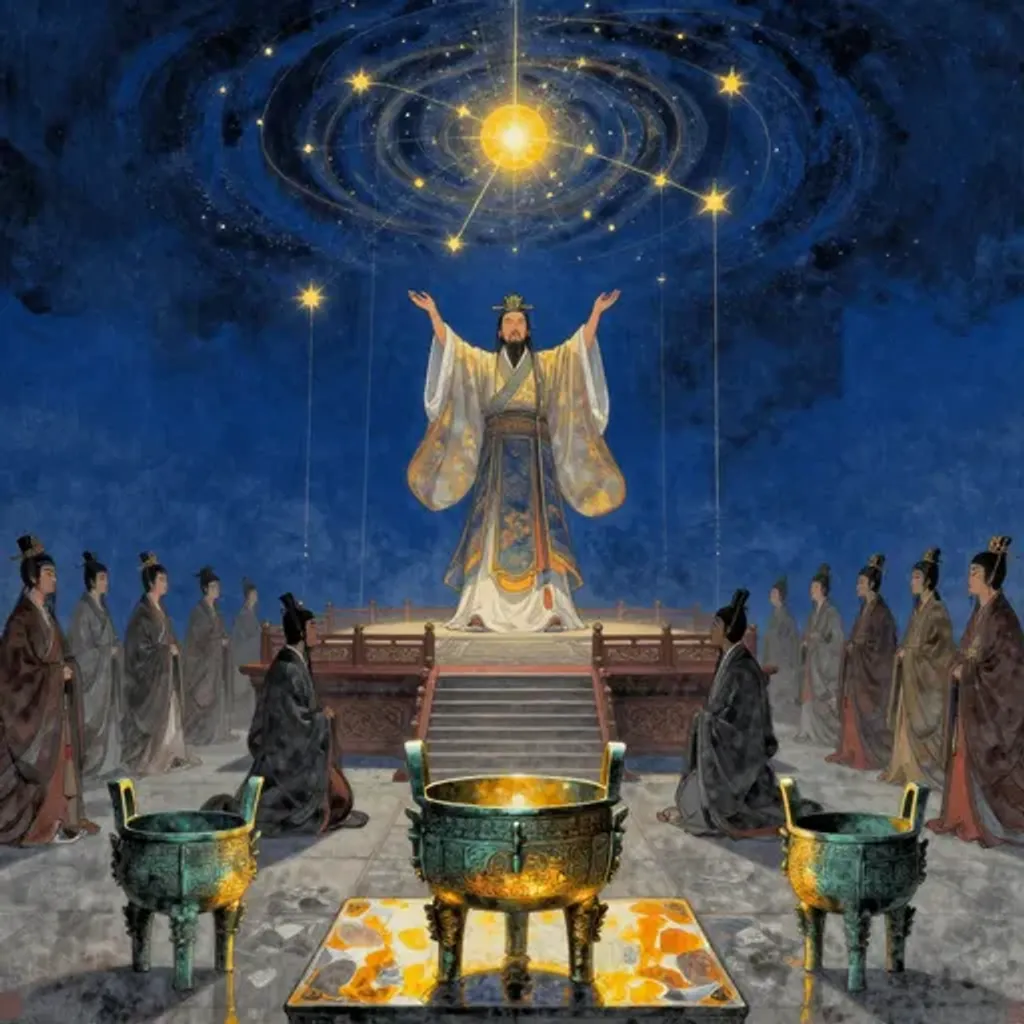
主有聖德,上配大極。皇靈建中,授我以福。
The lord possesses sagely virtue, matched above to the Great Ultimate. The imperial spirit establishes the center and bestows blessings upon us.
— Jiao Yanshou, Yilin (Forest of Changes), 1st century BC
Commentary
Wind from fire radiates outward as a ruler's virtue reaches the celestial pole. The sovereign possesses sage-like virtue and is matched with the Supreme Ultimate above. The imperial spirit establishes the center, and blessings are bestowed upon the speaker. This is the language of Han-dynasty court ritual: the ruler's moral power aligns with cosmic order, and fortune flows downward to loyal subjects. The verse describes the ideal relationship between sovereign virtue and cosmic mandate. From The Family to Waiting, clouds gather above heaven — abundance is assured but requires patient trust. The blessing is not seized but received; like rain clouds that must fully form before nourishing the earth, the ruler's grace descends in its own time to those who wait with faith.
家人 → 訟
Hexagram 37 → Hexagram 6: Conflict
Changing lines: 1, 2, 3, 4
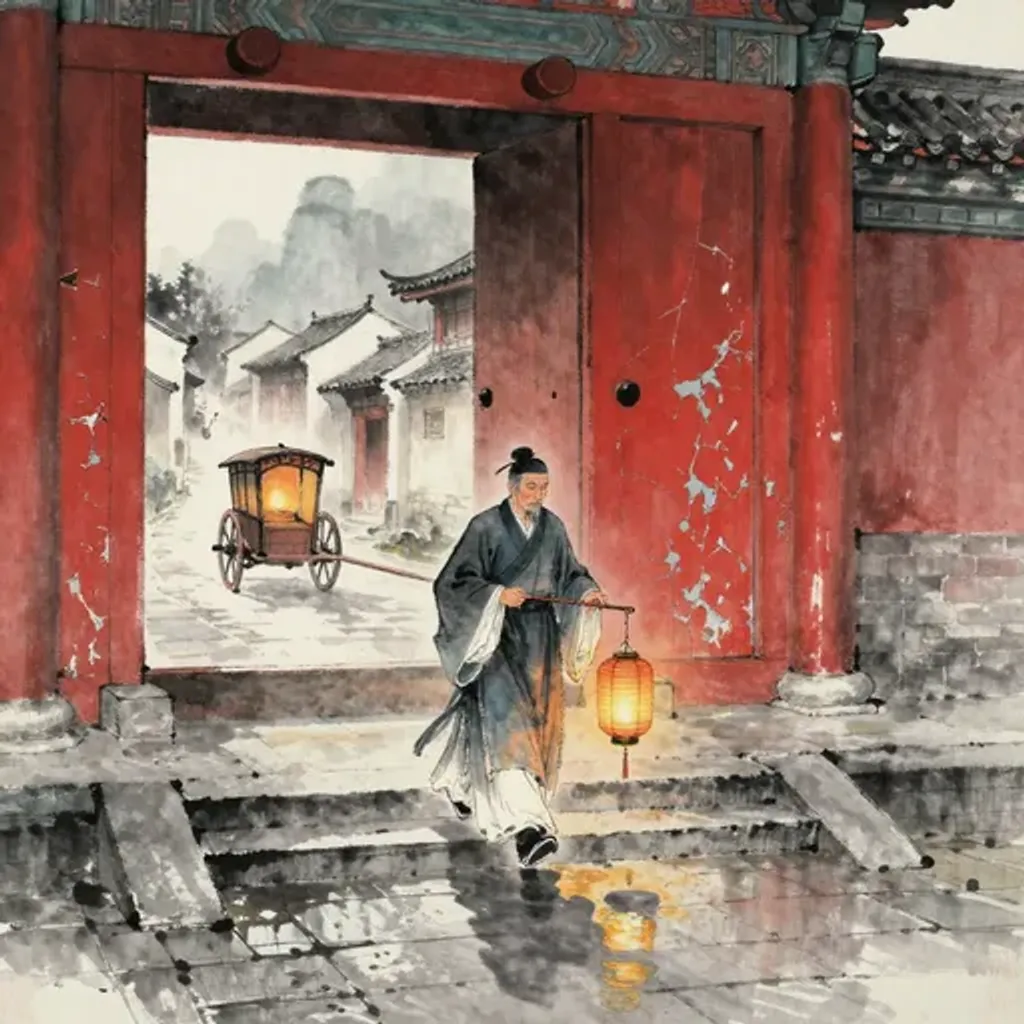
耄老蒙鈍,不見東西。少者弗慕,君不與謀。懸輿致仕,退歸里居。
Aged and dull of mind, he cannot tell east from west. The young do not admire him; the lord will not take his counsel. He hangs up his carriage and retires from office, withdrawing to dwell in his village.
— Jiao Yanshou, Yilin (Forest of Changes), 1st century BC
Commentary
Wind from fire once warmed the household, but now the flame gutters low. An aged official, dull and confused, can no longer distinguish east from west. The young do not admire him; the ruler excludes him from counsel. He suspends his carriage — the formal gesture of retirement — and withdraws to his home village. The phrase 'suspending the carriage' (懸輿致仕) is a Han-dynasty formula for honorable resignation at seventy. Yet the tone here is melancholy rather than celebratory: this is not a sage retiring in glory but a man pushed aside by declining faculties. From The Family to Conflict, heaven and water move in opposite directions. The old man's withdrawal mirrors this divergence — what once moved together now pulls apart, and the dignity of retirement barely conceals the sting of irrelevance.
家人 → 師
Hexagram 37 → Hexagram 7: The Army
Changing lines: 1, 2, 3, 5, 6
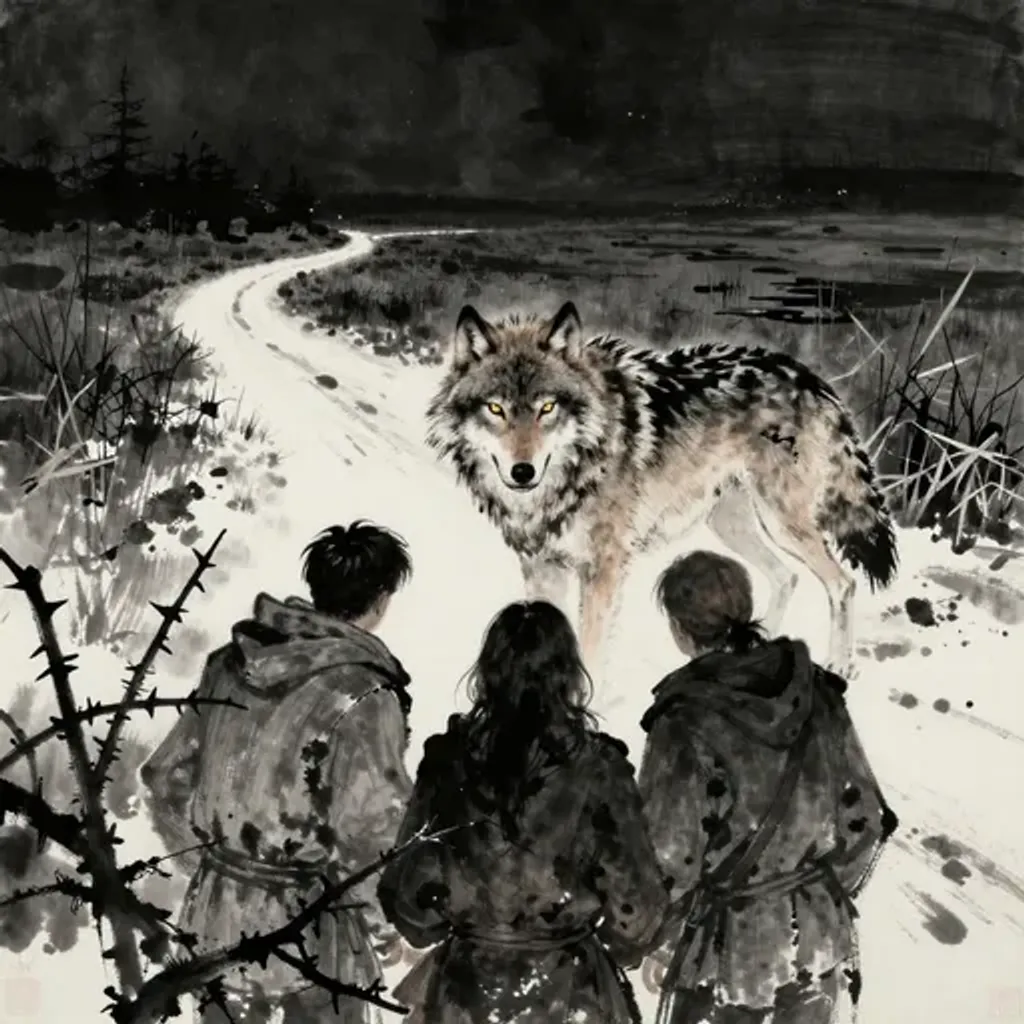
三狂北行,道逢大狼。暮宿患澤,為禍堪傷。
Three madmen travel north; on the road they meet a great wolf. At dusk they lodge in a troubled marsh; disaster inflicts its wound.
— Jiao Yanshou, Yilin (Forest of Changes), 1st century BC
Commentary
Wind from fire once ordered the household, but now three reckless travelers head north and encounter a great wolf on the road. By nightfall they shelter in a troubled marsh, and disaster strikes with grievous injury. The number three and the northward journey suggest a group venturing beyond safe boundaries without discipline or preparation. The wolf and the noxious marsh compound the peril — nature itself turns hostile to the unwary. From The Family to The Army, earth contains water as a commander musters hidden reserves. But the verse shows the opposite of disciplined mobilization: undisciplined wanderers blundering into danger. The Army's lesson is that collective strength requires structure and obedience; without it, even a small party is devoured by the wilderness.
家人 → 比
Hexagram 37 → Hexagram 8: Holding Together
Changing lines: 1, 3, 6
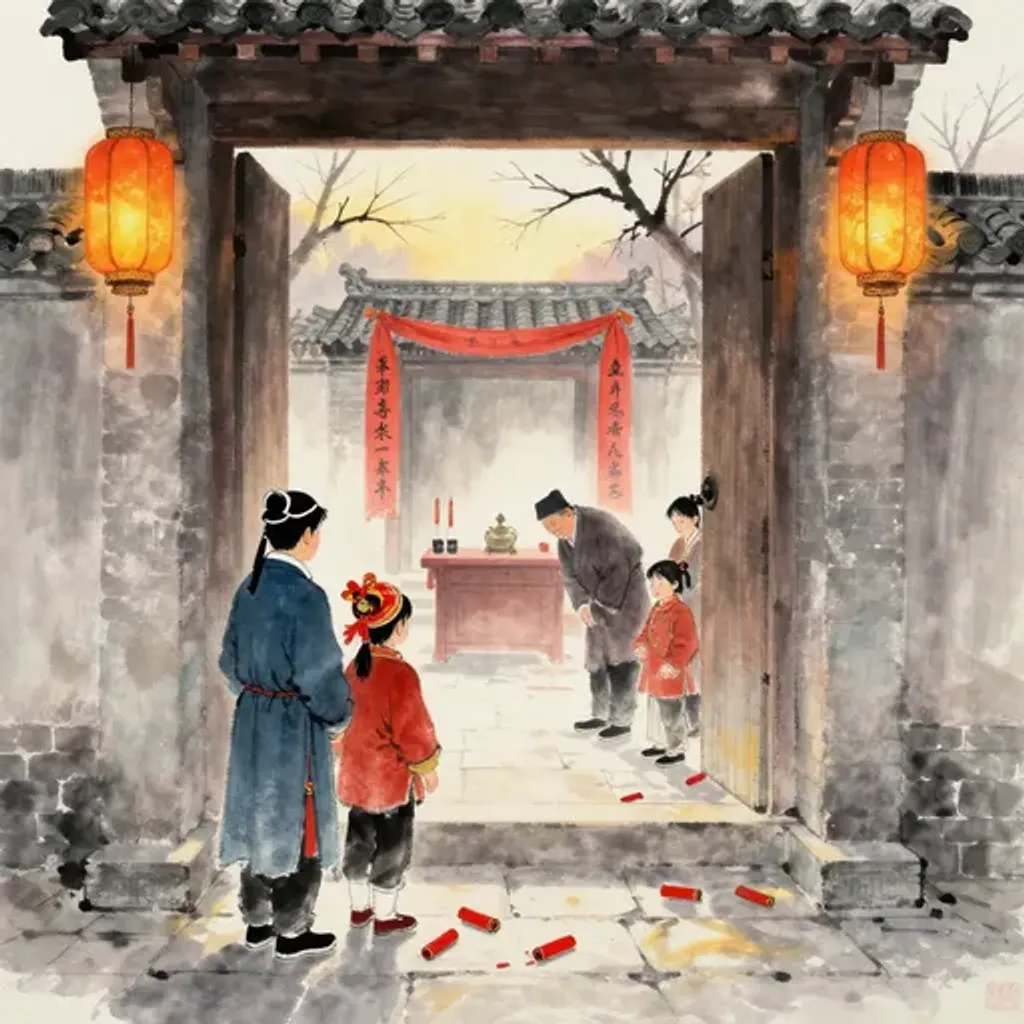
更旦初歲,振除禍敗。新衣元服,拜受利福。
The new dawn of the new year; calamity and ruin are swept away. In new garments and formal caps, they bow and receive blessings.
— Jiao Yanshou, Yilin (Forest of Changes), 1st century BC
Commentary
Wind from fire renews the household with the turning of the year. At the changing dawn of the new year, calamities and failures are swept away. New garments and formal caps are donned — the ritual act of renewal — and blessings are received with a bow. This verse captures the New Year purification rite: the old year's misfortunes are formally expelled, and the household begins again in fresh attire and restored fortune. From The Family to Holding Together, water rests upon the earth, gathering all into unity. The New Year ceremony is precisely this: a community coming together to acknowledge shared renewal. The former kings built nations and bonded with feudal lords through such rites; the family that cleanses and re-commits itself finds solidarity in the act of beginning again.
家人 → 小畜
Hexagram 37 → Hexagram 9: Small Taming
Changing lines: 2
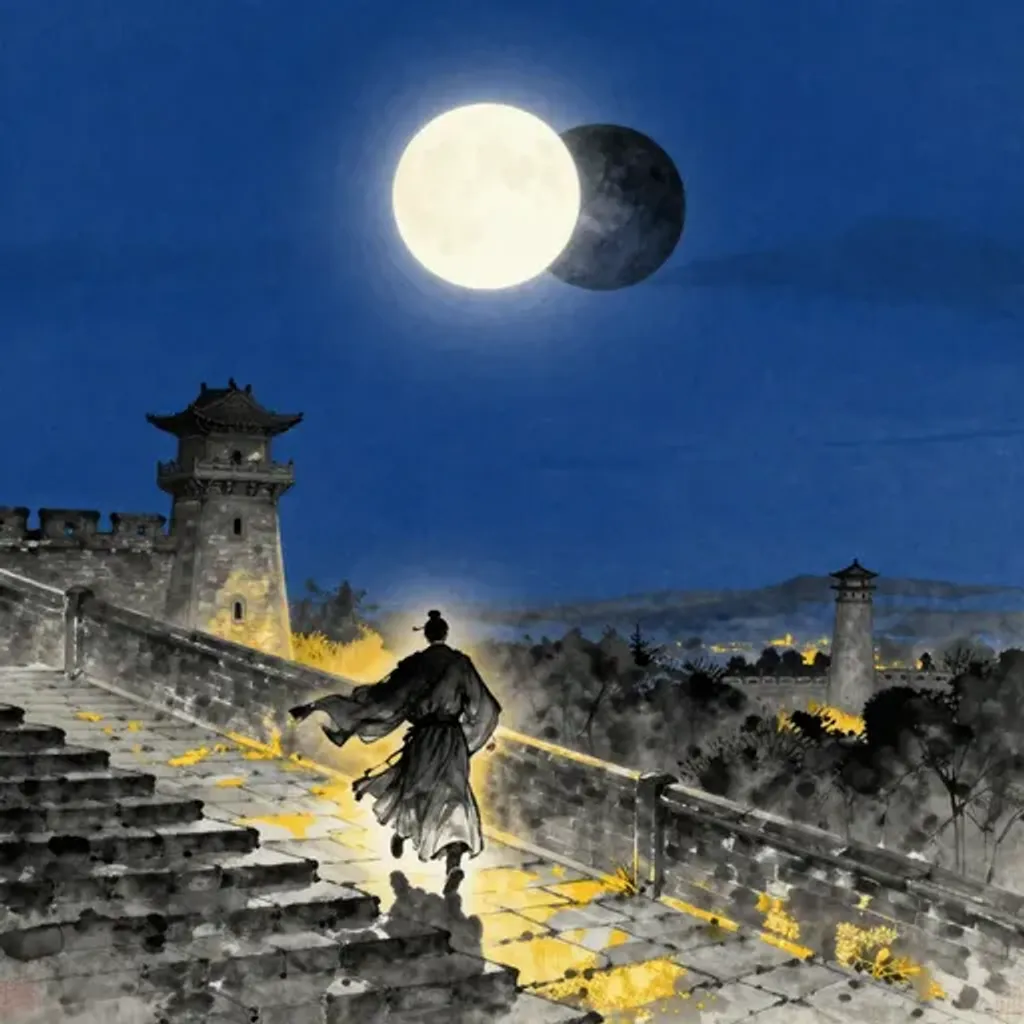
杲杲白日,為月所食。損上毀下,鄭昭出走。
The bright sun blazing white, devoured by the moon. The superior harmed, the inferior ruined; Duke Zhao of Zheng flees.
— Jiao Yanshou, Yilin (Forest of Changes), 1st century BC
Commentary
Wind from fire lights the family hearth, but a solar eclipse darkens the brilliant sun. The radiant daylight is consumed by the moon — what should illuminate is swallowed by shadow. Those above are diminished, those below ruined, and Duke Zhao of Zheng is forced to flee. According to the Zuo Zhuan, the powerful minister Zhai Zhong, coerced by the state of Song, deposed the legitimate ruler Zheng Hu and installed a rival. The eclipse becomes a metaphor for usurpation: when the proper light of authority is blocked, the entire household order collapses. From The Family to Small Taming, wind rides above heaven — a gentle restraining force. Yet here that restraint fails catastrophically; the small force meant to temper strength instead eclipses it entirely.
家人 → 履
Hexagram 37 → Hexagram 10: Treading
Changing lines: 2, 3, 4
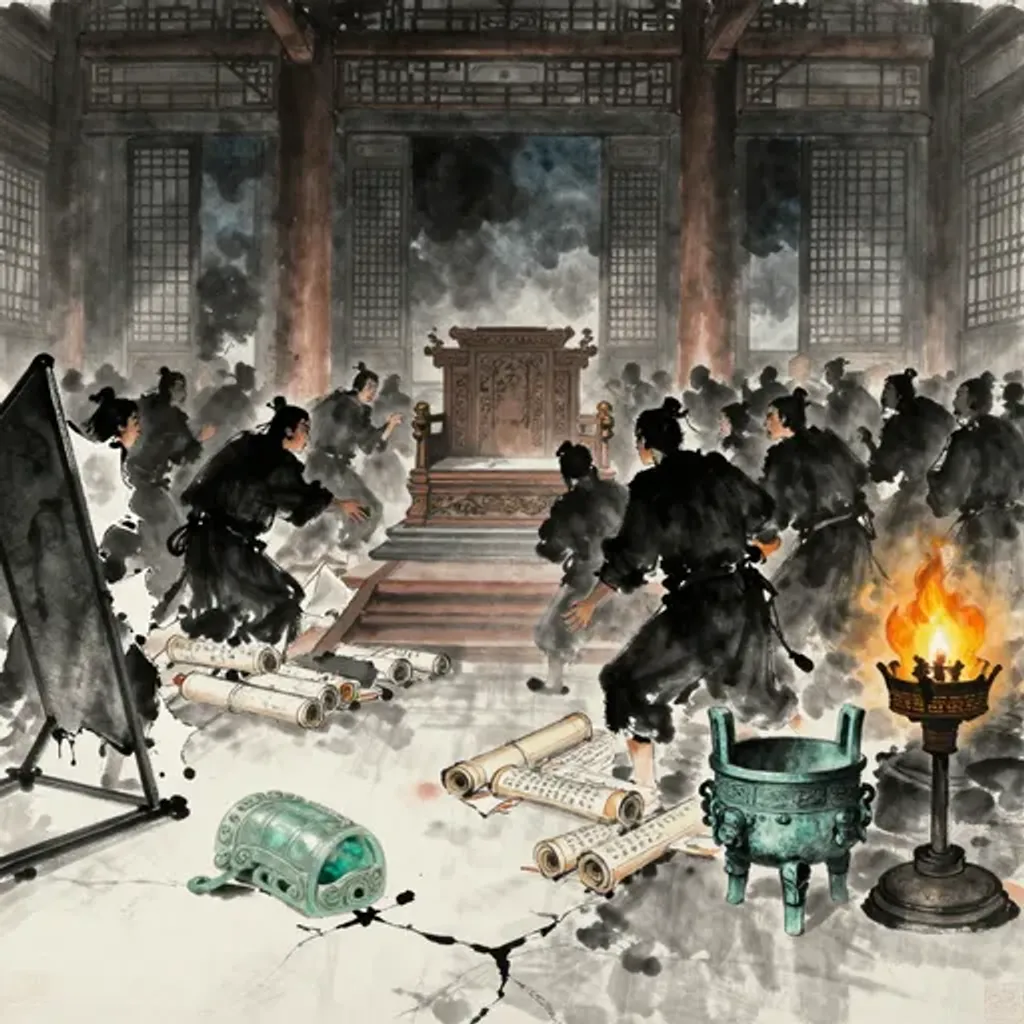
君子失意,小人得志。亂擾並作,姦邪充塞。雖有百堯,顛不可救。
The noble man loses his way; the petty man gains his will. Turmoil and upheaval arise together; villainy and treachery fill every space. Though there were a hundred Yaos, the fall could not be saved.
— Jiao Yanshou, Yilin (Forest of Changes), 1st century BC
Commentary
Wind from fire once sustained household order, but now that order inverts completely. The gentleman loses his standing while the petty man rises to power. Chaos and disorder erupt simultaneously; treachery and villainy fill every space. Even if a hundred Yaos appeared — a hundred sage-emperors — the catastrophe could not be reversed. The hyperbole is striking: invoking the supreme paragon of virtuous rule only to declare him powerless against such thorough corruption. From The Family to Treading, heaven above the lake establishes proper hierarchy. Yet the verse depicts hierarchy shattered beyond repair. Treading the tiger's tail requires knowing one's place; when every position is occupied by the wrong person, even perfect discernment cannot restore what has been overturned.
家人 → 泰
Hexagram 37 → Hexagram 11: Peace
Changing lines: 2, 5, 6
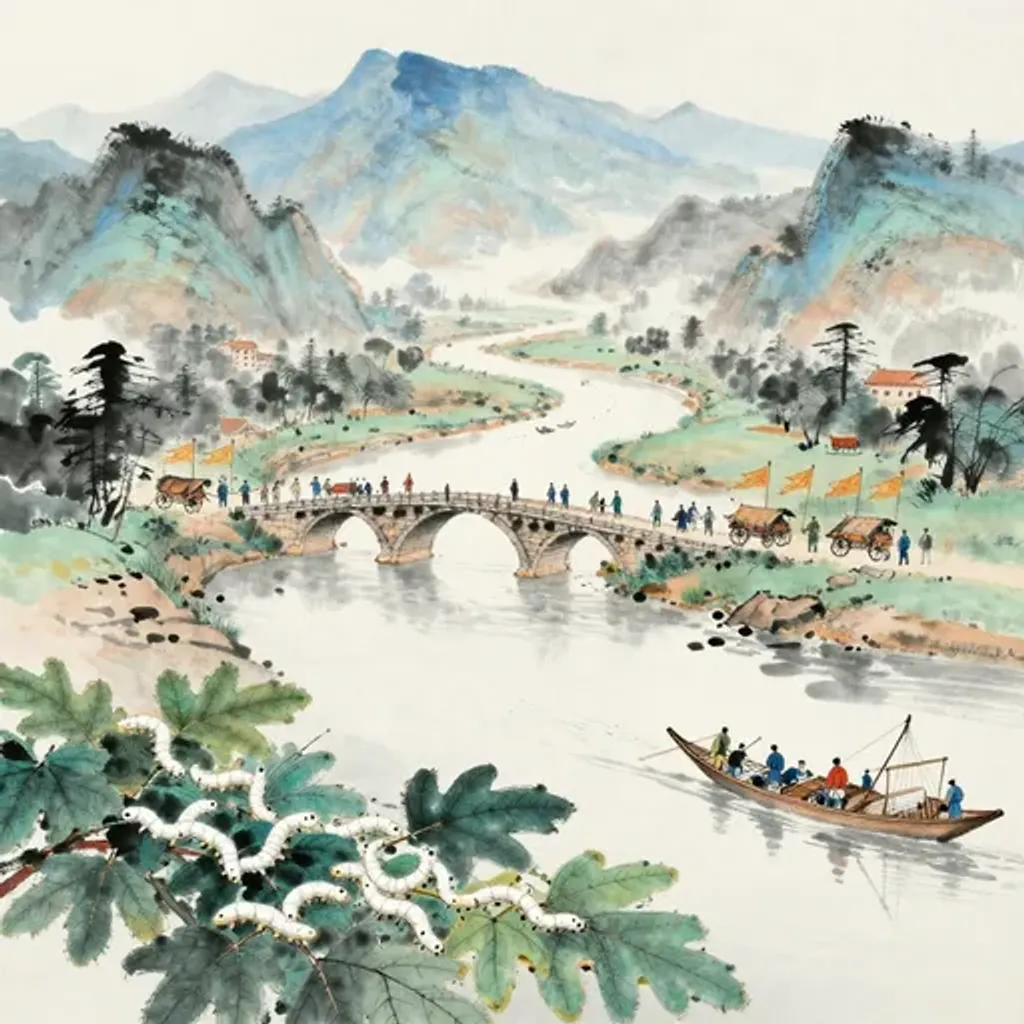
仁德履洽,恩及異域。澤被殊方,福慶隱伏。作蚕不織,寒无所得。
Benevolence and virtue step in harmony; grace reaches foreign lands. Blessings spread to distant realms, yet fortune hides unseen. Silkworms are raised but no cloth woven; in the cold there is nothing to gain.
— Jiao Yanshou, Yilin (Forest of Changes), 1st century BC
Commentary
Wind from fire extends the family's warmth to distant lands. Benevolent virtue is practiced and grace reaches foreign realms; blessings spread to far-flung regions, and hidden fortune accumulates. Yet the verse pivots sharply: silkworms are raised but no cloth is woven, and in the cold there is nothing to wear. The image splits between generous outward radiation and domestic neglect — virtue projected abroad while the household shivers. From The Family to Peace, heaven and earth mingle their energies in perfect exchange. Peace demands reciprocal flow; when all energy flows outward without return, the promise of cosmic harmony rings hollow. Benevolence that forgets its own hearth produces the cruelest irony: a family that blesses the world but cannot clothe itself.
家人 → 否
Hexagram 37 → Hexagram 12: Standstill
Changing lines: 1, 3, 4
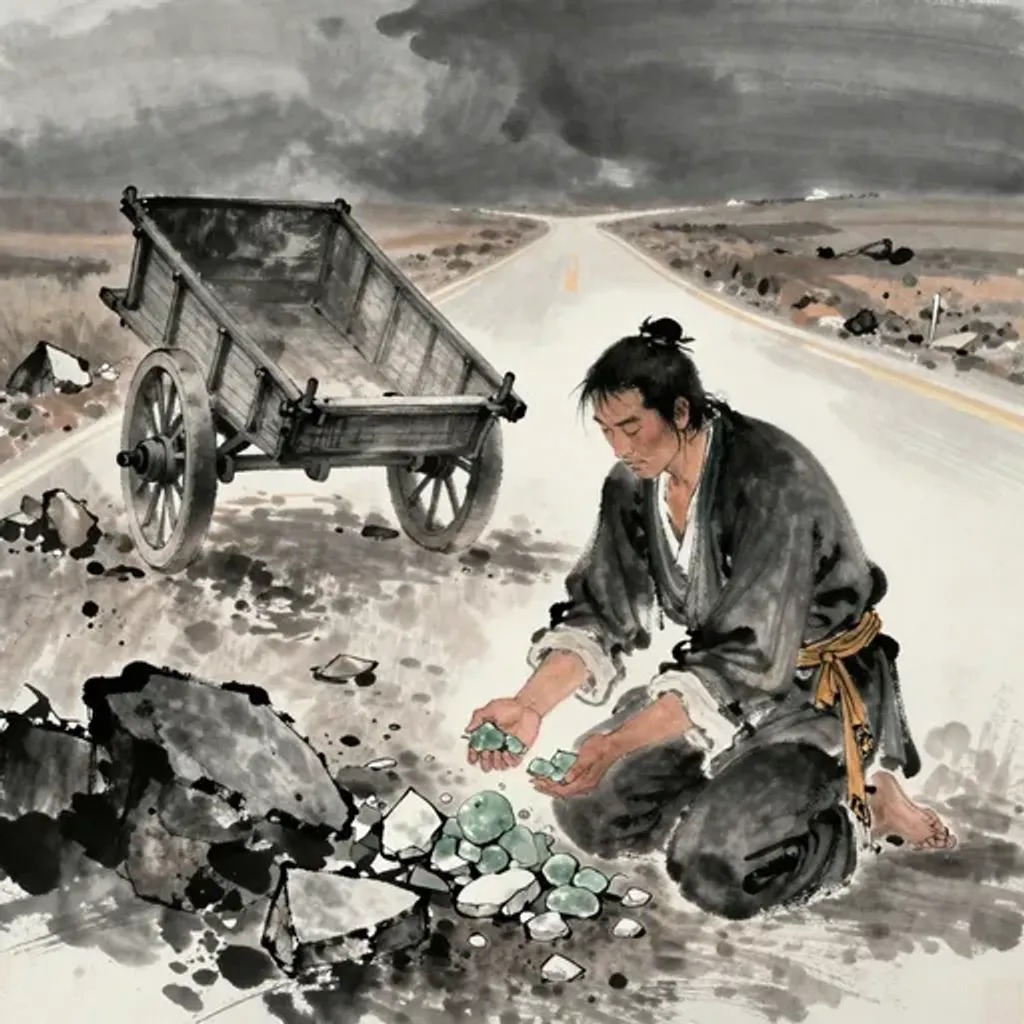
東求金玉,反得弊石。名曰无宜,字曰醜惡,眾所賤薄。
Seeking gold and jade in the east, instead he obtains broken stones. Named 'without worth,' styled 'ugly and vile'; despised and scorned by all.
— Jiao Yanshou, Yilin (Forest of Changes), 1st century BC
Commentary
Wind from fire sends the family seeking treasure eastward, hoping for gold and jade. Instead they find only broken stones. The acquisition is named 'Unsuitable' and styled 'Ugly' — universally scorned and despised. The eastward quest for precious things that yields only worthless rubble is a parable of misguided ambition: what glittered from afar turns out to be dross upon inspection. From The Family to Standstill, heaven and earth refuse to communicate; their energies separate and stagnate. The family's venture into the world meets a wall of non-exchange. Standstill teaches that when the cosmic channel is blocked, even sincere effort meets rejection. The broken stones are not merely bad luck — they are the signature of an era when heaven and earth have turned their backs on each other.
家人 → 同人
Hexagram 37 → Hexagram 13: Fellowship
Changing lines: 4
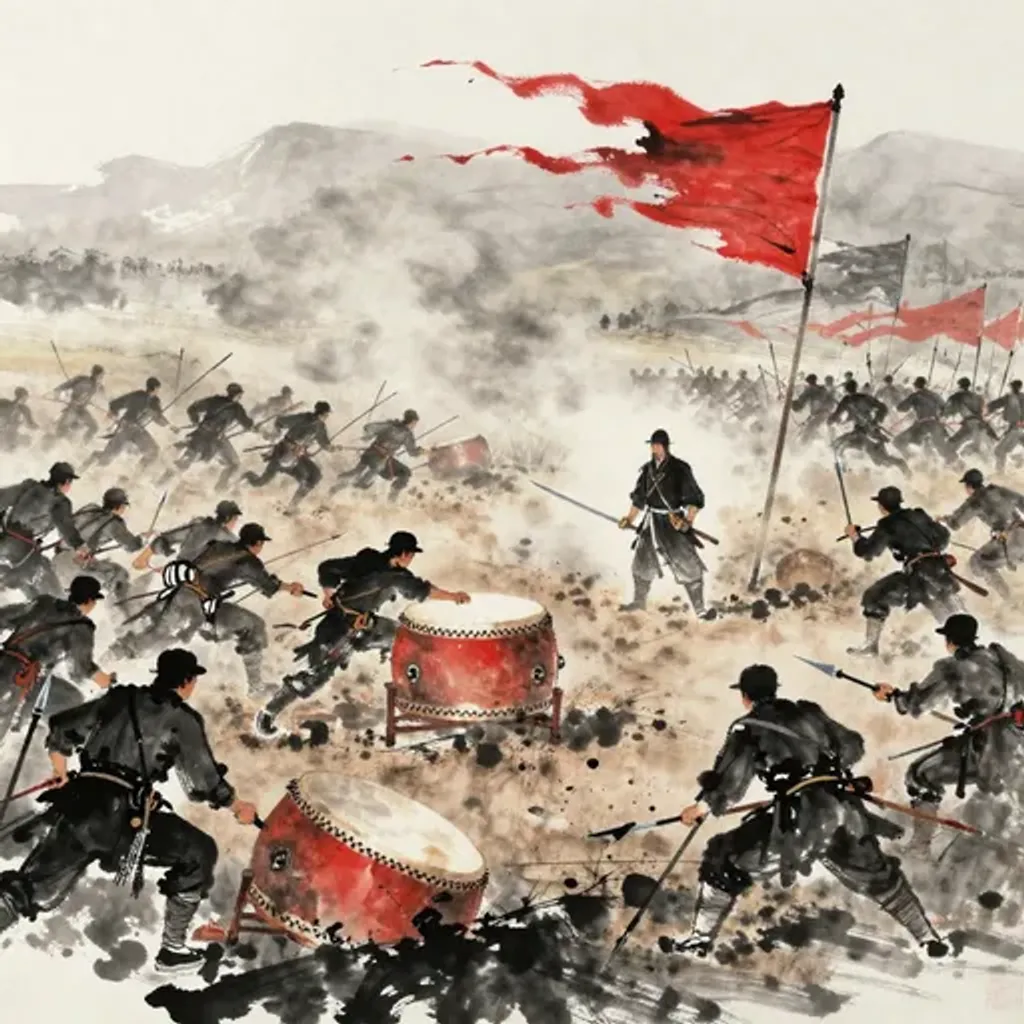
擊鼓合戰,士怯叛亡。威令不行,敗我成功。
Drums beat to join battle, but the soldiers cower and desert. Authority and command fail to hold; they defeat our success.
— Jiao Yanshou, Yilin (Forest of Changes), 1st century BC
Commentary
Wind from fire should unify the household's purpose, but here the drums of battle sound and the troops turn coward and desert. Authority cannot be enforced, and defeat undoes what should have been victory. The verse describes military collapse from within: not an overwhelming enemy but a failure of internal cohesion. Soldiers who will not obey, commanders whose orders carry no weight — the army disintegrates before the enemy even strikes. From The Family to Fellowship, heaven and fire blaze together in shared purpose. Fellowship depends on genuine unity of will; this verse shows its dark mirror, where forced togetherness shatters the moment pressure is applied. The drums beat, but no one marches in step.
家人 → 大有
Hexagram 37 → Hexagram 14: Great Possession
Changing lines: 2, 4, 5
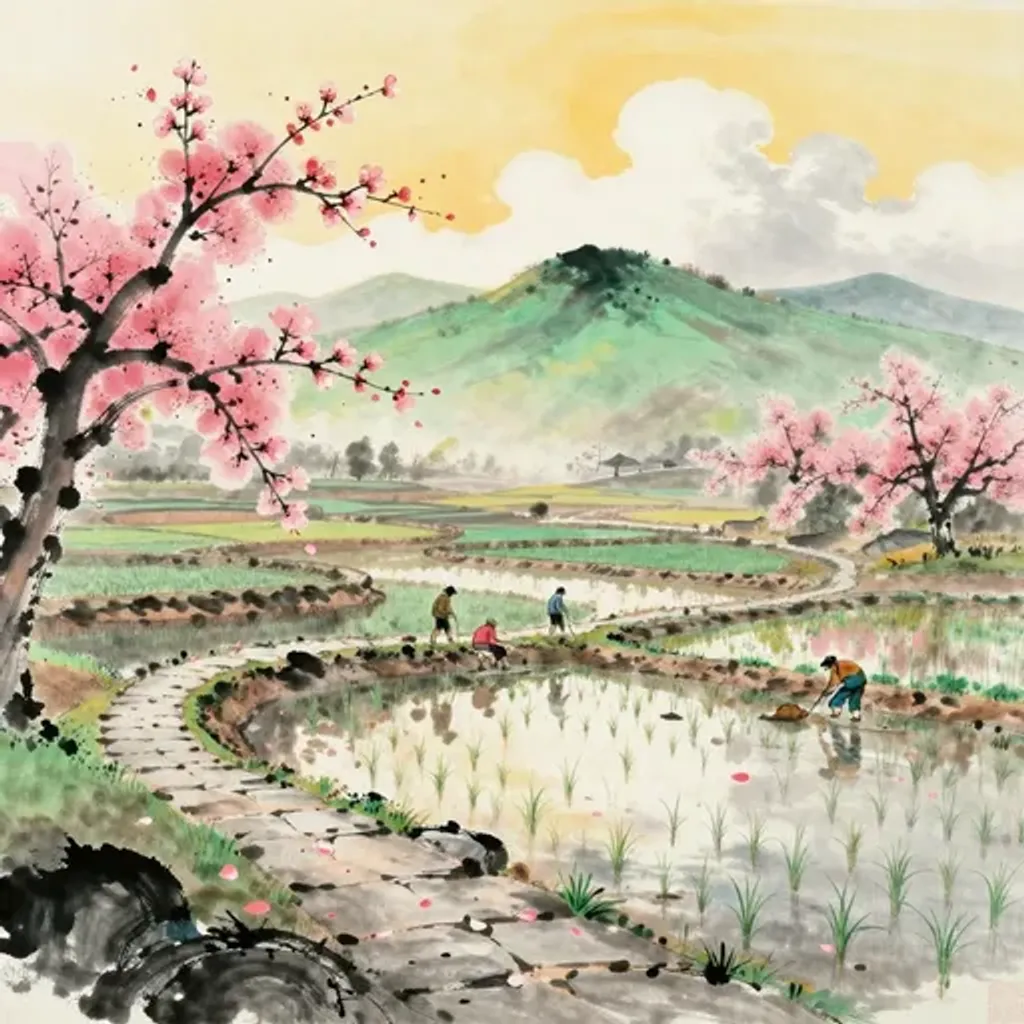
仲春孟夏,和氣所舍。生我嘉福,國無殘賊。
The second month of spring, the first of summer; where harmonious airs come to rest. They bring forth our fine blessings; the state is free of cruelty and ruin.
— Jiao Yanshou, Yilin (Forest of Changes), 1st century BC
Commentary
Wind from fire carries the warmth of the family hearth into the wider world. In the second month of spring and the first month of summer, harmonious energy settles upon the land. Blessings and good fortune are generated, and the state is free from bandits and harm. The seasonal reference marks the height of nature's generative power — the period when warmth and moisture combine to bring everything into bloom. This is a household whose internal harmony radiates outward as national peace. From The Family to Great Possession, fire blazes above heaven, illuminating all things. The transformation from domestic warmth to cosmic abundance is seamless: the family that cultivates harmony within finds that fortune gathers around it like fire brightening the whole sky.
家人 → 謙
Hexagram 37 → Hexagram 15: Modesty
Changing lines: 1, 5, 6
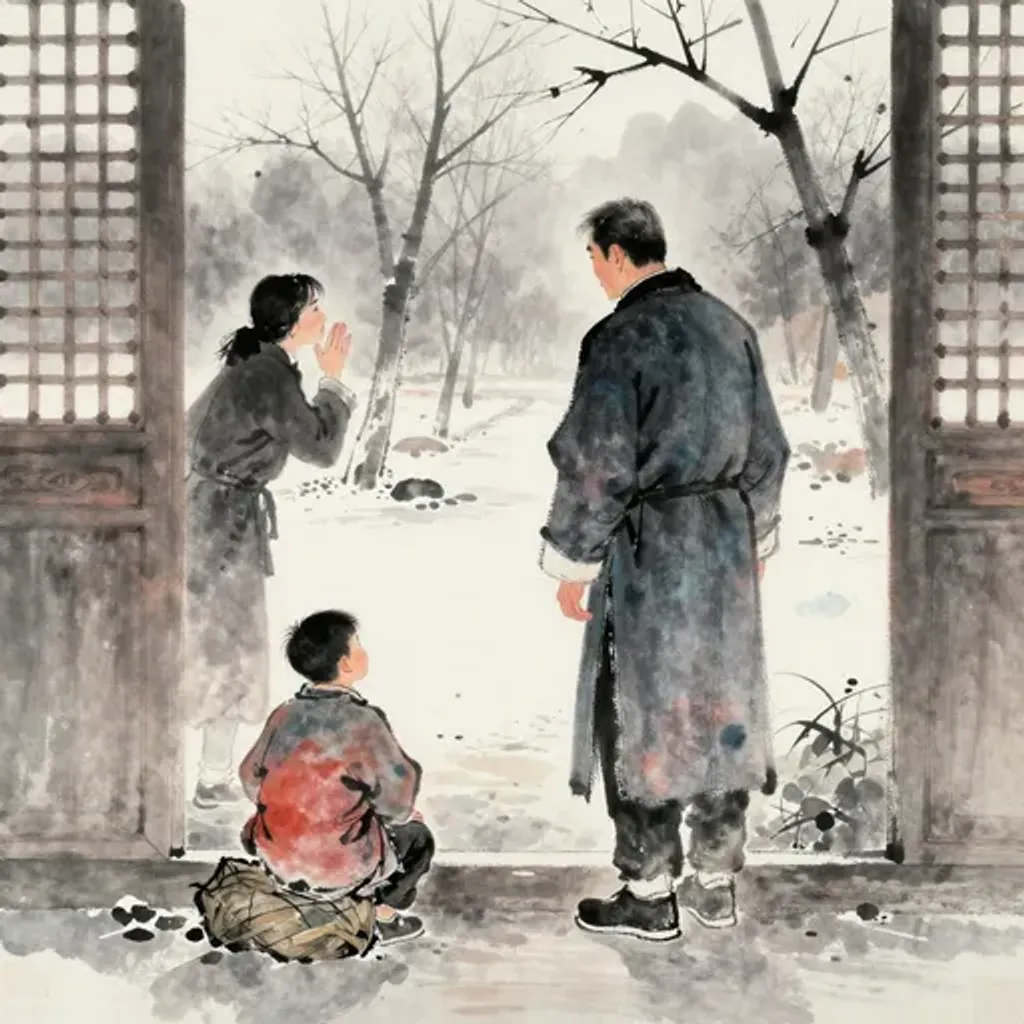
尹氏伯奇,父子生離。无罪被辜,長舌為災。
Yin the minister and Boqi his son, father and child torn apart in life. Without guilt he bears the blame; a long tongue brings the disaster.
— Jiao Yanshou, Yilin (Forest of Changes), 1st century BC
Commentary
Wind from fire defines the family's bonds, but here those bonds are severed by slander. Minister Yin Jifu and his son Boqi are torn apart by a stepmother's venomous tongue. According to tradition, Boqi's stepmother placed a bee on her collar; when the filial son reached to brush it away, his father mistook the gesture for assault and banished him. Innocent, convicted by false accusation, Boqi wandered the wilderness composing the lament 'Treading on Frost.' The 'long tongue' that brings disaster echoes the Shijing's warning against slanderous women. From The Family to Modesty, the mountain hidden within the earth suggests virtue concealed and unrecognized. Boqi's genuine filial piety lies buried beneath false accusation, unseen precisely because modesty cannot defend itself against malice.
家人 → 豫
Hexagram 37 → Hexagram 16: Enthusiasm
Changing lines: 1, 3, 4, 5, 6
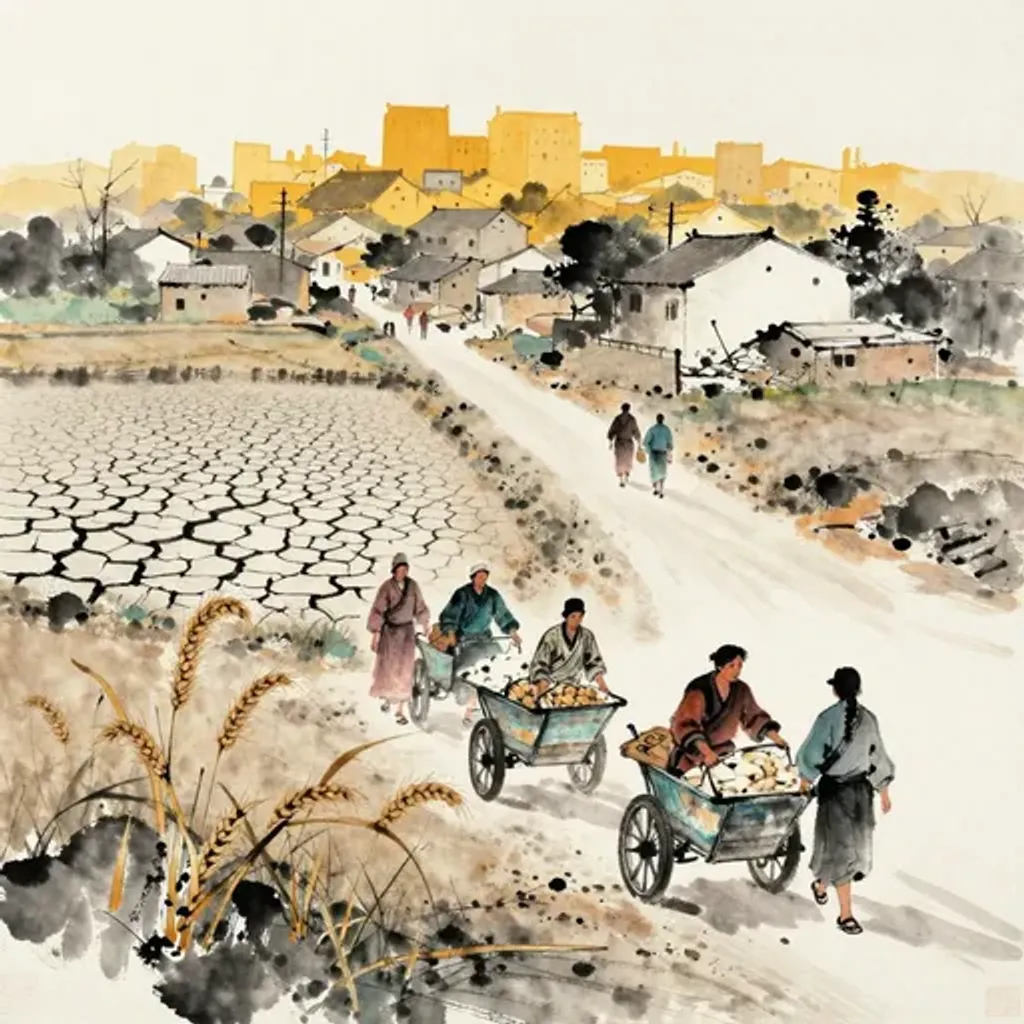
三穀不熟,民苦困極。駕之新邑,嘉樂有德。
Three harvests fail to ripen; the people suffer in dire extremity. They drive to a new settlement; joyful and virtuous is this place.
— Jiao Yanshou, Yilin (Forest of Changes), 1st century BC
Commentary
Wind from fire warms the hearth, but the harvest has failed three years running. The people suffer in extreme hardship, their provisions exhausted. Then the verse pivots: they are led to a new settlement, where joy and virtue await. The three failed harvests evoke the periodic crises that force communities to relocate — a pattern repeated throughout Chinese antiquity when drought or flood rendered land uninhabitable. The new settlement offers not just survival but moral renewal. From The Family to Enthusiasm, thunder bursts from the earth in a surge of collective energy. The former kings made music to honor heaven; here the suffering people find that same thunderous release in reaching a place where life can begin again. Hardship transmuted into joyful mobilization.
家人 → 隨
Hexagram 37 → Hexagram 17: Following
Changing lines: 3, 4, 6
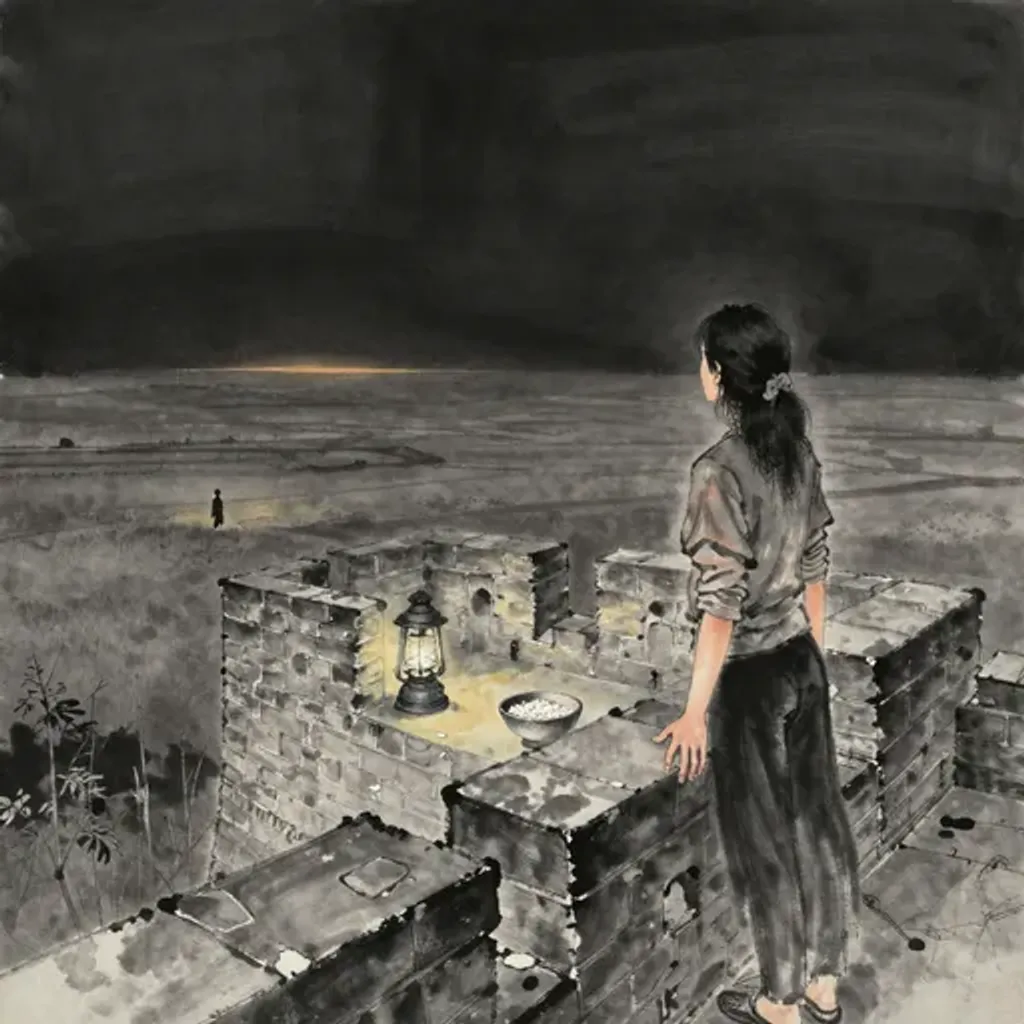
登虛望貧,暮食无食。長子南戍,與我生分。
She climbs the empty height and gazes on poverty; at dusk there is no food to eat. The eldest son garrisons the south; from me he is parted in life.
— Jiao Yanshou, Yilin (Forest of Changes), 1st century BC
Commentary
Wind from fire once filled the household, but now the family is scattered by poverty and conscription. Climbing an empty height, one gazes out at destitution — by evening there is nothing to eat. The eldest son has been sent south to garrison duty, and the separation may be permanent. The verse captures the devastating intersection of famine and military service: the breadwinner is taken, the cupboard is bare, and the family stares across empty distance. From The Family to Following, thunder rests within the lake as evening falls. Following means adapting to what comes, retreating into rest when the day's energy is spent. But this family has nothing left to follow — only absence. The lake's stillness at dusk mirrors a household emptied of its members, waiting for a return that may never come.
家人 → 蠱
Hexagram 37 → Hexagram 18: Work on the Decayed
Changing lines: 1, 2, 5
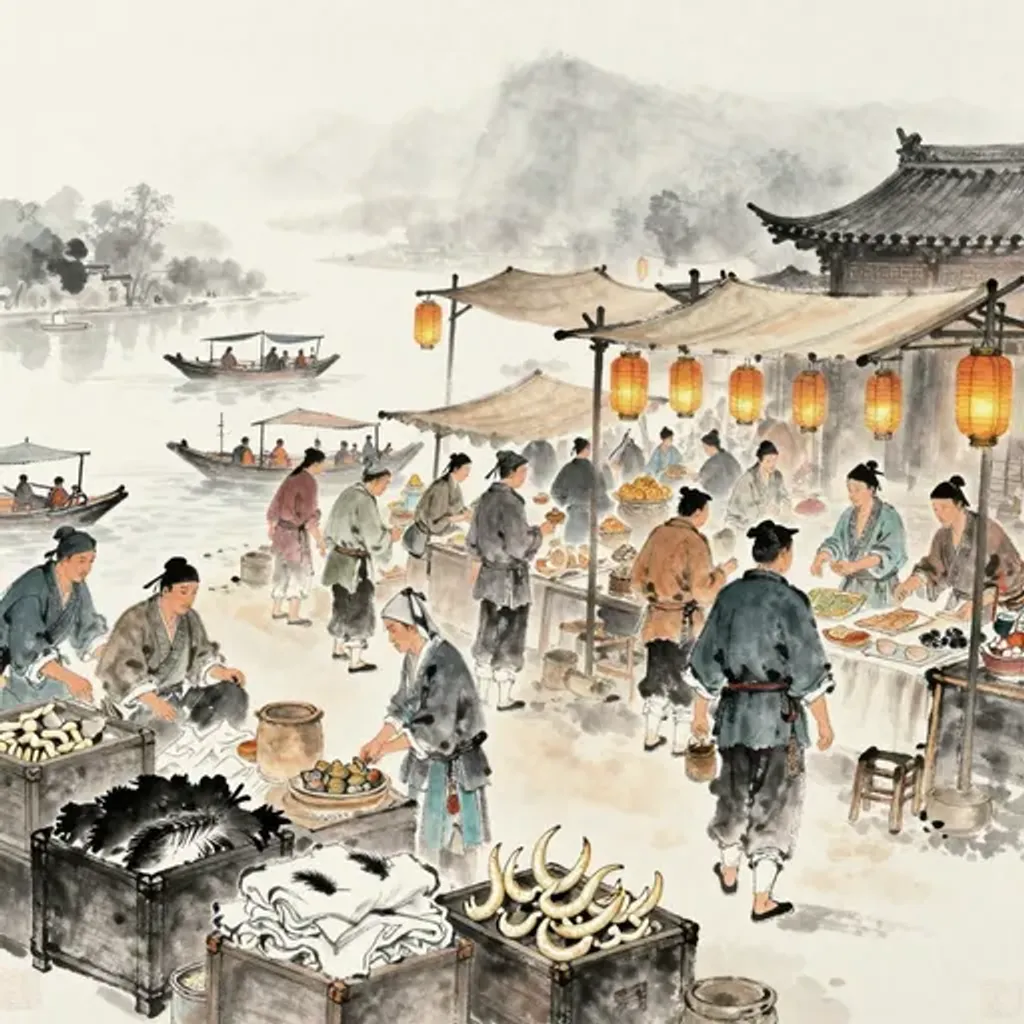
東市齊魯,南賈荊楚。羽毛齒革,為吾利寶。
In the east, markets of Qi and Lu; in the south, trade with Jing and Chu. Feathers, furs, teeth, and hides become our profitable treasure.
— Jiao Yanshou, Yilin (Forest of Changes), 1st century BC
Commentary
Wind from fire carries the family's enterprise outward into the world of commerce. Trading east in Qi and Lu, selling south in Jing and Chu — the great market circuit of the Warring States comes alive. Feathers, furs, ivory, and hides become treasured commodities. The verse celebrates mercantile prosperity: a family whose wealth comes from knowing where to buy and where to sell, transforming raw goods into fortune. From The Family to Work on the Decayed, wind stirs beneath the mountain, reviving what has grown stagnant. The merchant's journey is itself a form of renewal — goods circulated from regions of surplus to regions of need, each transaction repairing an imbalance. Commerce as restoration: the family that trades across borders brings vitality back to decayed systems.
家人 → 臨
Hexagram 37 → Hexagram 19: Approach
Changing lines: 2, 3, 5, 6
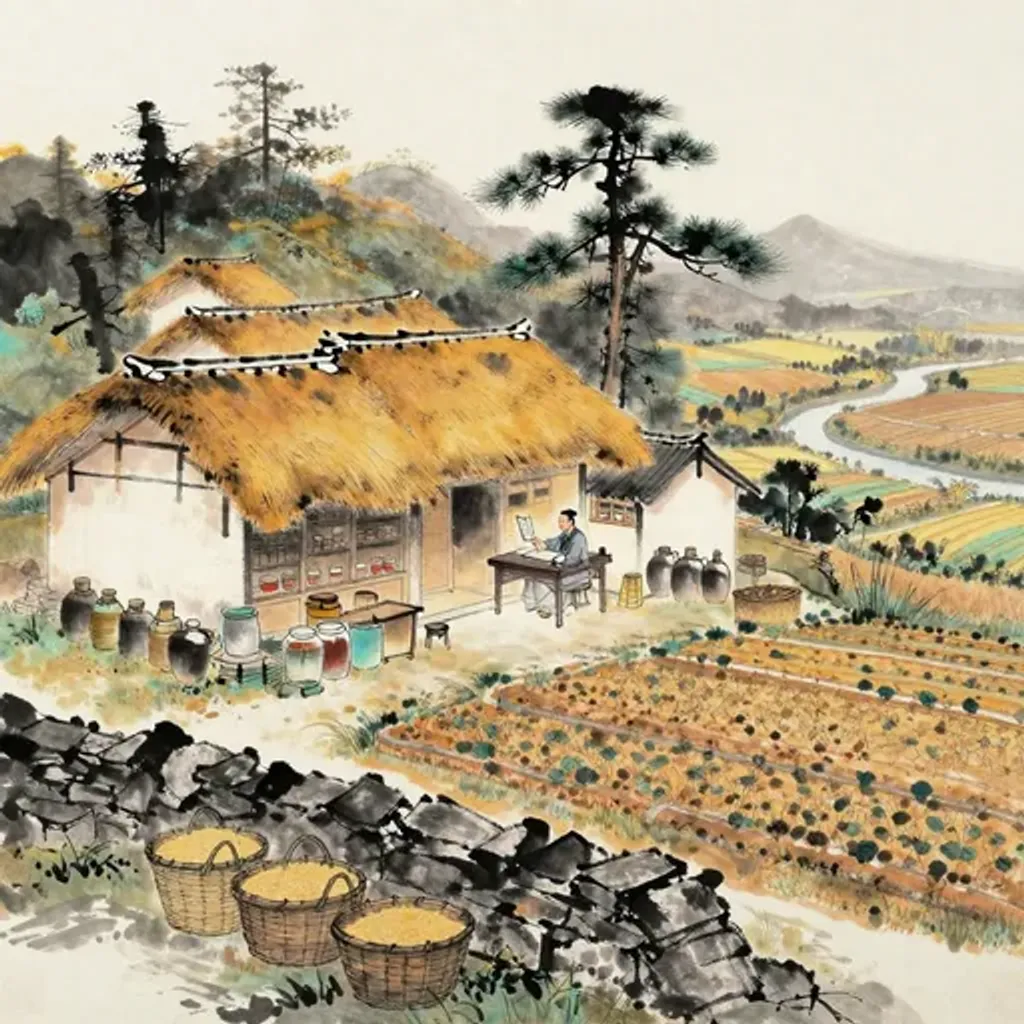
節情省欲,賊斂有度。家給人足,公劉以富。
He tempers desire and restrains want; taxes are levied with measure. Each household is provided, each person content; through Gongliu's way, all prosper.
— Jiao Yanshou, Yilin (Forest of Changes), 1st century BC
Commentary
Wind from fire shapes the family through discipline, and here that discipline becomes the foundation of communal wealth. Emotions are restrained and desires curtailed; taxation is measured and levies kept reasonable. Every household is provided for, every person has enough, and the verse attributes this to Gongliu — the Zhou ancestor who led his people to prosperity at Bin. According to the Shijing ode 'Gongliu,' he surveyed the land, divided fields, and settled his people with prudent management. From The Family to Approach, earth above the lake draws near with nurturing authority. Gongliu's governance embodies this pattern: the ruler approaches his people not with force but with careful stewardship, and through moderation the family becomes a community, the community a state.
家人 → 觀
Hexagram 37 → Hexagram 20: Contemplation
Changing lines: 1, 3
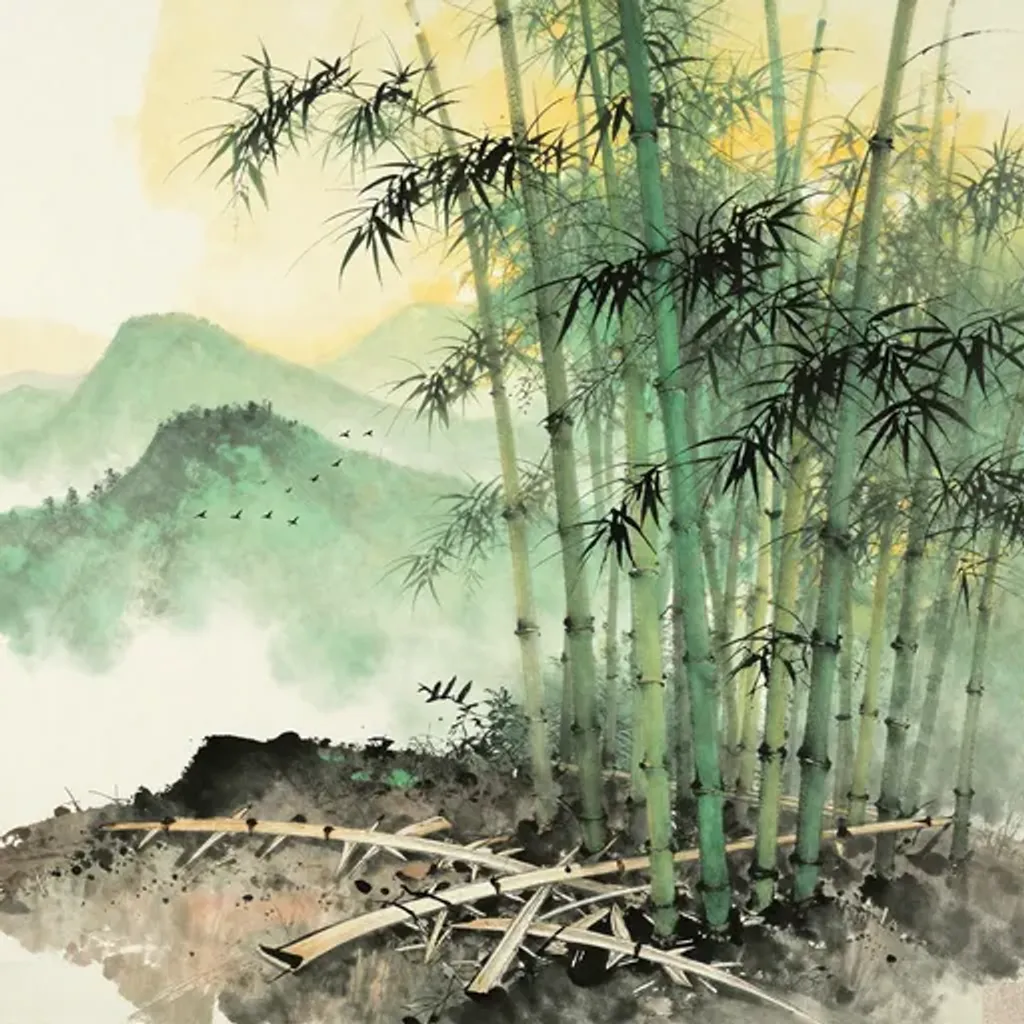
恭寬信敏,功加四海。辟去不祥,喜來從母。
Cultivated bamboo stands straight, never bending. Where a pure breeze passes, waves rise naturally. Virtuous conduct spreads beyond a thousand mountains — a hundred birds return to the forest, circling the trees.
— Jiao Yanshou, Yilin (Forest of Changes), 1st century BC
Commentary
Wind from fire carries the family's influence far beyond the household walls. The original verse reads: 'Reverent, generous, sincere, and diligent — merit extends across the four seas; misfortune is turned away, and joy comes following the mother.' These four virtues — reverence, generosity, sincerity, diligence — echo the Analerta's prescription for effective governance. When practiced within the family, they radiate outward to bless the wider world. The 'mother' here may signal the maternal principle of nurturing order. From The Family to Contemplation, wind moves across the earth as the sage surveys his realm. The transformation is one of scope: domestic virtue, consistently practiced, becomes a model that the whole world can observe and emulate. The family becomes a teaching in itself.
家人 → 噬嗑
Hexagram 37 → Hexagram 21: Biting Through
Changing lines: 3, 4, 5
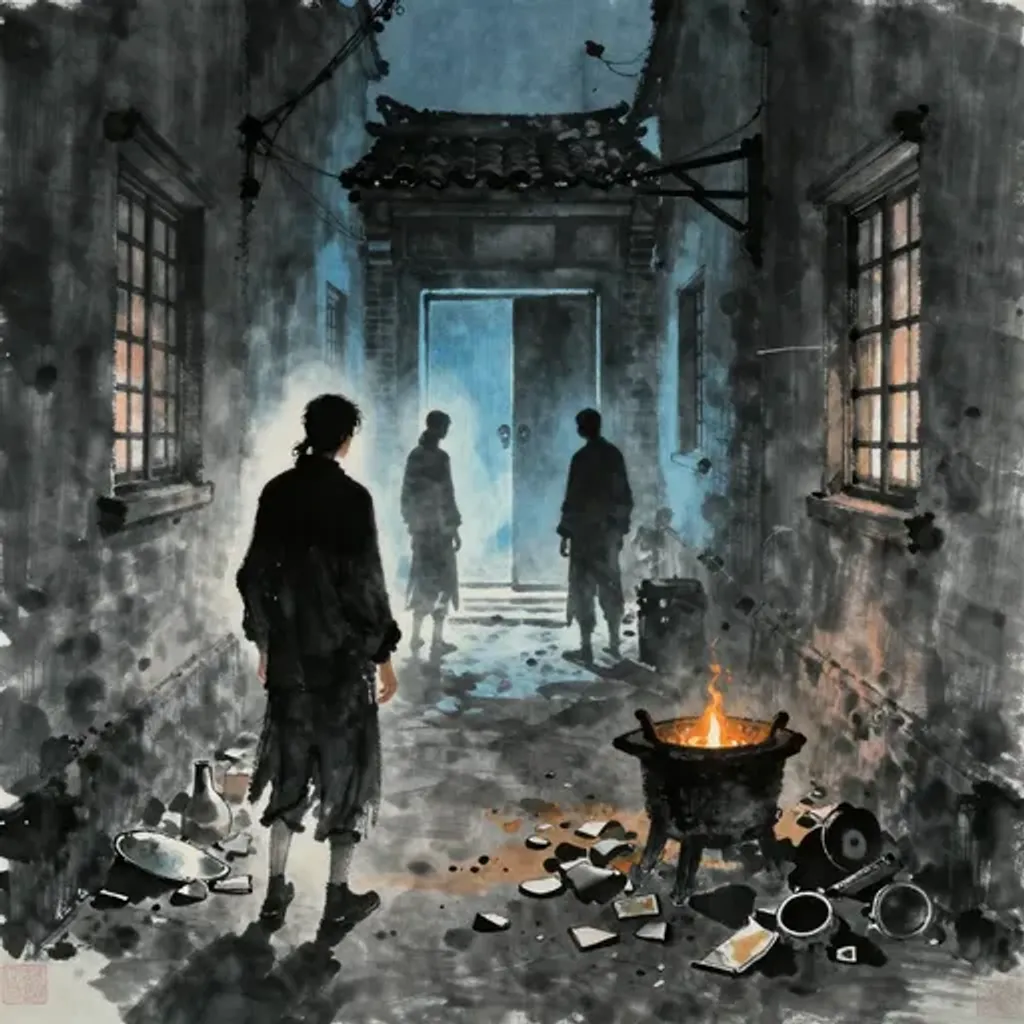
張狂妄作,與惡相逢。不得所欲,生我獨凶。
Reckless and wild in his doings, he encounters evil on the road. He does not obtain what he desires; misfortune falls on him alone.
— Jiao Yanshou, Yilin (Forest of Changes), 1st century BC
Commentary
Wind from fire should guide the household with steady purpose, but here recklessness takes command. Acting wildly and recklessly, one encounters evil in return. Desires go unfulfilled, and misfortune falls upon the speaker alone. The verse is a compact parable of self-inflicted disaster: the arrogant person who charges forward without restraint meets opposition of equal violence. The evil encountered is not random — it is the mirror image of the actor's own recklessness. From The Family to Biting Through, fire and thunder combine as lightning illuminates the jaw that bites down on an obstruction. Justice is administered through decisive punishment; the reckless person who disturbs the family order must be bitten through and removed, just as the sage-kings clarified penalties to enforce law.
家人 → 賁
Hexagram 37 → Hexagram 22: Grace
Changing lines: 5
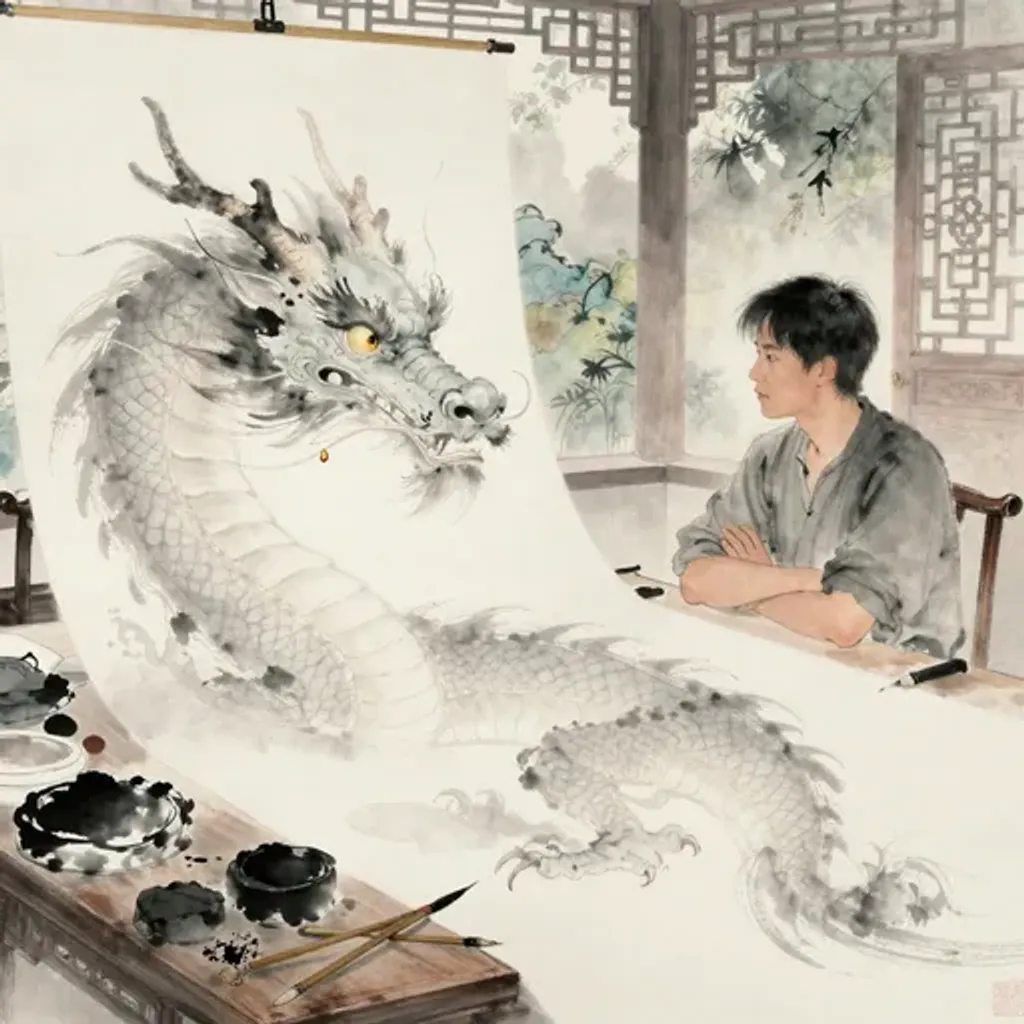
畫龍頭頸,文章不成。甘言美語,詭辭無名。
He paints the dragon's head and neck, but the pattern is never completed. Sweet words and fine phrases; deceitful speech without substance.
— Jiao Yanshou, Yilin (Forest of Changes), 1st century BC
Commentary
Wind from fire gives form to the family's expression, but here form remains incomplete. A dragon's head and neck are painted, yet the composition never coheres into a finished work. Sweet words and beautiful phrases sound impressive, but the elaborate rhetoric has no substance — a name without content. The image of the unfinished dragon is vivid: all flourish at the beginning, trailing off into nothing. From The Family to Grace, fire beneath the mountain adorns but does not transform. Grace is surface beauty, the aesthetic polish that makes things presentable. Yet even Grace requires completion; an ornament that dissolves halfway through is worse than plainness. The verse warns against mistaking eloquent beginnings for genuine accomplishment — the dragon must have a body as well as a head.
家人 → 剝
Hexagram 37 → Hexagram 23: Splitting Apart
Changing lines: 1, 3, 5
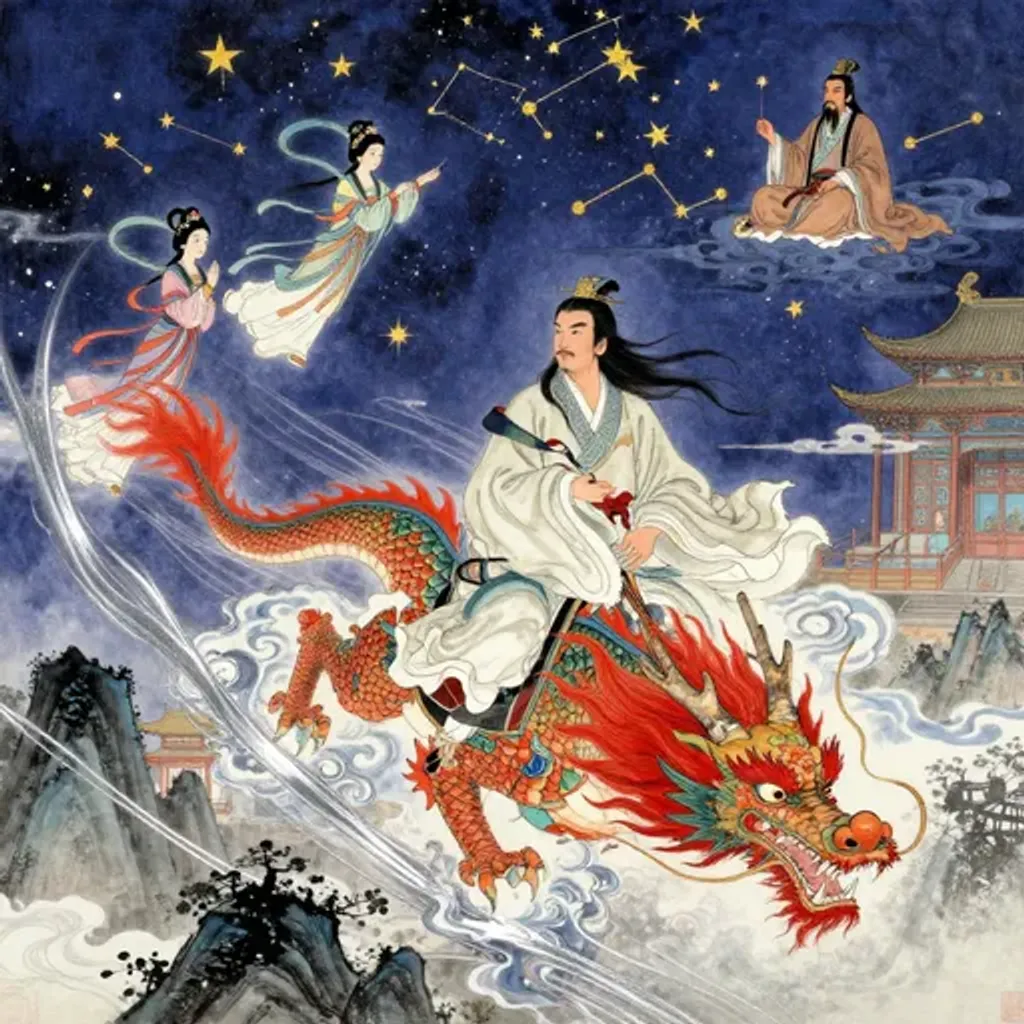
騎龍乘風,上見神公。彭祖受刺,王喬讚通。巫咸就位,拜壽無窮。
Riding the dragon, mounting the wind, he ascends to meet the Divine Lord. Pengzu receives the needle; Wang Qiao is praised for passage. Wu Xian takes his seat; longevity without end.
— Jiao Yanshou, Yilin (Forest of Changes), 1st century BC
Commentary
Wind from fire lifts the spirit beyond the household into celestial realms. Riding a dragon on the wind, one ascends to meet the divine lord. Pengzu receives the elixir-needle of longevity; Wang Qiao assists in opening the passage to immortality. The shaman Wu Xian takes his seat, and blessings of infinite longevity are bestowed. The verse gathers three legendary figures of transcendence: Pengzu the eight-hundred-year sage, Wang Qiao the Zhou prince who became an immortal, and Wu Xian the ancient shaman-administrator of the Shang court. From The Family to Splitting Apart, the mountain crumbles upon the earth — the material world dissolves. Yet the verse reads this dissolution as liberation: when the earthly structure falls away, the spirit rides free. Splitting Apart is not ruin but transcendence, the body returning to earth as the soul ascends.
家人 → 復
Hexagram 37 → Hexagram 24: Return
Changing lines: 3, 5, 6
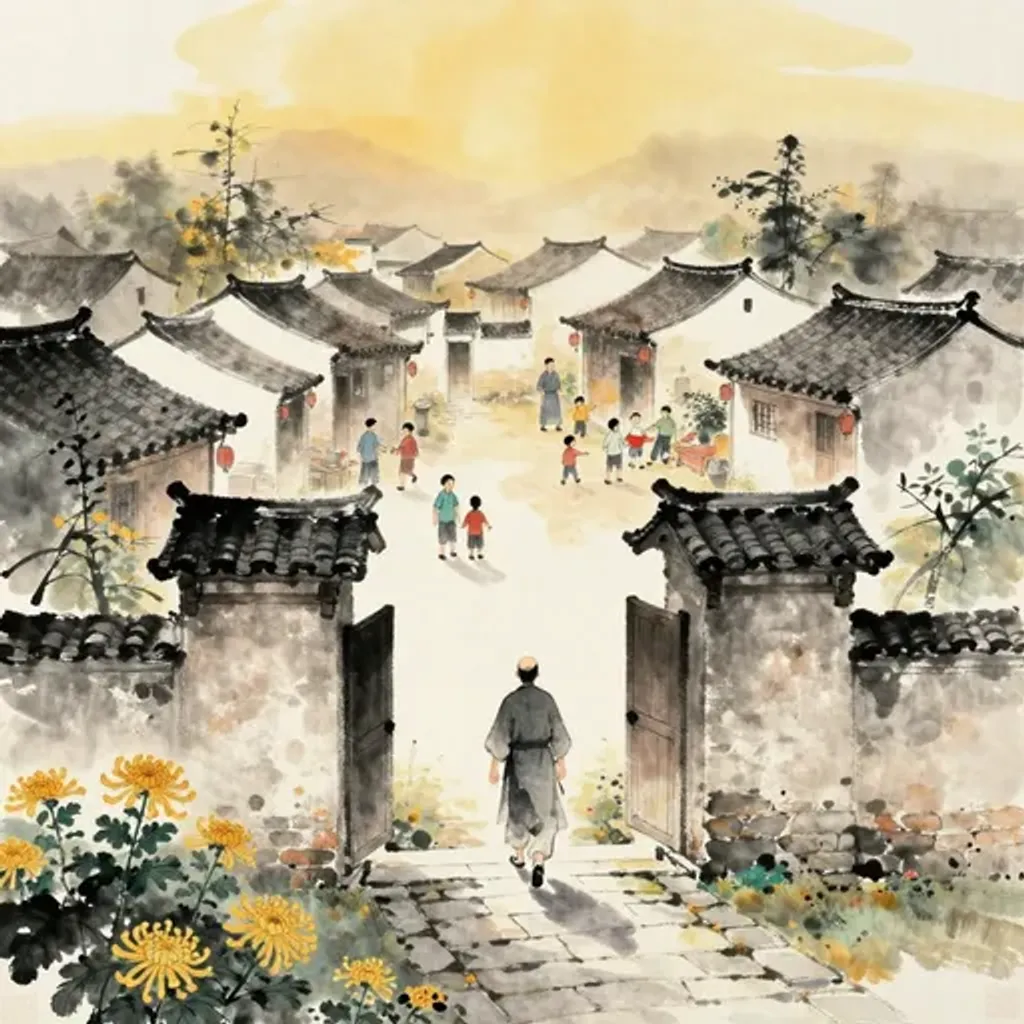
溫仁君子,忠孝所在。八國為鄰,禍災不處。
A warm and benevolent noble man, the seat of loyalty and filial piety. Eight states are his neighbors; calamity and disaster find no dwelling here.
— Jiao Yanshou, Yilin (Forest of Changes), 1st century BC
Commentary
Wind from fire transmits the family's virtue outward, and here that virtue creates a zone of safety. A warm and benevolent gentleman, steadfast in loyalty and filial piety, is surrounded by eight neighboring states, and disaster finds no foothold among them. The 'eight states as neighbors' suggests a network of alliances built on moral reputation rather than military threat. Virtue itself becomes a protective perimeter. From The Family to Return, thunder stirs within the earth as the first yang line reappears after darkness. Return signifies the moment when goodness reasserts itself at the base of things. The gentleman's warmth is that returning yang: not dramatic power but quiet moral presence that keeps misfortune at bay by simply being what it is.
家人 → 无妄
Hexagram 37 → Hexagram 25: Innocence
Changing lines: 3, 4
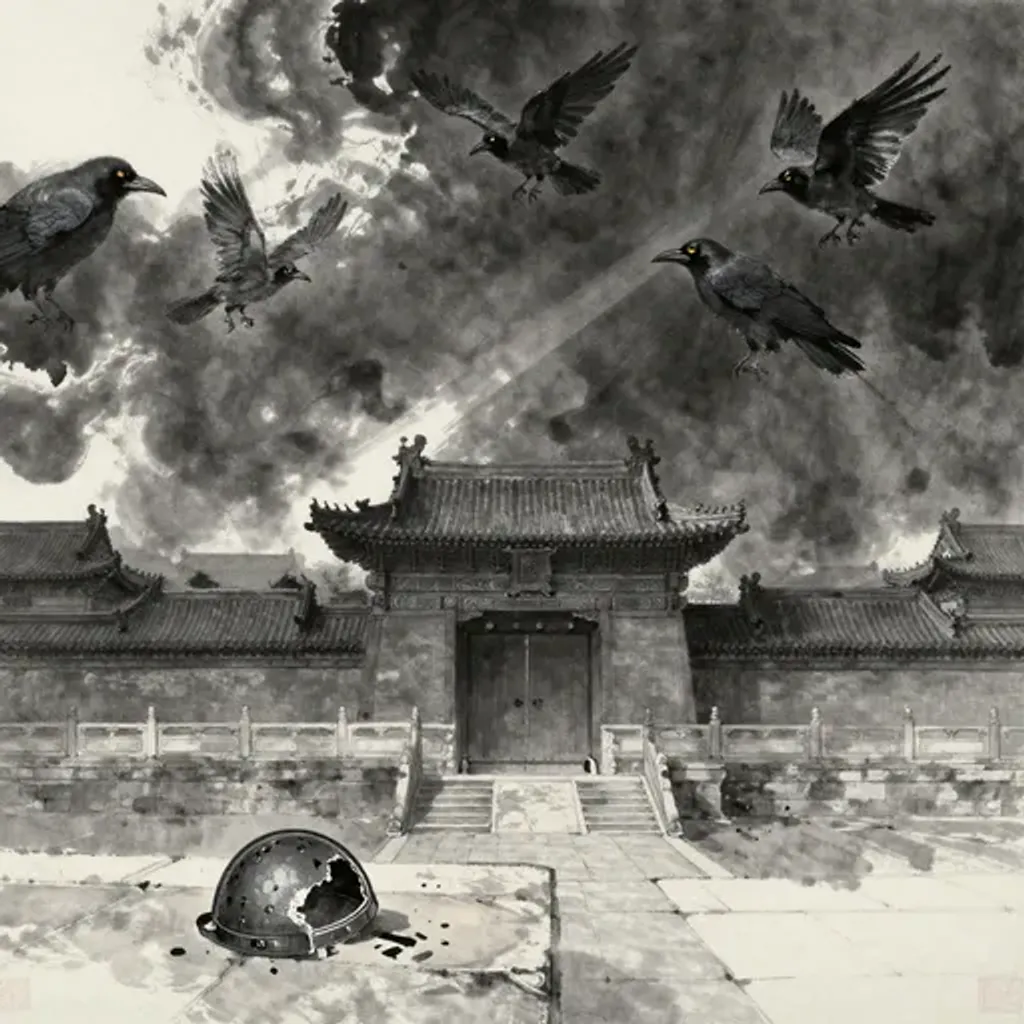
威權分離,烏夜徘徊。群蔽目光,大人誅傷。
Power and authority are torn apart; crows pace back and forth in the night. The flock blinds all sight; the great man is struck down.
— Jiao Yanshou, Yilin (Forest of Changes), 1st century BC
Commentary
Wind from fire illuminates the family's governance, but here authority fragments and darkness descends. Power and prestige are split apart; crows circle restlessly in the night. The crowd obscures clear vision, and the great man is harmed and punished. The nocturnal crows suggest ominous forces gathering — in Han-dynasty omen lore, crows roosting at unusual hours signal political treachery. When legitimate authority is divided, predators circle in the darkness and the just ruler becomes a victim. From The Family to Innocence, heaven's thunder moves through all things without error. Innocence means acting in alignment with heaven's spontaneous order. This verse shows what happens when that natural order is violated: the division of authority creates a void where sinister forces thrive and innocence itself is persecuted.
家人 → 大畜
Hexagram 37 → Hexagram 26: Great Taming
Changing lines: 2, 5
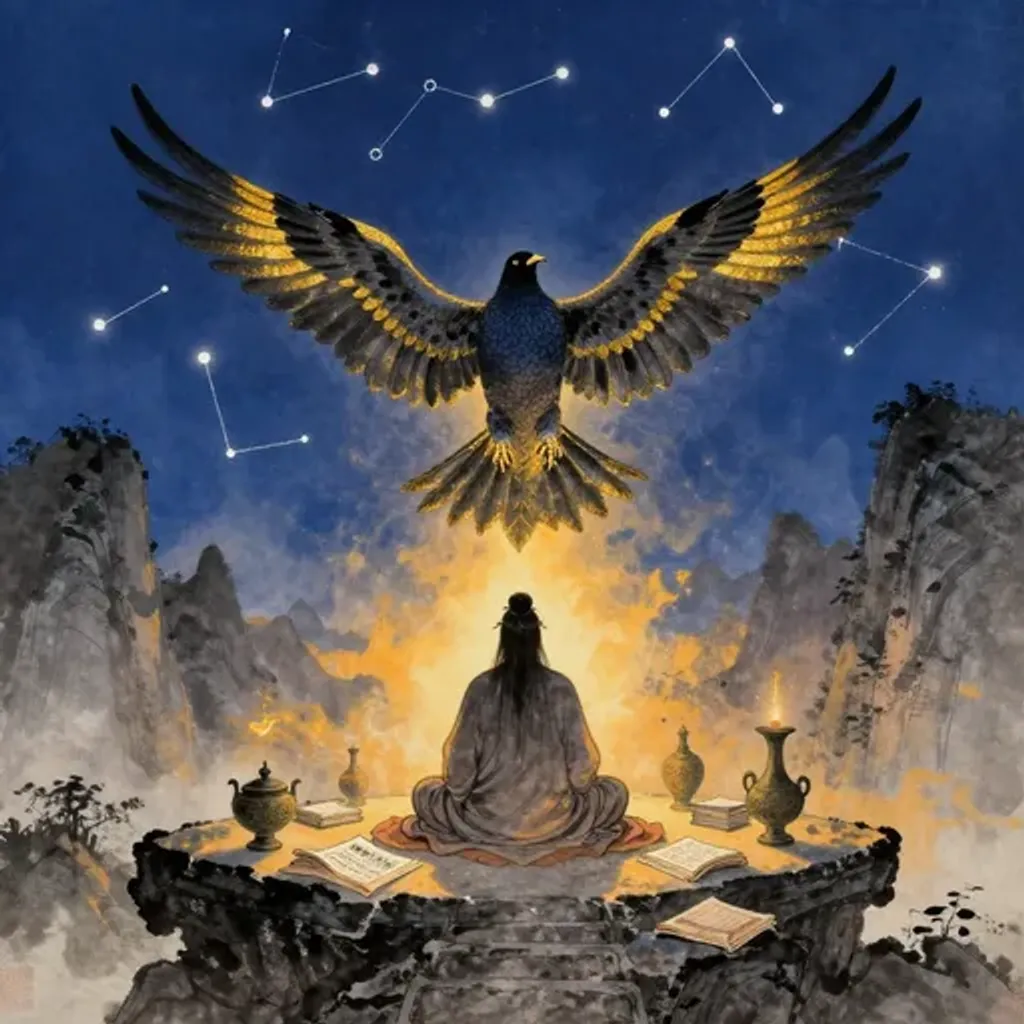
學靈三年,聖且明神。先知善祥,吉喜福慶。神烏來見,告我無憂。
Studying the numinous for three years, sage-like and divinely illumined. He foreknows auspicious signs; joy, blessings, and good fortune. A divine bird appears, telling us to be without worry.
— Jiao Yanshou, Yilin (Forest of Changes), 1st century BC
Commentary
Wind from fire nourishes learning within the family, and here three years of spiritual study yield sagely illumination. The student becomes holy and divinely perceptive, able to foresee auspicious signs. Blessings and joy accumulate, and a divine bird appears to announce freedom from worry. The three-year period of study echoes classical prescriptions for mastering a discipline — neither hasty nor endless, but a defined commitment that transforms the student. The divine bird's visitation confirms that this learning has aligned the student with heaven's pattern. From The Family to Great Taming, the mountain stores heaven within, accumulating wisdom through study of the ancients. The transformation deepens the family's scholarly tradition: what was once domestic instruction becomes a treasury of knowledge so vast it draws celestial affirmation.
家人 → 頤
Hexagram 37 → Hexagram 27: Nourishment
Changing lines: 3, 5
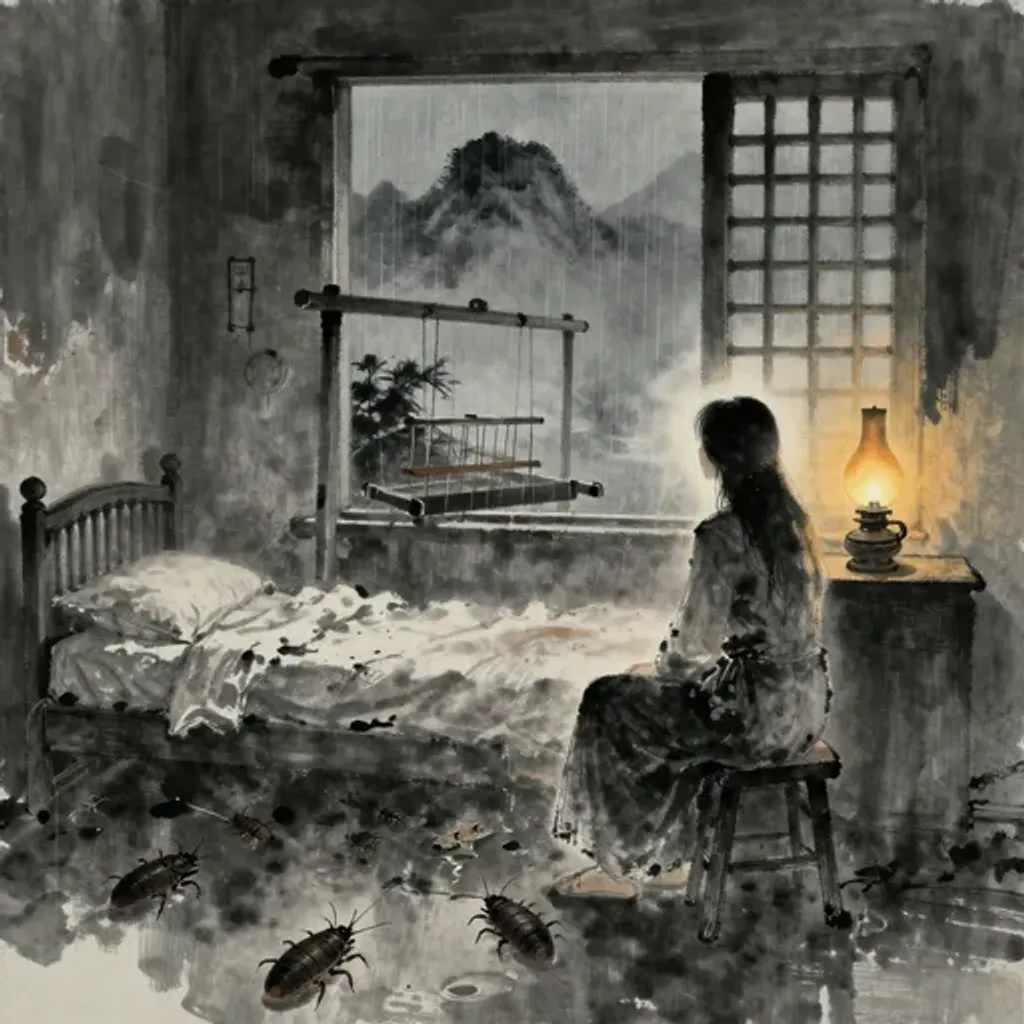
東山家辭,處婦思夫。伊威盈室,長股羸戶。歎我君子,役日未已。
The ballad of Dongshan bids farewell to home; the wife left behind longs for her husband. Woodlice fill the chamber, crane flies crowd the door. She sighs for her lord; his days of service are not yet done.
— Jiao Yanshou, Yilin (Forest of Changes), 1st century BC
Commentary
Wind from fire defines the family's bonds, but here those bonds are stretched by prolonged absence. The verse explicitly invokes the Shijing poem 'Dongshan' — a soldier's wife waiting at home while her husband serves in the Duke of Zhou's eastern campaign. Sowbugs fill the empty rooms; crane flies haunt the doorways. She sighs for her absent lord: 'His service has no end in sight.' The household decays in the husband's absence — insects colonize what human presence once kept orderly. From The Family to Nourishment, the mountain stands above thunder in watchful stillness. Nourishment demands careful attention to what sustains life; this wife sustains her household through patient waiting, but patience has its limits. The imagery of insects reclaiming domestic space warns that even devoted nourishment cannot hold indefinitely against absence.
家人 → 大過
Hexagram 37 → Hexagram 28: Great Exceeding
Changing lines: 1, 2, 4, 6
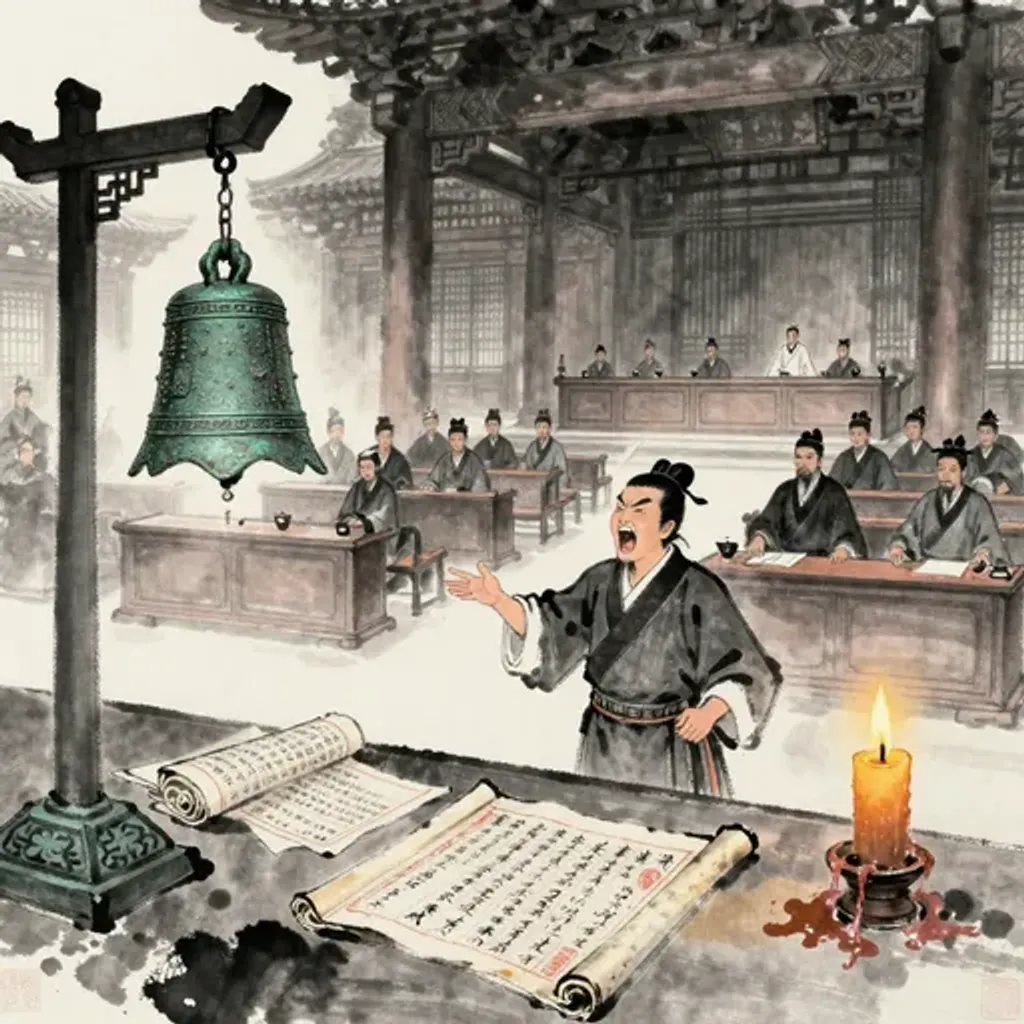
張頷開口,舌直距齒。然諾不行,政亂无緒。
Jaw thrust open, tongue stiff against the teeth. Promises are not kept; governance is chaos without order.
— Jiao Yanshou, Yilin (Forest of Changes), 1st century BC
Commentary
Wind from fire gives the family its voice, but here that voice becomes grotesque and impotent. A gaping jaw stretches wide, the tongue rigid against the teeth — the image of someone trying desperately to speak with authority but producing only empty noise. Promises and agreements are not honored; governance dissolves into chaos with no coherent direction. The physical distortion of the open mouth mirrors political dysfunction: the instruments of communication are present but malformed, producing sound without meaning. From The Family to Great Exceeding, the lake overwhelms the trees — pressure exceeds the structure's capacity to bear it. The ridgepole sags. When words lose their binding power, the entire framework of trust that holds a household together buckles under the weight of broken promises.
家人 → 坎
Hexagram 37 → Hexagram 29: The Abysmal Water
Changing lines: 1, 2, 3, 6
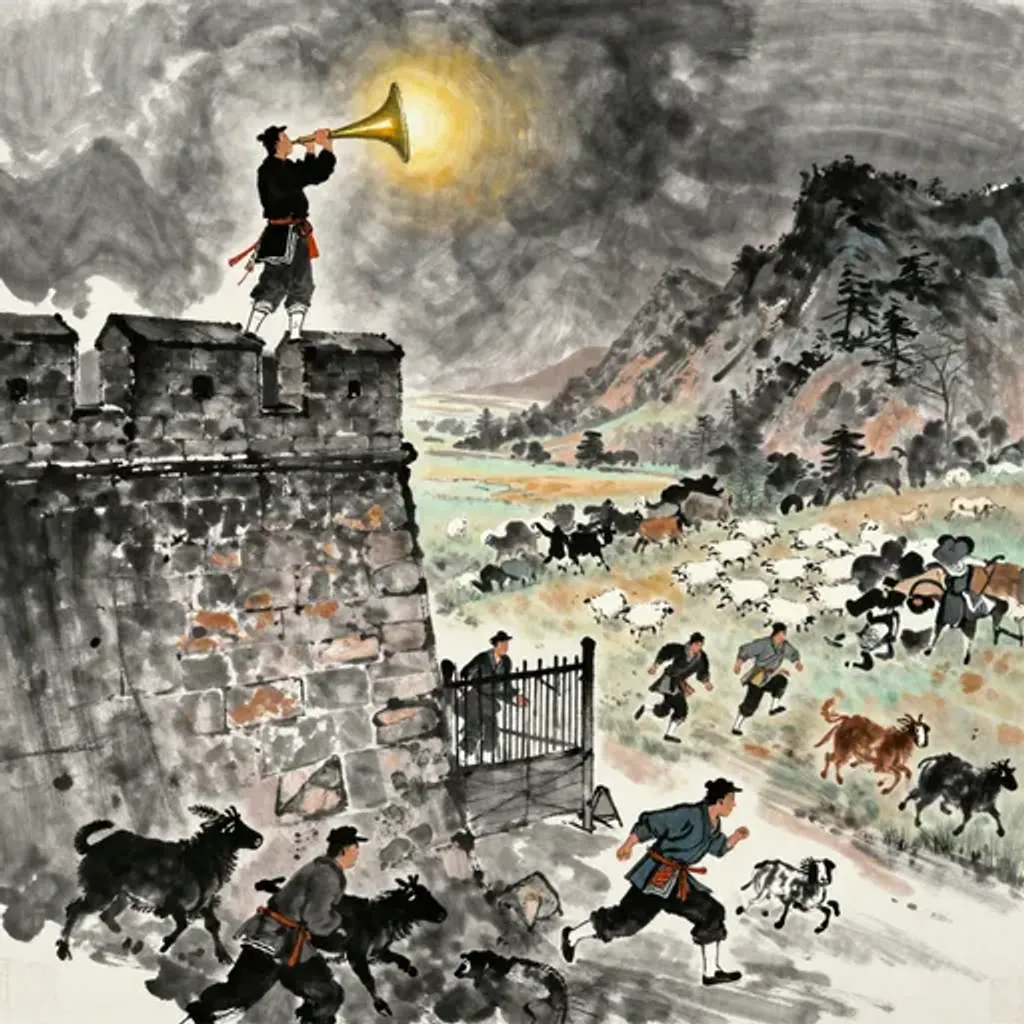
吹角高邦,有夫失羊。眾民驚惶,警慎避咎,勑不行殃。
Horns blow from the high citadel; a man has lost his sheep. The people are alarmed and frightened; with caution they avoid the fault, and disaster does not fall.
— Jiao Yanshou, Yilin (Forest of Changes), 1st century BC
Commentary
Wind from fire stirs the family to alertness. Horns blow across the high walls of the city as a shepherd loses his flock. The people are startled and frightened, but through vigilance and caution they avoid disaster, and the command does not bring calamity. The alarm horn is an ancient warning system — its blast mobilizes the household and community to respond to approaching danger. The lost sheep suggests an initial lapse, but the response is swift and disciplined. From The Family to The Abysmal, water upon water doubles the danger. Yet the verse shows how the abyss is navigated: not by avoiding fear but by channeling it into protective action. The people's alarm becomes their salvation; they heed the horn and survive because they do not freeze.
家人 → 離
Hexagram 37 → Hexagram 30: The Clinging Fire
Changing lines: 4, 5
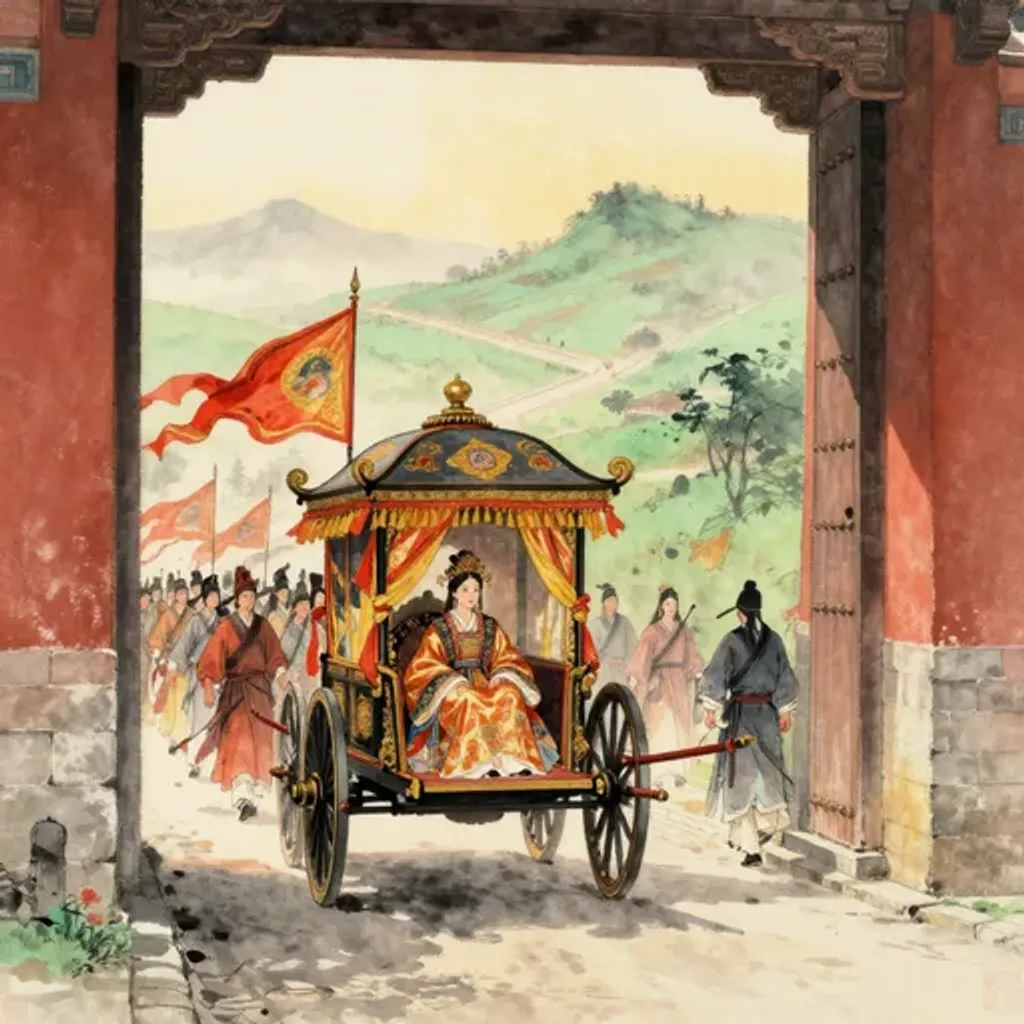
南行出城,世得福祉。王姬歸齊,賴其所欲。
Traveling south out of the city, the age gains its blessings. Princess Wang Ji returns to Qi, obtaining all she desires.
— Jiao Yanshou, Yilin (Forest of Changes), 1st century BC
Commentary
Wind from fire sends the family forth on an auspicious journey. Traveling south through the city gates, the world receives blessings. A Zhou princess marries into the state of Qi, and she obtains what she desires. The southward direction in Han-dynasty cosmology signals brightness and flourishing; departing through the city gate marks a formal transition. The royal marriage — a princess given in alliance — represents the family's highest diplomatic function: binding states through kinship. From The Family to The Clinging, doubled fire illuminates all directions. The Clinging attaches to what is bright and sustaining; the princess who marries well clings to a worthy match, and her household's light doubles as it joins another. Two fires together illuminate farther than either alone.
家人 → 咸
Hexagram 37 → Hexagram 31: Influence
Changing lines: 1, 4, 6
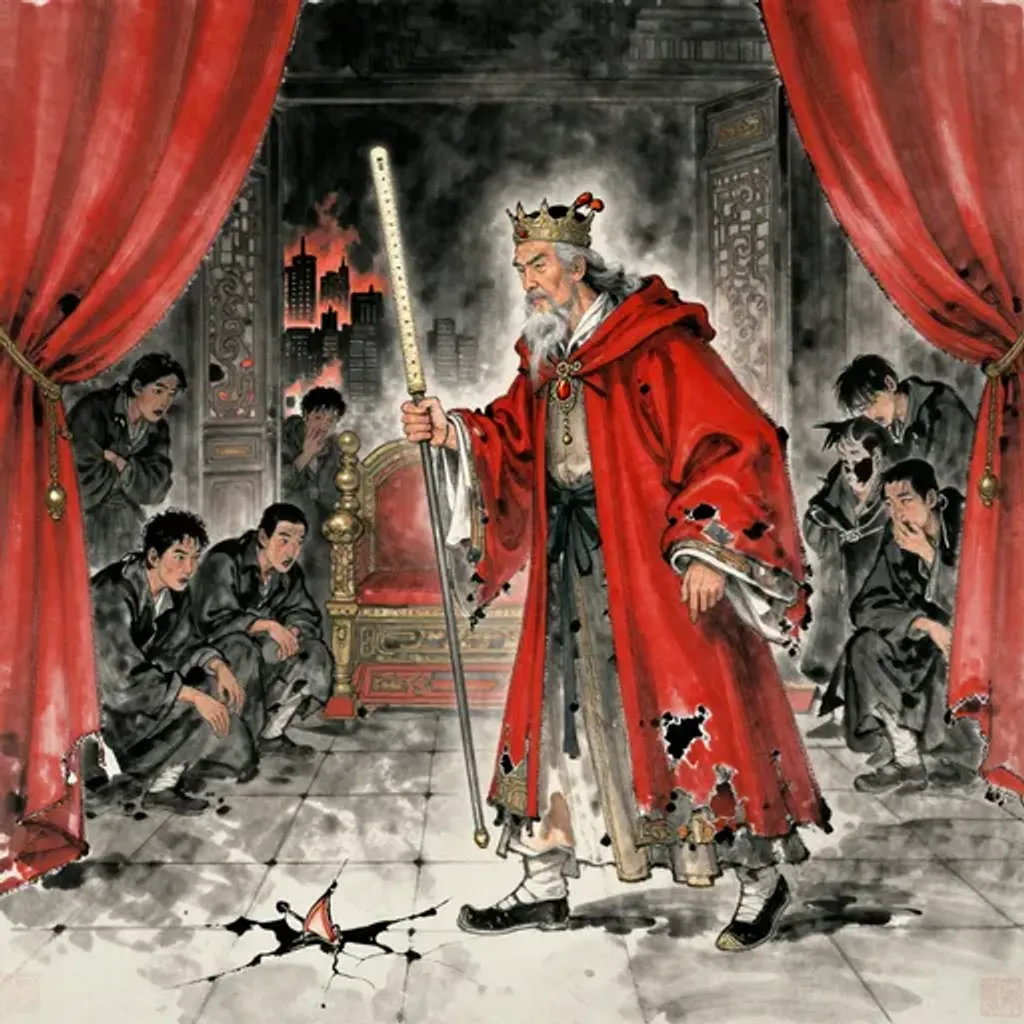
心狂老悖,視聽聳類。政令无常,下民多孽。
The mind is wild, the elder perverse; sight and hearing are confused. Decrees and commands are without constancy; the people below breed manifold sins.
— Jiao Yanshou, Yilin (Forest of Changes), 1st century BC
Commentary
Wind from fire should convey the family's steady counsel, but here the ruling figure has lost all composure. The heart is mad, the mind senile; what is seen and heard becomes distorted and unreliable. Decrees and policies shift without consistency, and the people below multiply their transgressions. The portrait is of a ruler whose mental deterioration poisons governance from the top down — when the head of household cannot perceive clearly, every instruction becomes arbitrary. From The Family to Influence, the lake rests atop the mountain, creating mutual sensitivity through emptiness and receptivity. But influence requires a mind capable of receiving impressions accurately; this maddened ruler receives only distortions, and his erratic responses ripple outward as chaos rather than harmony.
家人 → 恆
Hexagram 37 → Hexagram 32: Duration
Changing lines: 1, 2, 4, 5, 6
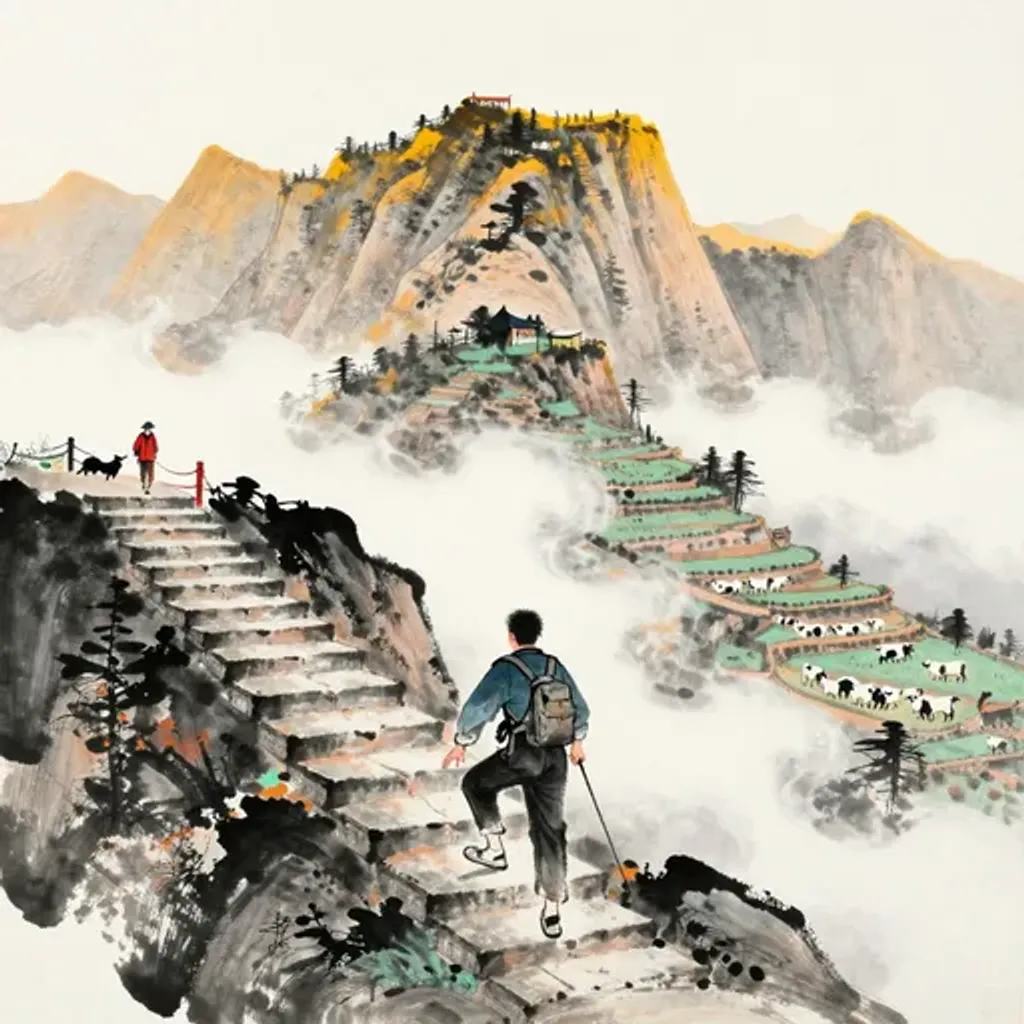
安上宜官,一日九遷。踰群超等,牧養恆山。
Secure in rank and suited to office, promoted nine times in a single day. Surpassing his peers and leaping above his rank, he shepherds the lands of Heng Mountain.
— Jiao Yanshou, Yilin (Forest of Changes), 1st century BC
Commentary
Wind from fire establishes the family's reputation, and here that reputation propels remarkable advancement. Secure in high position and well-suited to office, the official is promoted nine times in a single day. He surpasses his peers and rises above all ranks, appointed to govern the pastures of Mount Heng — one of the Five Sacred Mountains. The 'nine promotions in one day' is a classical formula for meteoric ascent in the bureaucracy, signaling both extraordinary talent and extraordinary favor. From The Family to Duration, thunder and wind reinforce each other in an enduring pattern. Duration is not mere persistence but consistent direction maintained through change. The official's rapid rise endures because it is grounded in genuine competence; his governance of the sacred mountain sustains what others merely administer.
家人 → 遯
Hexagram 37 → Hexagram 33: Retreat
Changing lines: 1, 4
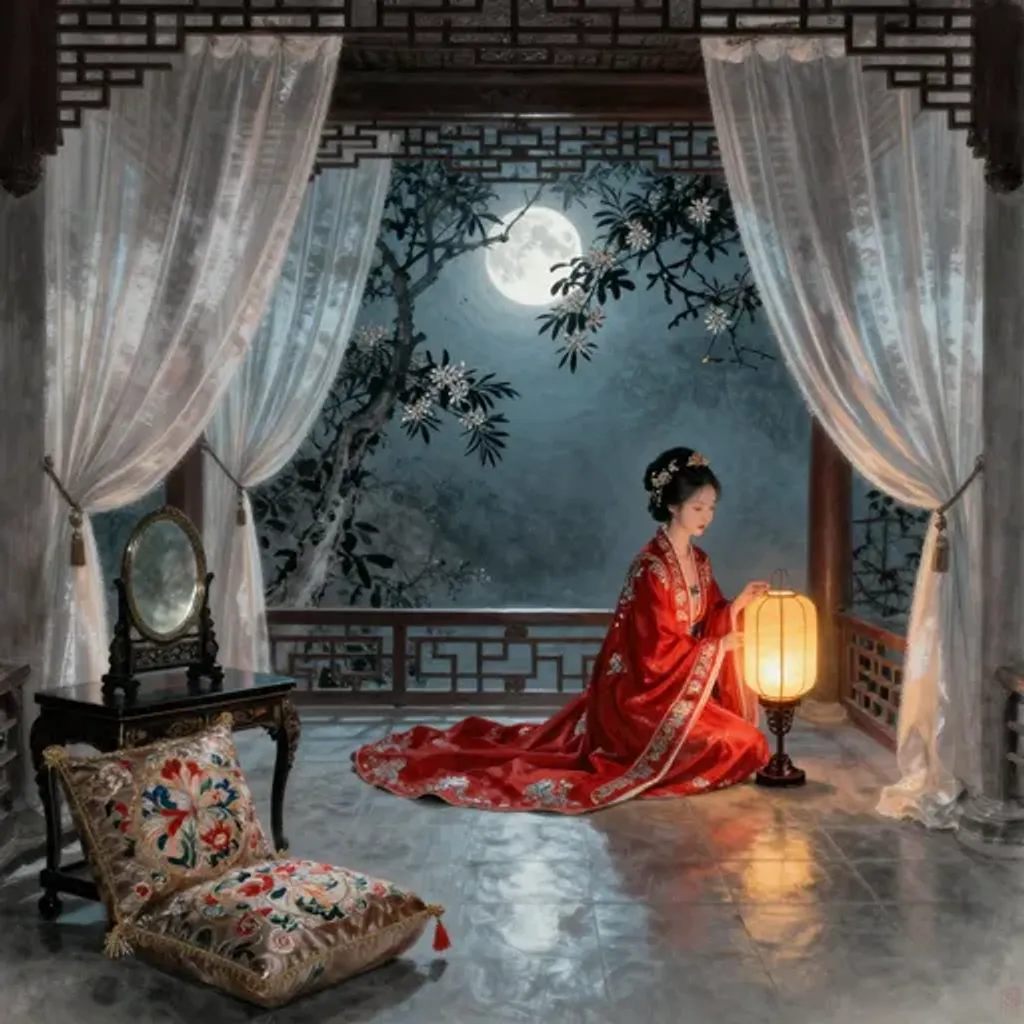
東鄰嫁女,為王妃后。莊公築館,以尊王母,歸于京師,季姜悅喜。
Deep in the embroidered chamber, lamplight on the bride's red ornaments. Before the courtyard, a cassia tree; the autumn moon fills the hall.
— Jiao Yanshou, Yilin (Forest of Changes), 1st century BC
Commentary
Wind from fire illuminates the family's marital bonds. The original verse reads: 'The eastern neighbor's daughter marries and becomes queen consort. Duke Zhuang builds a pavilion to honor the king's mother. She returns to the capital, and Lady Jijiang is delighted.' This describes a diplomatic marriage at the highest level — a woman from an allied state becoming consort and receiving formal recognition through the construction of a ceremonial residence. The verse celebrates marriage as political alliance and family honor achieved through proper ritual. From The Family to Retreat, heaven rises above the mountain in dignified withdrawal. The bride who enters the palace paradoxically embodies retreat's principle: she leaves her natal family behind, and in that graceful departure, her family's prestige is elevated rather than diminished.
家人 → 大壯
Hexagram 37 → Hexagram 34: Great Power
Changing lines: 2, 4, 5, 6
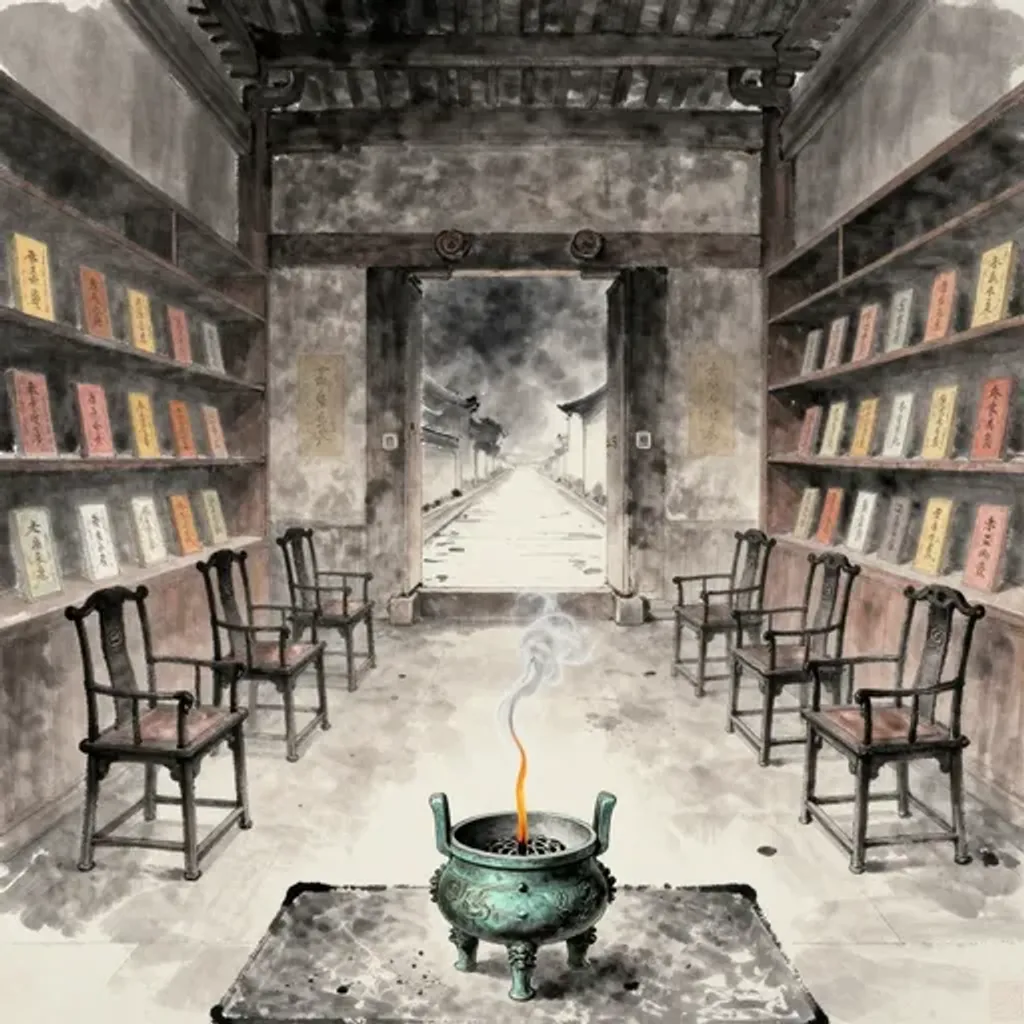
六甲無子,己喪其戊。五丁不親,庚失曾孫,癸走出門。
The six jia have no sons; ji has lost its wu. The five ding are estranged; geng has lost its grandchildren; gui walks out the door.
— Jiao Yanshou, Yilin (Forest of Changes), 1st century BC
Commentary
Wind from fire orders the family through generational bonds, but here the Heavenly Stems — the cosmological markers of kinship — unravel entirely. The six jia cycle produces no sons; the ji day loses its wu partner. The five ding days refuse kinship; geng loses its grandchildren; gui flees through the gate. The verse uses the Stem-Branch system as a metaphor for family dissolution: each Stem represents a generational or relational role, and each one fails or departs. The cosmic clock that should synchronize the family's continuity breaks down completely. From The Family to Great Power, thunder above heaven surges with irresistible force. Yet power without lineage is power without legacy — the thunderous strength of Great Power means nothing if there are no heirs to carry it forward.
家人 → 晉
Hexagram 37 → Hexagram 35: Progress
Changing lines: 1, 3, 4, 5
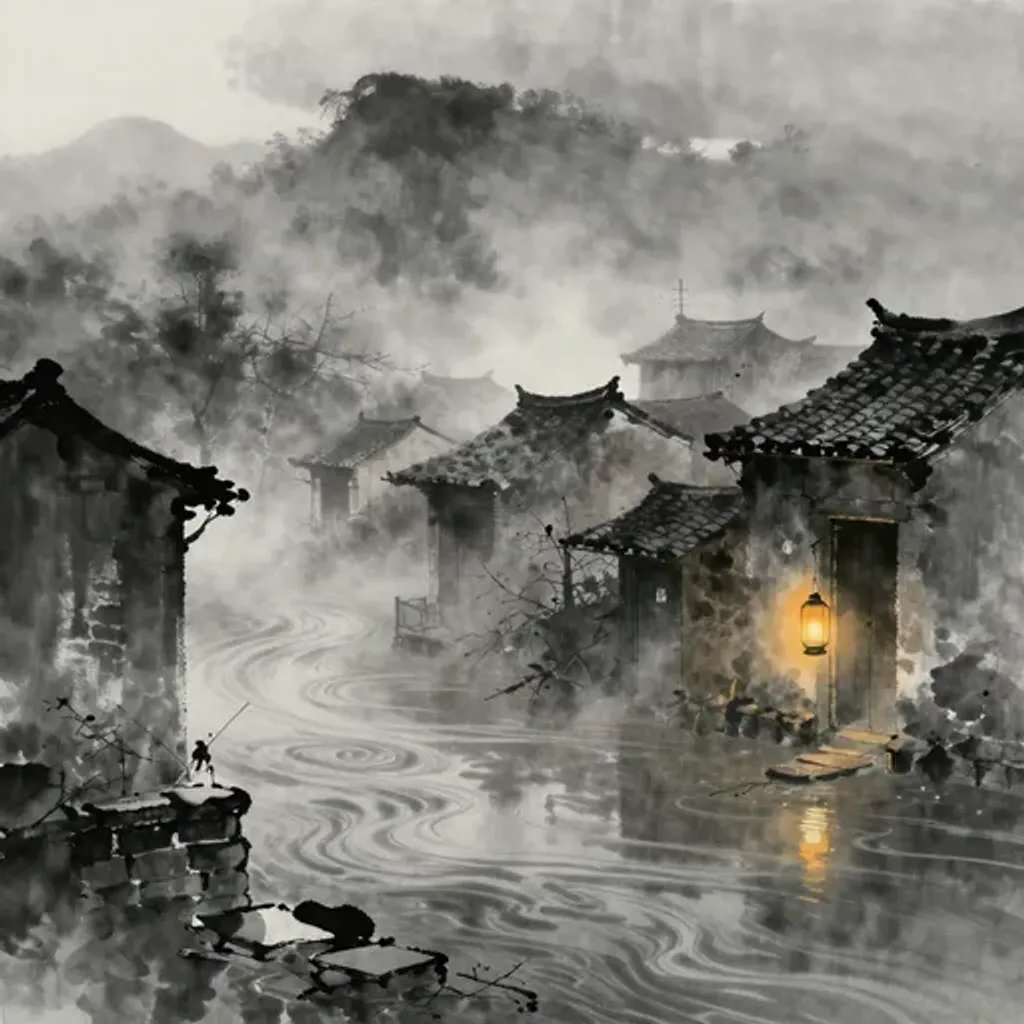
陰霧不清,濁政亂民。孟秋季夏,水壞我居。
Dark fog will not clear; turbid governance throws the people into disorder. Late summer into early autumn; floodwater ruins our dwelling.
— Jiao Yanshou, Yilin (Forest of Changes), 1st century BC
Commentary
Wind from fire should bring clarity to the family's vision, but here fog and murky governance obscure everything. Yin mist refuses to clear; corrupt administration confuses the people. Then in late summer and early autumn, floodwaters destroy the home. The seasonal detail is precise — the transition from meng qiu to ji xia marks the period when summer rains can swell rivers beyond their banks. Political corruption and natural disaster converge: muddied governance produces muddied waters, and the family home is swept away. From The Family to Progress, fire rises above the earth to illuminate with clarifying brilliance. But the verse depicts the antithesis of progress — advancement blocked by opacity. Progress demands that light emerge from darkness; here the darkness thickens, and the flood completes what bad governance began.
家人 → 明夷
Hexagram 37 → Hexagram 36: Darkening of the Light
Changing lines: 5, 6
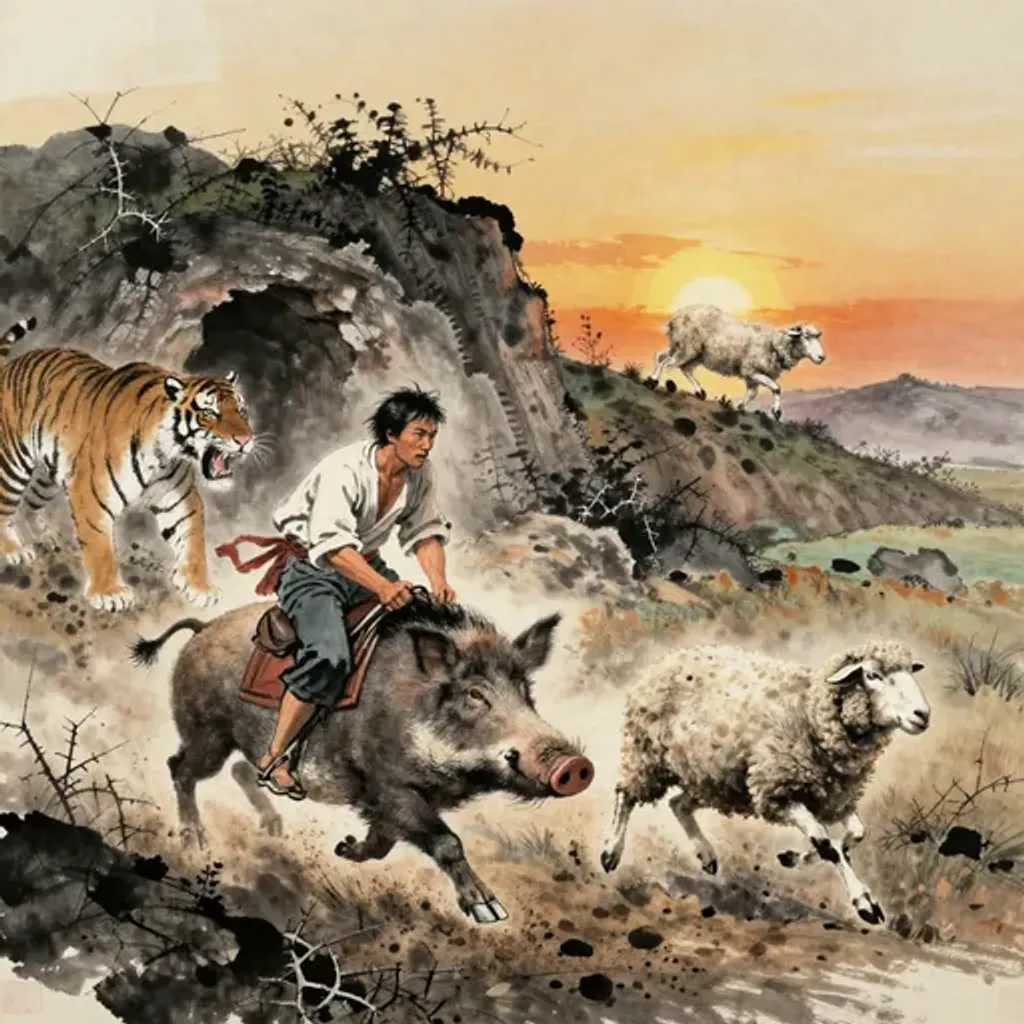
騎豚逐羊,不見所望。經涉虎廬,亡身失羔。
Riding a pig, chasing a sheep, he never catches what he seeks. He passes through the tiger's lair; he loses his life and the lamb.
— Jiao Yanshou, Yilin (Forest of Changes), 1st century BC
Commentary
Wind from fire should light the family's path, but here the light is darkened by futile pursuit. Riding a pig to chase a sheep — the mount is absurd and the quarry elusive. What was hoped for cannot be found. Then the traveler passes through a tiger's den and loses both life and lamb. The verse layers absurdity upon danger: not only is the pursuit ill-conceived, but the path itself leads through mortal peril. From The Family to Darkening of the Light, fire sinks beneath the earth as brightness is deliberately concealed. The wise person uses darkness strategically; but this verse shows someone who stumbles into darkness through foolishness rather than wisdom. The light is not hidden for protection — it is simply extinguished by reckless choices.
家人 → 家人
Hexagram 37 → Hexagram 37: The Family
No changing lines — the hexagram is unchanged
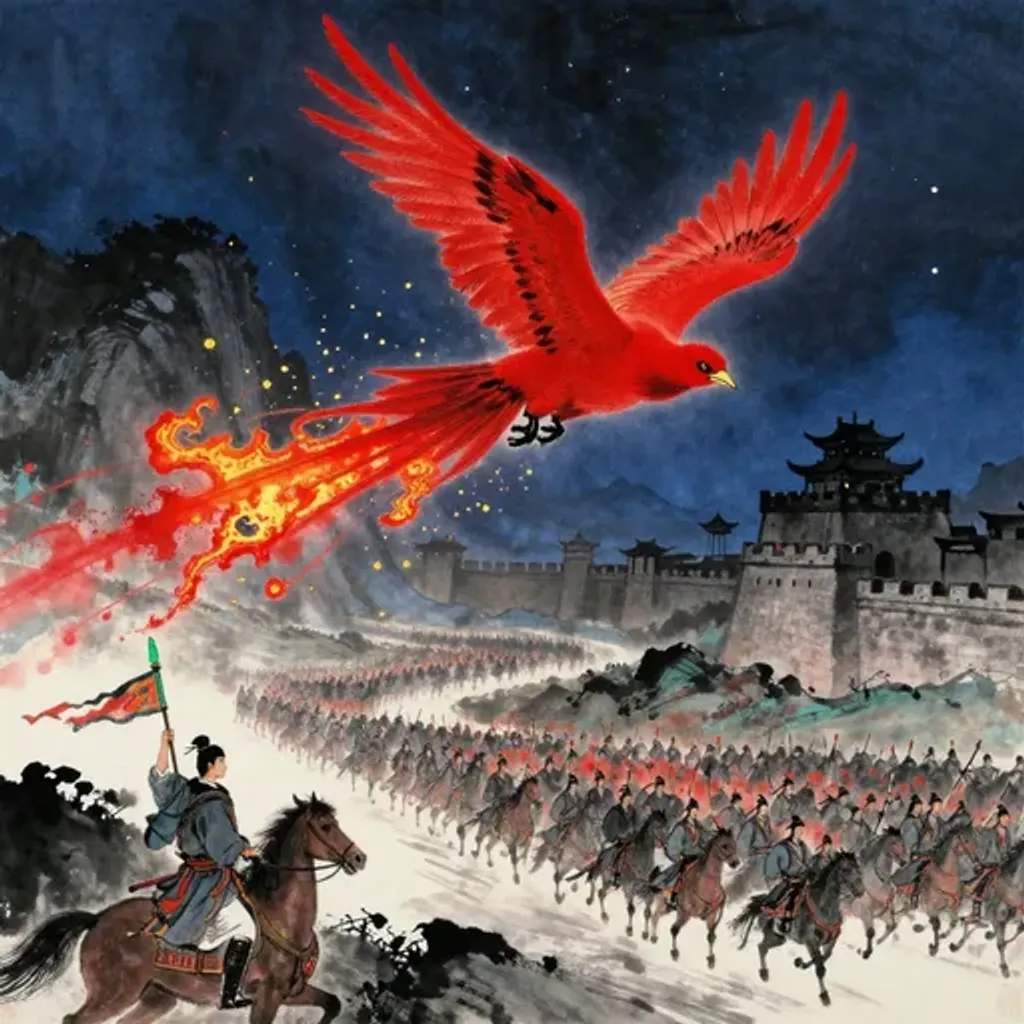
天命赤烏,與君徼期。征伐无道,誅其君傲,居止何憂?
Heaven commands the red bird, setting the appointed time with the lord. He campaigns against the lawless, executing their arrogant ruler. Where he dwells and rests, what worry is there?
— Jiao Yanshou, Yilin (Forest of Changes), 1st century BC
Commentary
Wind from fire returns to its own hearth: The Family transforms into itself. Heaven sends the Red Crow as an omen, granting the ruler a fixed appointment. He marches to punish the lawless and executes the arrogant tyrant — then settles peacefully with nothing to fear. The Red Crow (赤烏) is a celebrated portent associated with King Wu of Zhou's conquest of Shang: according to tradition, a fiery bird descended upon the king's tent as confirmation of heaven's mandate. The verse recapitulates the founding myth of proper governance: divine sanction, righteous conquest, and domestic peace. When The Family returns to itself, the message is that true household order rests on mandate from above, executed with justice, and culminating in the simple security of home.
家人 → 睽
Hexagram 37 → Hexagram 38: Opposition
Changing lines: 2, 3, 4, 5
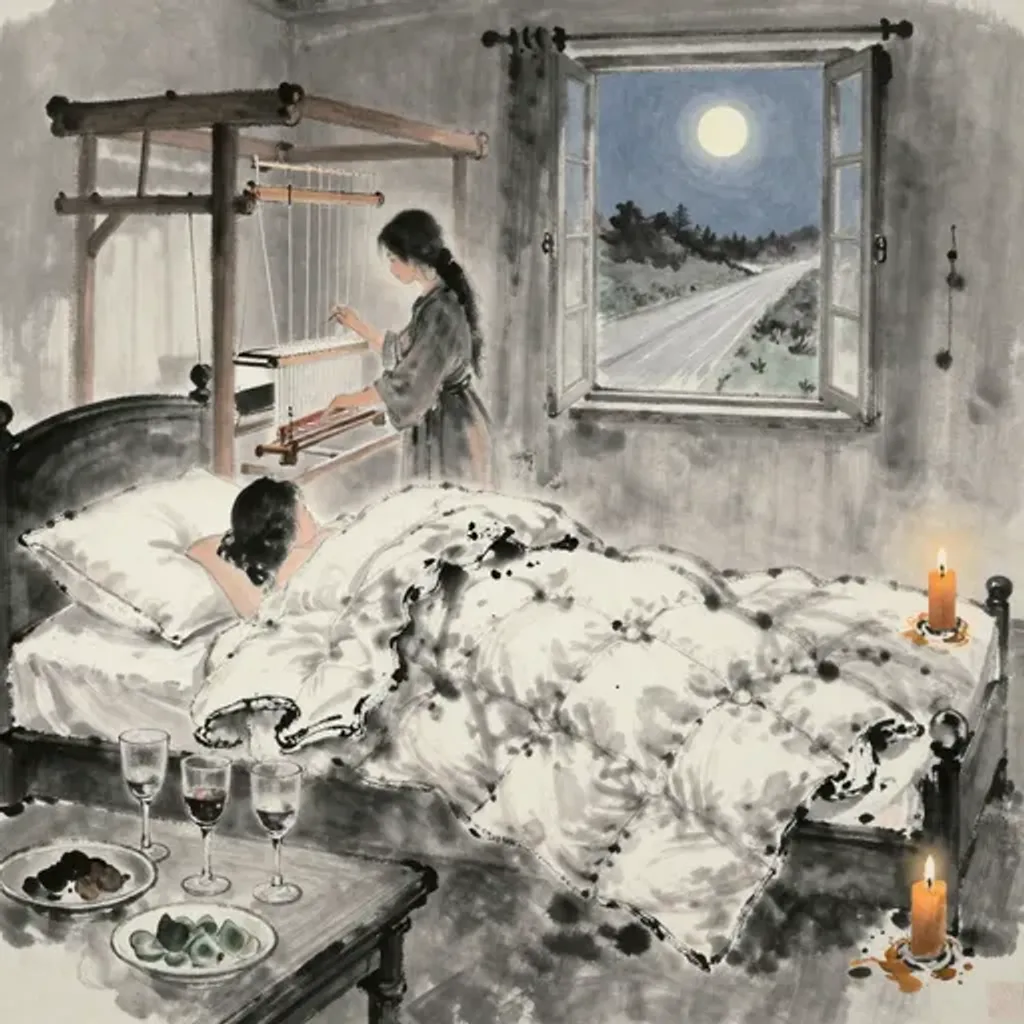
安床厚褥,不歸久宿。棄我喜宴,困於南國。投杼之憂,弗成禍災。
The bed made soft with thick quilts, yet he does not return to sleep. He abandons our glad feast, stranded in the southern land. The worry of throwing the shuttle; yet it does not become true disaster.
— Jiao Yanshou, Yilin (Forest of Changes), 1st century BC
Commentary
Wind from fire binds the family, but here the bonds are tested by separation and suspicion. A comfortable bed with thick quilts stands ready, yet the absent one does not return to sleep in it. The speaker's feast is abandoned; the traveler is stranded in the southern lands. Then comes the 'worry of the thrown shuttle' — an allusion to the story of Zeng Shen's mother: told three times that her son had killed a man, even she finally threw down her loom shuttle and fled in panic. Yet the verse resolves: the slander does not become a real disaster. From The Family to Opposition, fire above the lake pulls in contrary directions. Opposition creates estrangement, but estrangement need not become permanent rupture — if trust survives the test of rumor, the family can be restored.
家人 → 蹇
Hexagram 37 → Hexagram 39: Obstruction
Changing lines: 1, 6
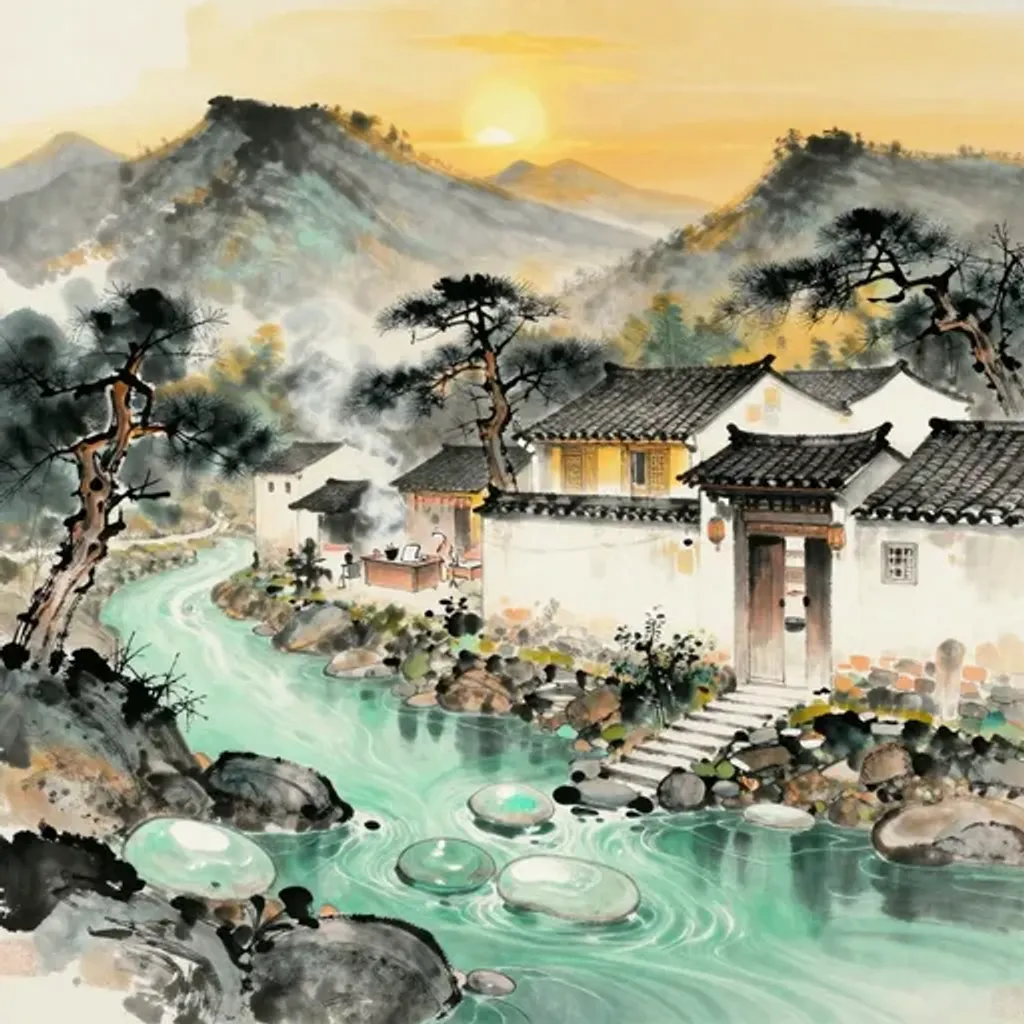
五方四維,平安不危。利以居止,保有玉女。
The five directions and four quarters, peaceful and without peril. Fit to dwell and settle; he keeps and holds a jade-like maiden.
— Jiao Yanshou, Yilin (Forest of Changes), 1st century BC
Commentary
Wind from fire extends the family's protective warmth in all directions. The five cardinal points and four corners of the world are peaceful and free from danger. The place is favorable for dwelling, and one retains a precious daughter. This is a verse of comprehensive security — not dramatic triumph but the quiet assurance that all quadrants are stable and the household is complete. The 'jade maiden' may represent either a literal daughter or a metaphor for something precious kept safe within the home. From The Family to Obstruction, water gathers upon the mountain, blocking the path forward. Yet the verse suggests that obstruction need not mean suffering: when the home is secure and the family intact, being unable to advance is not hardship but contentment. Sometimes the wisest response to obstruction is simply to stay where one is and cherish what one has.
家人 → 解
Hexagram 37 → Hexagram 40: Deliverance
Changing lines: 1, 2, 3, 4, 5, 6
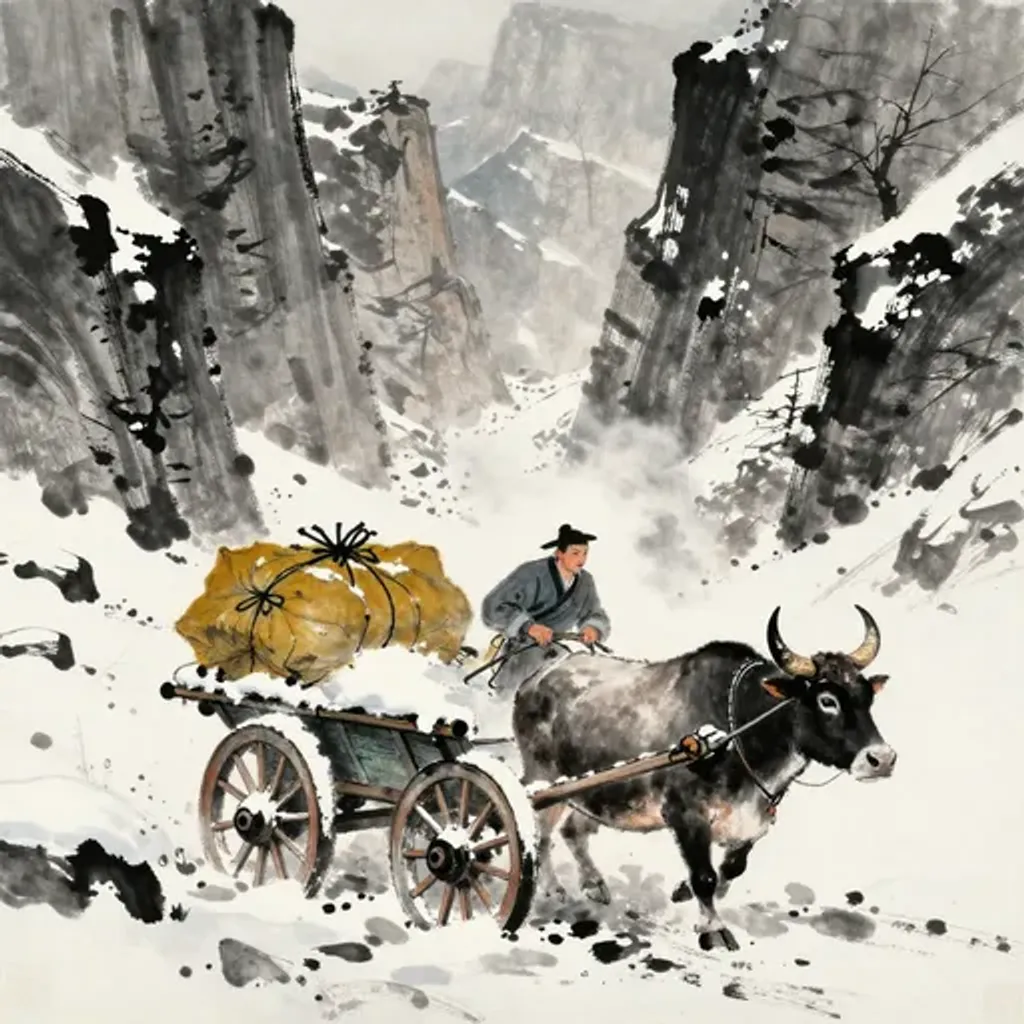
西賈巴蜀,寒雪至轂。欲前不得,復反其室。
Trading westward in Ba and Shu, cold snow reaches the axle hub. He cannot press forward; he turns back to his house.
— Jiao Yanshou, Yilin (Forest of Changes), 1st century BC
Commentary
Wind from fire sends the family merchant westward into the lands of Ba and Shu — modern Sichuan, famous for its treacherous mountain roads. But heavy snow buries the wagon axles, and the journey cannot continue. Unable to advance, the traveler turns back to his home. The verse captures the merchant's gamble: distant markets promise profit, but geography and weather have the final word. The snow at the axle is a vivid image of ambition literally frozen in place. From The Family to Deliverance, thunder and rain break open what was sealed. Deliverance releases tension and clears obstacles; the merchant's return home is itself a form of deliverance — abandoning the impossible journey allows frozen energy to thaw and find a new path.
家人 → 損
Hexagram 37 → Hexagram 41: Decrease
Changing lines: 2, 3, 5
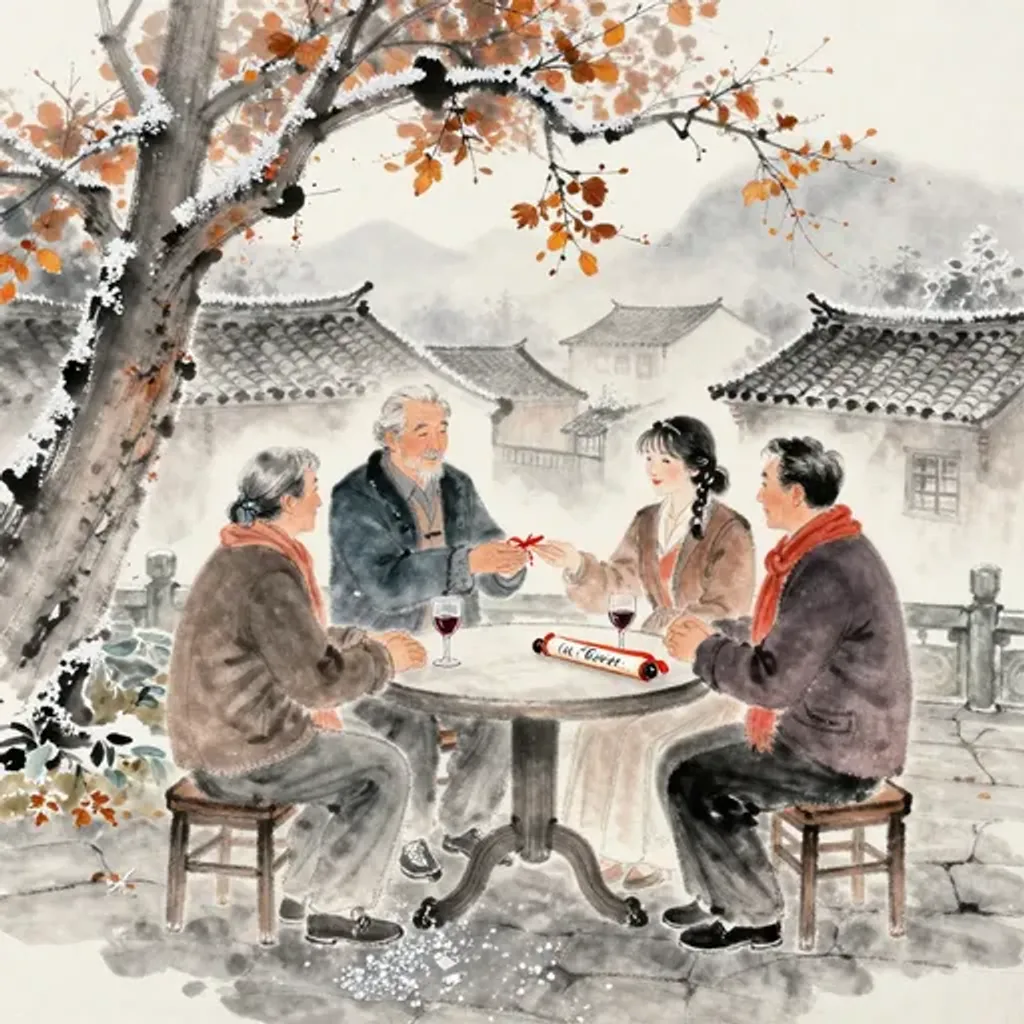
剛柔相呼,二姓為家。霜降既同,惠我以仁。
Hard and soft call to each other; two surnames form one family. The frost has fallen and they are joined; grace and benevolence are bestowed upon us.
— Jiao Yanshou, Yilin (Forest of Changes), 1st century BC
Commentary
Wind from fire joins two elements in the family hearth, and here that joining is made explicit through marriage. Hard and soft call to each other; two surnames unite as one household. When frost descends they share it together, and kindness is bestowed through mutual care. The 'hard and soft calling to each other' echoes the I-Ching's own language for the interplay of yang and yin lines — the structural principle that generates all hexagrams. Marriage is this principle made human: two complementary natures finding wholeness through union. From The Family to Decrease, the mountain rises above the lake as the lower diminishes to benefit the upper. Yet in marriage, decrease is not loss but willing sacrifice — each partner gives something up so that the household may gain.
家人 → 益
Hexagram 37 → Hexagram 42: Increase
Changing lines: 3
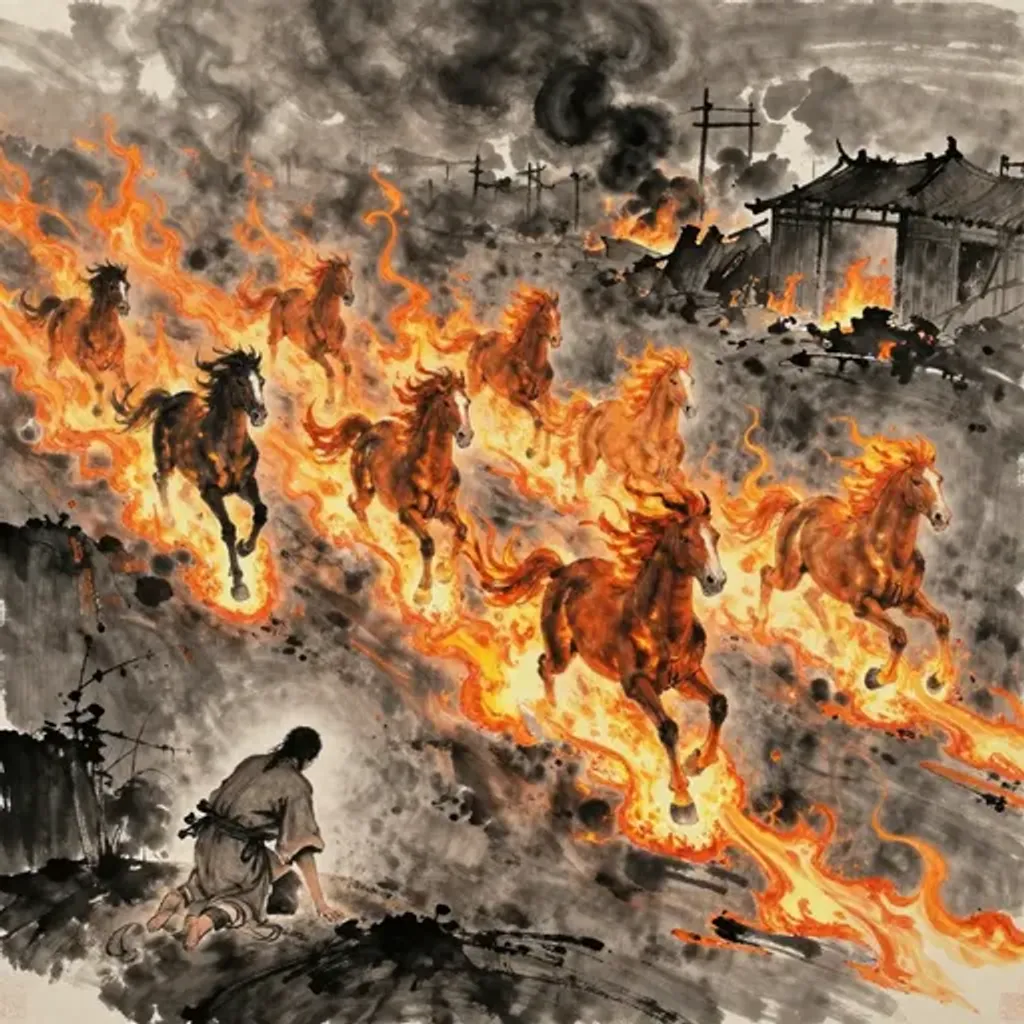
天馬五道,炎火分處。往來上下,住又駒亡。衣柔巾麻,相隨哭歌,凶惡如何?
Celestial horses on five roads, flames dividing their paths. Going up and coming down, the colt is lost in transit. Wearing soft cloth and hemp kerchief, weeping and singing follow each other — how dire is this evil?
— Jiao Yanshou, Yilin (Forest of Changes), 1st century BC
Commentary
Wind from fire scatters the family into confusion and mourning. Heavenly horses race along five roads while flames divide and spread. Movement up and down without rest, the young horse vanishes. Garments of soft cloth, towels of hemp — the mourning attire — accompany weeping and singing, and the verse asks: 'How terrible is this evil?' The imagery is chaotic and funereal: scattered fire, galloping horses, loss, and lamentation. The five roads suggest dispersal in all directions, and the funeral clothing confirms that death has entered the household. From The Family to Increase, wind and thunder revitalize through change. Yet this verse shows the grimmer face of transformation — increase sometimes comes only after devastating loss. The family must pass through mourning before renewal can begin.
家人 → 夬
Hexagram 37 → Hexagram 43: Breakthrough
Changing lines: 2, 4, 6
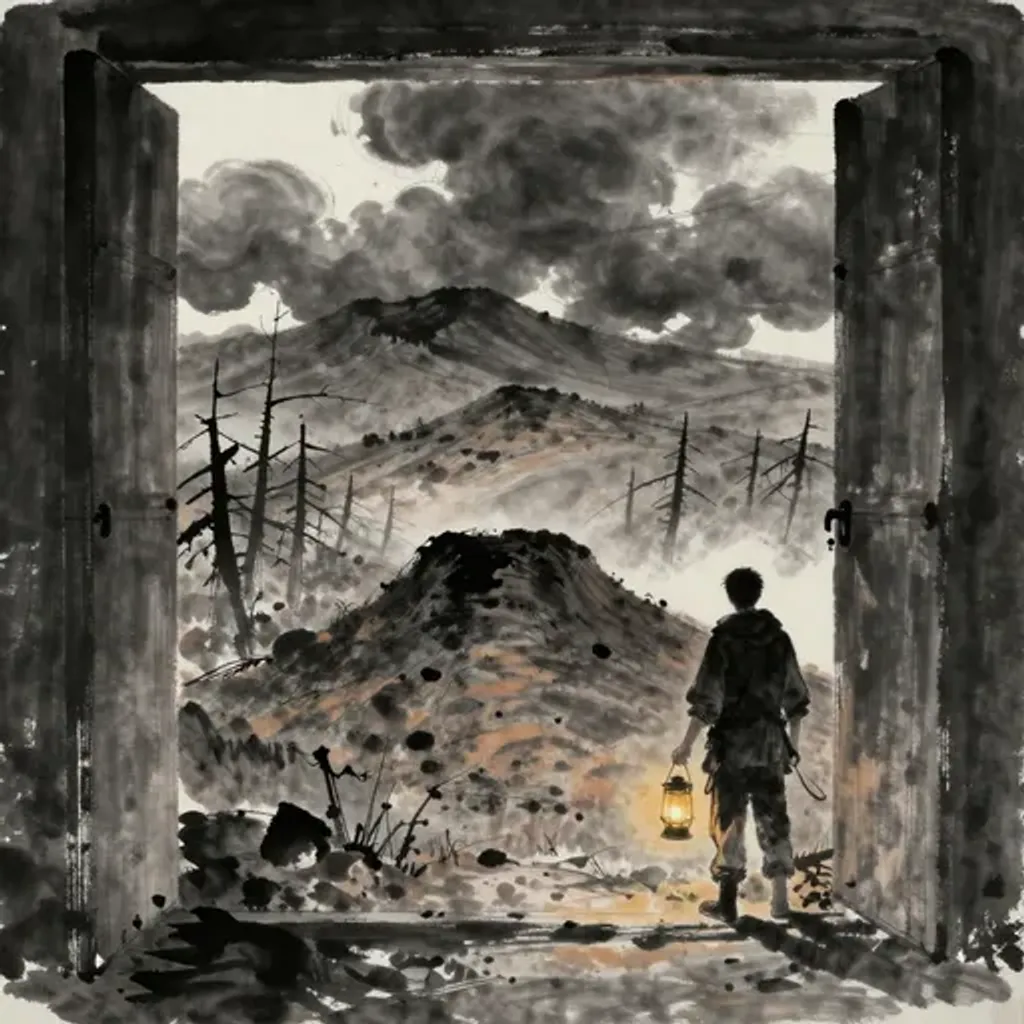
出門懷憂,東上禍丘。與凶相遇,自為災患。
He steps out the door bearing worry; eastward he climbs the hill of disaster. He meets with misfortune; by his own hand, calamity is made.
— Jiao Yanshou, Yilin (Forest of Changes), 1st century BC
Commentary
Wind from fire should guide the family outward with purpose, but here departure brings only anxiety. Stepping through the gate, the heart is filled with worry. Heading east, one climbs the hill of misfortune. Encountering evil, one becomes the author of one's own disaster. The verse maps a spatial progression of doom: out the door, uphill, and straight into calamity — each step deepening the trouble. The 'hill of misfortune' suggests a place from which there is no easy return. From The Family to Breakthrough, the lake rises above heaven in a dramatic upward surge. Breakthrough demands resolute action to remove what is harmful; but this verse shows someone who charges forward without discernment, breaking through into disaster rather than liberation.
家人 → 姤
Hexagram 37 → Hexagram 44: Coming to Meet
Changing lines: 1, 2, 4
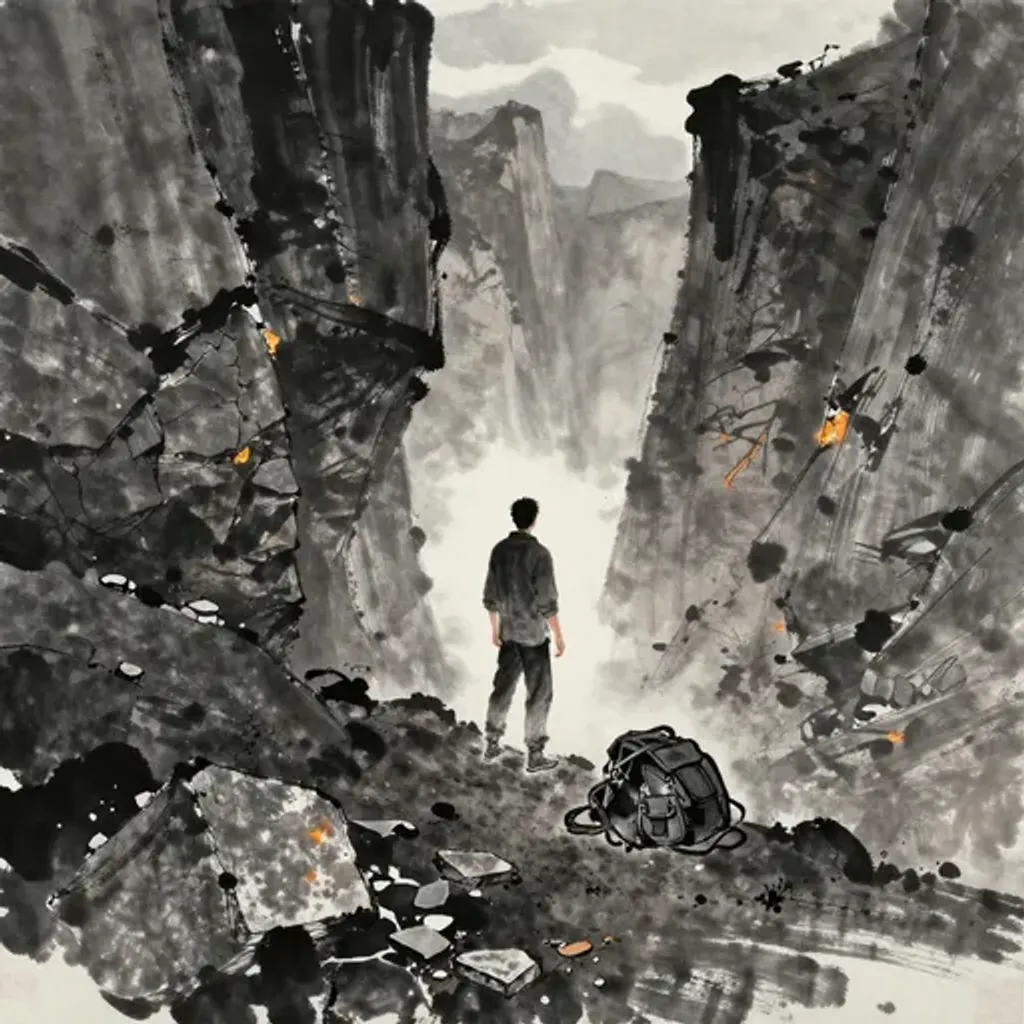
西行求玉,冀得隋璞。反見凶惡,使我驚惑。
Traveling west to seek jade, hoping to find the Marquis of Sui's uncut gem. Instead he meets with evil; it startles and confounds him.
— Jiao Yanshou, Yilin (Forest of Changes), 1st century BC
Commentary
Wind from fire sends the family westward in search of jade, hoping to obtain the precious uncut Sui stone — a reference to the famed Sui Pearl, one of antiquity's supreme treasures. But instead of jade, evil is encountered, leaving the traveler shocked and bewildered. The Sui treasure was legendary: the Marquis of Sui once saved a wounded serpent, which returned bearing a luminous pearl. To seek such a treasure and find only horror is a cruel inversion of the legend. From The Family to Coming to Meet, wind moves beneath heaven as an unexpected encounter occurs. Coming to Meet warns of the dark feminine principle rising unbidden; the traveler who expected a treasure instead meets something sinister. Not every encounter is fortunate, and not every westward journey leads to jade.
家人 → 萃
Hexagram 37 → Hexagram 45: Gathering Together
Changing lines: 1, 3, 4, 6
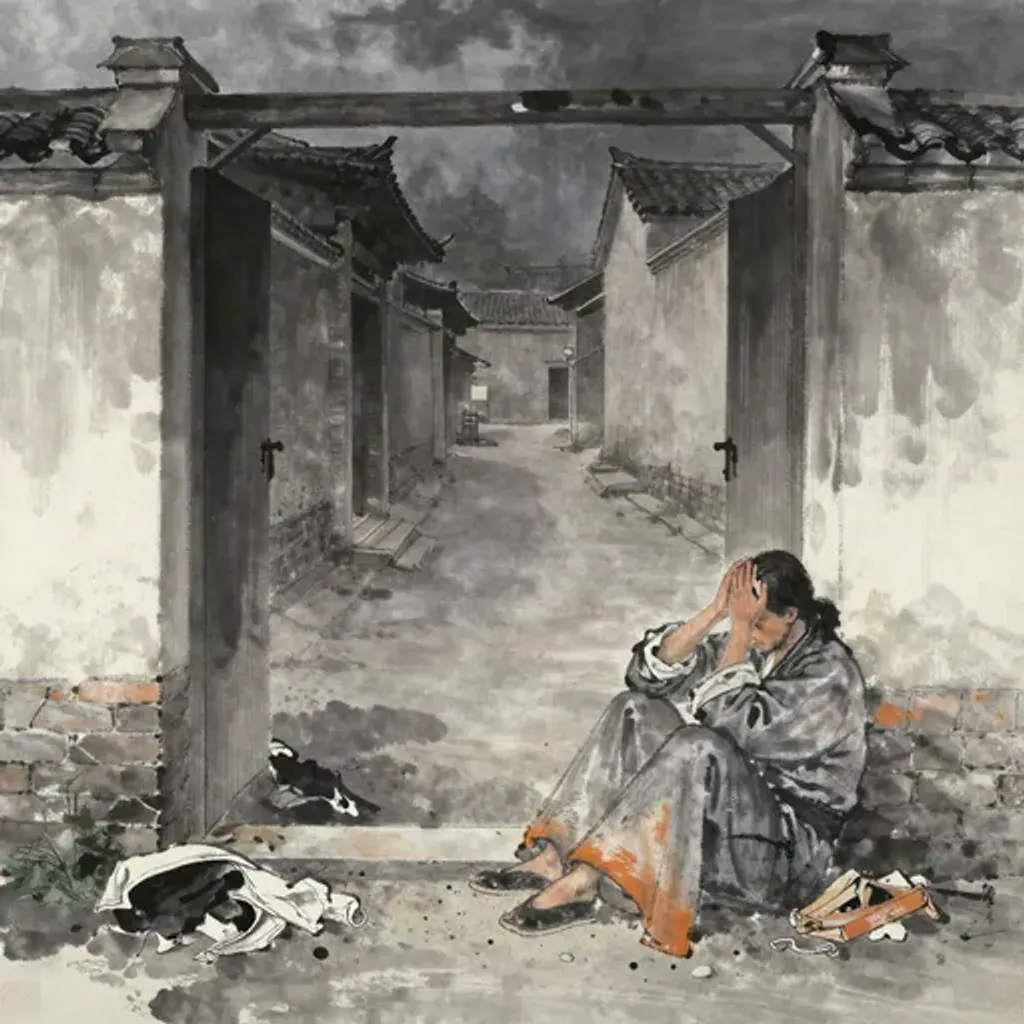
出門无妄,動作失利。銜憂懷禍,使我多悴。
He steps out the door into recklessness; every action brings loss. He holds worry in his mouth, bears disaster in his heart; it leaves us haggard and worn.
— Jiao Yanshou, Yilin (Forest of Changes), 1st century BC
Commentary
Wind from fire urges the family to venture forth, but every action outside the home brings misfortune. Going out the gate, nothing proceeds as expected — all movements lose their advantage. Carrying worry in the heart and harboring disaster in the breast, the speaker is worn down and exhausted. The verse describes a condition where the external world has become uniformly hostile: not one specific danger but a pervasive wrongness that turns every action sour. From The Family to Gathering, the lake collects upon the earth as people assemble in preparation for crisis. Gathering demands readiness — arms inspected, guard against the unexpected. This verse shows why: the world outside is treacherous, and only those who prepare before they step out can hope to survive what they find.
家人 → 升
Hexagram 37 → Hexagram 46: Pushing Upward
Changing lines: 1, 2, 5, 6
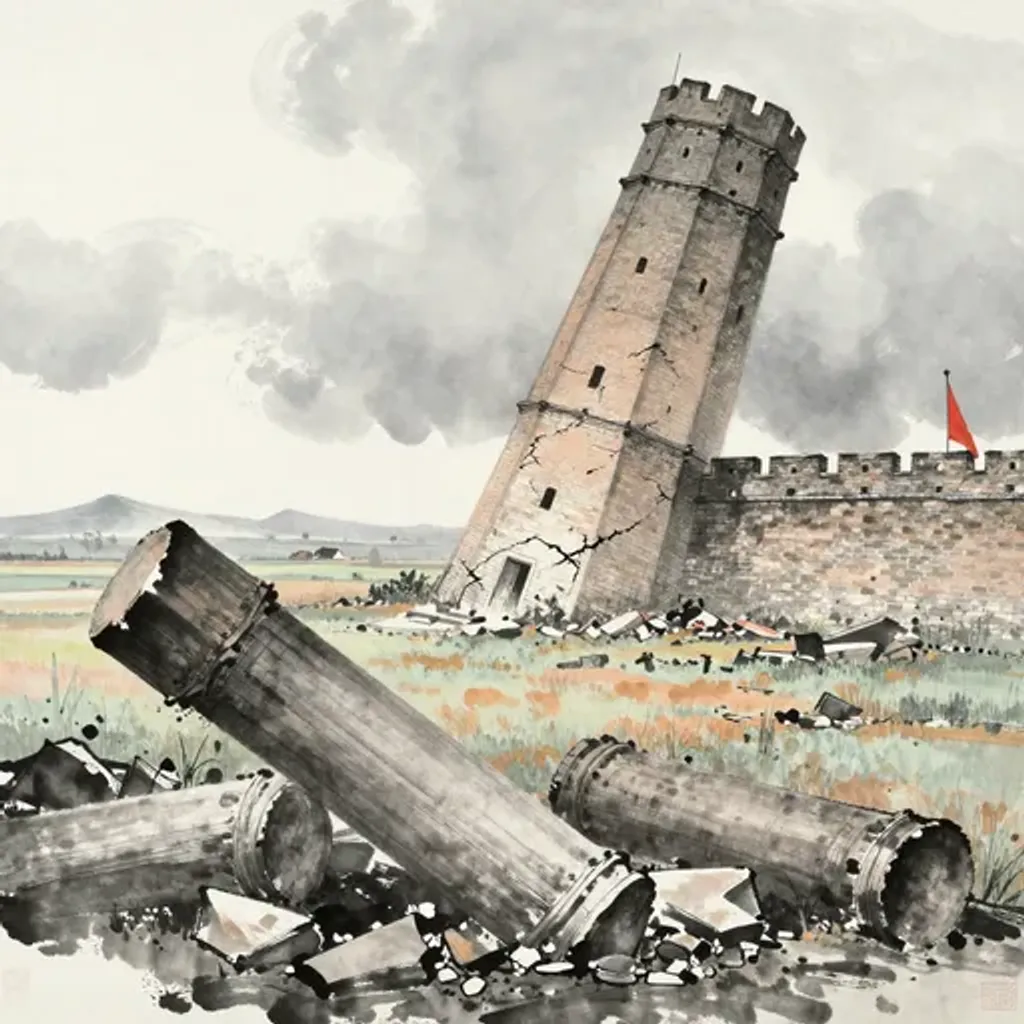
高樓無柱,顛僵不久。紂失三仁,身死牧野。
A tall tower without pillars will not stand long before it topples. Zhou lost his three humane ministers; his body perished at Muye.
— Jiao Yanshou, Yilin (Forest of Changes), 1st century BC
Commentary
Wind from fire orders the household, but a tall building without pillars cannot stand for long. The structure topples and collapses. King Zhou of Shang lost the Three Benevolent Ones — Weizi, Jizi, and Bigan — and died at Muye. The Three Benevolent Ones were the moral pillars of the Shang court: Weizi fled, Jizi feigned madness, and Bigan was executed for remonstrating. Without these supports, the dynasty's ridgepole had nothing to hold it up. From The Family to Pushing Upward, wood grows within the earth, rising gradually. Yet the verse inverts this promise: when the pillars that allow gradual ascent are removed, the structure does not rise — it crashes. Pushing Upward requires a foundation of supportive relationships; a tyrant who destroys his own pillars destroys his own capacity to ascend.
家人 → 困
Hexagram 37 → Hexagram 47: Oppression
Changing lines: 1, 2, 3, 4, 6
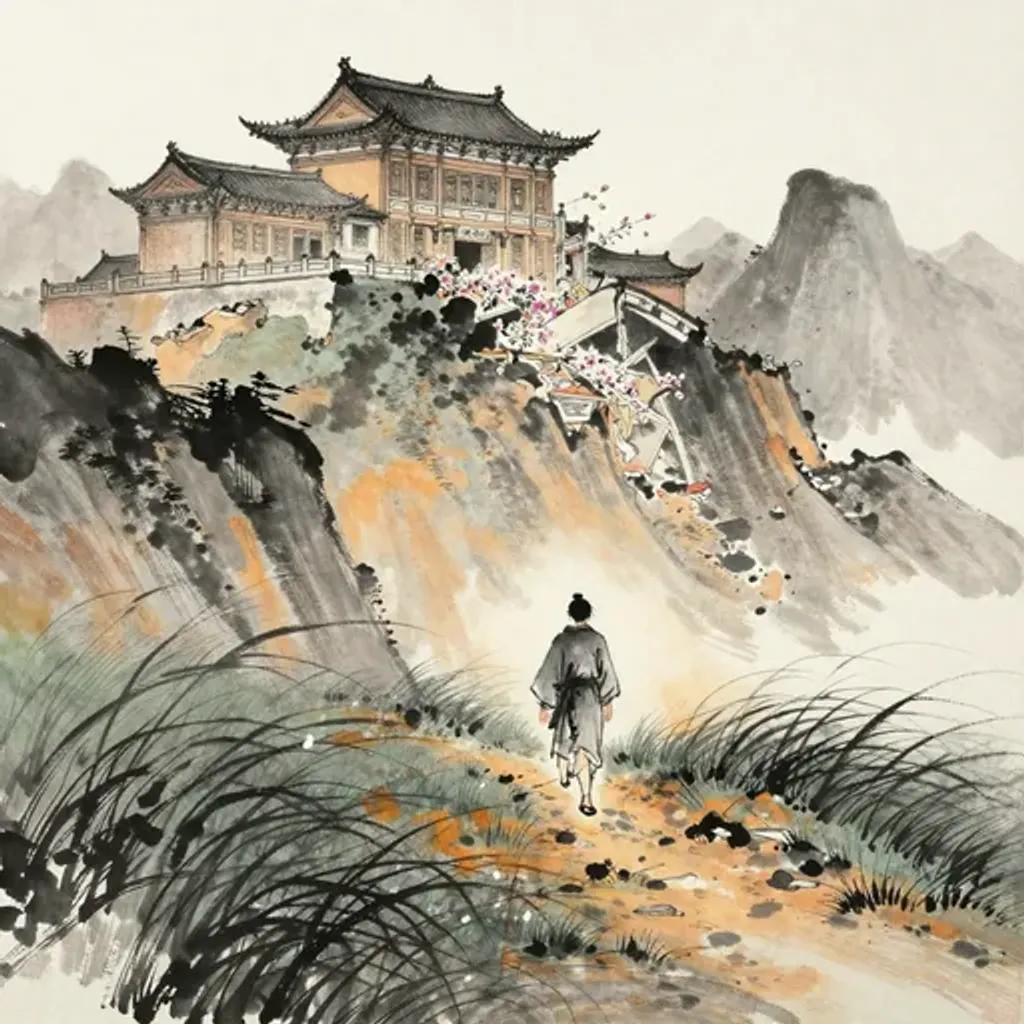
避禍逃殃,身外不傷。高貴疾顛,華落墮凶。
He flees disaster and escapes calamity; his person beyond it, unharmed. The high and noble rush headlong to ruin; splendor falls into misfortune.
— Jiao Yanshou, Yilin (Forest of Changes), 1st century BC
Commentary
Wind from fire warns the family to flee before disaster strikes. Those who avoid calamity and escape catastrophe keep their bodies unharmed. But the high and noble stumble from their heights, and their flowering splendor falls into ruin. The verse draws a sharp contrast between the nimble survivor and the proud figure who cannot adapt. Elevation itself becomes a liability — the higher one stands, the harder the fall. From The Family to Oppression, the lake drains its water and only emptiness remains. Oppression teaches that when resources are exhausted, only inner conviction sustains the will to continue. The family that recognizes danger early and retreats to safety embodies this wisdom; the proud family that refuses to descend from its perch is crushed by the very height it refused to leave.
家人 → 井
Hexagram 37 → Hexagram 48: The Well
Changing lines: 1, 2, 6
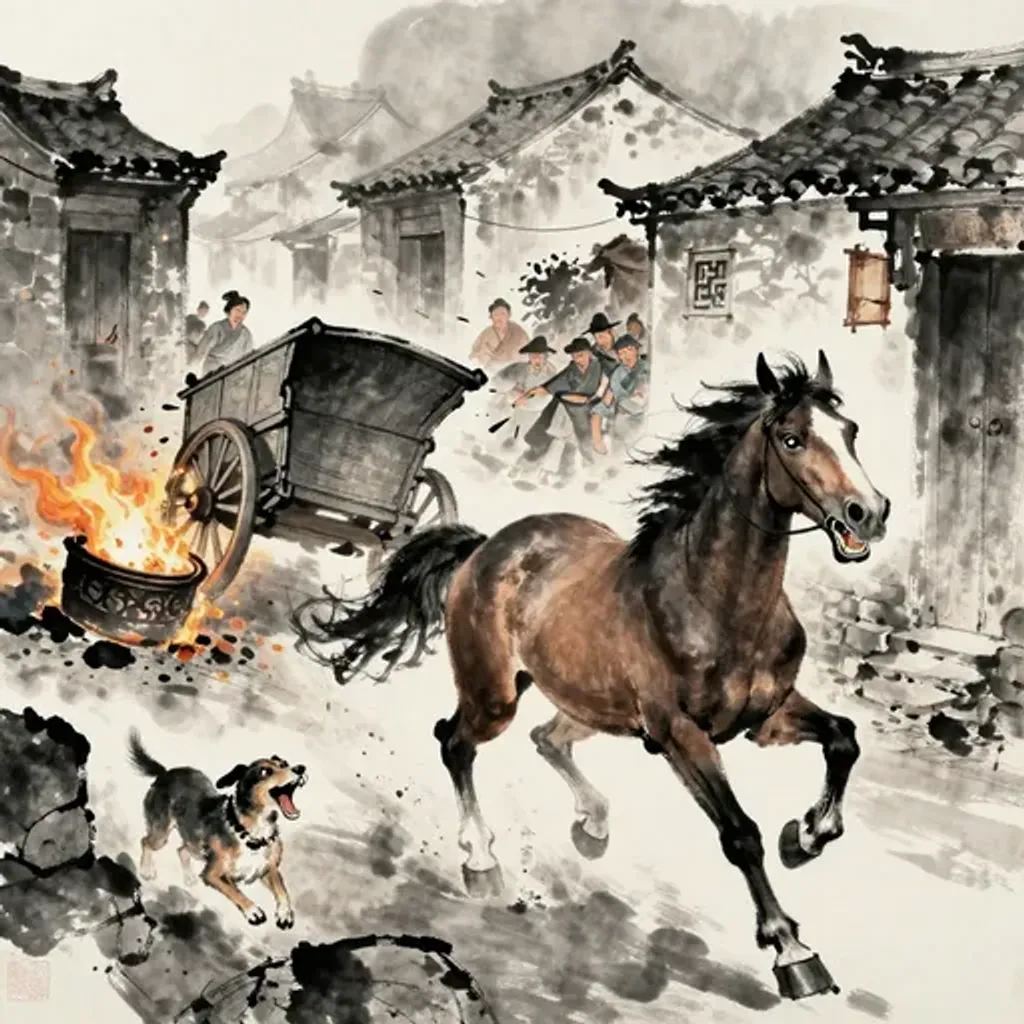
張牙反目,怒齚作怒。狂馬燒犬,道驚傷軫。
Baring fangs, rolling eyes, gnashing teeth in fury. A maddened horse, a scalded dog; the road is startled, the axle shattered.
— Jiao Yanshou, Yilin (Forest of Changes), 1st century BC
Commentary
Wind from fire should warm the family, but here the household erupts in animal fury. Bared fangs and glaring eyes, teeth clenched in rage — the image is of a domestic quarrel turned savage. A maddened horse and a scorched dog panic on the road, startling and damaging the carriage. The verse piles violent images: snapping jaws, crazed animals, broken wheels. What should be a stable household has become a menagerie of uncontrolled aggression. From The Family to The Well, water rises through wood as the community's shared resource nourishes all. The Well requires calm, methodical drawing of water; this verse shows the opposite — chaos that muddies the well and breaks the bucket. When domestic fury contaminates the source of communal sustenance, everyone goes thirsty.
家人 → 革
Hexagram 37 → Hexagram 49: Revolution
Changing lines: 4, 6
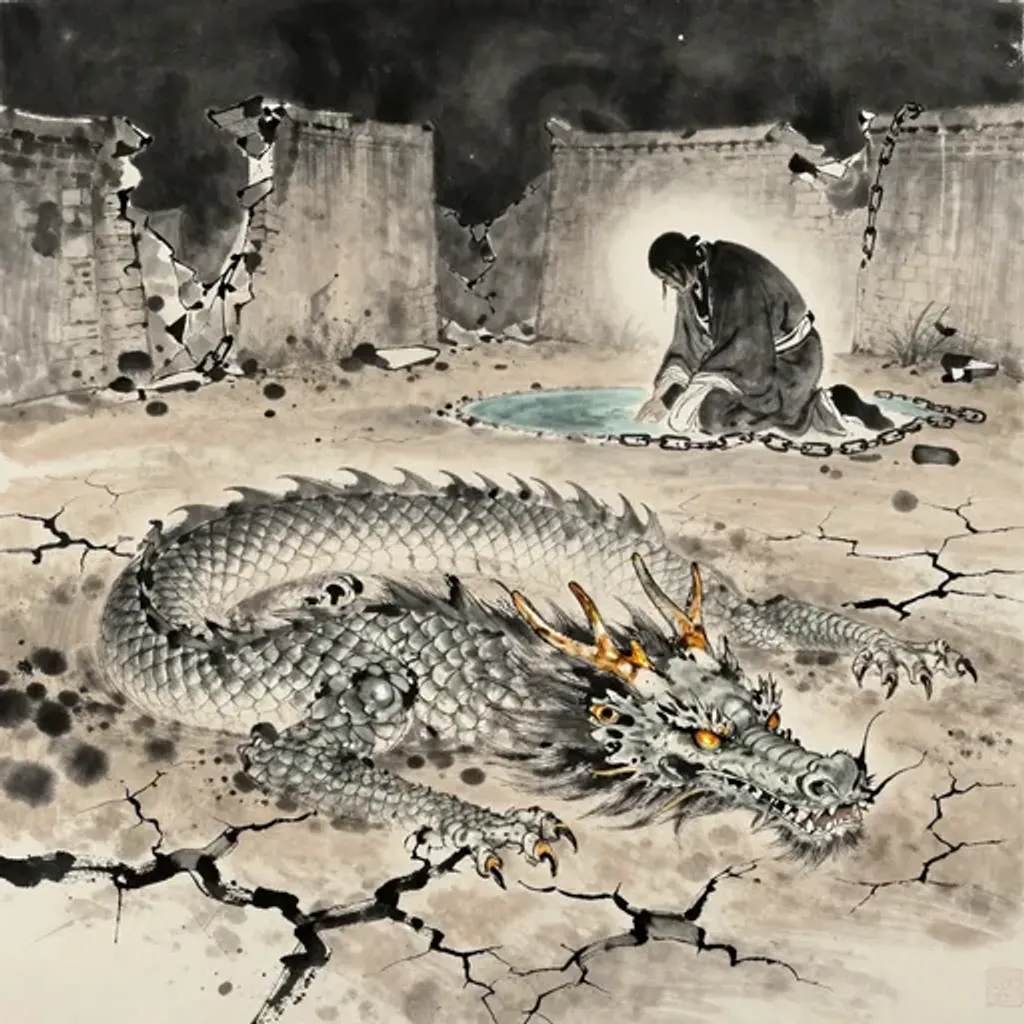
泉涸龍憂,箕子為奴。干叔隕命,殷破其家。
The spring dries up and the dragon grieves; Jizi is made a slave. Gan Shu loses his life; Yin is broken and its house destroyed.
— Jiao Yanshou, Yilin (Forest of Changes), 1st century BC
Commentary
Wind from fire once sustained the family, but the spring has dried up and the dragon languishes. The Viscount of Ji was enslaved, Prince Bigan lost his life, and the house of Shang was shattered. 'When the spring dries, the dragon grieves' — the dragon depends on water as a dynasty depends on its moral wellspring. The Viscount of Ji, one of the Three Benevolent Ones of Shang, feigned madness and was reduced to slavery. 'Gan Shu' likely refers to Bigan, who remonstrated with King Zhou and was executed, his heart cut out. The family of Yin is destroyed from within. From The Family to Revolution, fire within the lake transforms what can no longer be sustained. Revolution becomes necessary when the ruling house has consumed its own moral foundation — the only remedy is a complete change of mandate.
家人 → 鼎
Hexagram 37 → Hexagram 50: The Cauldron
Changing lines: 1, 2, 4, 5
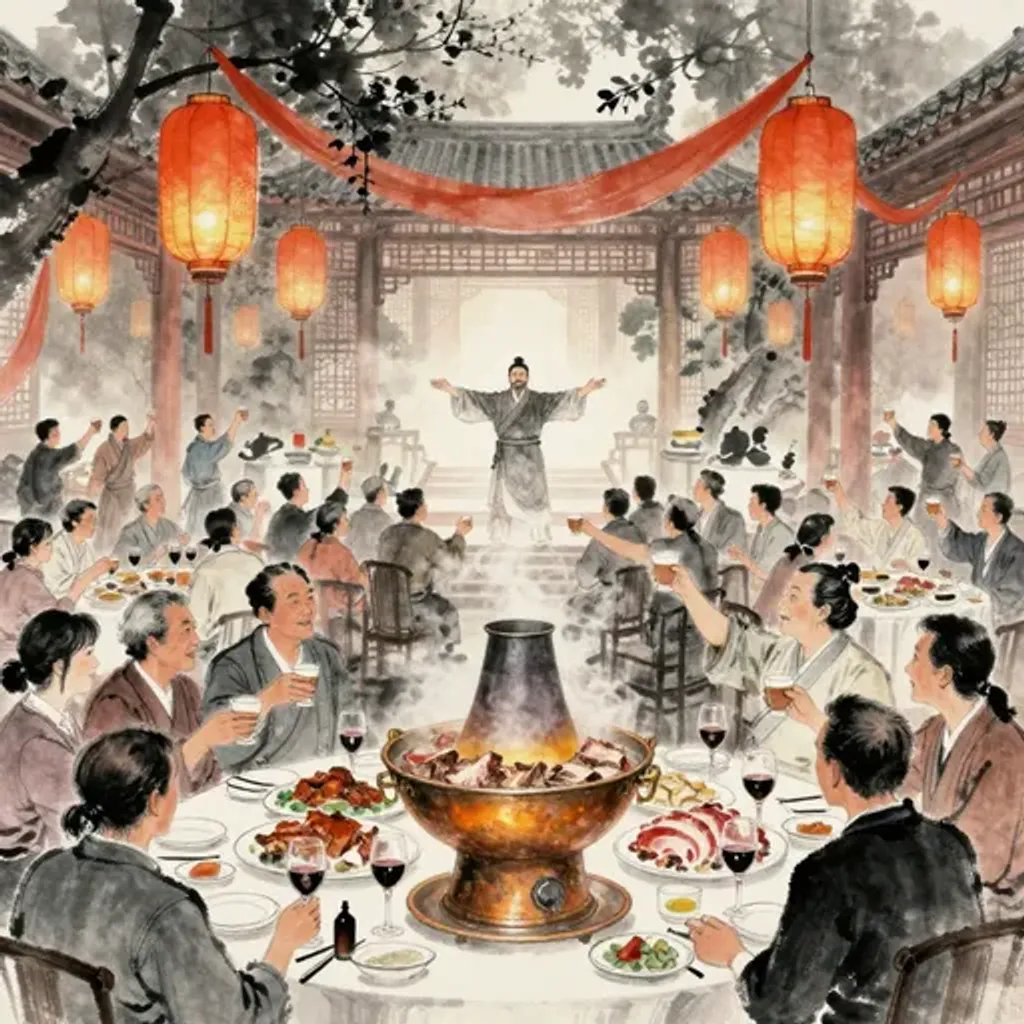
向食飲酒,嘉賓聚會。牂羊大豬,君子饒有。
Facing the food, drinking the wine, honored guests gather. Ewes and great swine; the noble man has plenty.
— Jiao Yanshou, Yilin (Forest of Changes), 1st century BC
Commentary
Wind from fire fills the family hearth with the warmth of a feast. Facing food and drinking wine, honored guests gather for a banquet. Rams and great pigs are served — the gentleman has abundance to spare. The verse celebrates the family at its most generous and communal: the table laden, the wine poured, the guests welcomed. This is the family fulfilling its social role as host, transforming private wealth into shared festivity. From The Family to The Cauldron, fire blazes above wood as the sacrificial vessel refines raw offering into sacred nourishment. The feast is the cauldron's work made visible: raw ingredients transformed through skill and ritual into something that nourishes both body and social bonds. The family that feeds its community sanctifies its own prosperity.
家人 → 震
Hexagram 37 → Hexagram 51: The Arousing Thunder
Changing lines: 3, 4, 5, 6
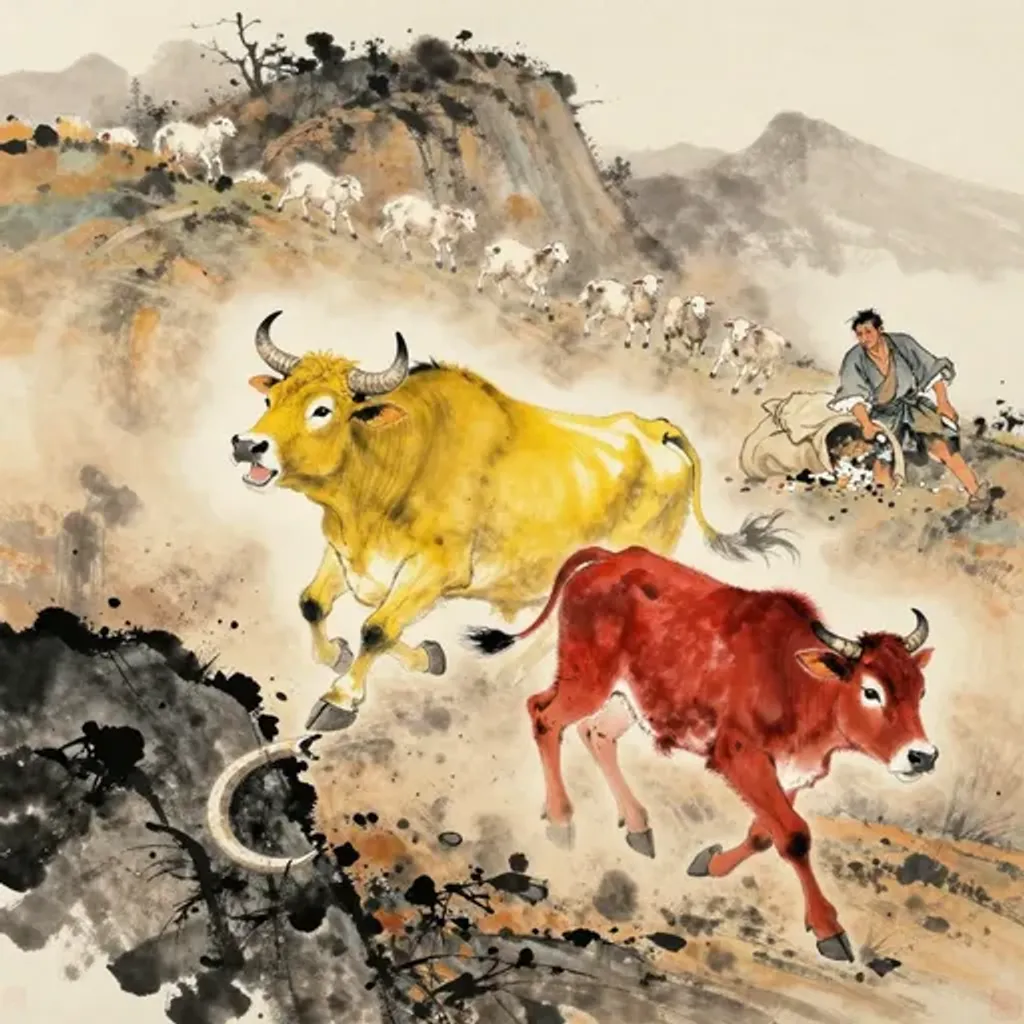
黃牛騂犢,東行折角。冀得百牂,反亡我囊。
A yellow ox and a russet calf, traveling east, break a horn. He hopes to gain a hundred ewes; instead he loses his sack.
— Jiao Yanshou, Yilin (Forest of Changes), 1st century BC
Commentary
Wind from fire directs the family eastward with a yellow cow and a red calf, but the journey goes badly wrong. The ox breaks its horn heading east — an ominous sign of diminished power. The traveler hoped to gain a hundred ewes but instead loses his own sack. The broken horn is a potent symbol: the ox's weapon and tool of dominance, snapped by misdirected force. What was intended as a profitable trade expedition ends in net loss. From The Family to The Arousing, doubled thunder shakes the earth with sudden force. The Arousing startles but also clarifies; the shock of loss forces a reckoning. The family that overreaches in pursuit of gain discovers that thunder does not reward greed — it strips away pretension and leaves only what is genuine.
家人 → 艮
Hexagram 37 → Hexagram 52: Keeping Still Mountain
Changing lines: 1, 5
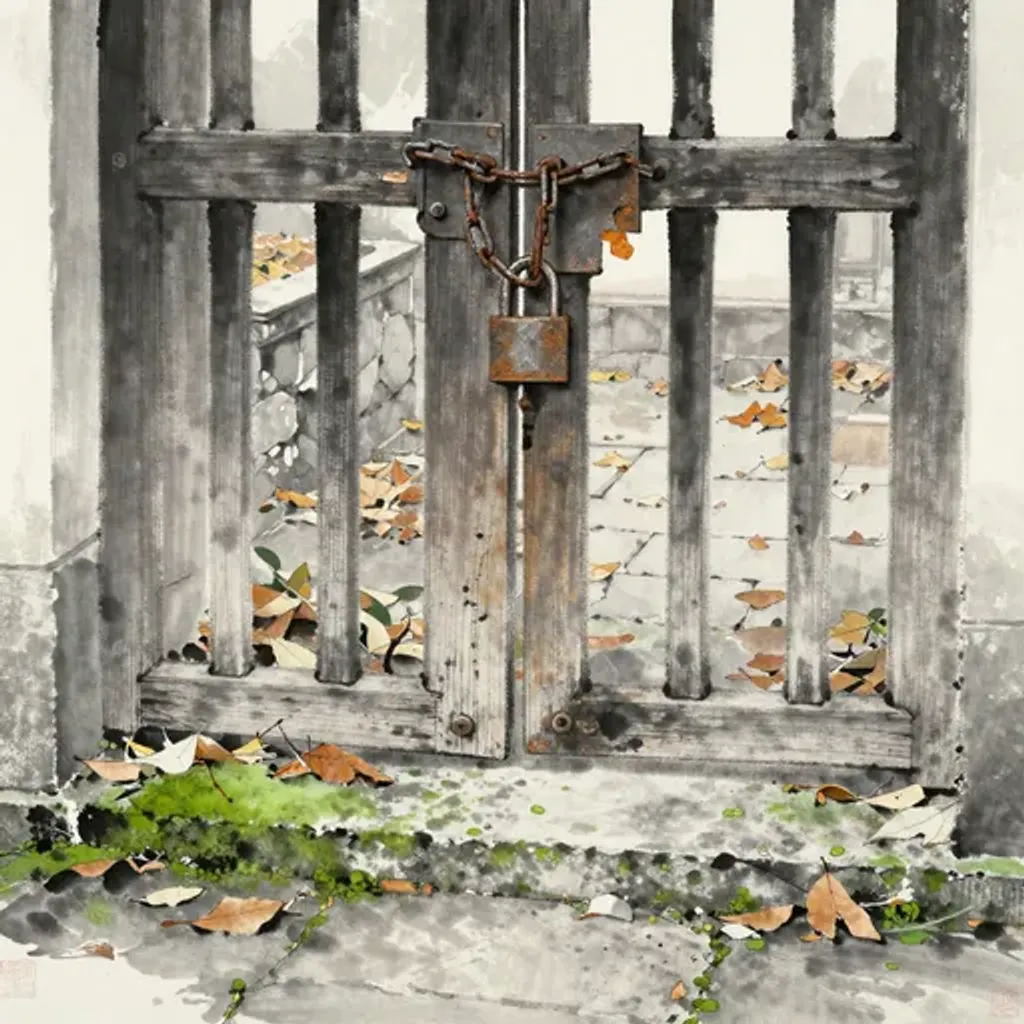
路多枳棘,步刺我足。不利旅客,為心作毒。
Moss grows on the threshold; the iron lock rusts shut. The road home is far; the courtyard lies abandoned.
— Jiao Yanshou, Yilin (Forest of Changes), 1st century BC
Commentary
Wind from fire once warmed this threshold, but now the hearth is cold. The original verse reads: 'The road is thick with thorns and thistles; they stab at my feet. Unfavorable for the traveler, they poison the heart.' A path so overgrown with brambles that every step draws blood — the journey itself becomes a wound. The thorns are not merely inconvenient; they are toxic, breeding bitterness in the one who must walk through them. From The Family to Keeping Still, twin mountains stand in absolute stillness. The traveler's pain is met by the mountain's instruction: stop. When every step forward brings injury, the only wisdom is to cease walking. Keeping Still does not solve the problem of thorns but prevents further harm — sometimes the bravest act is to remain where one is.
家人 → 漸
Hexagram 37 → Hexagram 53: Development
Changing lines: 1
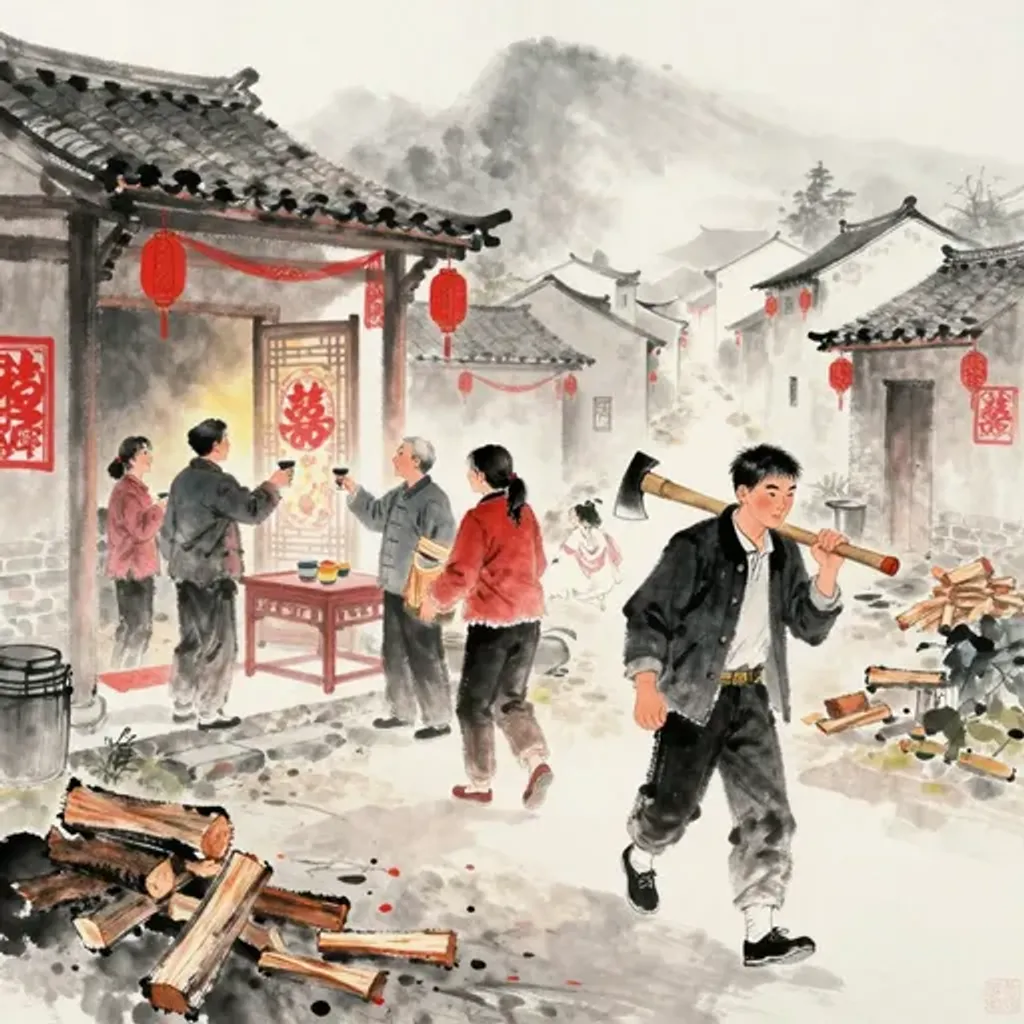
執斧破薪,使媒求婦。和合二姓,親御斯酒。居比鄰里,姑公悅喜。
He takes up the axe and splits firewood, sends a matchmaker to seek a bride. The two surnames are joined in harmony, toasting together over this wine. They dwell beside their neighbors; father-in-law and mother-in-law rejoice.
— Jiao Yanshou, Yilin (Forest of Changes), 1st century BC
Commentary
Wind from fire warms the family with the joy of a new union. Taking an axe to split firewood — the Shijing image of preparing for marriage — and sending a matchmaker to seek a bride. Two surnames are harmonized and joined; together they drink the nuptial wine. They settle as neighbors in the community, and the parents-in-law are delighted. Every element follows proper ritual sequence: the woodcutting that announces intention, the matchmaker who mediates, the shared wine that seals the union, and the communal integration that completes it. From The Family to Development, wood grows gradually atop the mountain, rising step by step. Development is the hexagram of proper marriage protocol — the wild goose advances methodically. This wedding embodies that patient, staged progression from courtship to settled domestic harmony.
家人 → 歸妹
Hexagram 37 → Hexagram 54: The Marrying Maiden
Changing lines: 2, 3, 4, 5, 6
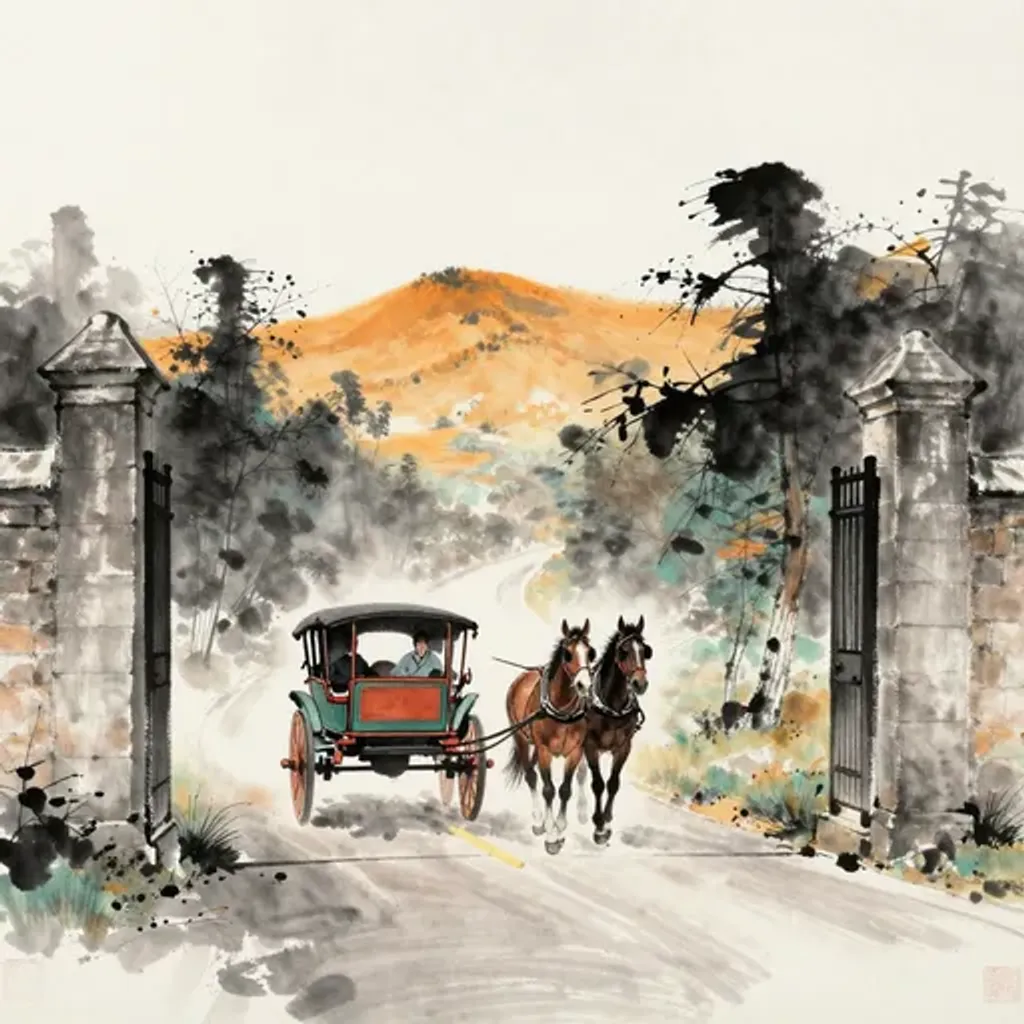
駕車出門,順時宜西。福佑我身,安寧無患。
He readies the carriage and goes out the gate; the season favors traveling west. Blessings protect his person; peaceful and tranquil, without affliction.
— Jiao Yanshou, Yilin (Forest of Changes), 1st century BC
Commentary
Wind from fire sets the family in motion on a well-timed journey. Hitching the carriage and passing through the gate, the season calls for a westward course. Blessings protect the traveler, and the journey is peaceful and free from trouble. The verse radiates confidence in timing: the departure is not impulsive but aligned with the proper moment, and the direction is chosen deliberately. 'Following the season' implies consulting calendrical wisdom before setting out. From The Family to the Marrying Maiden, thunder stirs above the lake in the sudden animation of a young woman given in marriage. The westward journey may itself be a bridal procession — the family sending a daughter to her new home with heaven's blessing, arriving safely because the timing was right.
家人 → 豐
Hexagram 37 → Hexagram 55: Abundance
Changing lines: 4, 5, 6
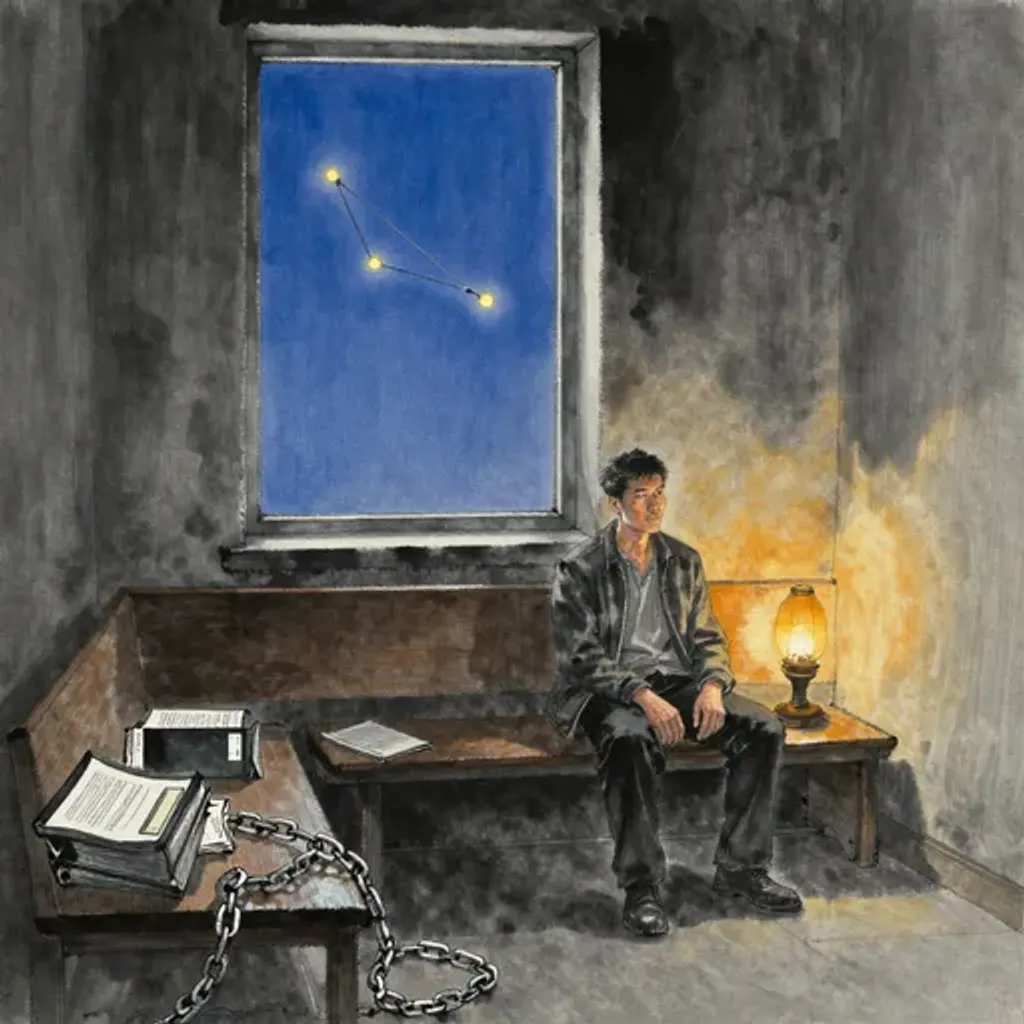
日新東從,魁杓為禍。僕臺為秦,使我久坐。
The sun rises anew in the east; the Dipper's handle brings disaster. The servant becomes a subject of Qin; it keeps me sitting here endlessly.
— Jiao Yanshou, Yilin (Forest of Changes), 1st century BC
Commentary
Wind from fire should illuminate the family's affairs, but here the light shifts and shadows lengthen. The sun rises anew from the east, yet the Dipper's handle brings misfortune. A servant seizes power for Qin, leaving the speaker stranded and idle. The 'Dipper's handle as disaster' invokes astronomical omen lore: the direction the Big Dipper points determines the season and the fortune of nations. When celestial indicators turn unfavorable, even the rising sun cannot dispel the gathering darkness. The servant usurping power for Qin may allude to a retainer overstepping his station. From The Family to Abundance, thunder and lightning arrive together in overwhelming fullness. But abundance can become oppressive — when lesser figures commandeer the instruments of power, the rightful master sits powerless while his world is rearranged around him.
家人 → 旅
Hexagram 37 → Hexagram 56: The Wanderer
Changing lines: 1, 4, 5
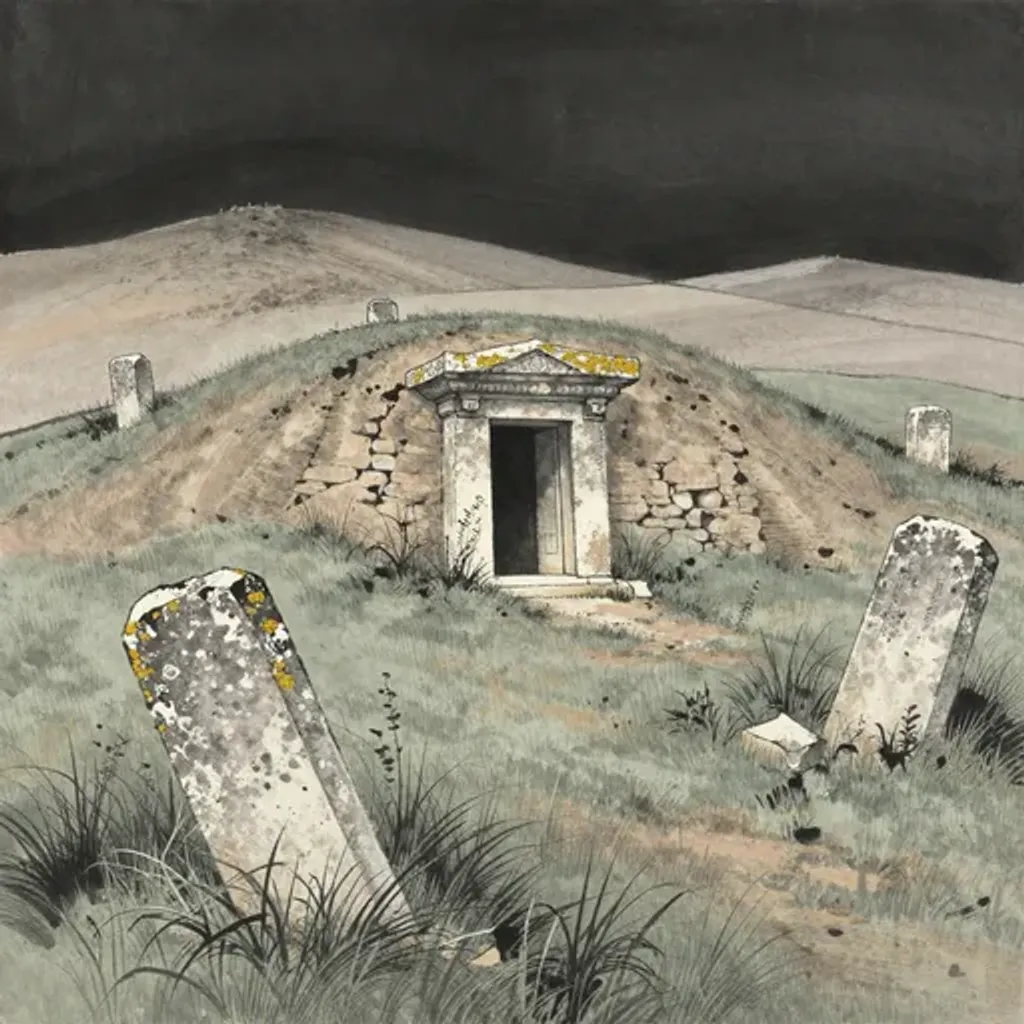
山陵丘墓,魂魄室屋。精光竭盡,長臥无覺。
Hills and barrows, tombs and graves; the dwelling place of souls. The vital light is spent entirely; he lies long in sleep without waking.
— Jiao Yanshou, Yilin (Forest of Changes), 1st century BC
Commentary
Wind from fire once animated the household, but now all vital energy has departed. Mounds and hillside tombs become the soul's dwelling; the spirit's light is utterly exhausted. The body lies in eternal sleep, never to wake. The verse is a meditation on death stripped of all consolation — no immortality, no reunion, no transformation, just the quiet extinction of consciousness. The tomb as 'soul's chamber' inverts the living household: the family home becomes a burial mound. From The Family to The Wanderer, fire burns atop the mountain as the traveler passes through without settling. The Wanderer is always in transit, never at home. Death is the ultimate wandering — the soul departs its familiar dwelling and enters a journey from which there is no return, the light extinguished and the family left behind.
家人 → 巽
Hexagram 37 → Hexagram 57: The Gentle Wind
Changing lines: 1, 2
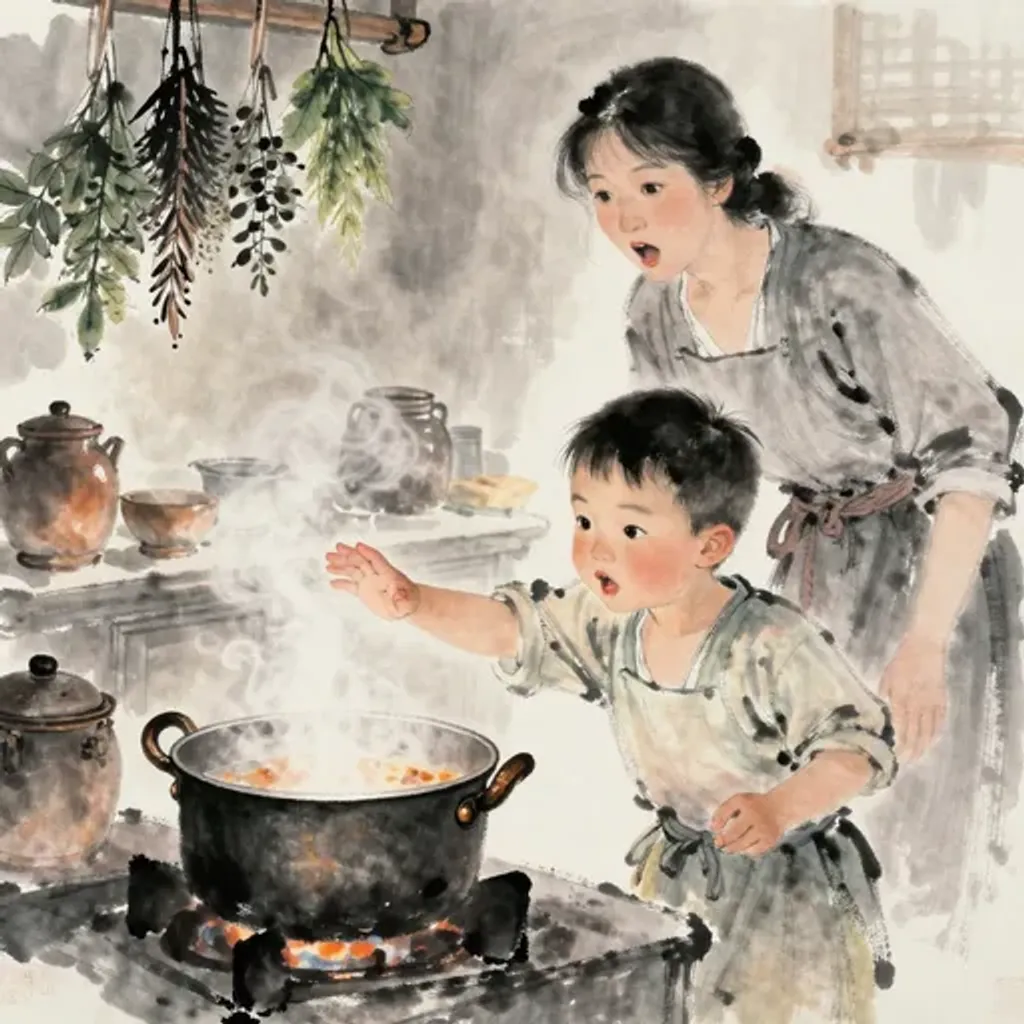
孩子貪餌,為利所悅。探把釜甑,爛其臂手。
The child, greedy for a treat, is tempted by what pleases. He reaches into the cauldron and the pot; it scalds his arms and hands.
— Jiao Yanshou, Yilin (Forest of Changes), 1st century BC
Commentary
Wind from fire warms the family hearth, but a child drawn by the smell of cooking reaches into the cauldron and scalds both arms. The little one, greedy for a treat and delighted by the prospect of gain, plunges hands into the boiling pot — and is badly burned. The scene is domestic and visceral: the very warmth that sustains the household becomes a source of injury when approached without caution. The child's impulsiveness turns nourishment into harm. From The Family to The Gentle, doubled wind penetrates gradually through repeated influence. The Gentle's method is the opposite of the child's grab: patient, incremental, never forcing. The burned hands teach that what the family's fire provides must be received with care and respect, not snatched at greedily.
家人 → 兌
Hexagram 37 → Hexagram 58: The Joyous Lake
Changing lines: 2, 3, 4, 6
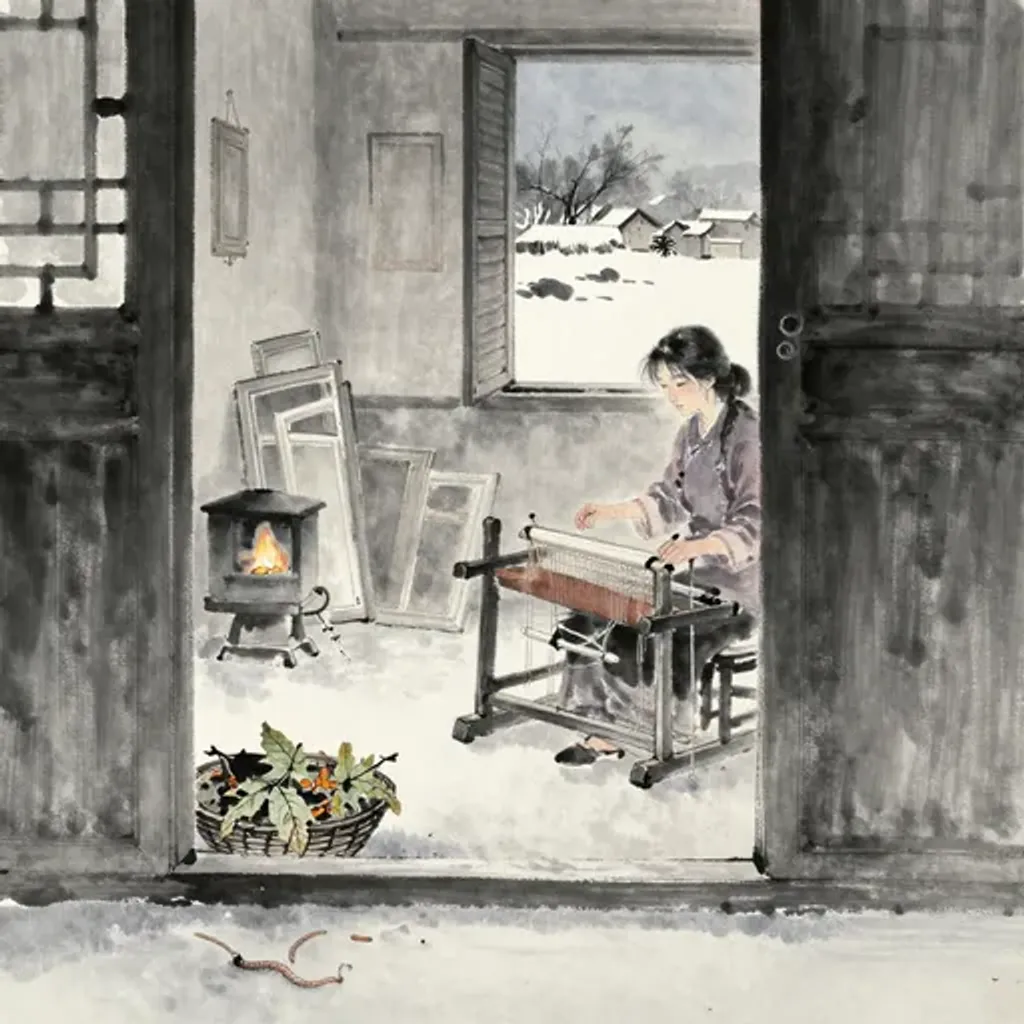
何材待時,閉戶獨愁。蚯蚓冬行,解我无憂。桑蚕不得,女功弗成。
What talent awaits its time? Behind closed doors, he broods alone. An earthworm crawls in winter, releasing him from worry. Yet silkworms yield no silk; the woman's work is left undone.
— Jiao Yanshou, Yilin (Forest of Changes), 1st century BC
Commentary
Wind from fire illuminates the family's labors, but here talent waits behind closed doors. 'What timber awaits its season?' — the gifted person sits alone in anxiety, shut inside with nothing to do. Then an earthworm crawls in winter, and somehow worry dissolves. Yet the verse turns again: silkworms are raised but no silk is produced; the woman's work remains unfinished. The earthworm moving in winter — a creature active out of season — offers an oblique and paradoxical relief, as though nature's own rule-breaking momentarily lifts the paralysis. From The Family to The Joyous, paired lakes encourage mutual learning and shared delight. Joy comes through exchange, but this household is isolated, its products incomplete. The joyous lake remains just beyond the closed door.
家人 → 渙
Hexagram 37 → Hexagram 59: Dispersion
Changing lines: 1, 2, 3
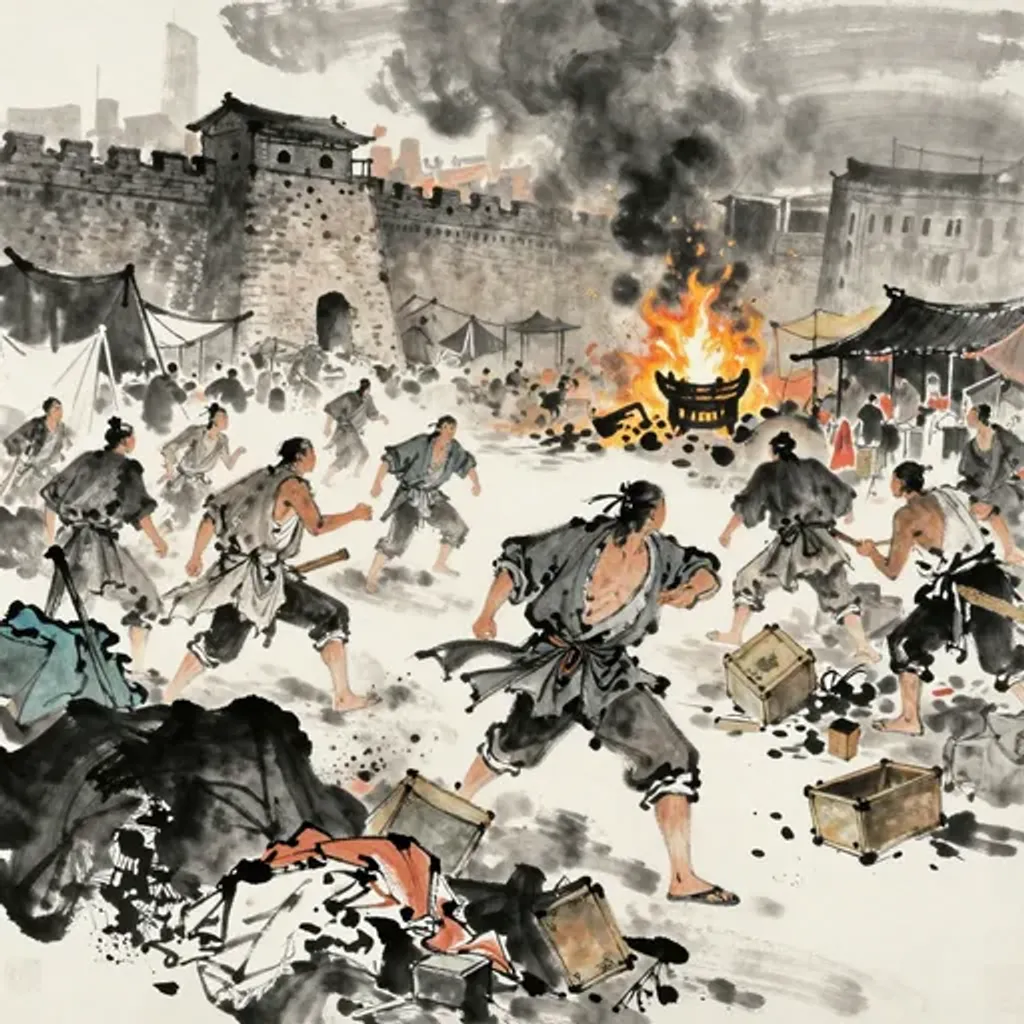
解商驚惶,散我衣裝,君不安邦。
The merchants are startled and alarmed; our garments and goods are scattered. The lord cannot secure the realm.
— Jiao Yanshou, Yilin (Forest of Changes), 1st century BC
Commentary
Wind from fire is scattered as the family's bonds dissolve. The merchants are startled and panicked; clothing and possessions are stripped away. The ruler cannot maintain his state. The verse is terse and bleak — in just three phrases it captures commercial ruin, material loss, and political collapse. 'Dissolving the merchants' suggests that trade networks are disrupted, the economic sinews that bind communities torn apart. From The Family to Dispersion, wind moves across the water, scattering what was gathered. Dispersion is the hexagram of dissolution — sometimes necessary to clear stagnation, but here experienced as pure loss. The family's fabric unravels as goods, garments, and governance all fly apart in the wind.
家人 → 節
Hexagram 37 → Hexagram 60: Limitation
Changing lines: 2, 3, 6
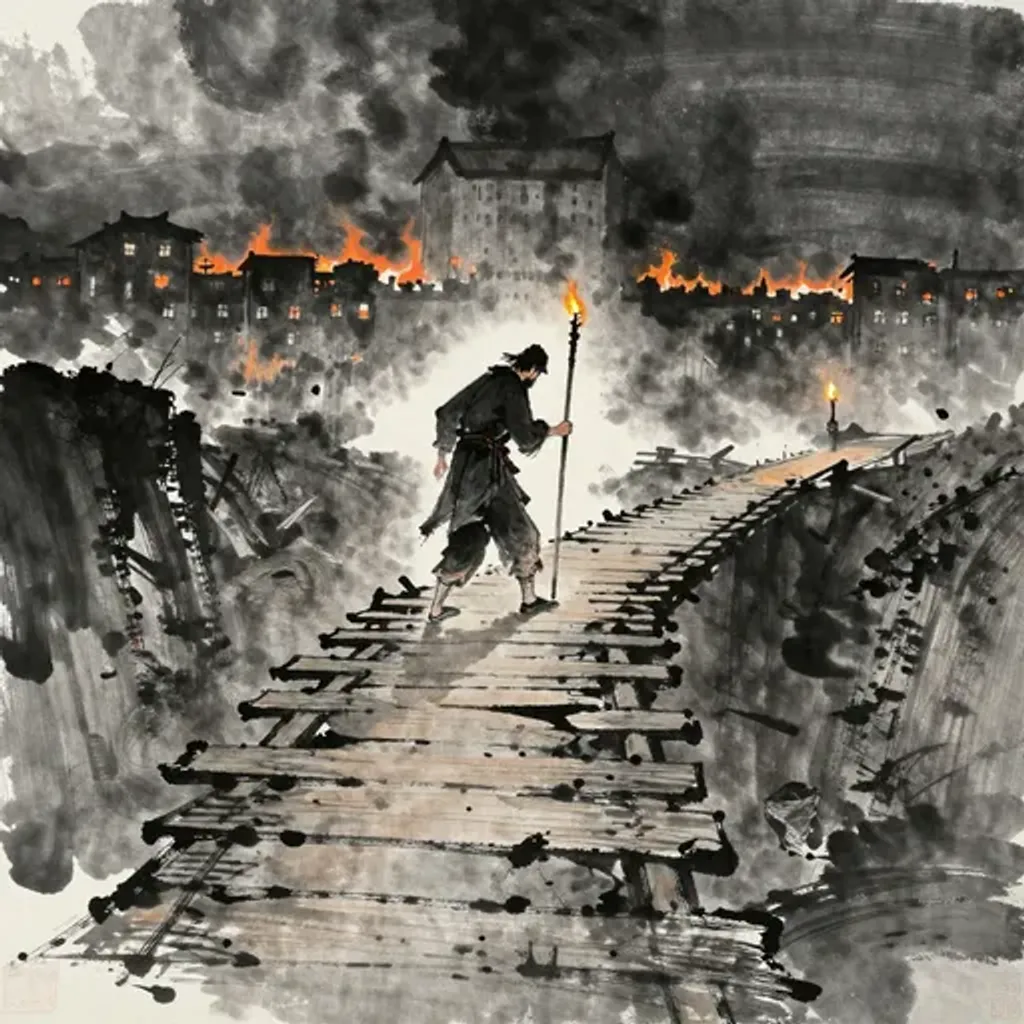
害政養賊,背主入愆。跛行不安,國危為患。
He harms governance and shelters thieves, turning against the lord and entering transgression. Limping, his steps unsteady; the state teeters in peril.
— Jiao Yanshou, Yilin (Forest of Changes), 1st century BC
Commentary
Wind from fire should discipline the household, but here governance itself breeds the disease it should cure. Policies that harm the state nurture outlaws; betraying the ruler invites transgression. The nation limps forward unsteadily, endangered and in crisis. The verse names a vicious cycle: misgovernment creates the very criminals it then fails to control, and disloyalty at the top cascades into instability throughout. 'Limping and unsteady' suggests a body politic crippled by its own corruption. From The Family to Limitation, water rests upon the lake, establishing proper measure. Limitation's purpose is to create sustainable boundaries — but the verse shows what happens when limits are imposed corruptly: they become instruments of harm rather than order, and the state hobbles toward collapse.
家人 → 中孚
Hexagram 37 → Hexagram 61: Inner Truth
Changing lines: 2, 3
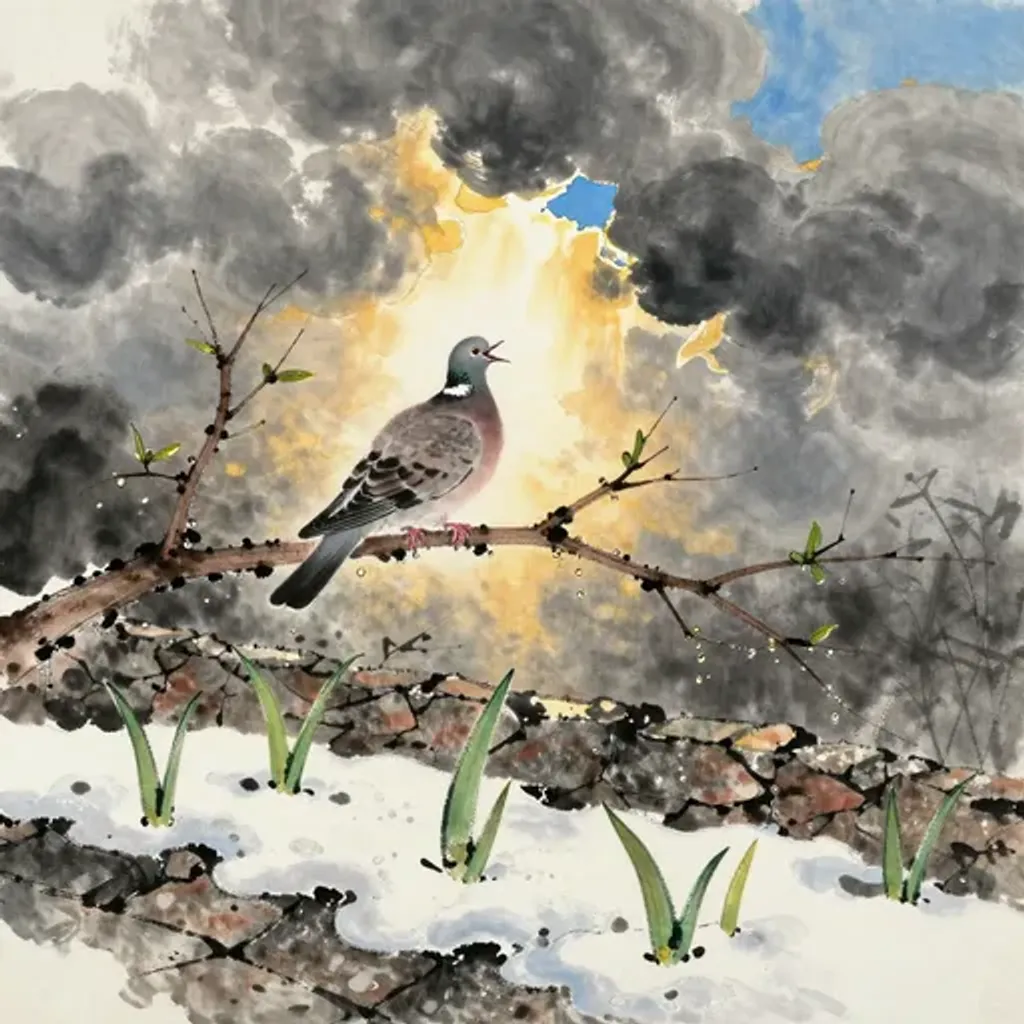
禍走患伏,喜為我福。凶惡消亡,災害不作。
Dark clouds scatter to reveal blue sky; a dove calls from the branch announcing clear weather. Snow before the gate has just finished melting — below the steps, new shoots break through the bricks.
— Jiao Yanshou, Yilin (Forest of Changes), 1st century BC
Commentary
Wind from fire clears the sky after the storm. The original verse reads: 'Calamity retreats and misfortune hides; joy becomes my blessing. Evil and harm vanish; disasters cease to arise.' After a prolonged period of danger, the clouds part and light returns. The verse is a declaration of release — not the arrival of something new, but the withdrawal of everything harmful. The family emerges from crisis into clear air. From The Family to Inner Truth, wind moves above the lake as sincerity reaches the hearts of even the smallest creatures. Inner Truth's power is that genuine faith transforms circumstances without force. The disasters depart not because they are defeated but because the family's inner coherence makes them unsustainable. Sincerity, like wind over water, dissolves what is false.
家人 → 小過
Hexagram 37 → Hexagram 62: Small Exceeding
Changing lines: 1, 4, 5, 6
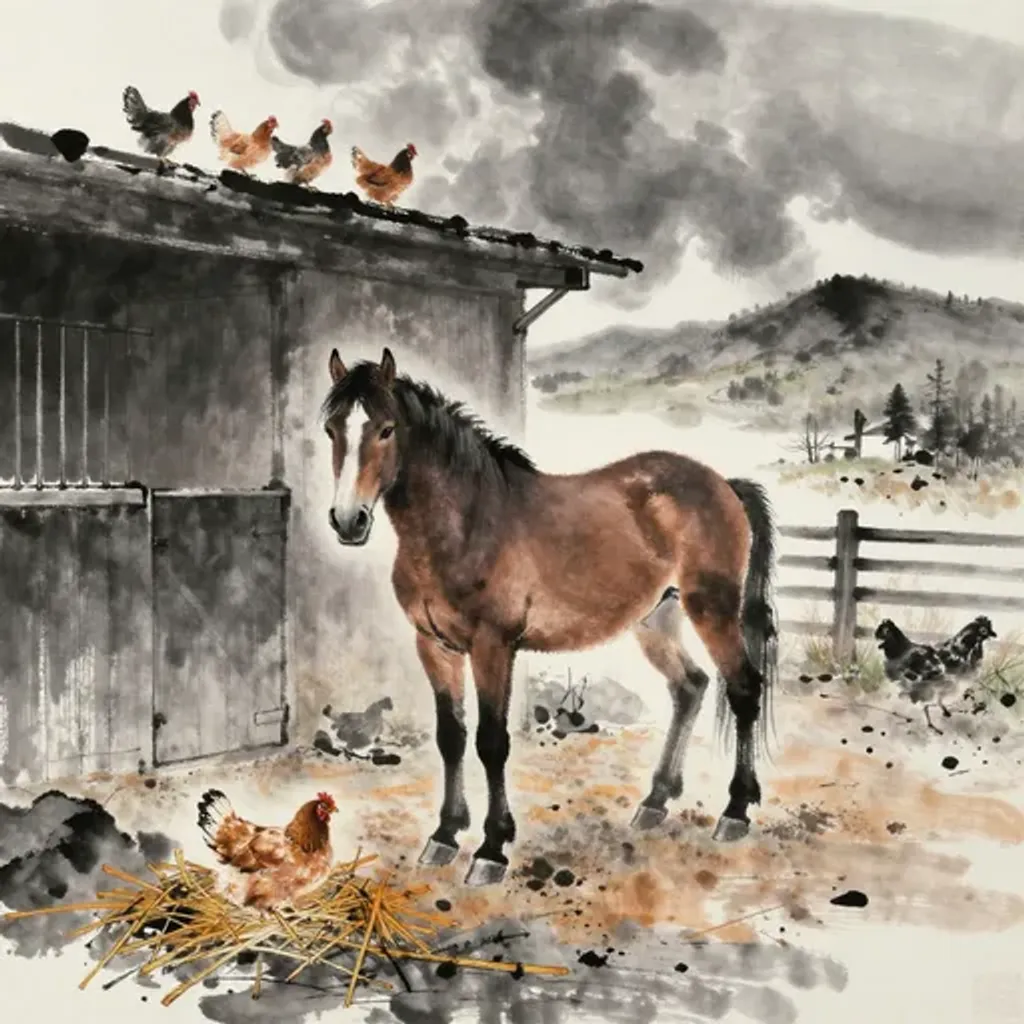
老馬無駒,病雞不雛。三雌獨宿,利在山北。
The old mare has no foal; the ailing hen raises no chicks. Three hens roost alone; profit lies in the mountain's north.
— Jiao Yanshou, Yilin (Forest of Changes), 1st century BC
Commentary
Wind from fire nourishes the family line, but here the generative chain breaks down entirely. An old horse sires no foals; a sick hen hatches no chicks. Three hens roost alone, and advantage lies only in the mountain's northern shadow. The imagery of barren animals is relentless: every creature that should reproduce fails to do so. The household's biological continuity is severed. The 'northern mountain' — the shaded, yin side — suggests that whatever small benefit remains lies in withdrawal and concealment rather than growth. From The Family to Small Exceeding, thunder above the mountain delivers more force than the situation warrants. Small Exceeding counsels modesty in a time of limited capacity; the family with no offspring must accept its diminished state and find what little shelter the mountain's shadow provides.
家人 → 既濟
Hexagram 37 → Hexagram 63: After Completion
Changing lines: 6
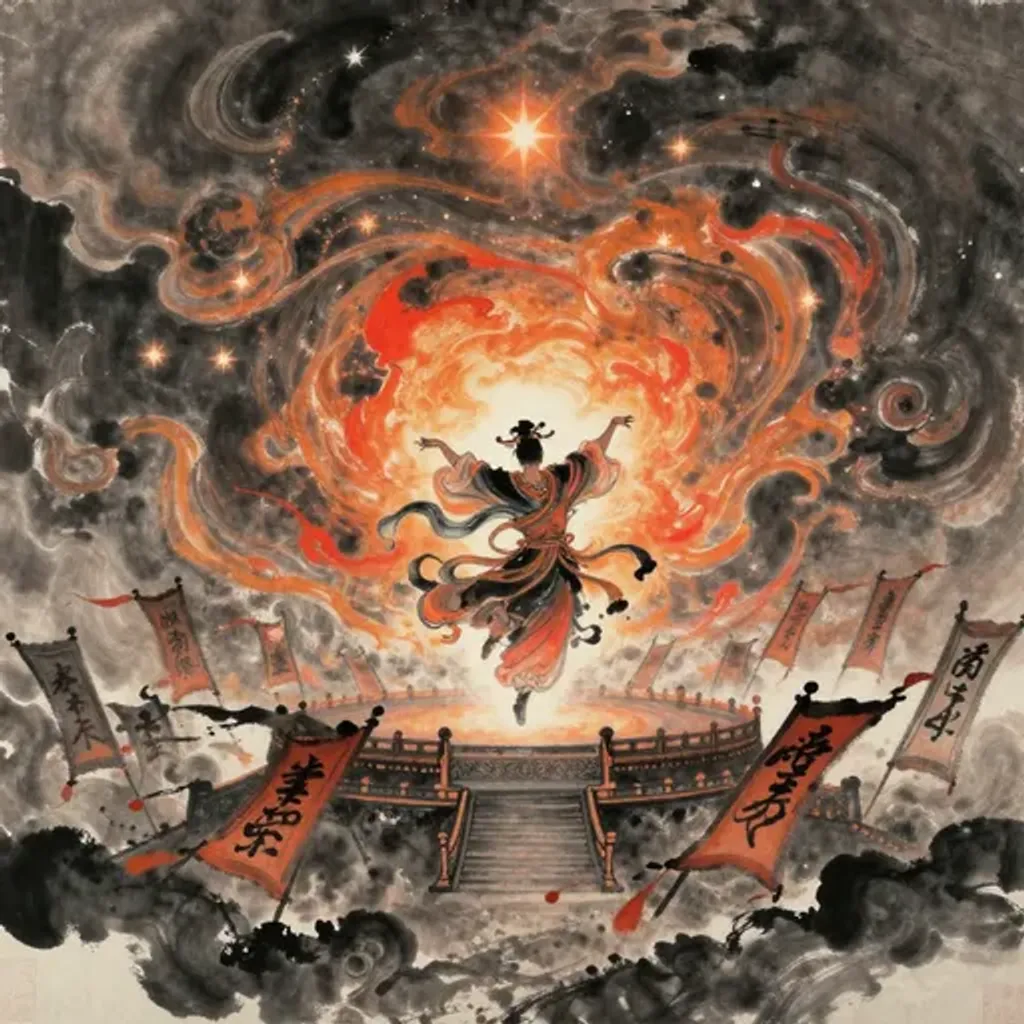
播天舞地,嘵亂神所,居樂无咎。
Shaking heaven, stirring earth, the spirits' dwelling is thrown into uproar. Yet one dwells in joy, without blame.
— Jiao Yanshou, Yilin (Forest of Changes), 1st century BC
Commentary
Wind from fire animates the family in exuberant celebration. Broadcasting across heaven and dancing upon earth, the commotion reaches even the dwelling place of spirits — yet the outcome is peaceful and blameless. The scene evokes a ritual performance so ecstatic it shakes heaven and earth: music, dance, and ceremonial clamor that blur the boundary between human and divine. Despite the apparent chaos, the result is 'dwelling in joy without fault.' The frenzy is contained within ritual form. From The Family to After Completion, water sits precisely above fire in perfect functional order. After Completion represents every element in its proper place — the very state this wild ritual produces. The family's ecstatic worship achieves cosmic balance not through restraint but through the total commitment of expressive energy.
家人 → 未濟
Hexagram 37 → Hexagram 64: Before Completion
Changing lines: 1, 2, 3, 4, 5
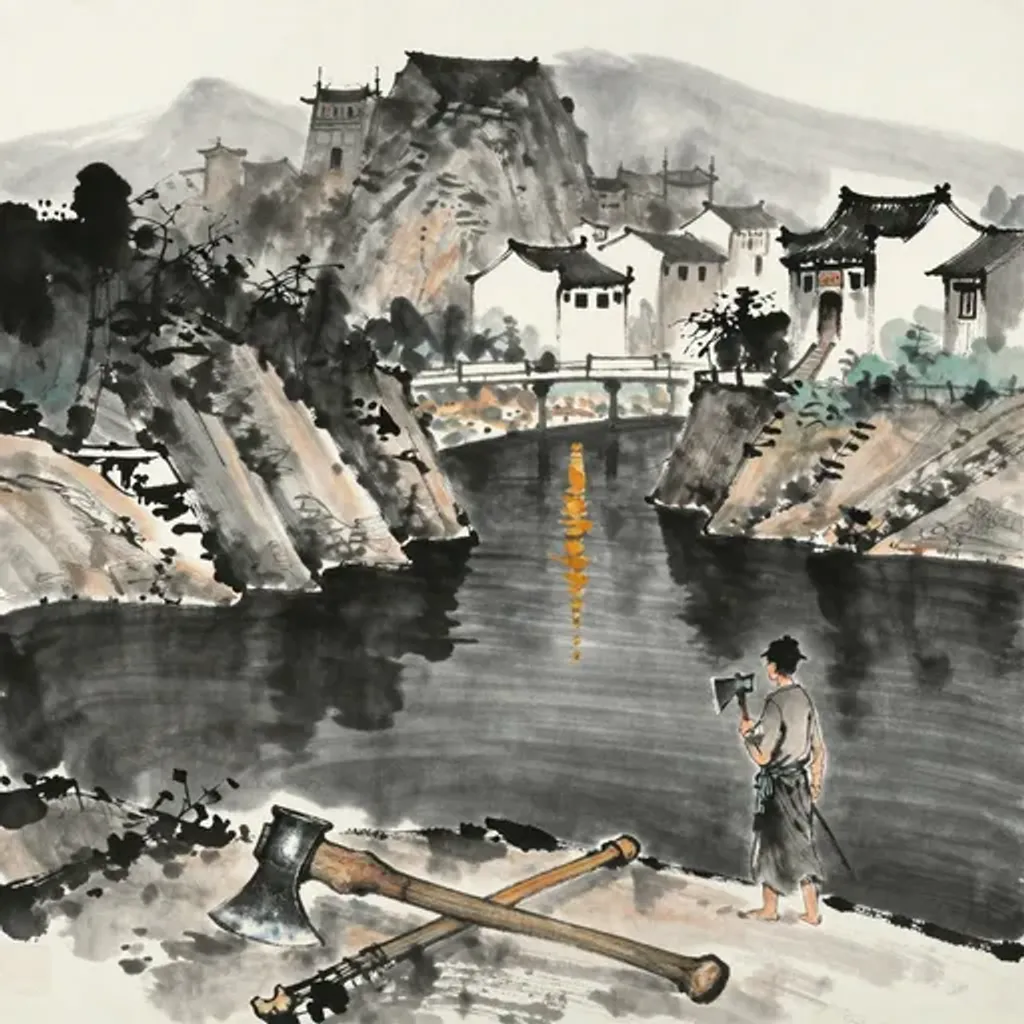
異國殊俗,情不相得。金木為仇,酉賊檀穀。
A foreign land with different customs; their hearts find no accord. Metal and wood are enemies; the rooster hacks at the sandalwood valley.
— Jiao Yanshou, Yilin (Forest of Changes), 1st century BC
Commentary
Wind from fire defines the family's customs, but here two families from alien lands cannot find common ground. Different countries and different customs — their feelings do not connect. Metal and wood are natural enemies; the Rooster attacks the sandalwood valley. The Five Phases theory designates metal as the destroyer of wood, and the Rooster (酉) is the branch associated with metal. The verse uses cosmological incompatibility to explain human estrangement: some unions are structurally doomed because the elemental natures involved are fundamentally opposed. From The Family to Before Completion, fire sits above water but cannot reach it — the final hexagram's permanent incompletion. The family that attempts to unite incompatible elements discovers that some gaps cannot be bridged, and the work remains forever unfinished.